The Schooner Jane of Bath, Maine — History & Analysis
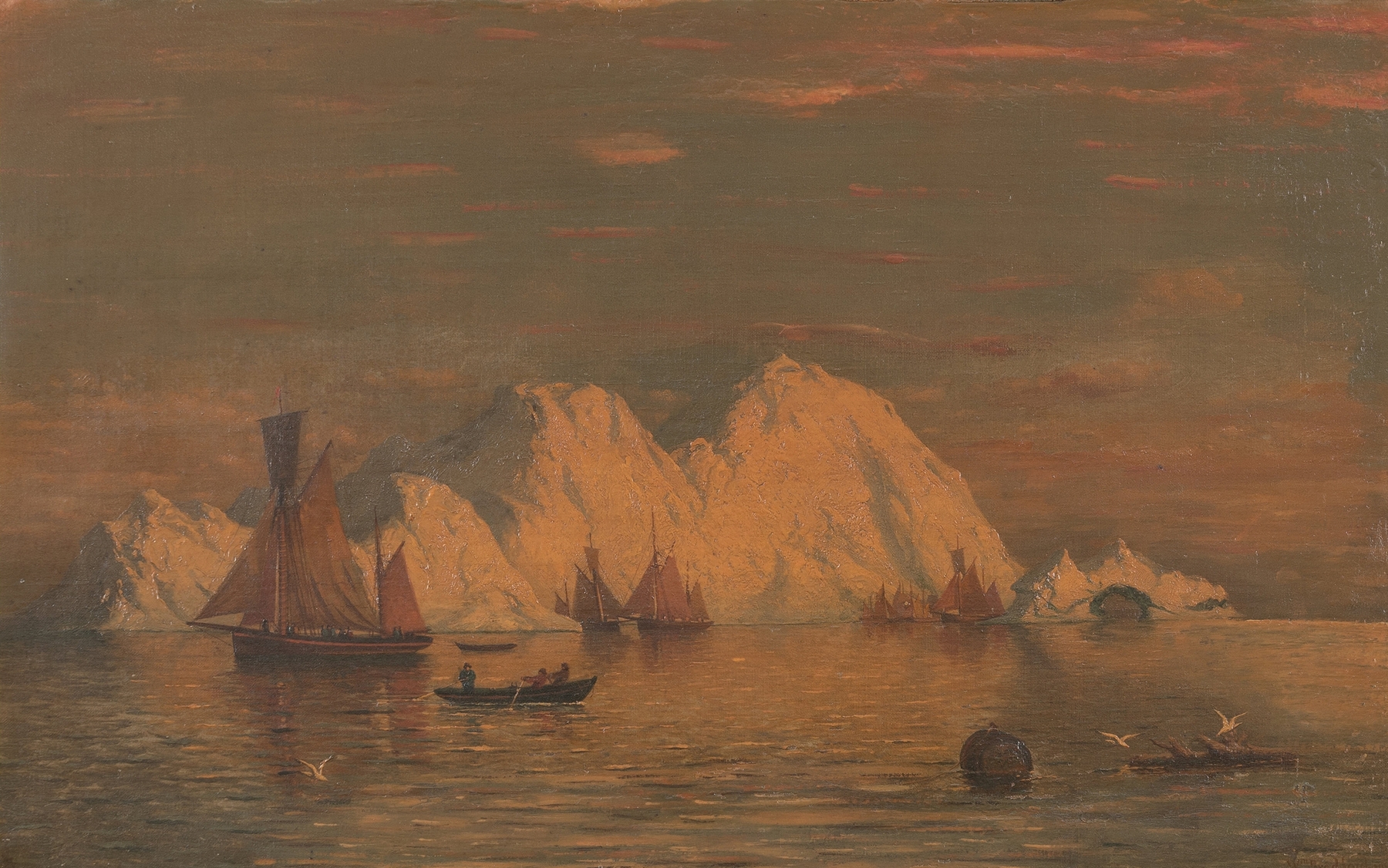
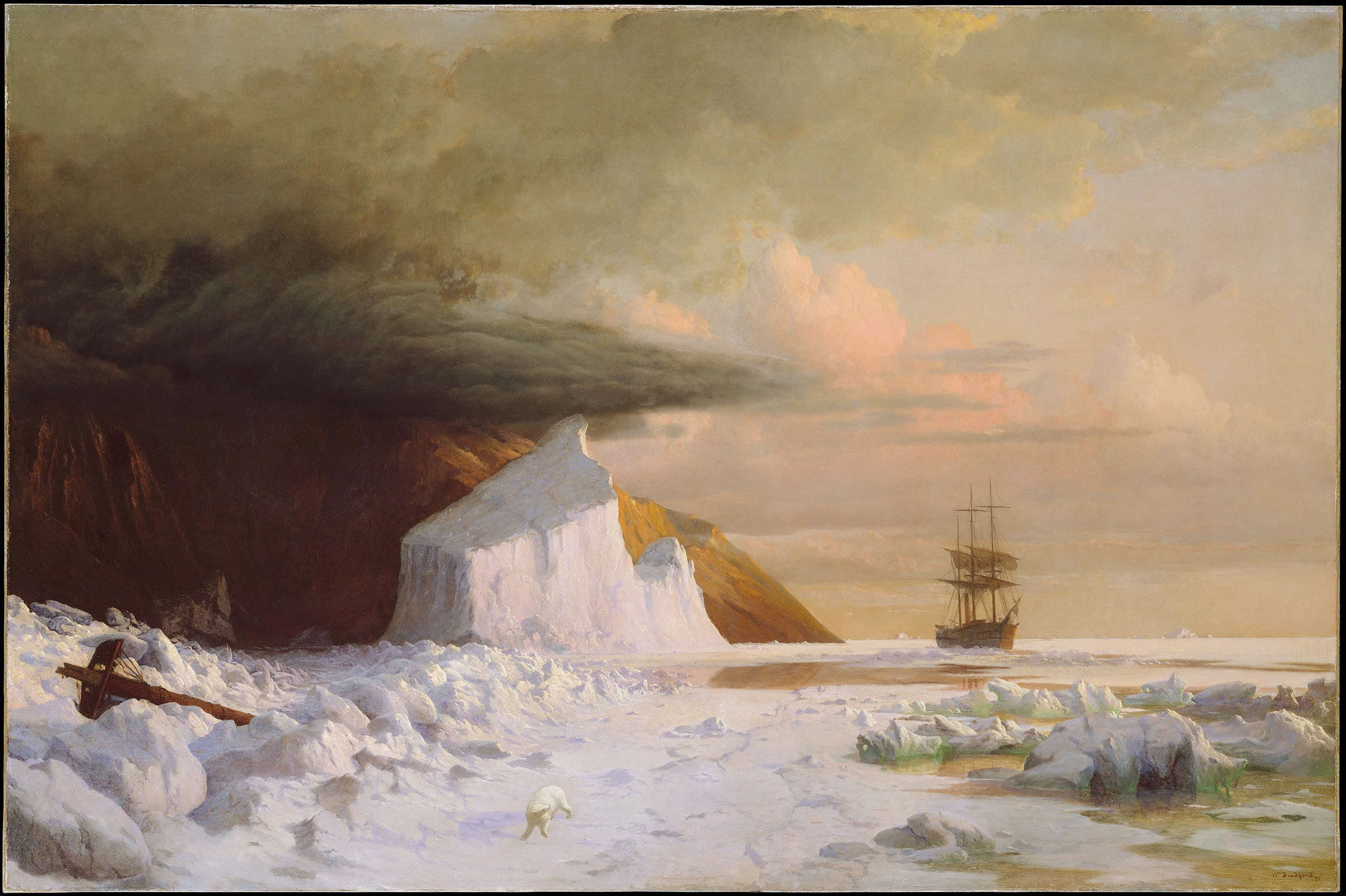
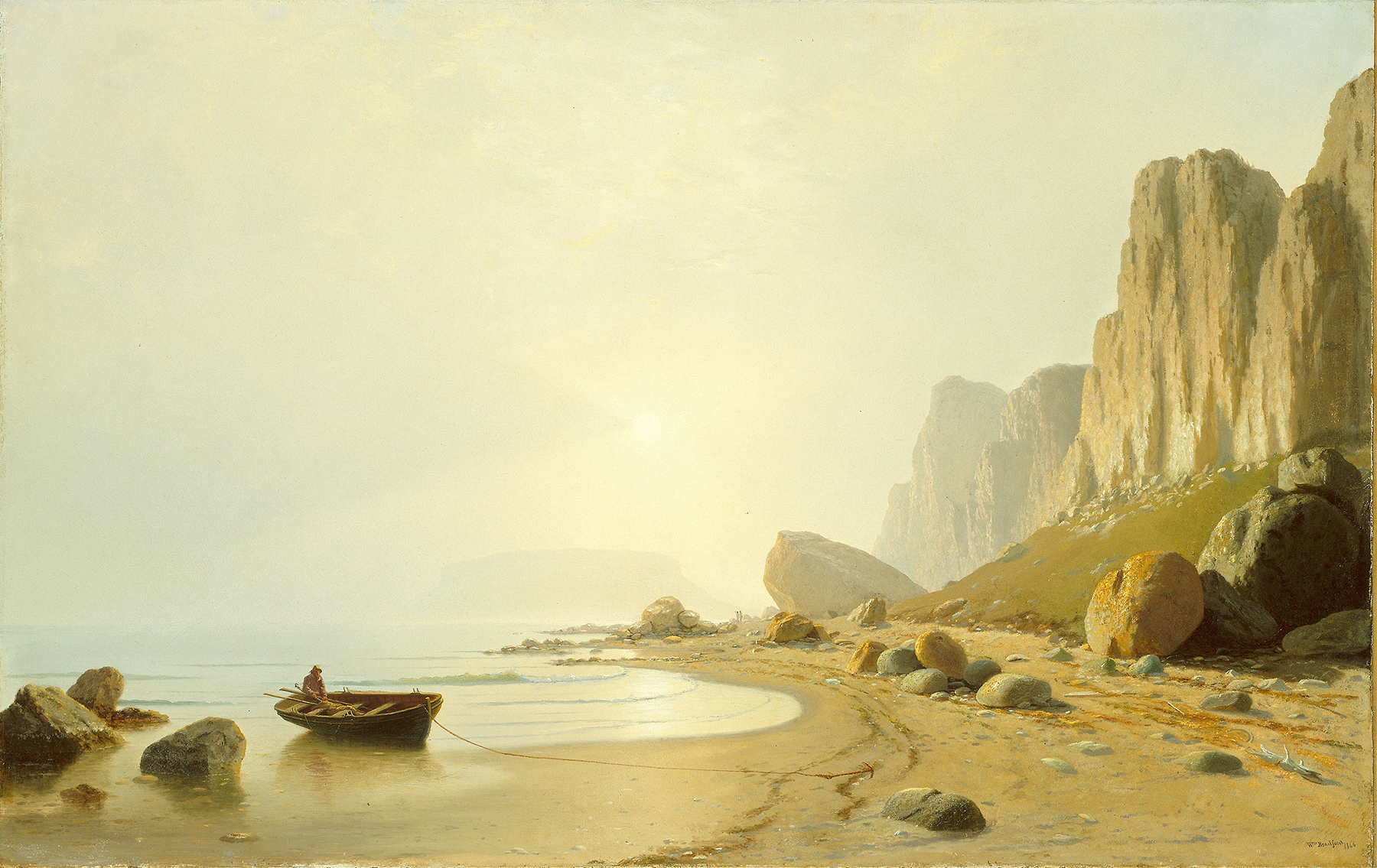
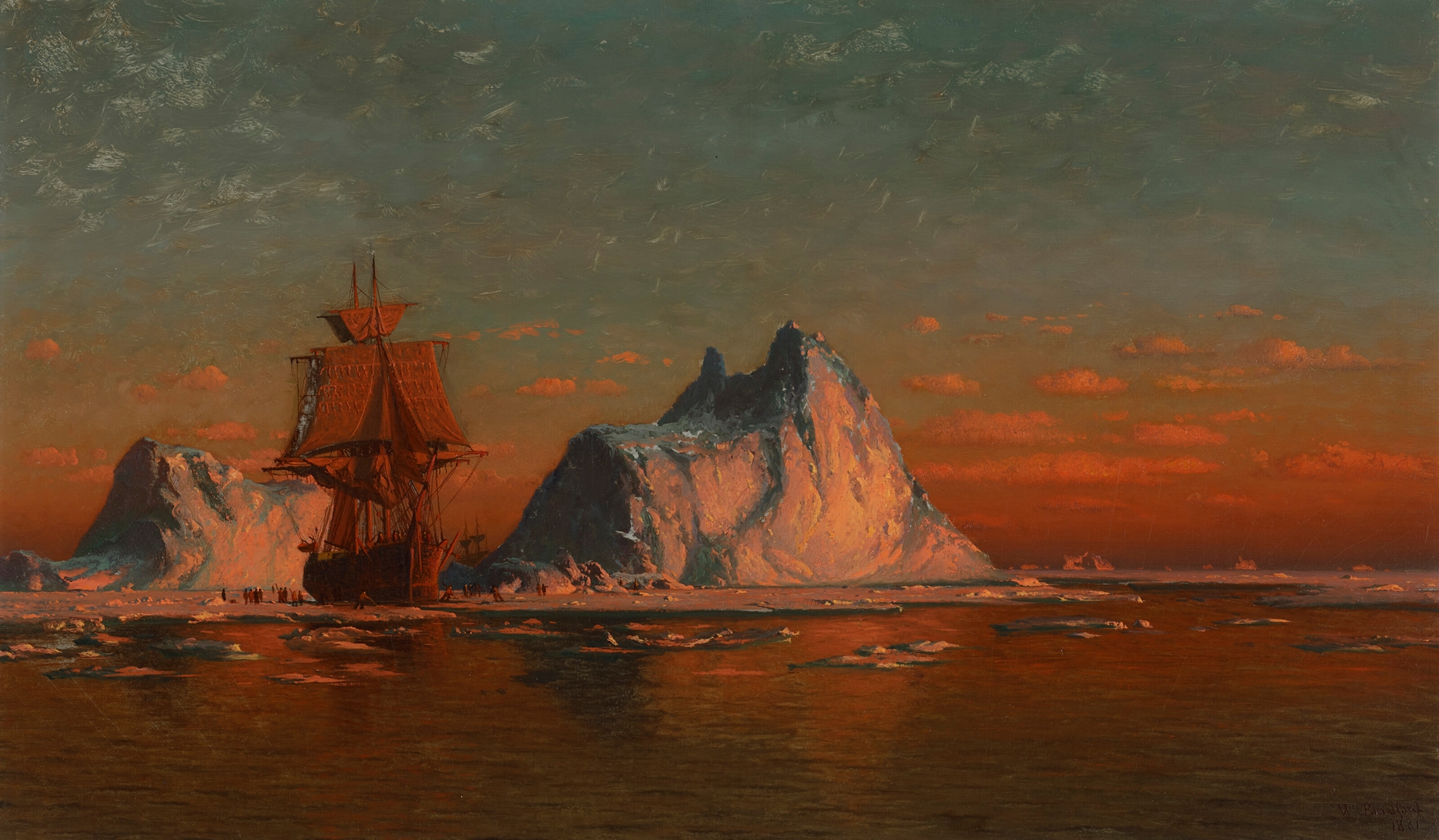
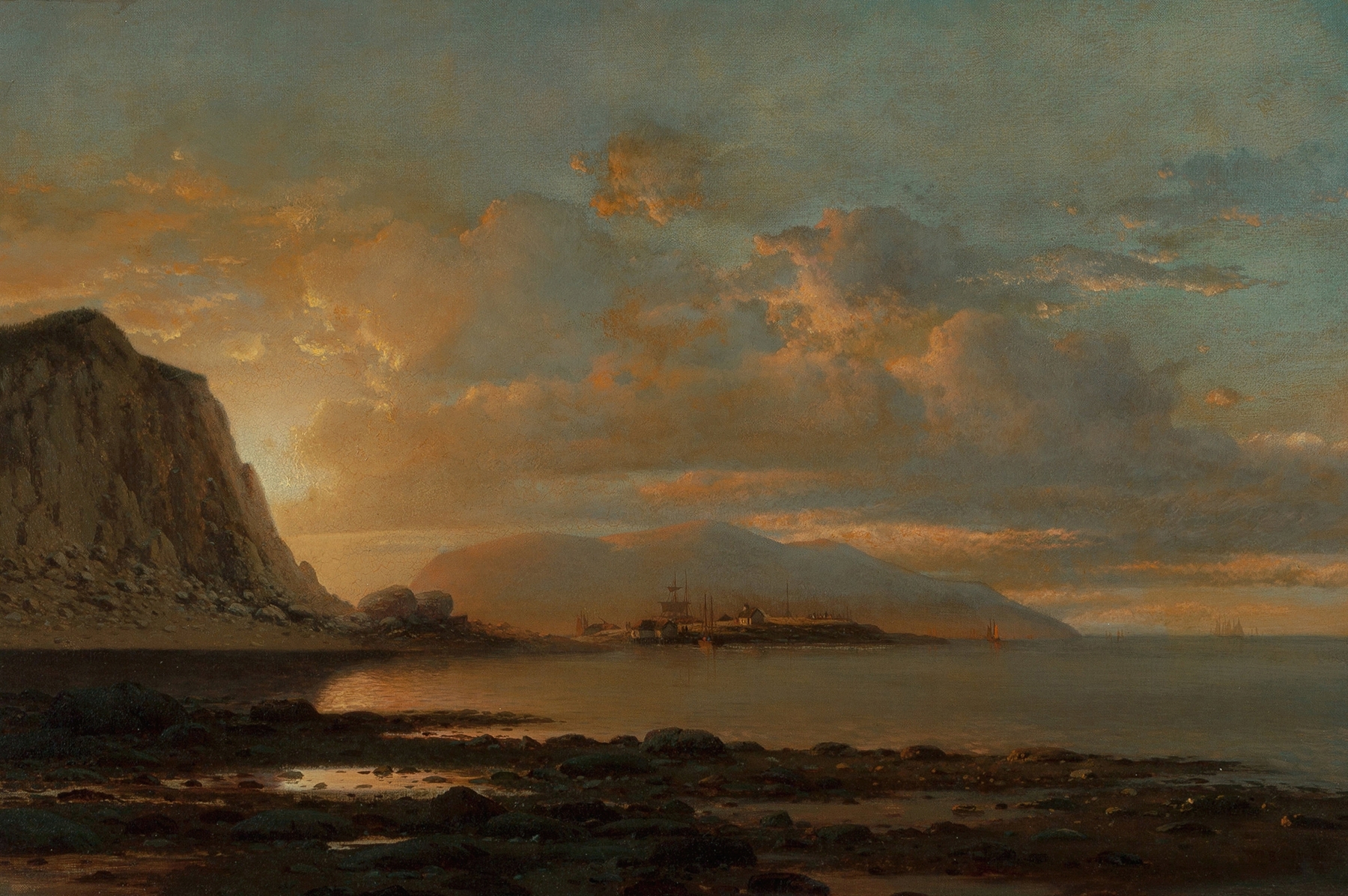
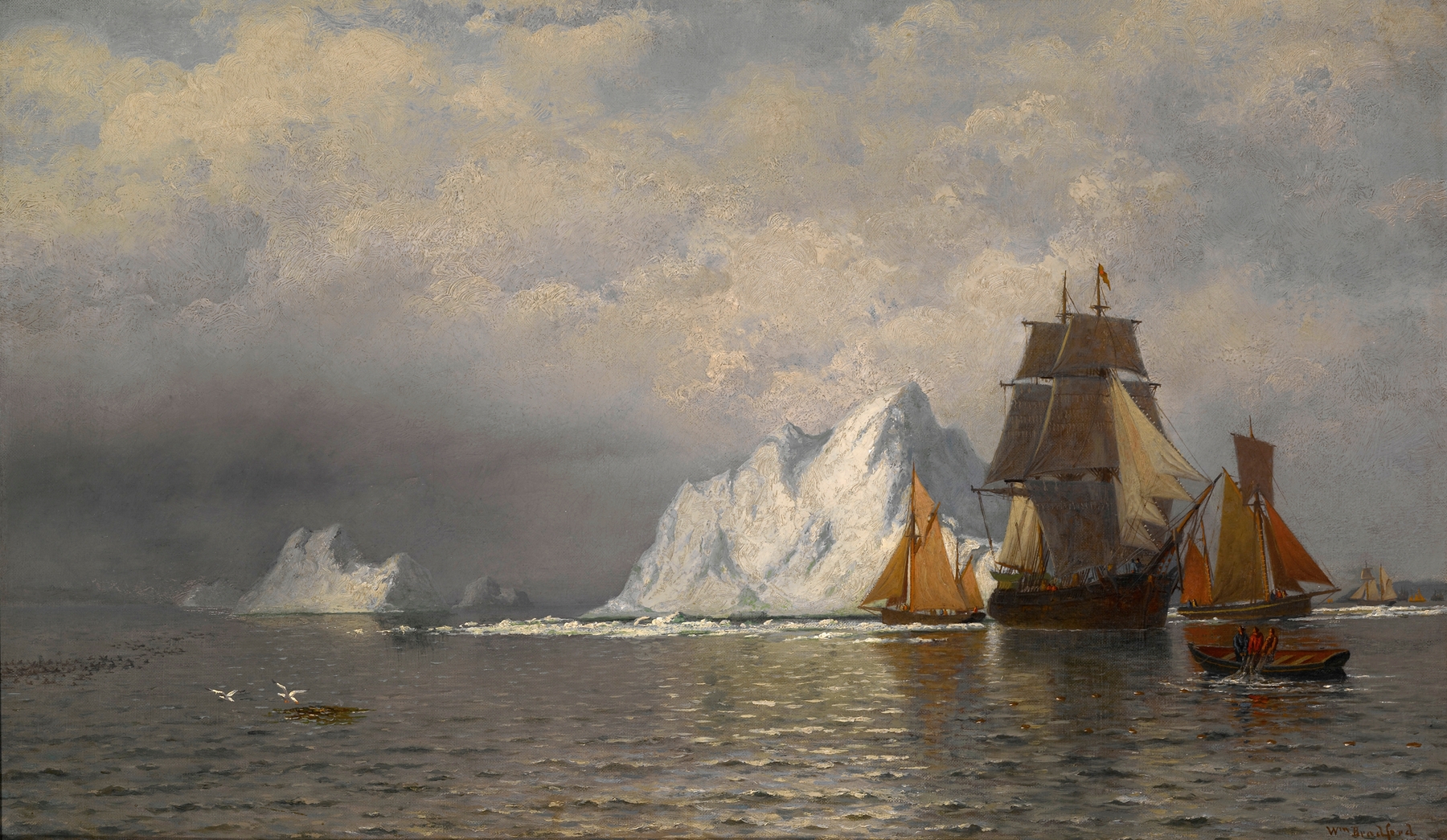
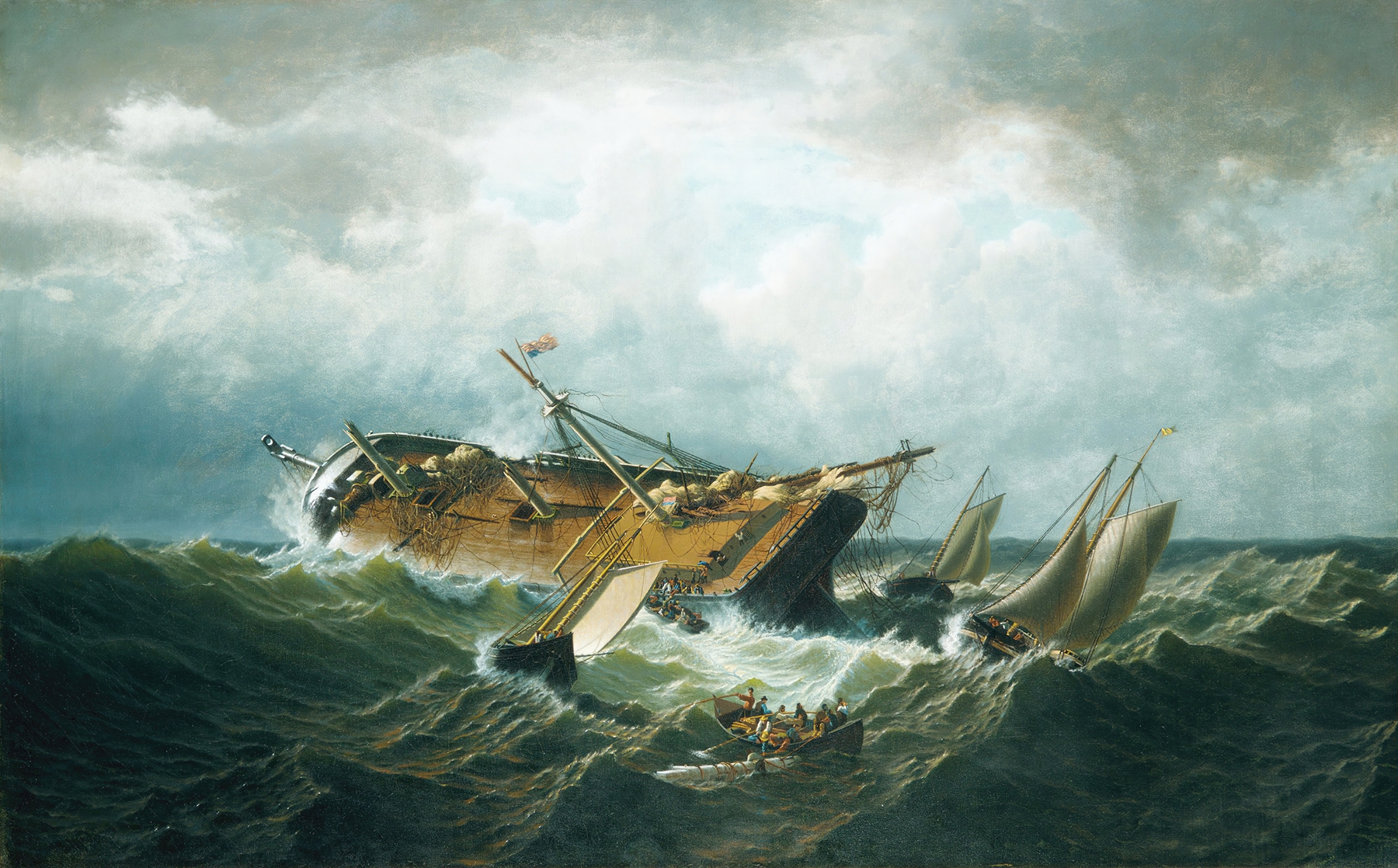
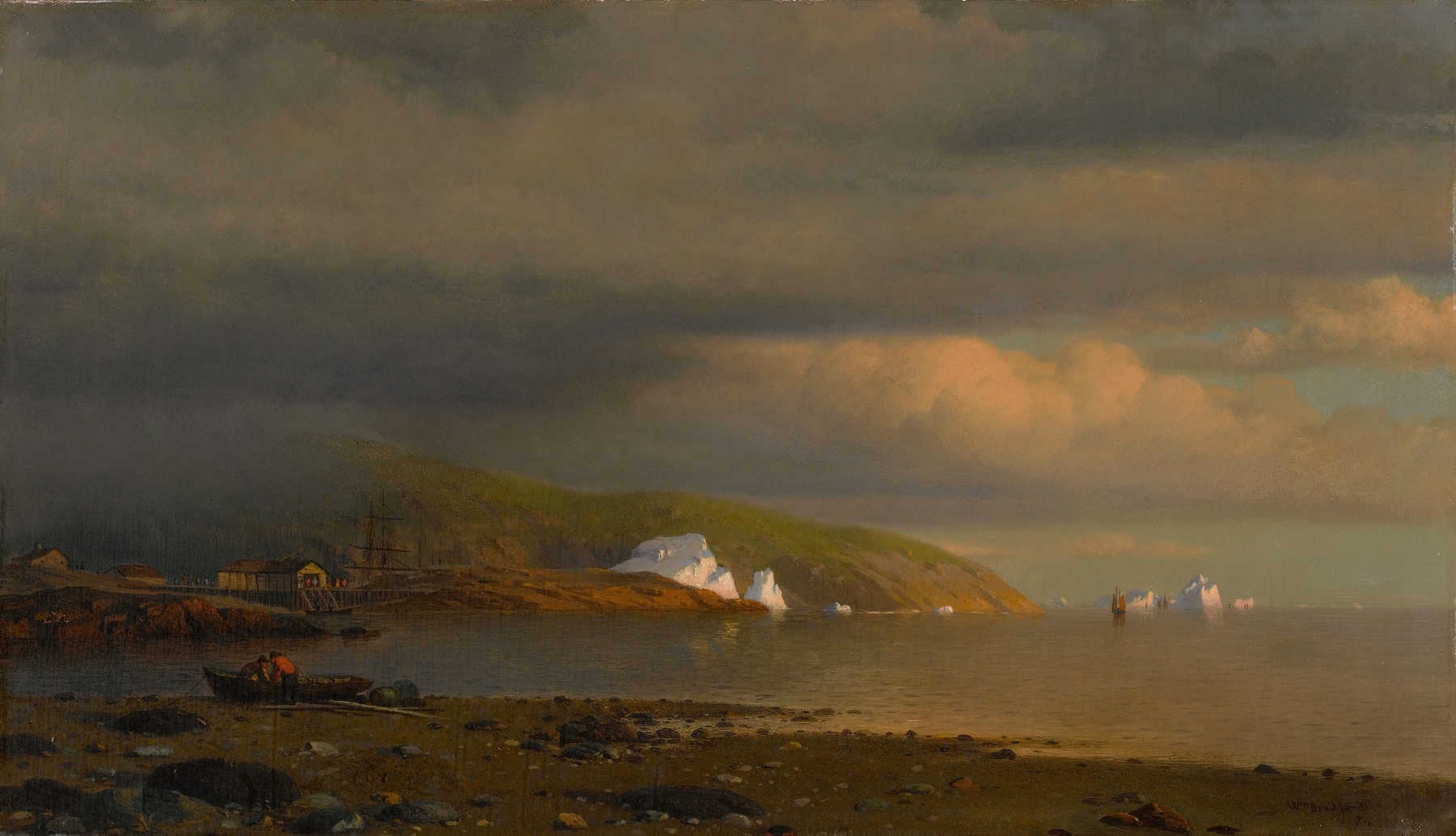
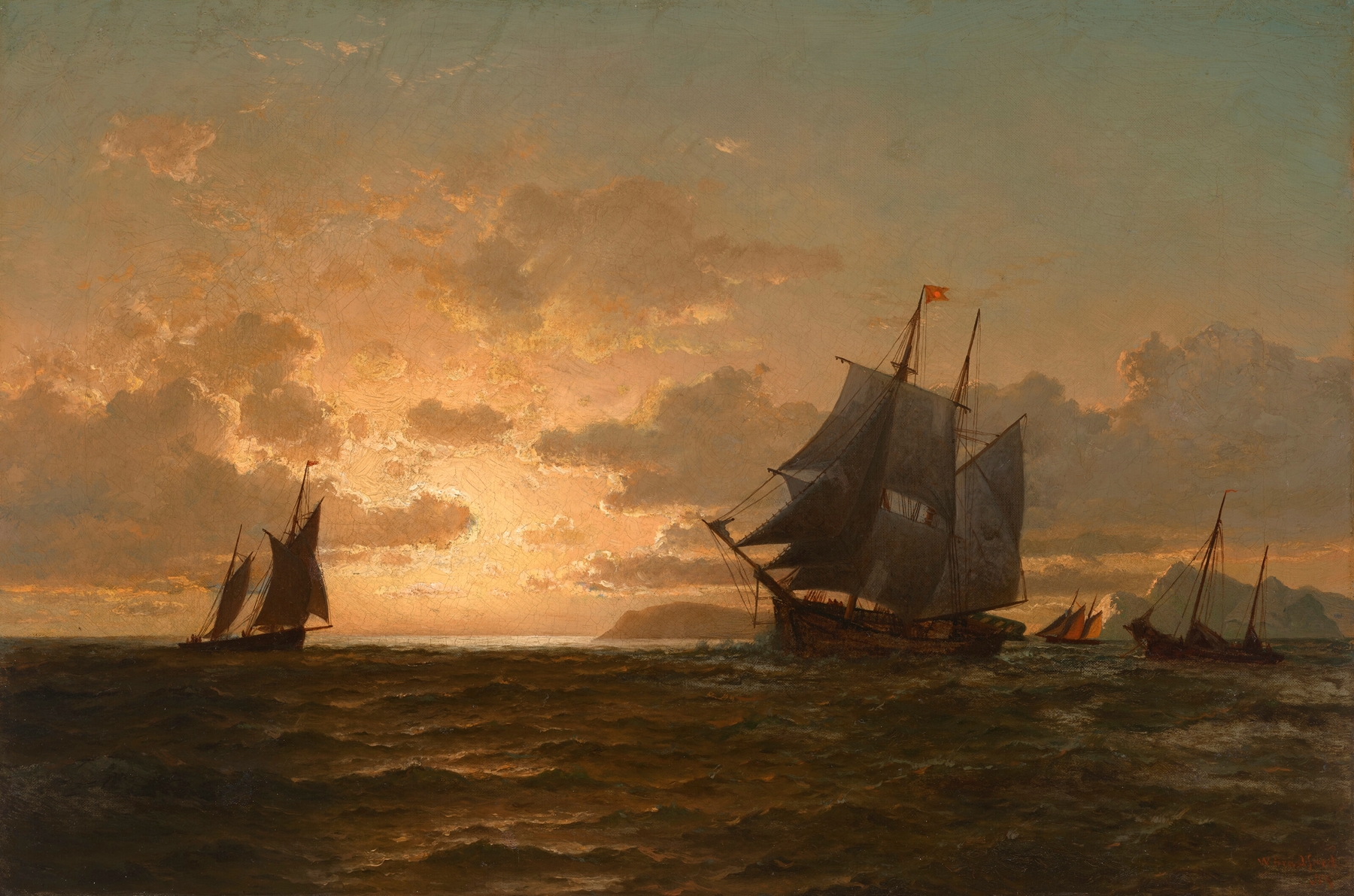
“To paint is to remember what time wants us to forget.” In a world racing towards the future, art serves as a vessel for legacy, preserving fleeting moments upon the canvas. Focus on the vibrant blues that dominate the seascape, enveloping the viewer in the endless expanse of the ocean. Notice how the light glimmers off the waves, casting reflections that dance around the hull of the Schooner Jane, emphasizing the vessel's graceful form against the rugged backdrop of the Maine coastline. The brushstrokes, both meticulous and fluid, pull you into the scene, inviting your gaze to follow the sail's billowing movement as if the wind itself breathes life into the image.
Delve deeper into the contrasts woven into this maritime piece. The rugged cliffs juxtapose the delicate sail, symbolizing the struggle between nature's raw power and mankind’s fragile craftsmanship. The serenity of the waters hints at a transient peace, masking the tumultuous history of seafaring lives that came before. Each wave seems to whisper tales of adventure and loss, creating an emotional tapestry that resonates with the legacy of those who dared to traverse these waters.
In 1857, Bradford painted this work while living in New Bedford, Massachusetts, a significant whaling and shipping hub. This period marked a time of transformation in the American art scene, where maritime themes captured the essence of a growing nation. Bradford's focus on seascapes reflected not just personal inspiration, but also the broader narrative of American resilience and exploration during an era of change.