Return of the Whalers — History & Analysis
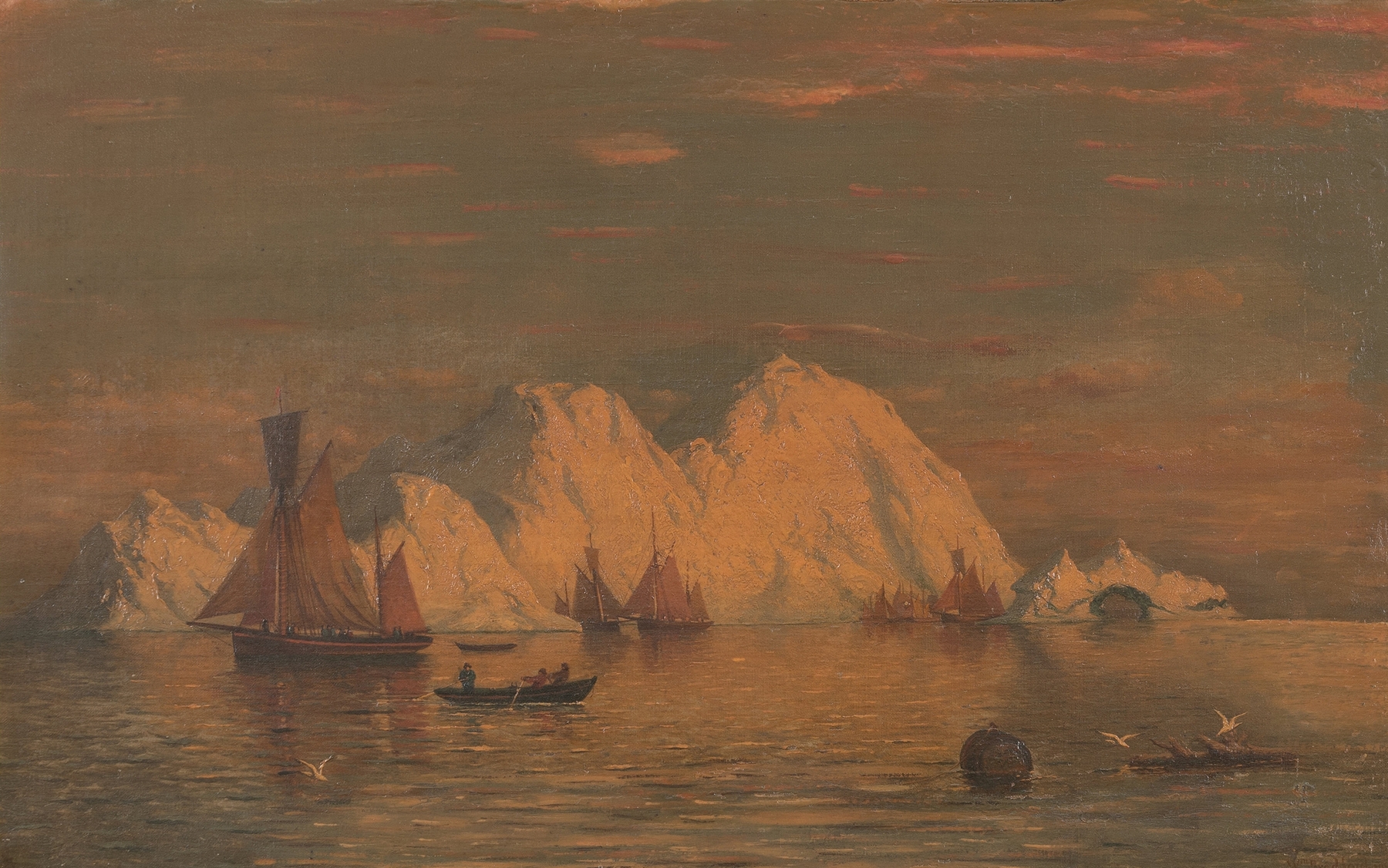
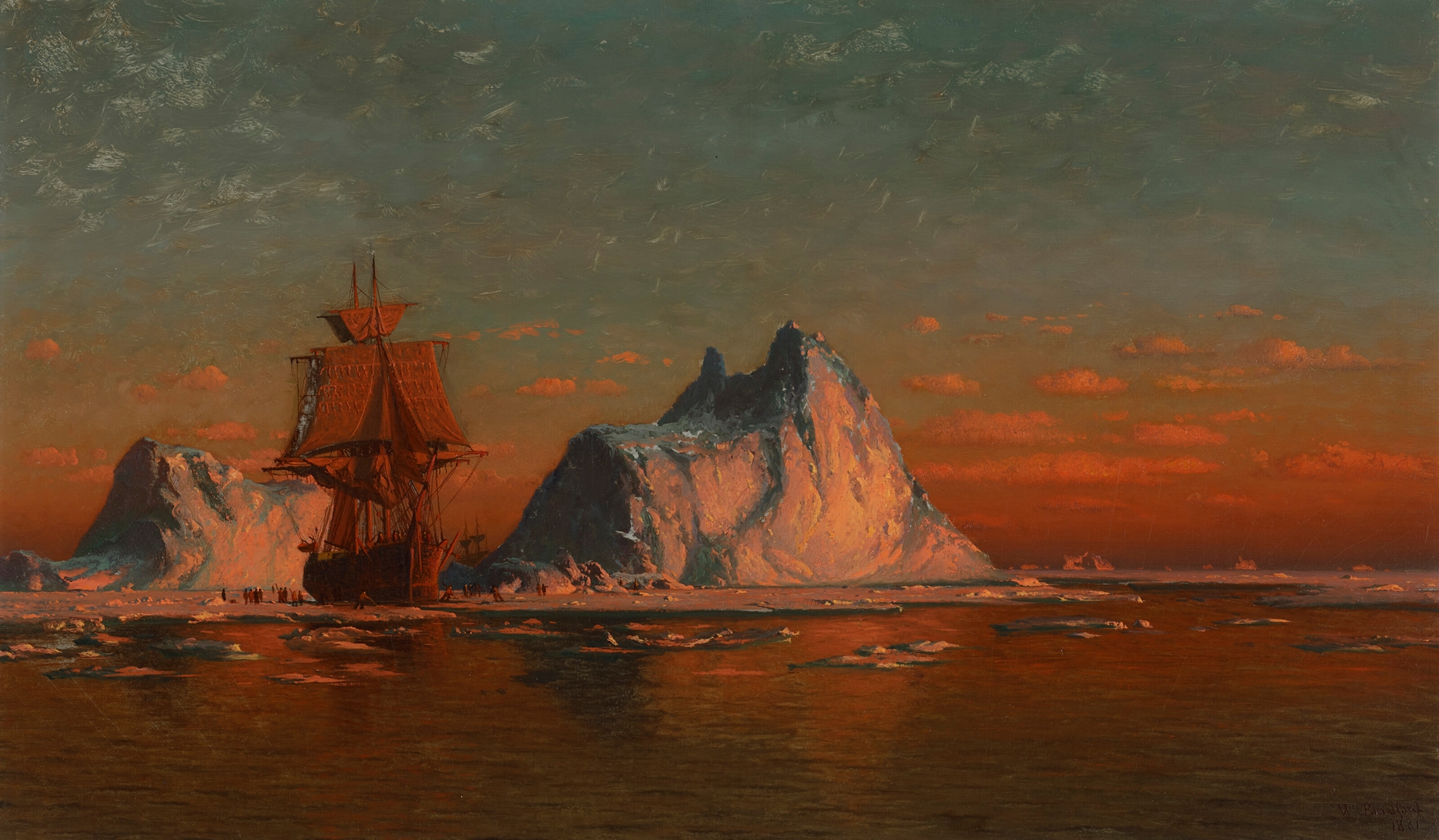
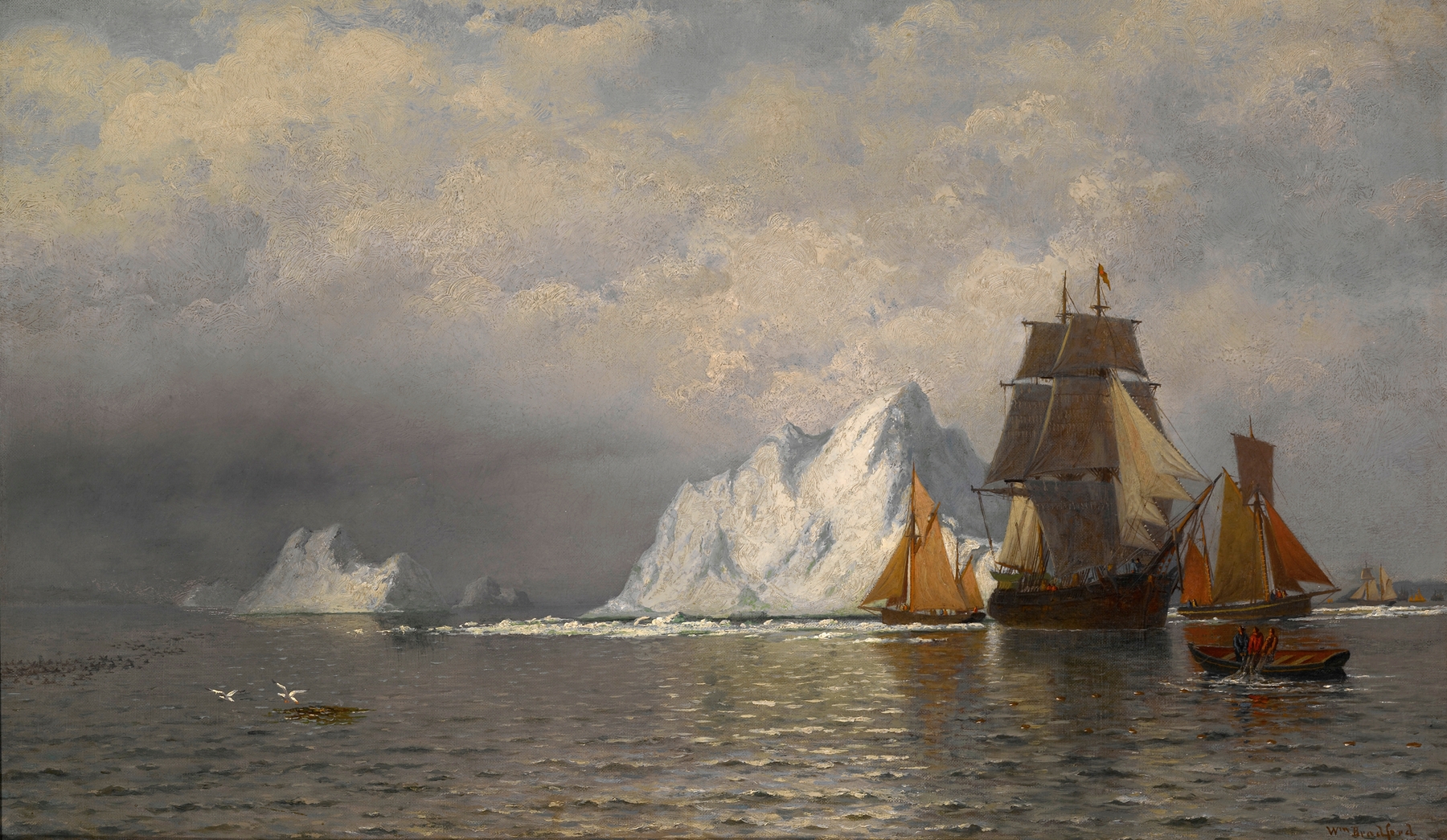
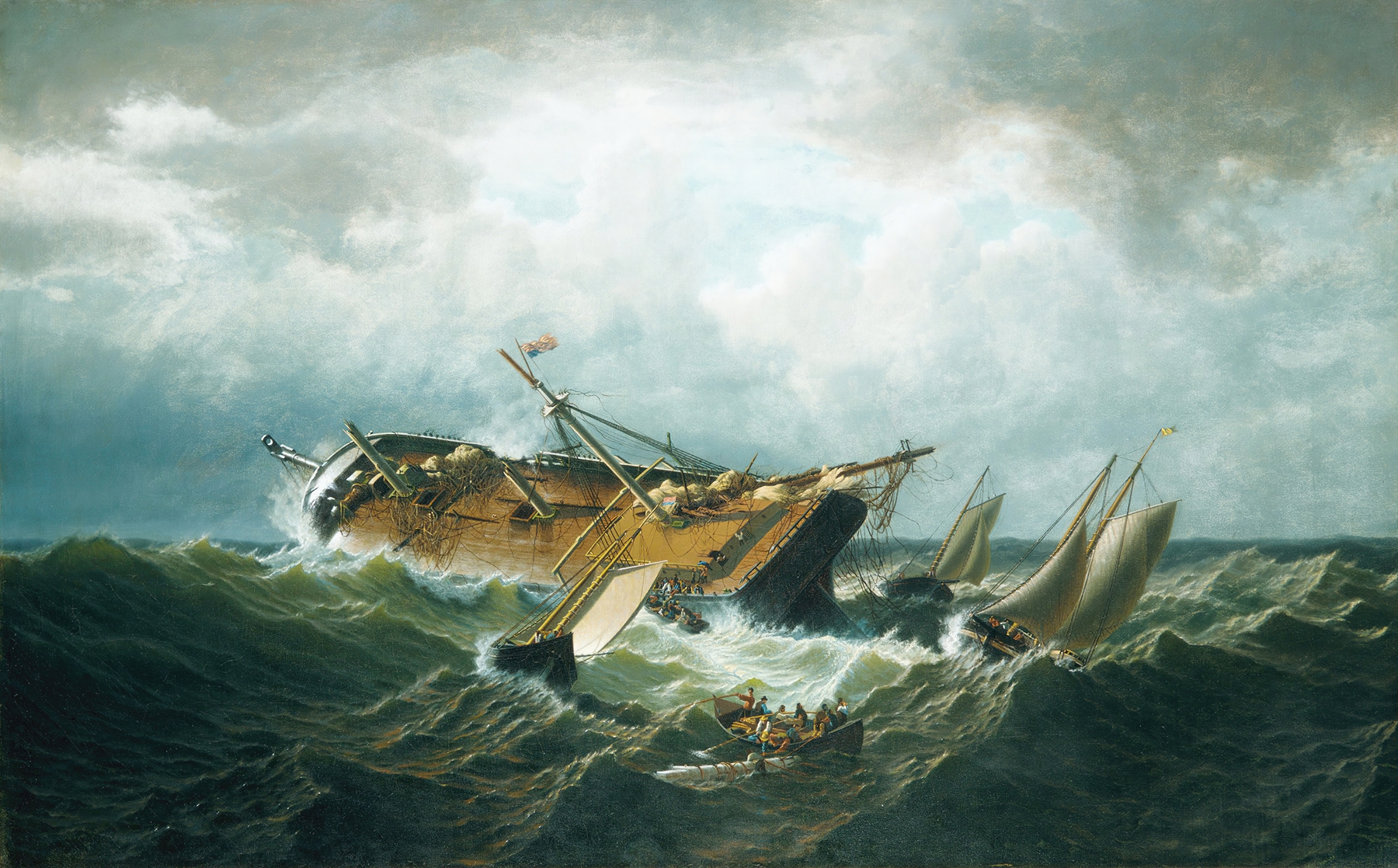
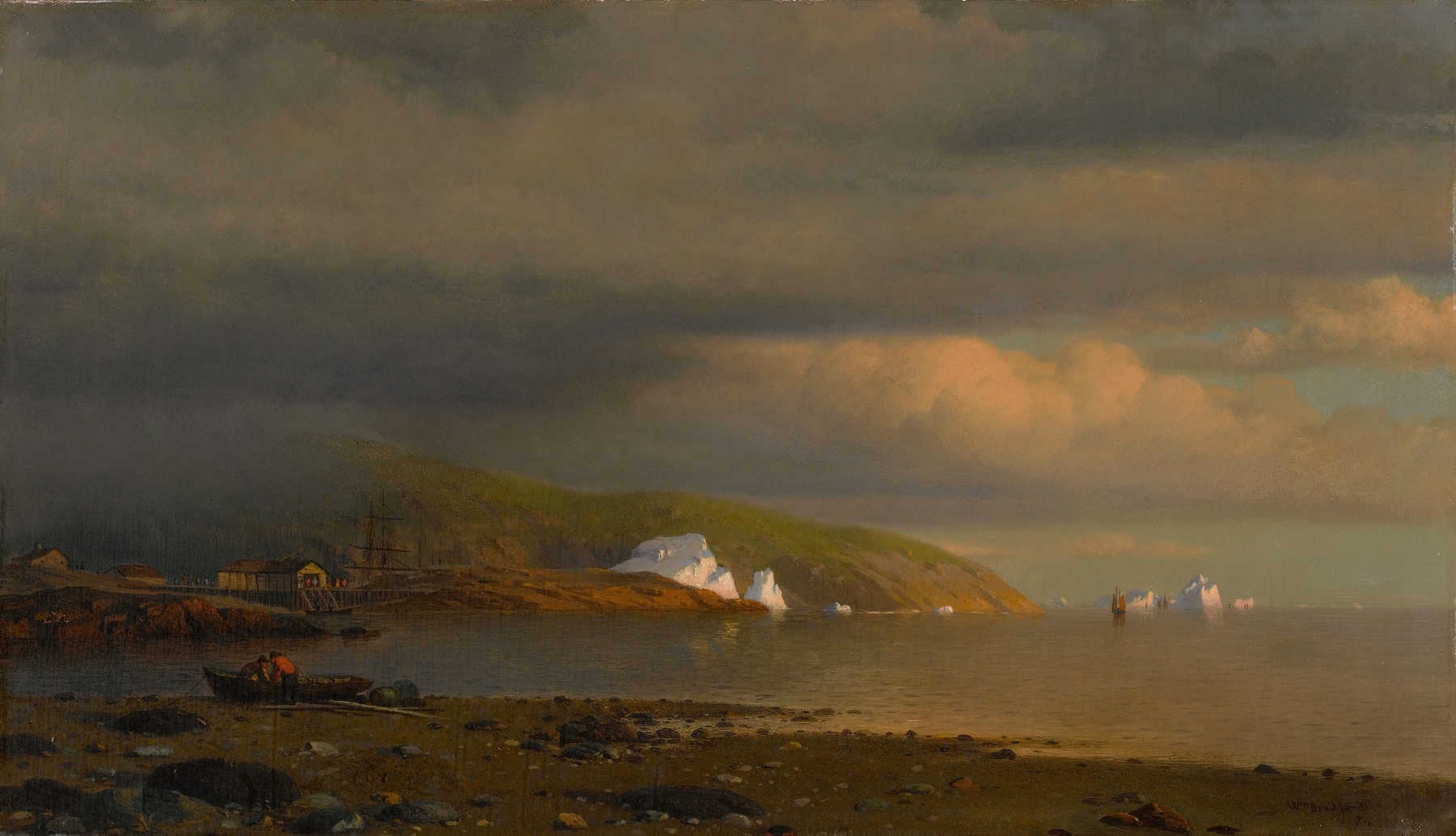
“The canvas doesn’t lie — it simply waits.” In a world filled with chaos, how do we find balance between nature and humanity's ambitions? This question echoes through Return of the Whalers, inviting viewers to contemplate the complex relationship between man and the ocean. Look to the center of the canvas where the imposing whaling ship anchors, its dark hull stark against the soft blues and grays of the surrounding sea. Notice how the light plays across the water's surface, shimmering like a veil of hope as it contrasts with the weighty ship.
The waves, depicted in vigorous strokes, seem to both cradle and challenge the vessel, while the horizon melts into an ethereal light, suggesting both dawn and twilight — a liminal space between two worlds. Hidden meanings swirl within the artwork’s depths. The juxtaposition of the ship's powerful presence against the gentle tranquility of the water speaks to the struggle for equilibrium: the whalers' pursuit of profit versus the ocean's quiet sovereignty. The scattered clouds overhead mirror the tension of the scene, hinting at both storm and serenity.
This delicate balance captivates the viewer and compels them to ponder the consequences of human ambition on the natural world. Created during the late 19th century, Bradford painted this piece when whaling was at its peak, yet the environmental impact was beginning to draw concern. As he worked from his studio in the United States, the art community was grappling with new techniques and themes, marking the rise of American landscape painting. In this context, Return of the Whalers stands as a poignant reflection on humanity's relentless pursuit and the fragile equilibrium within the realms we navigate.