Off the Coast of Labrador — History & Analysis
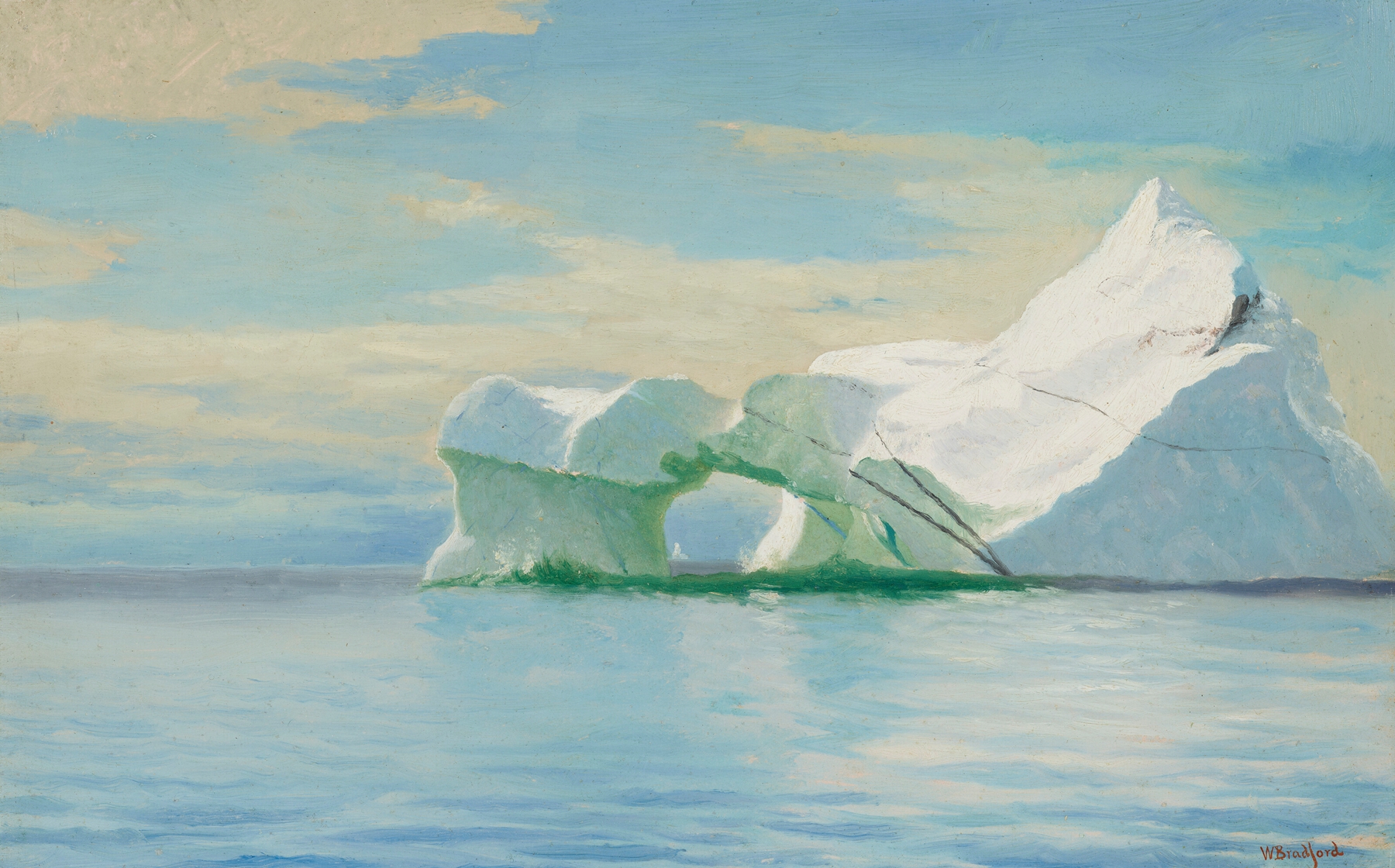
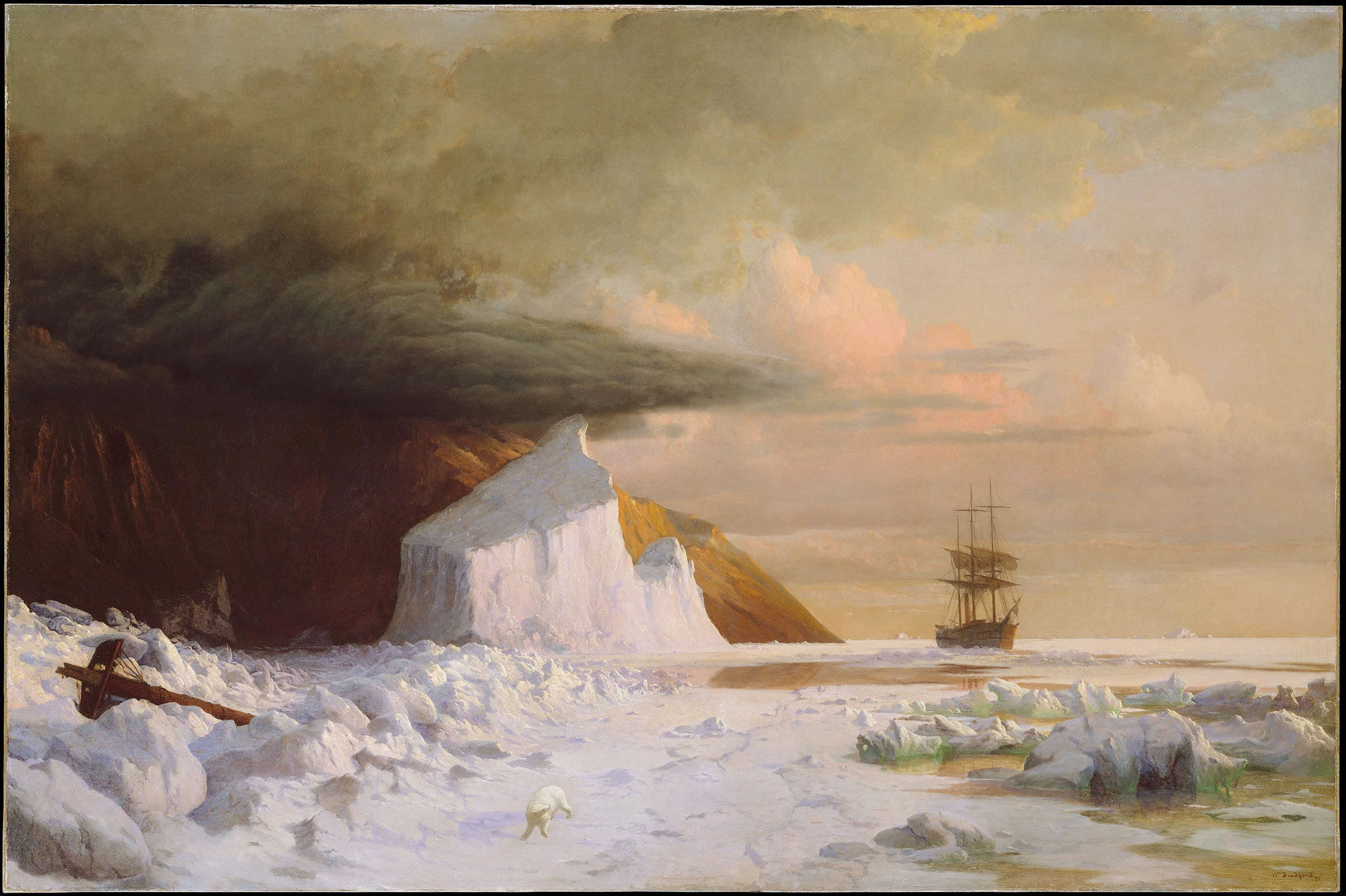
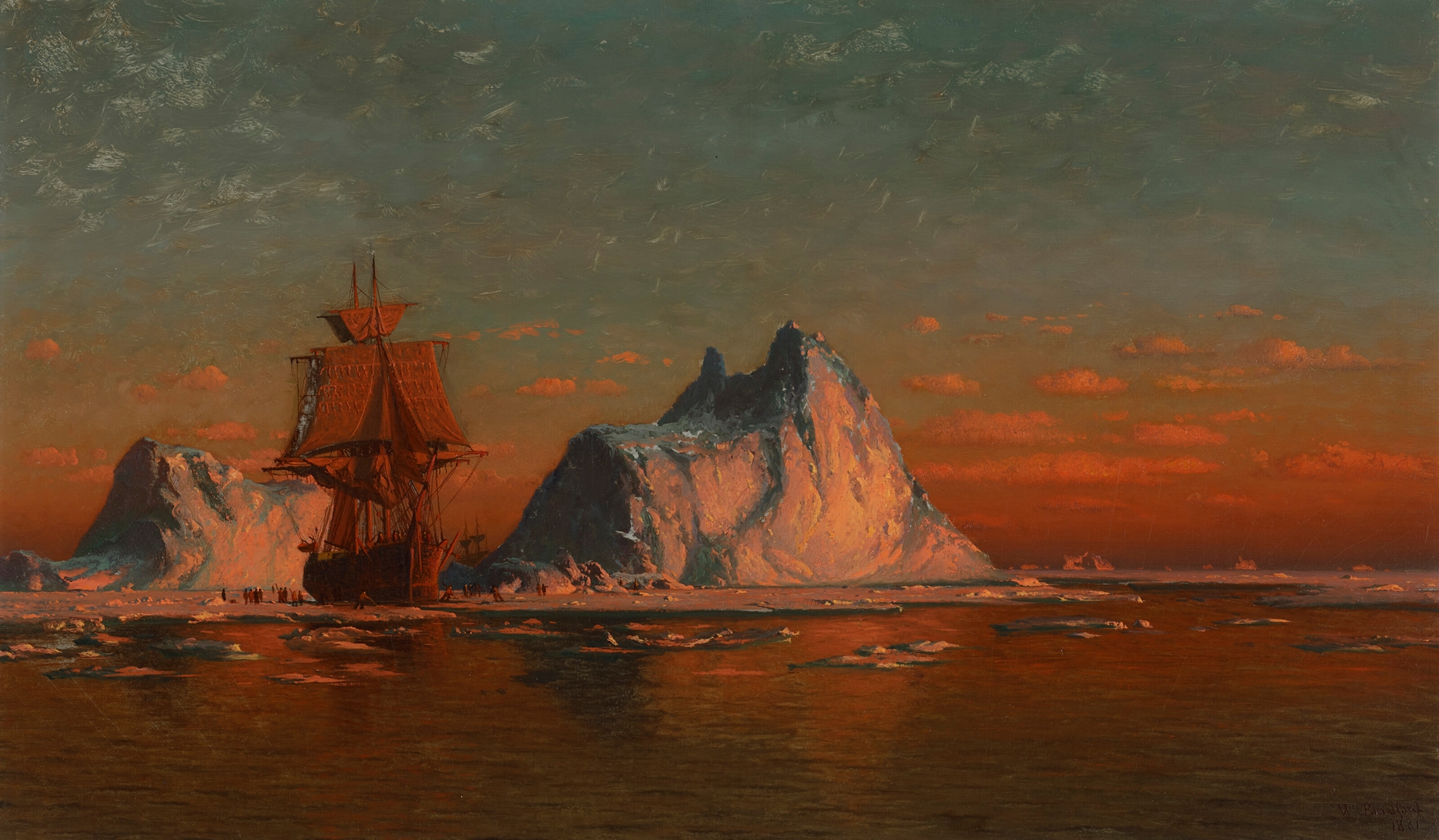
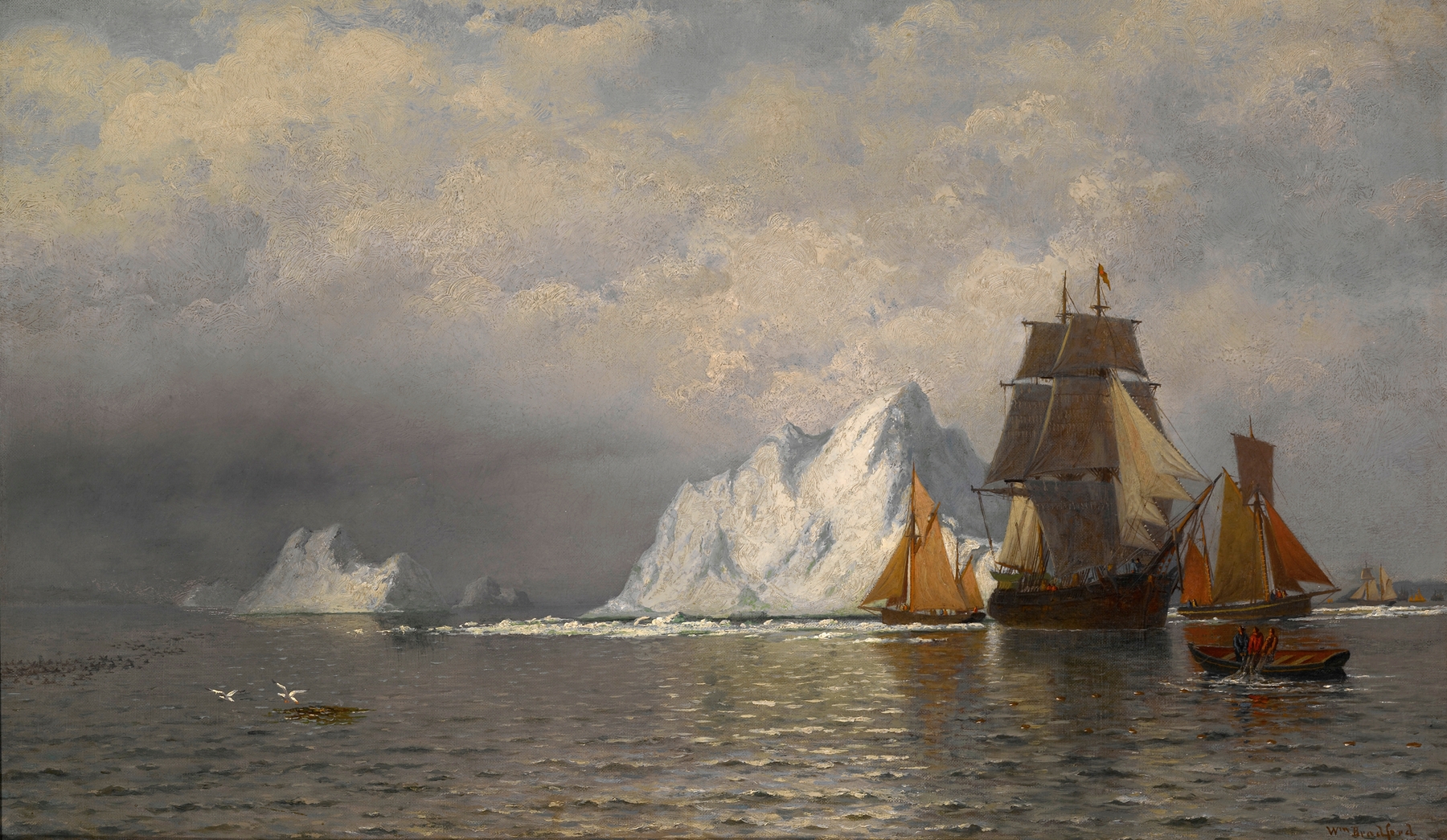
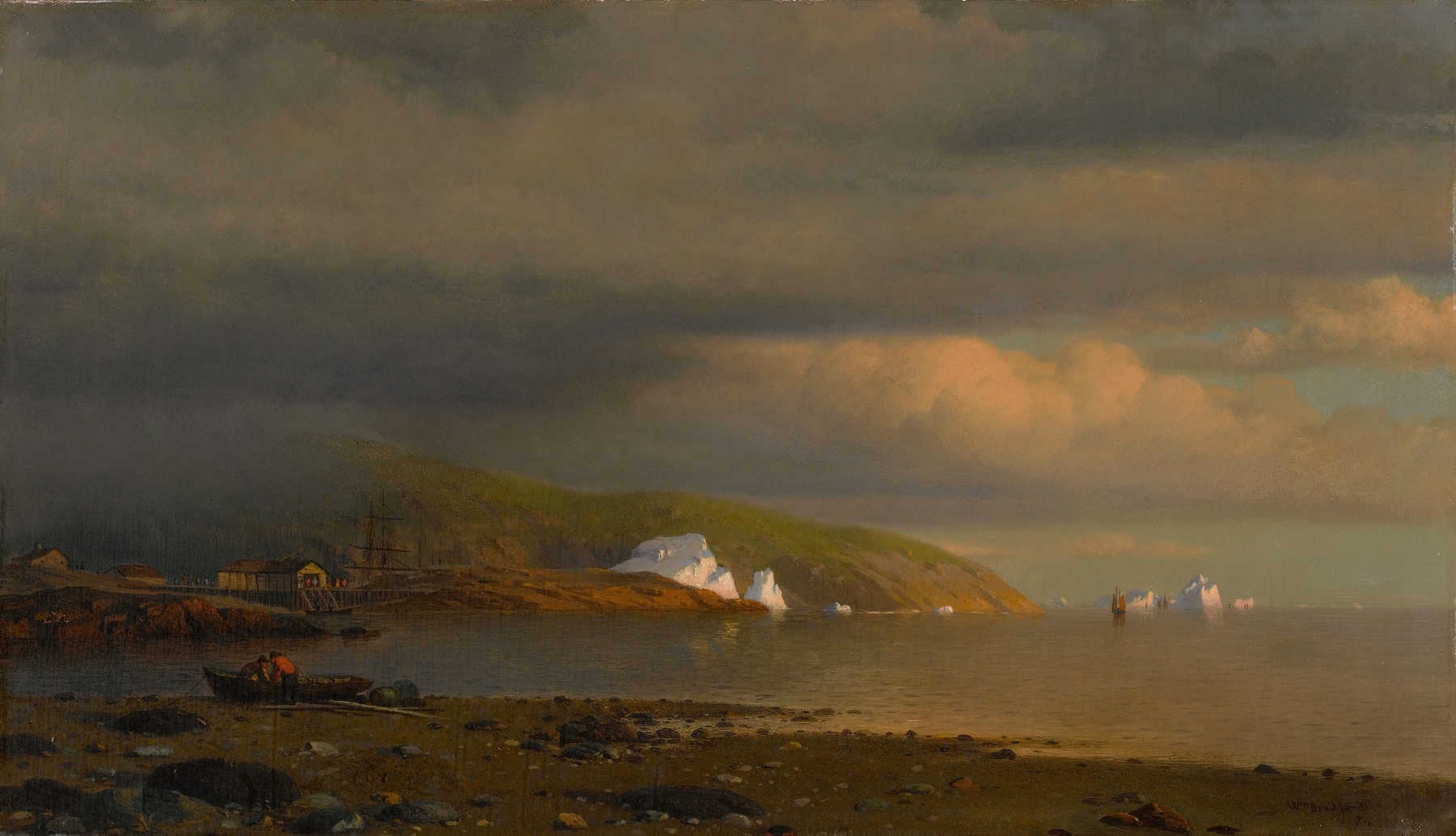
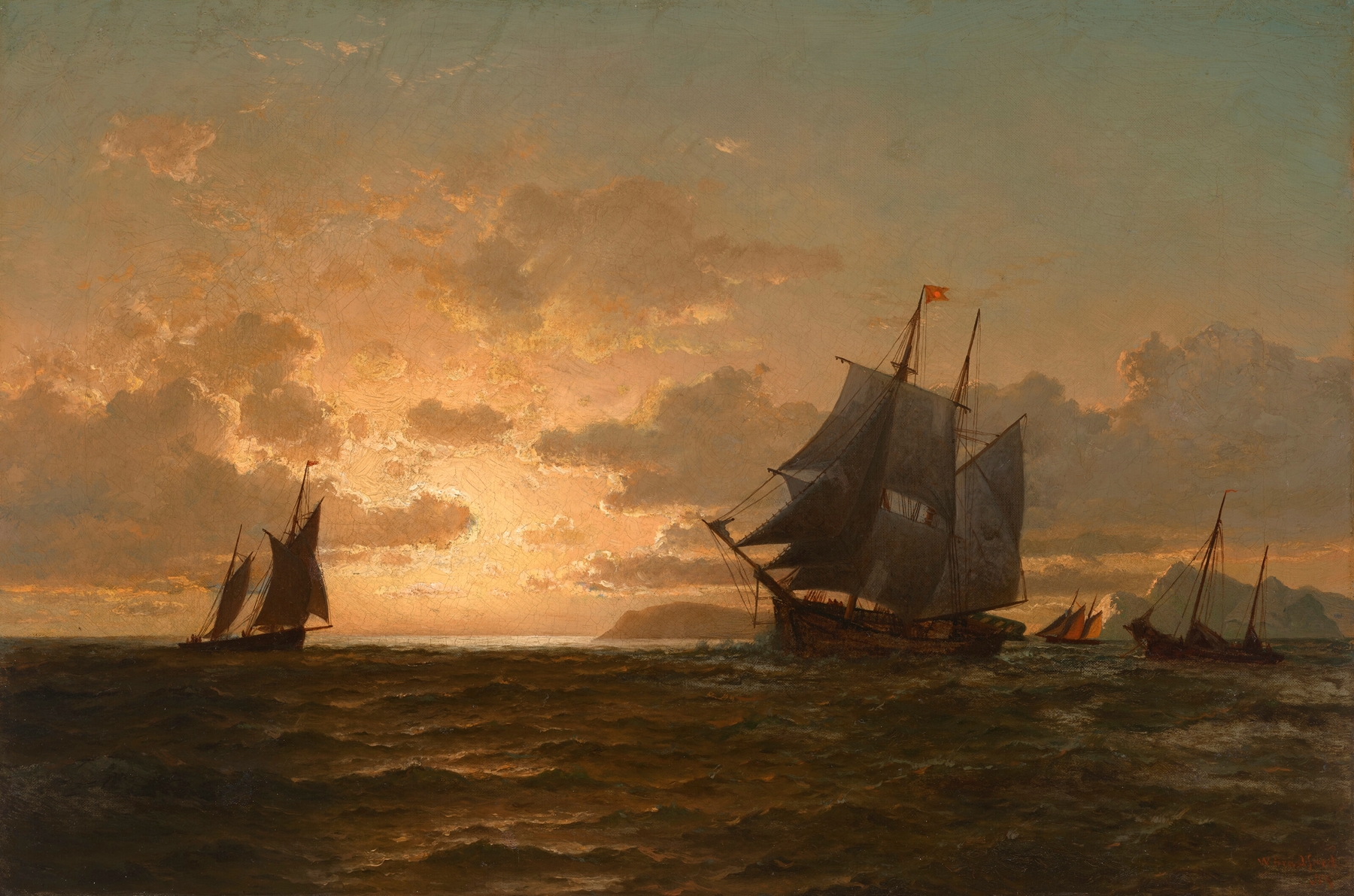
Who listens when art speaks of silence? The vastness of the ocean swallows sound, leaving behind an echo that resonates in the heart of the beholder. Look to the horizon, where deep blues and grays converge in a delicate dance of water and sky. The play of light captures the jagged edges of icebergs floating in the serene yet foreboding waters.
Notice how the brushstrokes vary, with feathery touches illuminating the edges of the ice, while the sea churns with a palpable energy, inviting the eye to wander across the canvas. Bradford’s careful layering of color and texture offers an ethereal quality, drawing viewers into a world that feels both tranquil and unsettling. Beneath the surface lies a haunting obsession with nature's grandeur and its inherent danger. The juxtaposition of the majestic icebergs against the tumultuous sea evokes a tension between beauty and peril, compelling us to confront our own fragility in the face of nature's vastness.
Each iceberg, solid yet impermanent, serves as a reminder of the relentless passage of time, while the subtle reflections ripple with the unspoken stories of the ocean's depths. In the 1880s, the artist painted this piece during a period marked by exploration and fascination with the Arctic landscapes. Having experienced the beauty and brutality of icy expanses firsthand, he sought to immortalize their essence on canvas. During this time, the art world was captivated by the romanticism of nature, and Bradford's works emerged as a significant contribution to this dialogue, reflecting both the allure and the menace of untamed environments.