Shipwreck off Nantucket (Wreck off Nantucket after a Storm) — History & Analysis
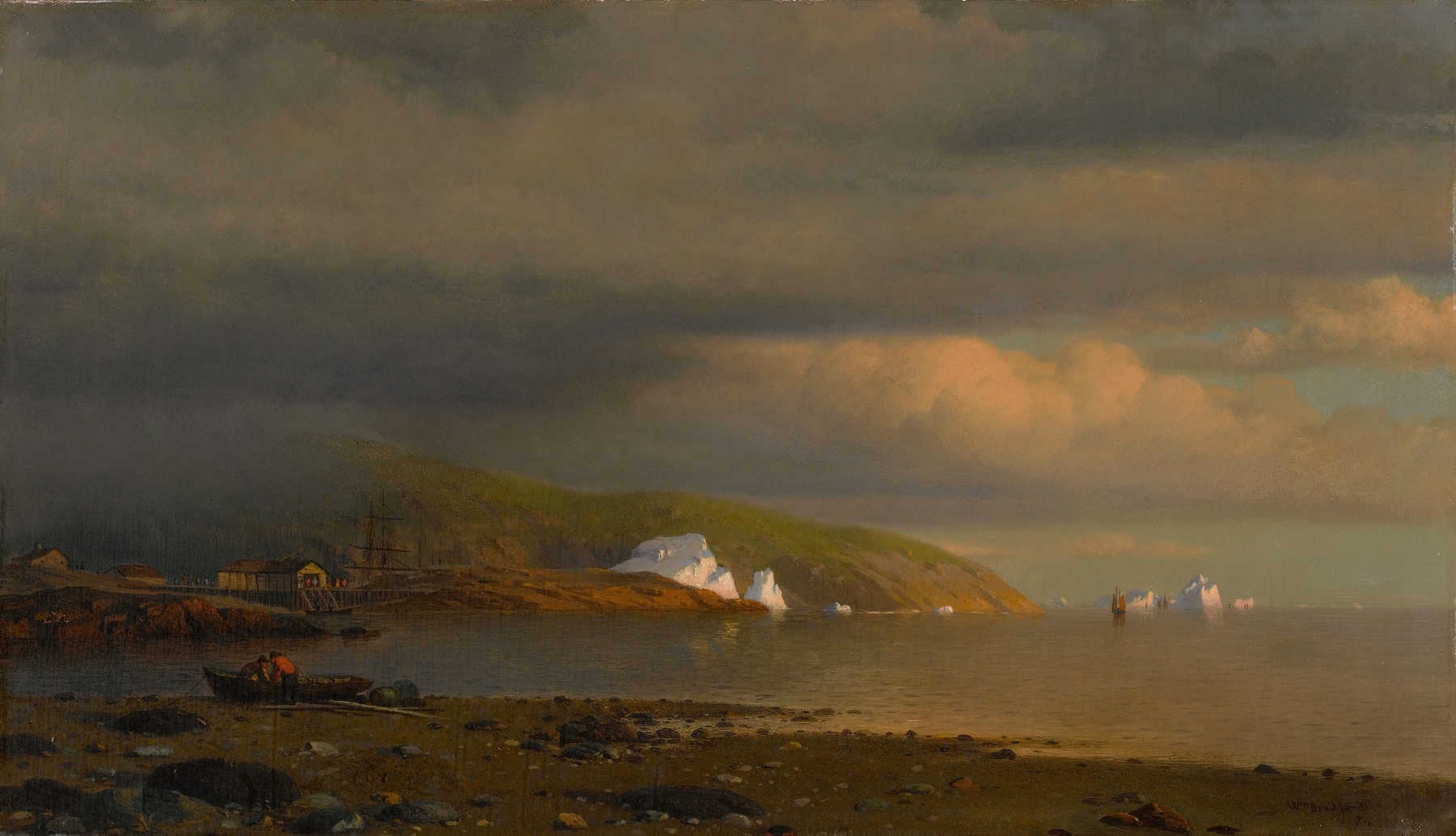
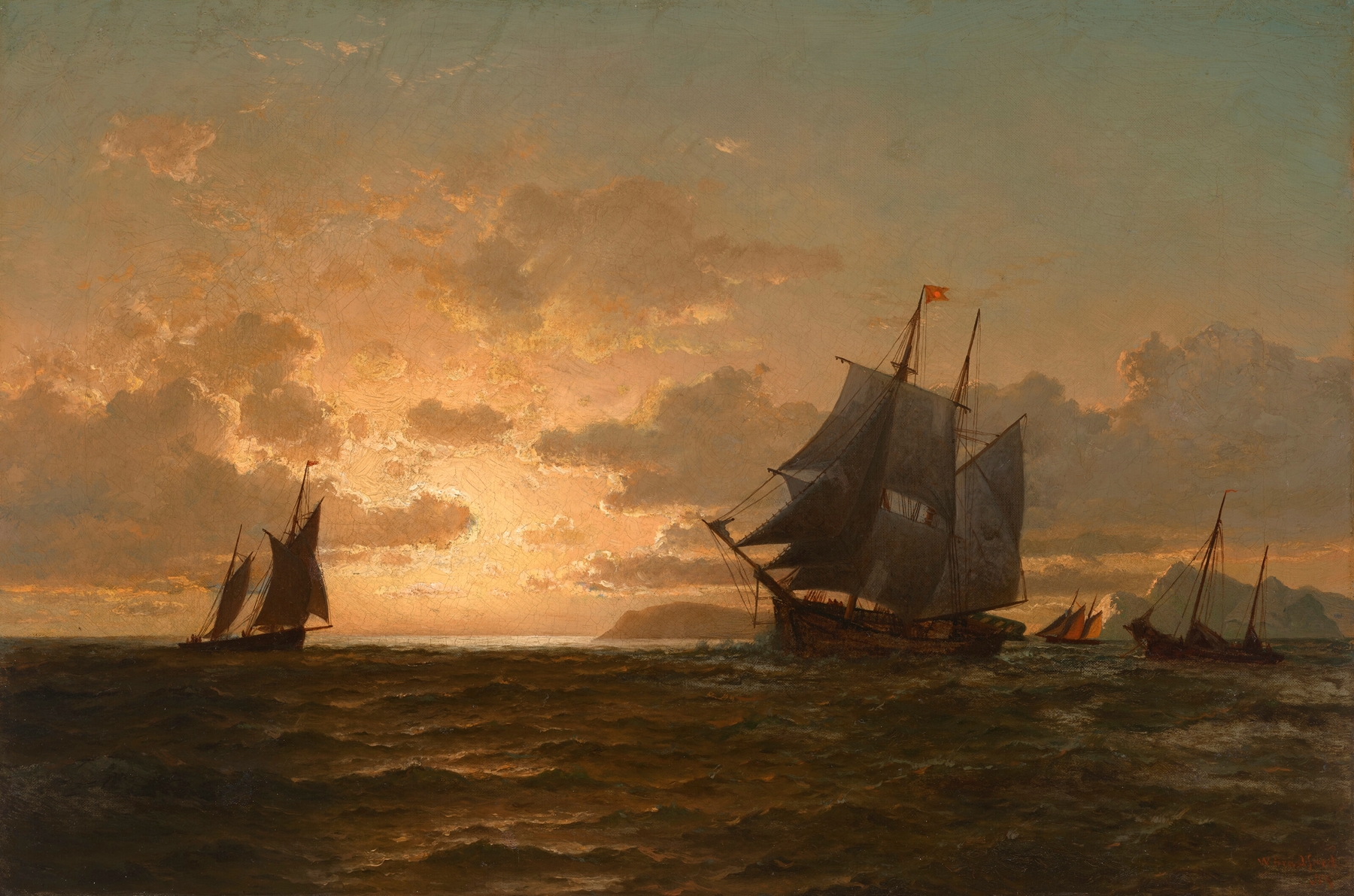
Could beauty survive in a century of chaos? Amidst the turmoil of storms, a fragile sense of divinity may emerge from nature’s wrath, revealing profound truths within the chaos. Look to the center, where a shipwrecked vessel lies moored against turbulent waves, half-submerged in the sea's frothy embrace. The artist's careful brushwork animates the crashing water, each wave a brushstroke of chaos and despair. Notice how the light dances across the surface, casting a spectral glow that highlights the wreck's tattered sails, evoking a sense of lost glory amidst tragedy.
The muted color palette of grays and blues reflects not only the storm's ferocity but also a silent melancholy that envelops the scene. Hidden in the shadows of the composition are deeper tensions—the juxtaposition of man’s ambition against nature’s indifference. The wreck symbolizes hubris, a reminder of humanity’s vulnerability in the face of the sublime. Each detail, from the splintering wood to the swirling clouds, speaks to the fragility of existence; a moment where divinity and disaster collide.
In this tempest, one can discern both terror and beauty, forging a connection that transcends the catastrophe, hinting at resilience amid despair. In the early 1860s, William Bradford created this piece during a period of personal and artistic transformation. Living in the aftermath of the American Civil War, he was captivated by the sea and nature’s power, often painting the harsh realities of maritime life. This era saw burgeoning interest in naturalism, and Bradford’s work reflected both personal introspection and the collective consciousness of society, encapsulating the duality of beauty and destruction in an ever-changing world.