The Coast of Labrador — History & Analysis
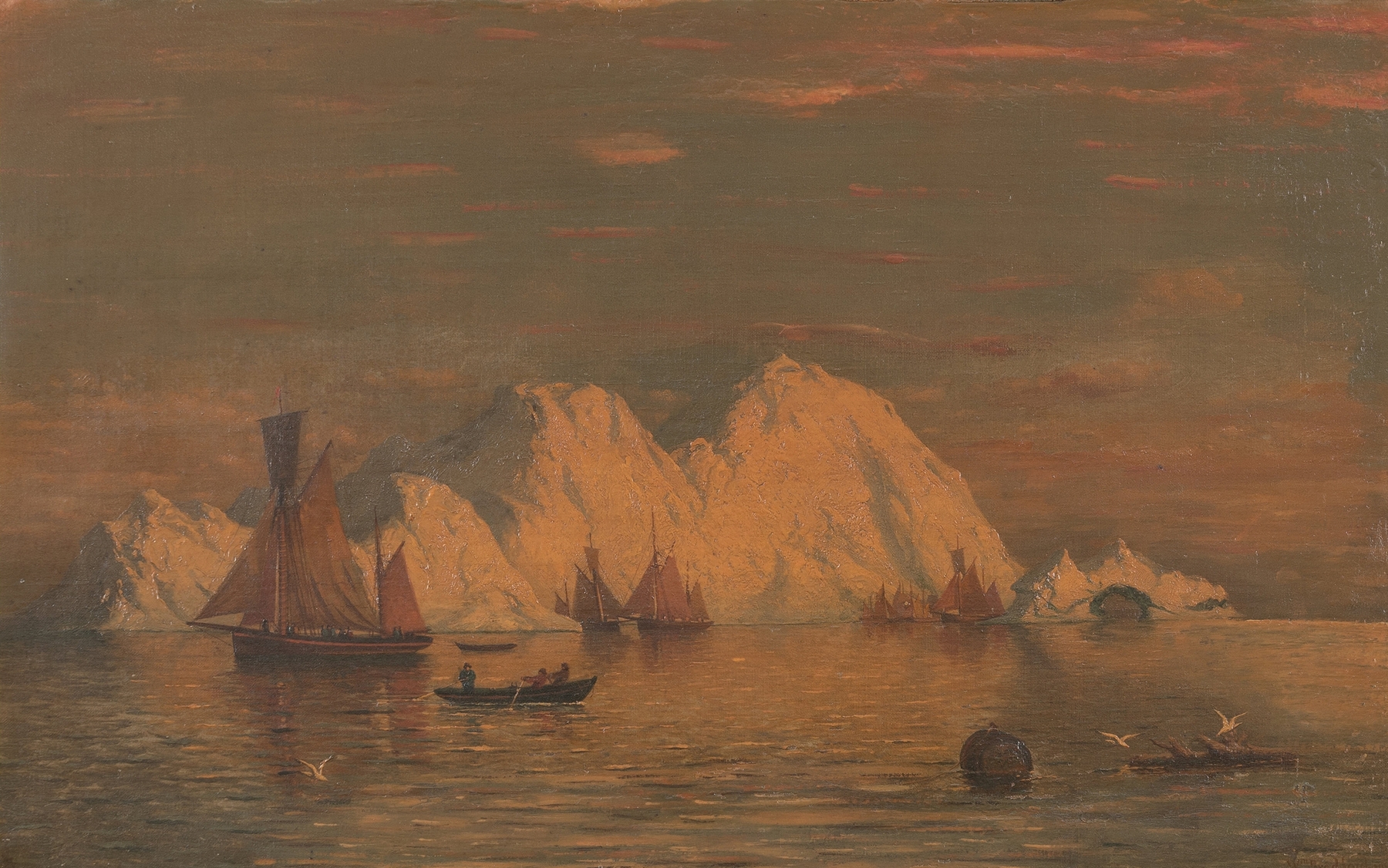
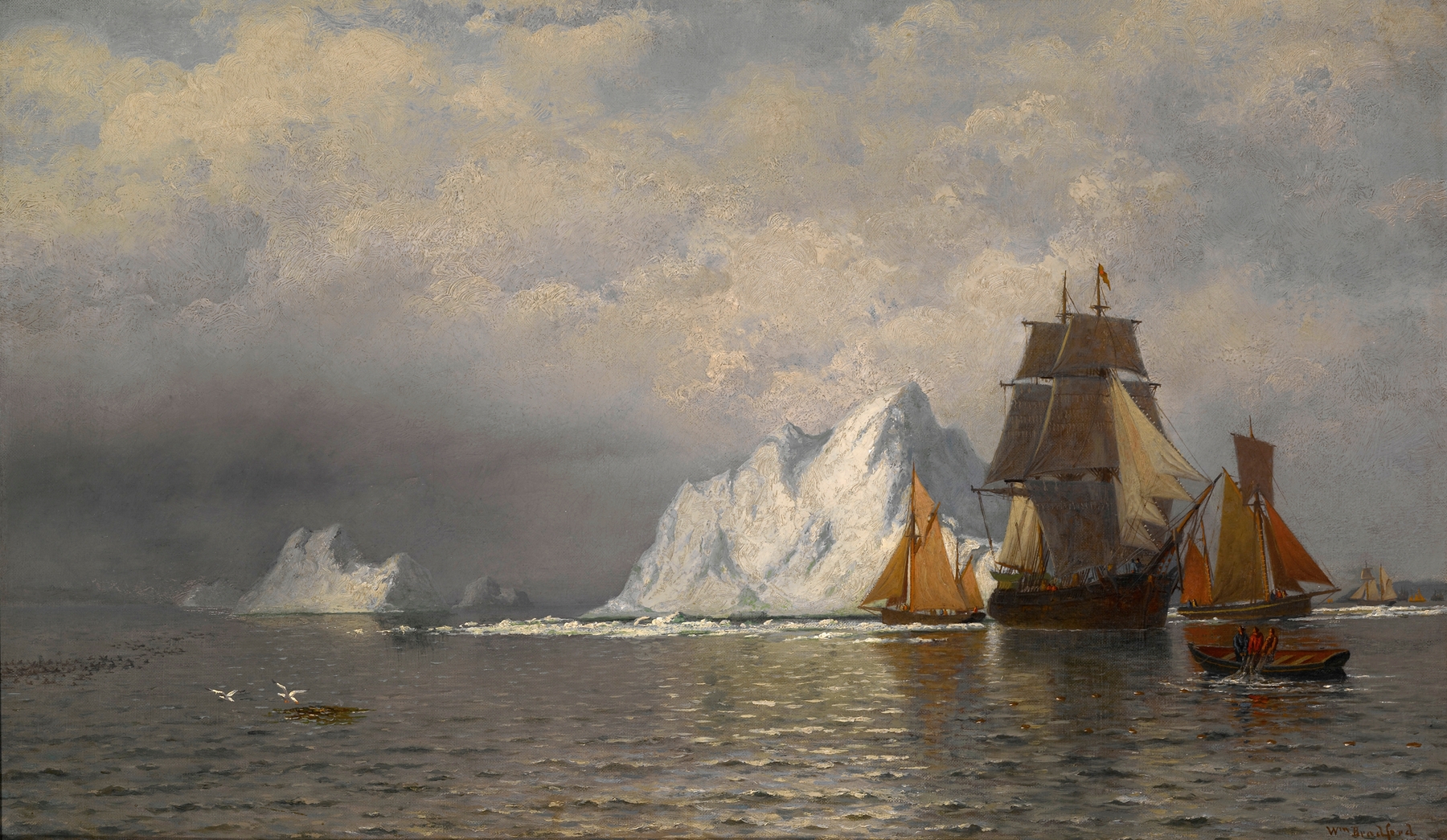
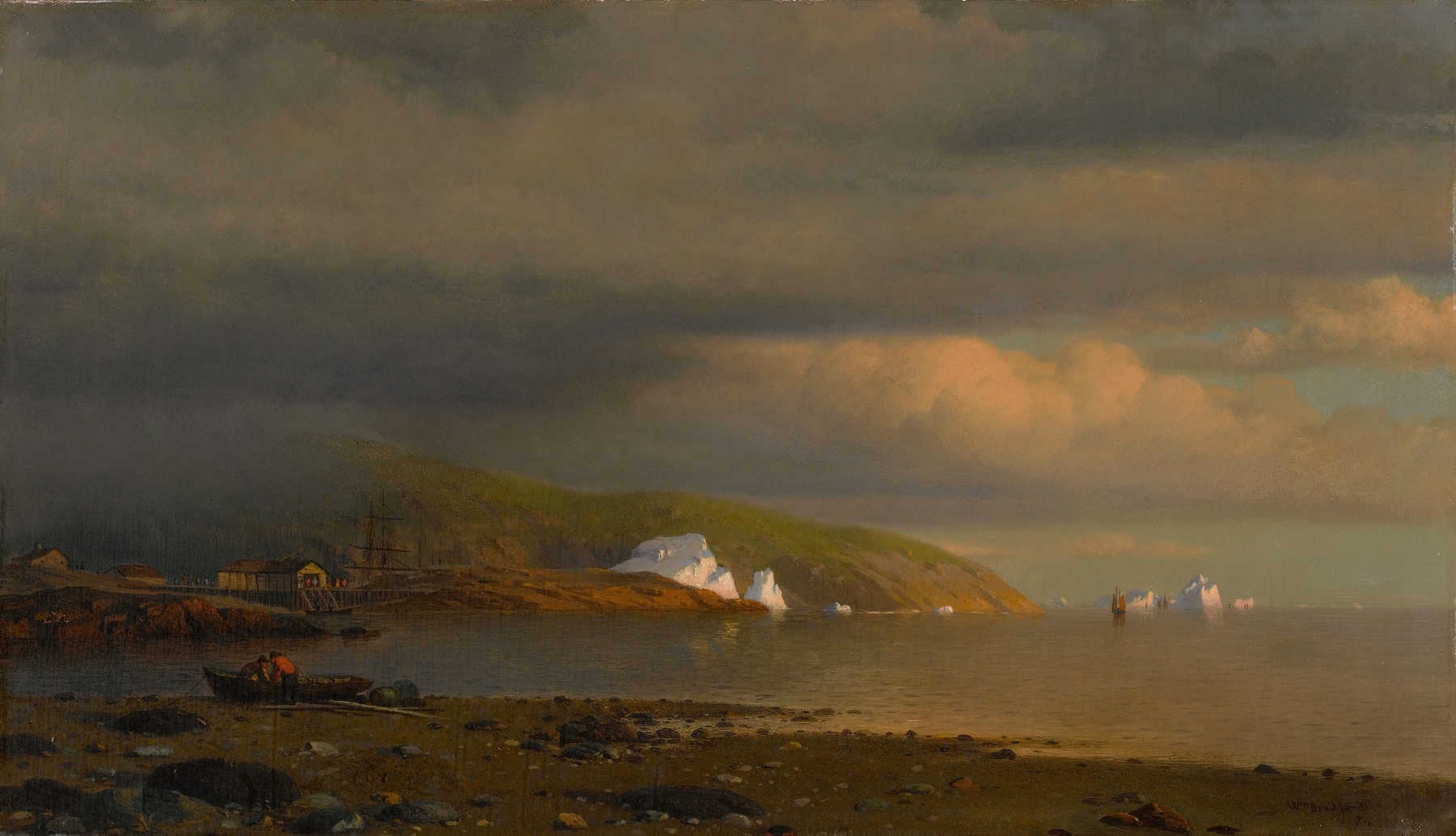
What if silence could speak through light? In The Coast of Labrador, the divine stillness of nature resonates with a profound serenity that invites contemplation and reverence. Look to the upper left, where the clouds hang heavy, infused with a soft palette of grays and blues. The sunlight breaks through in delicate beams, illuminating the rugged coastline and the tranquil waters below.
Notice how the interplay of light and shadow creates a sense of depth, drawing your gaze toward the distant horizon. The meticulously rendered textures of the ice, rock, and sea evoke the raw beauty of this remote landscape, each brushstroke infused with intention and care. Beneath the surface, this painting embodies the tension between man's insignificance and the grandeur of nature. The small boats, dwarfed against the vastness of the seascape, remind us of humanity's frailty in the face of such overwhelming beauty.
The choice of a muted color palette reflects both the harshness and the sublime tranquility of the Labrador coast, suggesting a deep reverence for the natural world and hinting at something beyond mere representation—a spiritual connection to the divine. In 1866, when this artwork was created, Bradford was immersed in the Romantic movement, capturing sublime landscapes that spoke to the American spirit. His travels to the Arctic regions profoundly influenced his approach, reflecting a wider societal fascination with exploration and nature's majesty. The art world was in a state of transition, moving towards Impressionism, yet Bradford's work remained firmly rooted in the majestic realism that celebrated the divine aspects of the natural environment.