Whaler and Fishing Vessels near the Coast of Labrador — History & Analysis
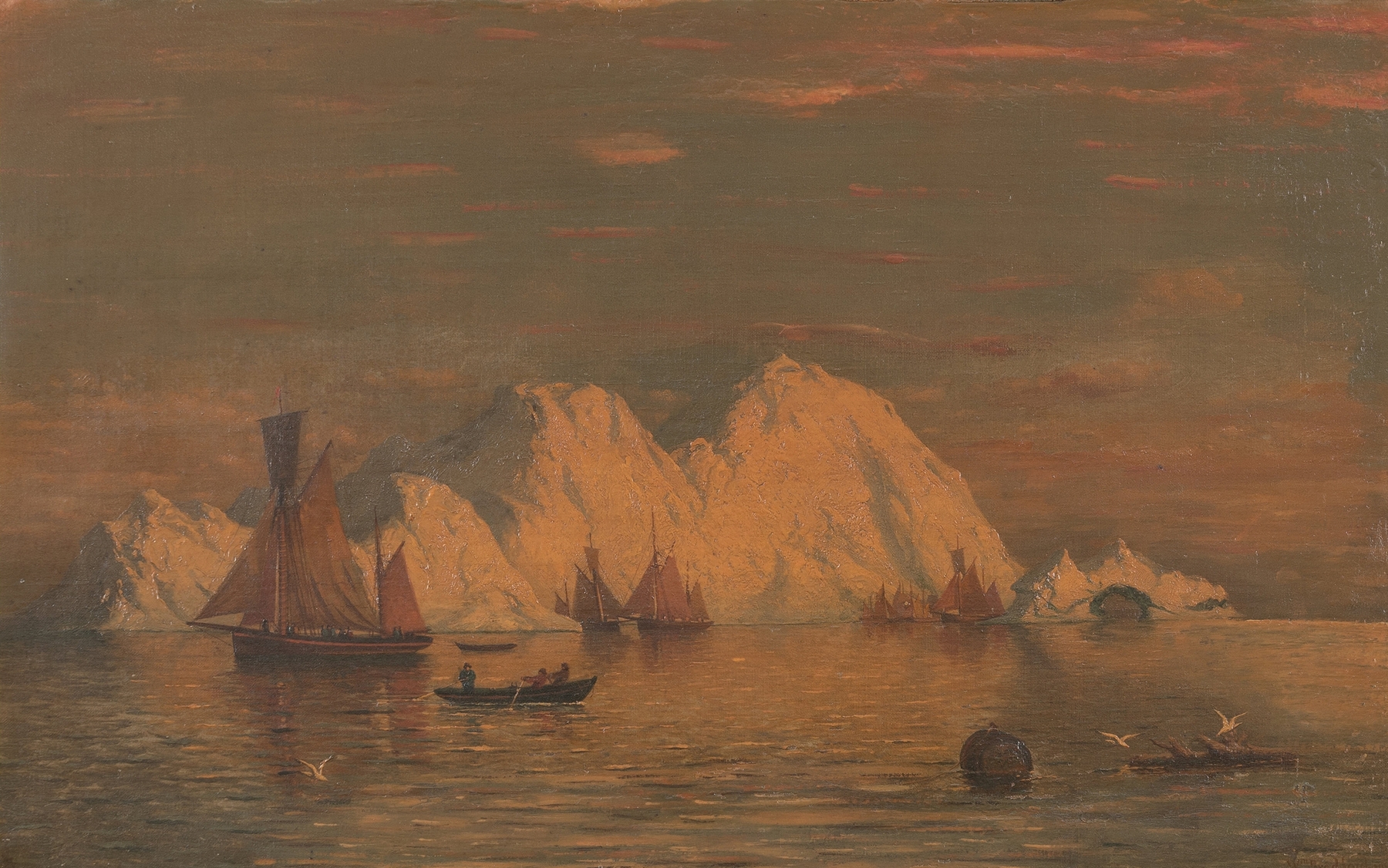
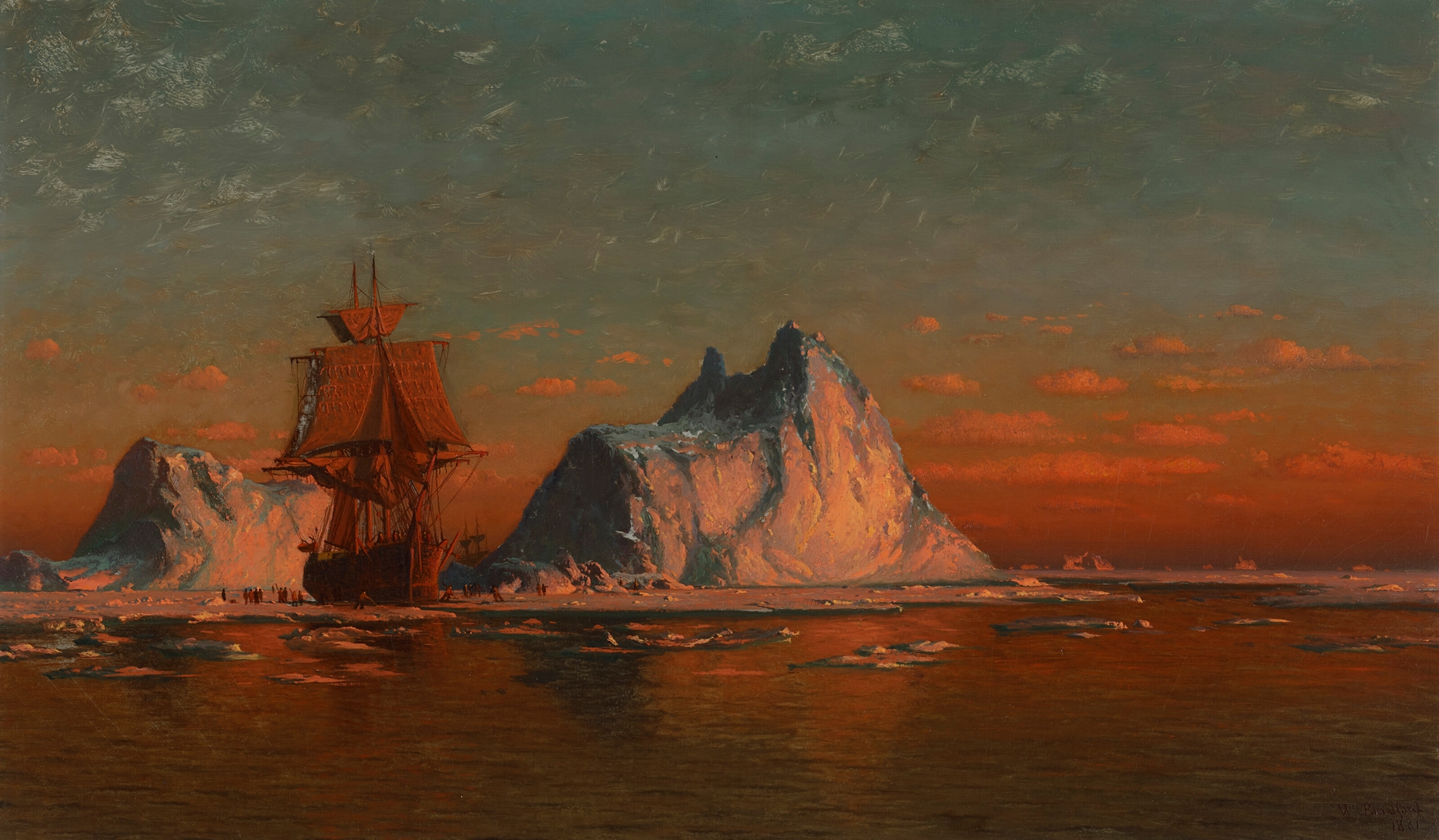
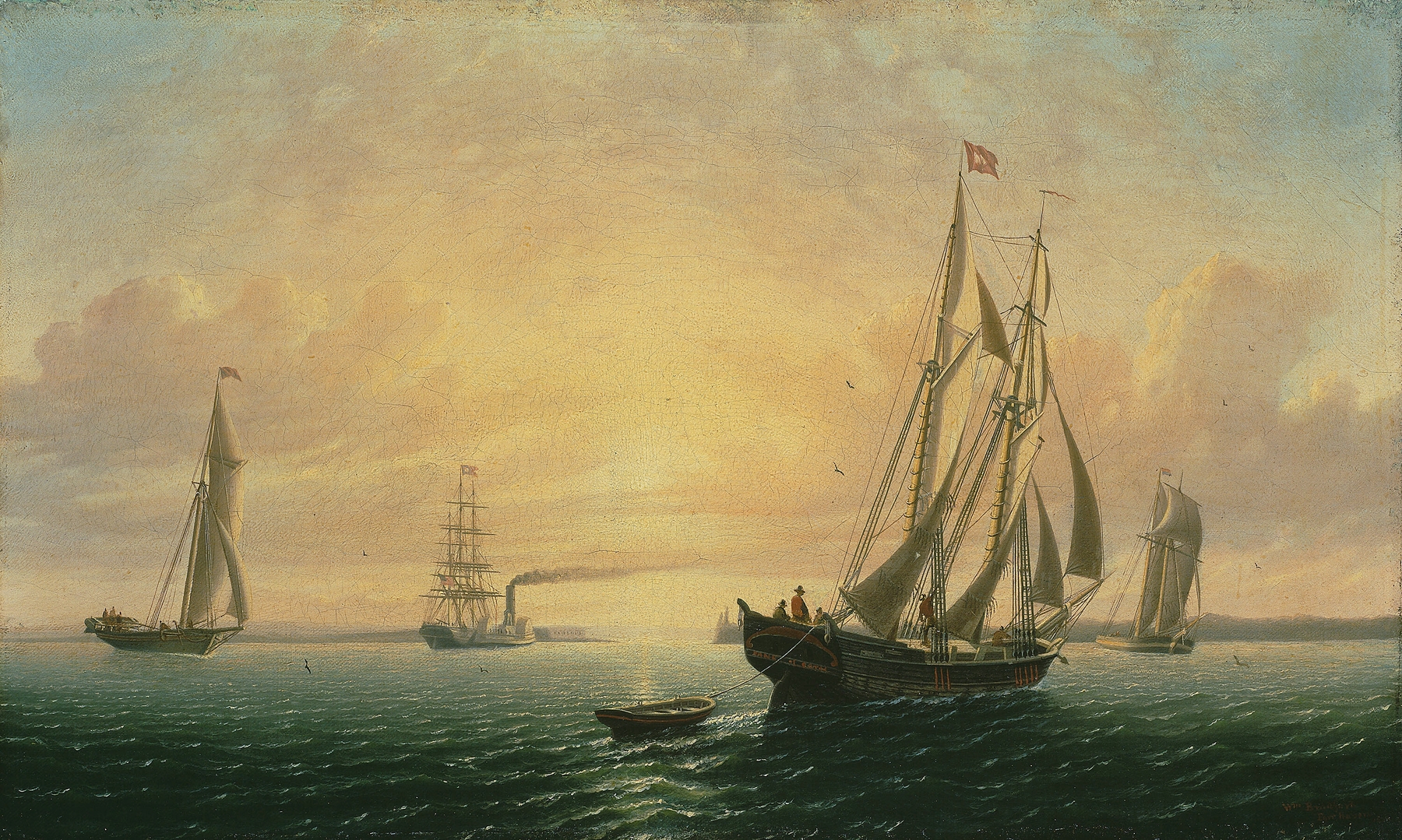
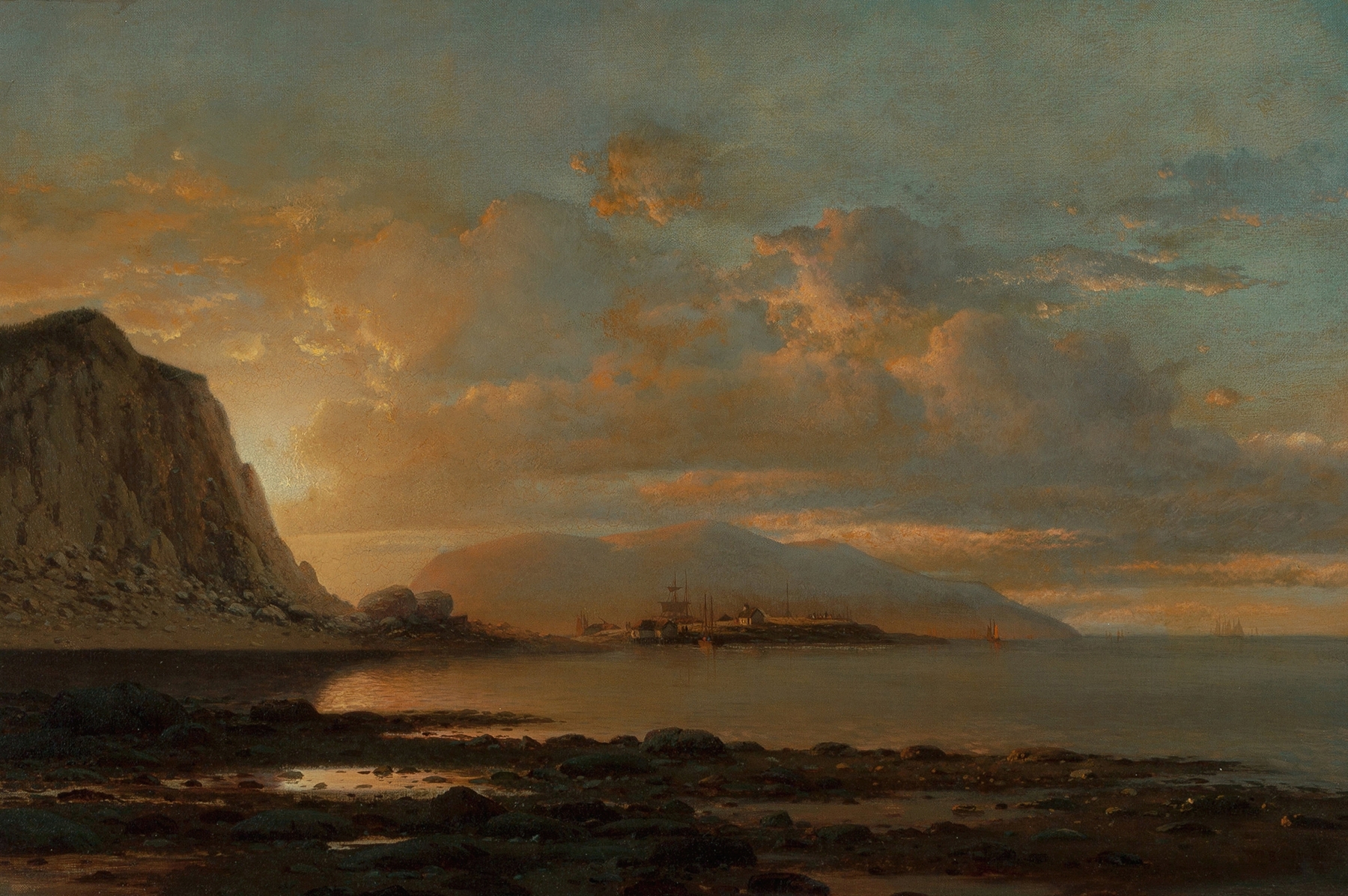
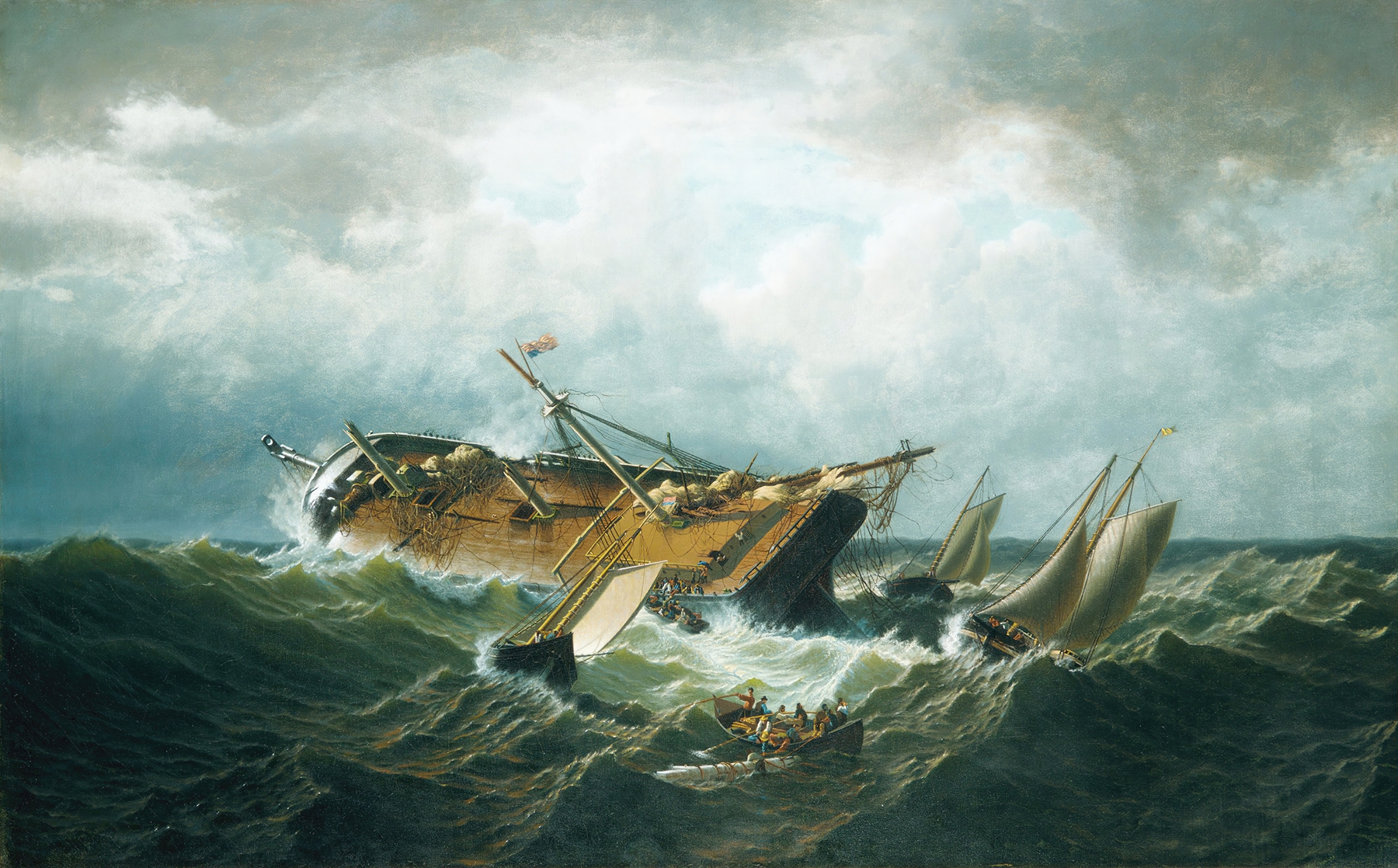
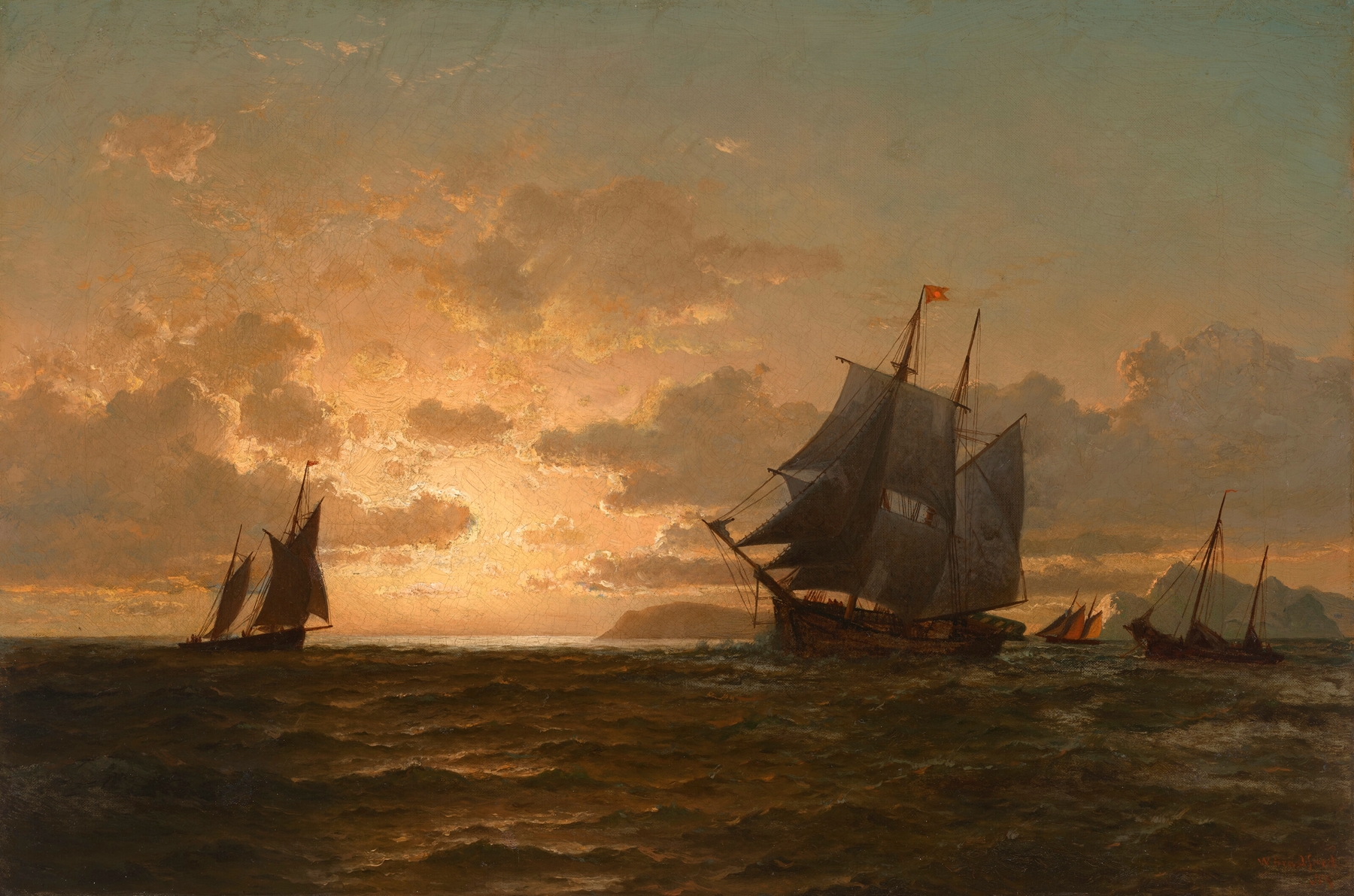
What if beauty was never meant to be finished? In Whaler and Fishing Vessels near the Coast of Labrador, the artist captures a moment suspended between the wildness of nature and the ingenuity of man, evoking a timeless dialogue of creation. Look to the left at the whaling ship, its sails taut against the wind, while the gentle waves cradle the fishing vessels nearby. The cool palette of blues and greens creates a tranquil atmosphere, contrasting the robust forms of the boats with the ethereal softness of the clouds above.
Notice how the play of light dances on the water's surface, illuminating the vessels and reflecting the delicate balance of life at sea. Beneath the surface of this serene moment lies a tension between civilization and the untamed wilderness of Labrador. The whaler symbolizes human ambition, venturing into the vast unknown, yet its proximity to the smaller fishing vessels hints at a harmonious co-existence with nature.
There’s a subtle melancholy in the scene, as if the artist acknowledges the fragility of beauty and the inevitable decline of both the sea's bounty and the whaling industry itself. In 1880, Bradford painted this work during a period when American artists were increasingly drawn to the allure of the sublime, seeking to capture the raw power of nature. Living in New York but frequently venturing into the North, Bradford was inspired by the landscapes he encountered, reflecting both the burgeoning interest in maritime themes and the complexities of a world on the brink of industrialization.