Autumn Landscape — History & Analysis
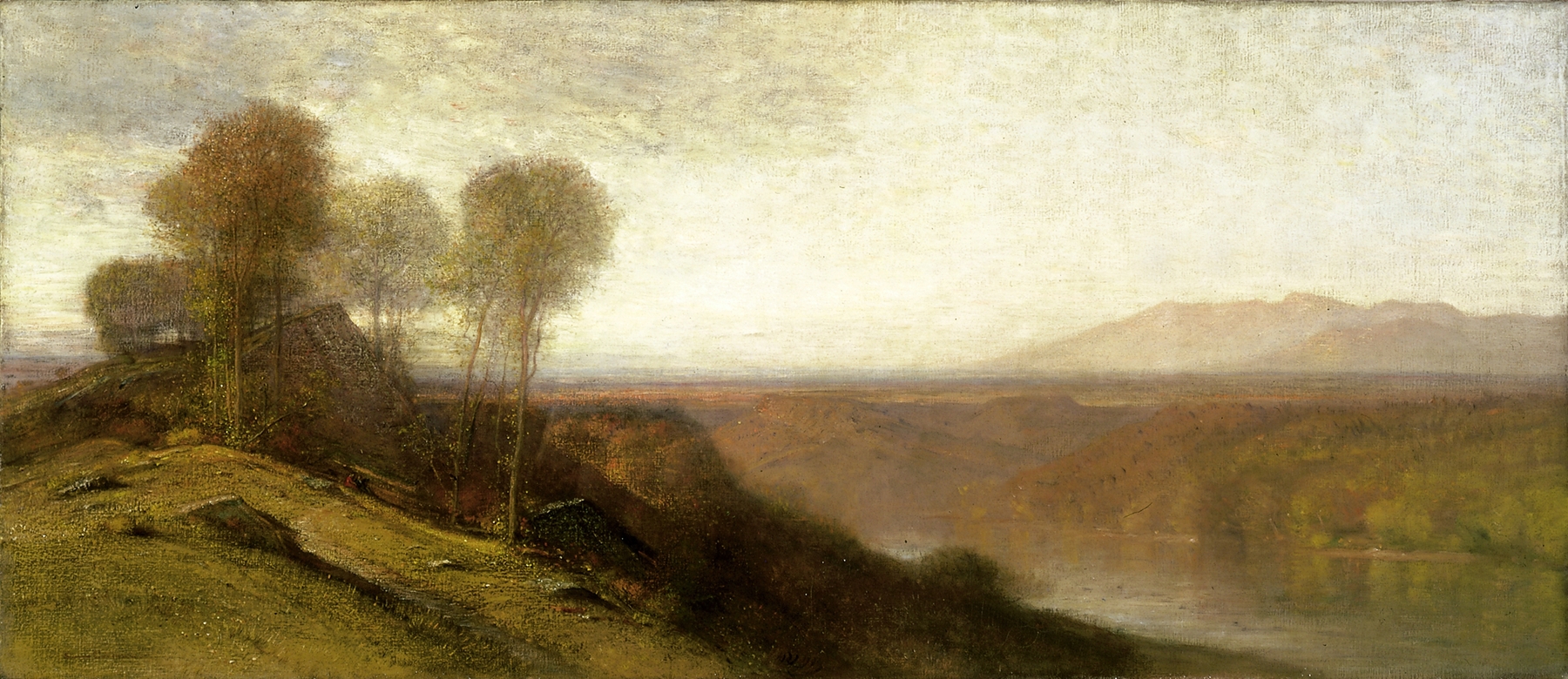
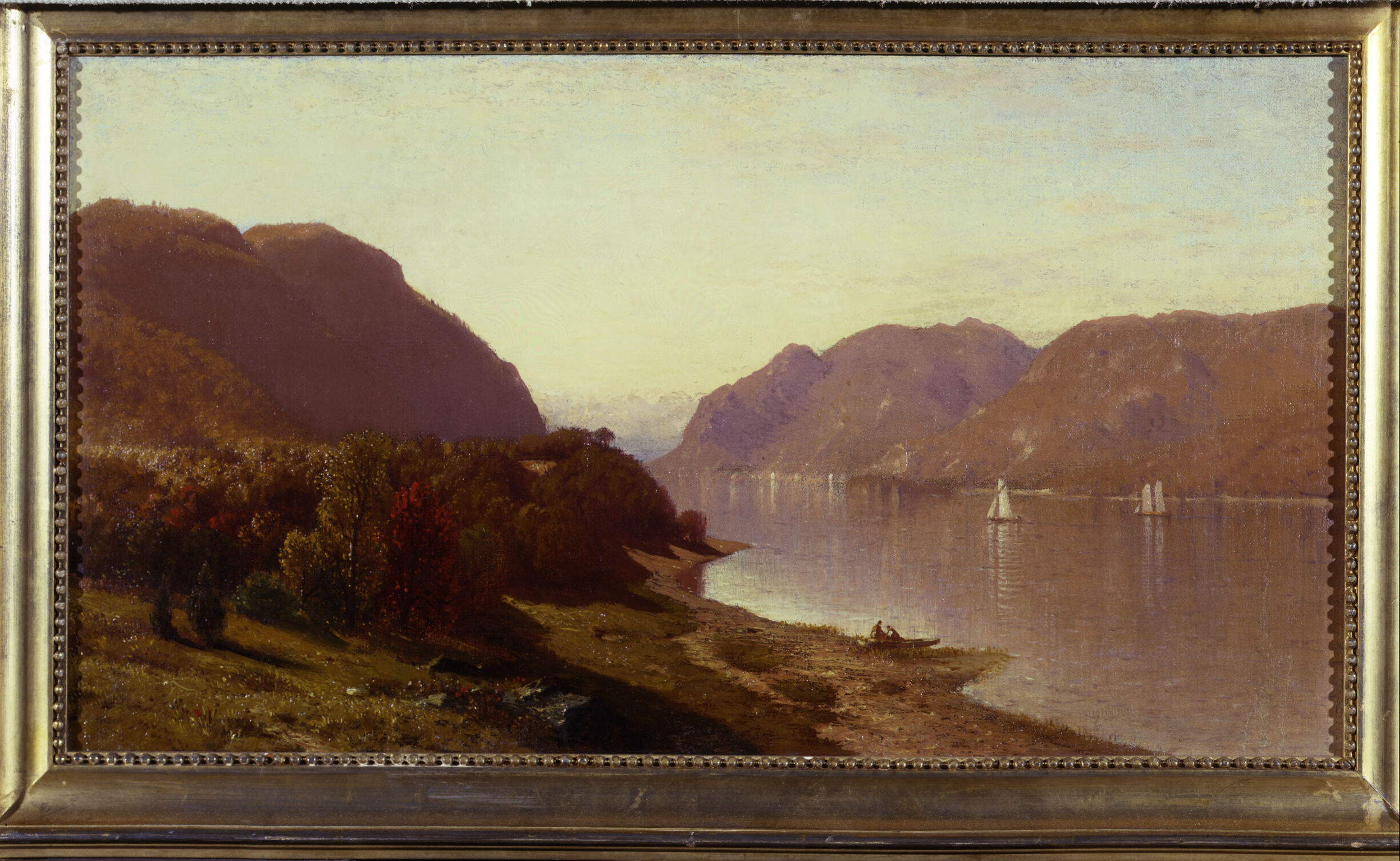
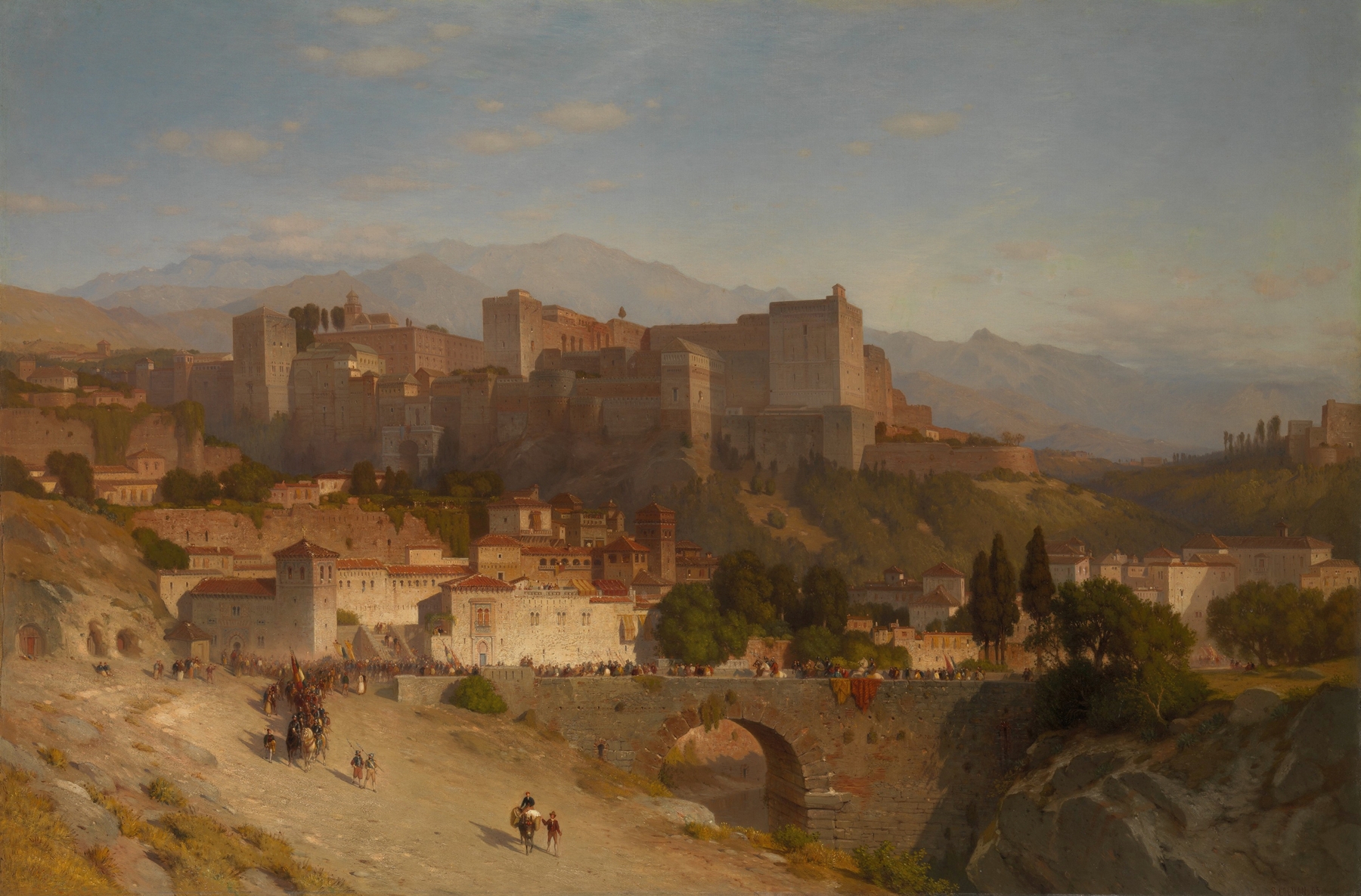
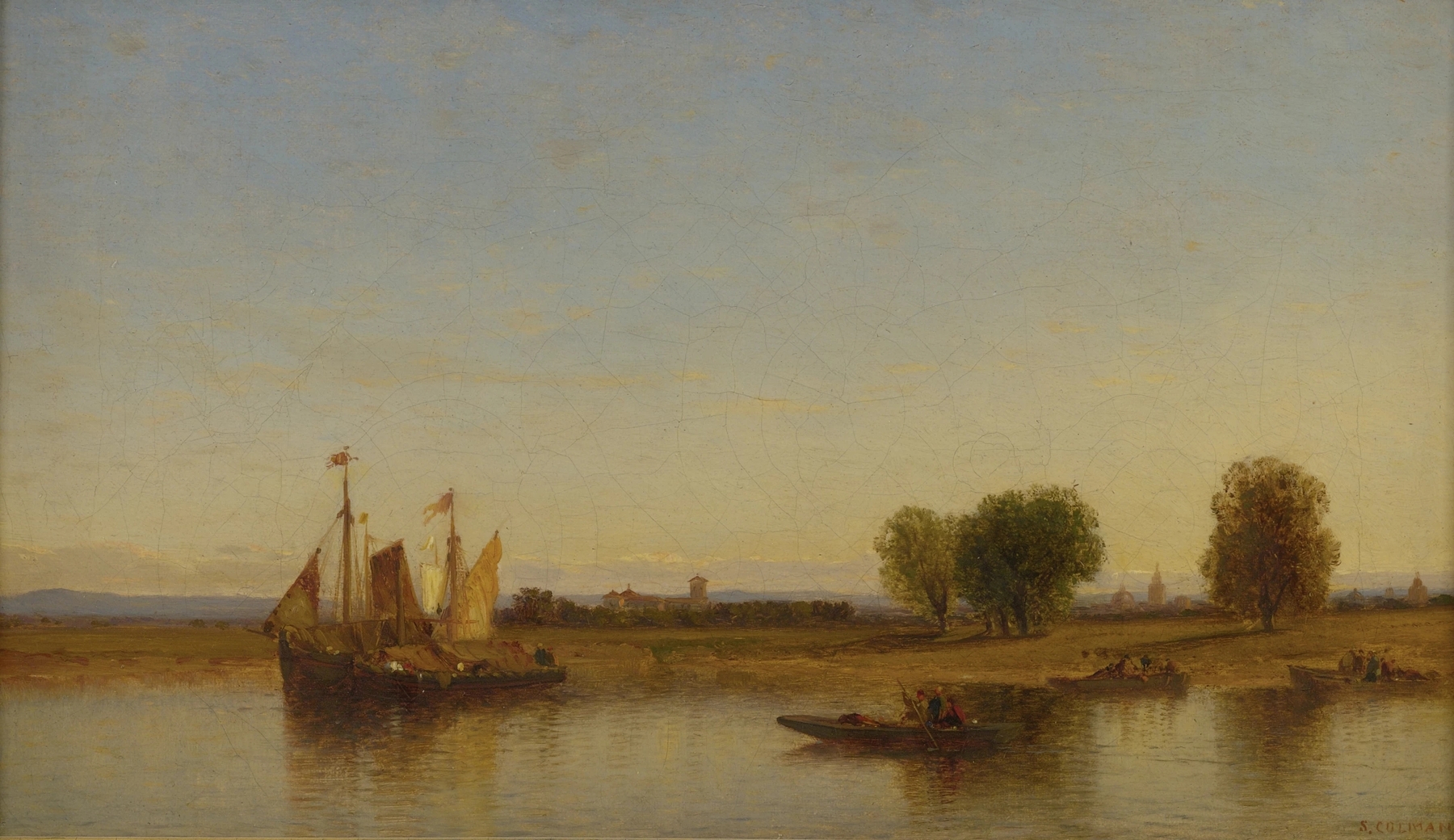
“Between color and silence, truth hides.” In the delicate interplay of hues and shadows, a world of fragility unfolds. Look to the left at the vibrant red and gold leaves, their warmth contrasted against the cool, muted greens of the distant trees. The artist masterfully uses a soft, almost ethereal light that filters through the branches, creating a sense of tranquility and fleeting beauty. Focus on the gentle undulations of the landscape, where the horizon dissolves into a soft blur, inviting the viewer to lose themselves in this serene moment.
Deep within this autumnal scene lies an emotional tension between the vibrancy of life and the inevitability of decay. The warm colors elevate the sense of beauty, while the fading light hints at the approach of winter, reminding us of the cycles of nature. The viewer may find themselves reflecting on the ephemeral quality of existence, accentuated by small, intimate details—like a solitary bird perched quietly, embodying both solitude and resilience.
In 1864, during a period of personal and artistic exploration, the creator was living in New York and became immersed in the Hudson River School movement. This era was marked by a growing appreciation for landscape painting, paralleling broader societal changes as America began to grapple with its identity and natural beauty. Colman’s work thus not only reflects his artistic evolution but also encapsulates a moment where nature was revered, echoing the era's desire for connection to the American landscape.