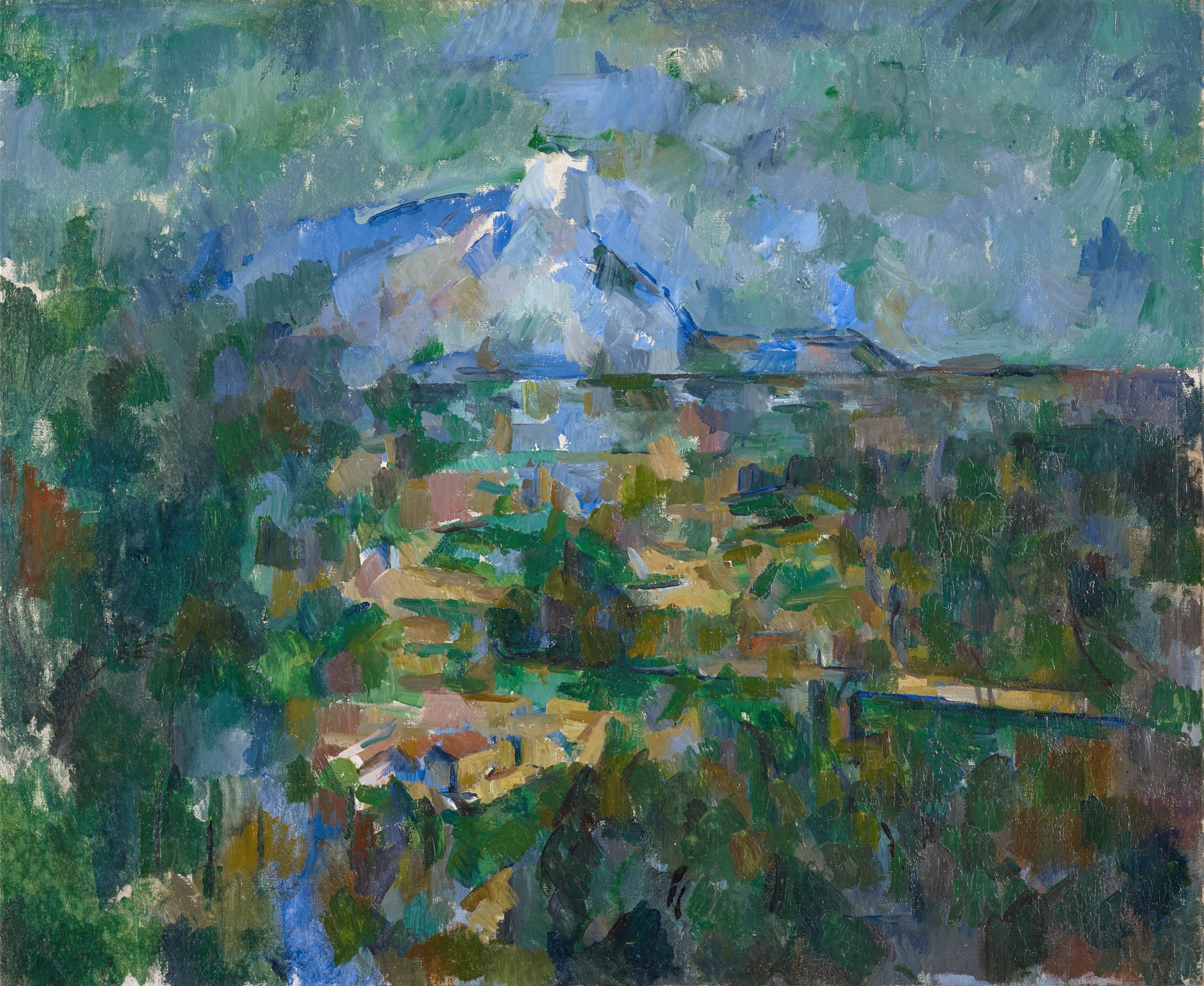
Avenue of Chestnut Trees at the Jas de Bouffan — History & Analysis
“Under the brush, chaos becomes grace.” In Avenue of Chestnut Trees at the Jas de Bouffan, movement is a whisper that dances through the trees, echoing the essence of life itself. It invites us to feel the rhythm of nature intertwined with human experience, as every stroke captures a fleeting moment in time. First, look to the left at the winding path, where vibrant greens intermingle with strokes of yellow and muted browns. The trees, robust yet whimsical, seem to sway gently, their branches reaching for the sky.
Notice how Cézanne employs contrasting colors to bring depth, allowing the sunlight to filter through the foliage, casting playful shadows on the ground. The brushwork varies from thick, textured strokes to delicate touches, creating a sense of movement that guides the viewer's gaze deeper into the scene. Delving further, the tension between the stability of the sturdy trunk and the fluidity of the leaves speaks to the balance of nature and art. These elements reveal hidden narratives — the chestnut trees stand as sentinels of time, chronicling the passage of seasons, while the path suggests an invitation for the viewer to embark on their own journey.
This dialogue between the natural world and the viewer’s imagination encapsulates the contrast of permanence and transience. Cézanne painted this piece between 1878 and 1890 in his beloved Jas de Bouffan, located near Aix-en-Provence. During this period, he was deeply engaged in exploring the interplay of color and form, striving to break away from traditional representation. The late 19th century was a time of artistic revolution, and Cézanne’s efforts to convey his unique vision laid the groundwork for modern art, marking him as a pivotal figure in the transition toward the Post-Impressionist movement.