Mont Sainte-Victoire — History & Analysis
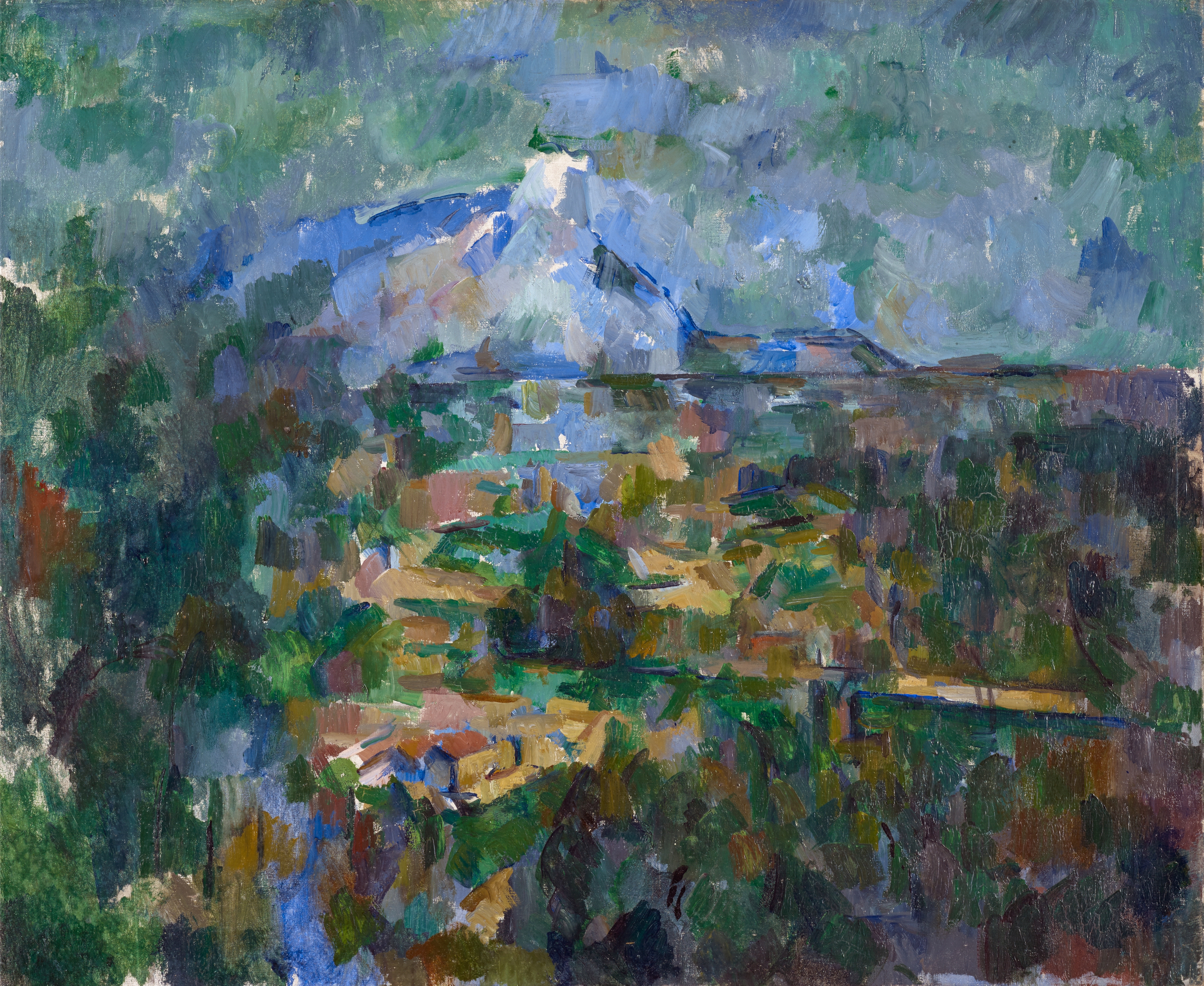
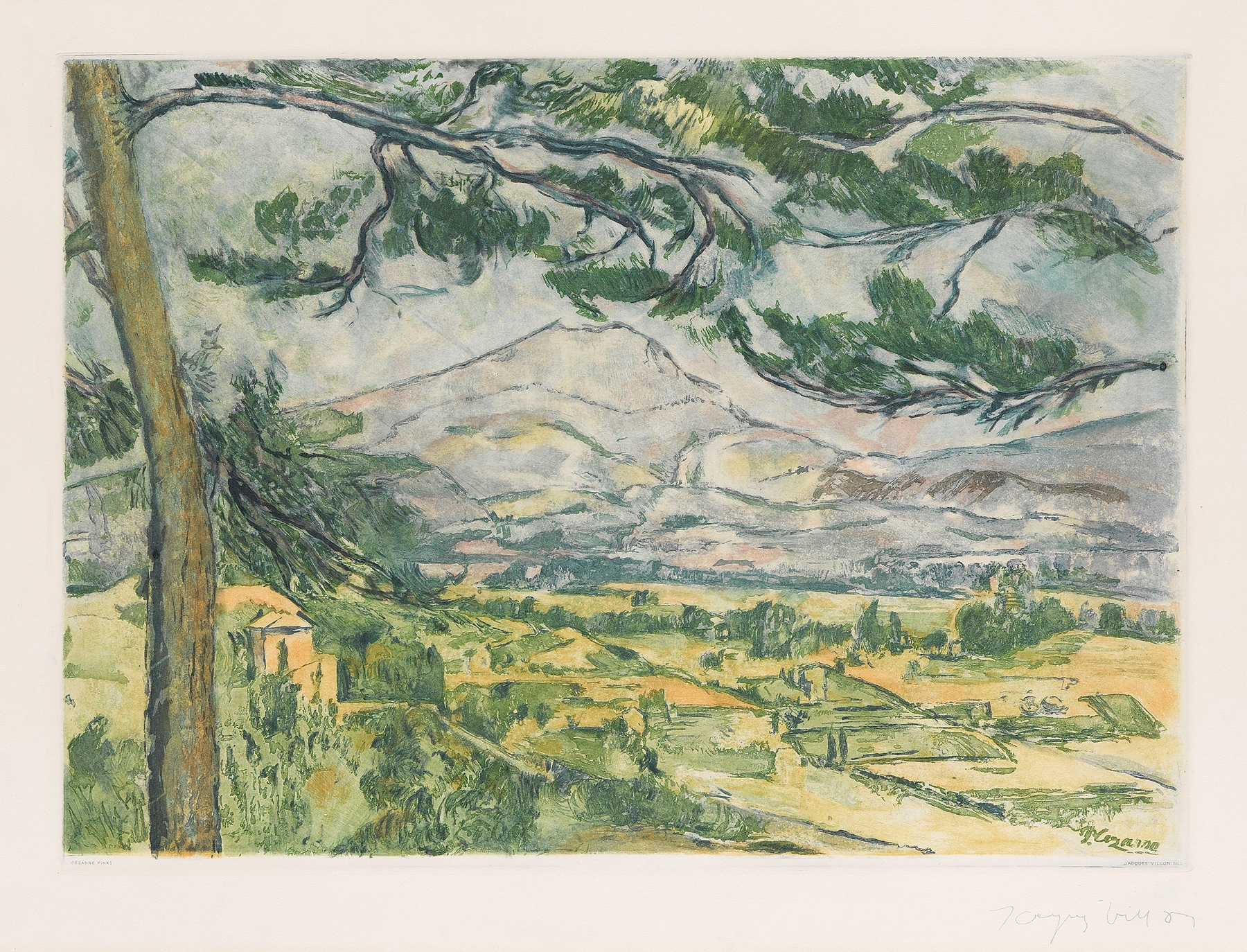
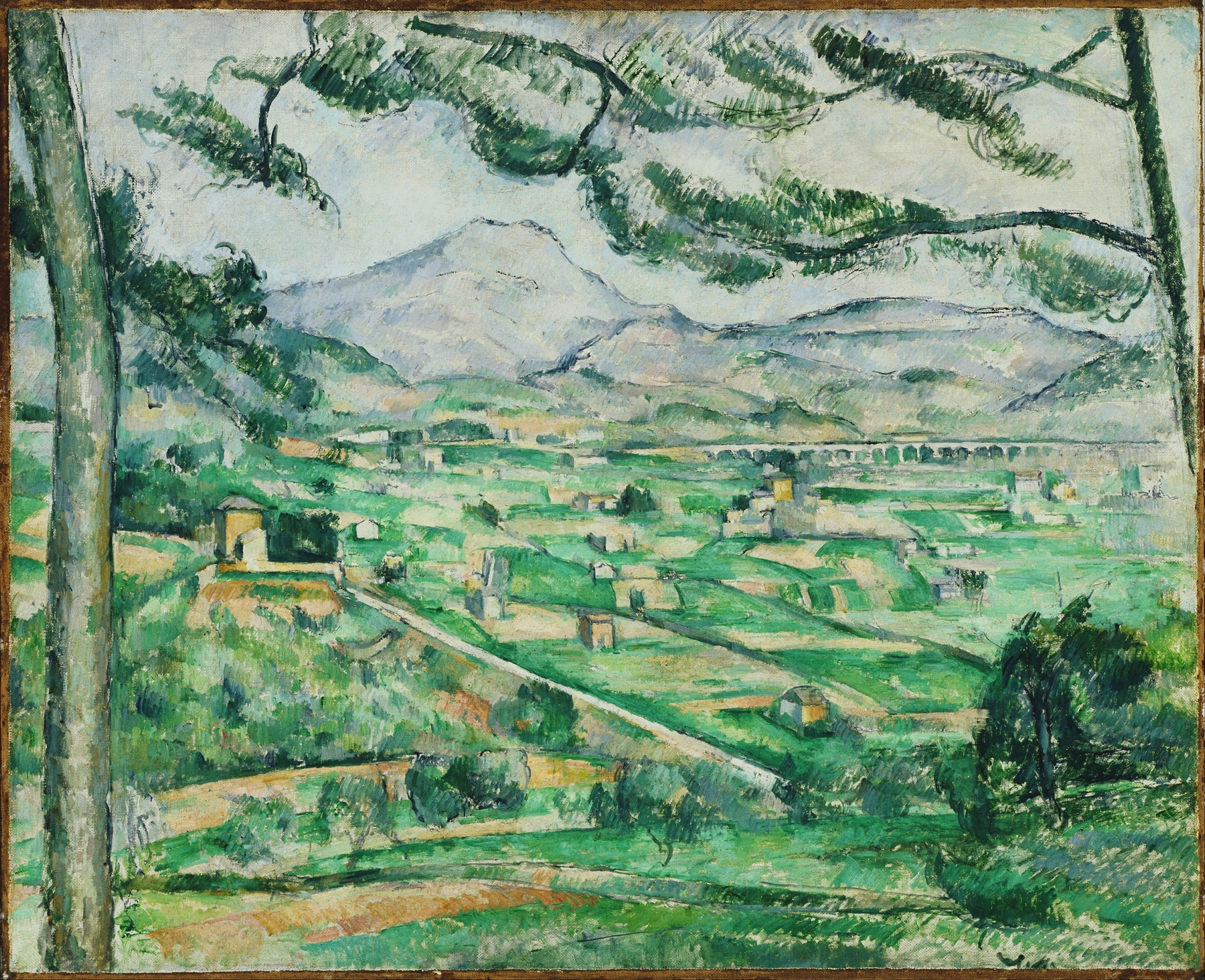
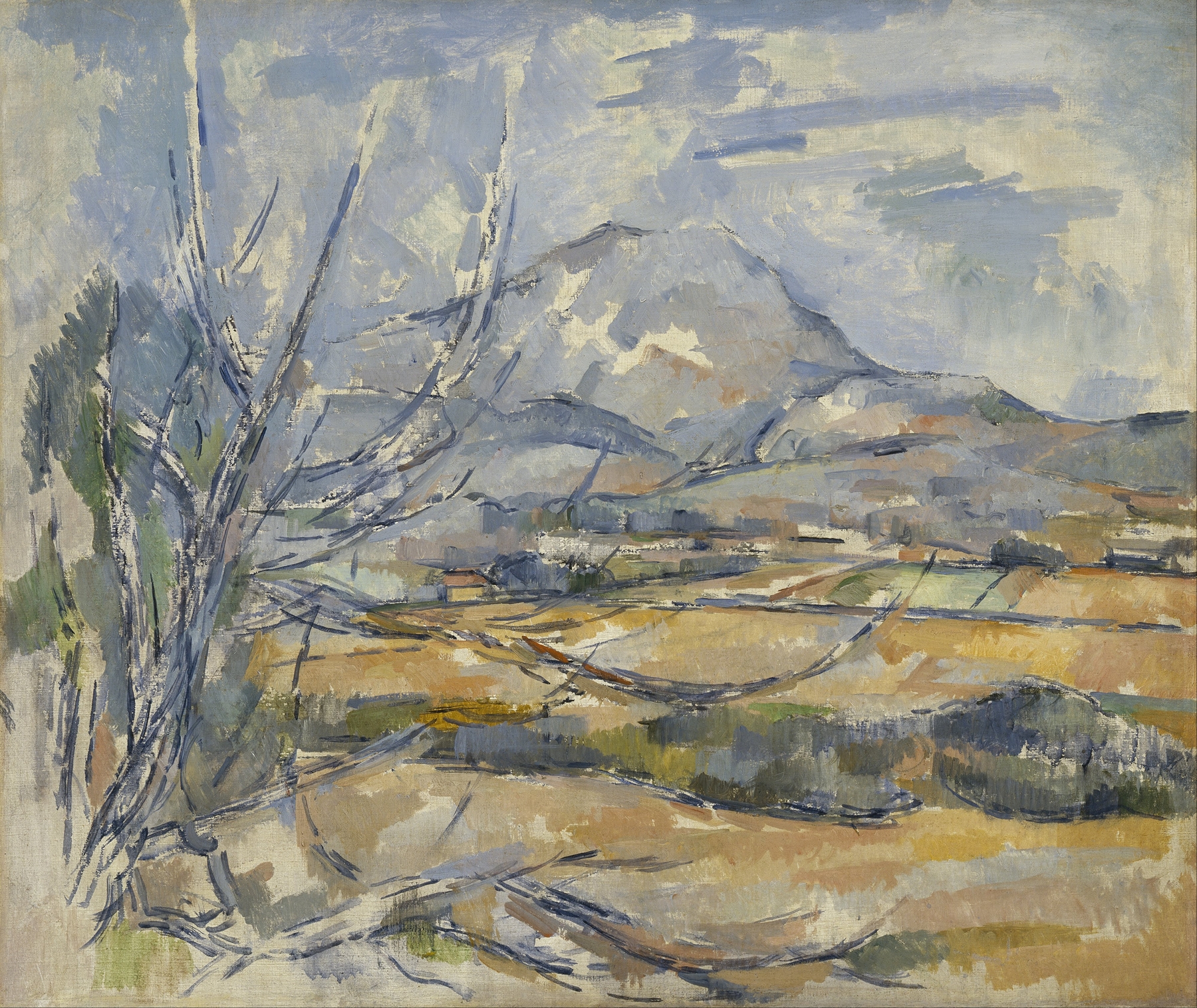
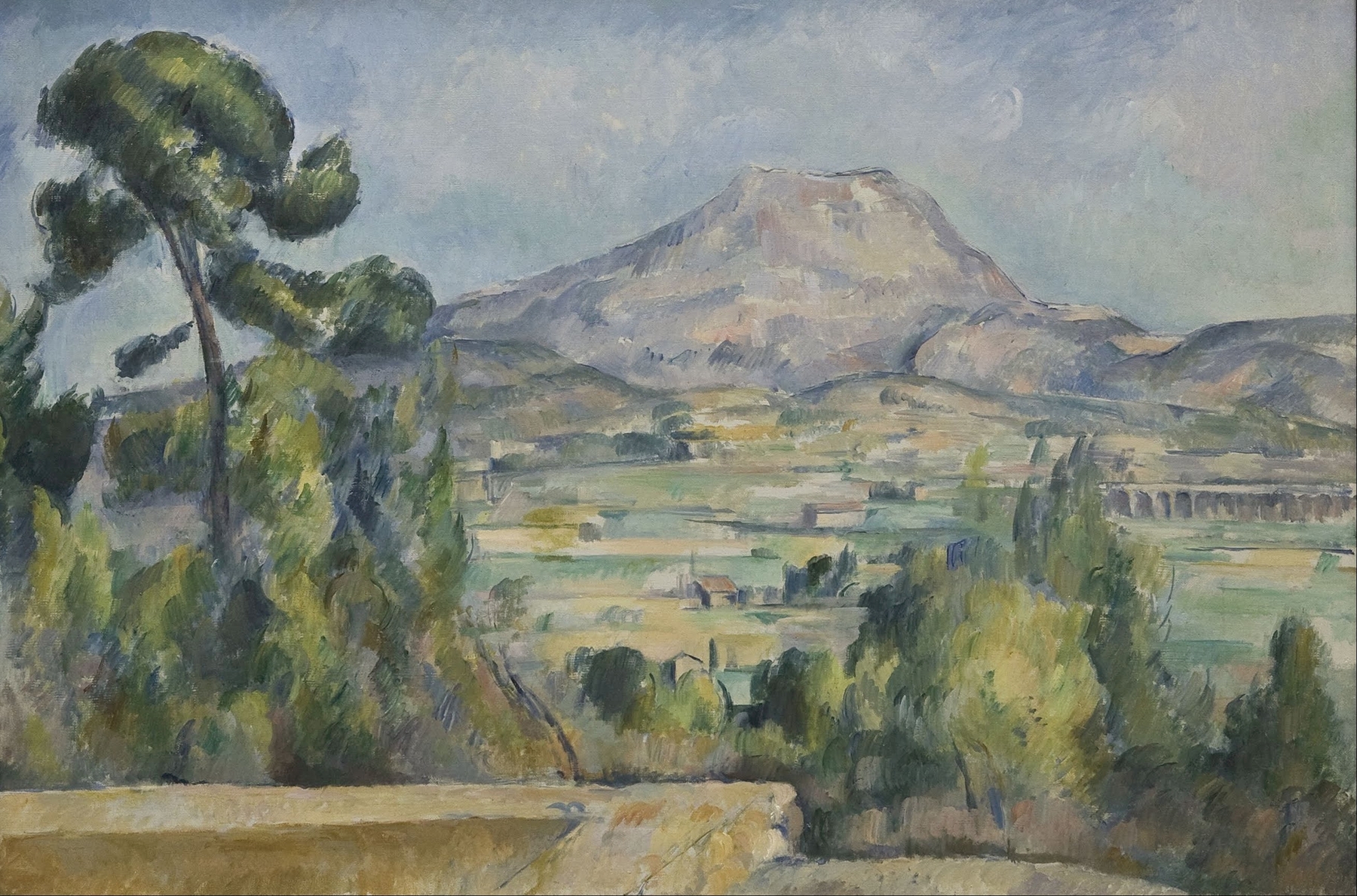
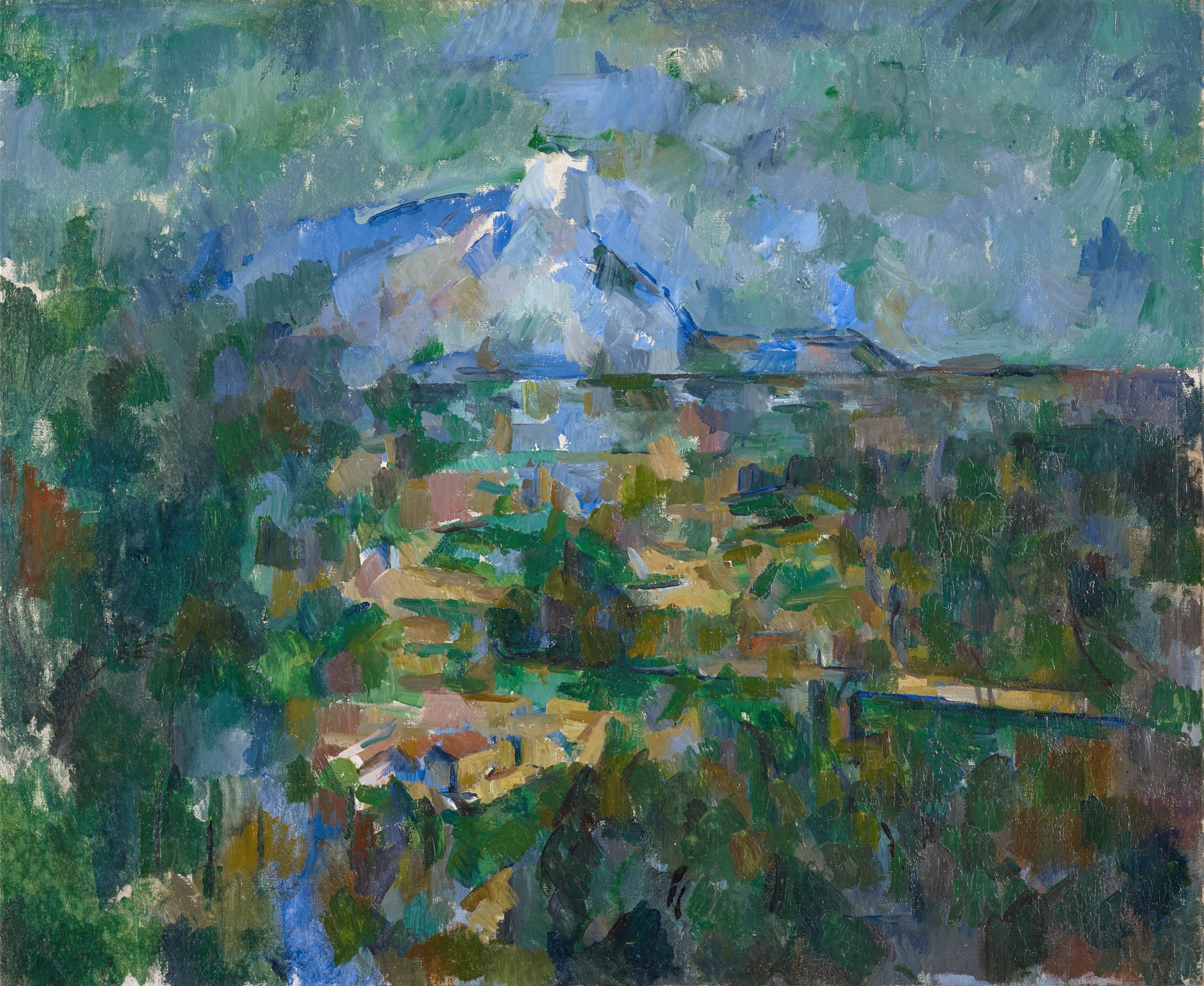
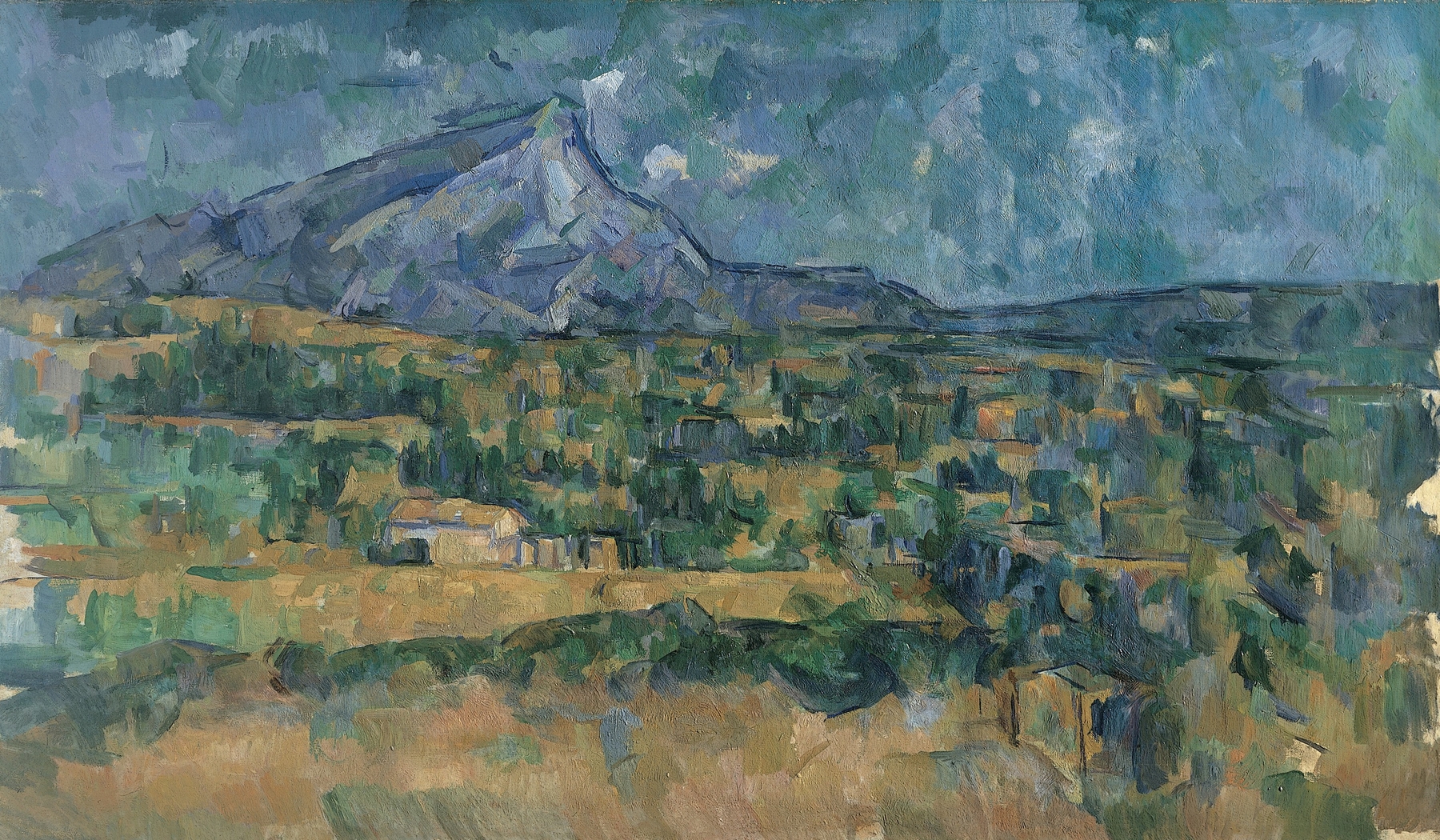
“The canvas doesn’t lie — it simply waits.” In its stillness, it opens a space where absence invites reflection, urging us to linger in the emptiness. Look to the horizon where Mont Sainte-Victoire rises, a sentinel draped in muted blues and earthy greens. The strokes are deliberate, each one layered to create a textured landscape that feels both familiar and distant. Notice how the vibrant sunlight spills over the mountain, illuminating patches of color while leaving others in shadow, suggesting a dialogue between presence and absence that permeates the scene.
Within this composition lies a profound tension between the solid form of the mountain and the vastness of the surrounding space. The geometric shapes, rendered with a unique blend of cubist and impressionist styles, evoke a sense of stability while simultaneously hinting at the fleeting nature of perception itself. The empty spaces in the foreground draw the eye to the mountain, creating a feeling of longing, as if we are searching for something just beyond the frame.
Paul Cézanne created this iconic work during the late 19th century, a time when he was exploring the boundaries of form and color in Provence, France. His artistic journey was marked by a commitment to capturing the essence of the landscape in a way that departed from traditional representation. As he grappled with the interplay of light and structure, this painting became a testament to his belief that reality is not merely seen but felt, existing in the delicate balance between what is there and what remains unsaid.