The Mont Sainte-Victoire Seen From Les Lauves — History & Analysis
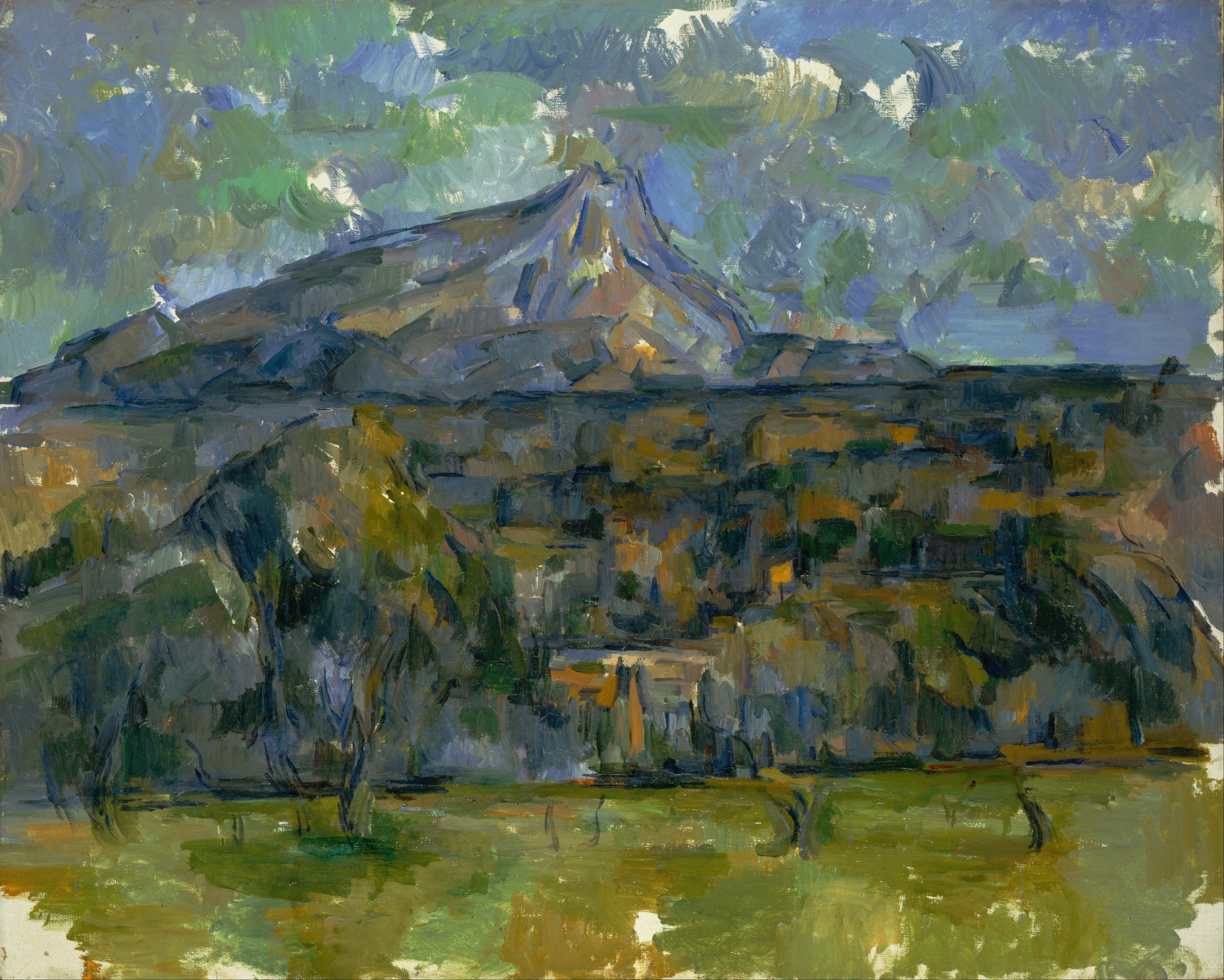
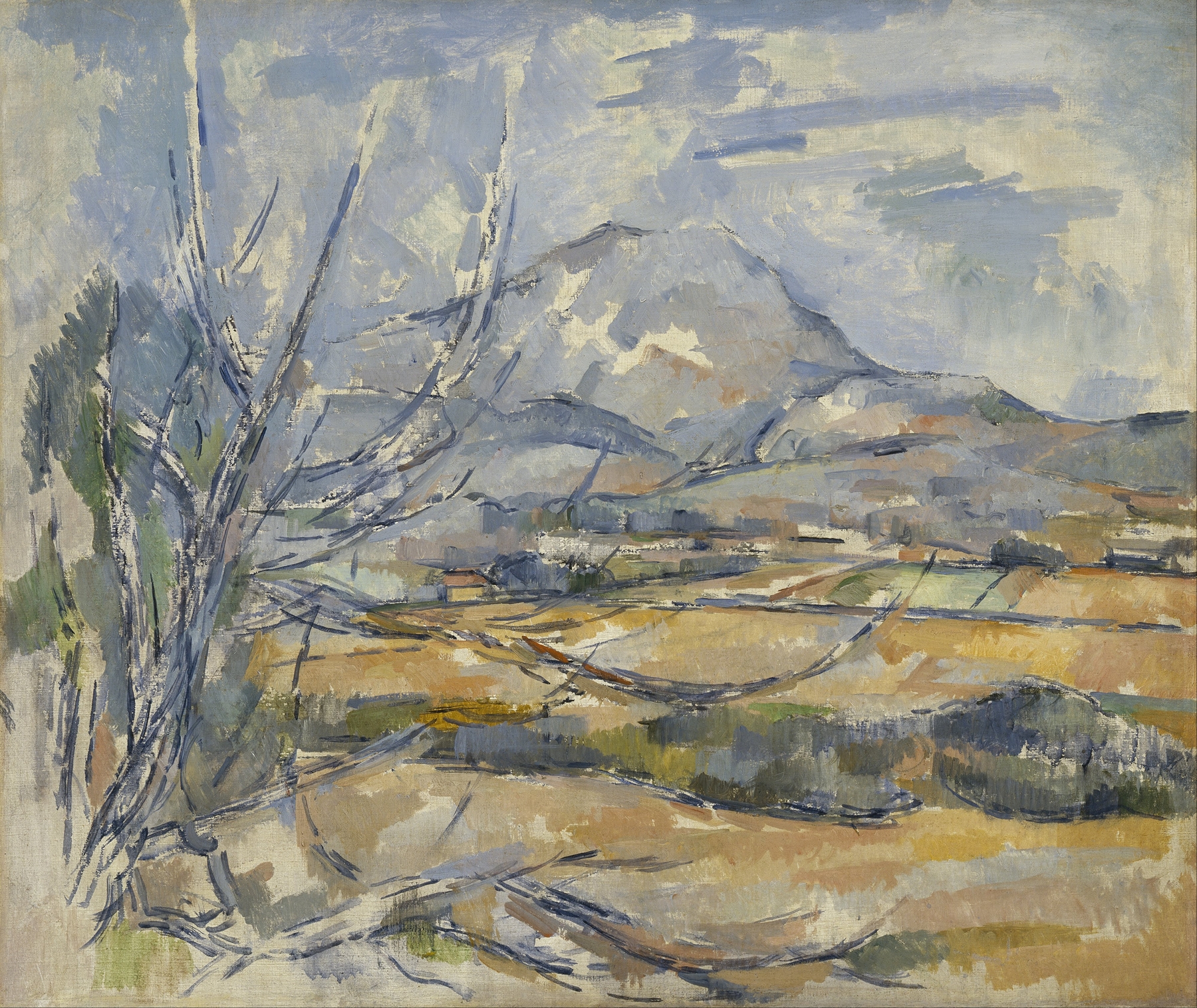
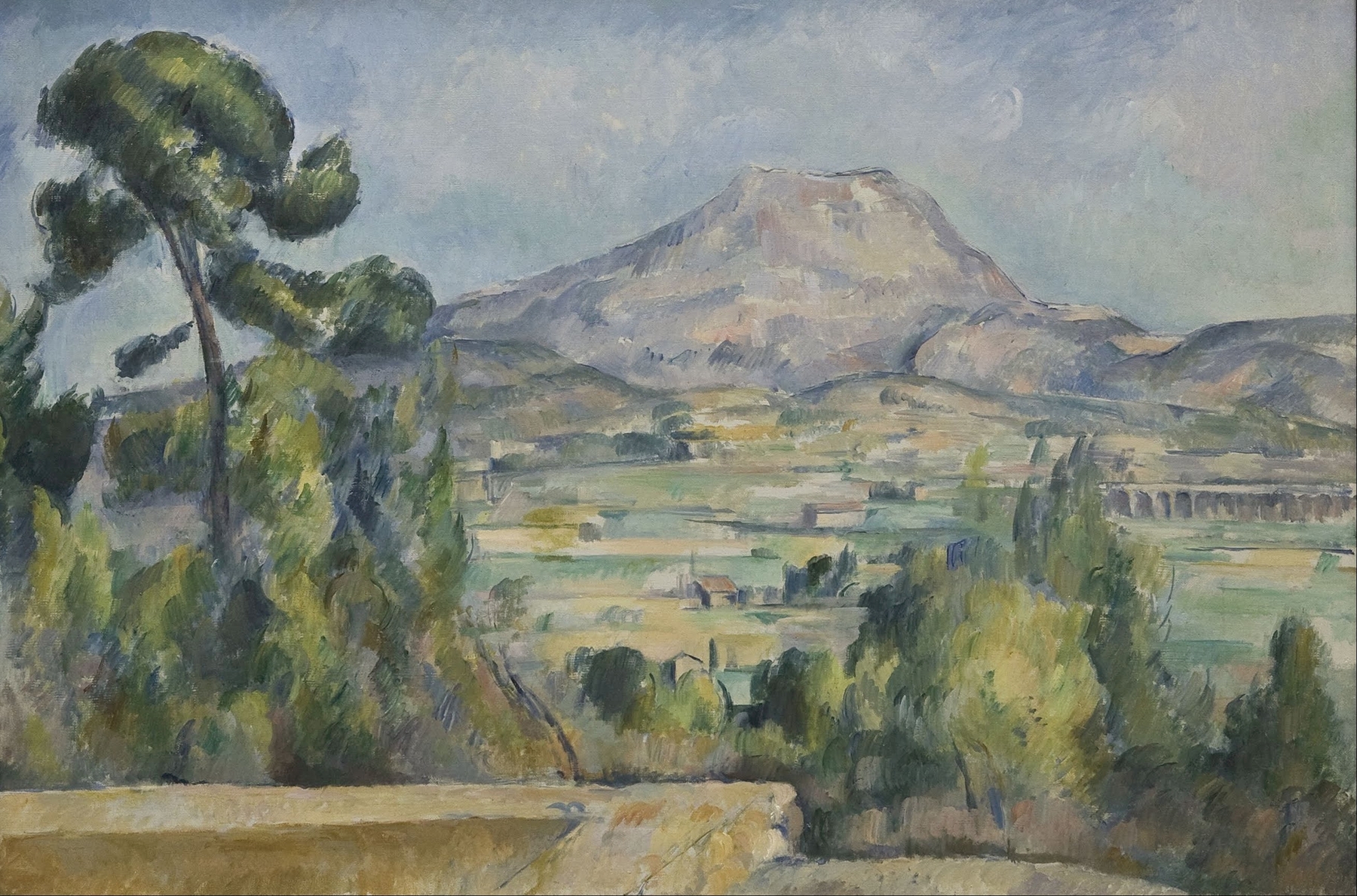
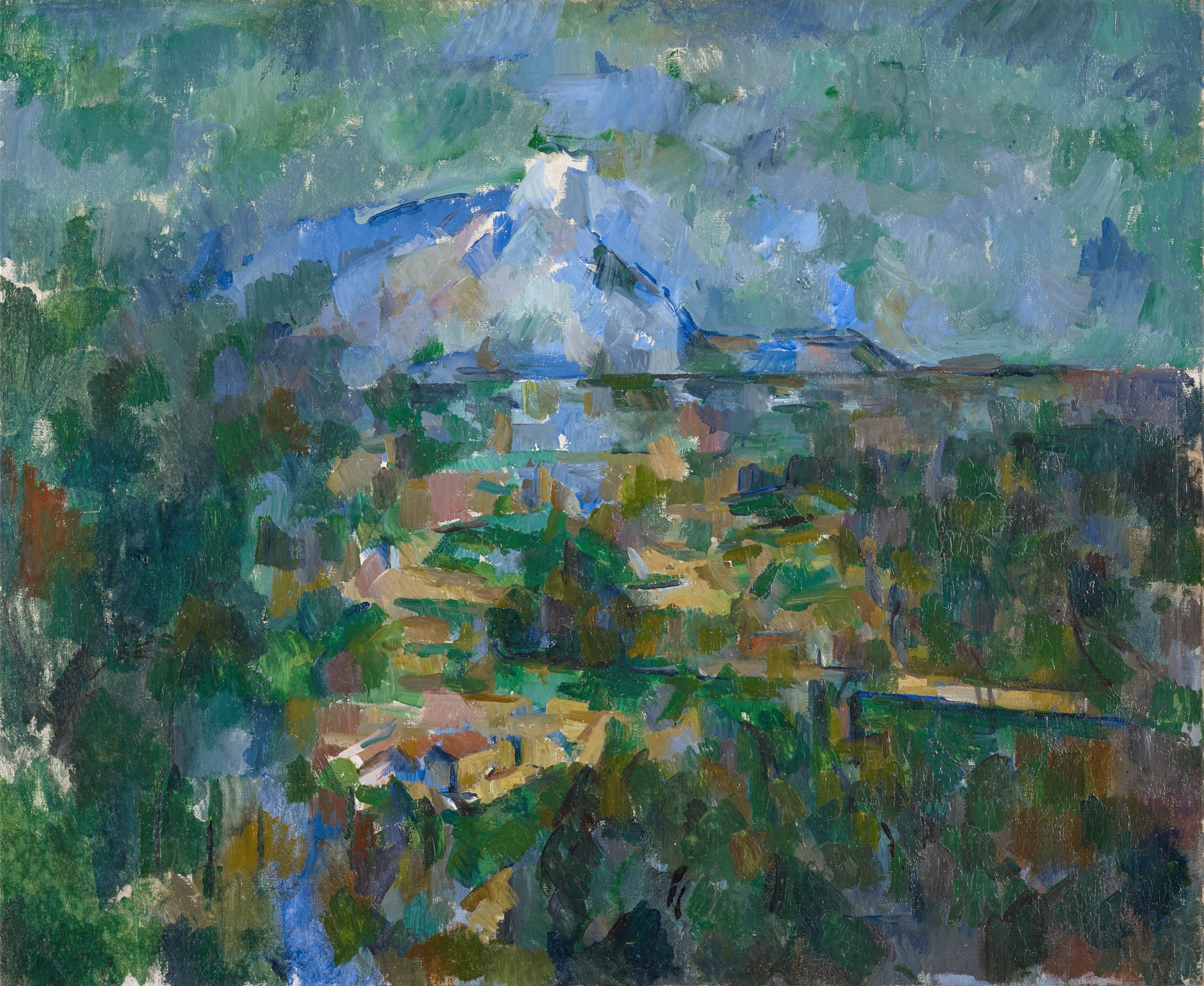
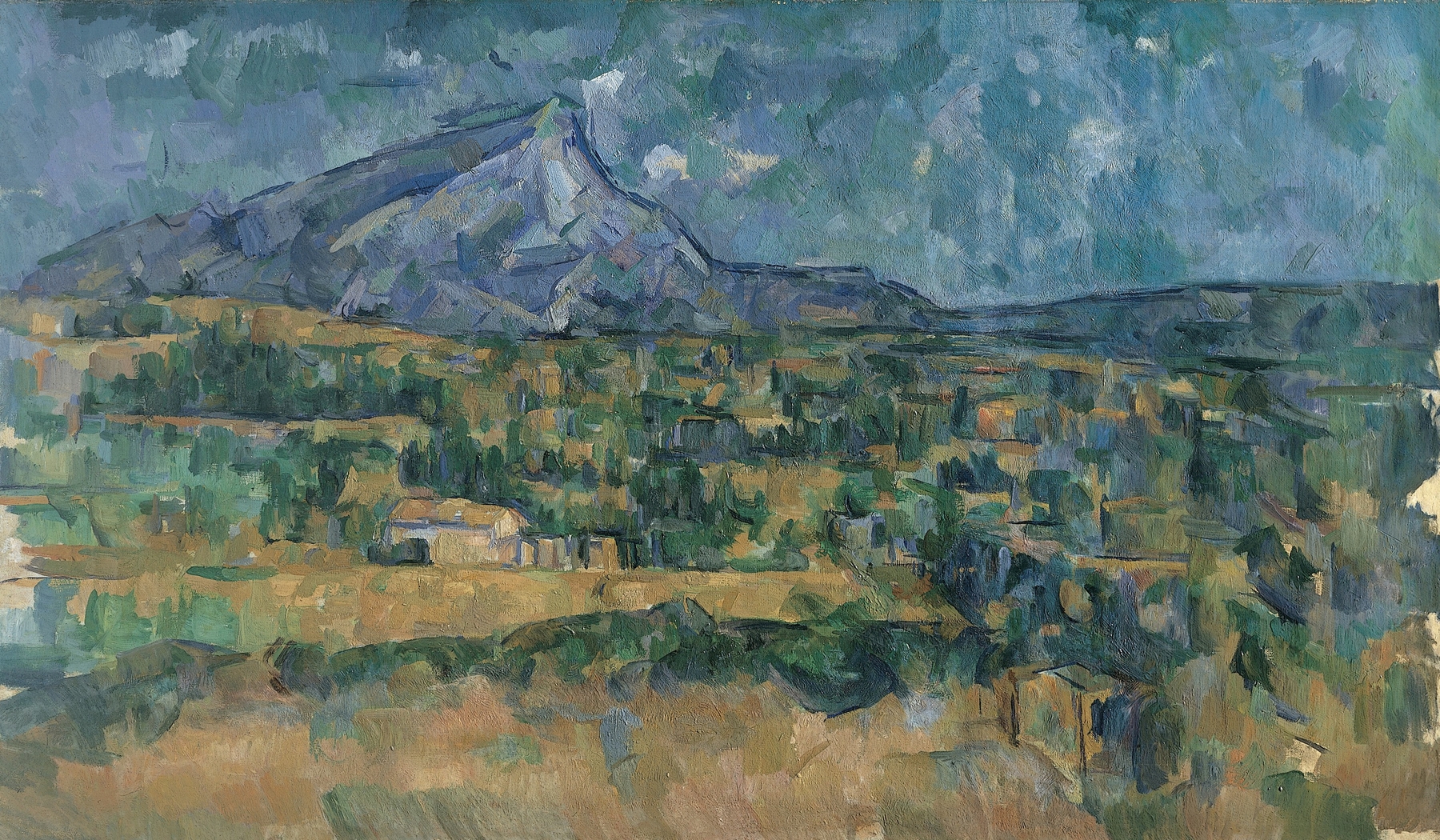
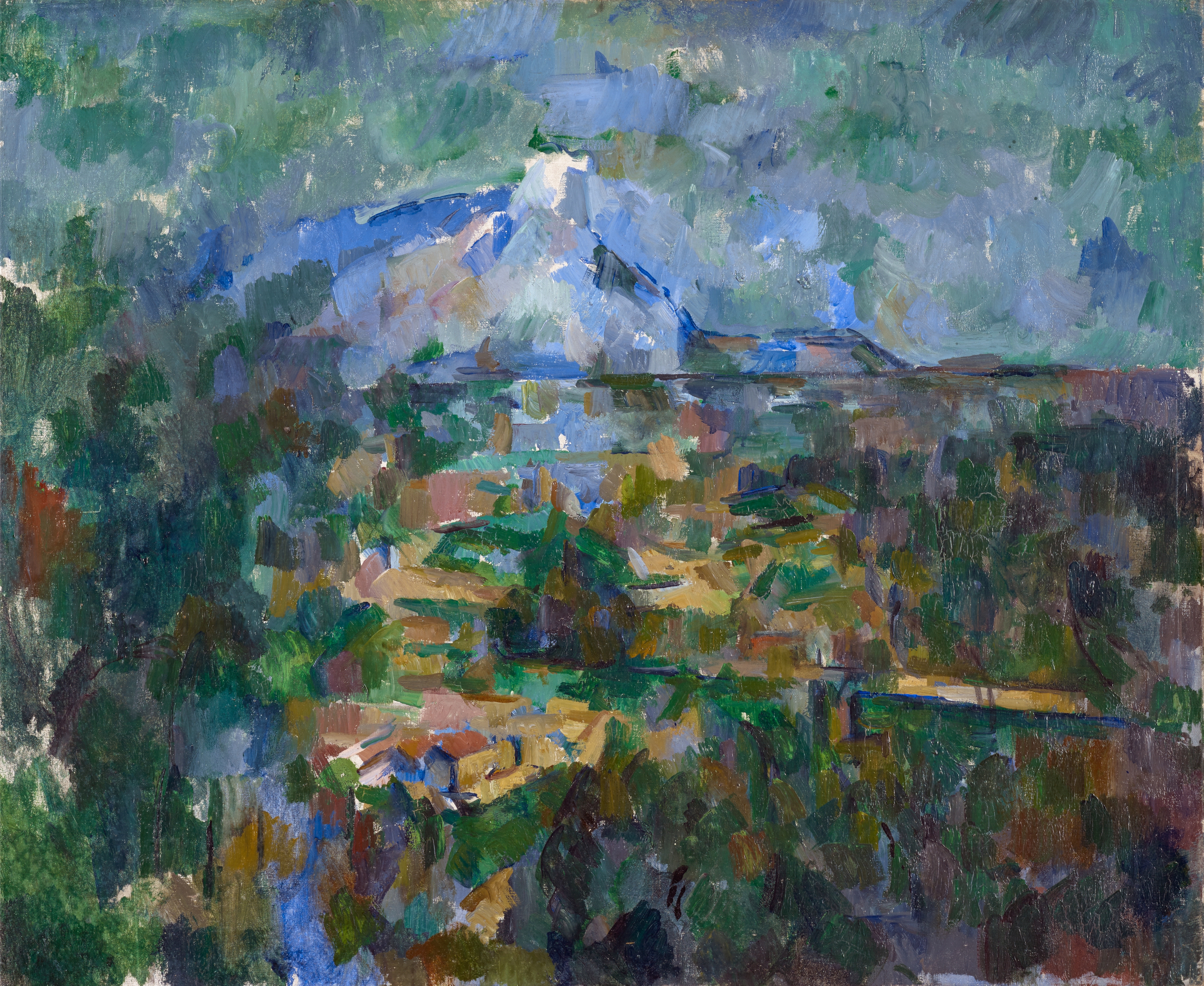
Who listens when art speaks of silence? In The Mont Sainte-Victoire Seen From Les Lauves, the tranquility of a landscape unfolds, inviting contemplation and innocent wonder. Begin by looking to the center, where the monumental mountain looms, painted in rich, earthy tones that pulse with vitality. Notice how the brushstrokes are both structured and free, echoing the harmony between nature and the human touch. The sky, a soft blend of blues and whites, gently cradles the mountain, while the foreground is an intricate tapestry of greens and ochres, suggesting life and vitality in the surrounding area.
Each stroke is deliberate, guiding your gaze across the canvas and into the heart of the landscape. Digging deeper, you’ll uncover a tension between the solidity of the mountain and the muted, dreamlike quality of the clouds above. This interplay speaks not only to the stability of nature but also to the fragility of human perception. The juxtaposition of vibrant colors in the foreground against the serene, almost ethereal background mirrors the struggle between innocence and experience.
It invites viewers to confront their own interpretations of permanence and transience in the natural world. In 1904, Cézanne was living in Aix-en-Provence, deeply immersed in the artistic exploration of form and color. This period marked a significant turning point, as he sought to bridge the gap between Impressionism and the emerging modernist movement. The world was changing rapidly, yet within the solitude of his studio, he created a space where the innocence of nature’s beauty could speak volumes, timelessly echoing the silent conversations we share with the landscapes around us.