Mount Sainte-Victoire — History & Analysis
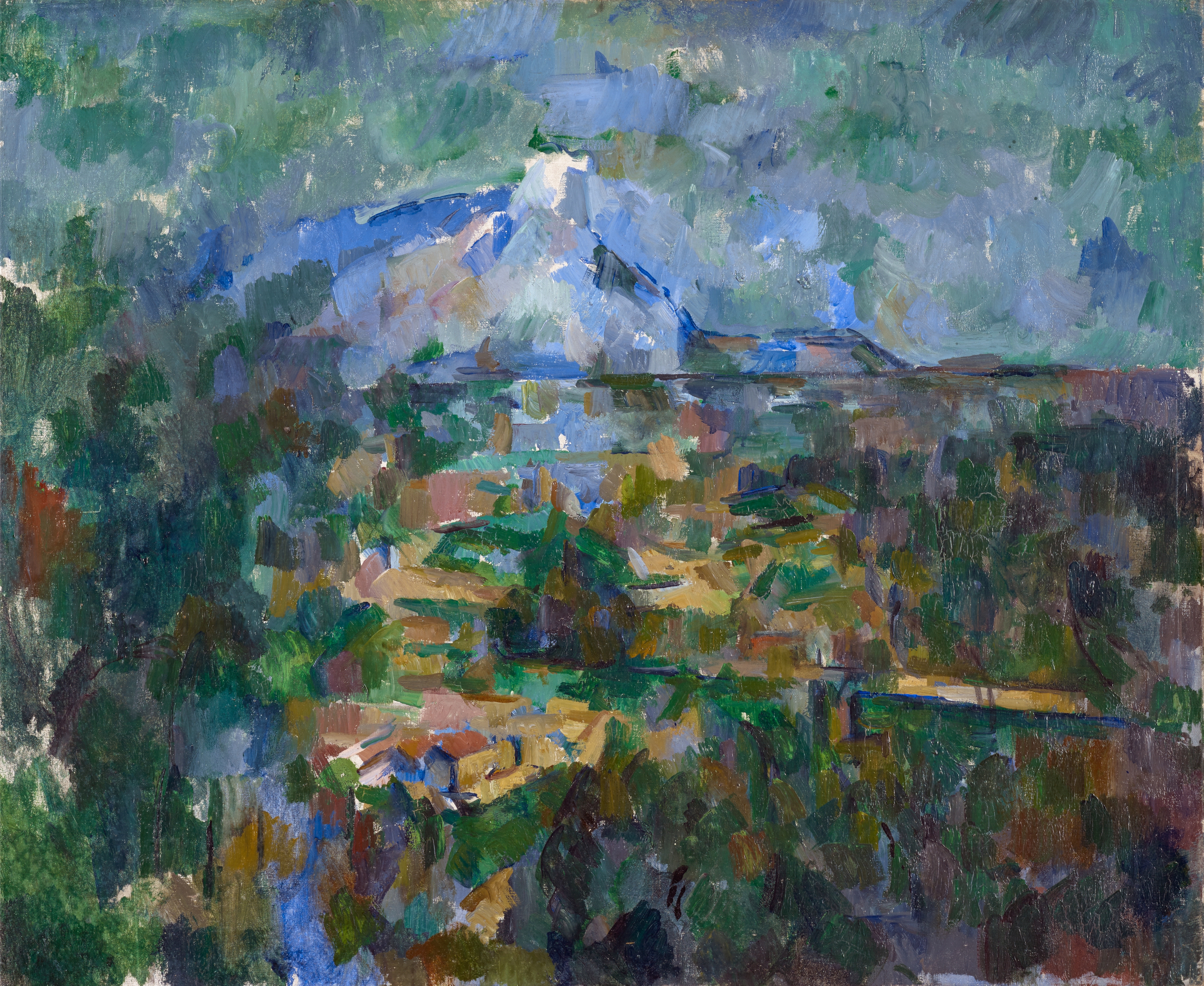
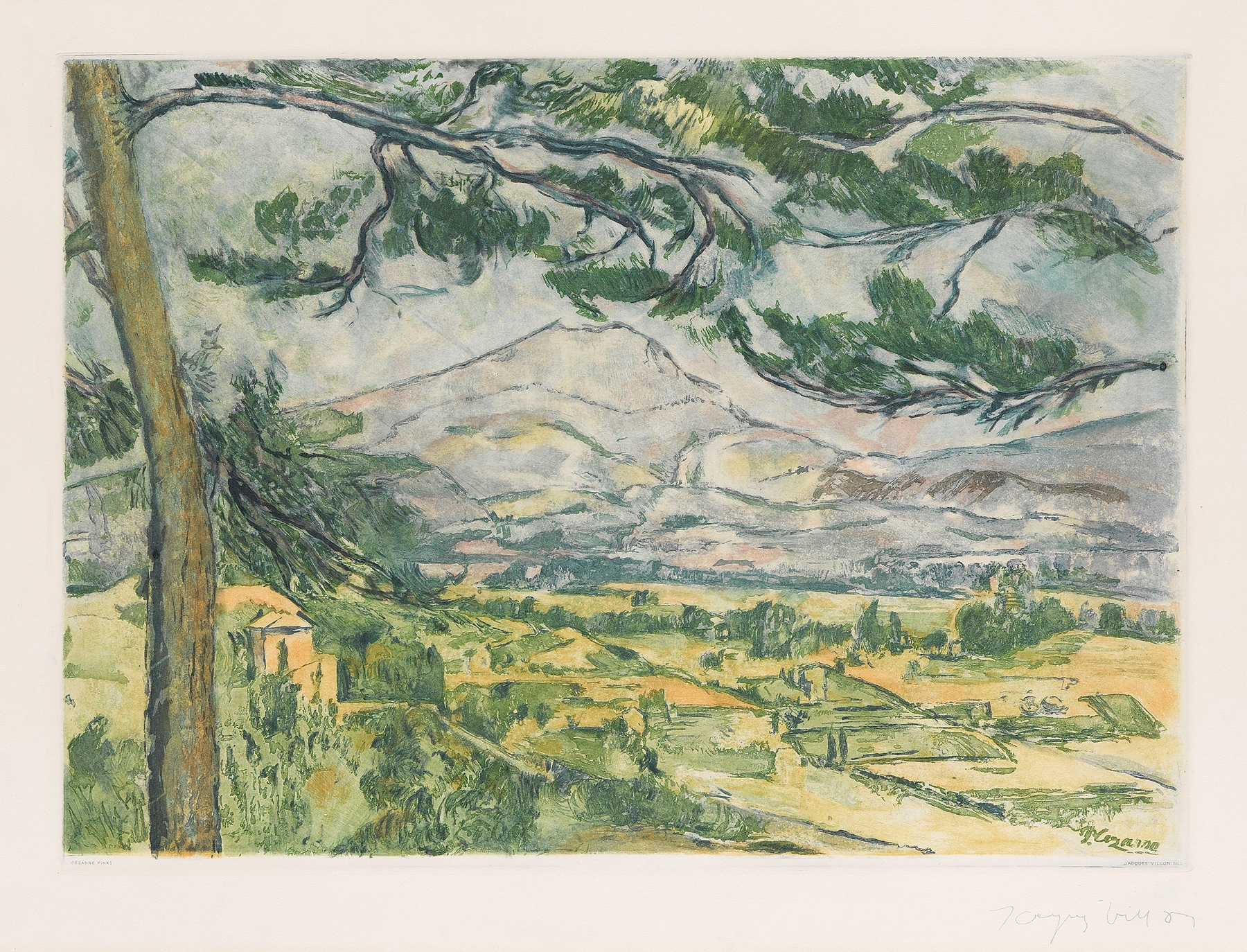
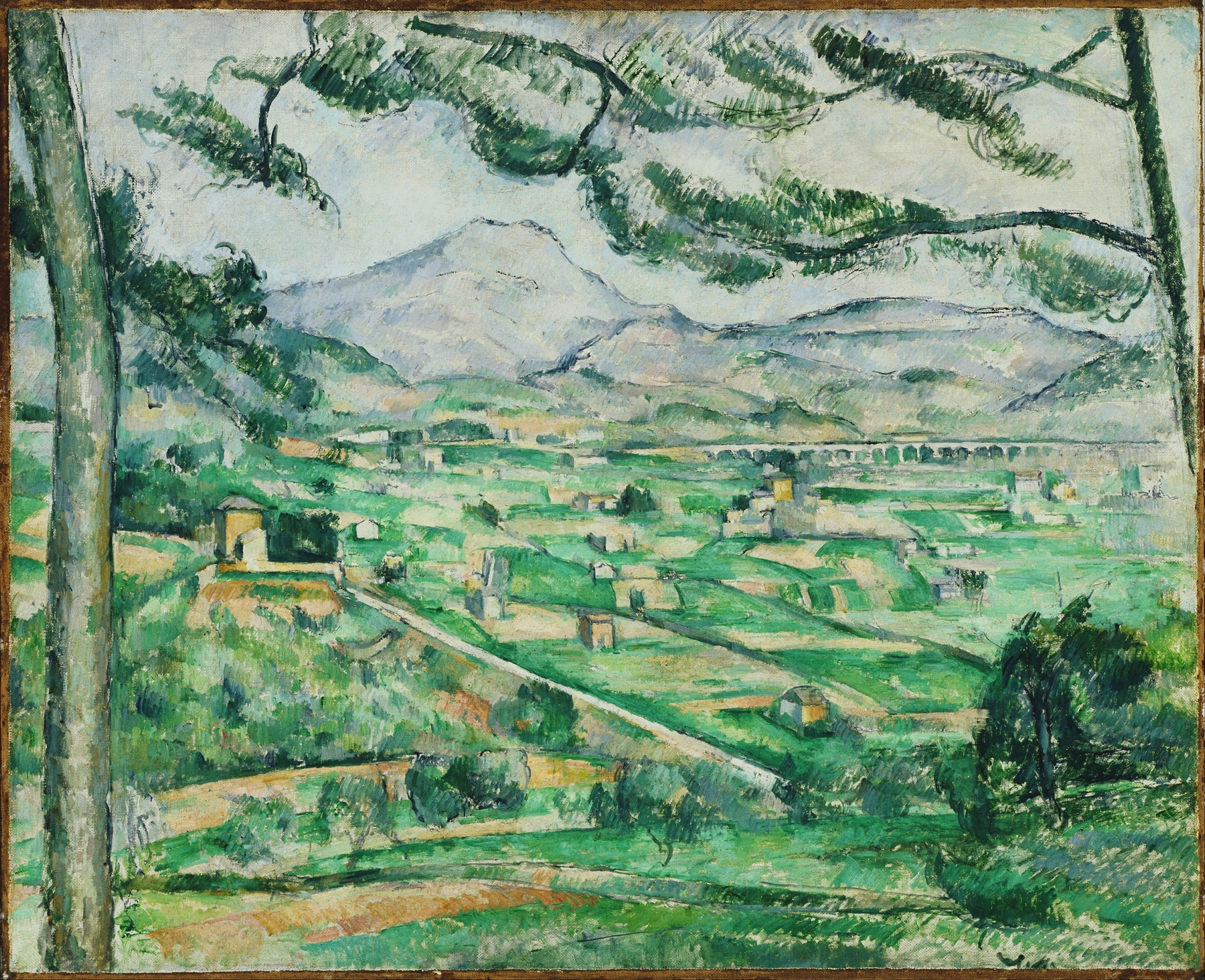
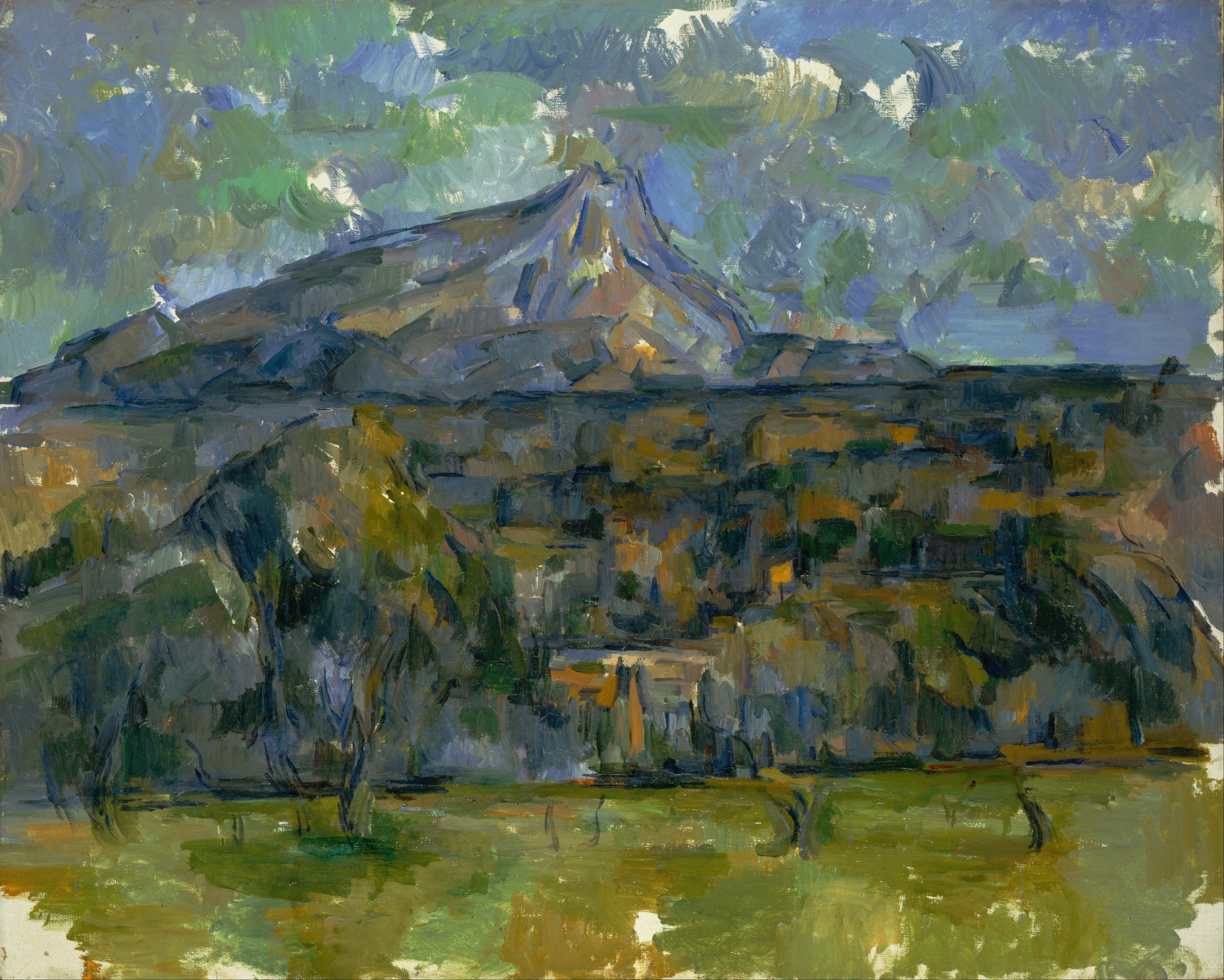
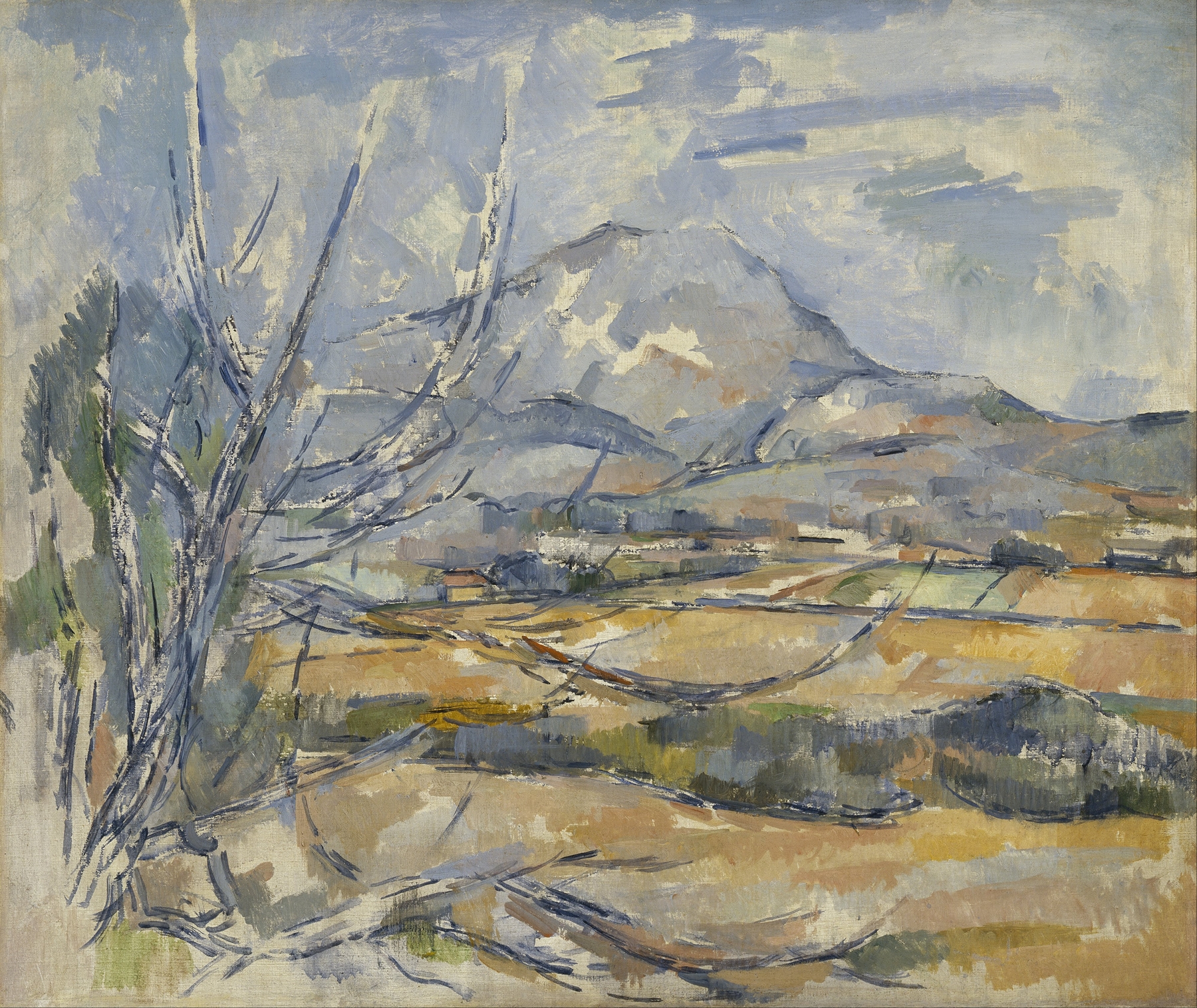
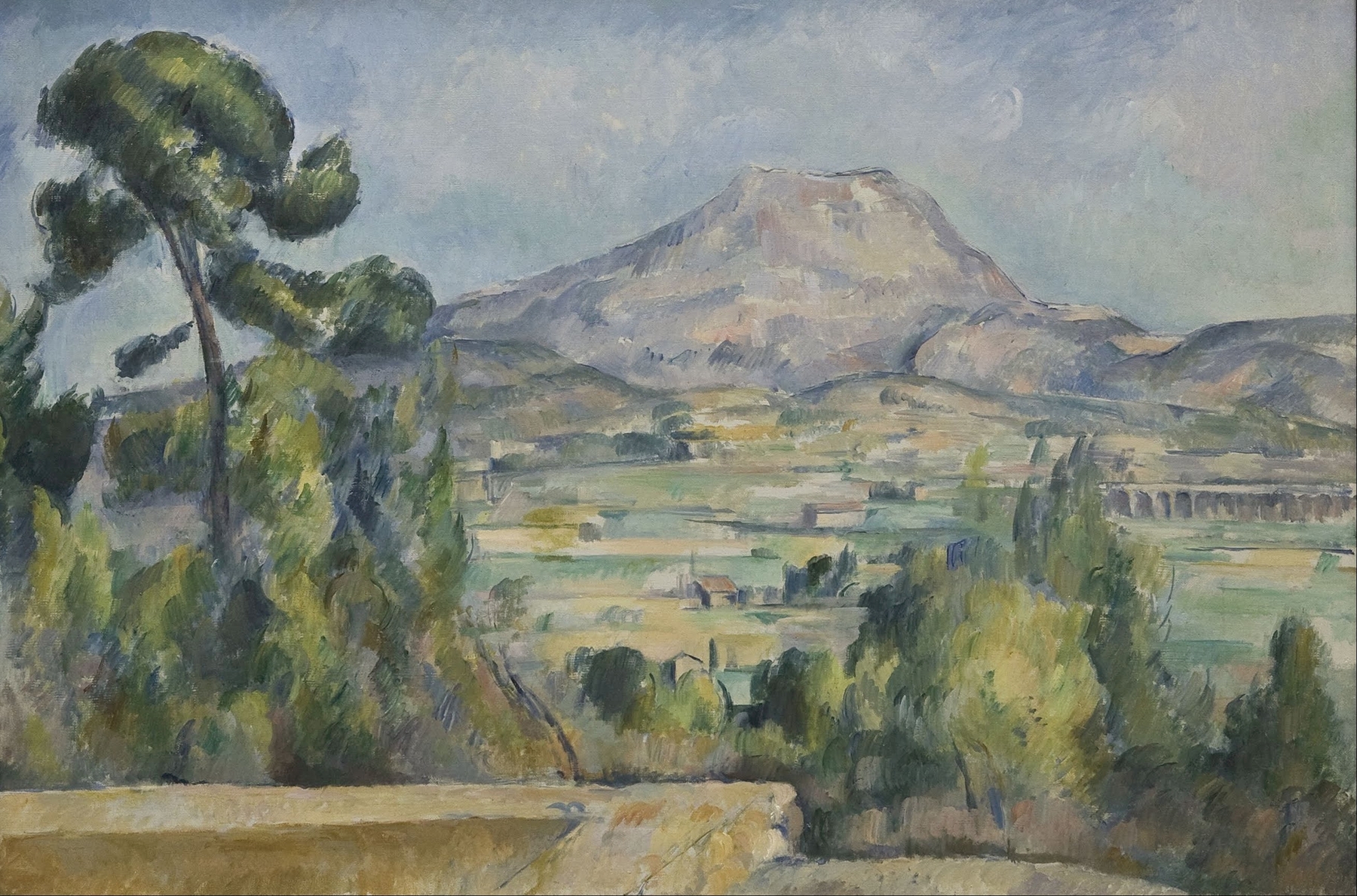
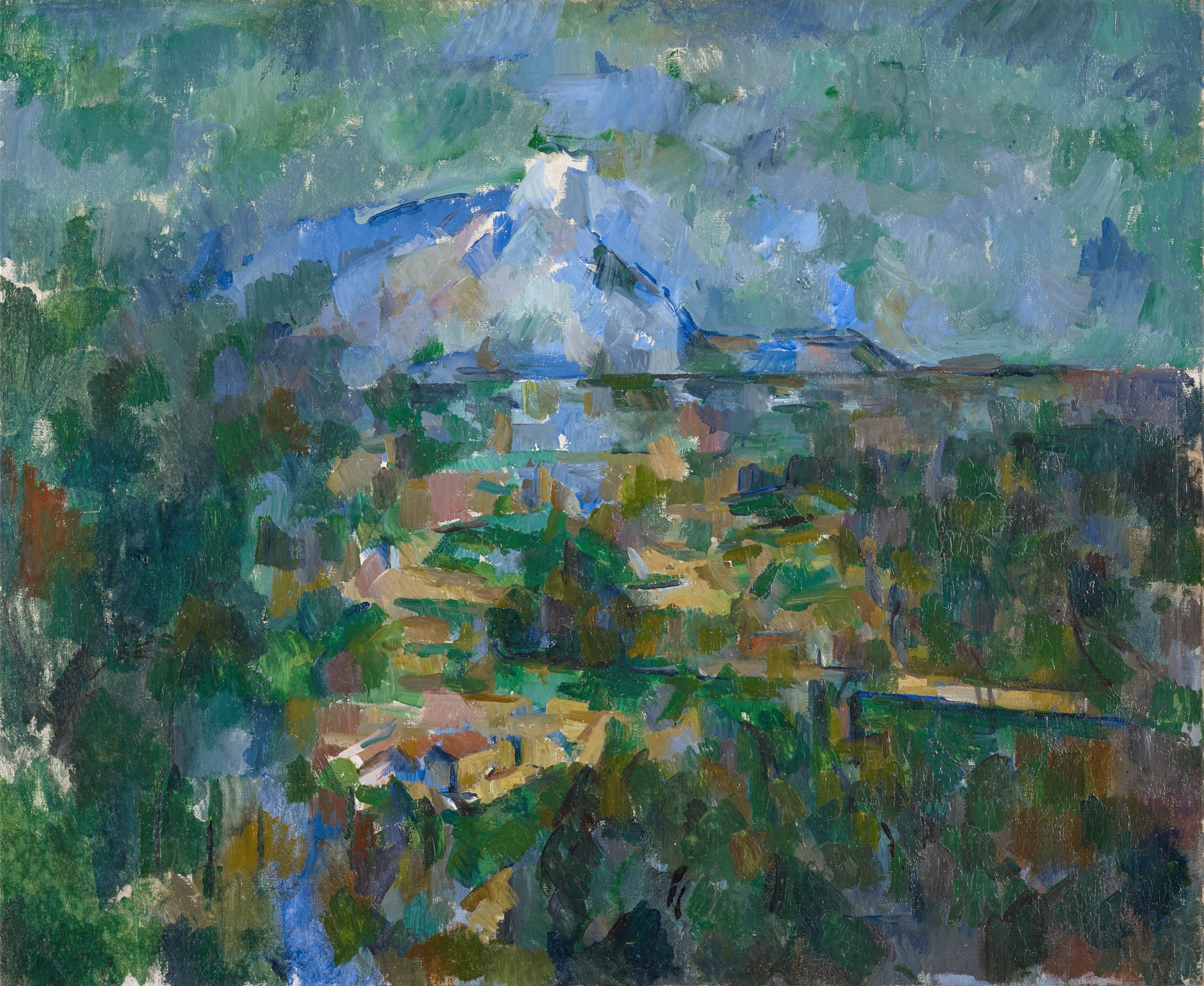
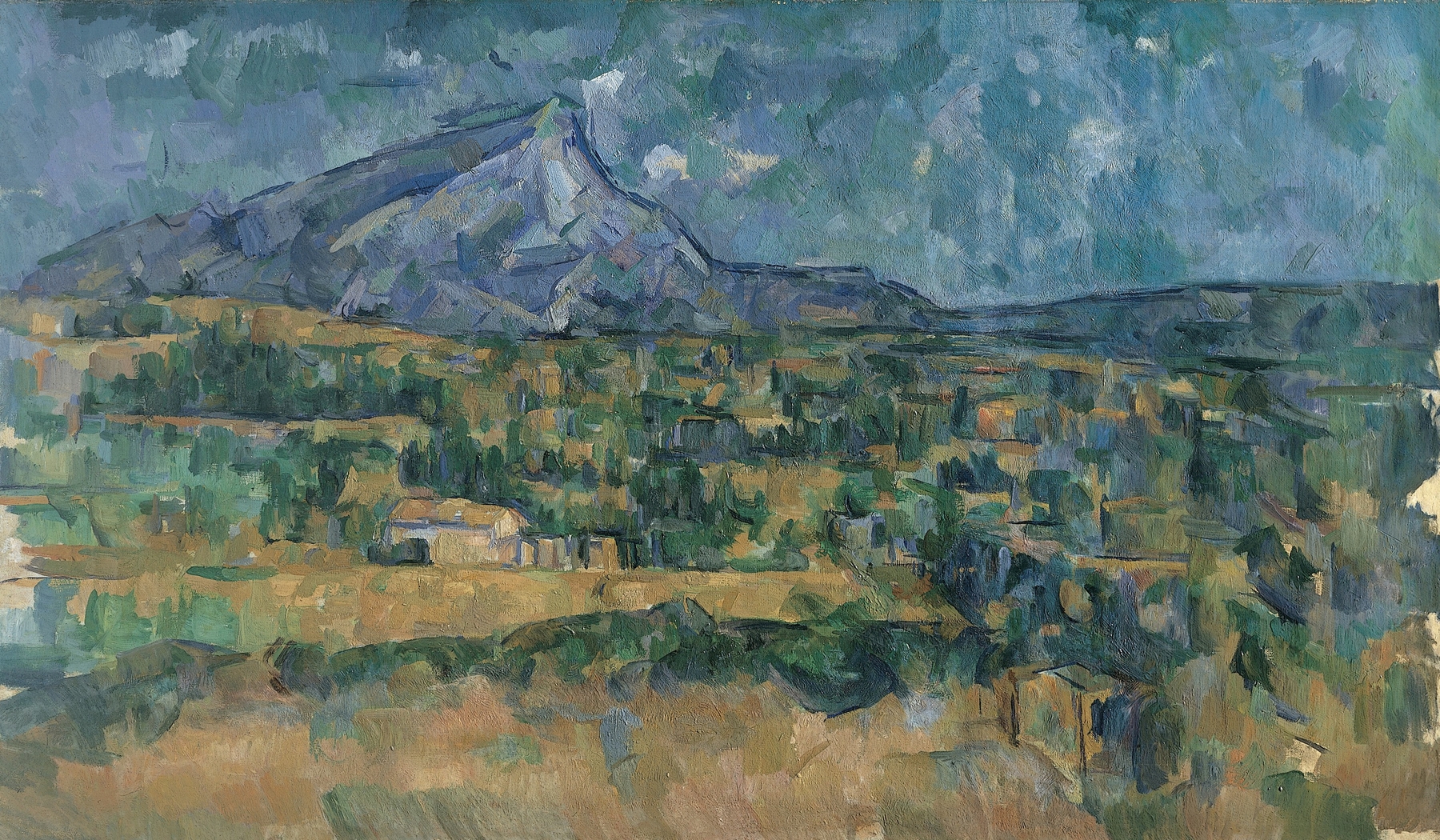
What if beauty was never meant to be finished? In the stillness of Mount Sainte-Victoire, the essence of the landscape breathes, suspended in a moment that captures both time and silence. To appreciate this piece fully, look to the majesty of the mountain dominating the canvas. Its rugged slopes rise with a vibrant palette of greens, blues, and earthy tones, a testament to Cézanne’s mastery of color. Notice how the brushstrokes, both thick and delicate, converge to create texture that whispers of the natural world.
The play of light across the peak reveals subtle shadows, inviting your gaze to wander through the undulating hills and serene valleys cradled in the background. Yet, beneath the serene surface lies a tension between the depicted beauty and the artist’s struggle. The mountain stands resolute, embodying nature’s permanence, while the surrounding landscape is rendered with an almost frantic energy, echoing Cézanne’s perpetual search for structure within chaos. This juxtaposition speaks to the artist’s internal conflict between observation and abstraction, making the viewer acutely aware of the fleeting yet enduring quality of beauty.
The soft silences present in the scene invite contemplation, urging us to embrace the unfinished nature of our own perceptions. In the early 1900s, Cézanne worked on this landscape near Aix-en-Provence, a time when he was increasingly recognized as a pioneer of modern art. His innovative approach was crucial in shifting the focus from realism to a more subjective interpretation of form and color. Surrounded by the landscapes that inspired him and facing the shifting tides of the art world, he was creating a legacy that would influence generations, capturing the interplay of silence and beauty in an evolving world.