Mont Sainte-Victoire 2 — History & Analysis
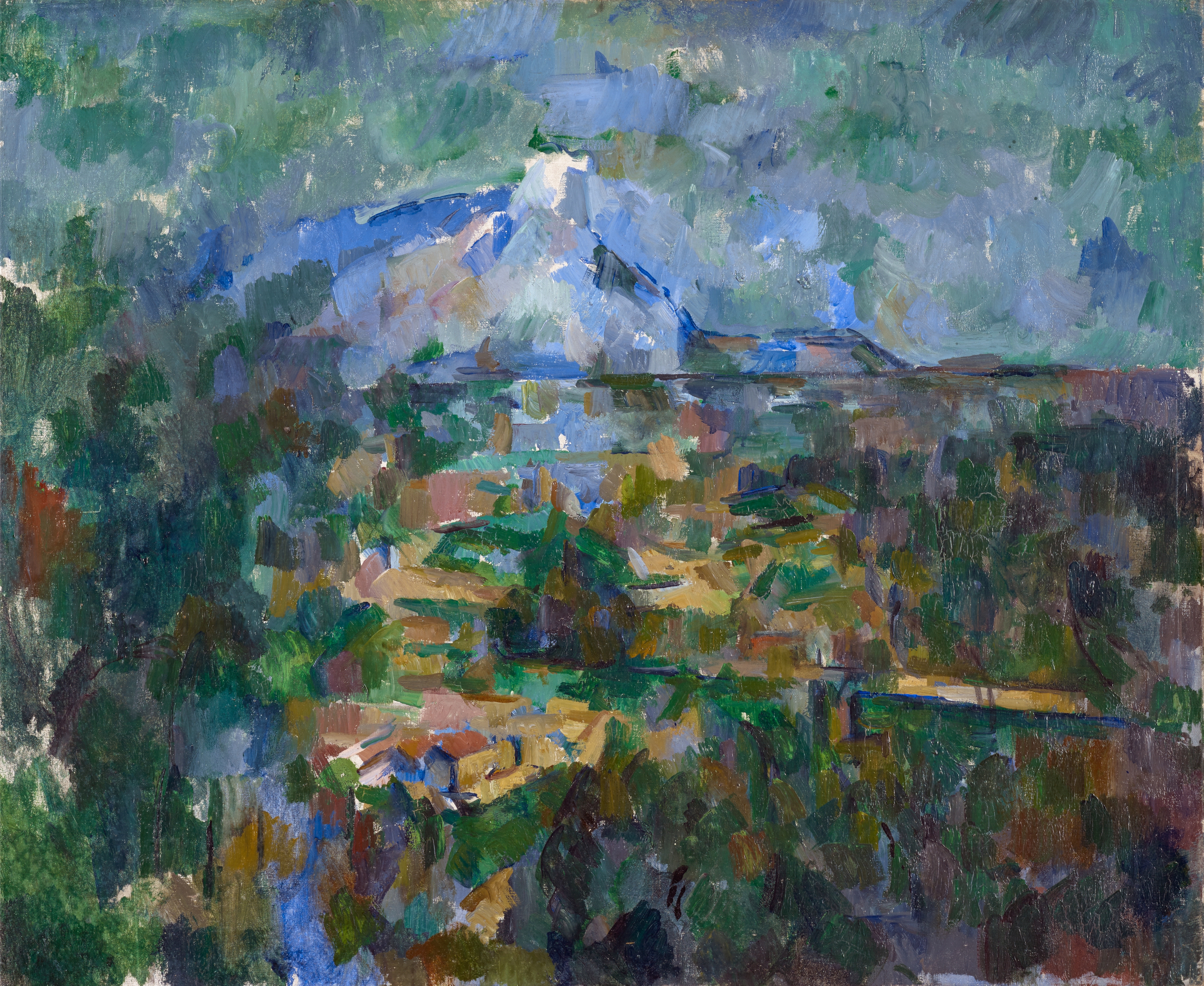
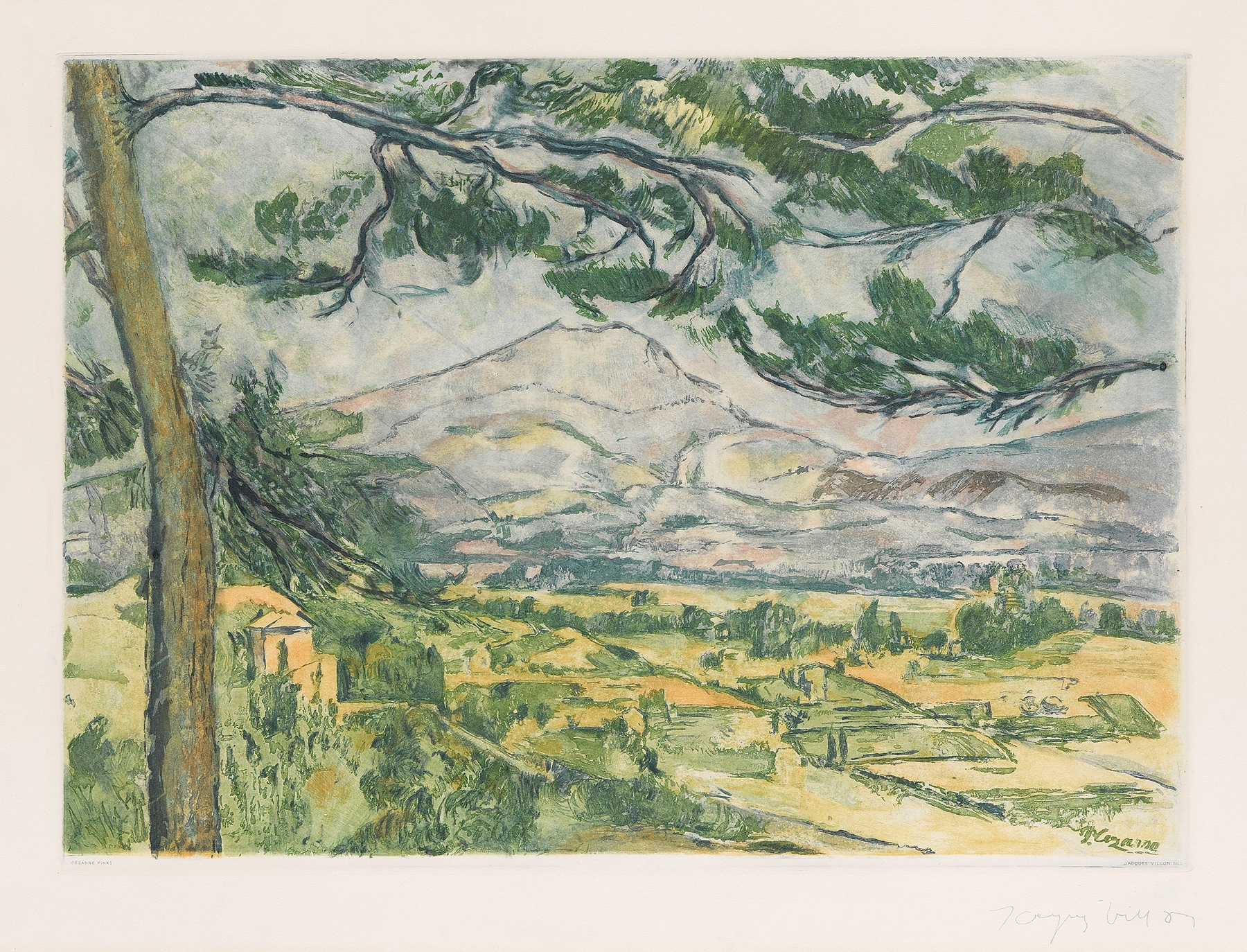
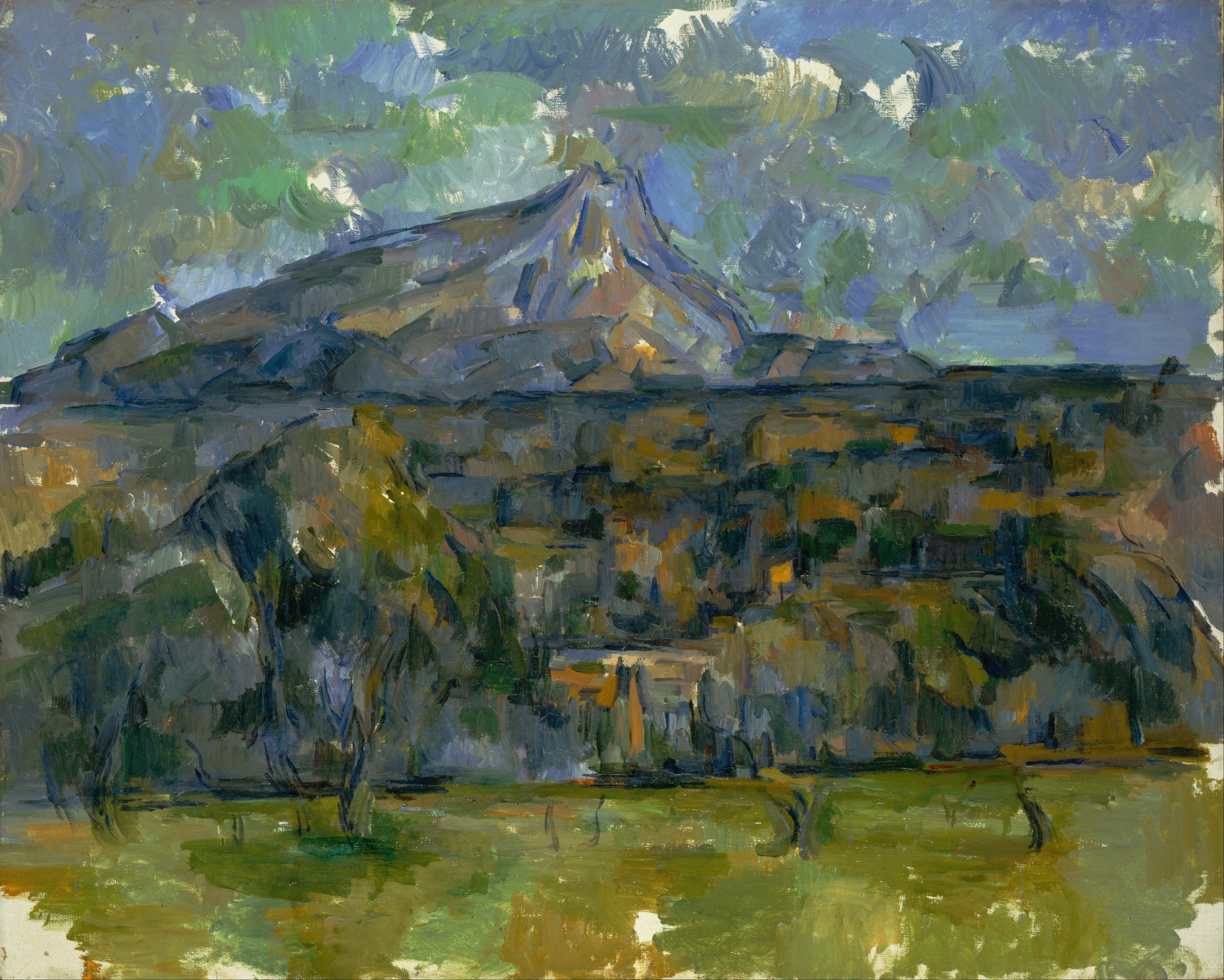
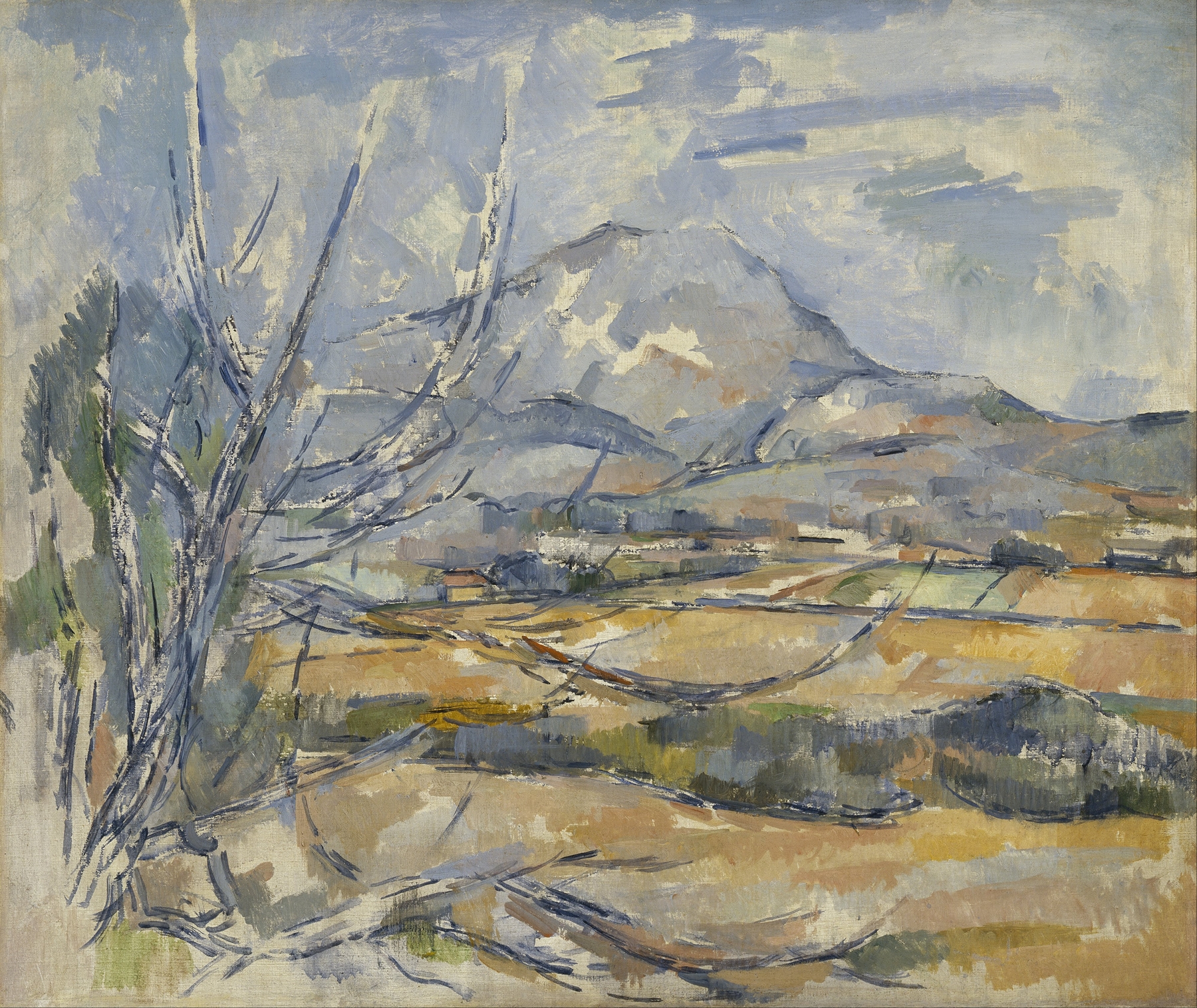
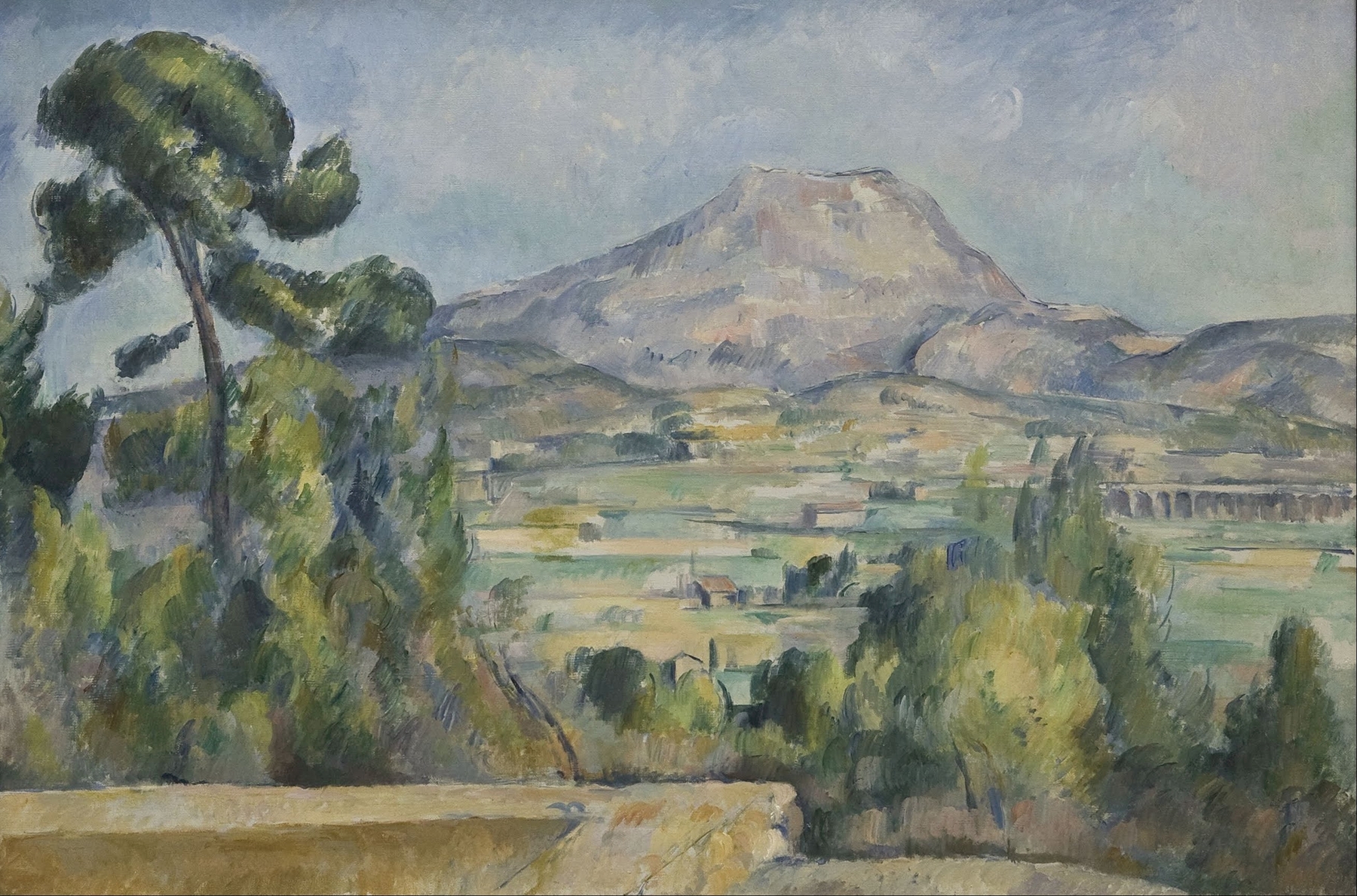
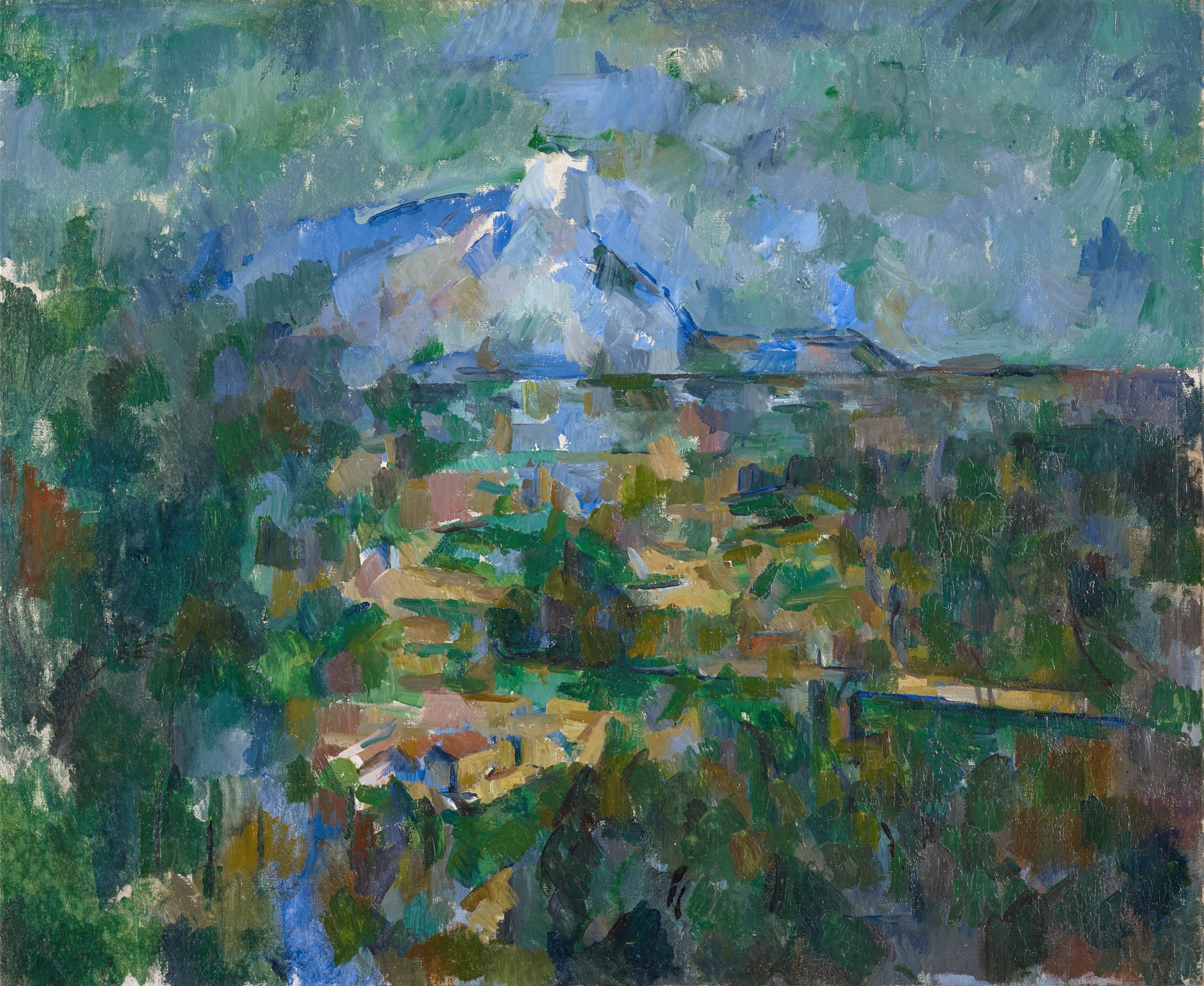
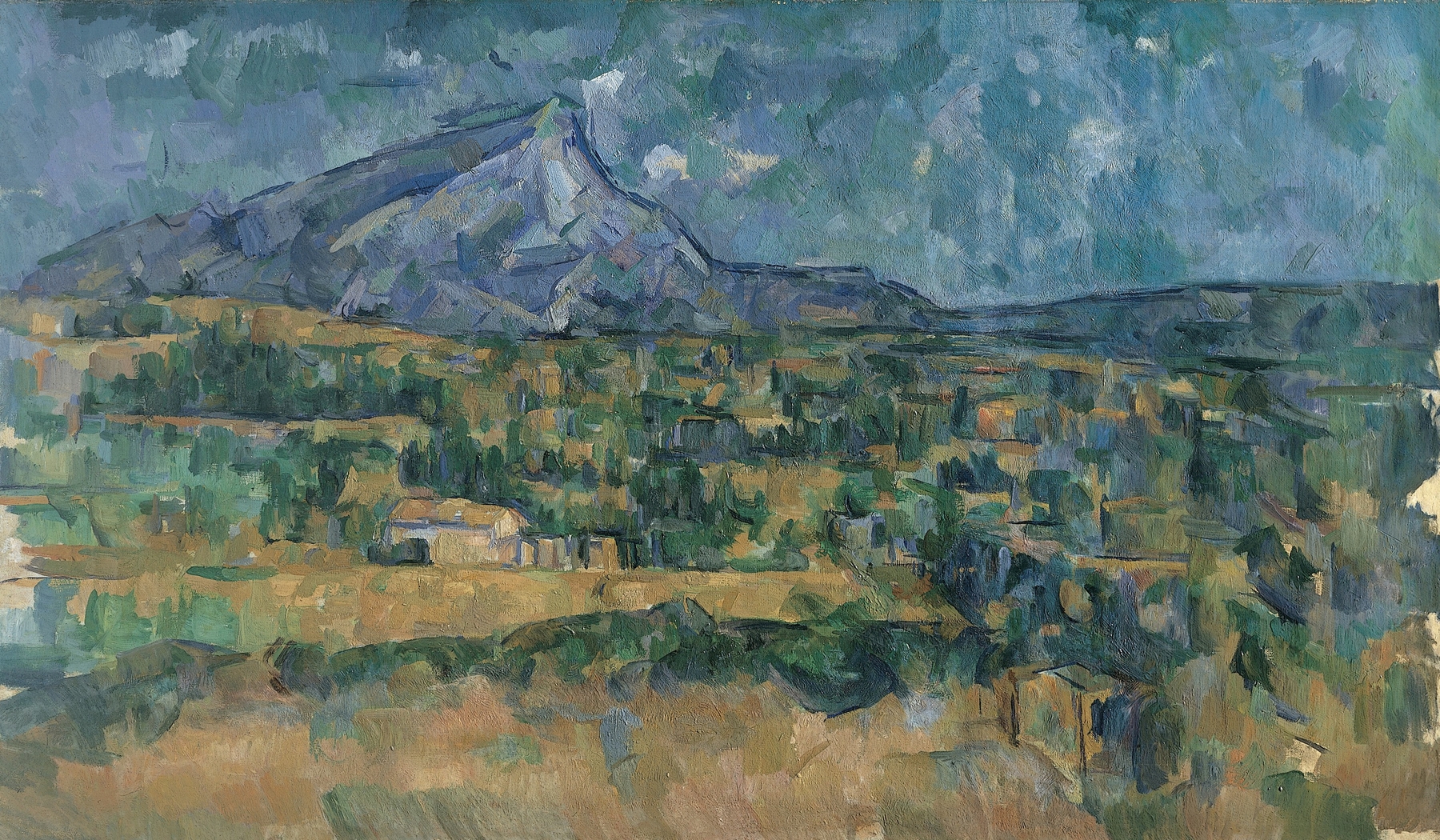
When did color learn to lie? In the hands of a master, it unveils truth, whispering secrets of serenity hidden within the landscape. Focus on the gentle slopes of the mountain, where soft blues and greens merge with warm ochres to create a harmonious yet complex tapestry. Notice how the brushstrokes dance effortlessly across the canvas, leading your gaze to the peaks that punctuate the sky.
The interplay of light and shadow not only defines the mountain but also invites contemplation of its majestic stillness, embodying a palpable tranquility that transcends the visual. Delve deeper into the contrasts here; the juxtaposition of the solid, monumental mountain against the ephemeral, shifting clouds presents a dialogue between permanence and transience. Each stroke carries emotional weight, revealing the artist's struggle to capture not just the physical form but also the essence of nature. There’s a quiet tension between the earthy colors that ground the composition and the vibrant hues that breathe life into it, echoing a profound serenity that resonates within the viewer.
Created during the late 19th century in the South of France, the painter sought to navigate a world transitioning through artistic revolutions. Amidst personal challenges and the rise of Impressionism, he was dedicated to developing a unique style that would redefine modern art. In this piece, he distills his relationship with nature into a visual language that speaks to both personal and universal truths.