Montagne Sainte-Victoire — History & Analysis
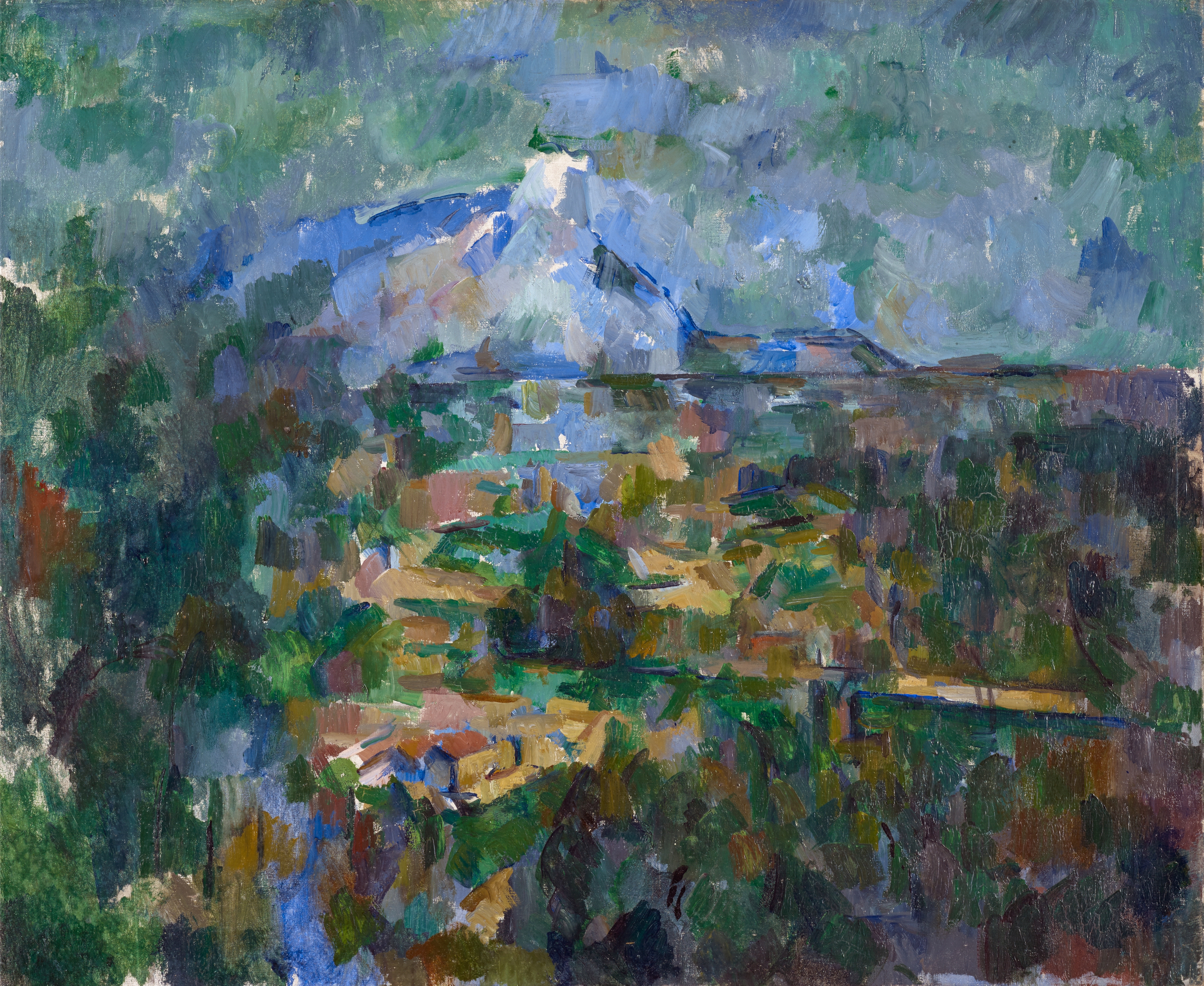
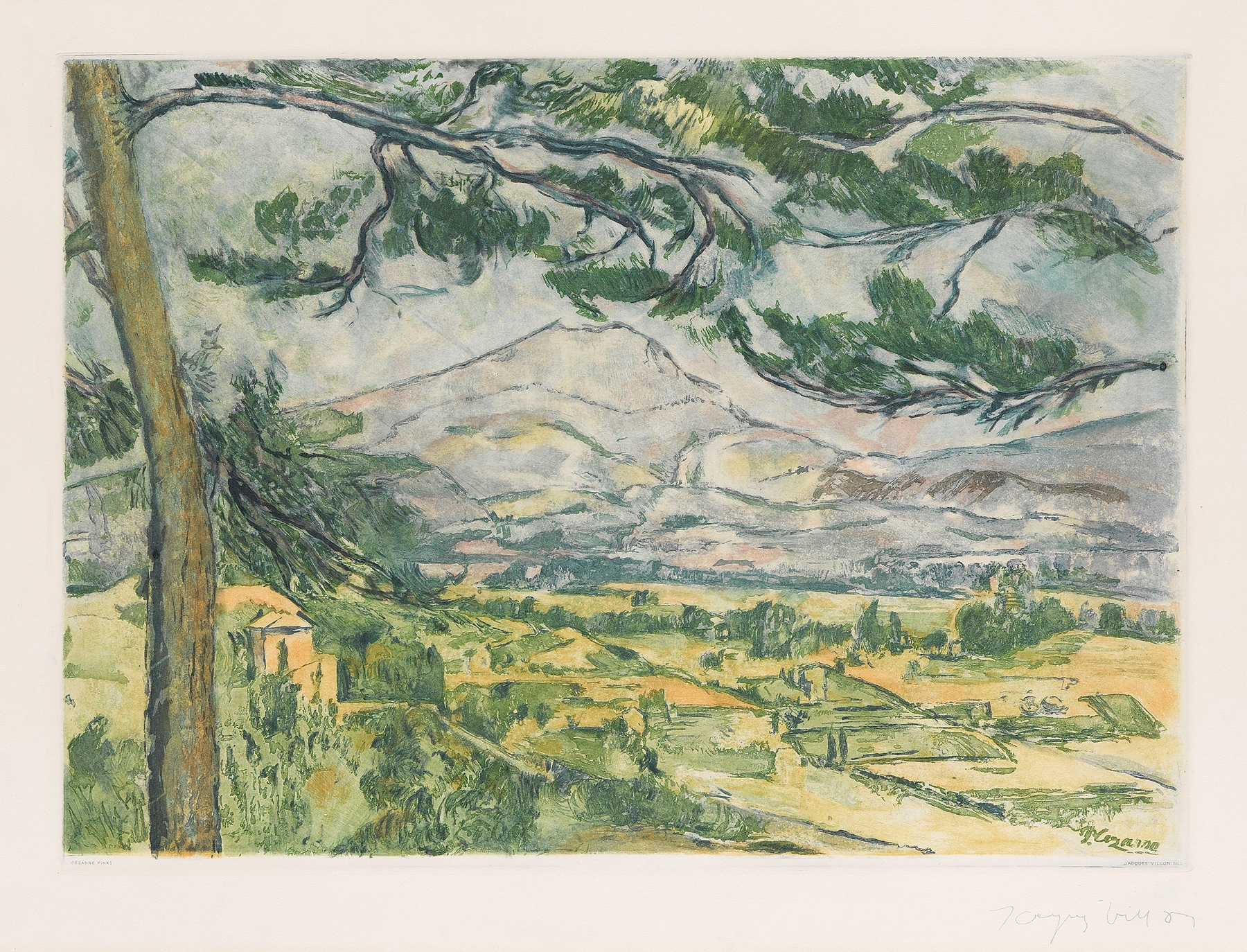
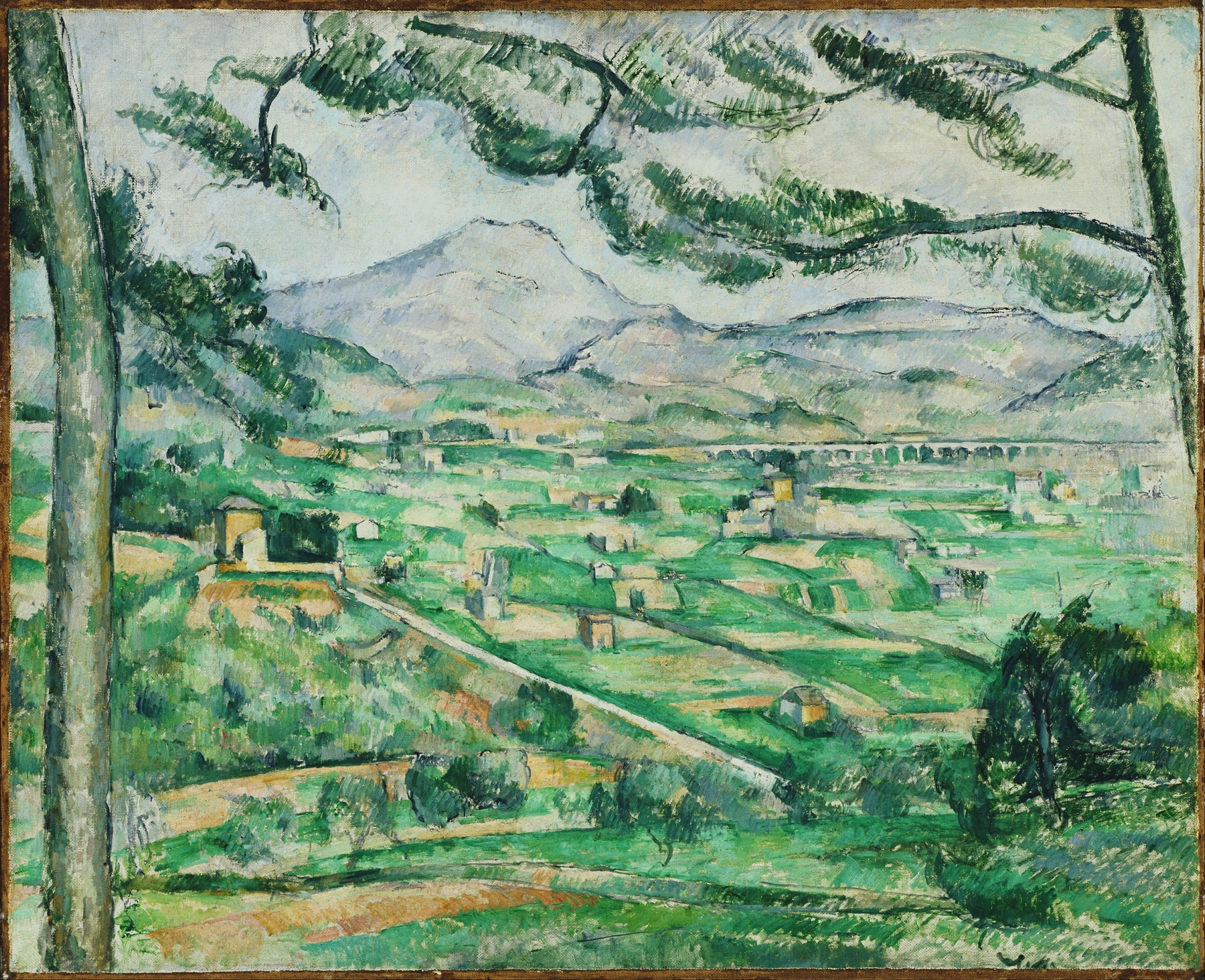
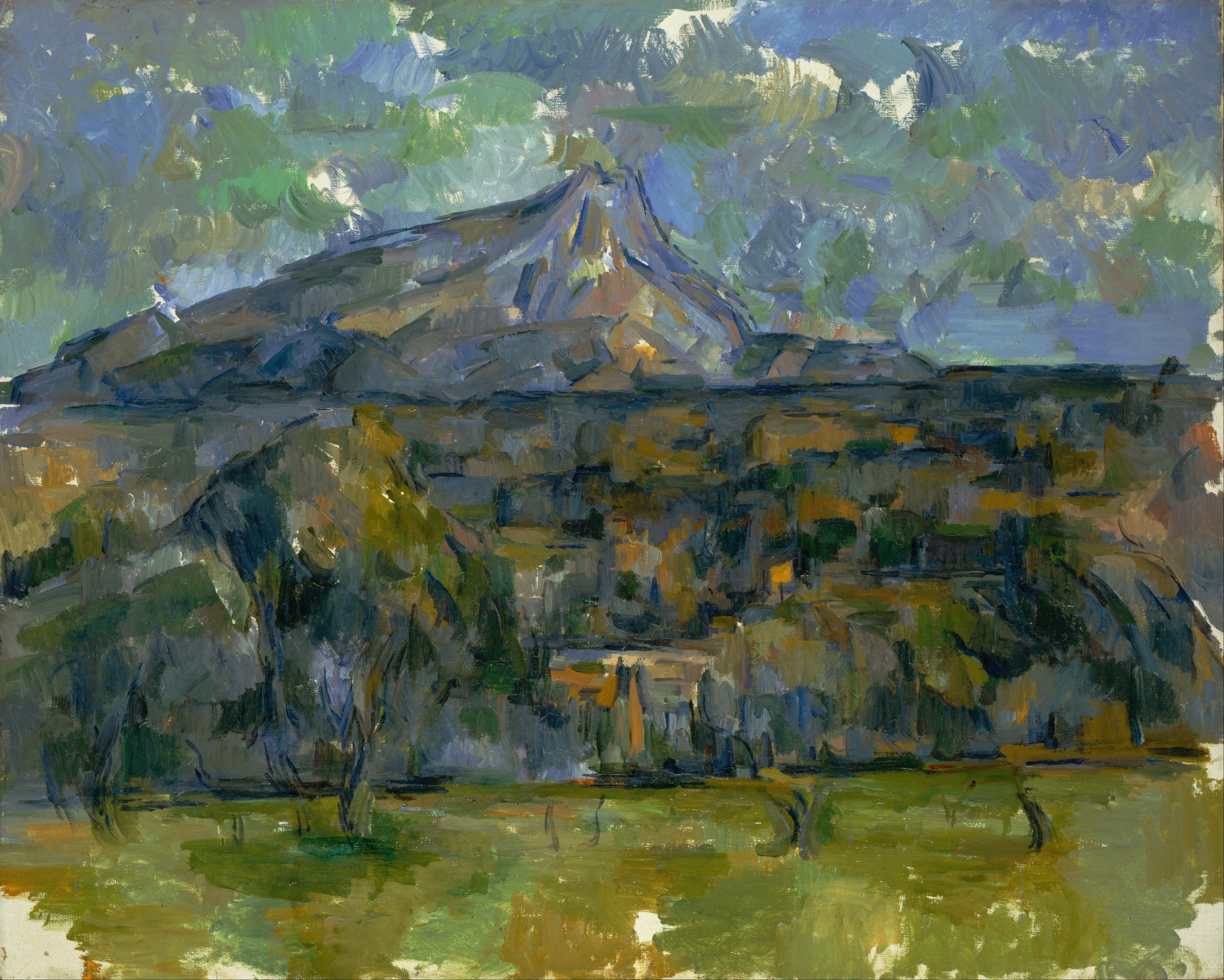
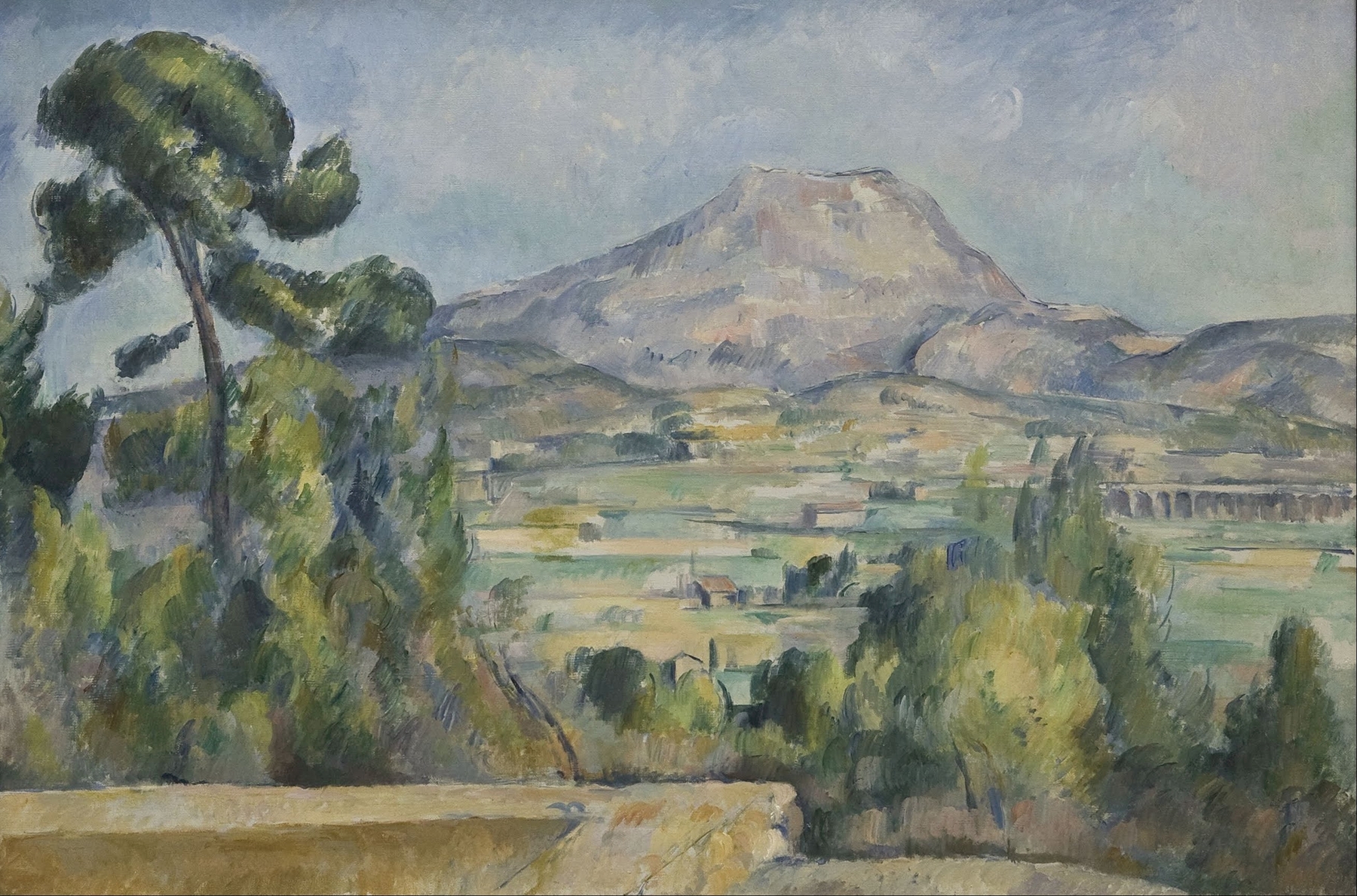
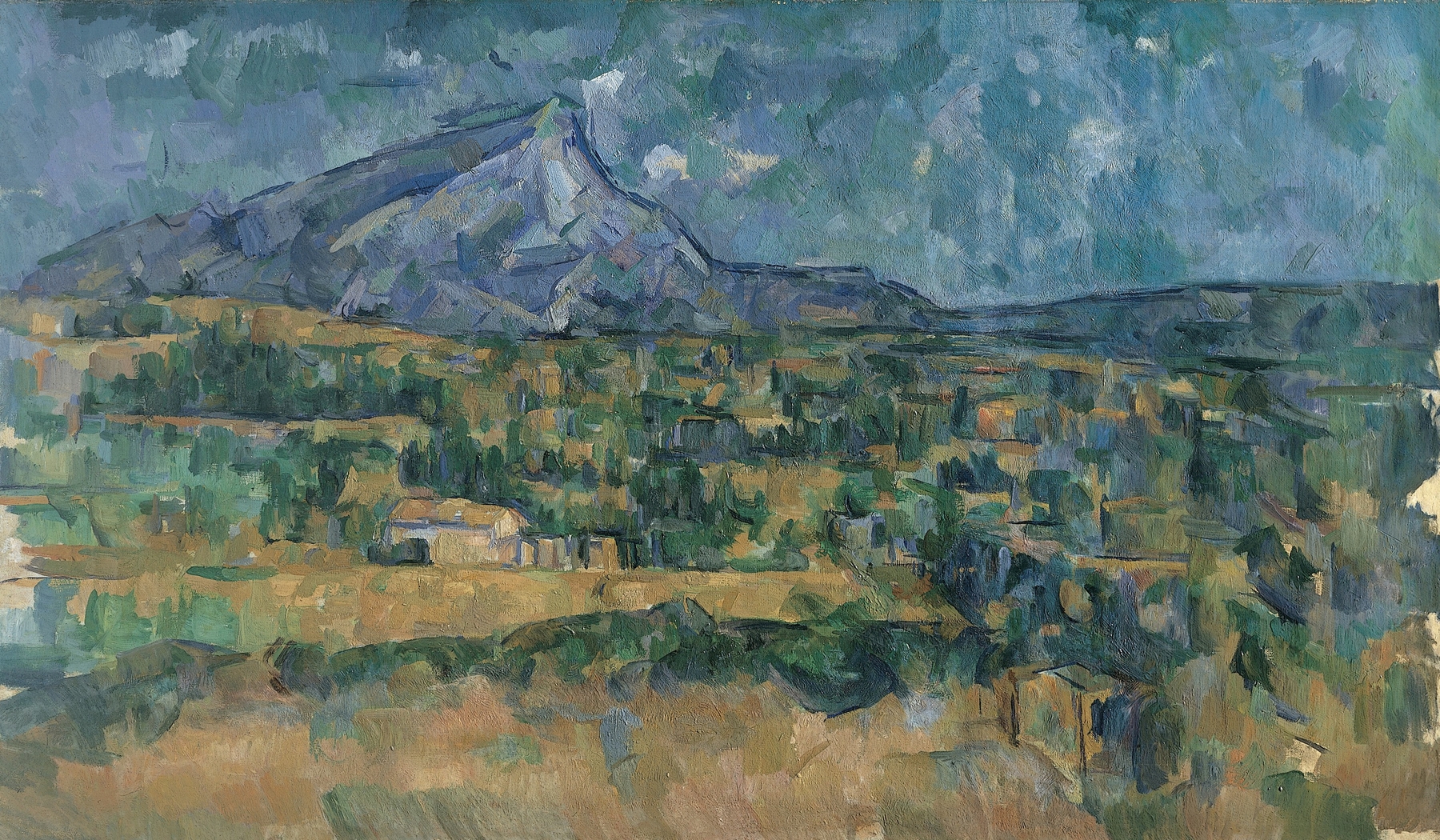
Could beauty survive in a century of chaos? In the brushstrokes of one master, we find a fragile yet resilient answer. Look to the horizon, where the imposing form of Montagne Sainte-Victoire rises against a backdrop of pastel skies. Notice how the gentle hues of blue and pink meld seamlessly, drawing your gaze towards the mountain's rugged silhouette.
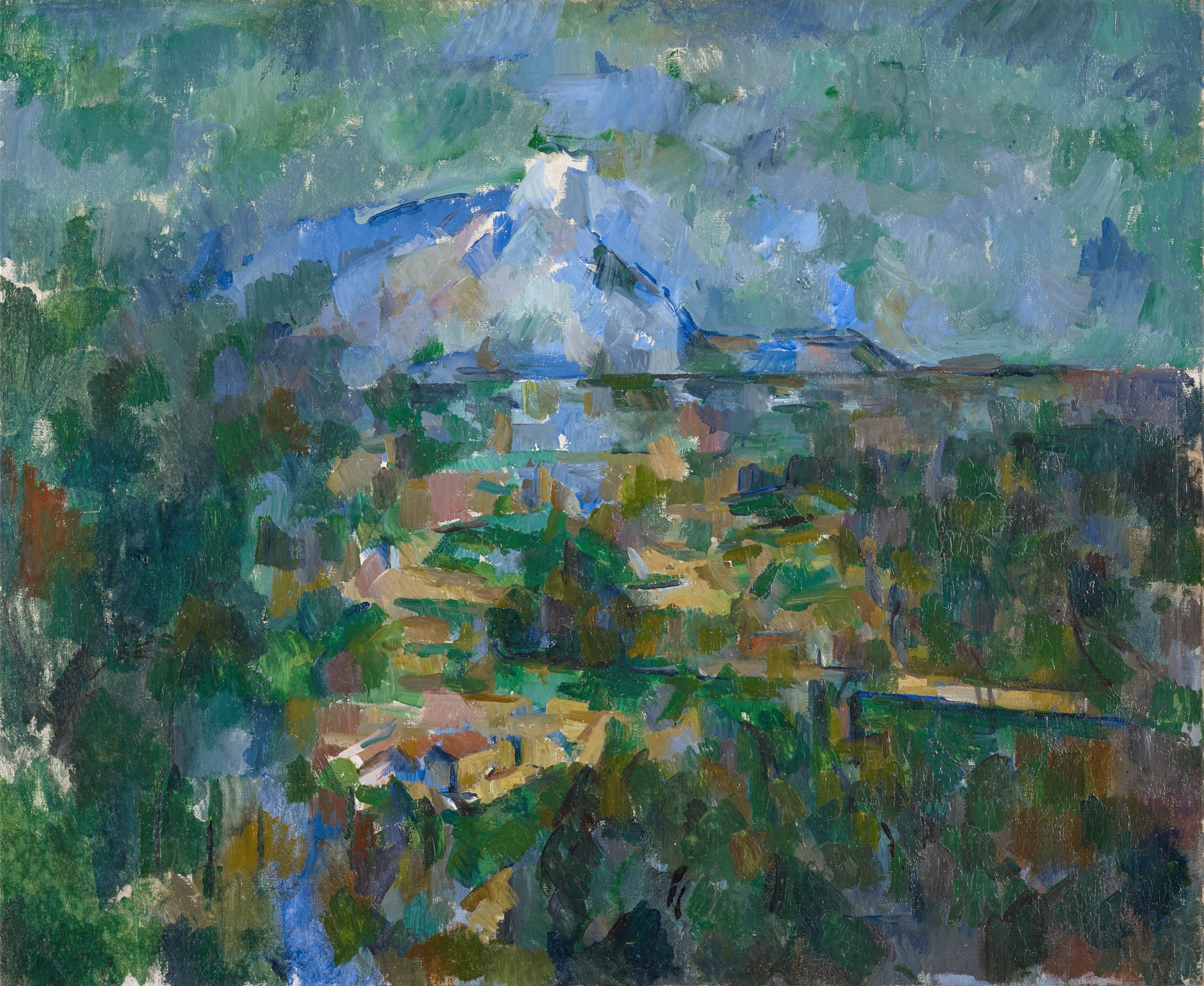
The play of light and shadow across the landscape reveals Cézanne’s distinctive technique; his thick, expressive brushwork invites you to experience the texture of the earth and the subtle shifts in atmosphere. Each stroke feels deliberate, as though the artist is composing a melody of color and form. The mountain, sturdy and eternal, contrasts with the faint traces of human presence below—scattered homes and fields that seem delicate in comparison. This juxtaposition echoes the tension between stability and transience, evoking a sense of hope in the face of uncertainty.
Here, the artist captures not only the physical landscape but also the emotional landscape of his time, resonating with an enduring desire for beauty amid the tumult of life. Cézanne painted this piece during the late 19th century, a period marked by artistic exploration and upheaval. Living in Aix-en-Provence, he was immersed in the vibrant post-Impressionist movement, pushing boundaries while seeking to represent nature's essence. This era was characterized by a search for stability in both art and society, and in creating this work, he laid the foundation for modern art, inviting future generations to find beauty in simplicity and structure.