La Montagne Sainte-Victoire — History & Analysis
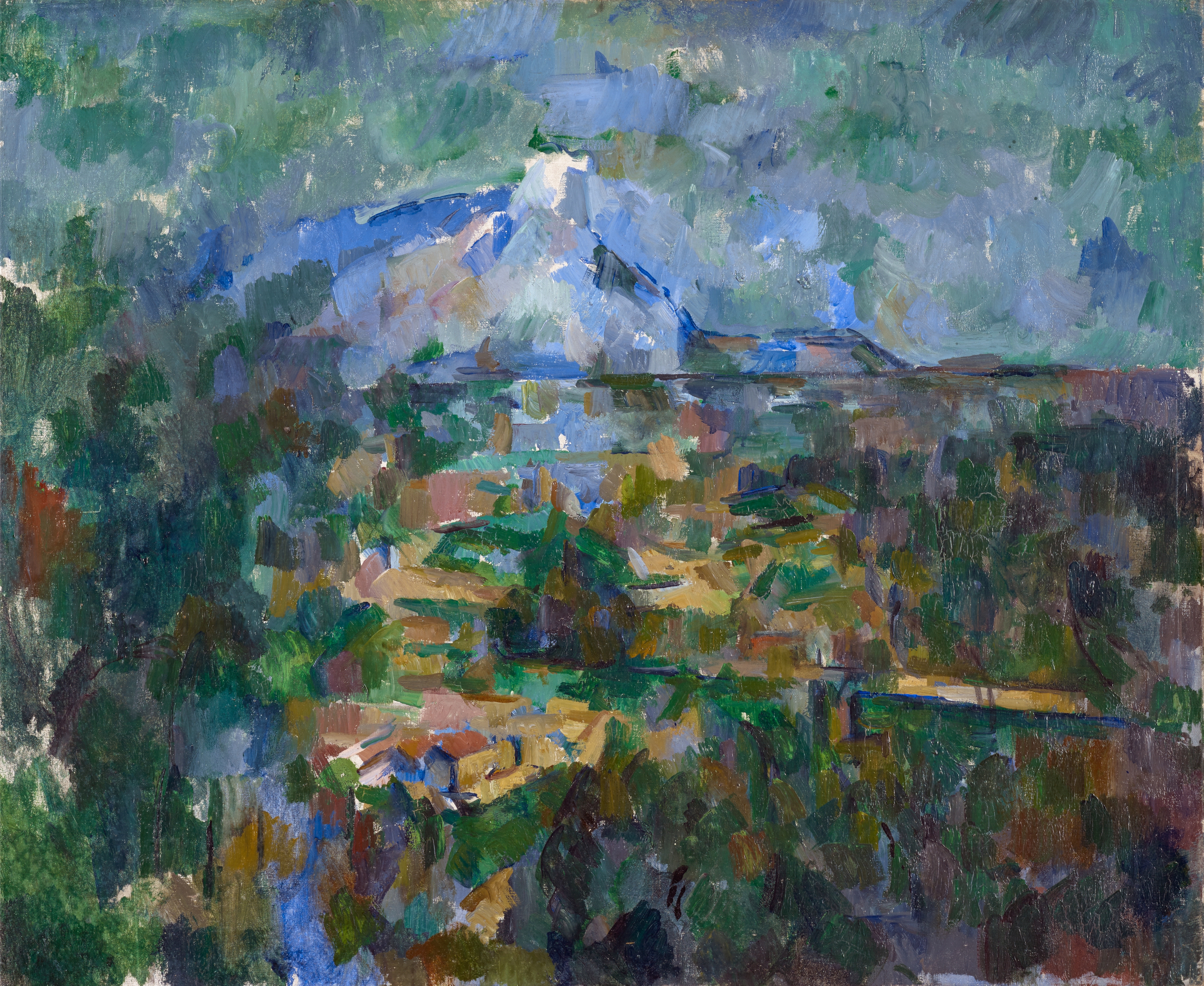
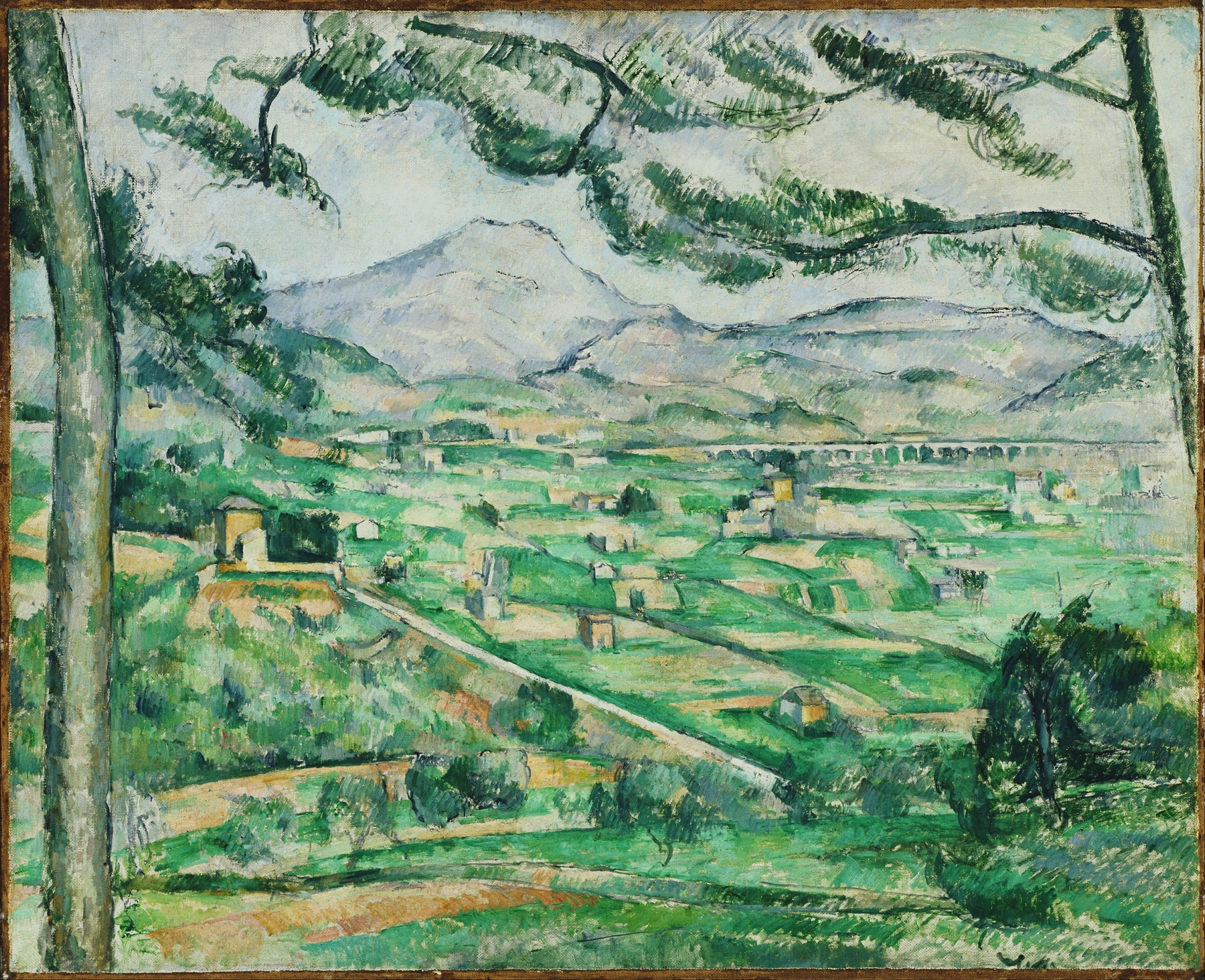
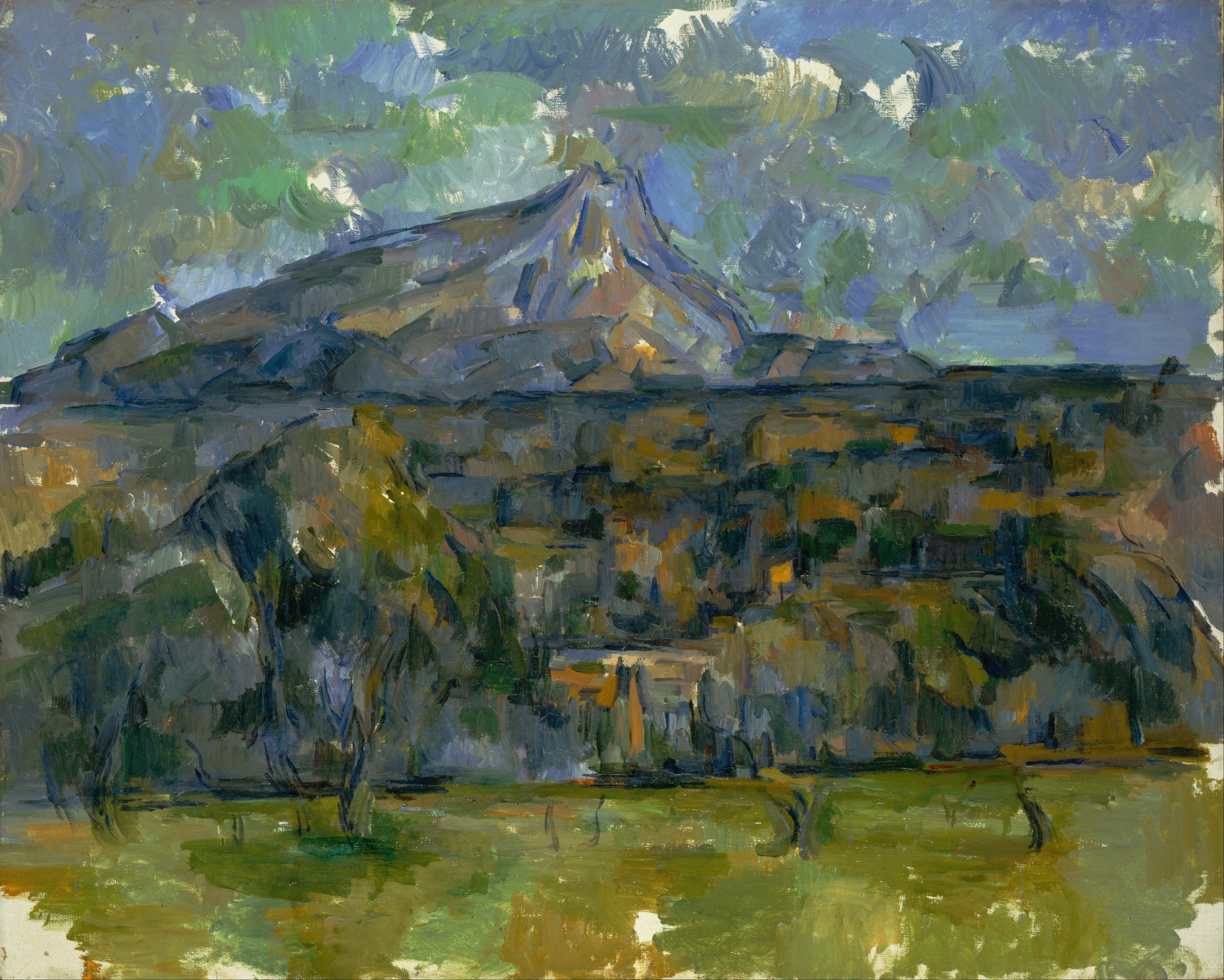
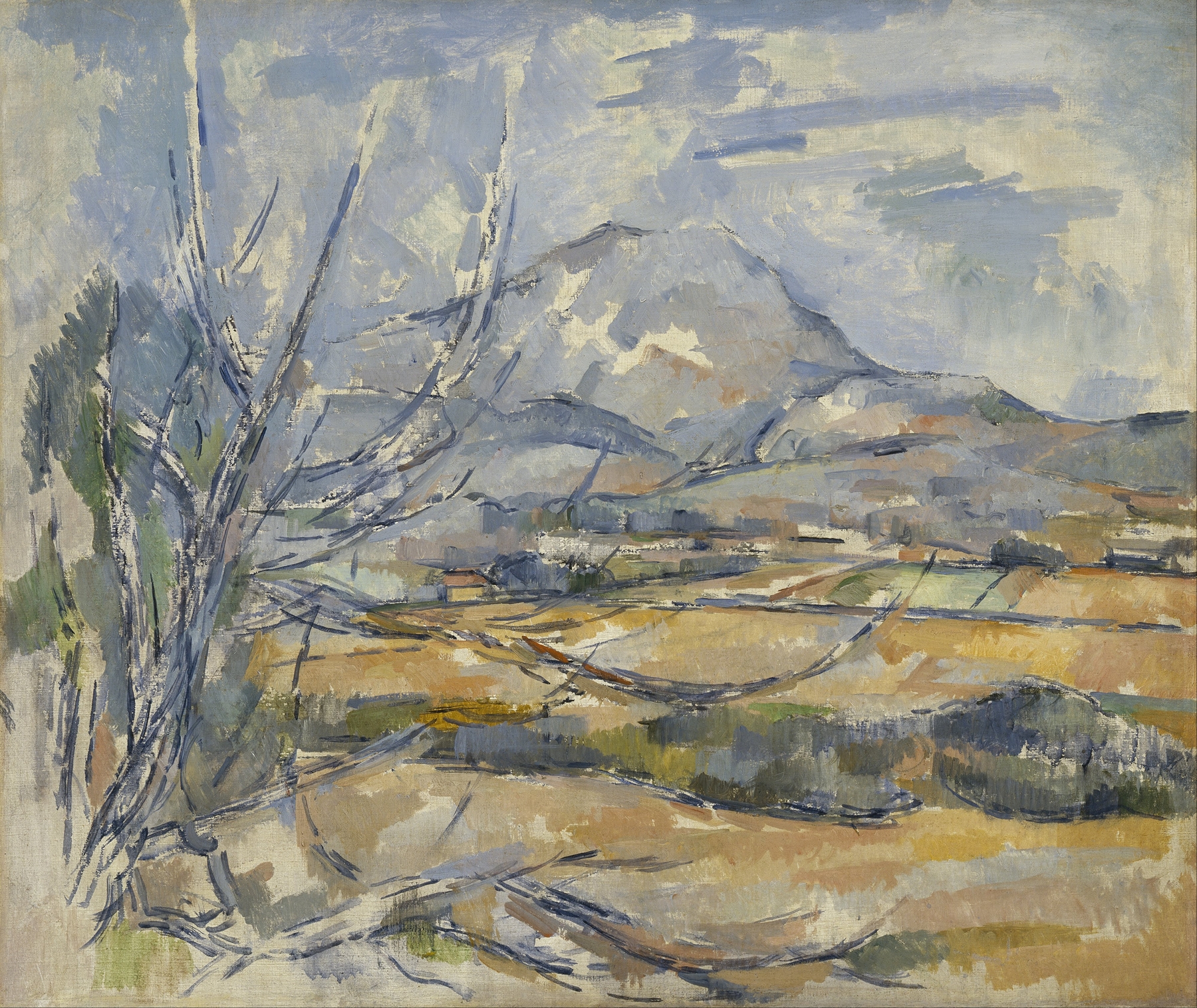
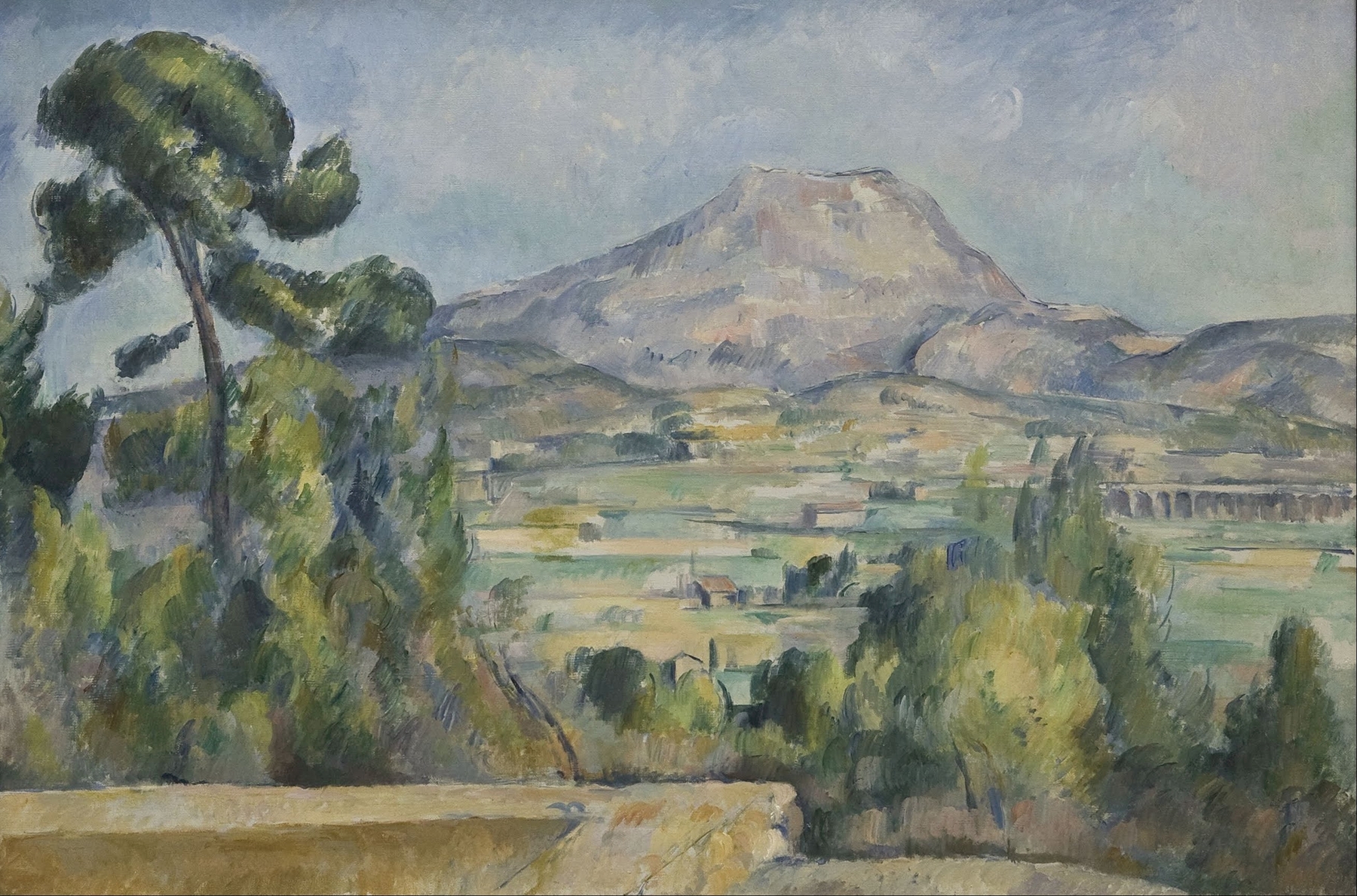
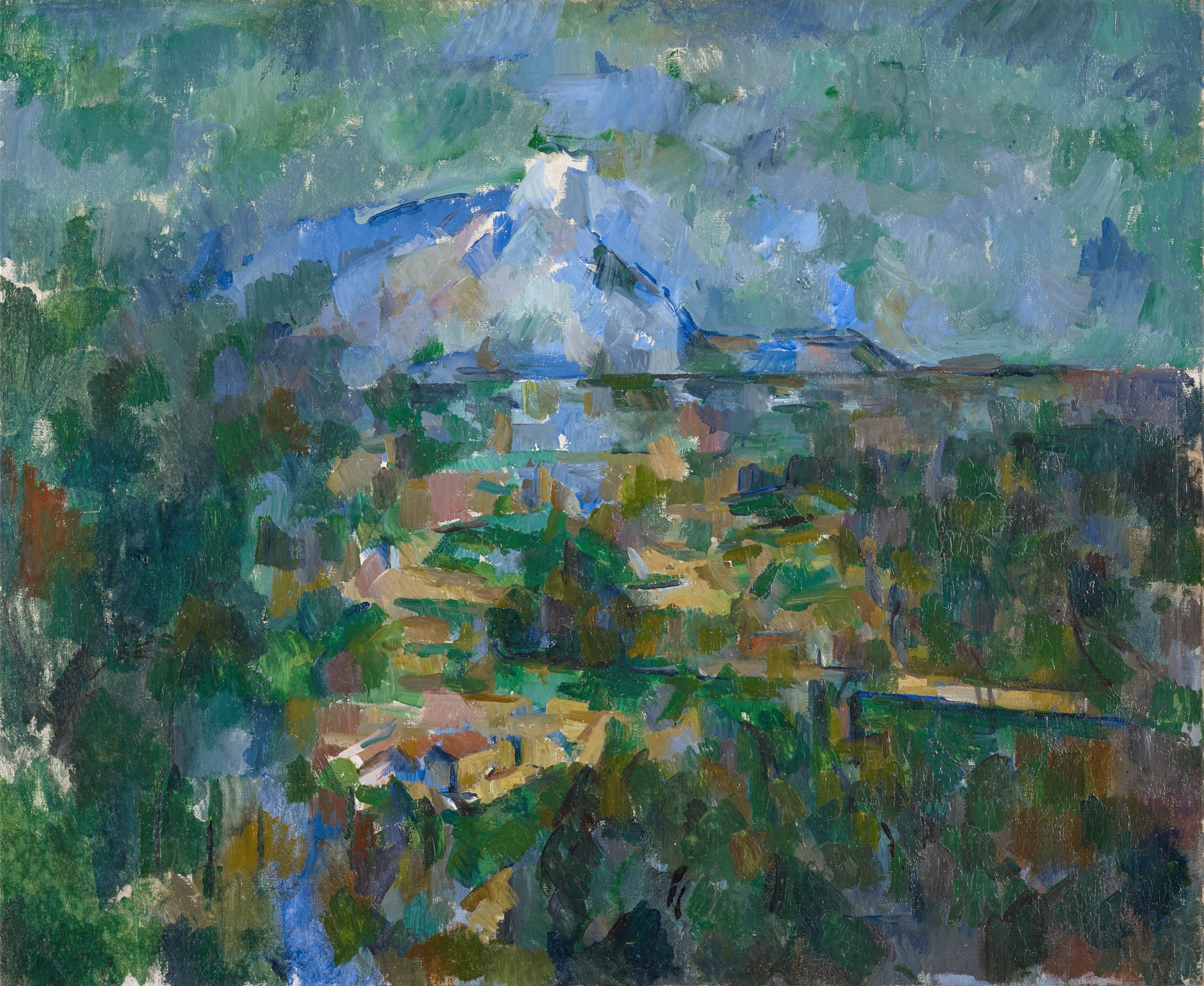
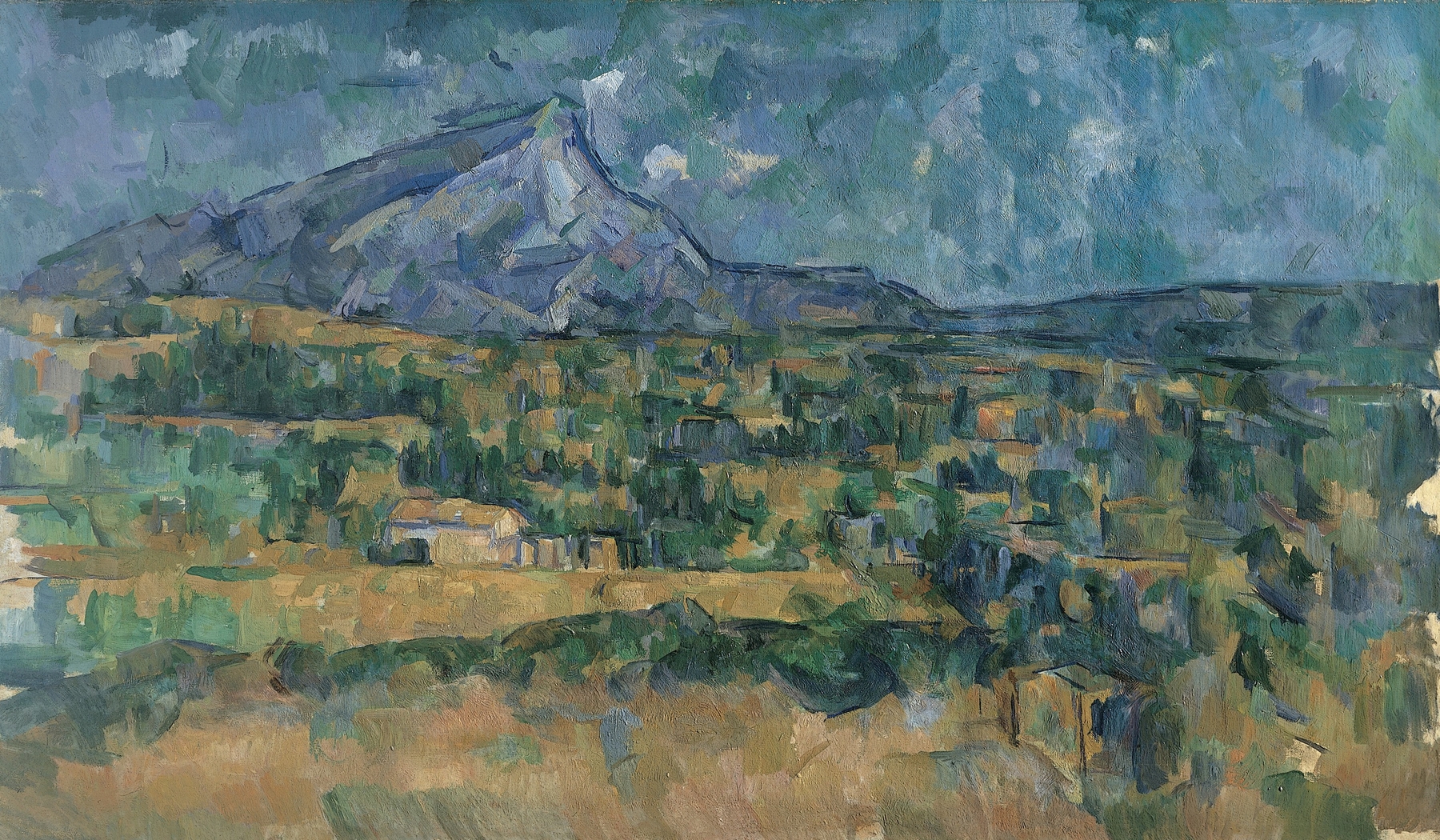
Did the painter know this moment would outlive them? In La Montagne Sainte-Victoire, the essence of time hangs suspended, a testament to both clarity and madness that transcends the chaotic world beyond its canvas. Look to the left at the rugged contours of the mountain; its jagged peaks rise like ancient sentinels against the muted sky. Notice how the palette, a tapestry of blues, greens, and ochres, vibrates with life.
Each brushstroke is a whisper of emotion, fluent in the language of nature’s raw beauty. The composition pulls the eye toward the mountain's imposing presence, grounding the scene while hints of village life dot the landscape, cleverly softening the formidable backdrop. Deeper insights unfold within the interplay of light and shadow, revealing a dialogue between nature and humanity. The juxtaposition of the serene mountain and the bustling life below speaks to the tension between tranquility and madness—a reminder of the chaos that exists just outside the frame.
One can almost feel the weight of the artist's obsession, a relentless pursuit of capturing an essence that feels just beyond reach, echoing the feelings of existential unease that plagued the late 19th century. In 1887, Cézanne created this work in the South of France, a period marked by his growing dissatisfaction with traditional painting methods. The art world was shifting, moving toward Impressionism and beyond, yet he remained fiercely committed to his unique vision. This commitment, alongside his own struggles, propelled him to paint the mountain that would become emblematic of his legacy, capturing both the madness of creation and the serene beauty of nature.