View of Mount Sainte-Victoire from Les Lauves — History & Analysis
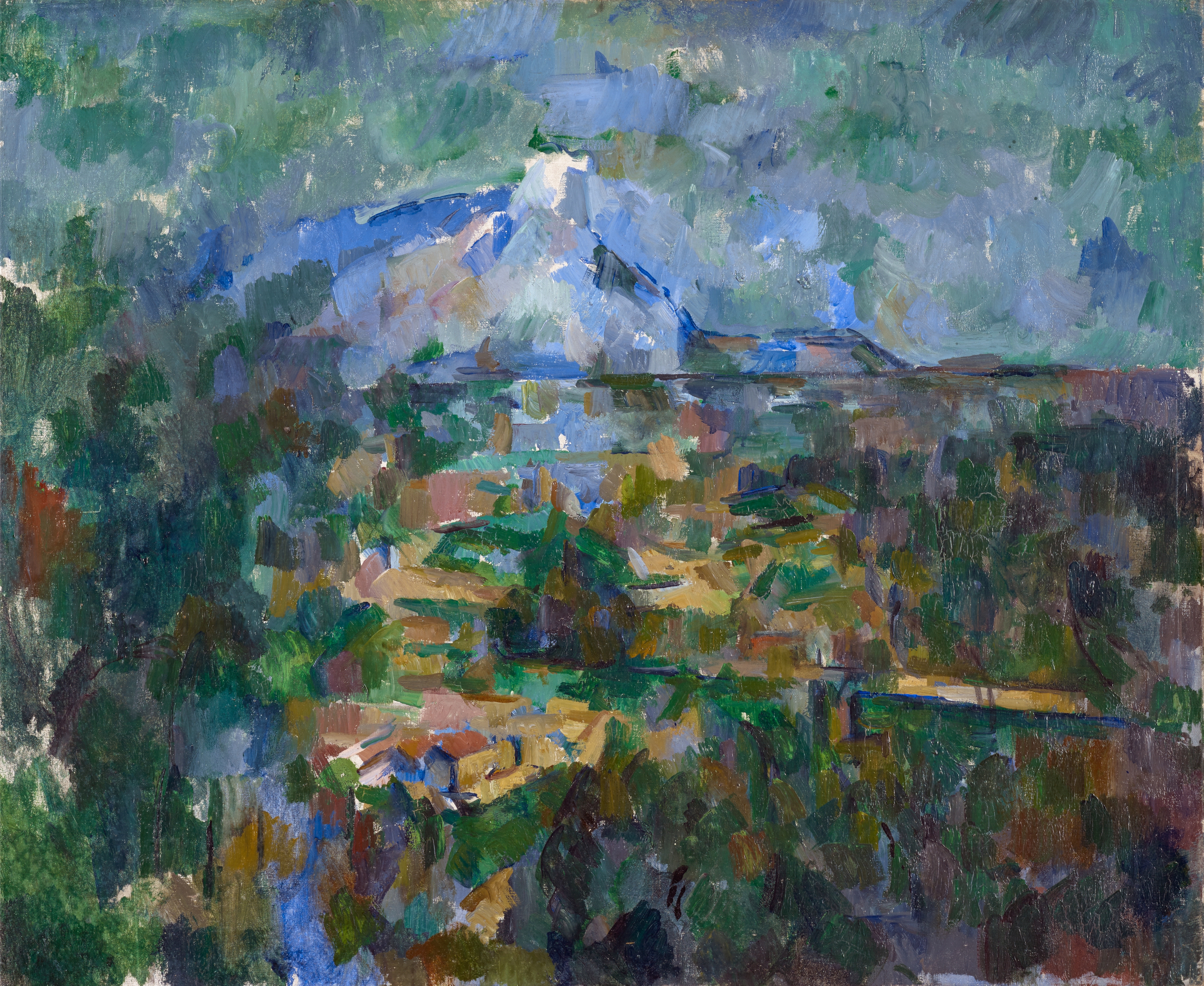
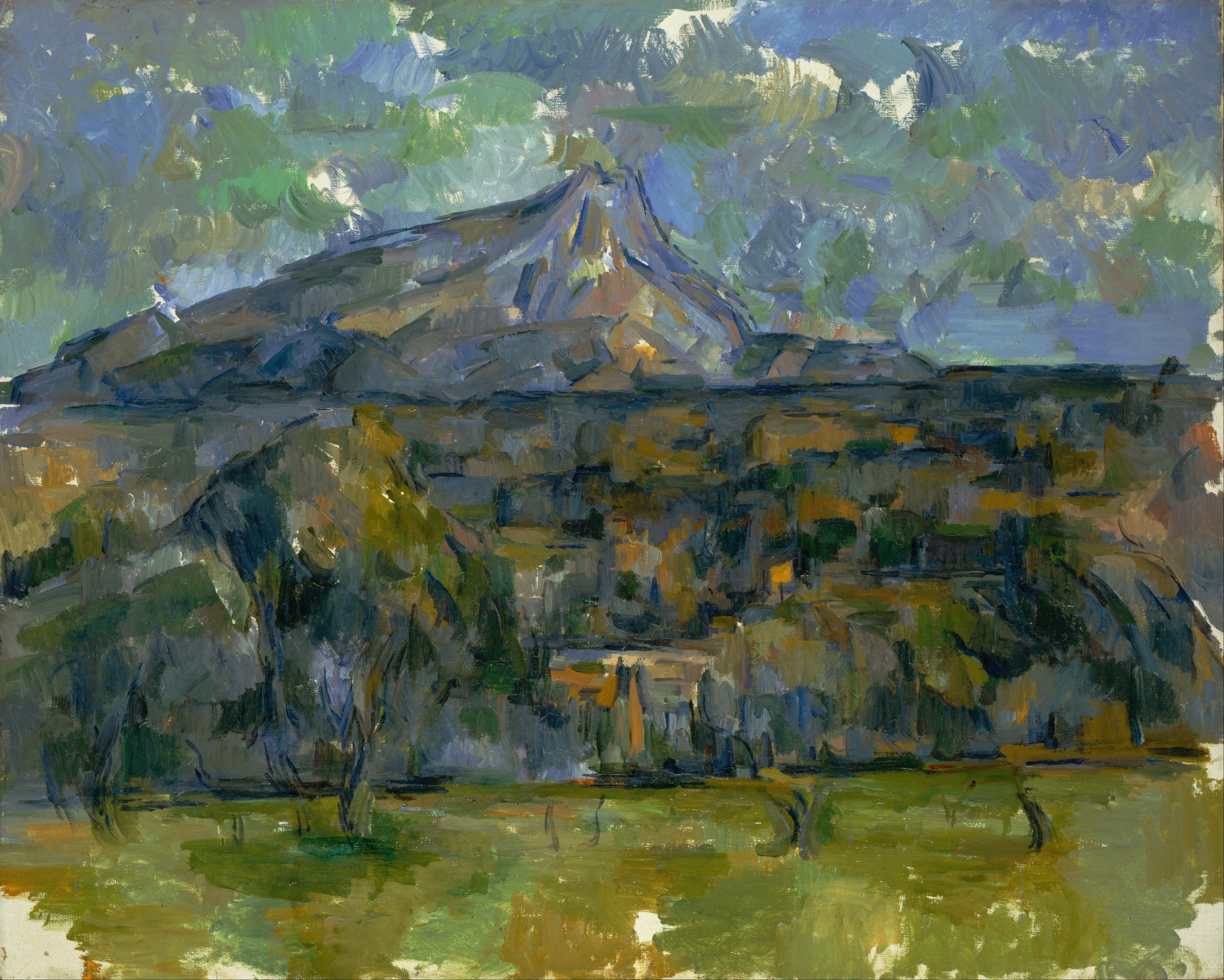
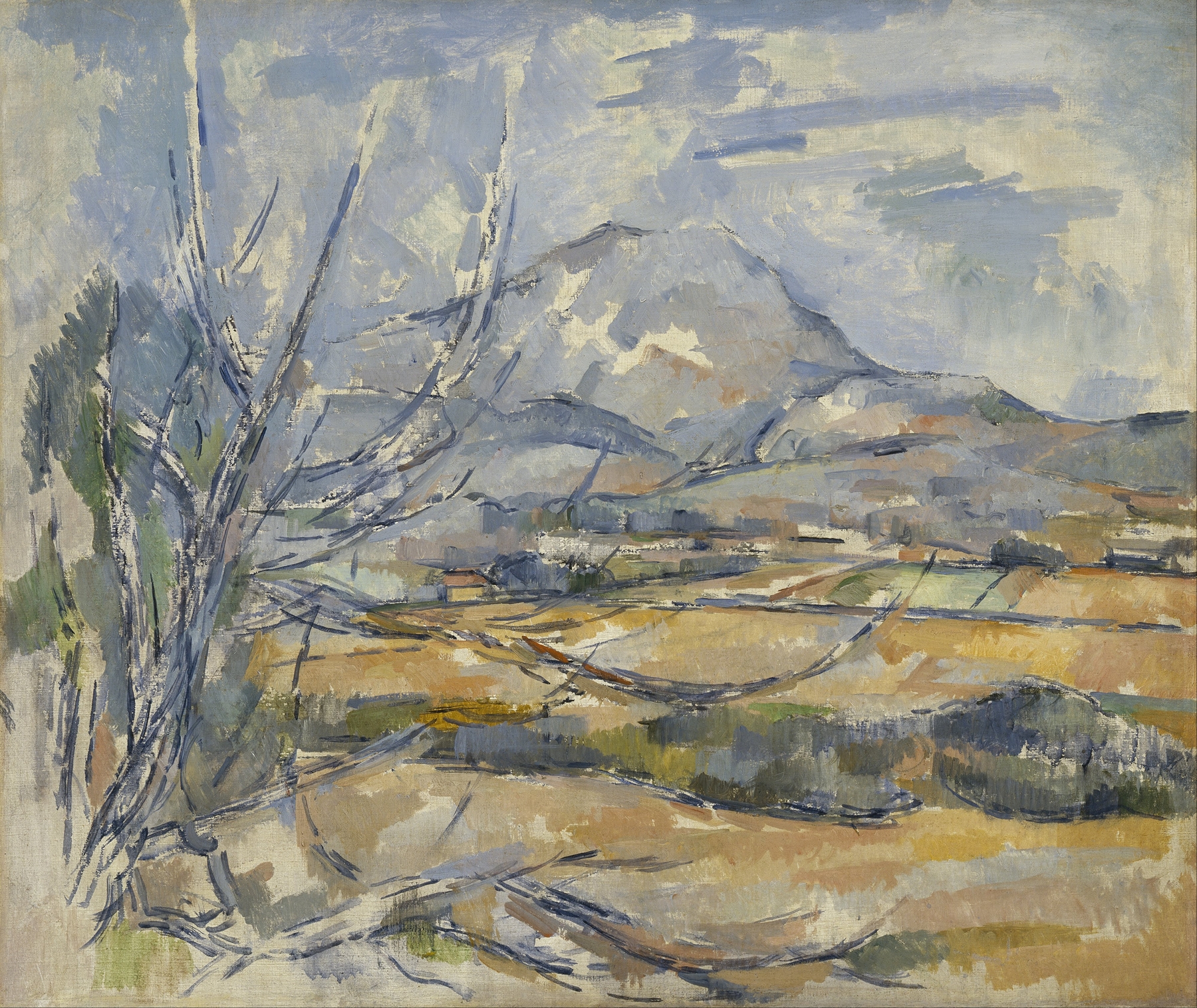
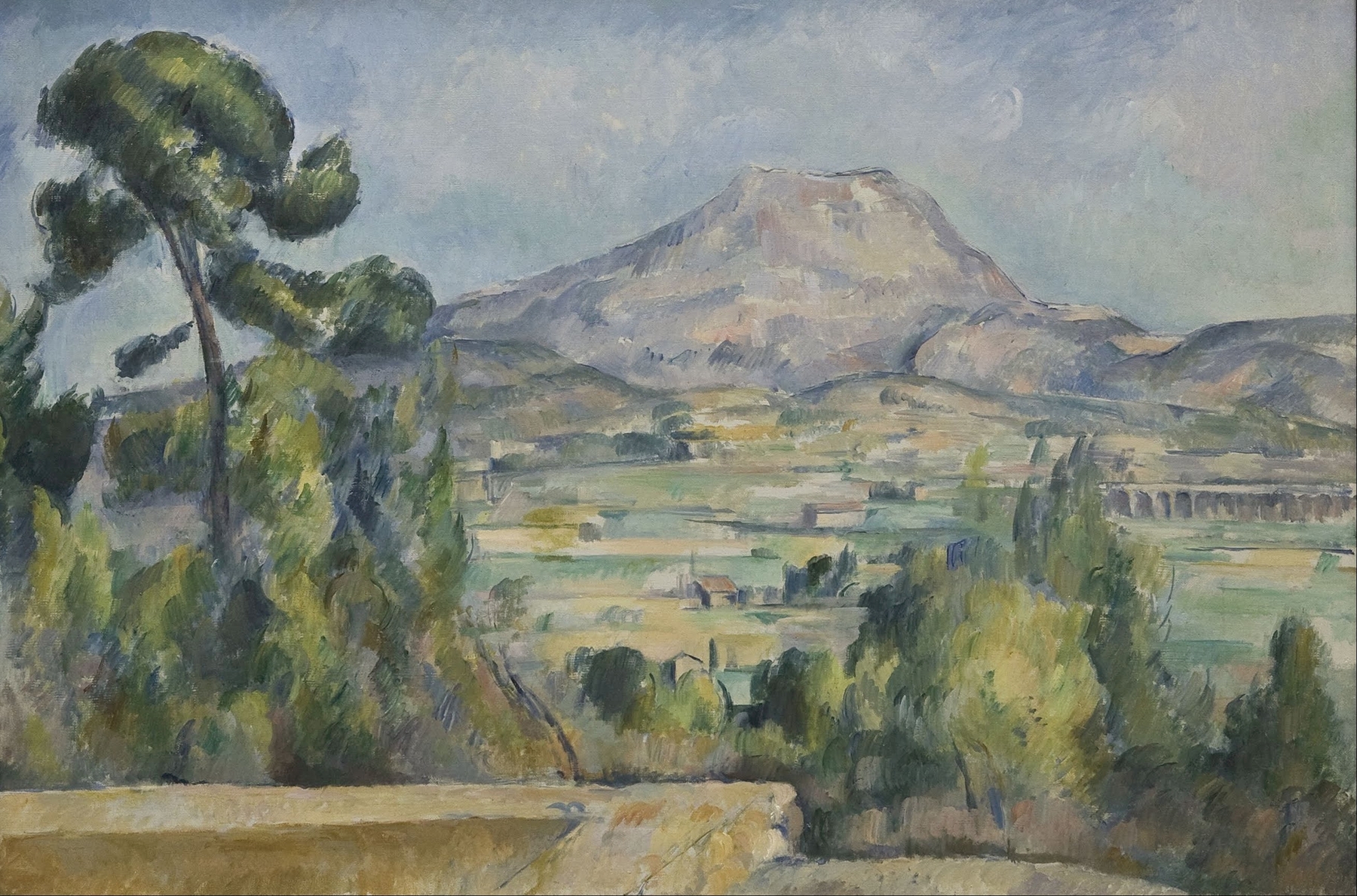
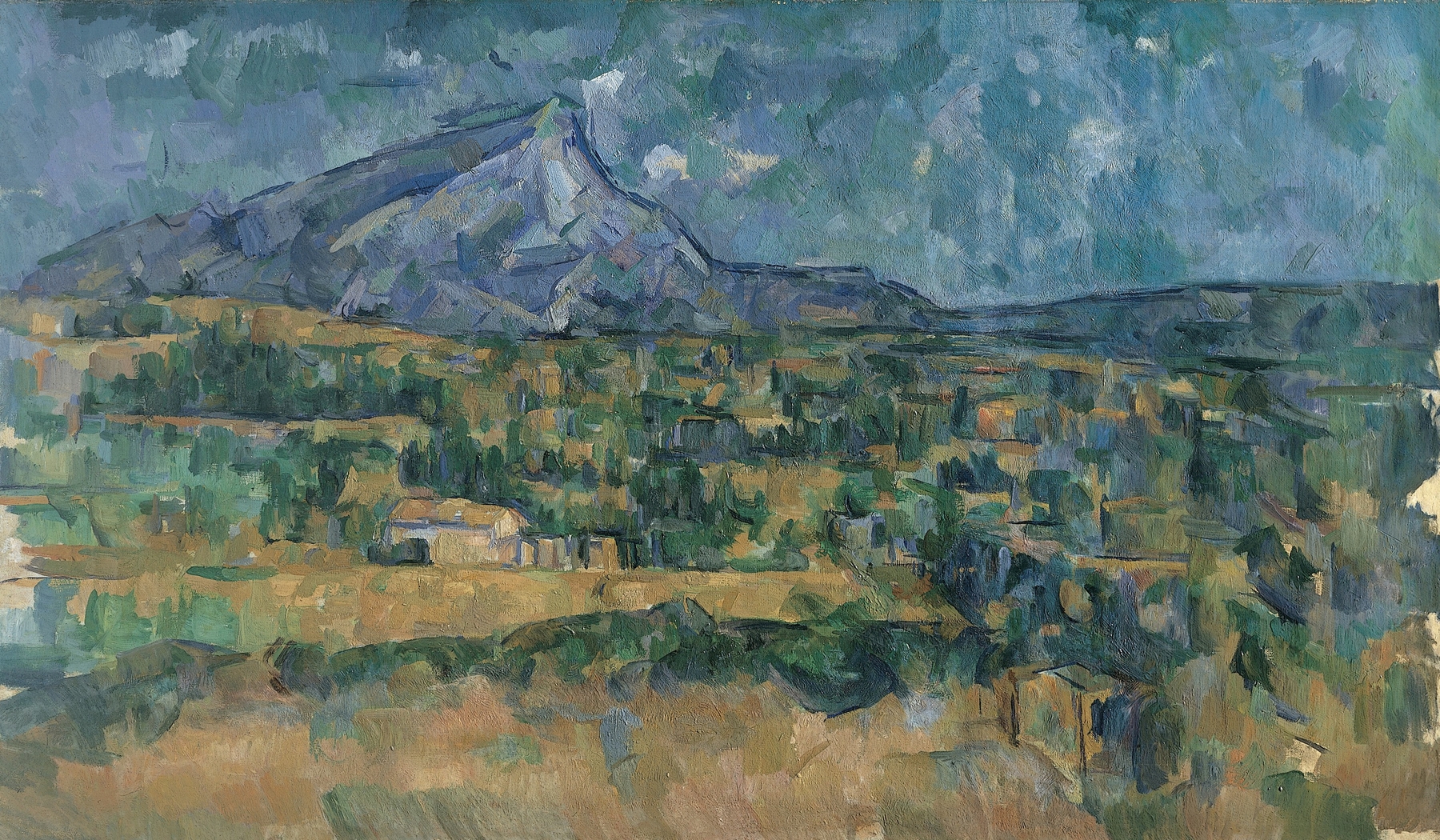
“Sometimes beauty is just pain, disguised in gold.” In the presence of View of Mount Sainte-Victoire from Les Lauves, that sentiment rings true. The serene landscape unfolds with a calm that belies the depth of solitude lying beneath the surface. Here, nature stands both majestic and intimidating, as if whispering secrets of emptiness to those who dare to listen. Look to the center, where the mountain rises with a stoic grace, its rugged contours abounding in hues of deep green and earthy browns. The gentle strokes of the brush create a sense of texture, inviting the viewer to feel the weight of the earth.
Notice how the light dances across the canvas — soft yet assertive — illuminating patches of bright yellow and creamy whites that echo the warmth of a fleeting sun. The composition draws the eye to the interplay of shadows and highlights, a masterclass in balance and perspective that immerses you in a world both tangible and ethereal. The contrast between the imposing mountain and the tranquil sky reveals emotional tensions: the heaviness of existence set against the lightness of the atmosphere. The layers of paint suggest depth and complexity, hinting at a narrative of struggle within the beauty of nature.
Look closely, and you’ll find that the sprawling landscape embodies a profound solitude, a reflection of the artist’s own inner journey while grappling with the act of creation. Between 1904 and 1906, Cézanne painted this work during a pivotal period in his life in Aix-en-Provence, amid a shift towards modernism in the art world. Embracing his signature technique of geometric forms and color, he sought to capture the essence of a landscape that had haunted him since childhood. This painting stands as a testament to both the evolution of his style and his relentless pursuit of truth in art, solidifying his role as a bridge between the past and the burgeoning avant-garde.