Montagne Saint-Victoire — History & Analysis
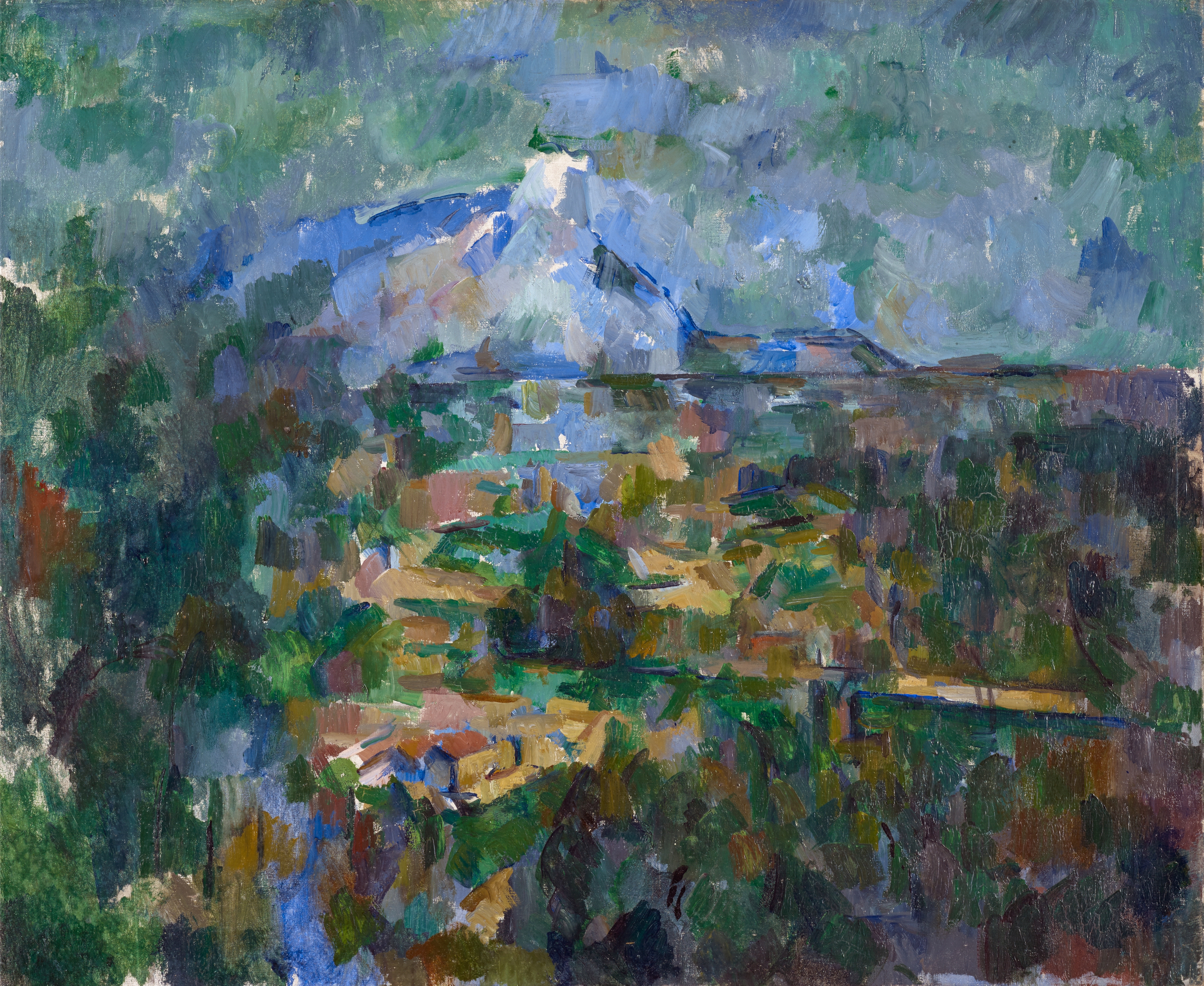
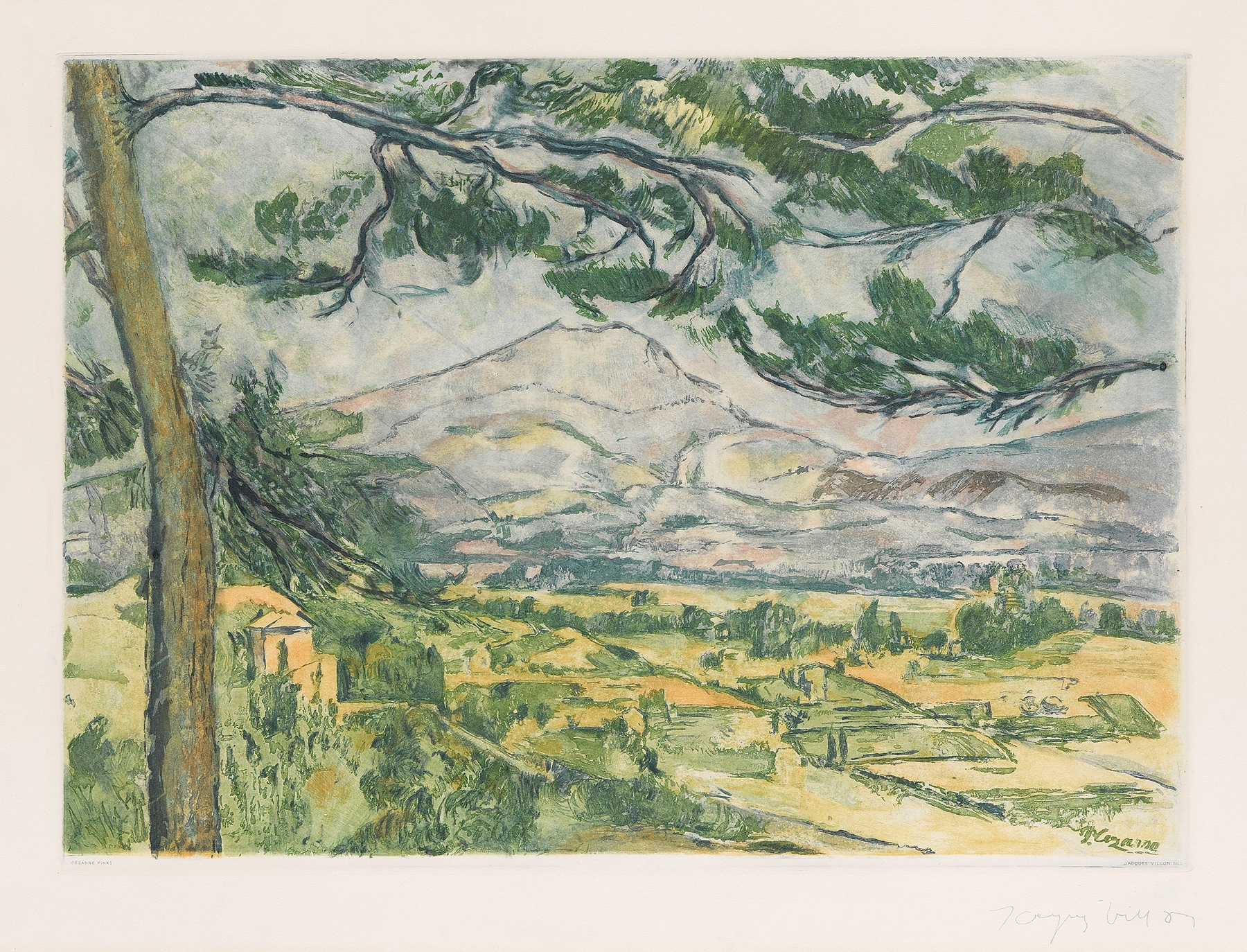
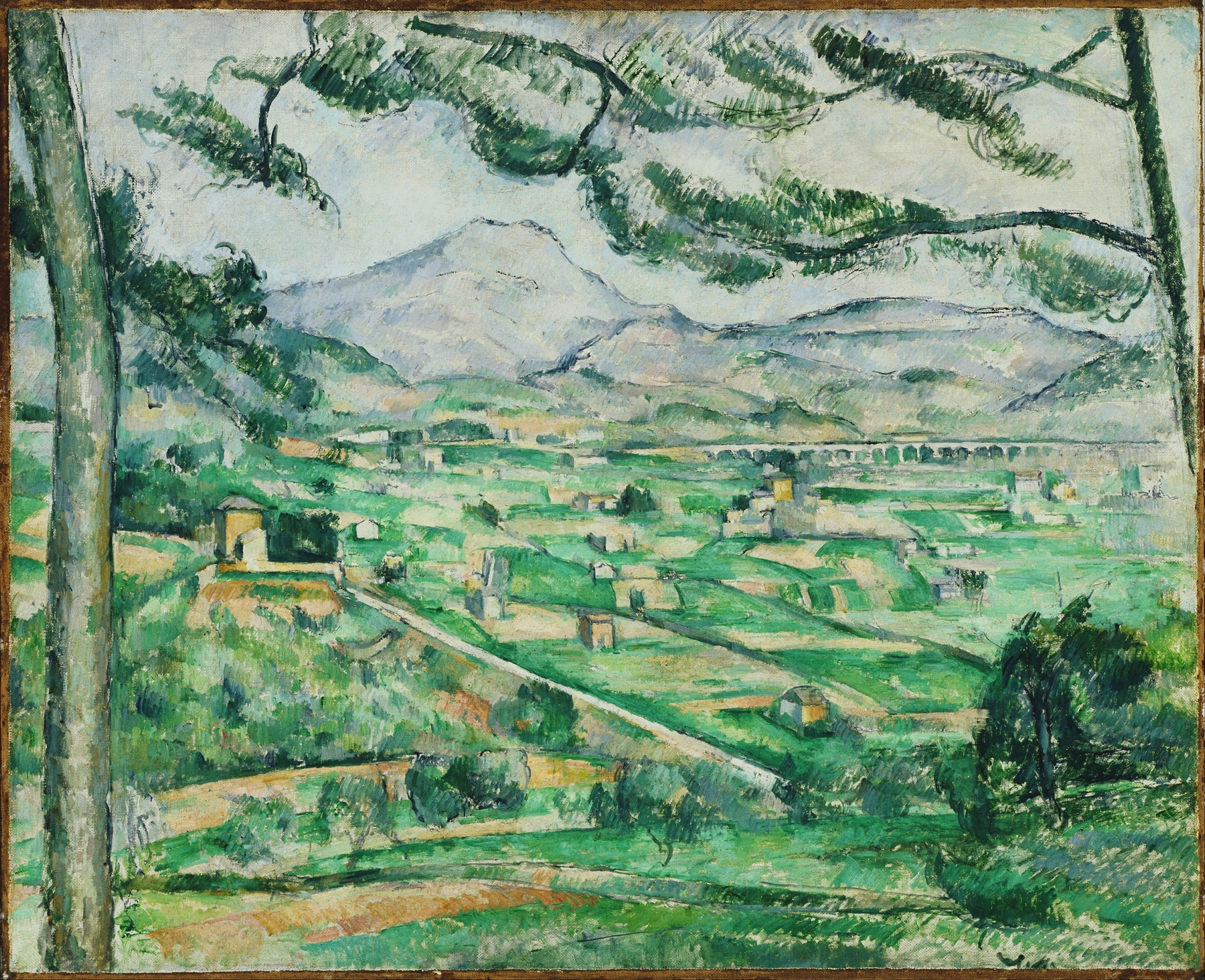
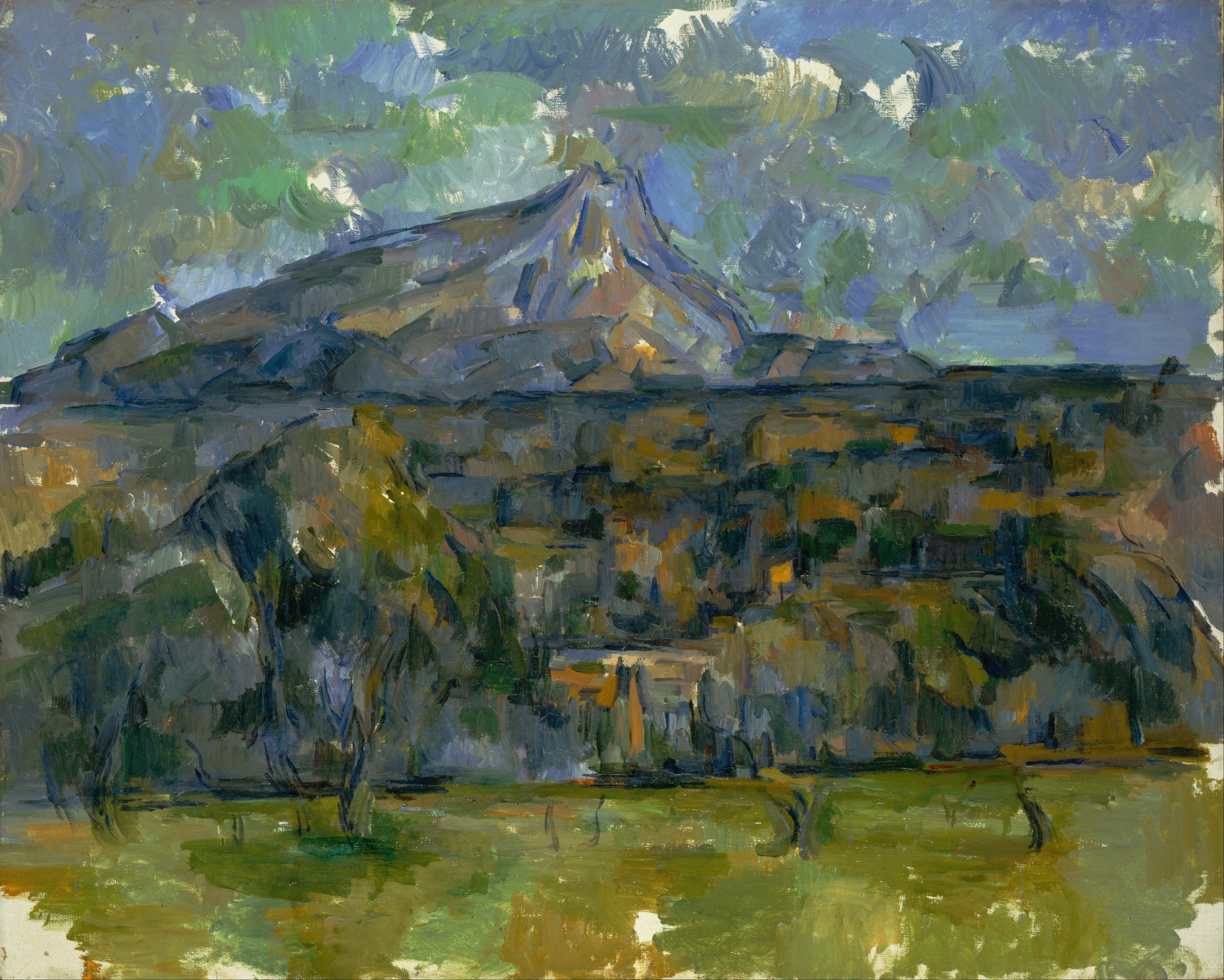
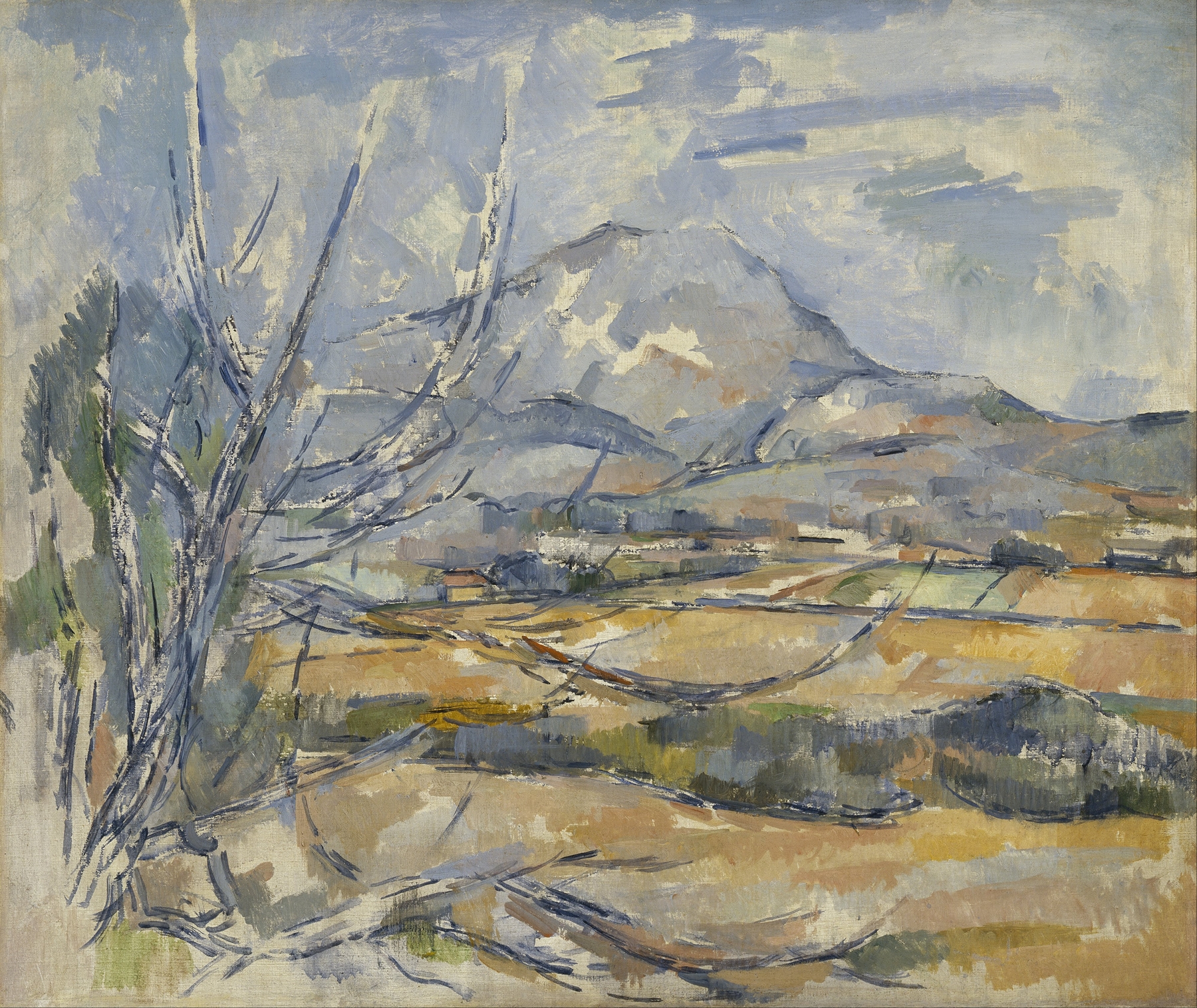
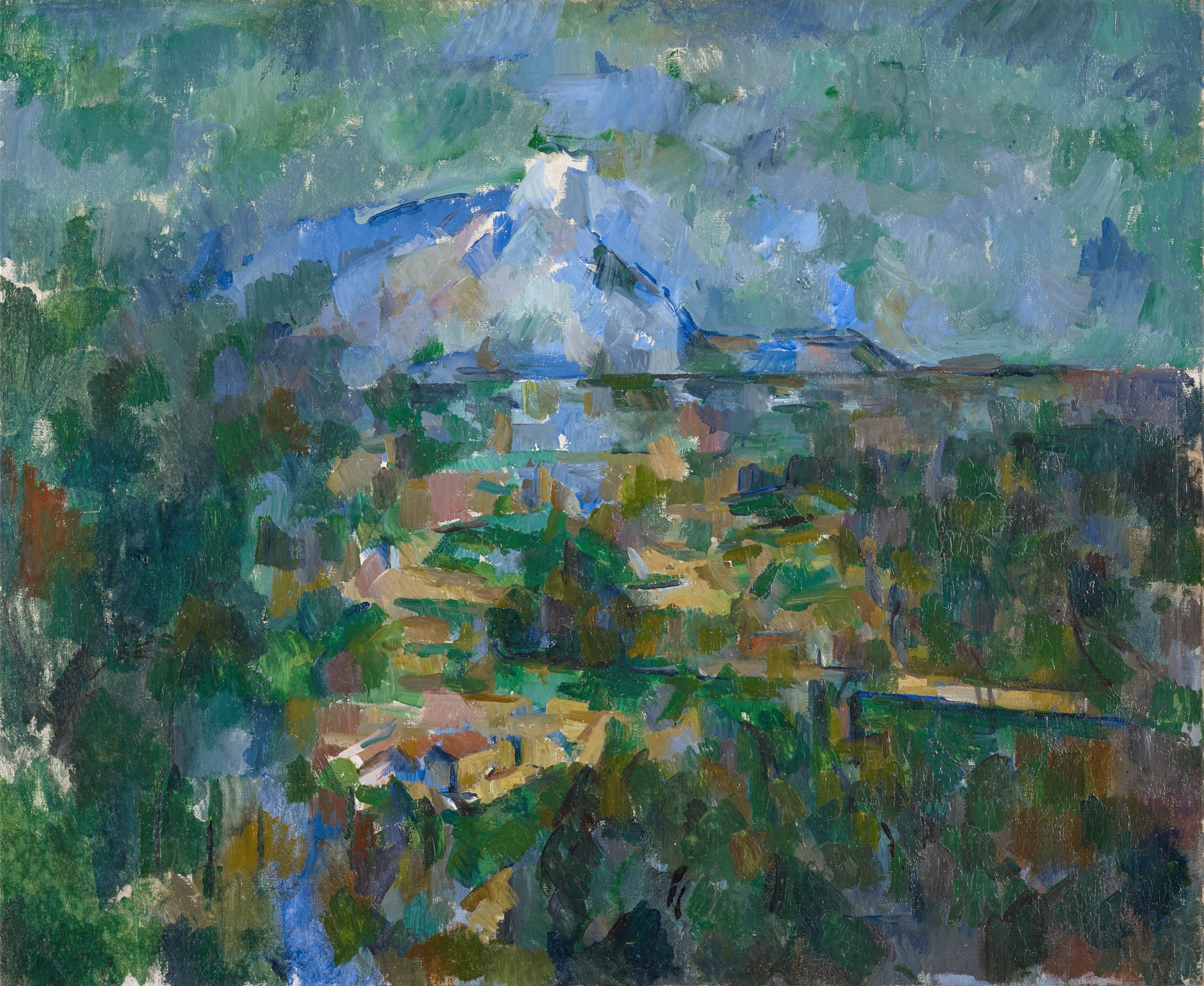
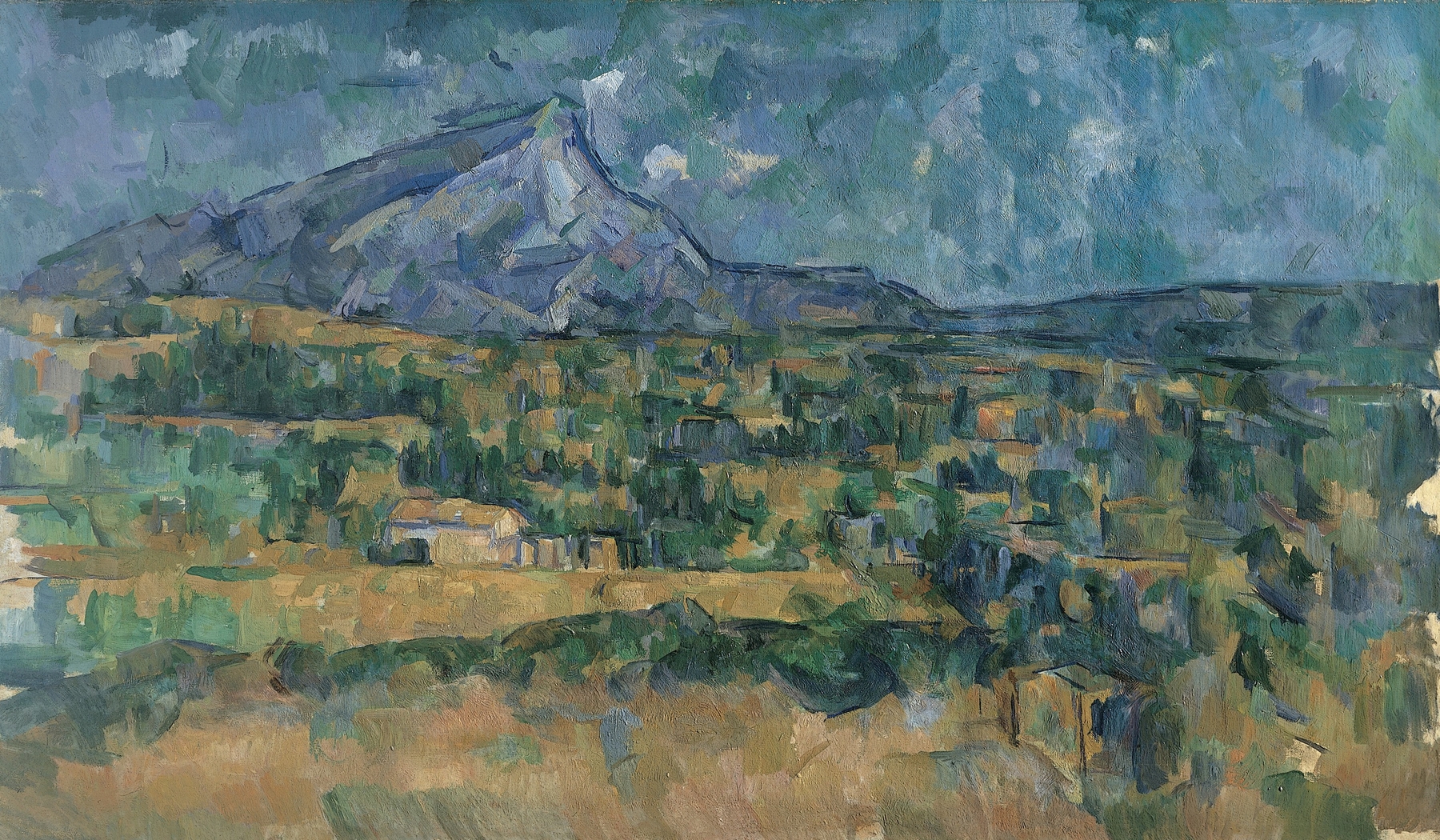
“To paint is to remember what time wants us to forget.” In the midst of chaos, the act of creation becomes a refuge, a chance to capture the ephemeral moments that shape our existence. Look to the center of the canvas where the majestic silhouette of Montagne Saint-Victoire rises, a testament to the artist’s deep connection with the Provençal landscape. Notice how the vibrant greens and earthy browns converge, punctuated by dabs of blue that suggest the fleeting sky. The brushstrokes are both structured and spontaneous, a dialogue between chaos and order that draws the viewer’s gaze toward the mountain's enduring presence, while the foreground dances with the energy of life.
Within this serene yet tumultuous composition lies a rich tapestry of emotion. The fragmented forms of trees and fields reflect the artist’s struggle to reconcile nature’s chaos with his desire for harmony. The sharp angles and layered textures create an unsettling tension, suggesting that even in beauty, disorder lurks beneath the surface. This painting invites contemplation on the dualities of life and art—where memory battles forgetfulness, and clarity emerges from turmoil.
In 1890, Cézanne painted this iconic work in Aix-en-Provence, a time when he was deeply immersed in the exploration of color and form. The world of art was shifting, with movements like Impressionism influencing his approach. However, he remained steadfast in his quest for a personal vision, pushing the boundaries of representation and forging a path that would inspire generations to come.