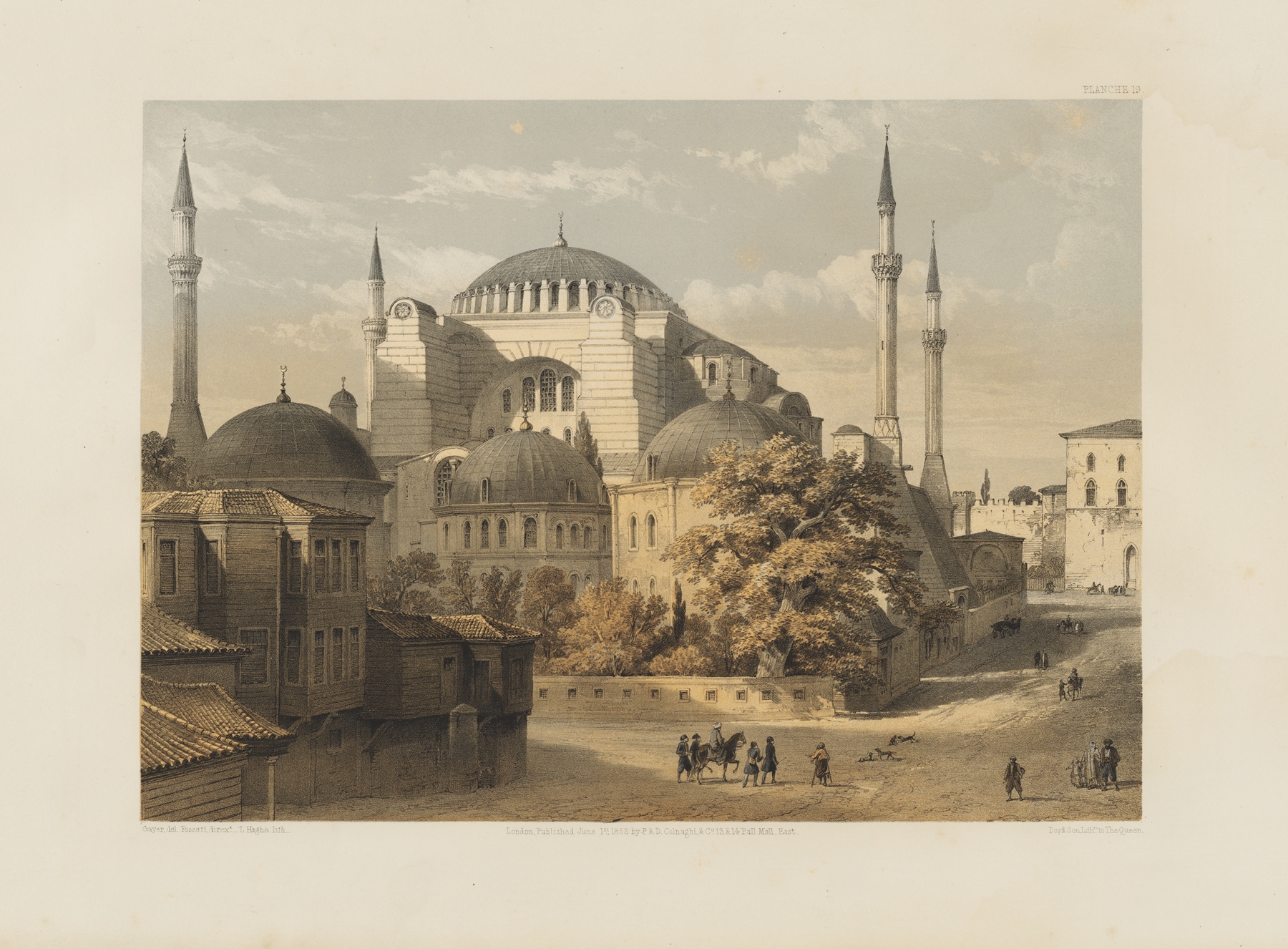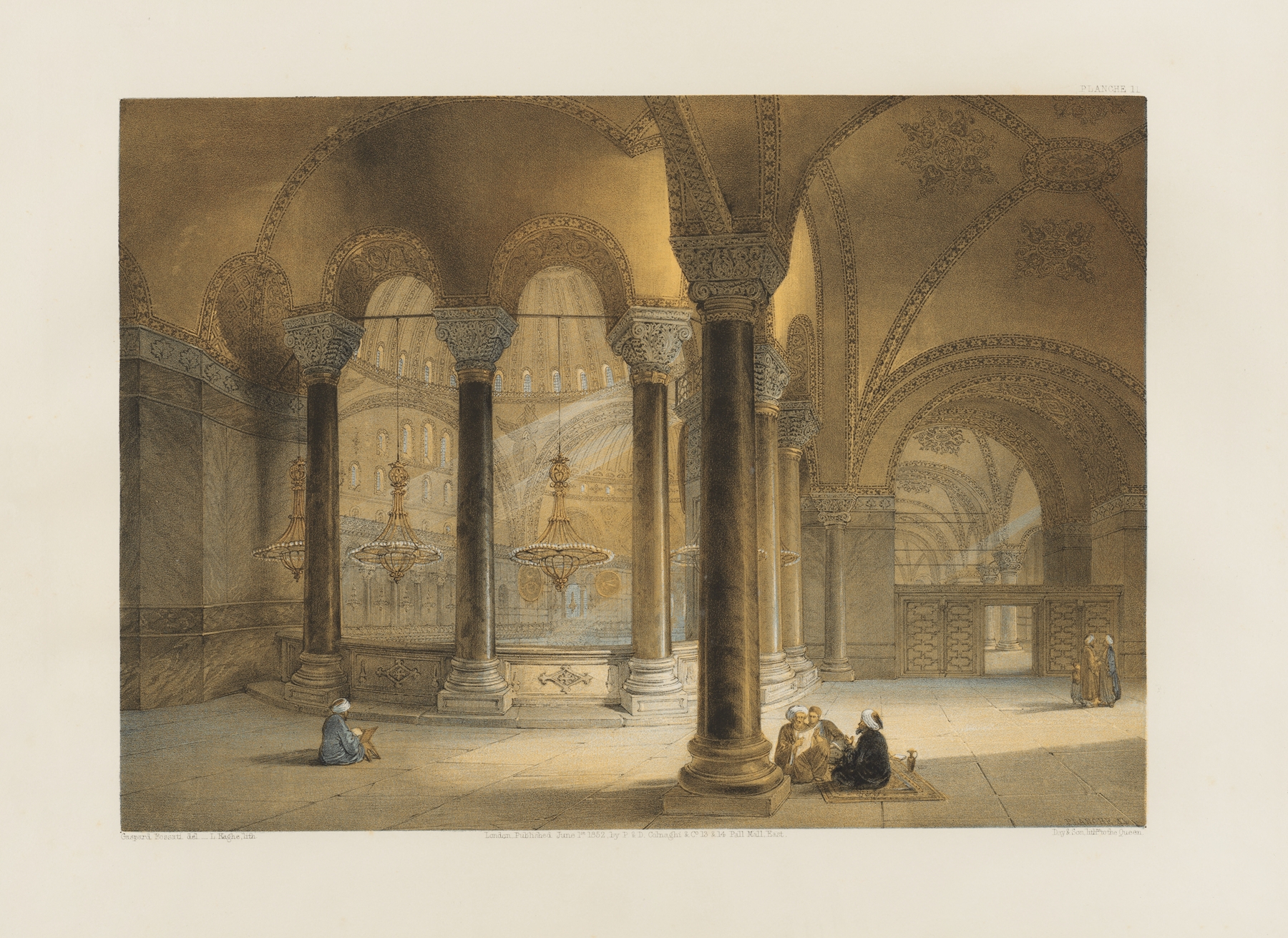
Aya Sofia, Constantinople; as recently restored by order of H. M. the sultan Abdul-Medjid Pl.11 — History & Analysis
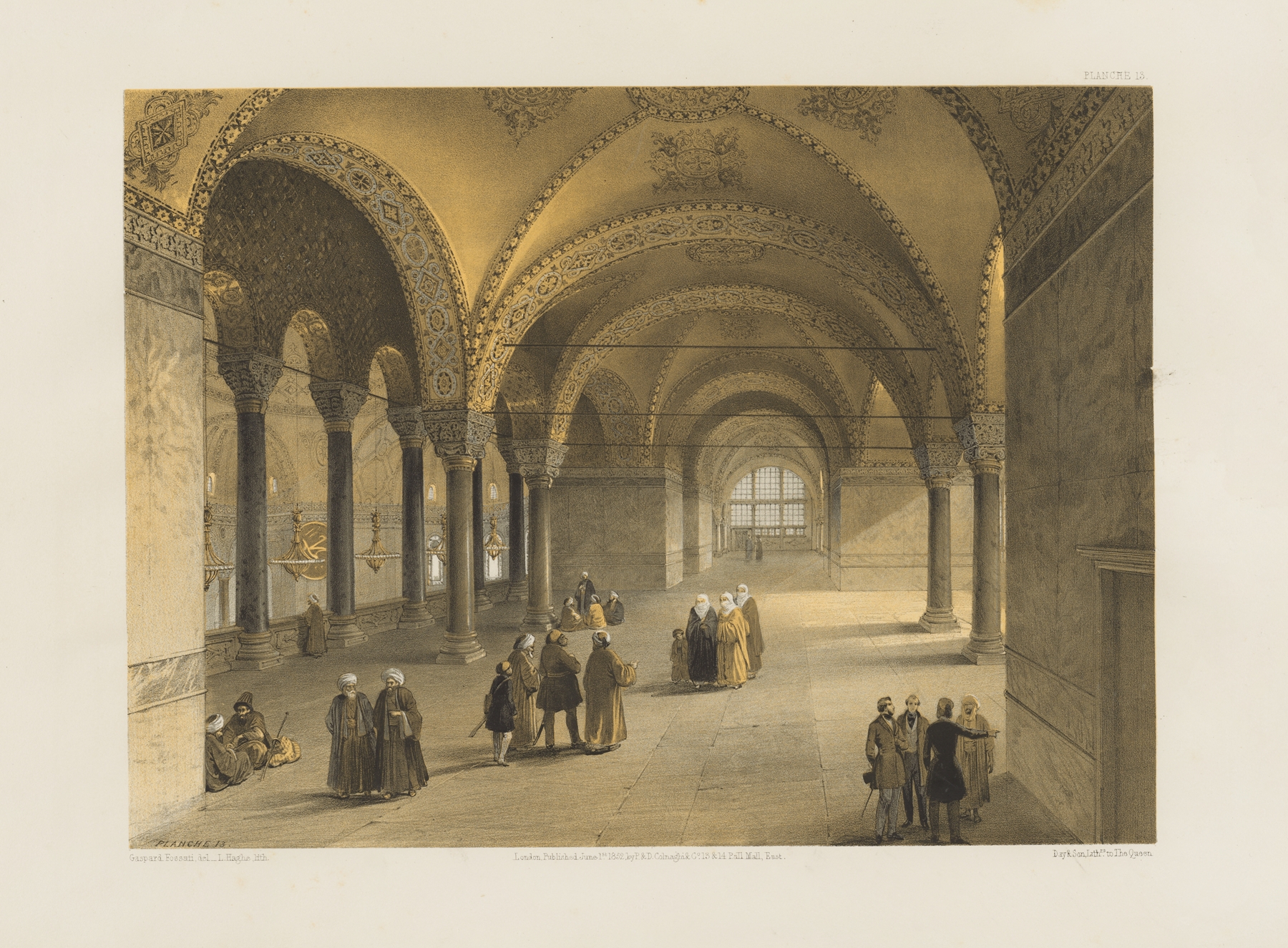
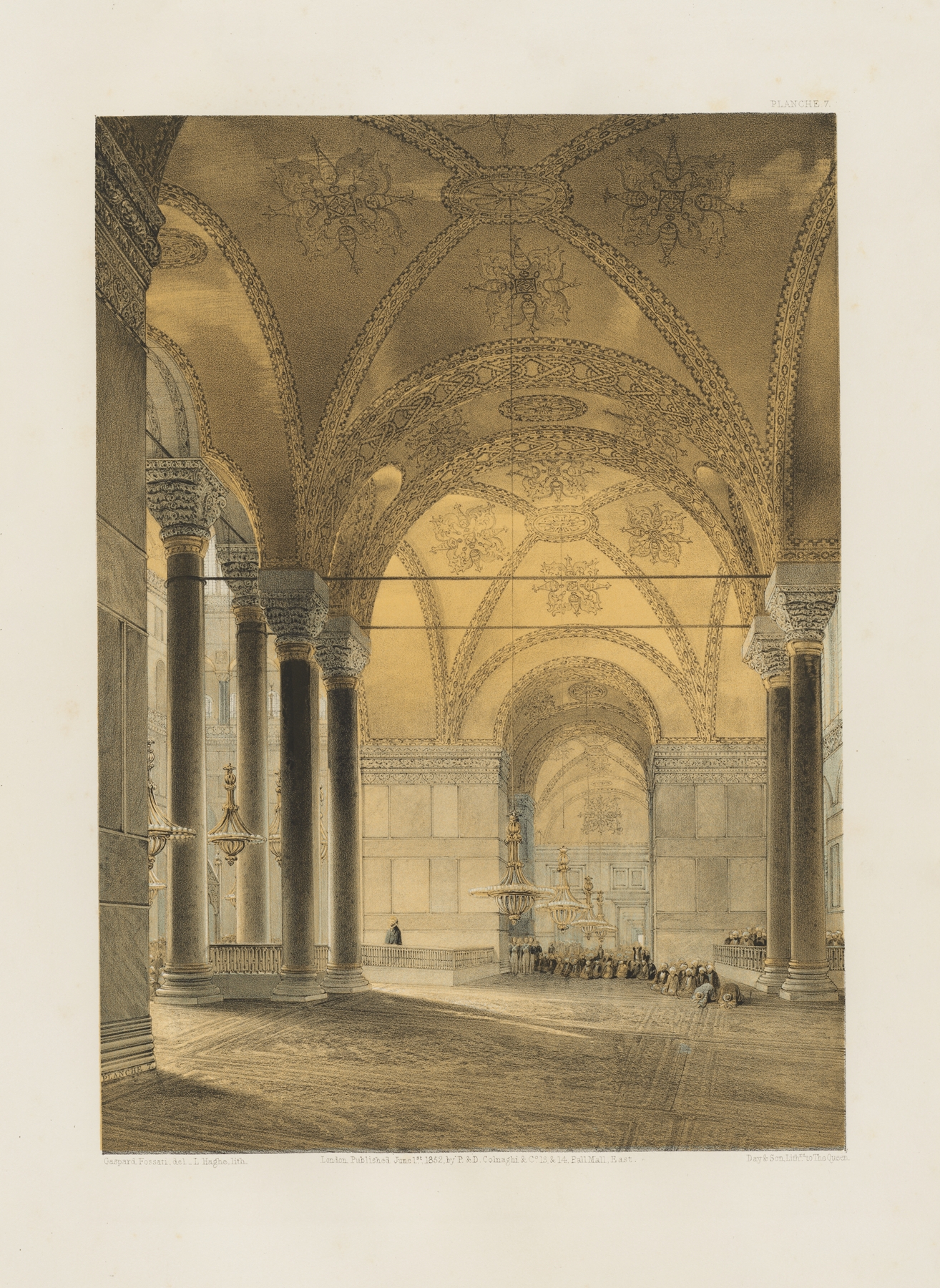
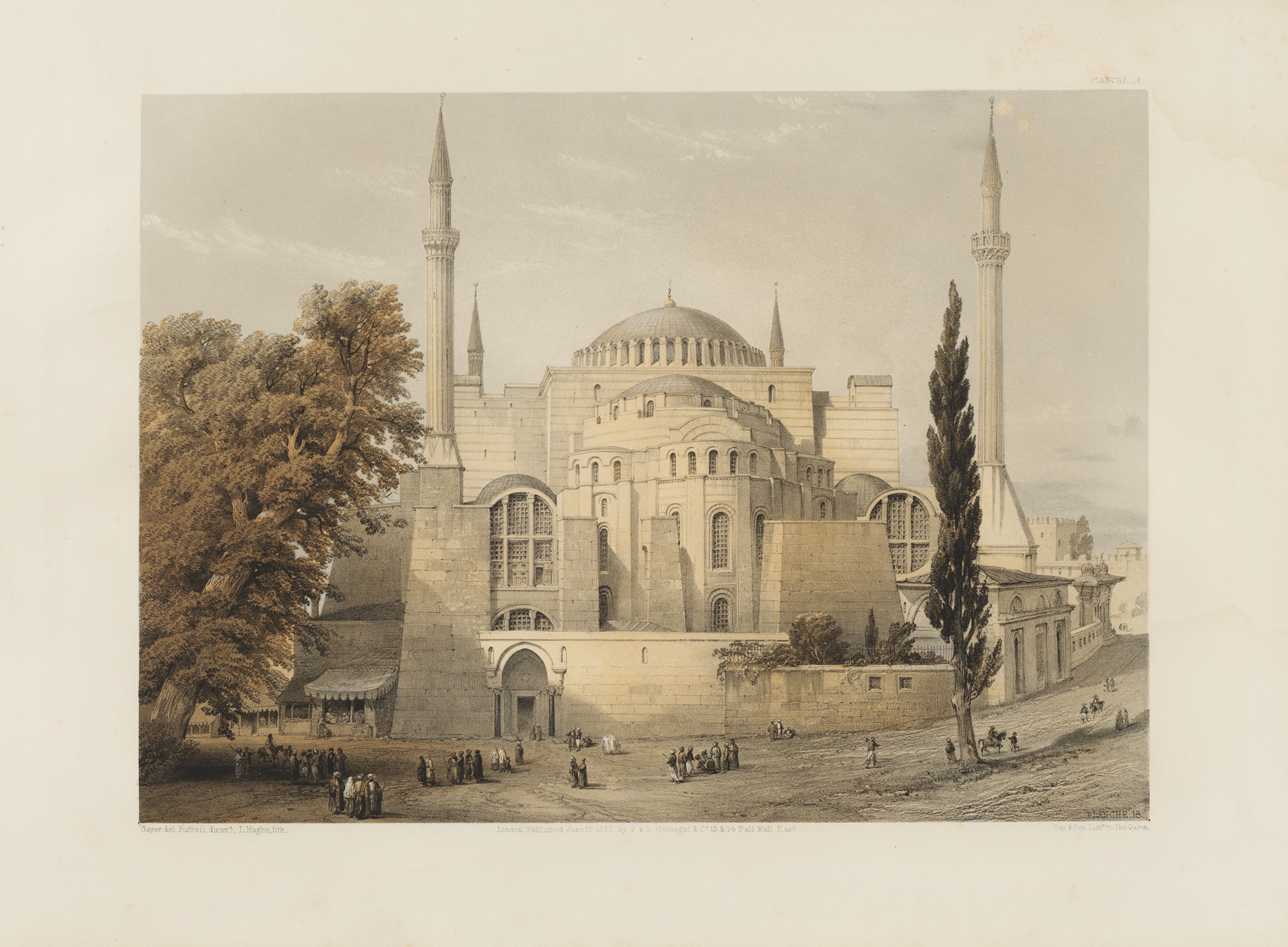
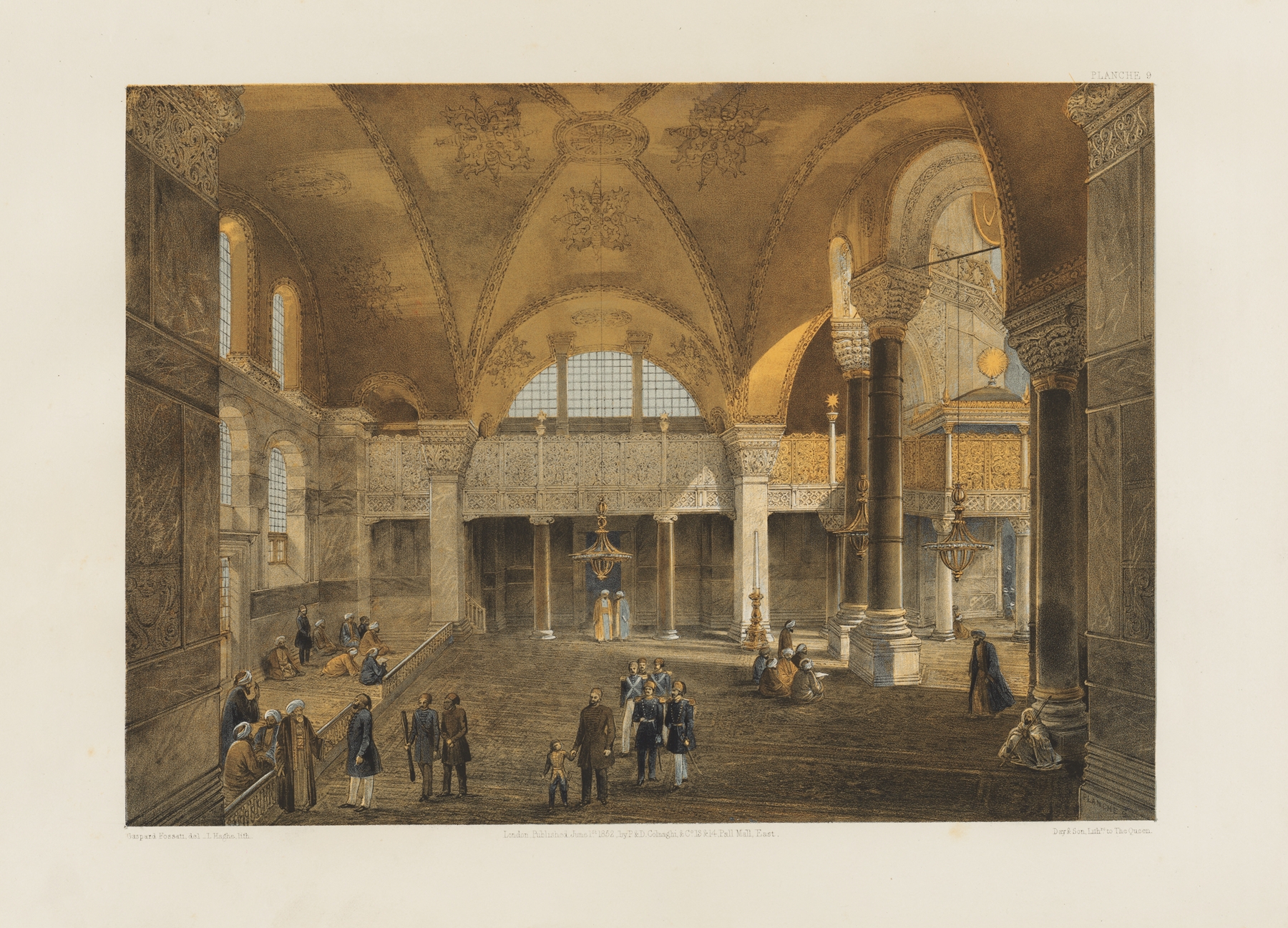
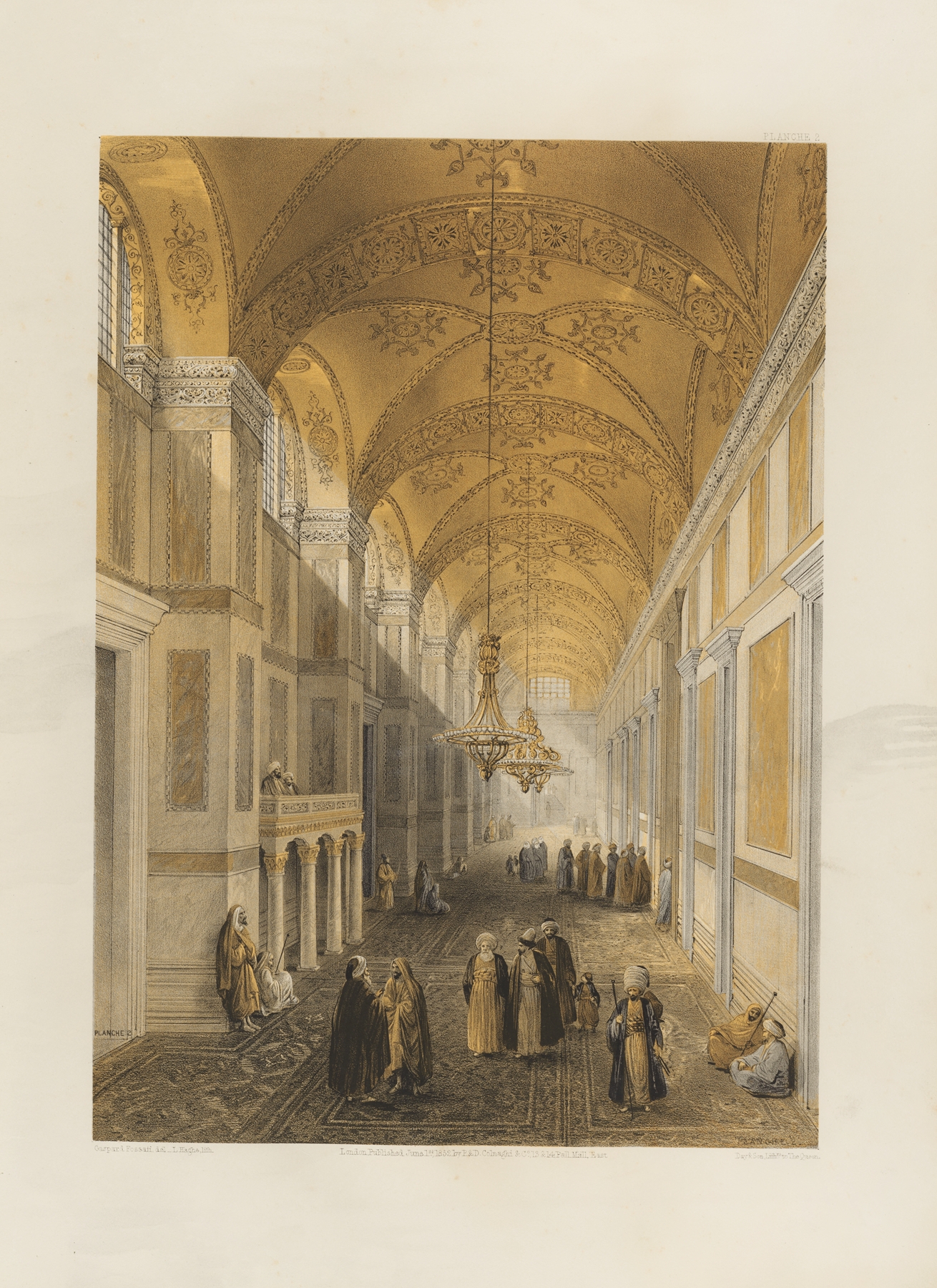
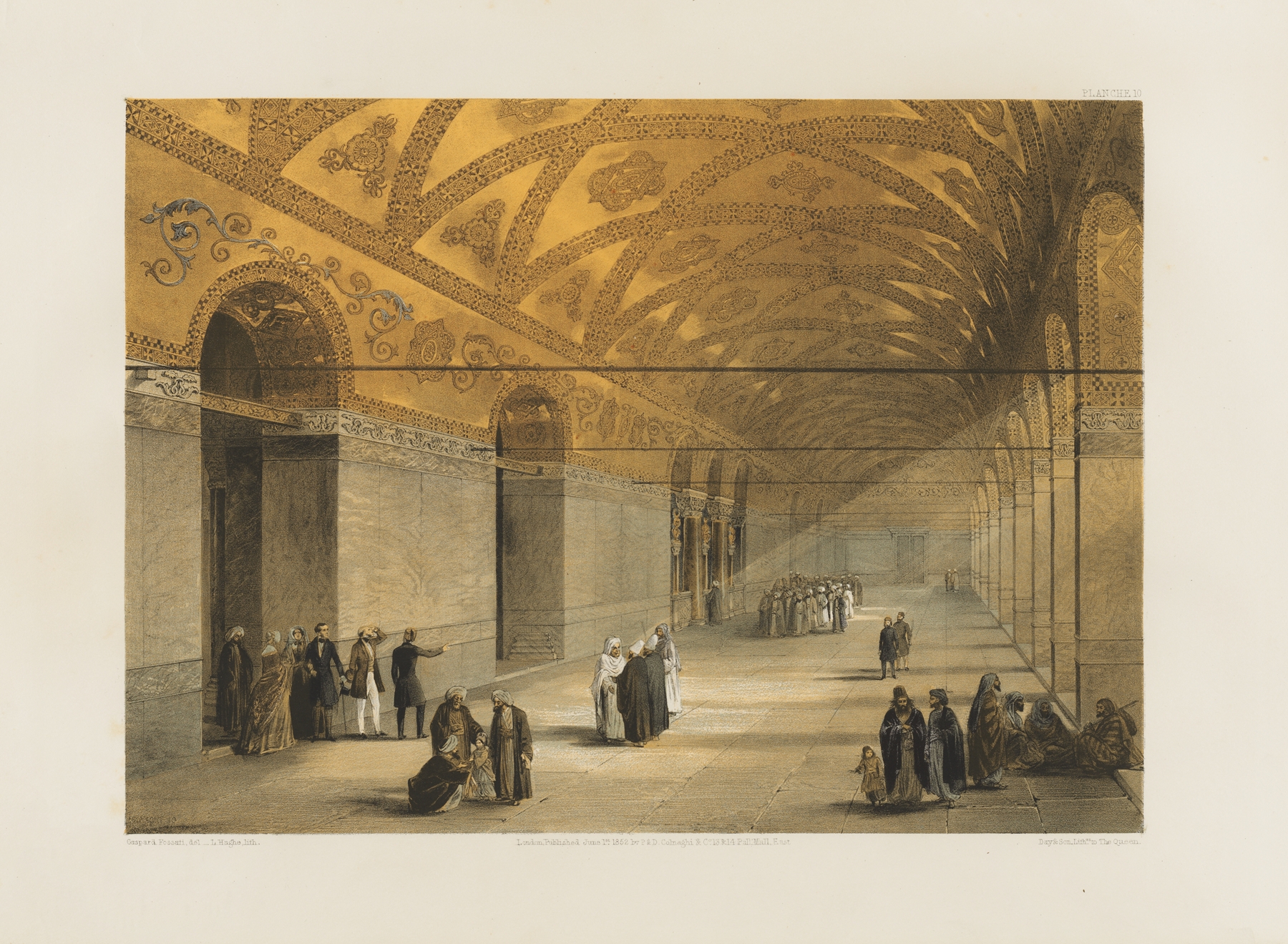
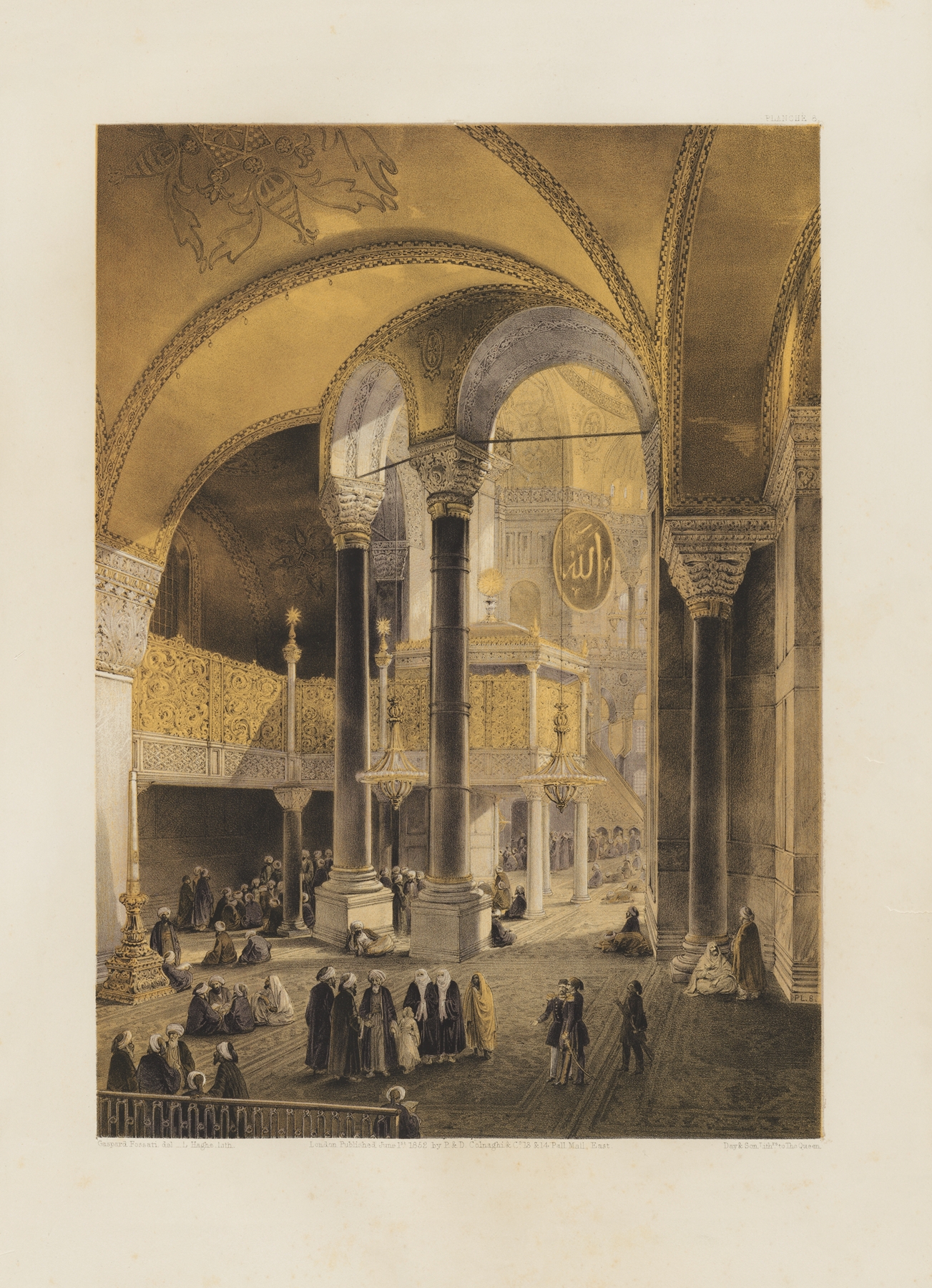
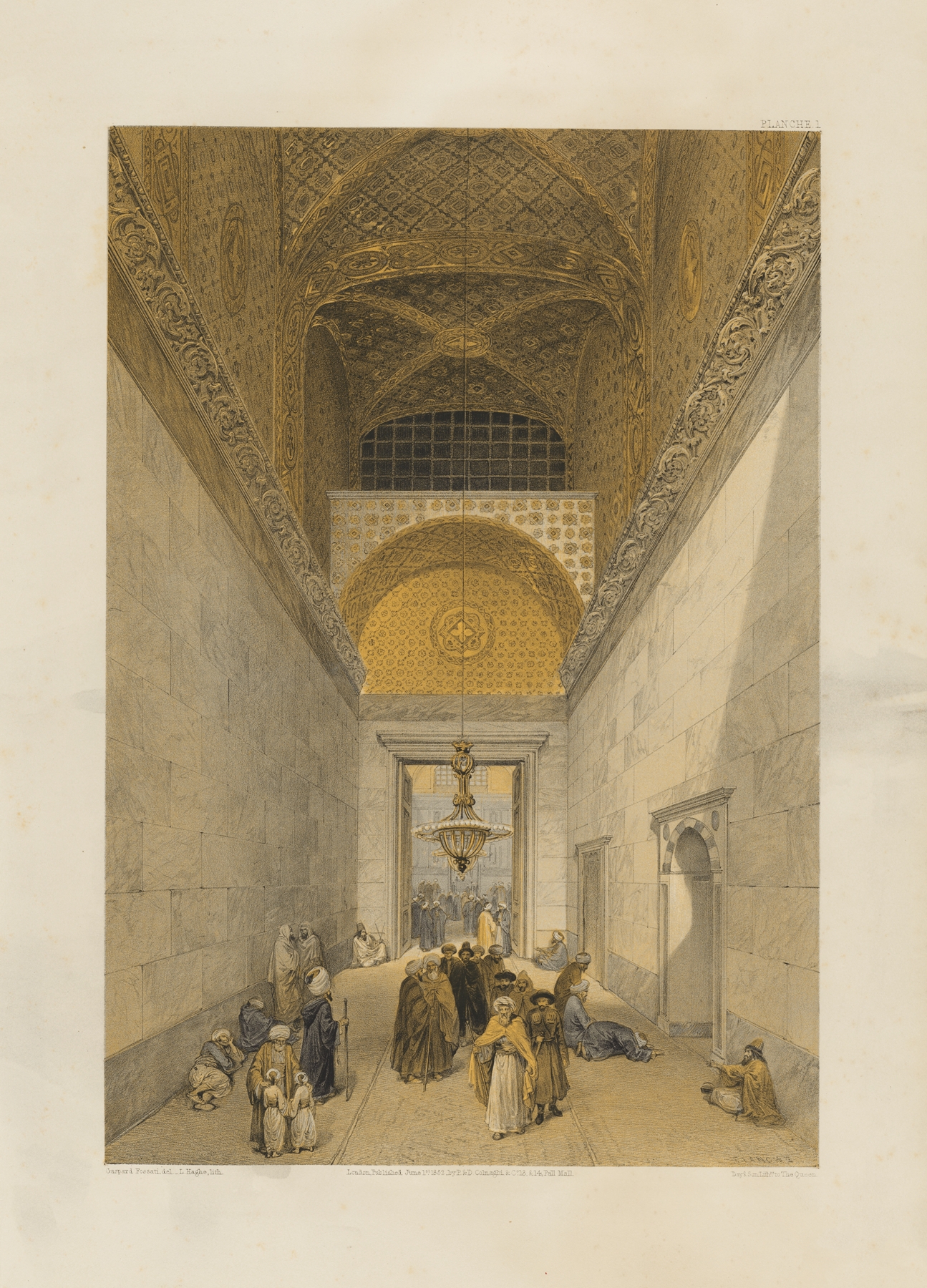
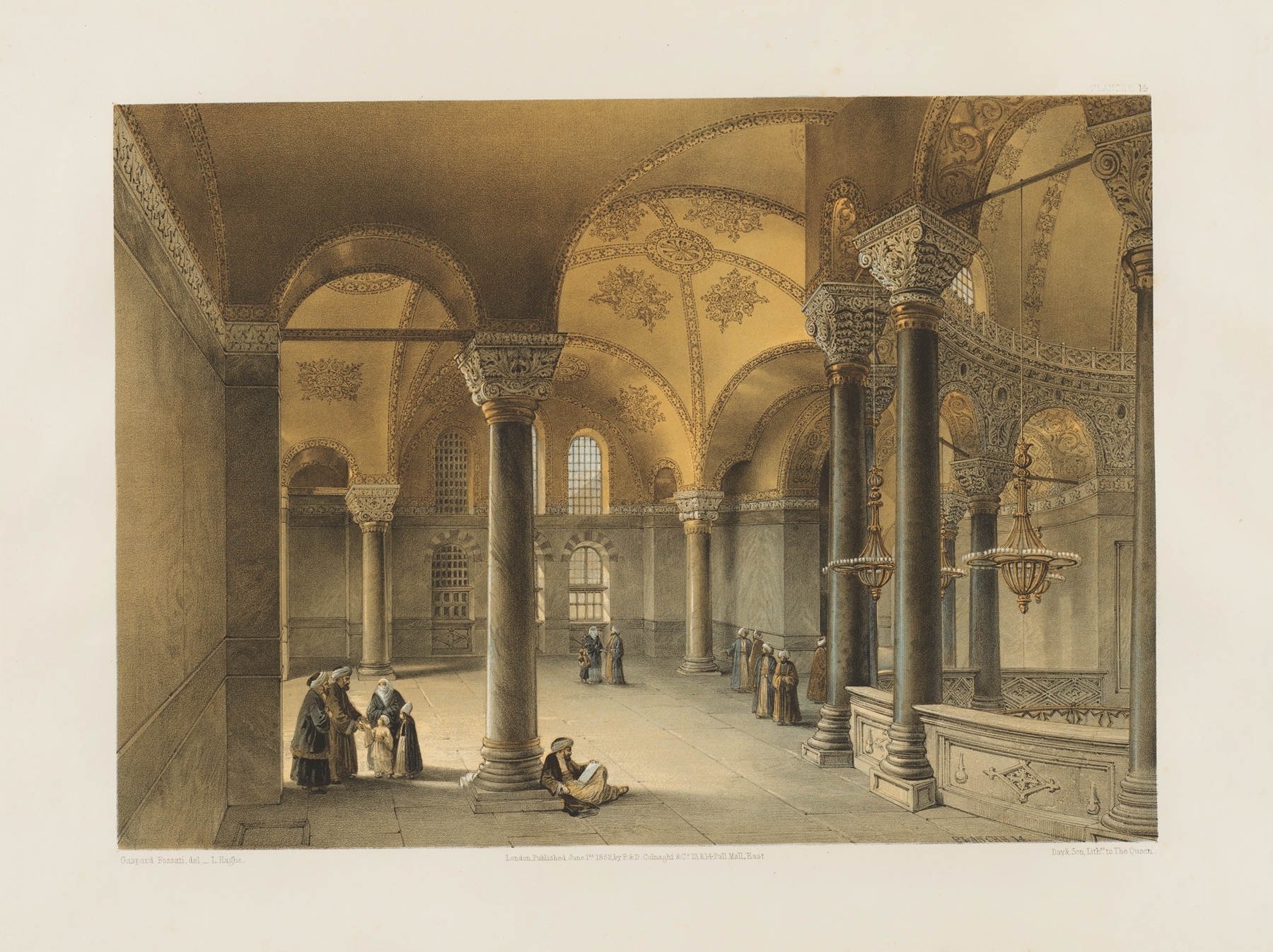
Who listens when art speaks of silence? In the grand stillness of Aya Sofia, a hushed reverence envelops the viewer, inviting reflection on the weight of history and beauty. Look to the center of the composition, where the great dome soars majestically, its intricate designs demanding your gaze. Notice how light pours through the stained glass windows, casting a kaleidoscope of colors upon the marble floor, illuminating patterns that tell stories of both faith and artistry.
The harmonious blend of Byzantine and Islamic architectural elements creates a visual narrative that binds the past to the present, urging contemplation of the sacred space. Yet, within this serene scene lies a tension—the juxtaposition of light and shadow mirrors the duality of existence itself. The vibrant hues of the mosaics resonate with a sense of awe, while the somber stone pillars stand as witnesses to centuries of change and reverence.
Each architectural detail whispers the secrets of countless prayers and gatherings, evoking feelings of nostalgia and longing amid the vibrant beauty surrounding them. Gaspare Fossati painted this evocative depiction in 1852, during a period when the Ottoman Empire was undergoing significant transformation. As a Swiss artist who had been commissioned to document the restoration of this iconic structure, Fossati captured the interplay of culture and artistry in a world on the cusp of modernity, reflecting not only his personal journey but also the evolving landscape of art and architecture during this pivotal time.