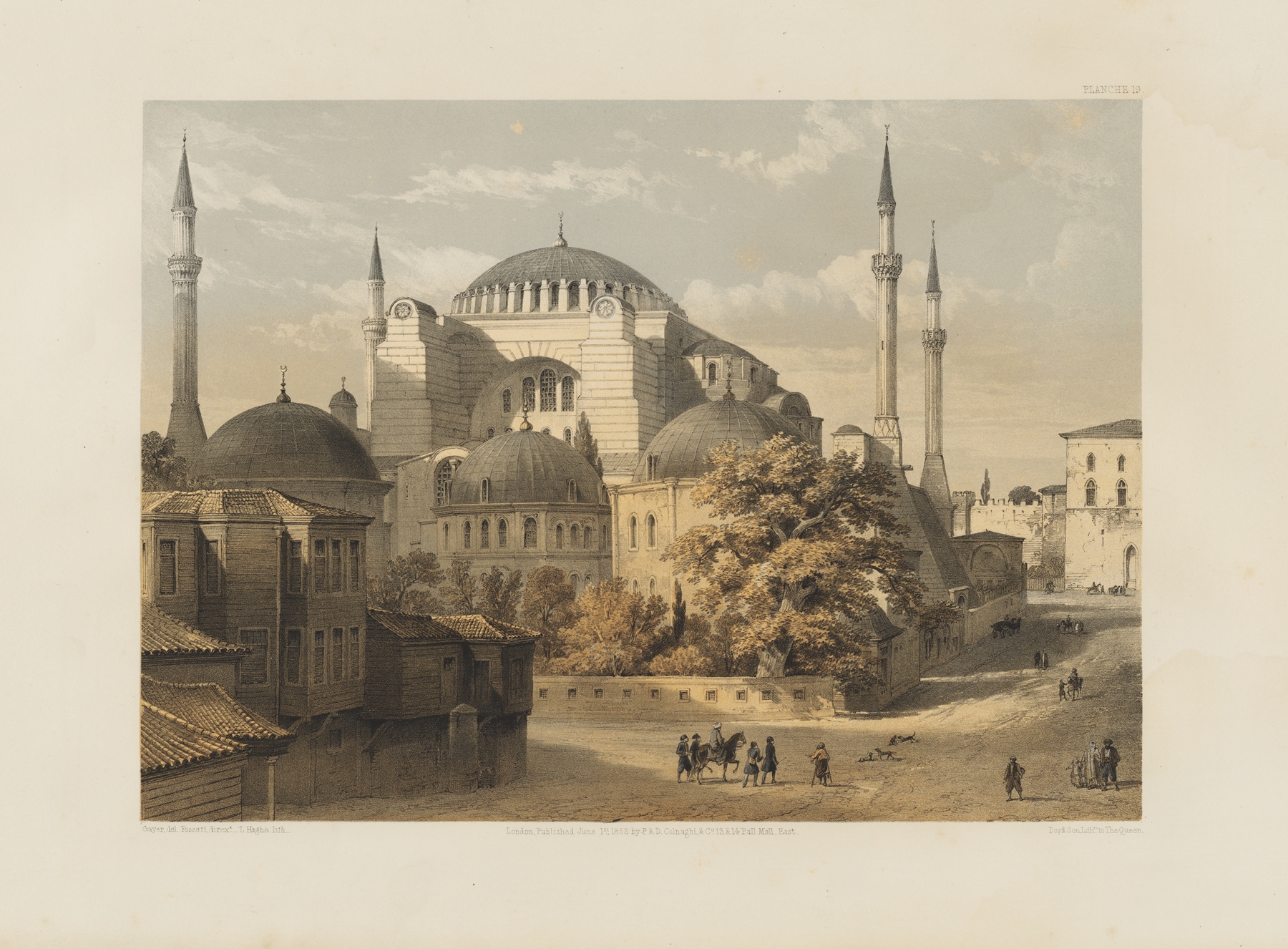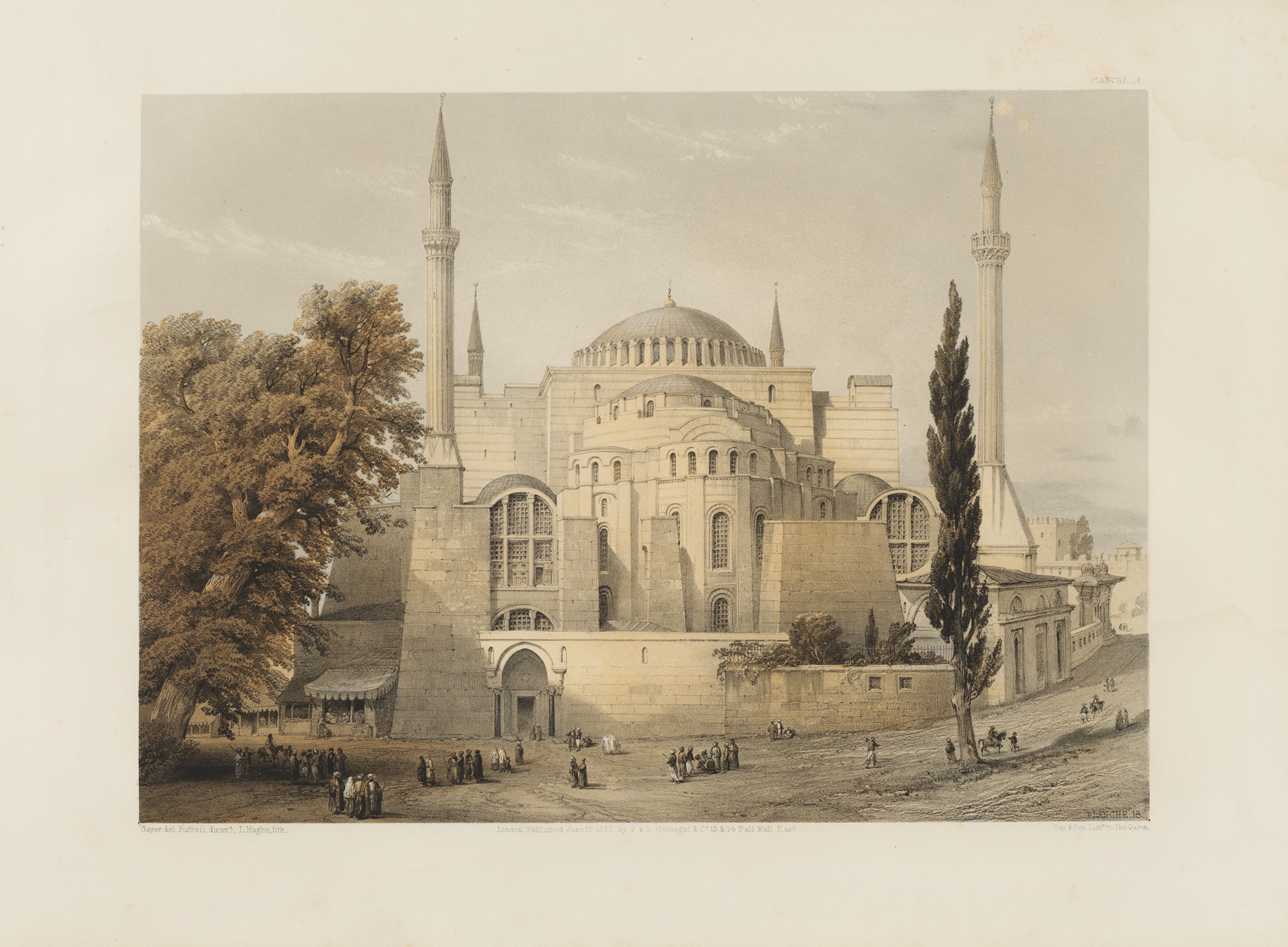
Aya Sofia, Constantinople; as recently restored by order of H. M. the sultan Abdul-Medjid Pl.18 — History & Analysis
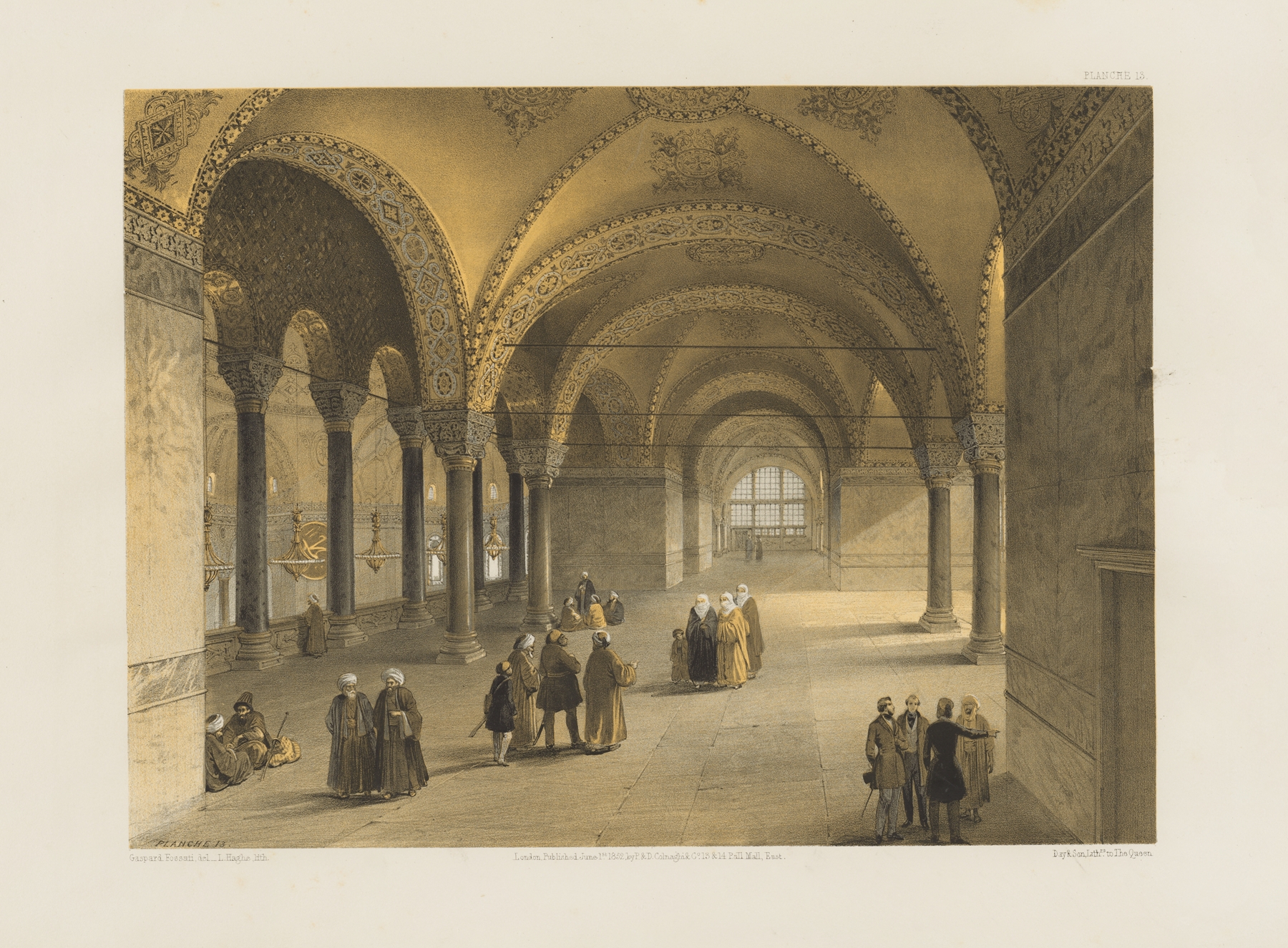
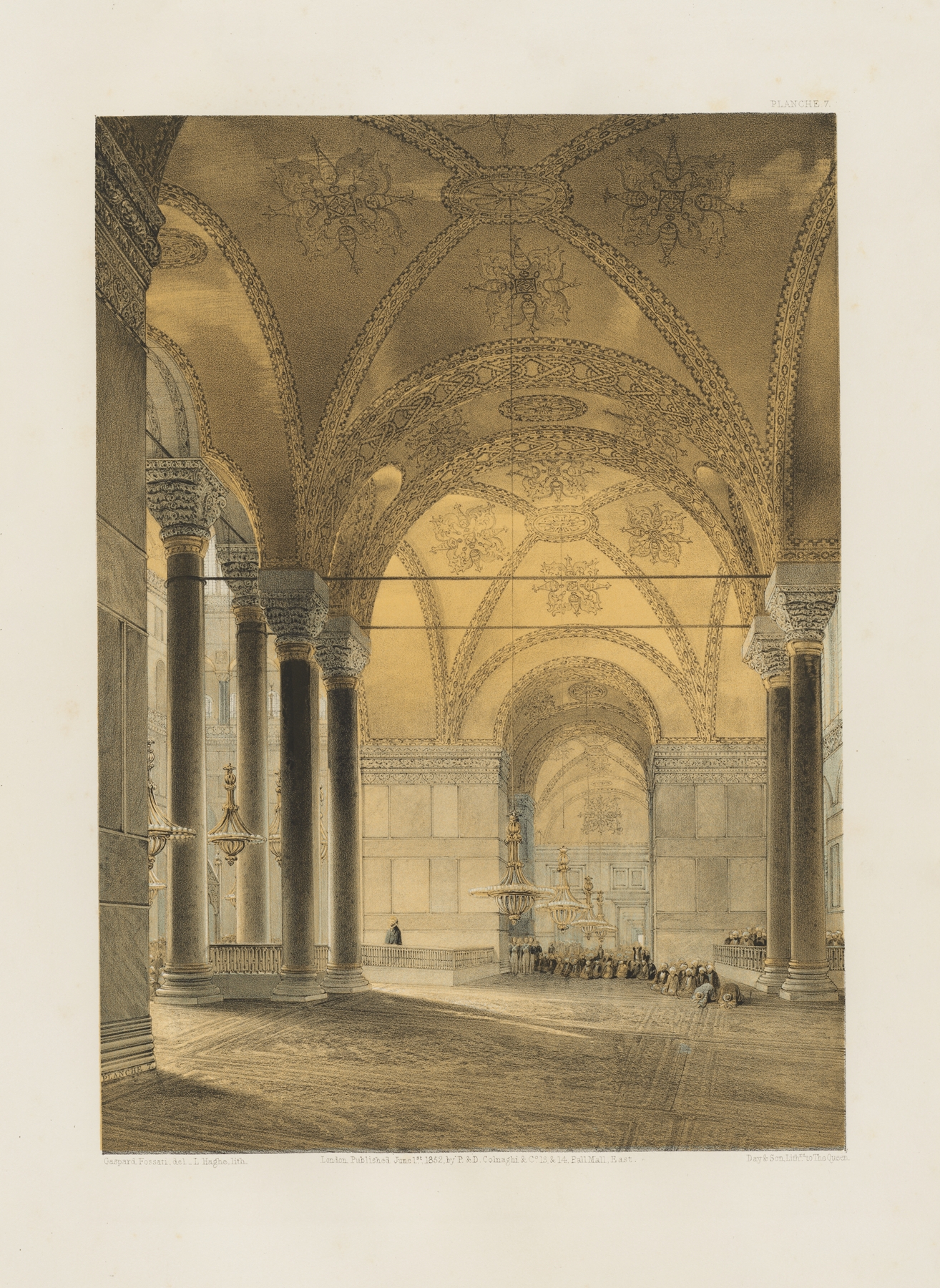
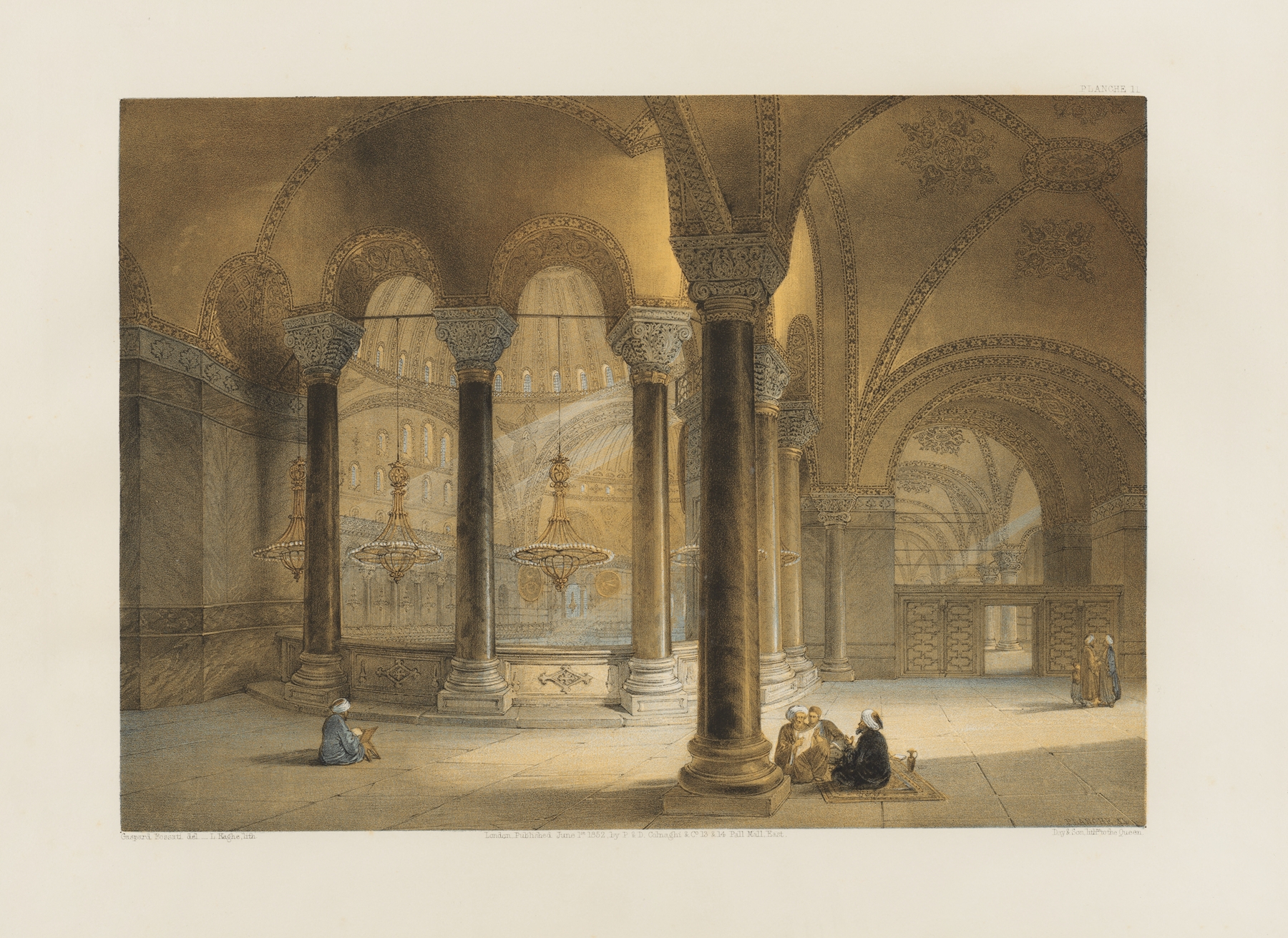
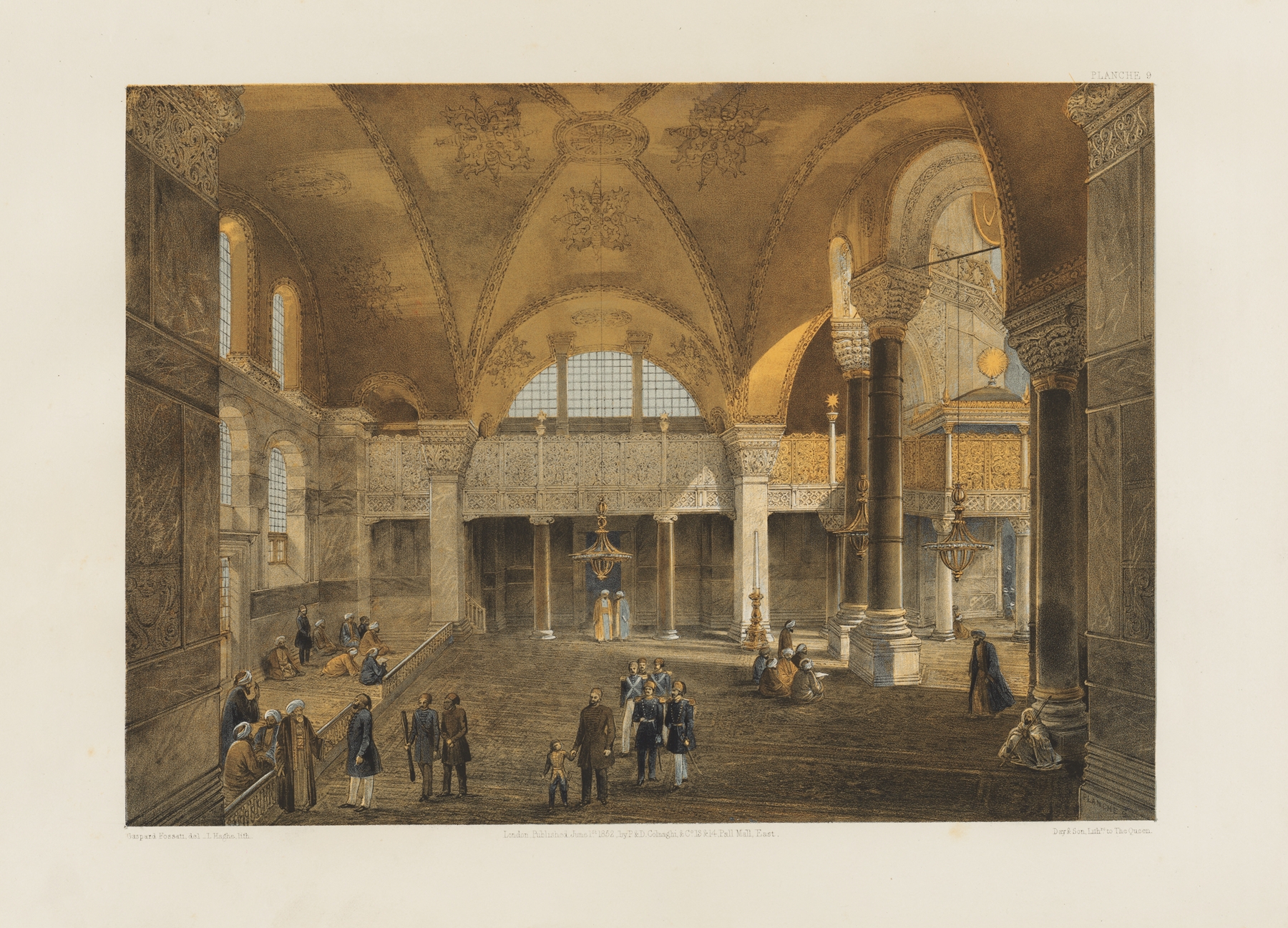
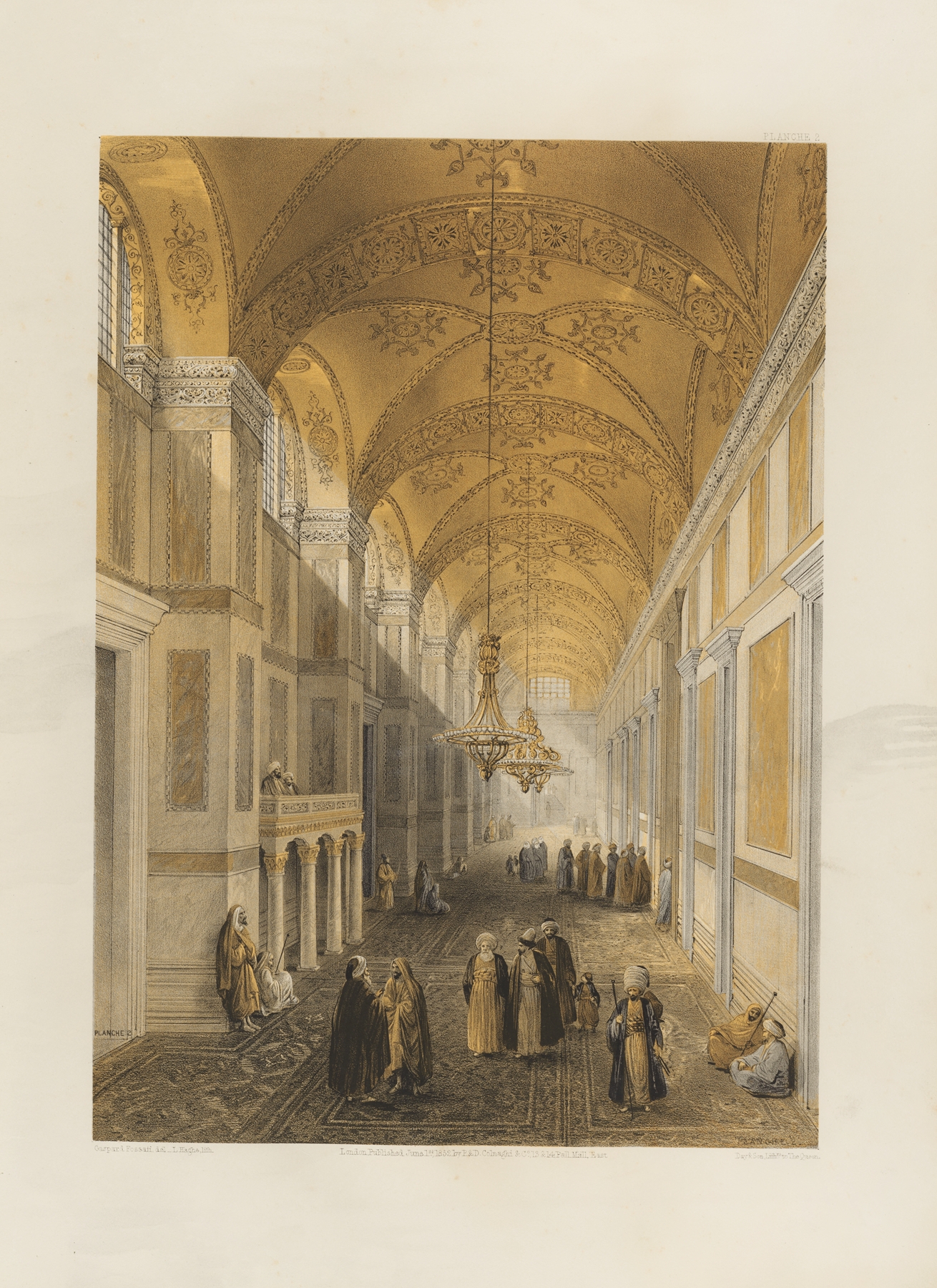
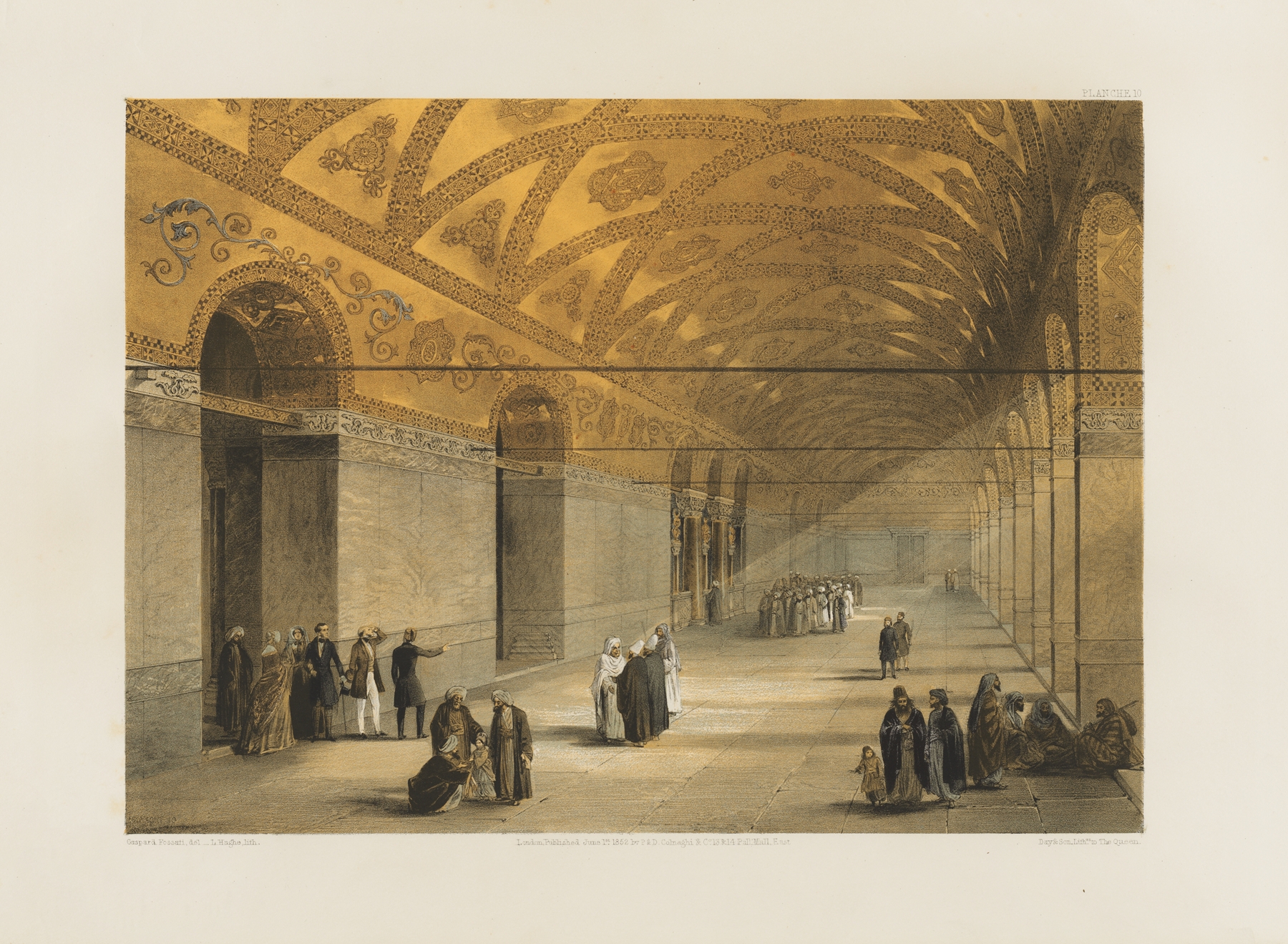
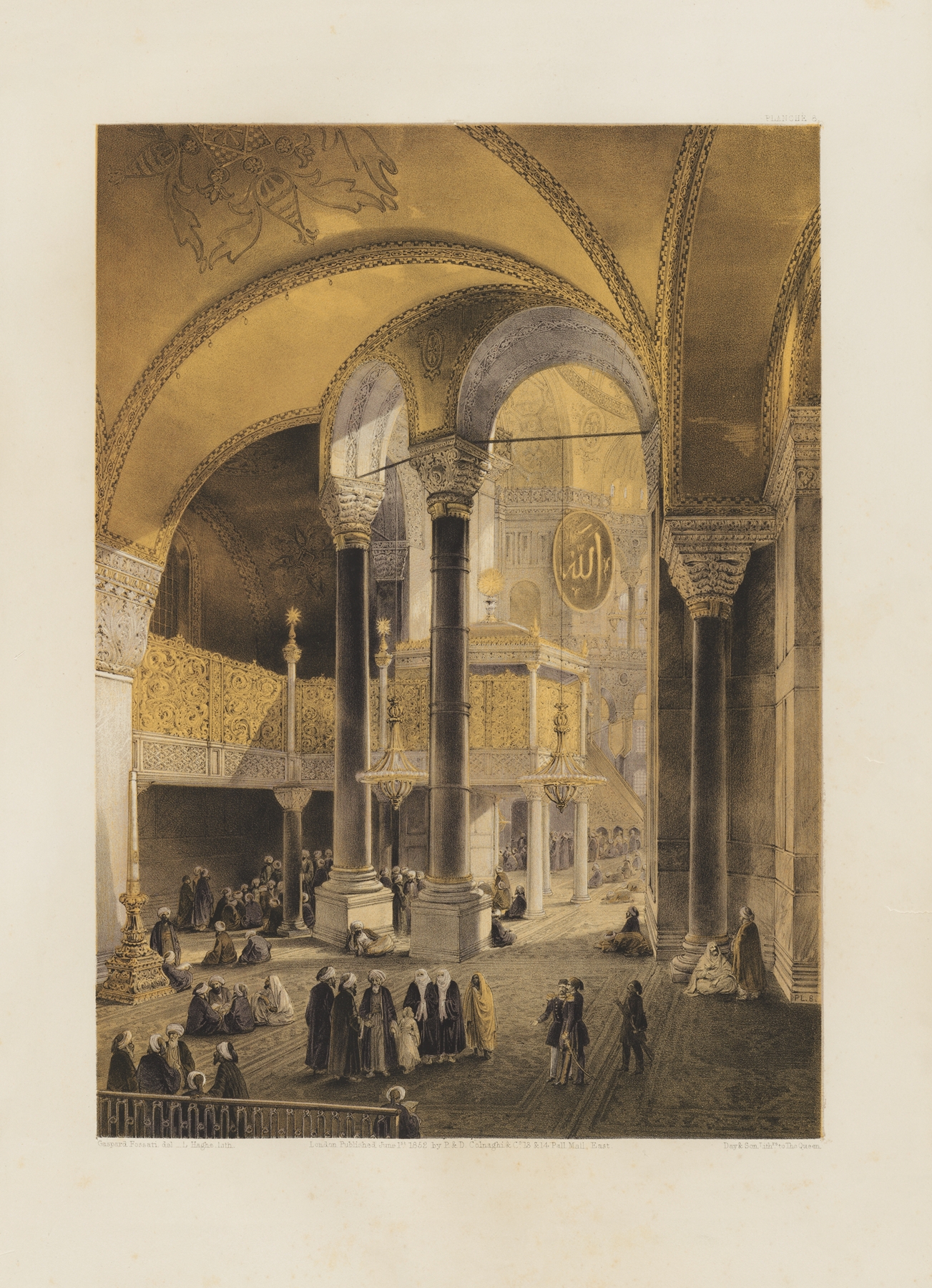
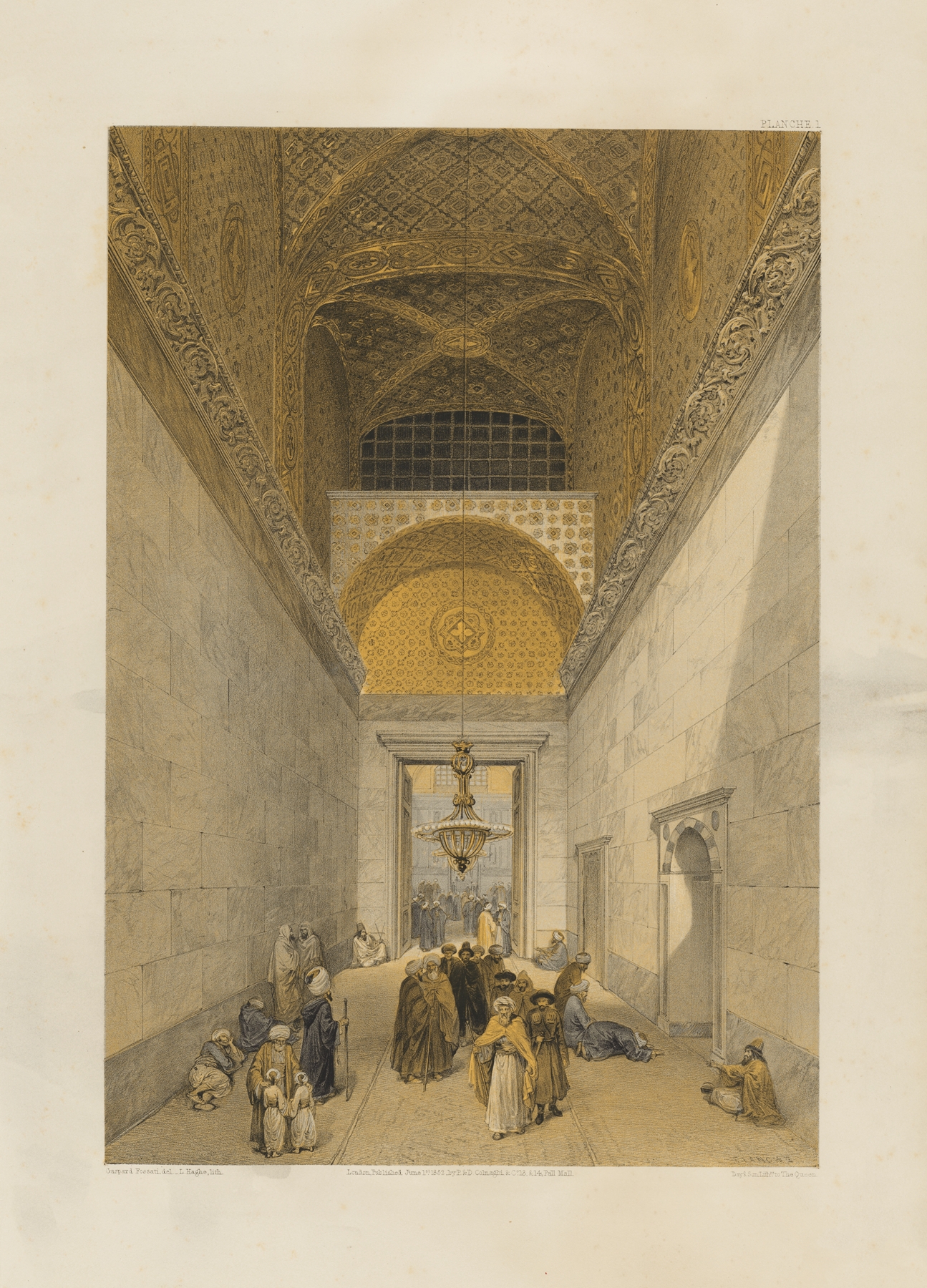
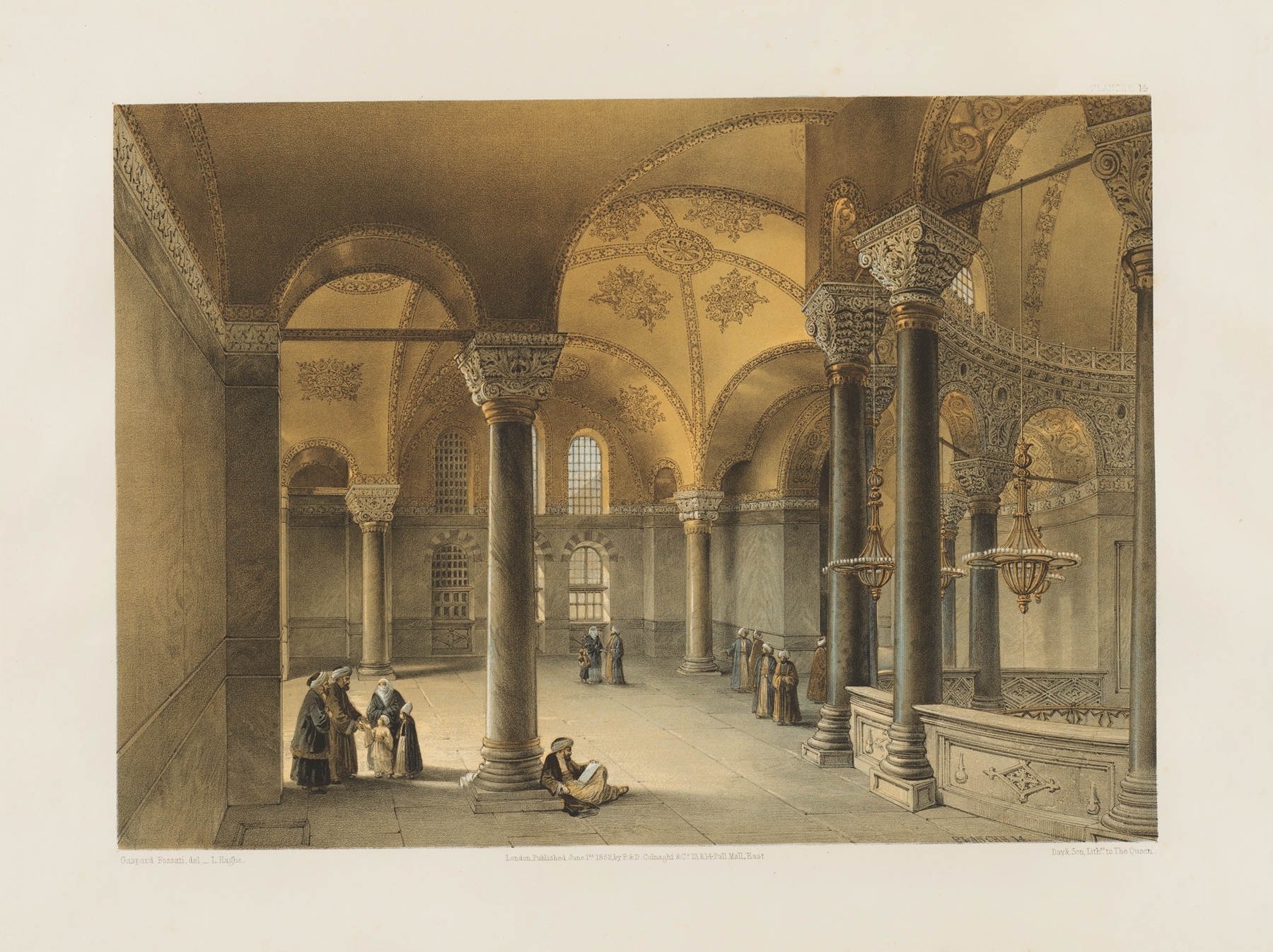
What if beauty was never meant to be finished? The very essence of Aya Sofia, Constantinople captures a yearning for the eternal, a desire to preserve the transitory glory of human achievement. Look to the center of the canvas, where the majestic dome stretches upwards, inviting the viewer into its celestial embrace. Notice how the intricate mosaics glisten with renewed vibrancy, each tessera reflecting light in a symphony of color.
The careful balance of shadow and illumination guides your eye, revealing the architectural prowess of the space, and the careful restoration that breathes new life into its storied walls. Yet, amid the splendor, there exists a palpable tension between the sacred and the secular. The grandeur of the architecture stands juxtaposed with the human figures, small and almost insignificant in comparison, as they navigate the vastness of this historic space. This contrast evokes a haunting echo of past reverence, stirring a longing not only for the building itself but for the myriad souls who have traversed its hallowed halls.
The interplay of light captures fleeting moments, suggesting that beauty is both ephemeral and everlasting. Gaspare Fossati created this work in 1852, during a period of great change in the Ottoman Empire. Tasked with documenting the restoration of the iconic structure by Sultan Abdul-Medjid, Fossati was immersed in a world where East met West, both in art and culture. This painting stands as a testament to a moment in history, reflecting Fossati's dedication to preserving the beauty of a beloved landmark while acknowledging the passage of time and its effect on legacy.