Aya Sofia, Constantinople; as recently restored by order of H. M. the sultan Abdul-Medjid Pl.24 — History & Analysis
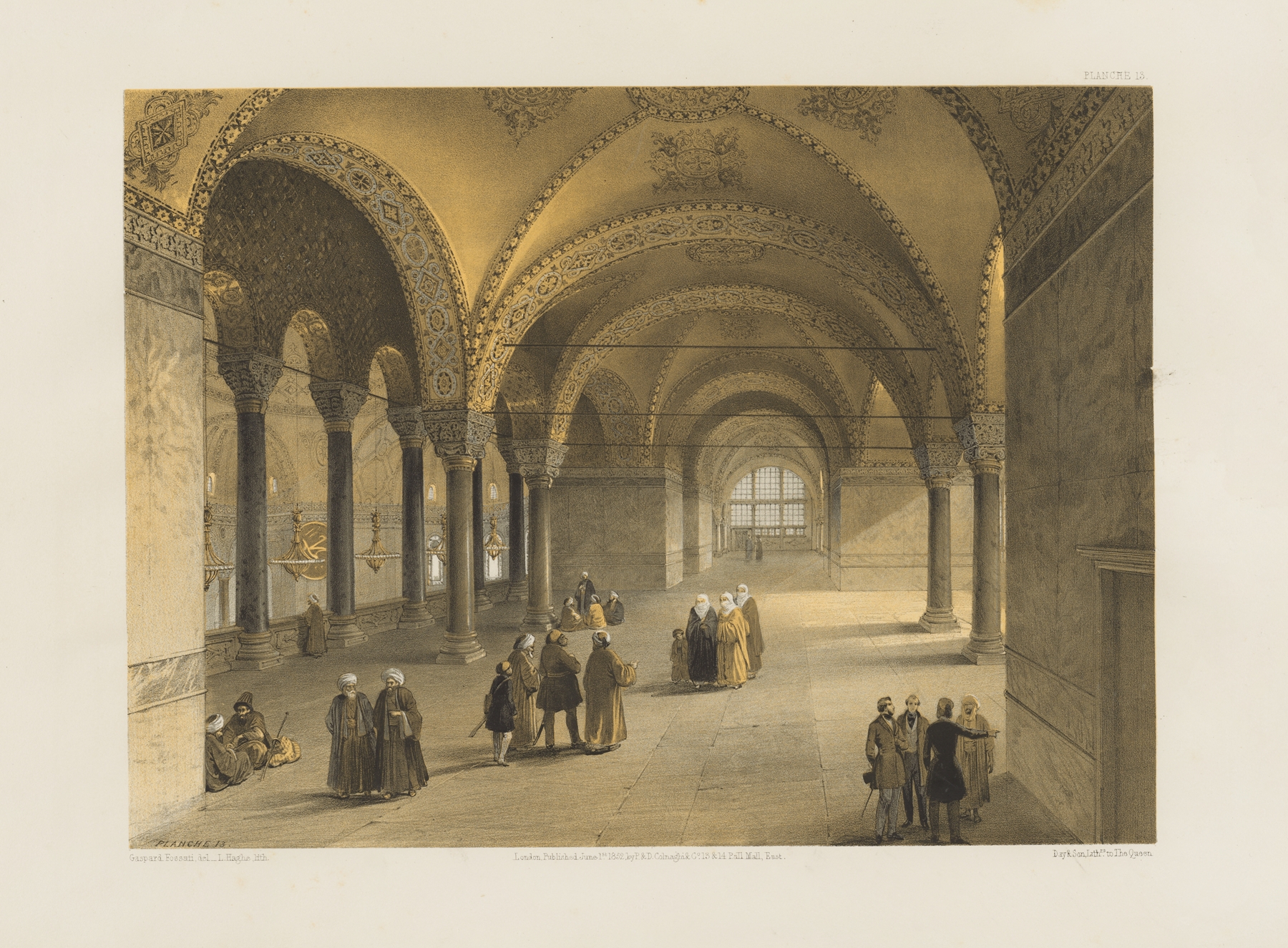
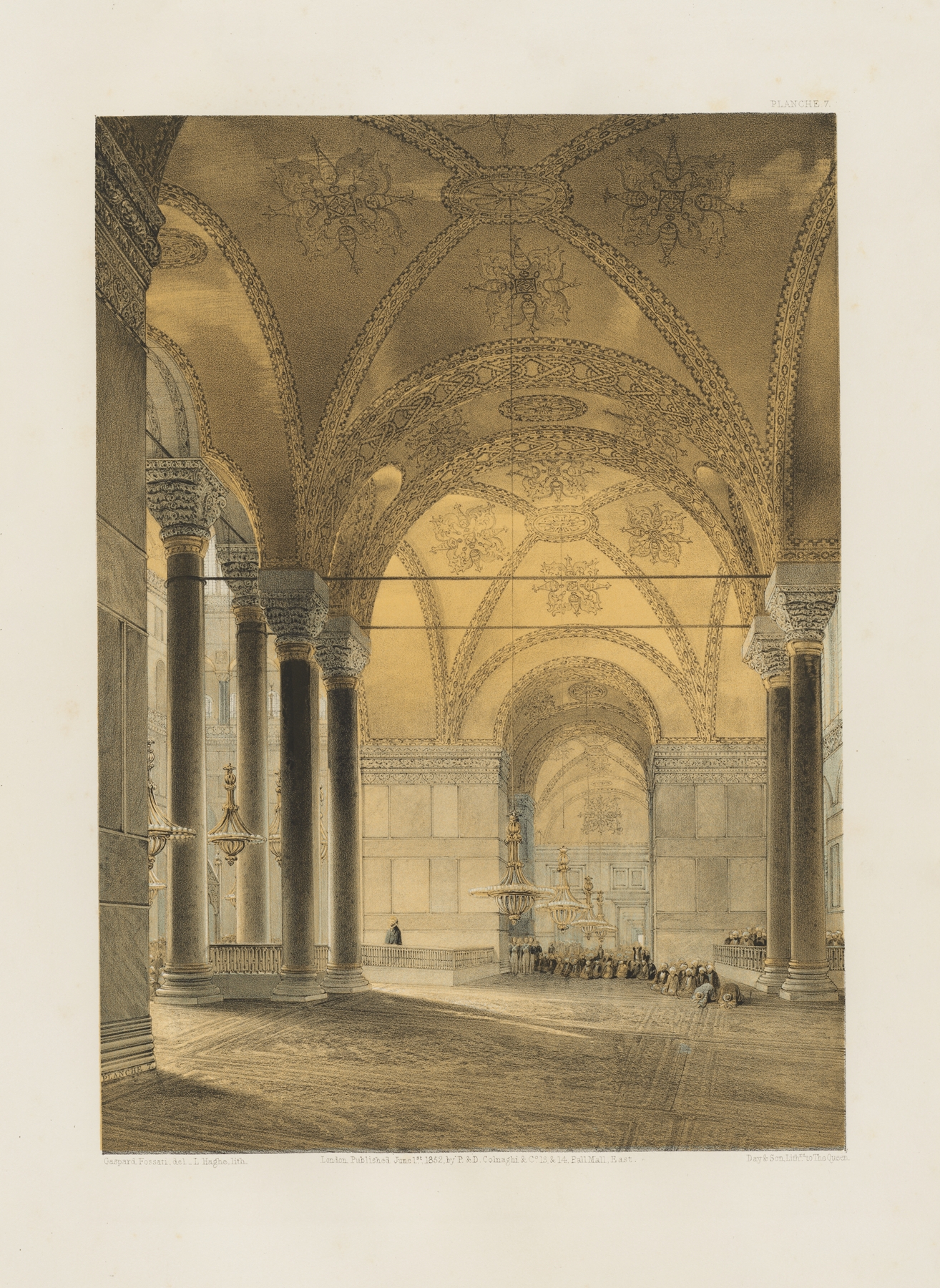
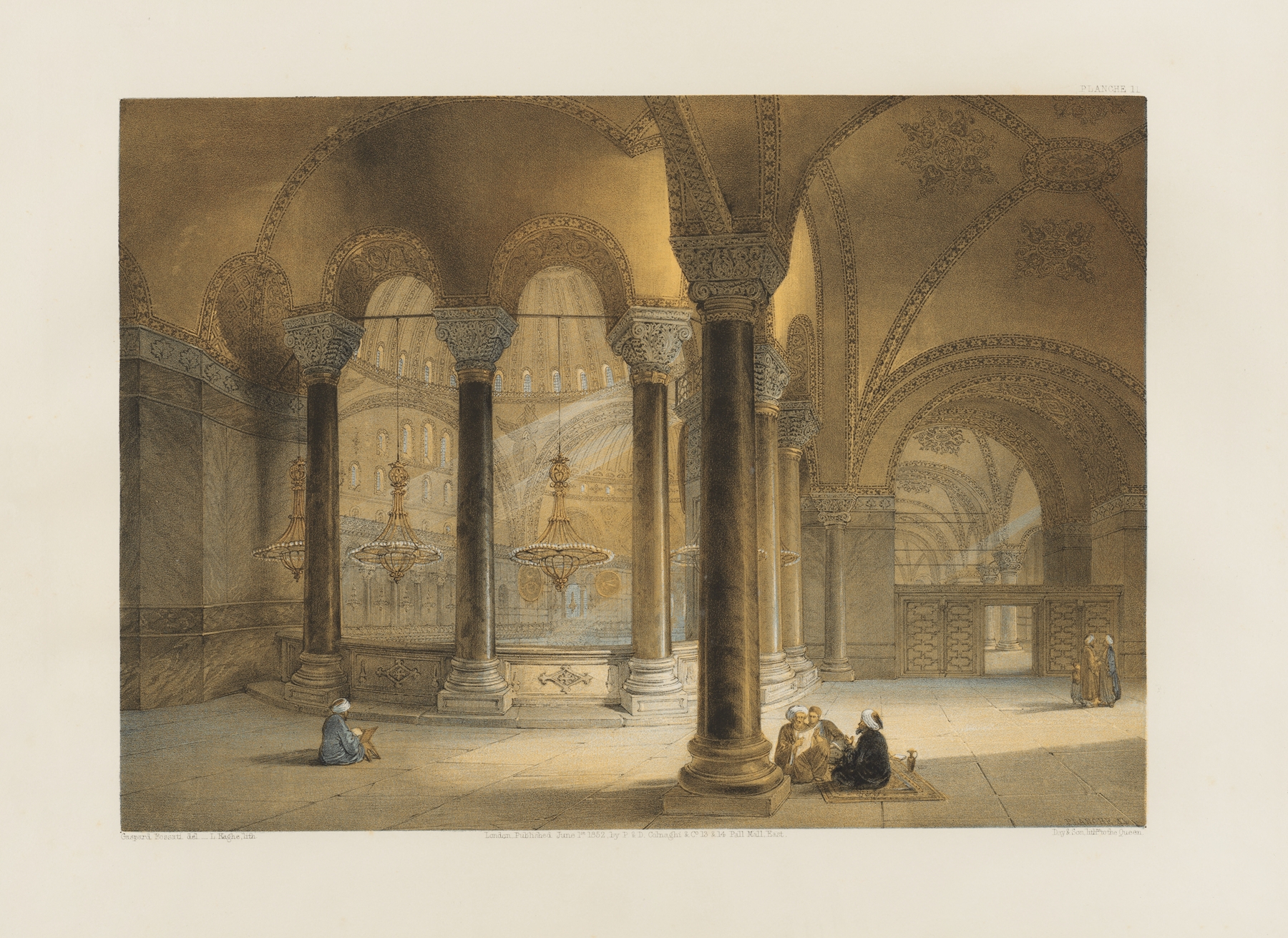
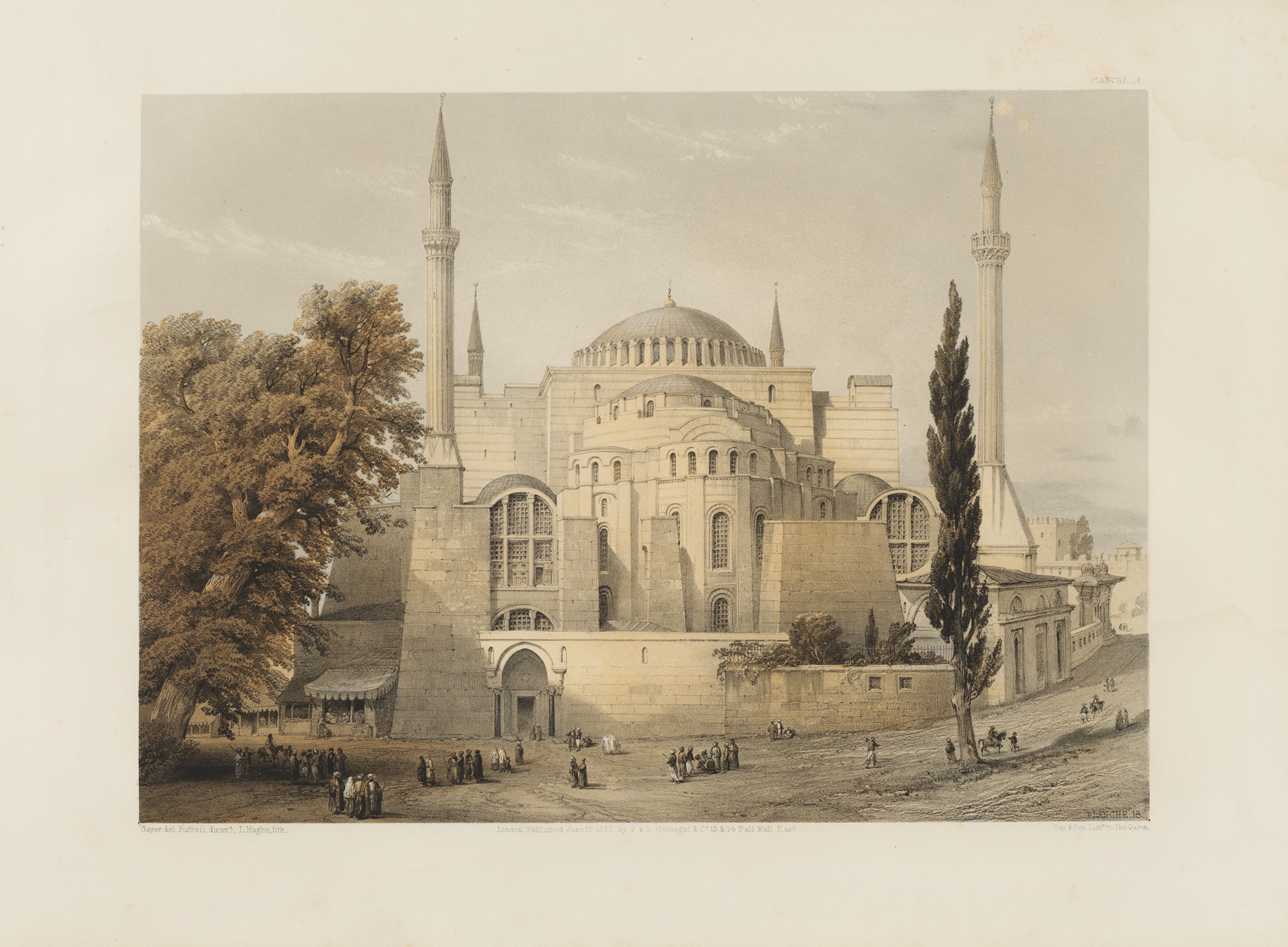
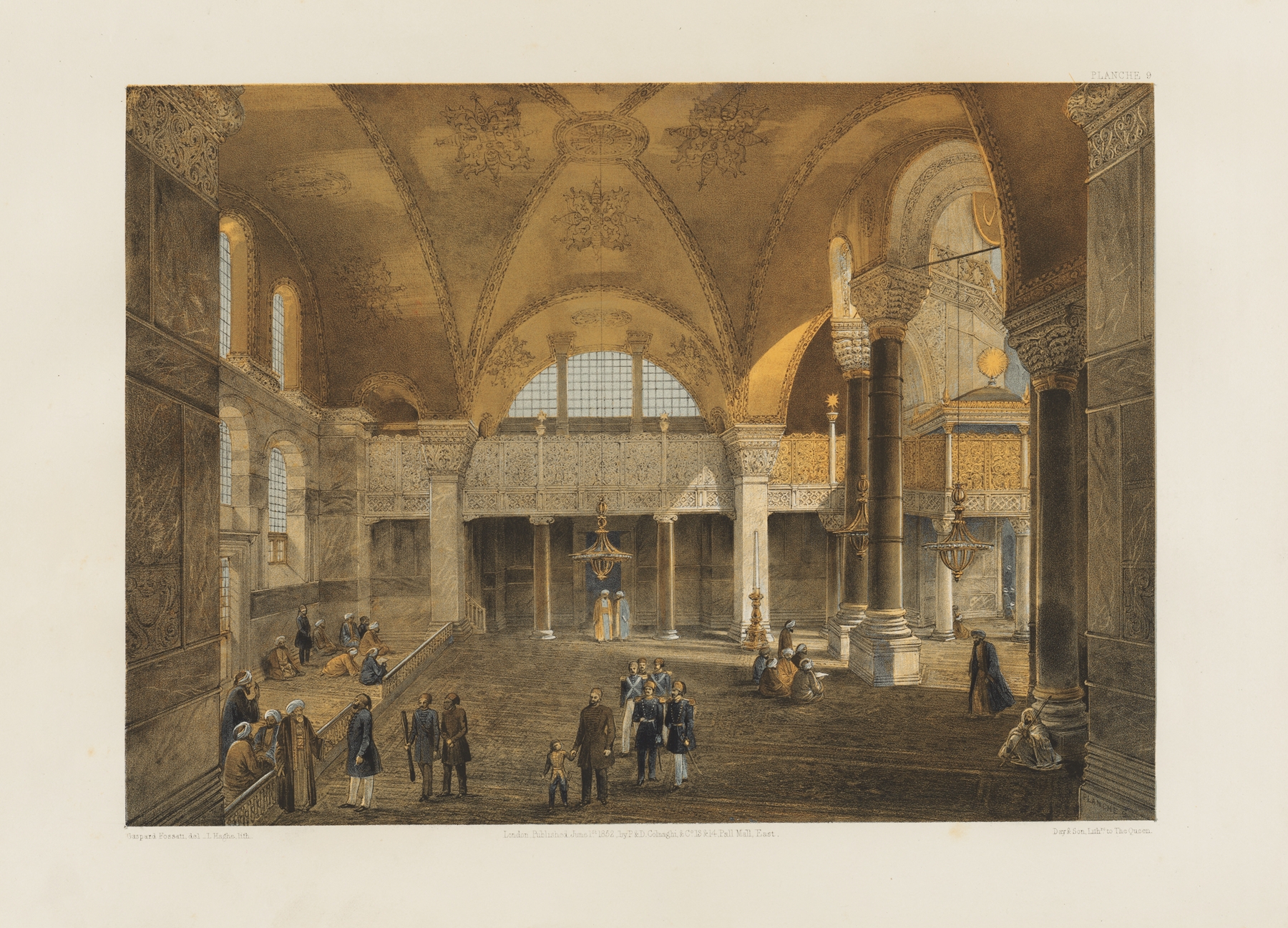
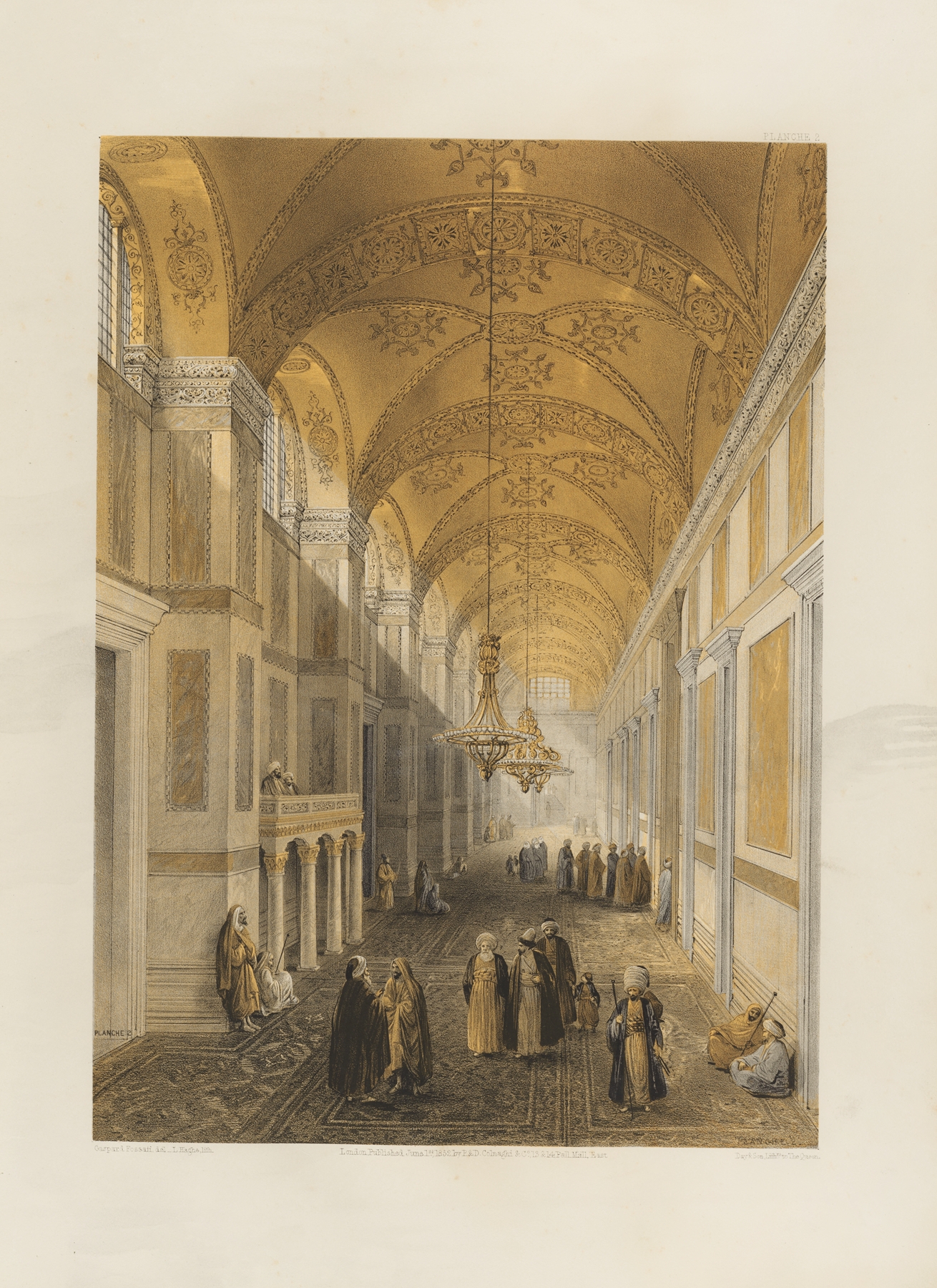
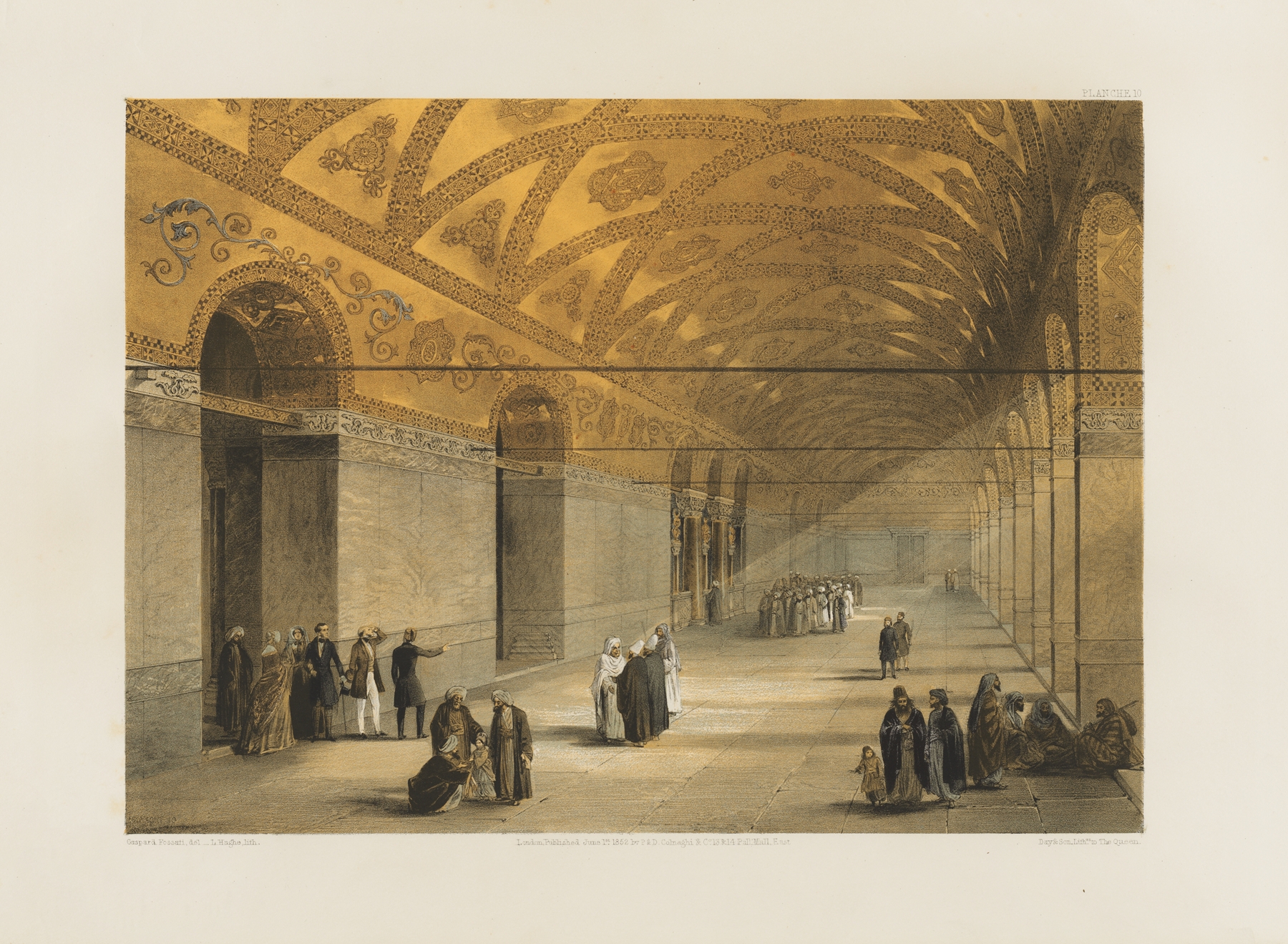
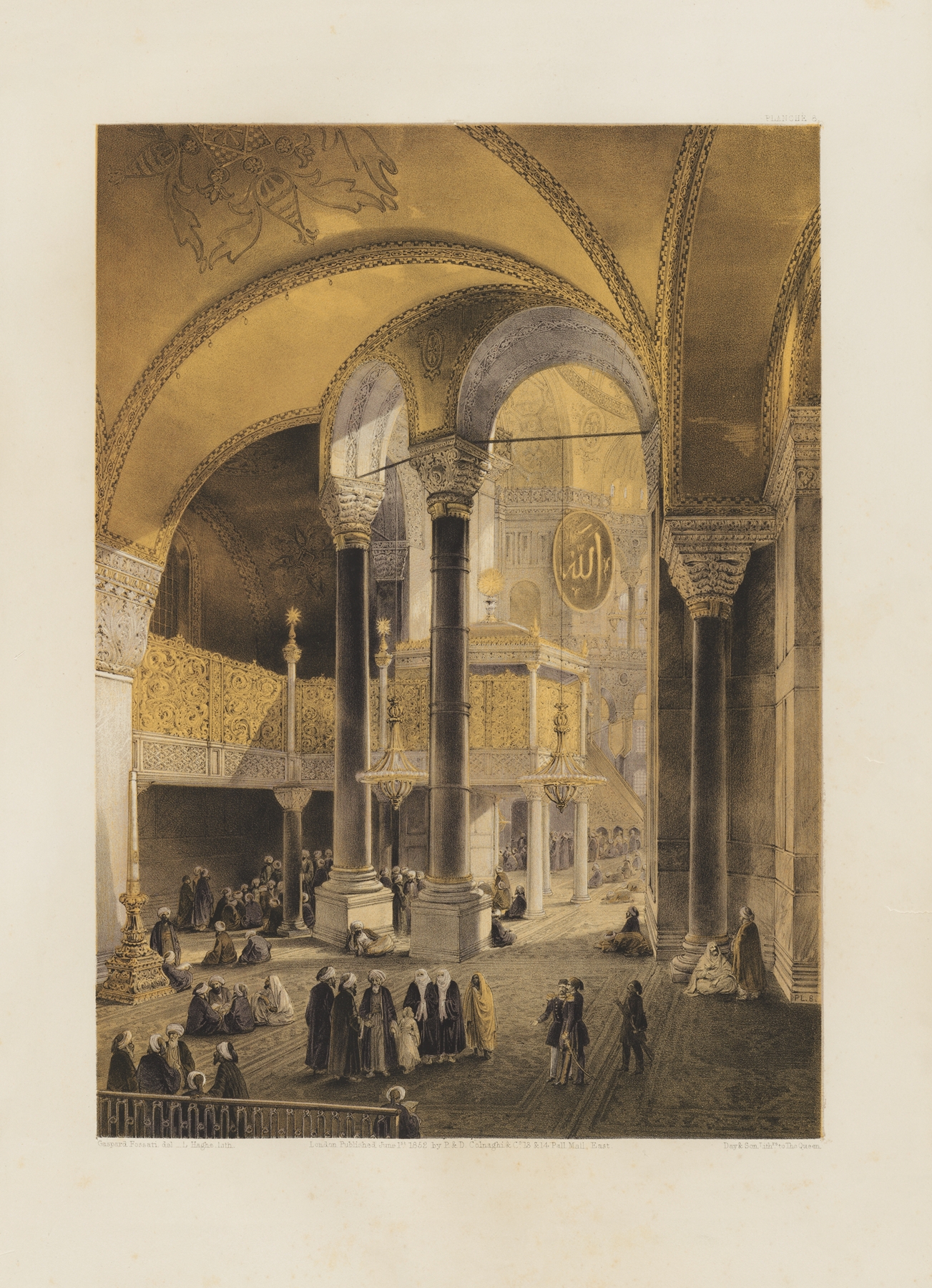
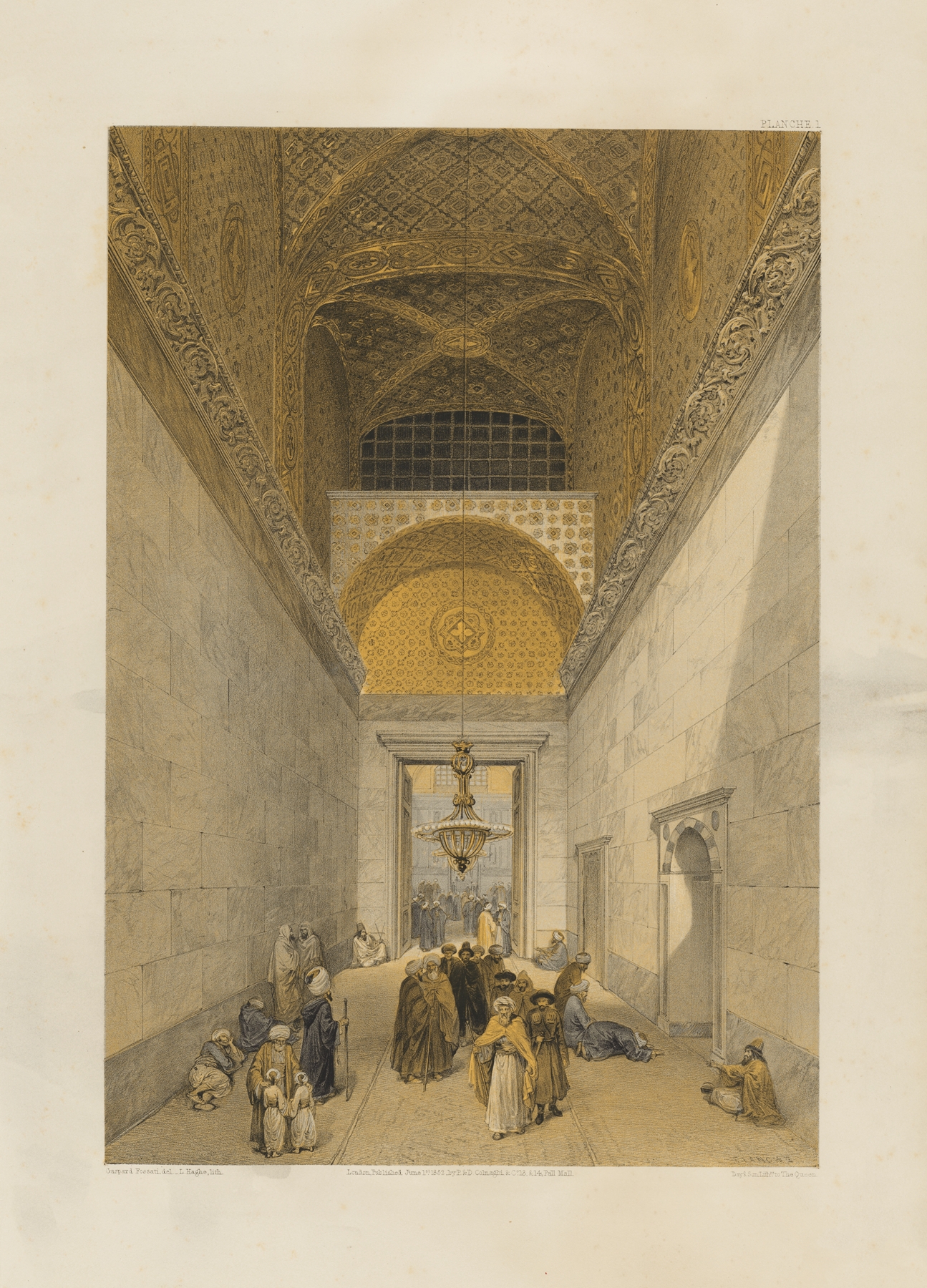
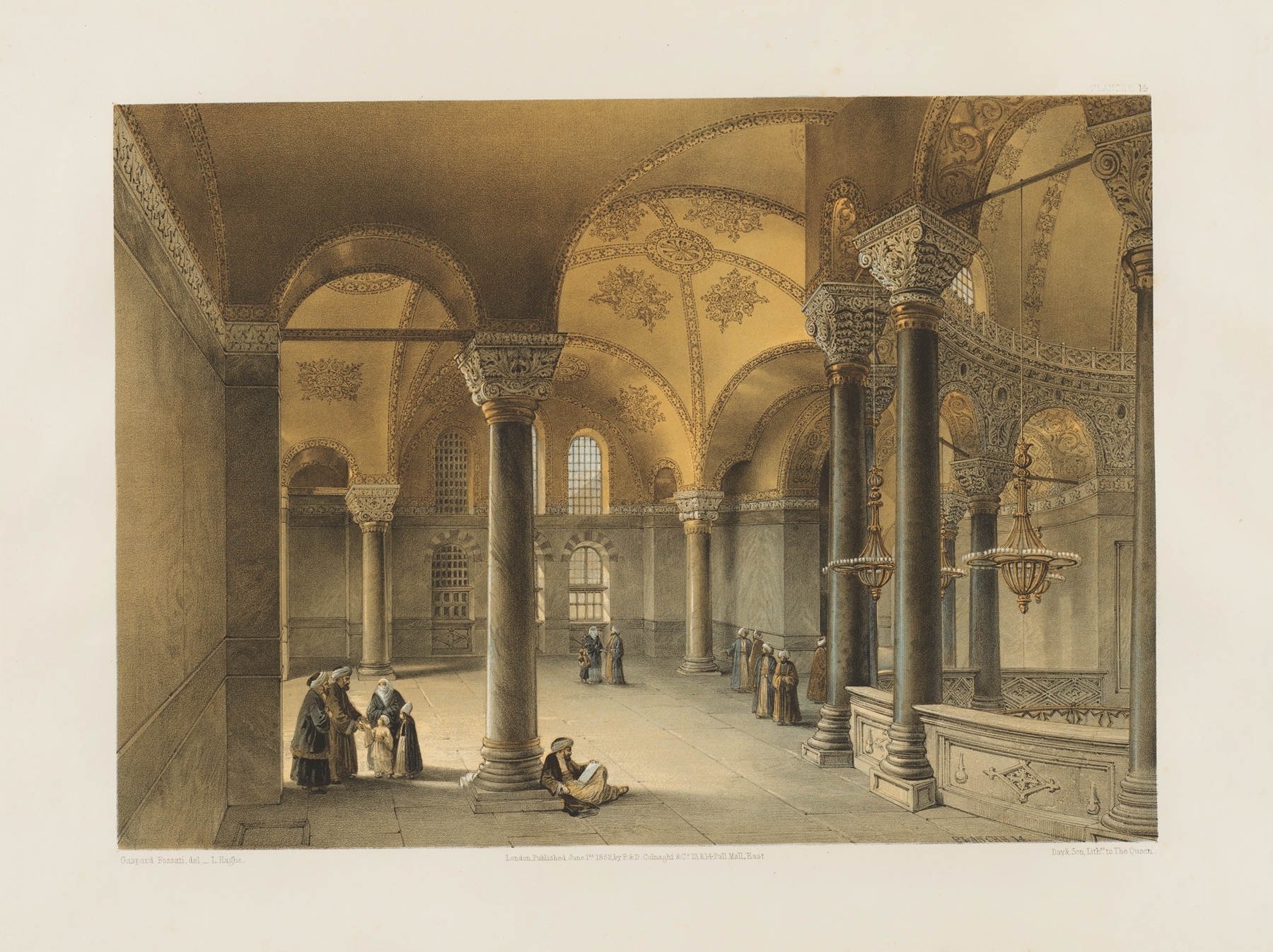
“Under the brush, chaos becomes grace.” A memory, both fleeting and eternal, finds its way onto the canvas, revealing the hidden beauty of a world long past. In this work, every stroke is a whisper of history, inviting viewers to remember what was and what remains. Look to the left at the majestic domes of Aya Sofia, their sweeping curves embodying both grandeur and serenity. The intricate mosaics sparkle under light filtered through ornate windows, casting a mosaic of colors across the floor. Notice how Fossati employs rich, earthy tones alongside delicate golds, creating a warm atmosphere that brings the architectural marvel to life.
The meticulous attention to detail invites us to explore every corner of the scene, revealing layers of artistry and cultural significance. Yet, beneath the surface beauty lies a poignant contrast — the delicate interplay between preservation and decay, memory and reality. In the arches and columns, we sense the weight of time, a reminder of the myriad souls who once walked these hallowed halls. Fossati’s brush captures the essence of a moment suspended between the past and future, invoking both nostalgia and reverence.
The restoration, though visually splendid, prompts contemplation of what is lost in the process of revival. This artwork was created in 1852 as part of his efforts to record the architectural splendor of Constantinople during a period of significant change. The artist worked under the patronage of Sultan Abdul-Medjid, who was modernizing the empire in response to Western influences. Fossati’s detailed renderings served not only as a tribute to the past but also as a bridge linking the Ottoman traditions with the evolving art world of his time.