Bamborough Castle, Northumberland — History & Analysis
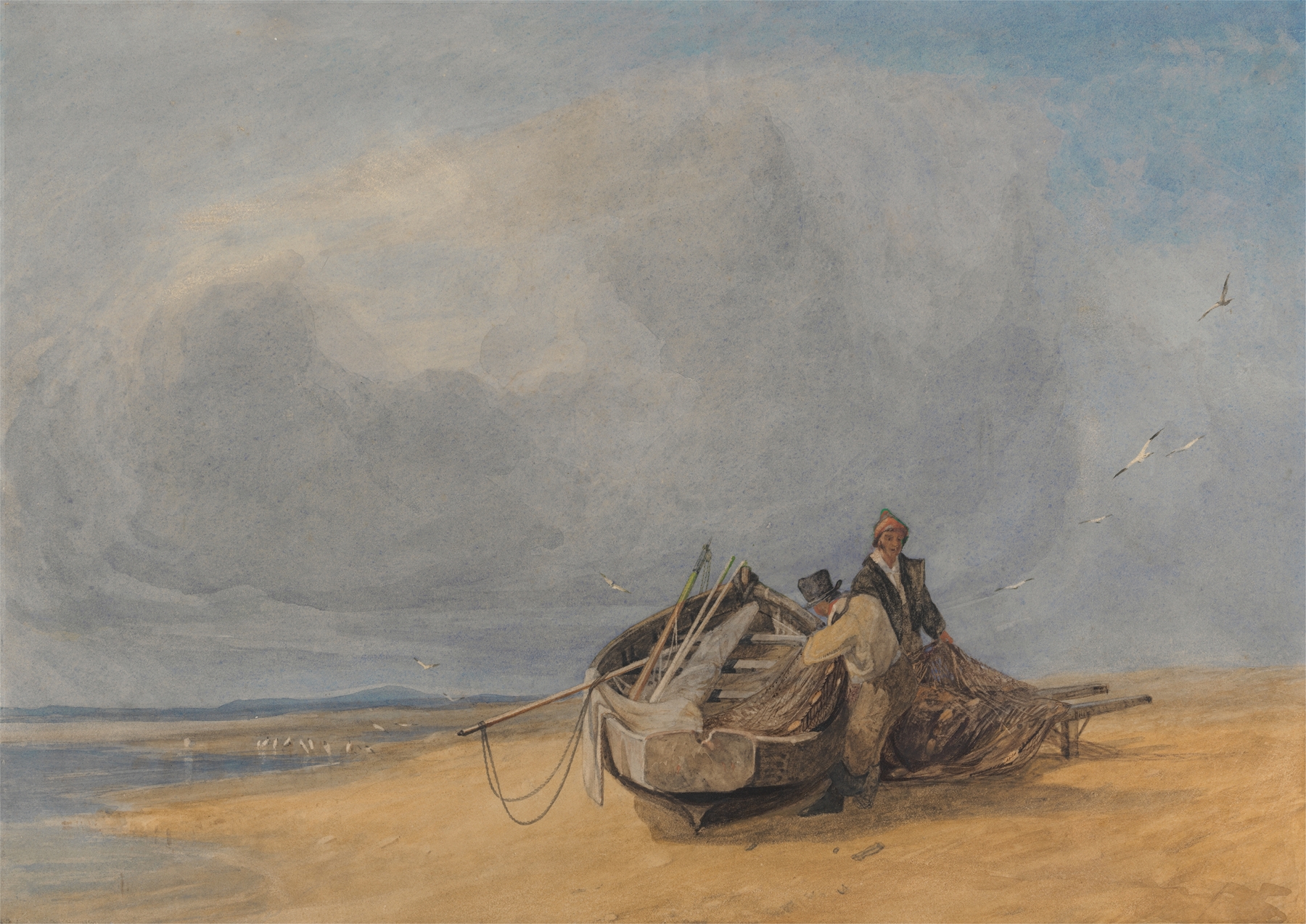
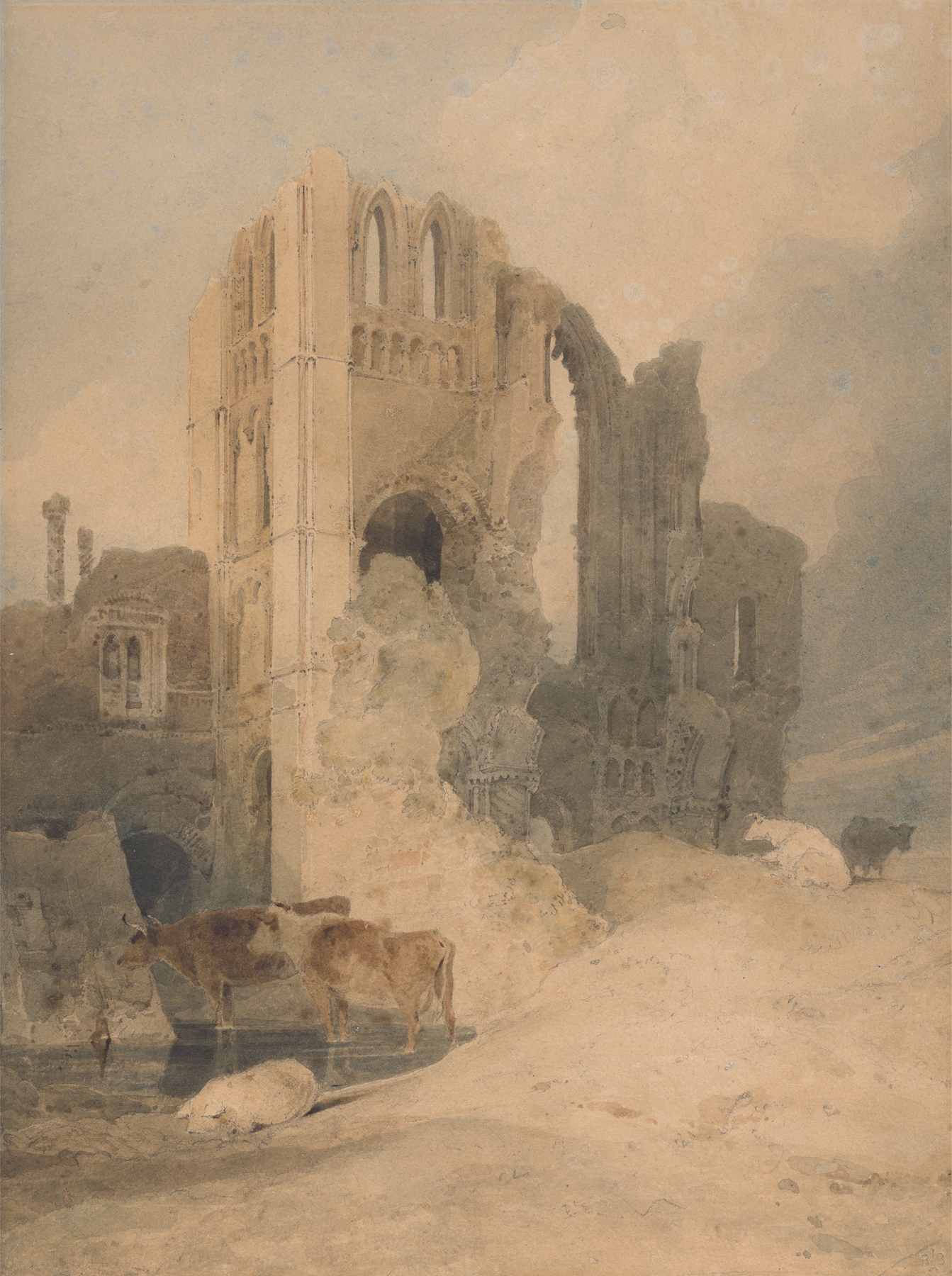
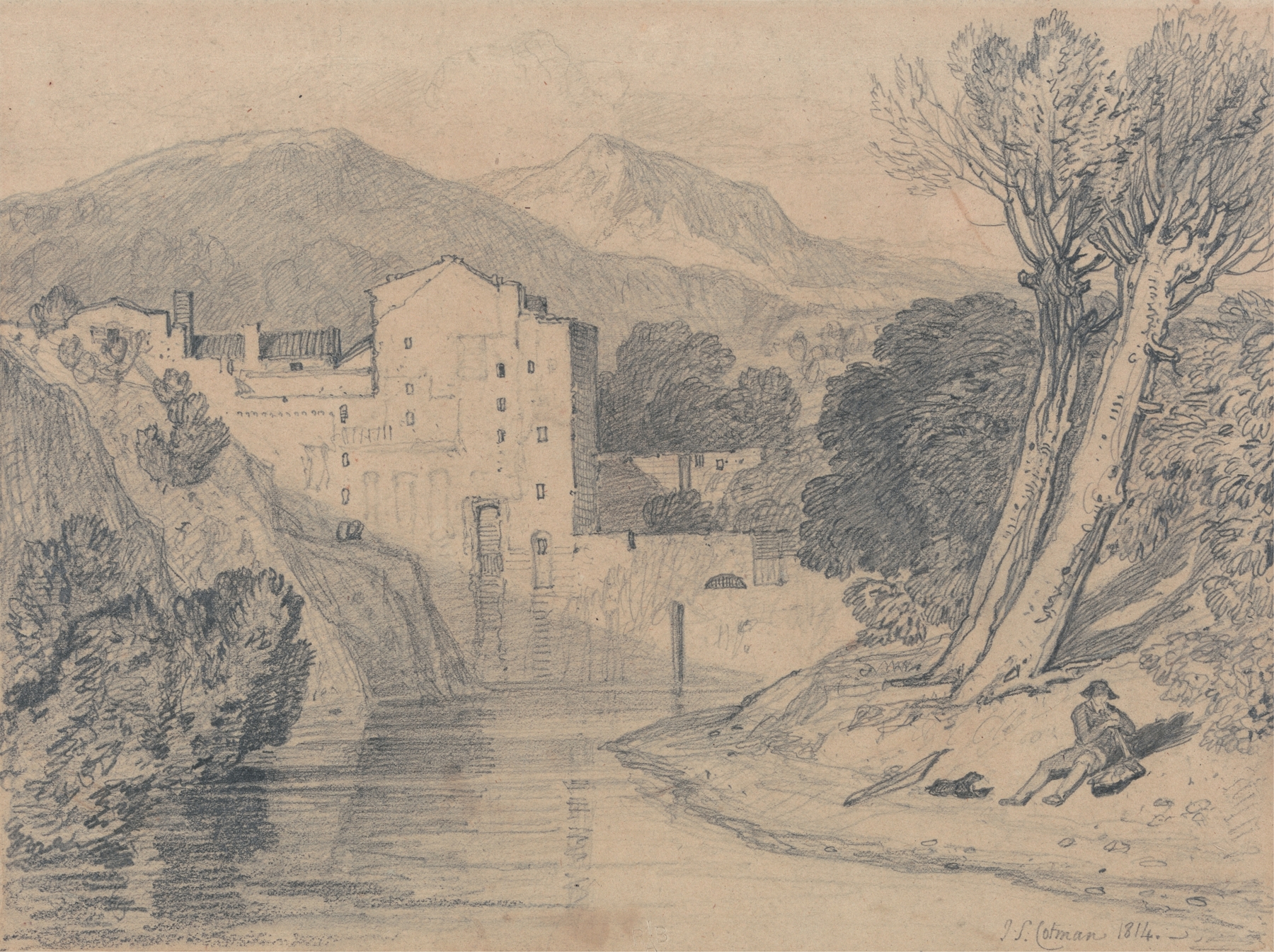
“The canvas doesn’t lie — it simply waits.” In the hush between brushstrokes, a moment of profound silence resides, inviting contemplation and reflection. Focus first on the imposing structure of the castle, which commands the upper left of the canvas. Notice how the artist employs muted tones of grey and ochre to portray its rugged walls, hinting at the weight of history. The sky, an array of soft blues and whites, creates a gentle contrast against the castle’s solidity, while wisps of clouds seem to float silently, emphasizing the stillness of the scene. The delicate interplay of light and shadow adds depth, drawing the eye to the castle’s towers, both majestic and somber.
Beneath the surface, a deeper narrative unfolds. The quietness of the landscape evokes a sense of isolation, reflecting the resilience of the castle against both time and the elements. The still waters in the foreground mirror the structure, creating a dialogue between what is seen and what is reflected. This interplay suggests a longing for connection, both with the past and within the vast expanse of nature.
It speaks to the duality of permanence and transience, as the castle stands unwavering amidst an ever-changing world. In 1808, John Sell Cotman was immersed in the romanticism of the British landscape, capturing the essence of his surroundings in Northumberland. This period marked a significant shift in his artistic style, as he moved towards a more lyrical interpretation of the landscape. Cotman was not only painting; he was responding to a growing national pride in the picturesque beauty of England, creating works that celebrated both architectural and natural grandeur.