Baumlandschaft mit verfallenem Gemäuer an einem Bach — History & Analysis
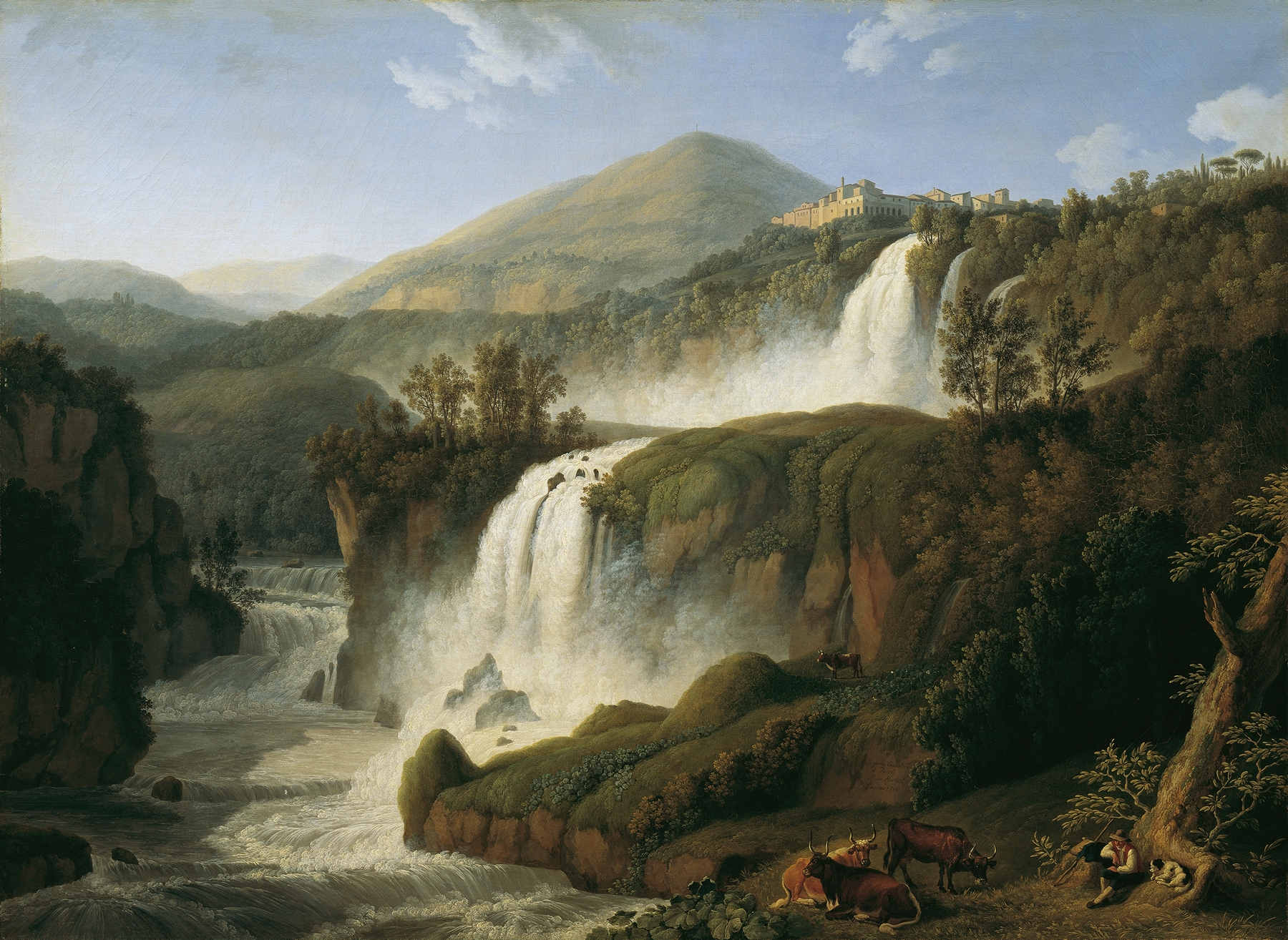
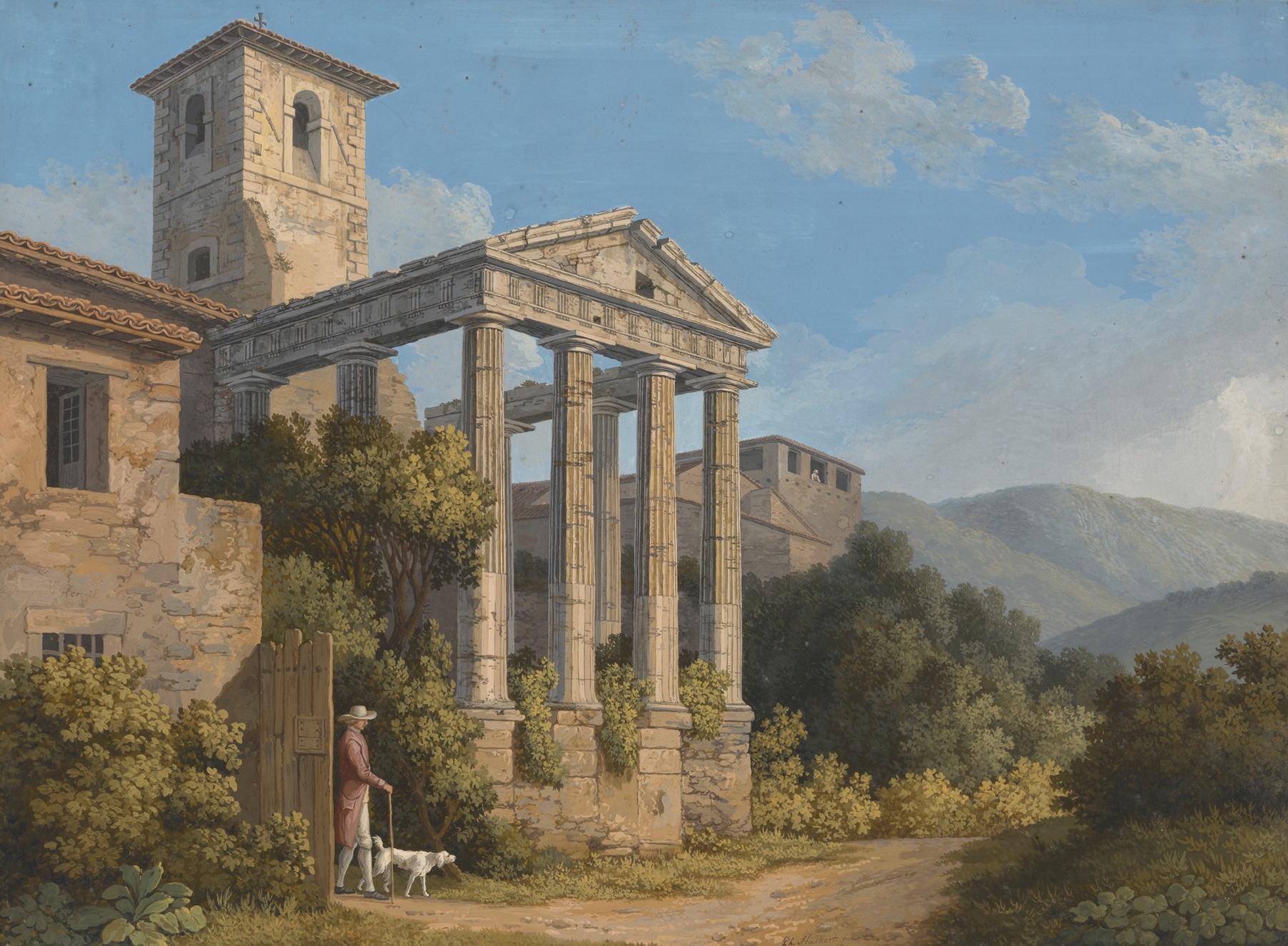
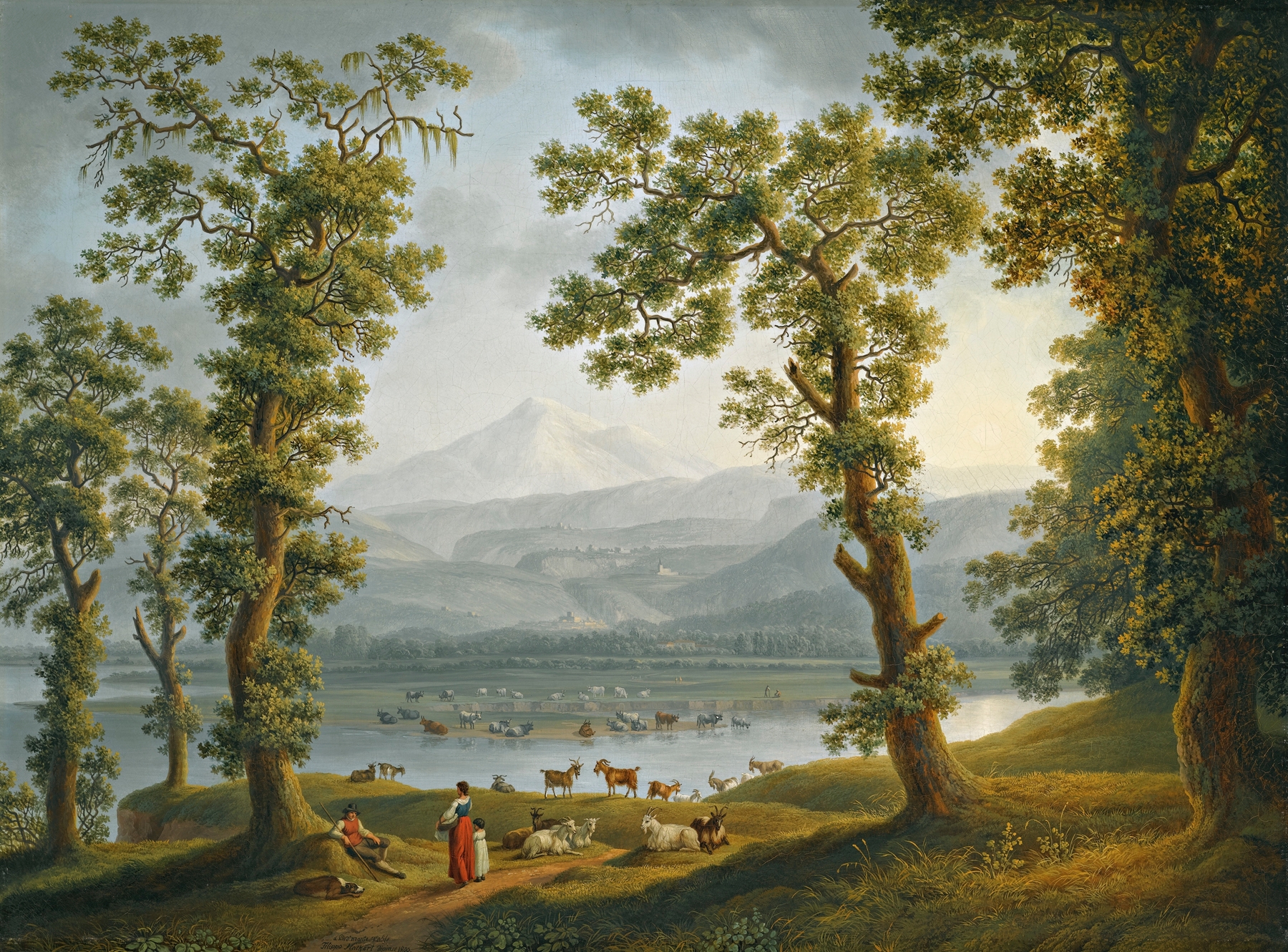
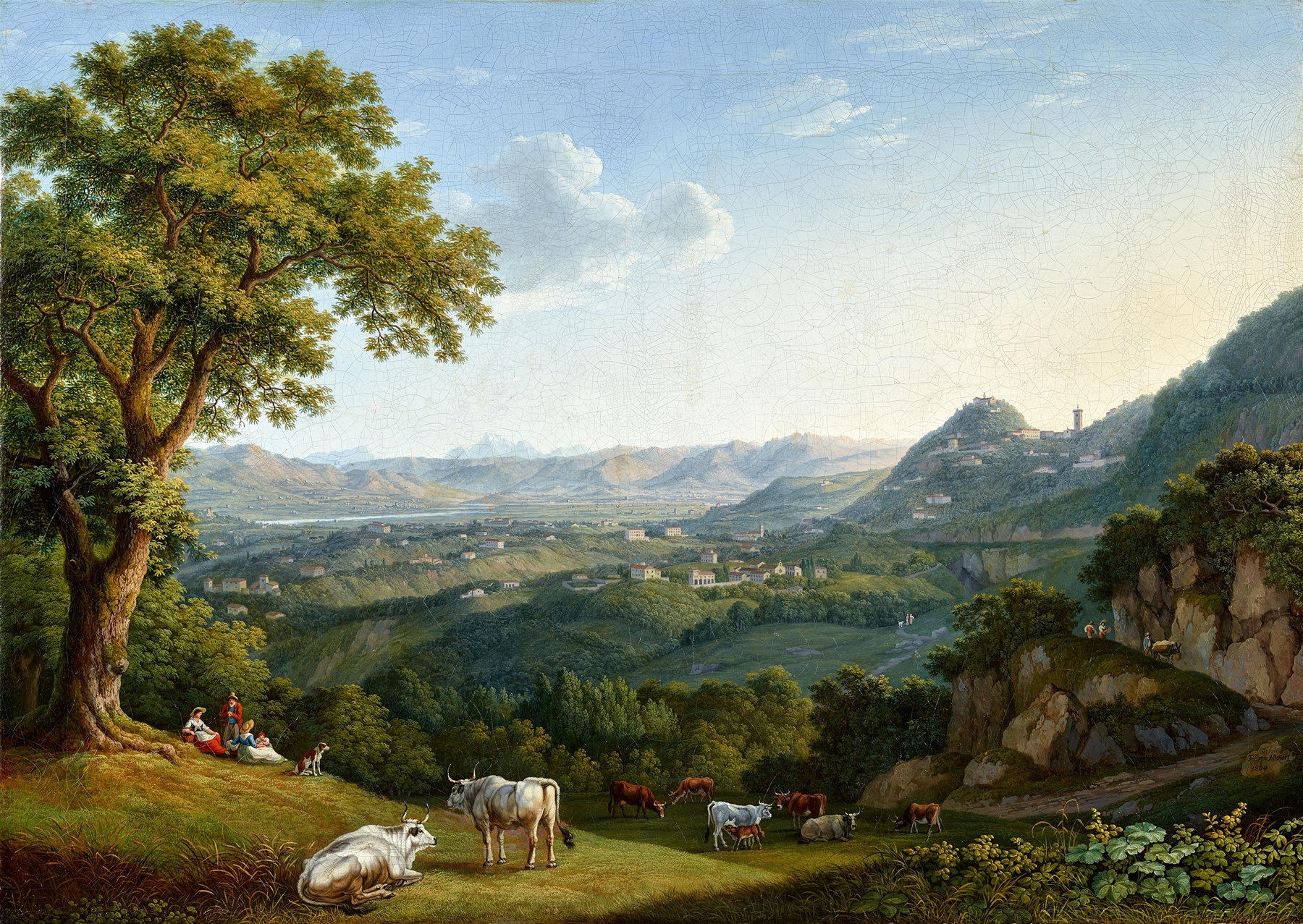
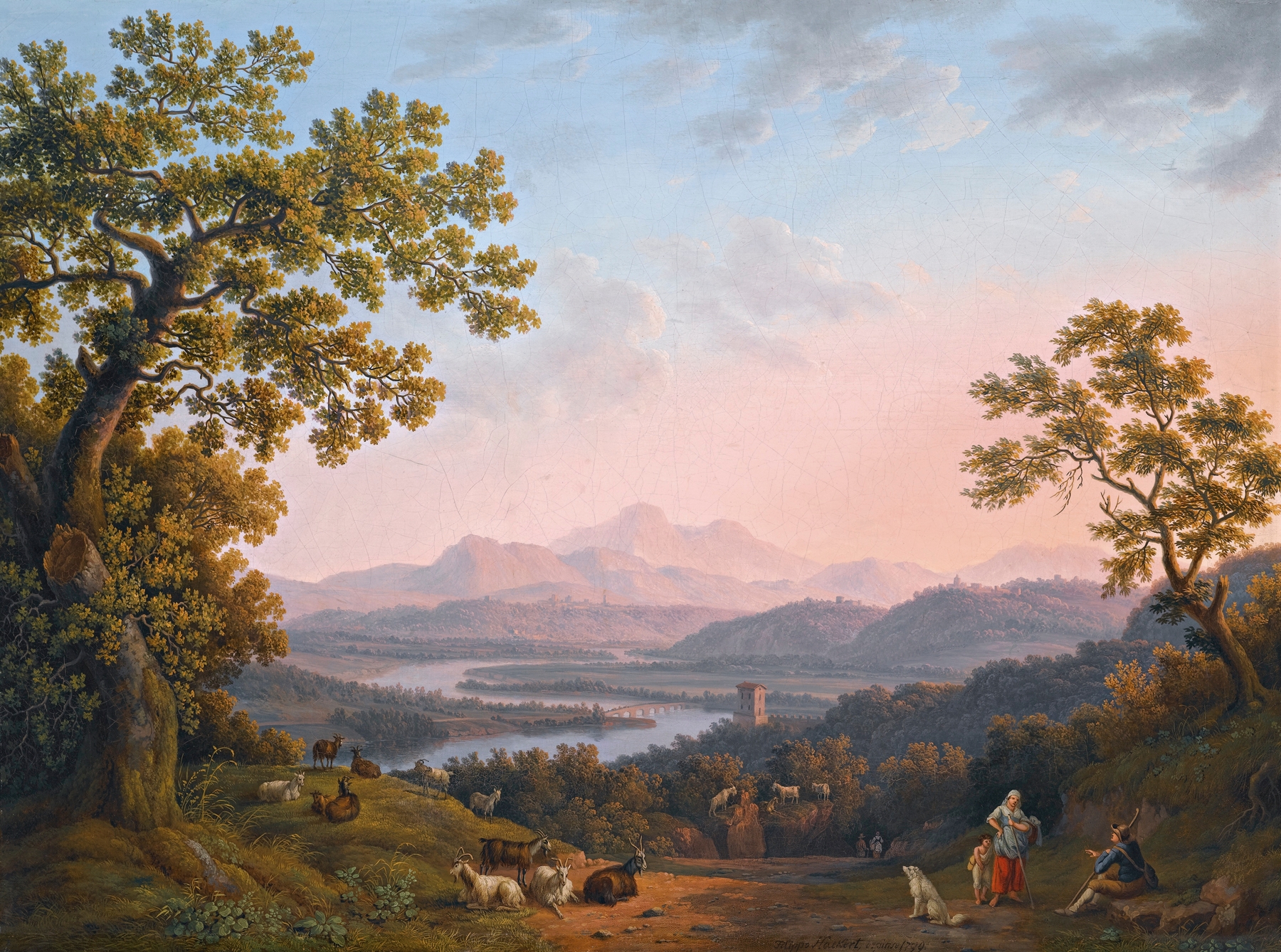
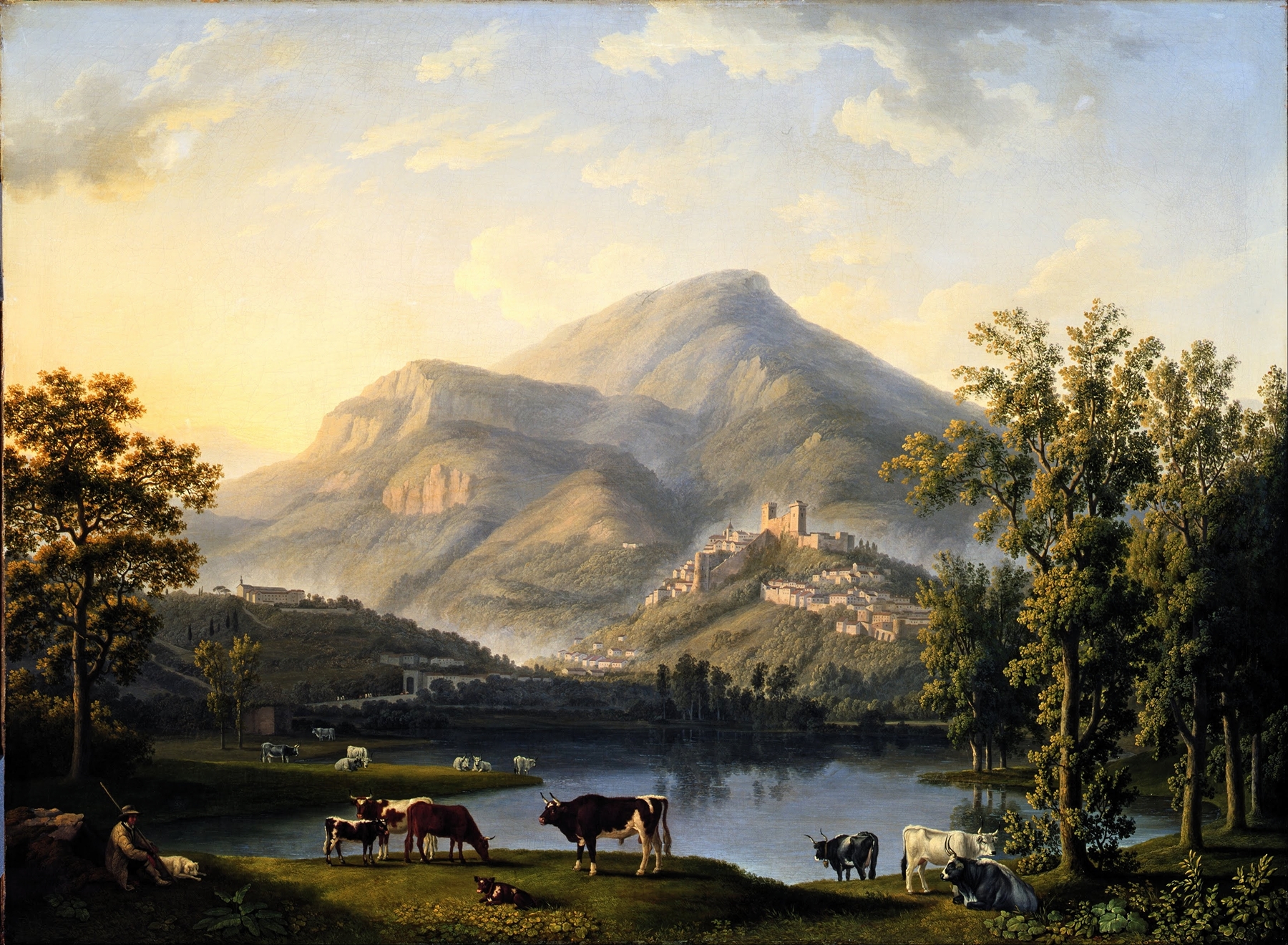
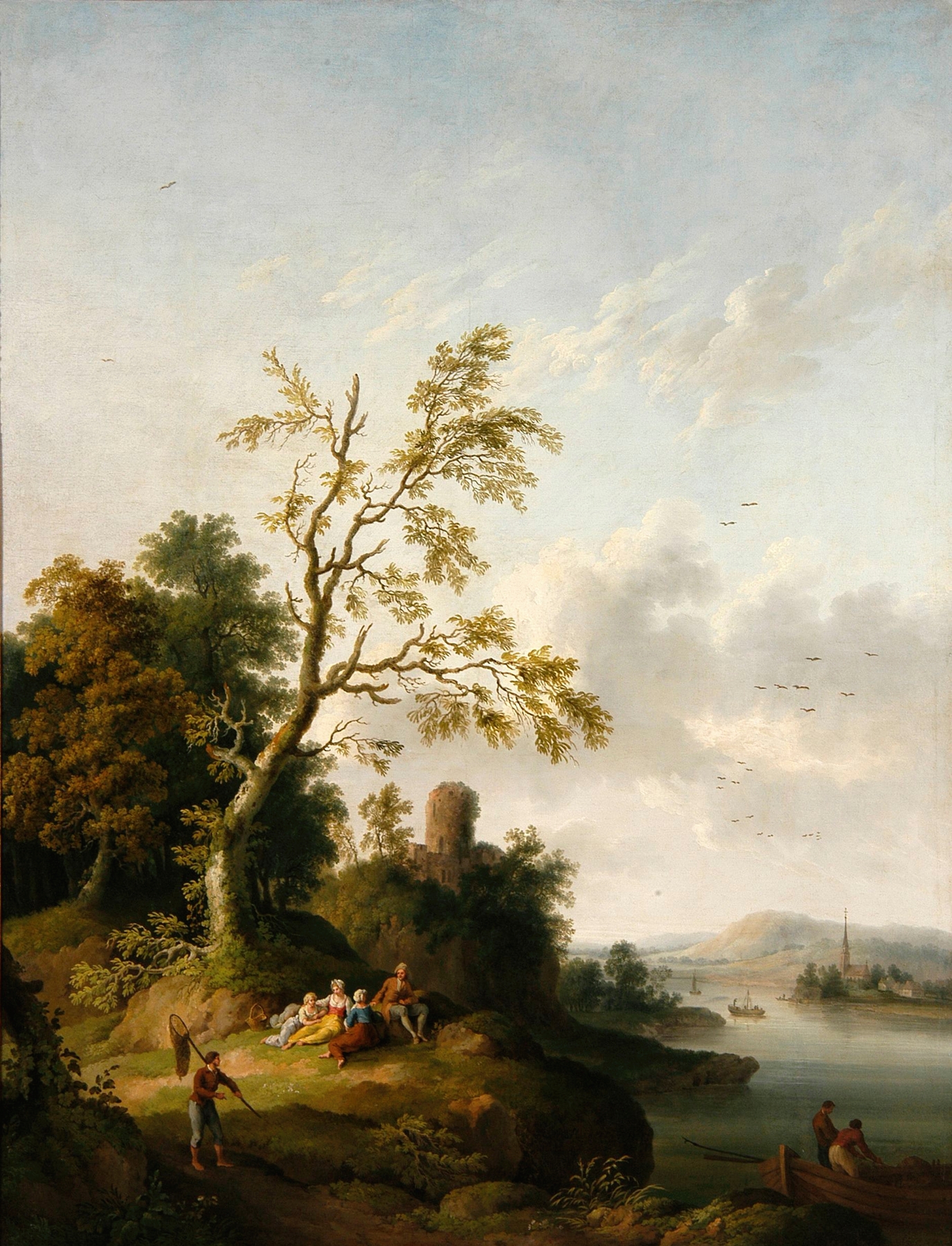
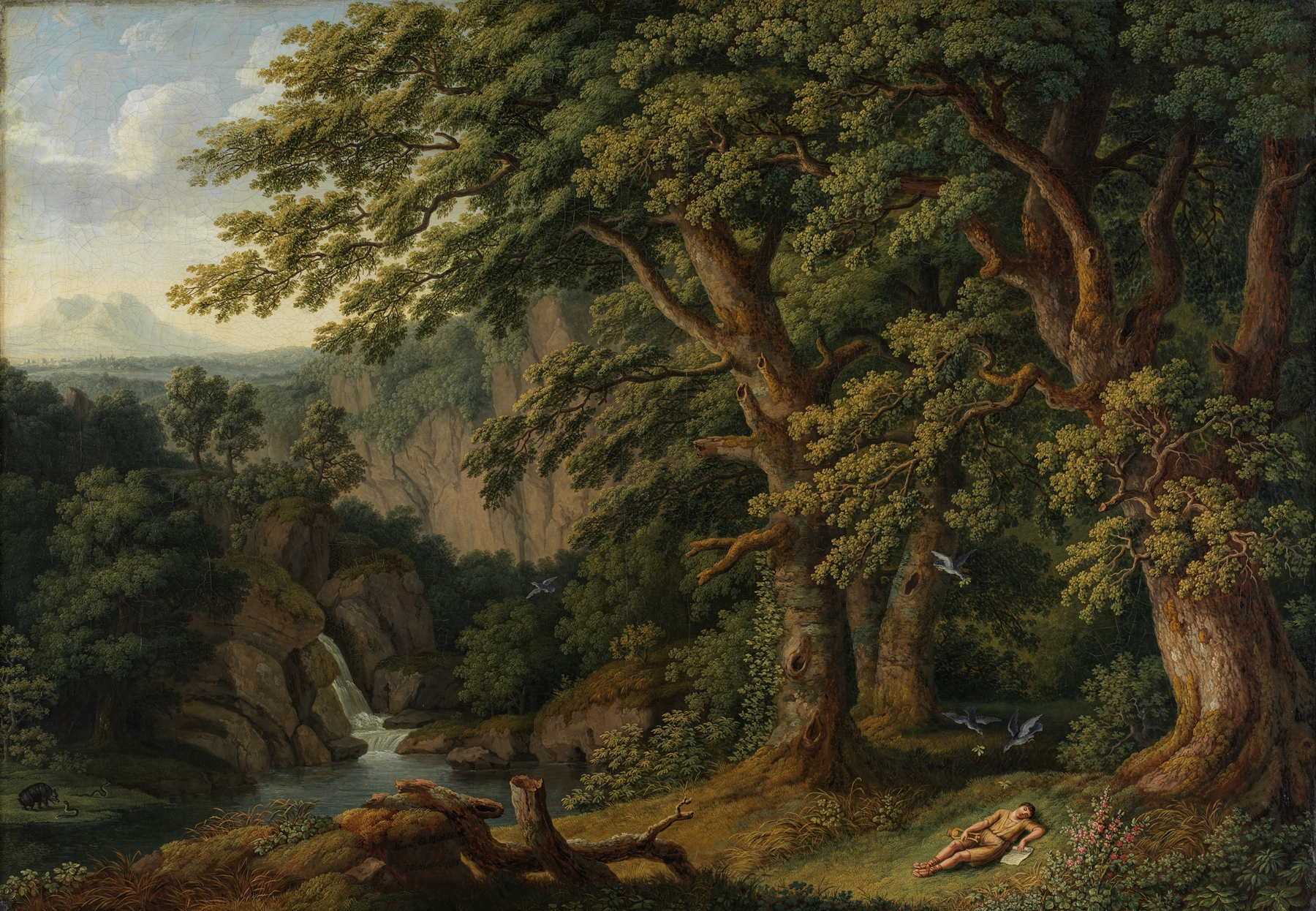
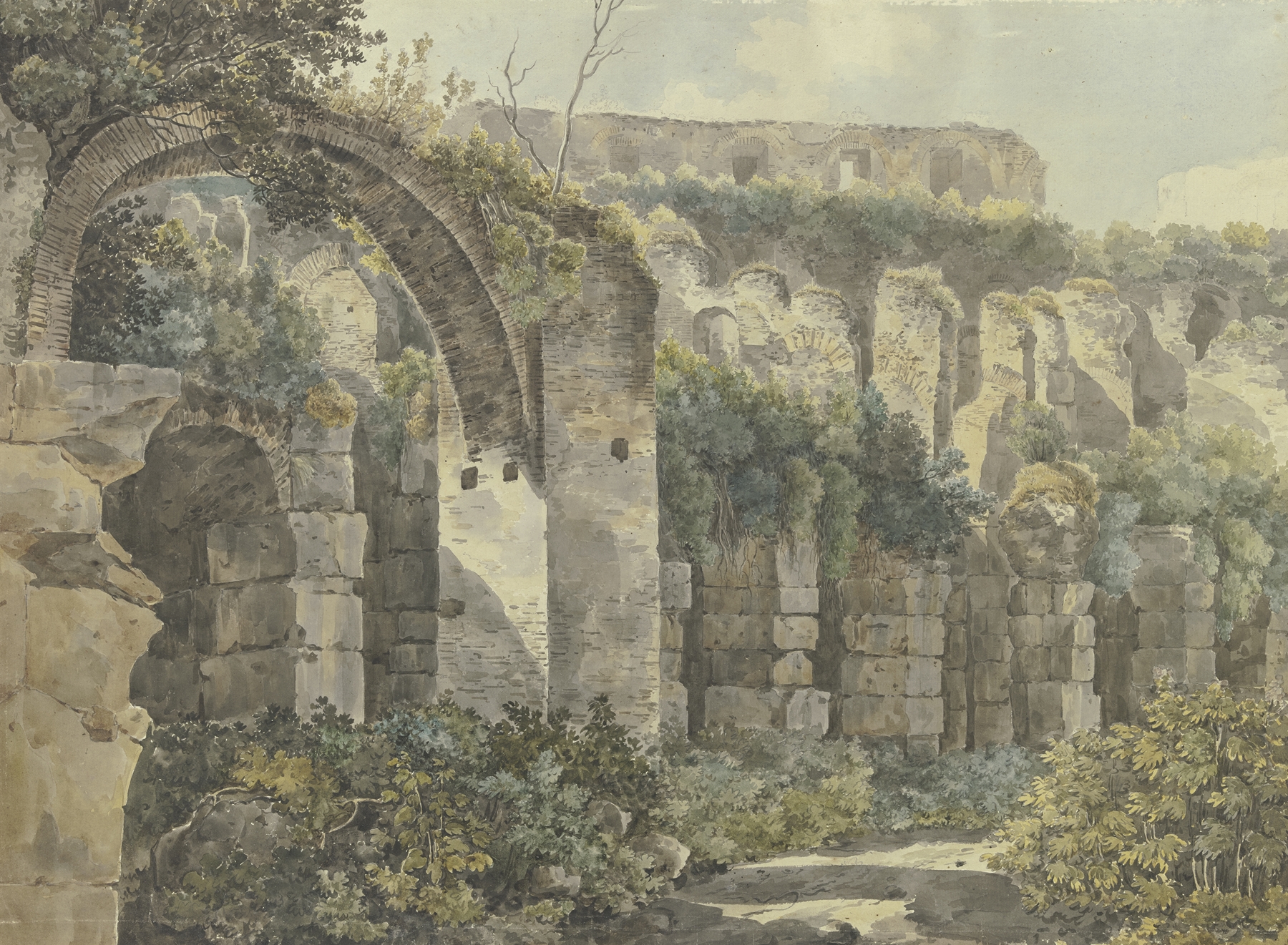
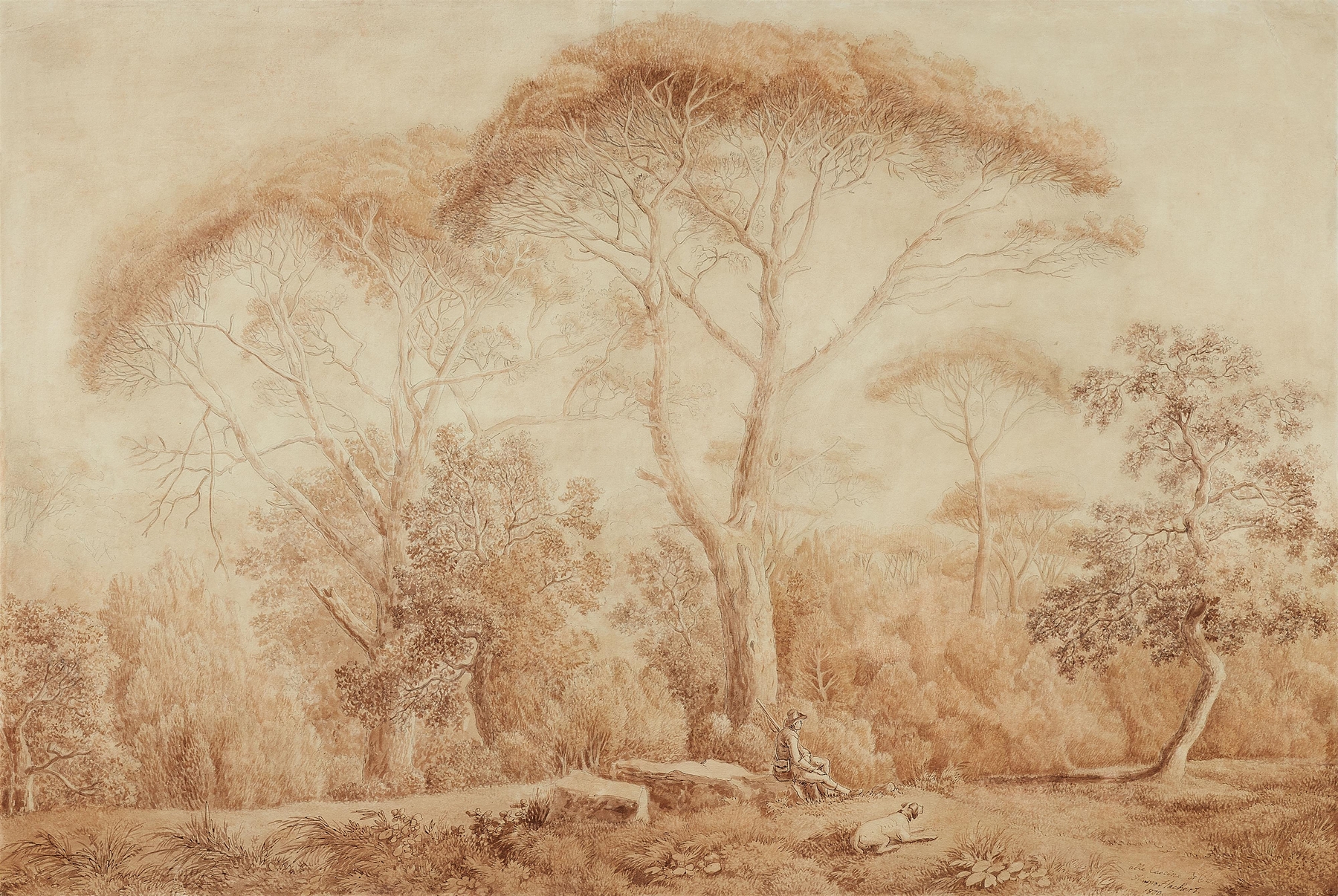
Can beauty exist without sorrow? The delicate interplay of light and shadow in the painting suggests a memory suspended between joy and loss, where the landscape holds whispers of both time and decay. Look to the left at the gnarled, weathered trees, their twisted branches reaching towards the sky as if yearning for something lost. The vibrant greens of the foliage contrast with the muted earth tones of the crumbling masonry nearby, drawing your eye towards the ruins that nestle by the babbling brook.
Notice how the light dances upon the water's surface, accentuating the ripples, while the reflections evoke a sense of calm yet hint at the passage of time and the transience of beauty. In the background, the remnants of human habitation serve as a poignant reminder of mortality, suggesting histories untold and lives once lived. The juxtaposition of the lush landscape and the desolate structure resonates with the duality of hope and despair, where nature thrives amid echoes of neglect.
Each brushstroke invites contemplation, revealing a narrative that speaks to the fragility of existence and the memories that linger long after the moment has passed. During this period, Jacob Philipp Hackert was navigating a world of Romantic landscapes, capturing the sublime in nature and its ruins. While the exact date of this work remains uncertain, it aligns with his exploration of themes related to memory and nostalgia, likely created in the late 18th to early 19th century, a time when the artist was influenced by both the natural beauty of Italy and the philosophical underpinnings of the era.