Bend Of The Road At The Top Of The Chemin Des Lauves — History & Analysis
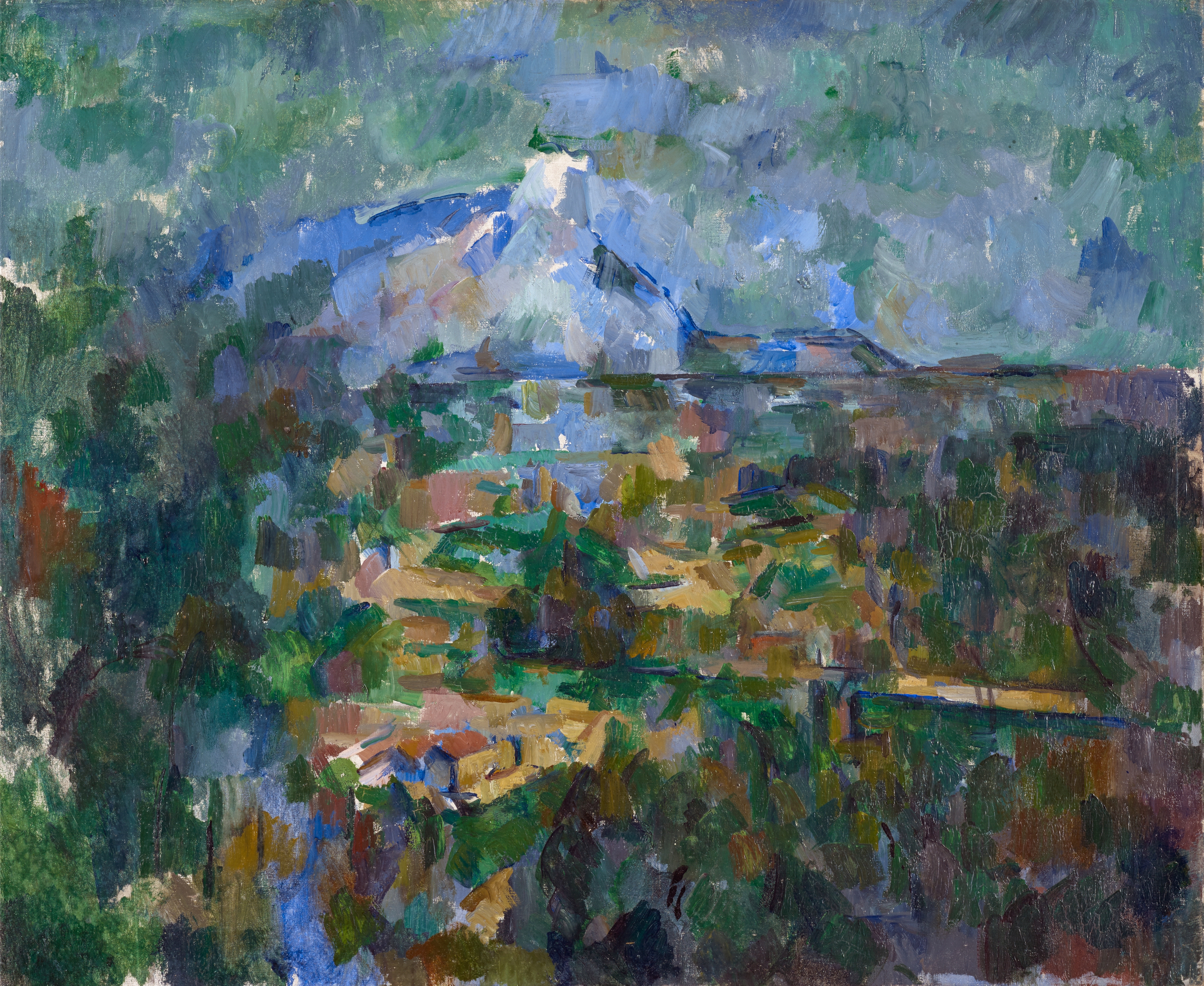
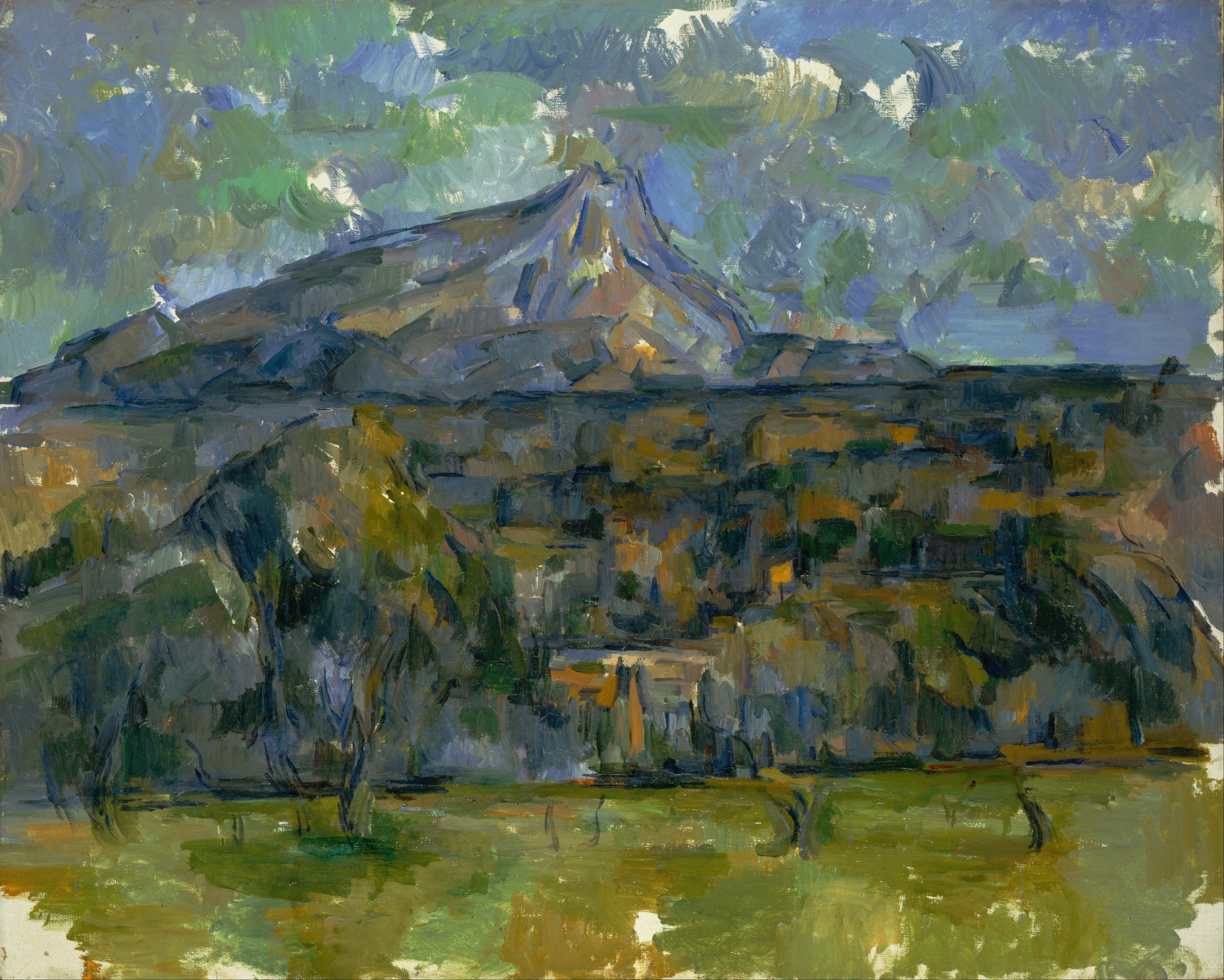
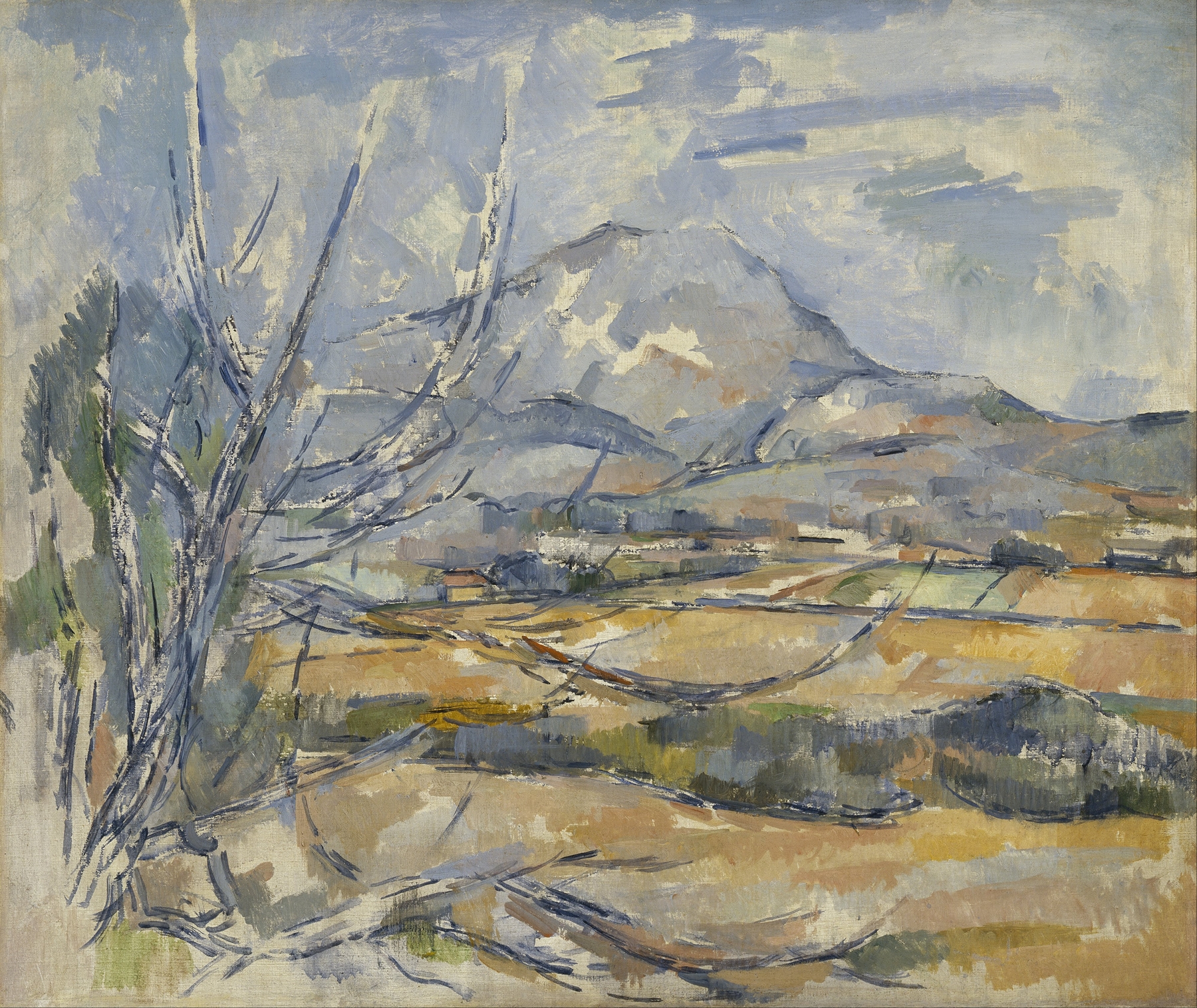
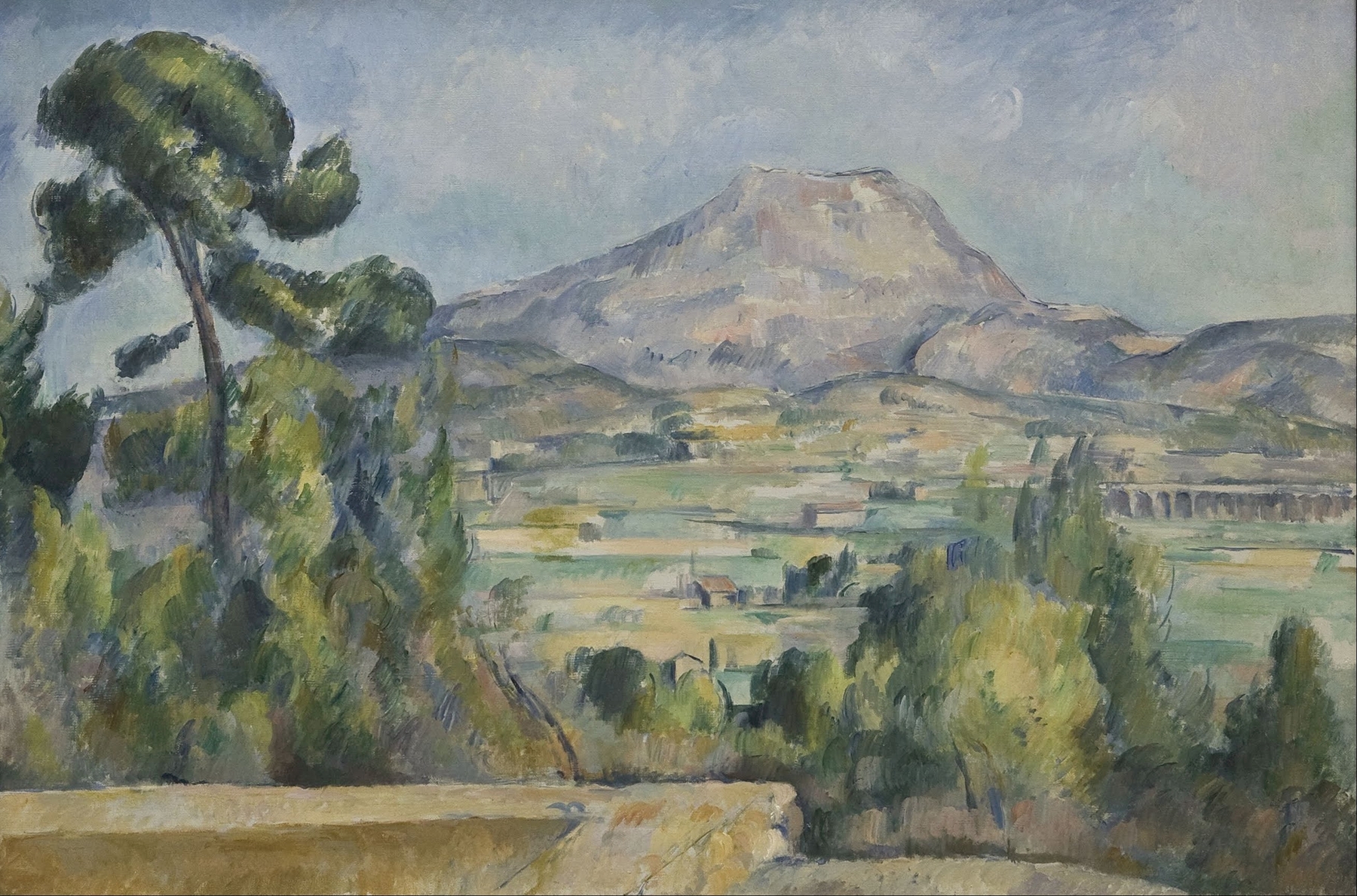
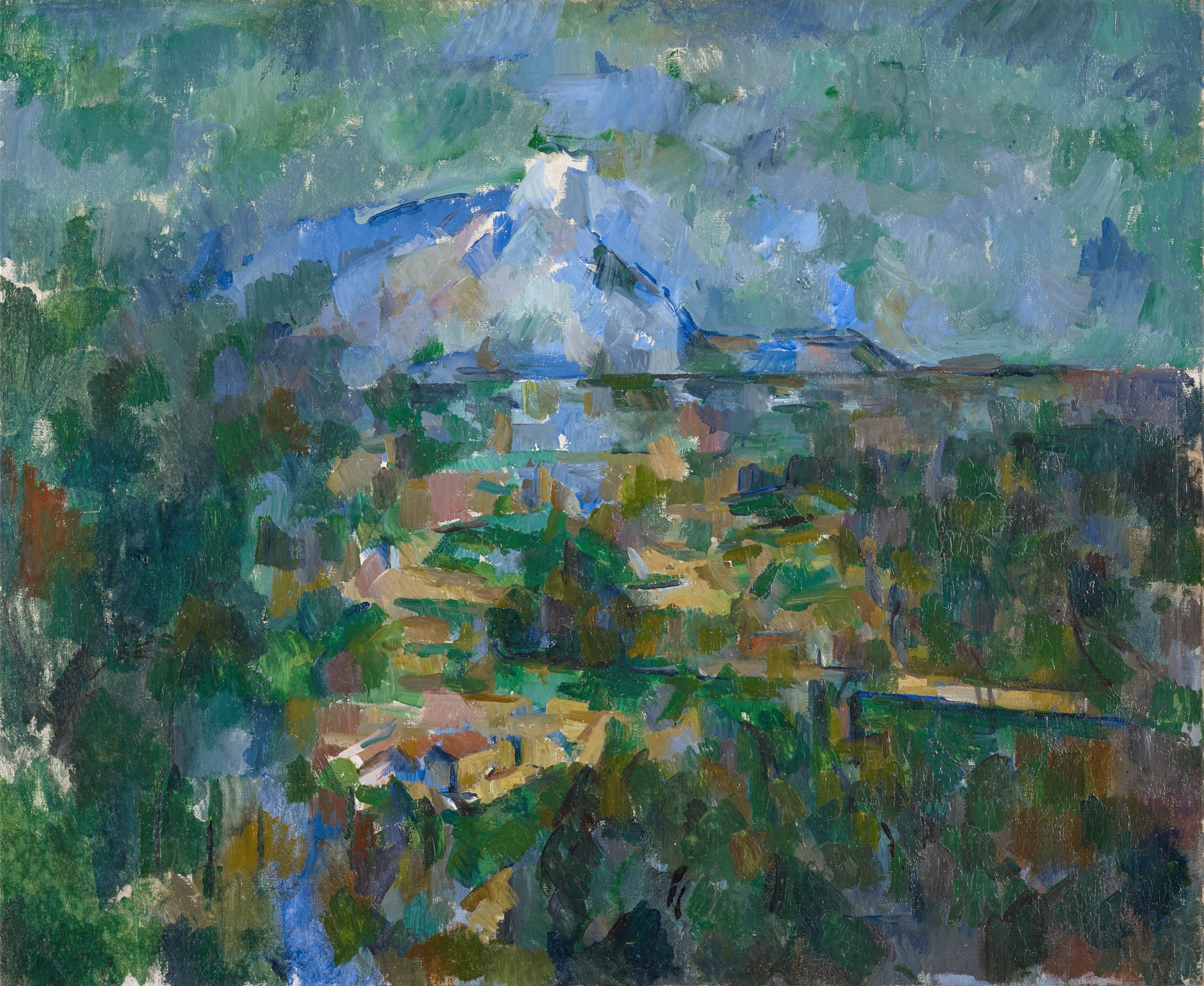
“To paint is to remember what time wants us to forget.” In Bend Of The Road At The Top Of The Chemin Des Lauves, Paul Cézanne captures the poignant essence of loneliness in the landscape, offering viewers a glimpse into the bittersweet solitude of existence. Look closely at the undulating forms of the hills, where soft greens and muted browns blend seamlessly, drawing the eye towards the gentle bend in the road. Notice how the brushstrokes vary in intensity, some bold while others whisper against the canvas, creating a rhythm that echoes the silence of the scene. The sky, a vast expanse of pale blue, looms overhead, punctuated by fleeting clouds that seem to move in slow-motion, a reminder of the passage of time and the isolation it can bring.
Hidden within the luminous landscapes are deeper emotional truths. The splashes of light on the path suggest movement or, perhaps, the absence of it, evoking the feeling of a journey left unfinished. The granite rock formations stand like sentinels, anchoring the scene in a world that feels both familiar and distant. This contrast between nature’s grandeur and the solitary road evokes a bittersweet tension—one that speaks of introspection and the inherent loneliness of the human experience.
Cézanne painted this work between 1904 and 1906, during a transformative period in his life as he settled into a more consistent style, focusing on the structures of the landscape. Living in Aix-en-Provence, he was influenced by the shifts in the art world towards modernism while balancing his pursuit of personal expression. The tranquil yet melancholic atmosphere of this piece embodies the artist’s internal struggle, reflecting both his dedication to his craft and the solitude he often experienced.