Bergketten bei Altenahr — History & Analysis
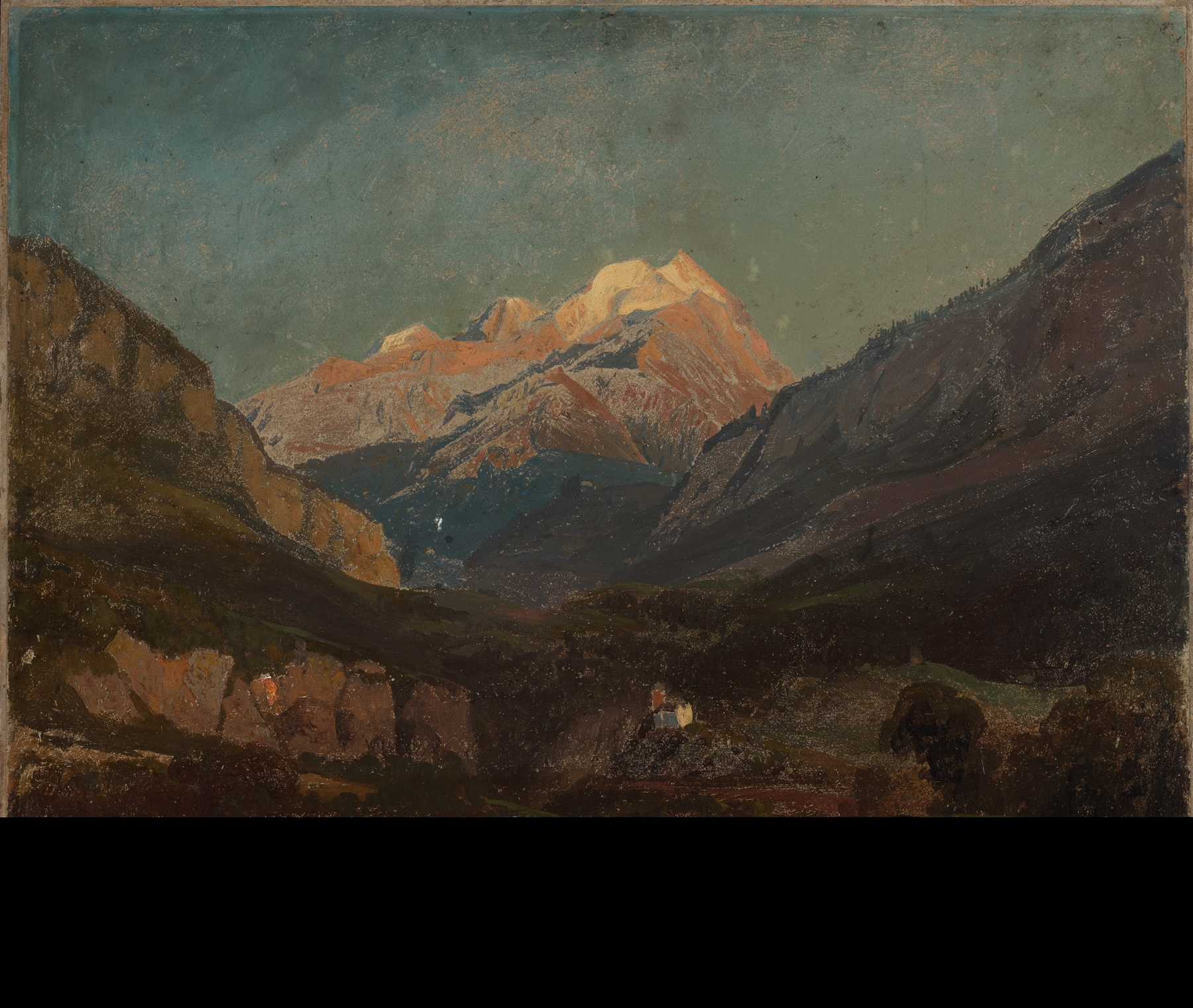
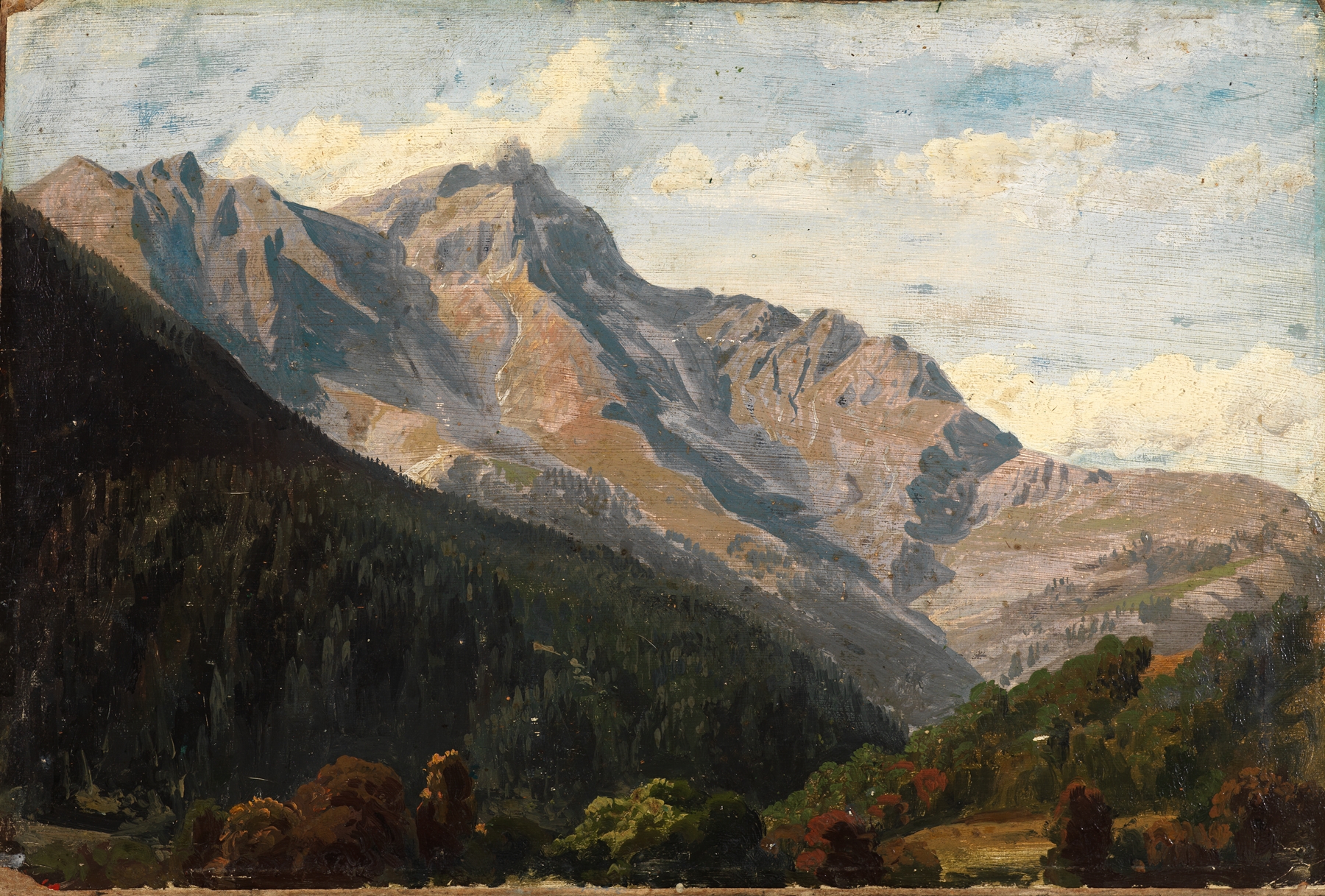
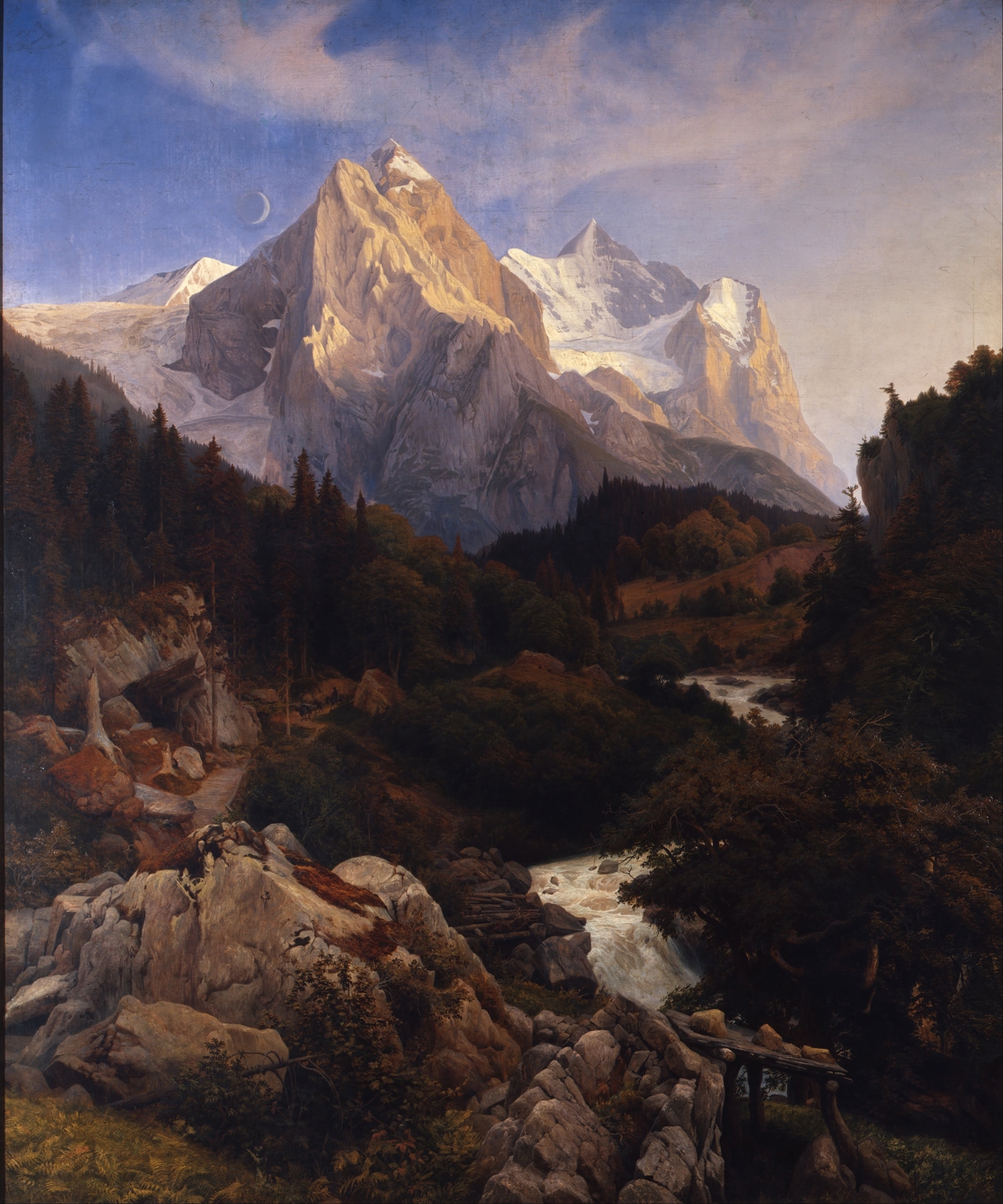
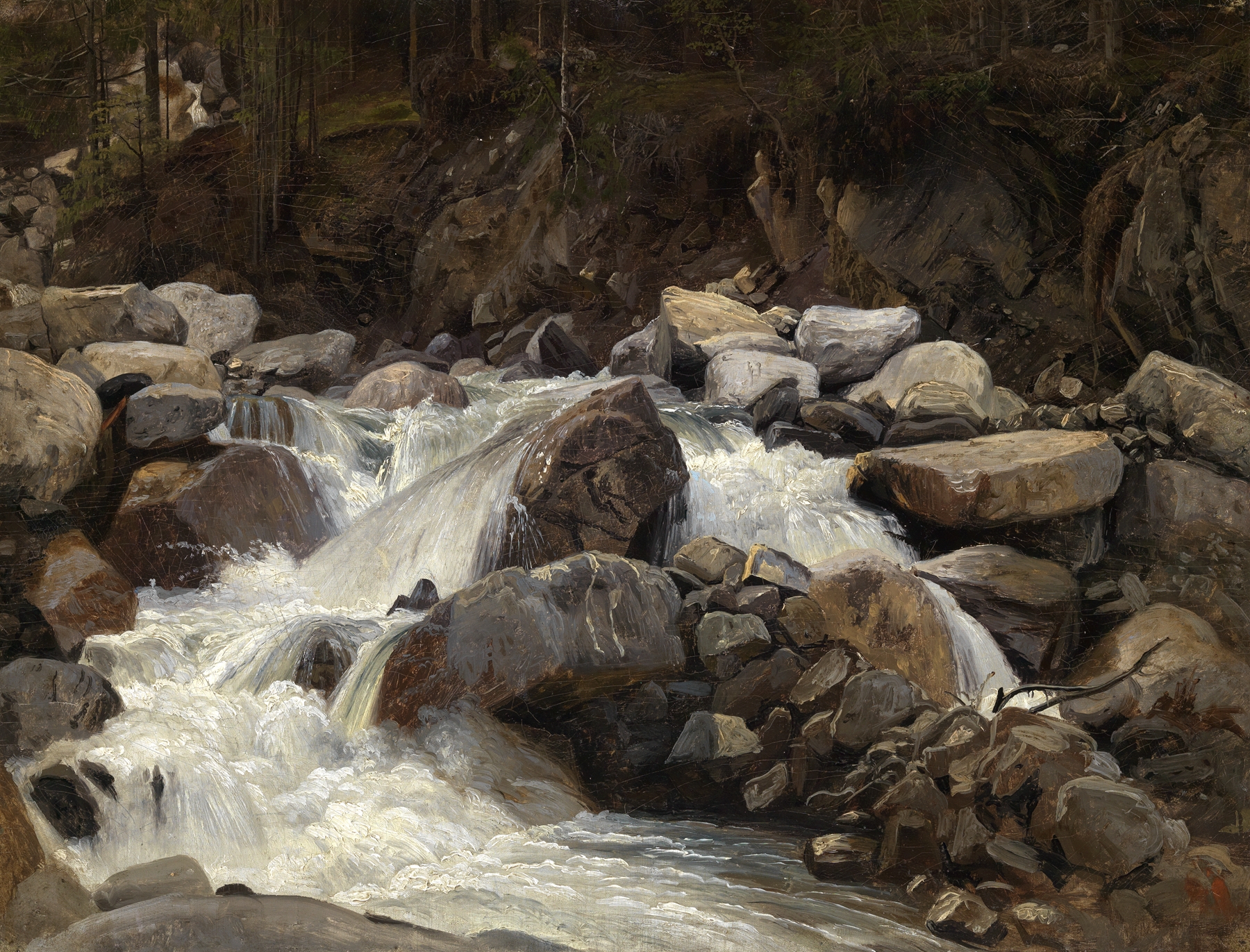
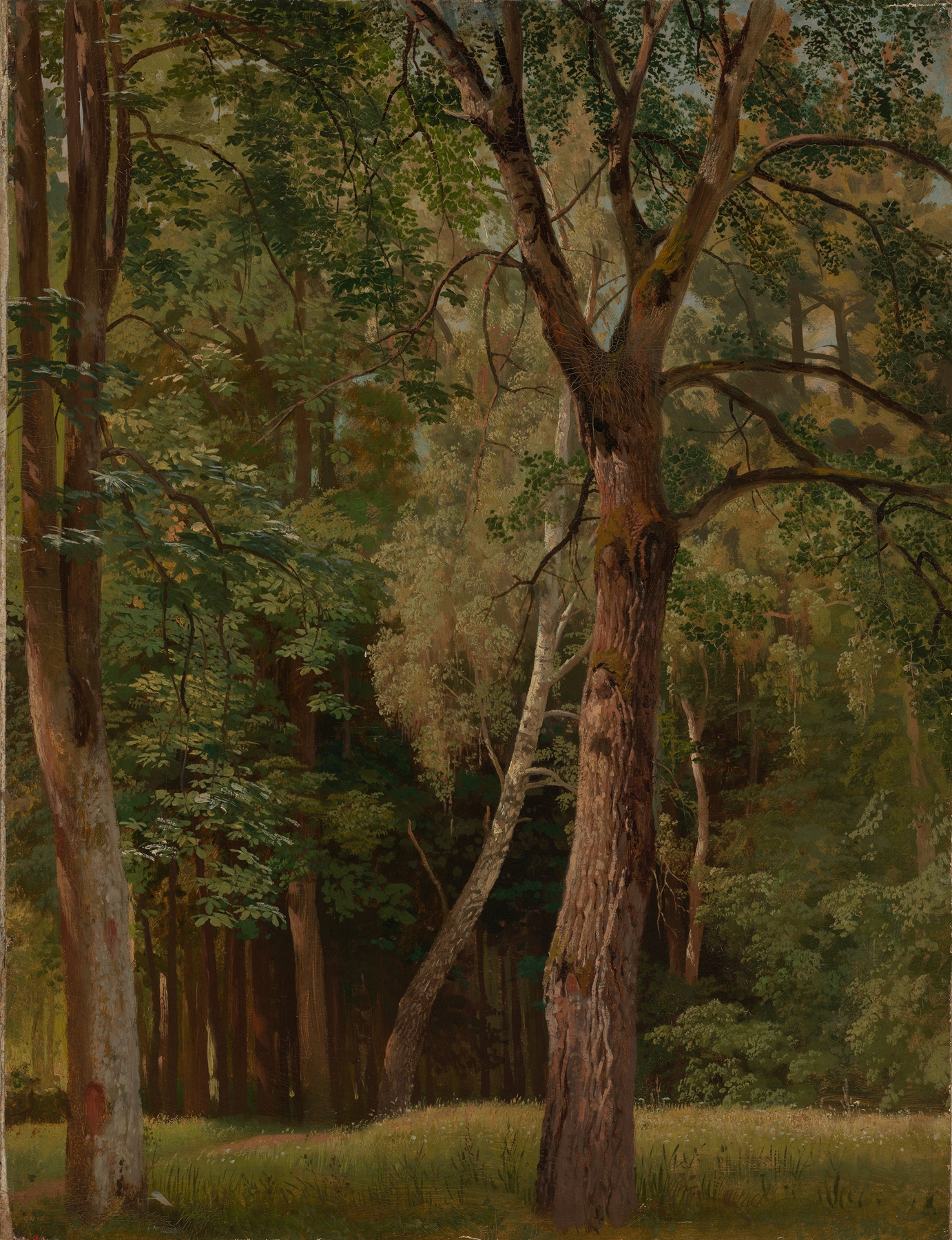
“Under the brush, chaos becomes grace.” In this captivating landscape, the tumult of nature is transformed into a serene vision of ecstasy, eliciting a profound emotional response. Look to the left at the rugged contours of the mountains, their jagged peaks contrasted against a gentle sky. Notice how the artist employs a palette of earthy greens and soft blues to evoke a sense of harmony within the tumult. The strokes appear both deliberate and spontaneous, portraying the thrill of the landscape while inviting the viewer to explore its hidden depths.
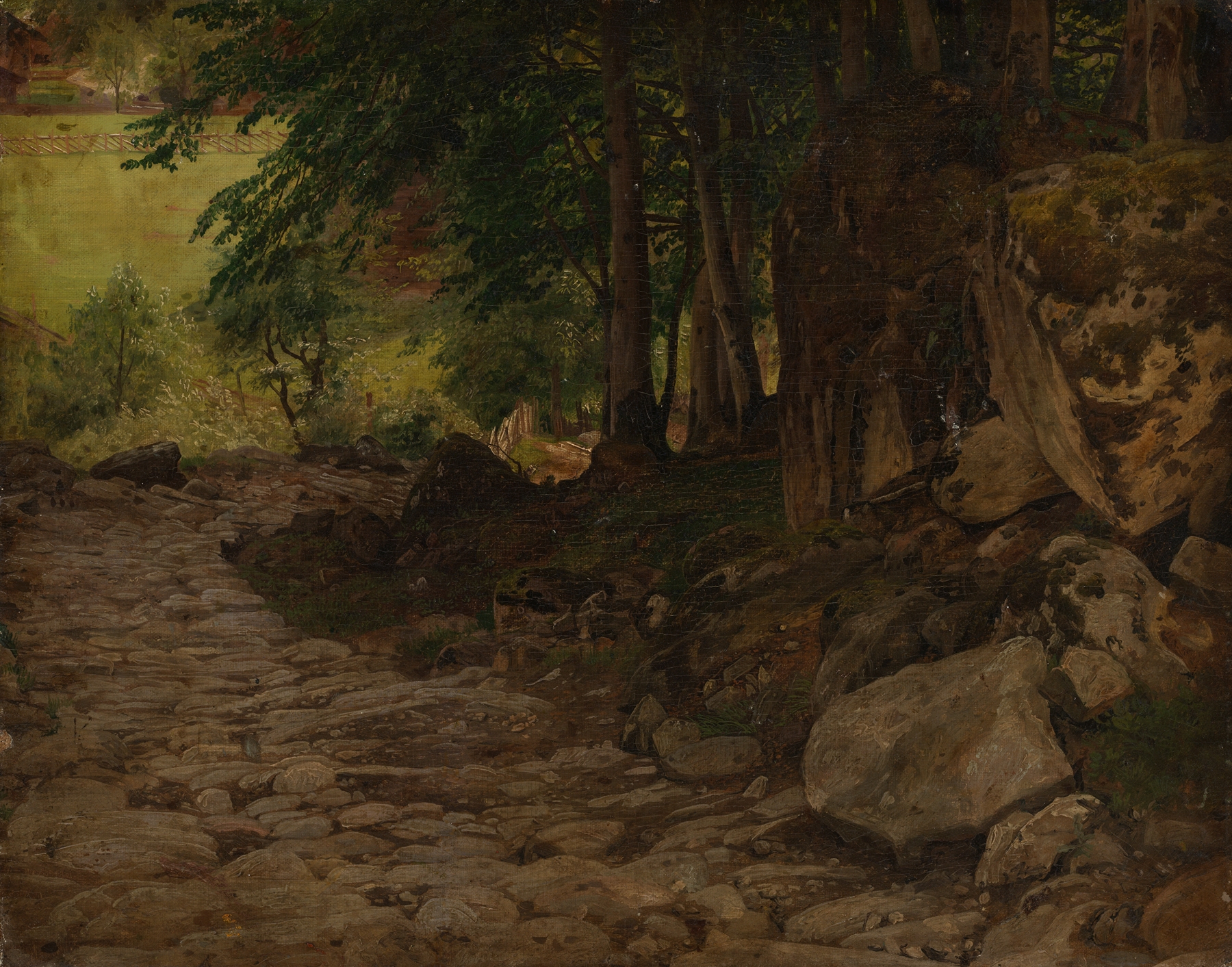
Every brushstroke suggests movement, drawing the eye across the canvas as if the viewer were traversing the very hills depicted. Within this seemingly tranquil scene lies a tension between chaos and order. The interplay of light and shadow hints at the transient nature of beauty—a fleeting moment preserved in paint. The rushing stream below, barely contained by the encroaching foliage, provides a striking contrast to the stable, imposing mountains above, reflecting the dualities inherent in life and nature.
These elements coalesce to create an atmosphere of joyous transcendence, suggesting an ecstatic communion with the natural world. Johann Wilhelm Schirmer created this work before 1833 while living in Germany, a period marked by romanticism's emphasis on nature's sublime beauty. As the tides of art shifted, he found himself at the forefront of a movement advocating for emotional depth and personal connection to landscapes, reflecting not only his own artistic evolution but also the broader awakening of German Romanticism in the early 19th century.