Berglandschaft mit Pinien — History & Analysis
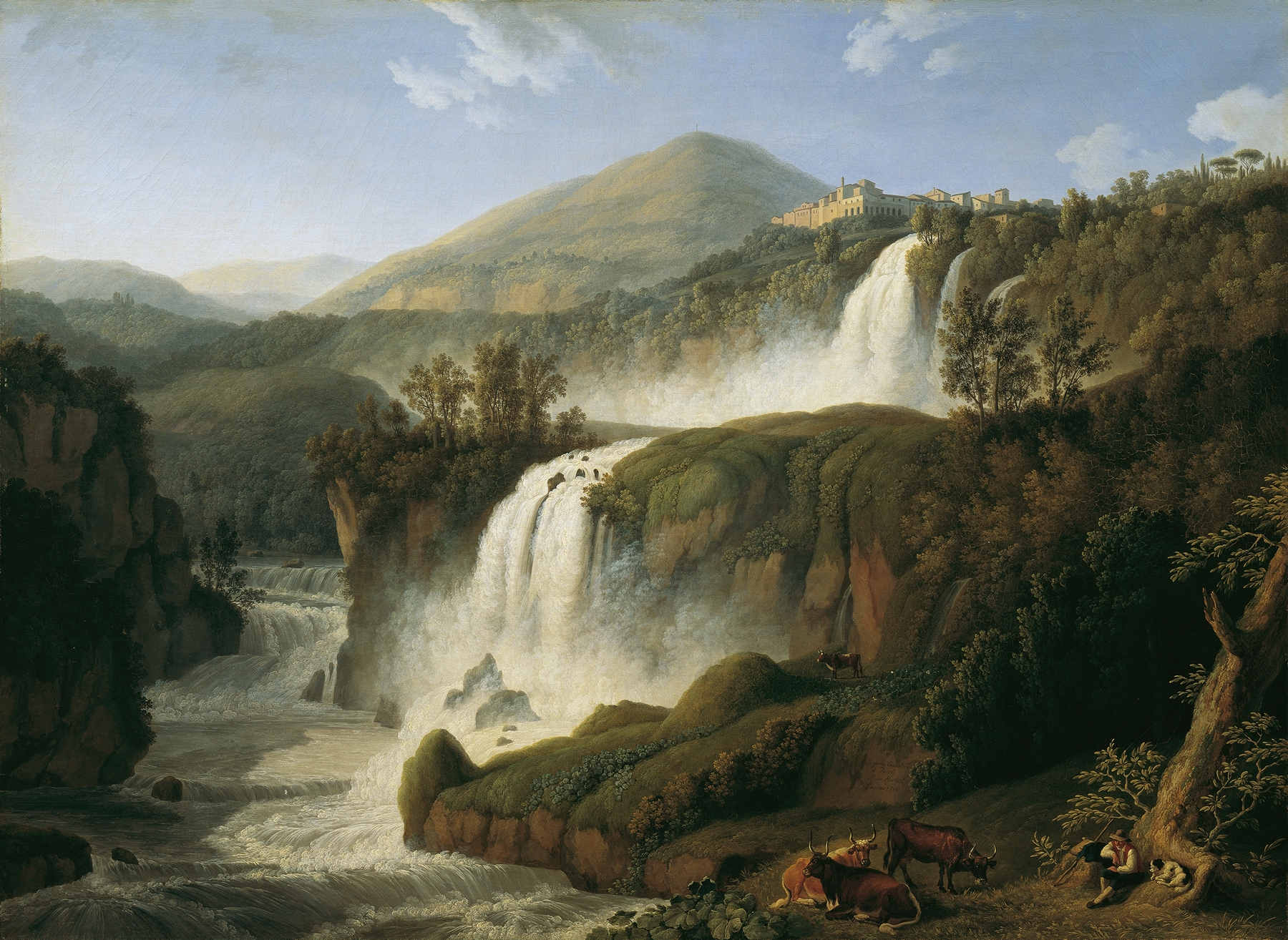
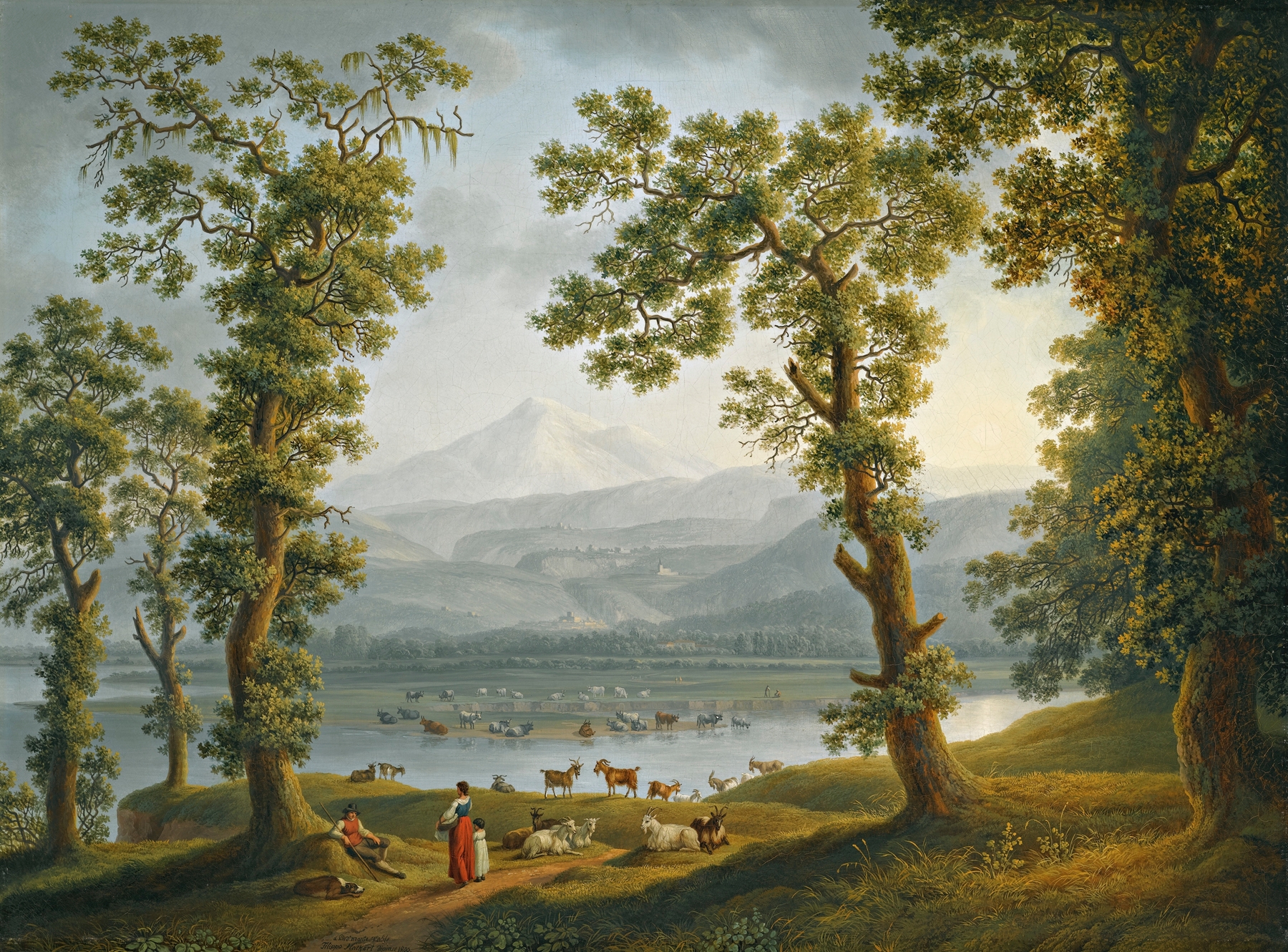
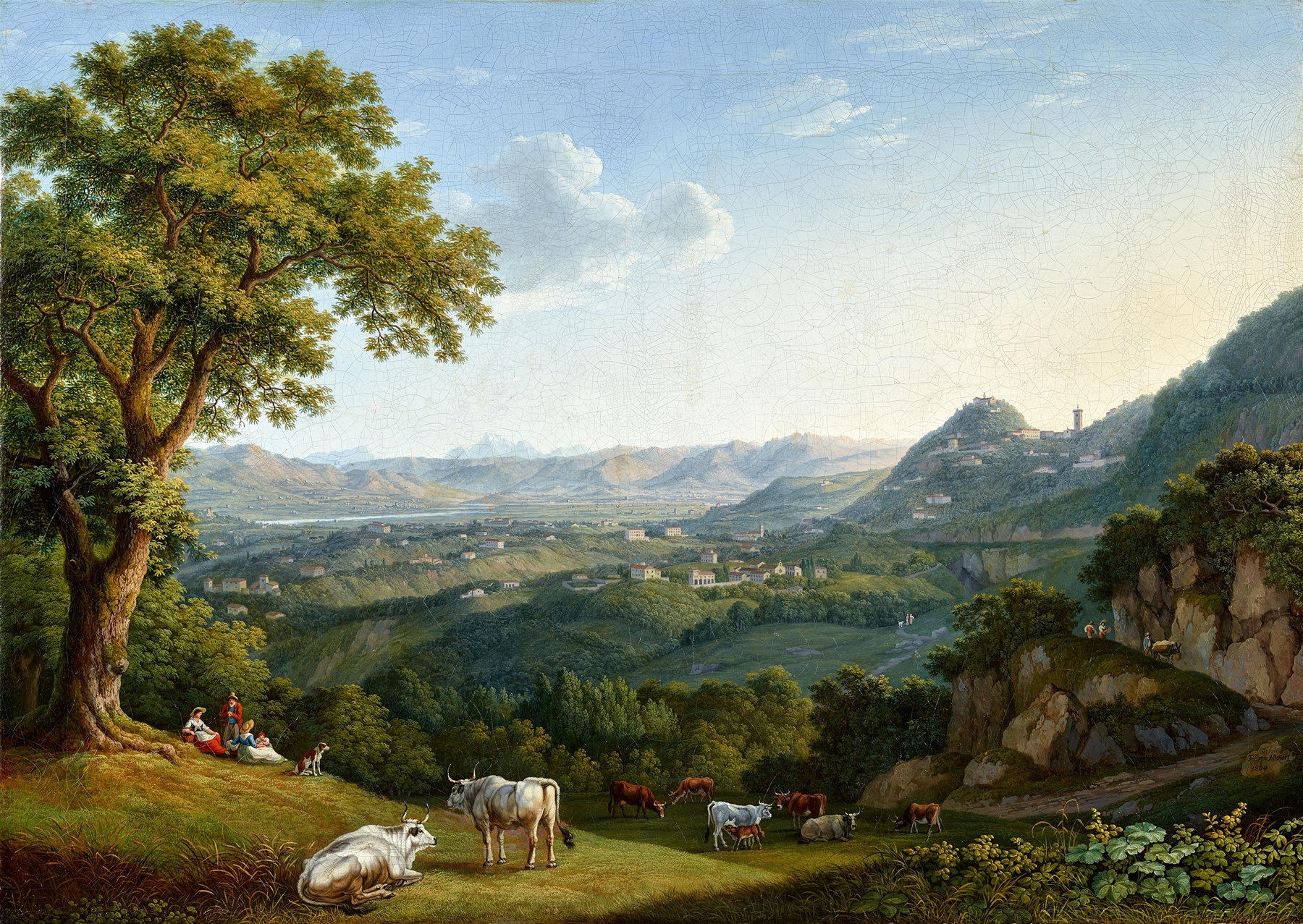
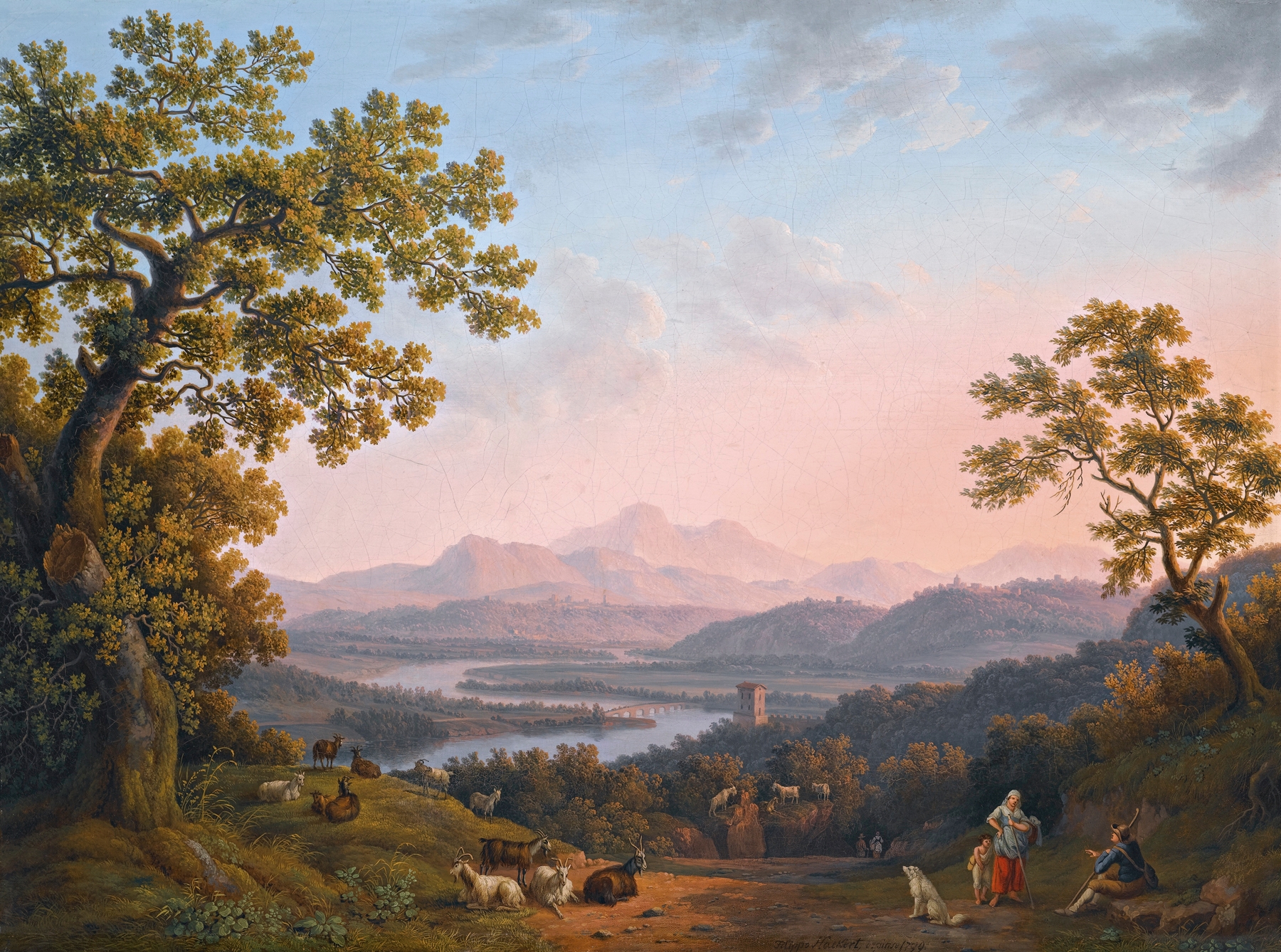
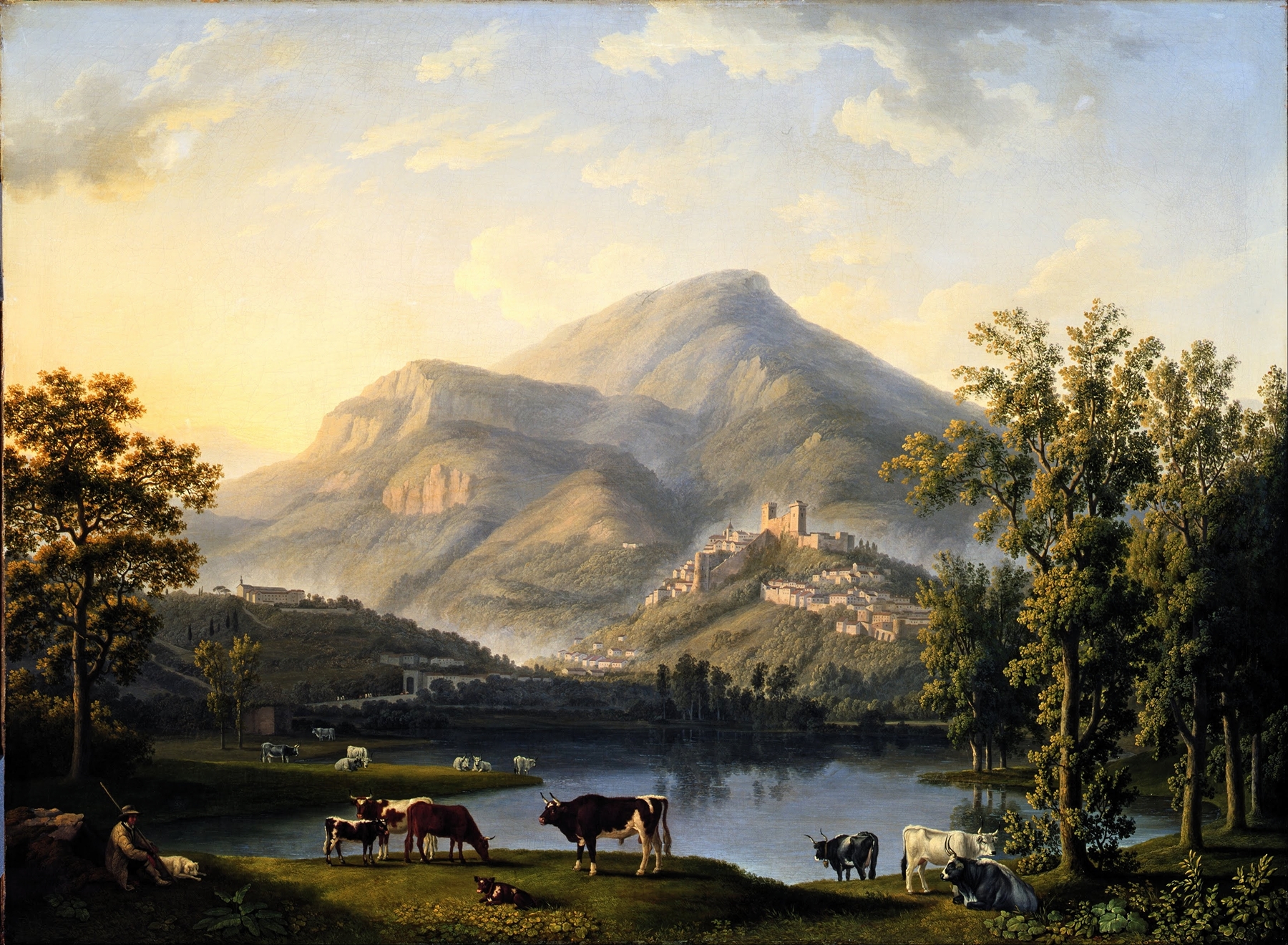
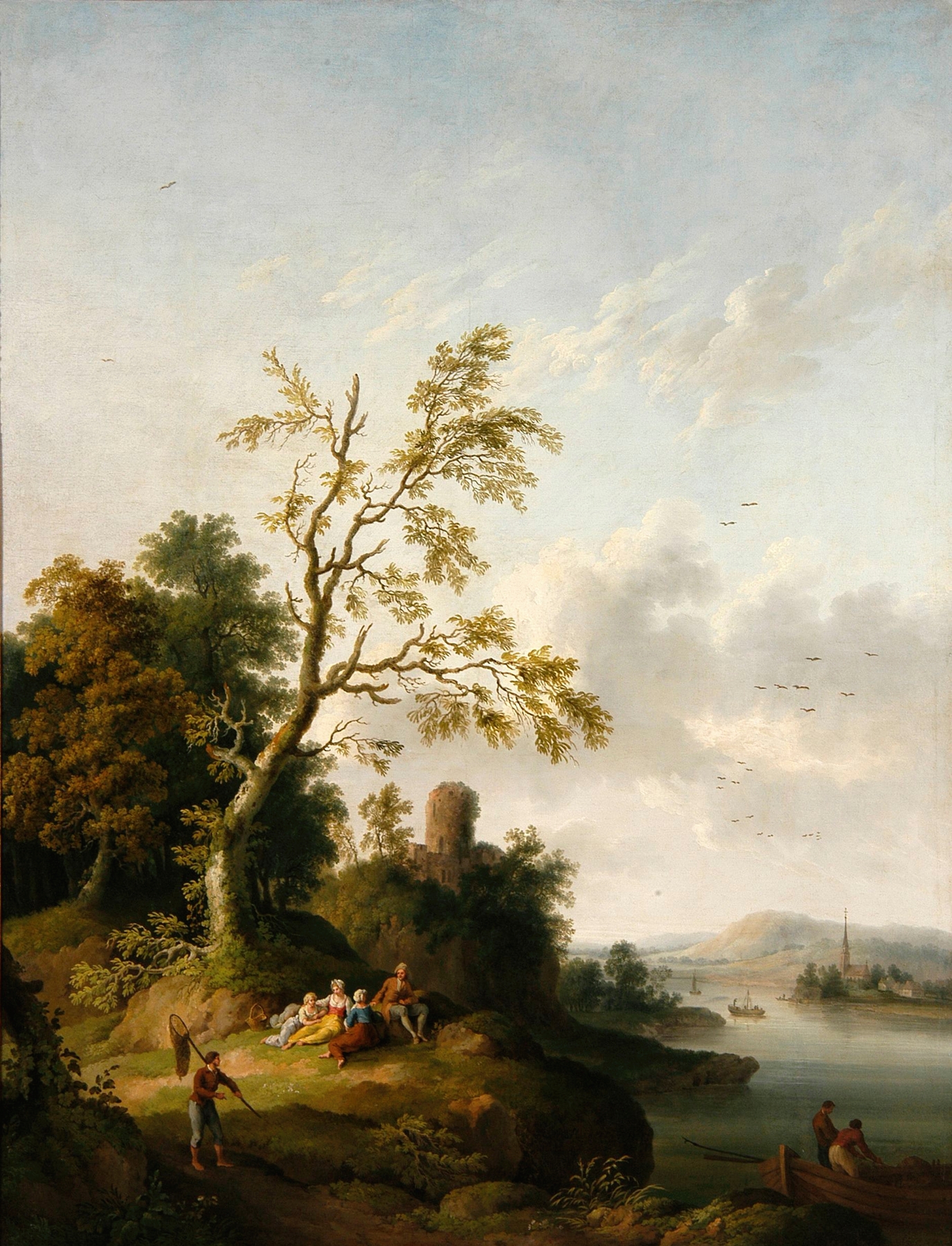
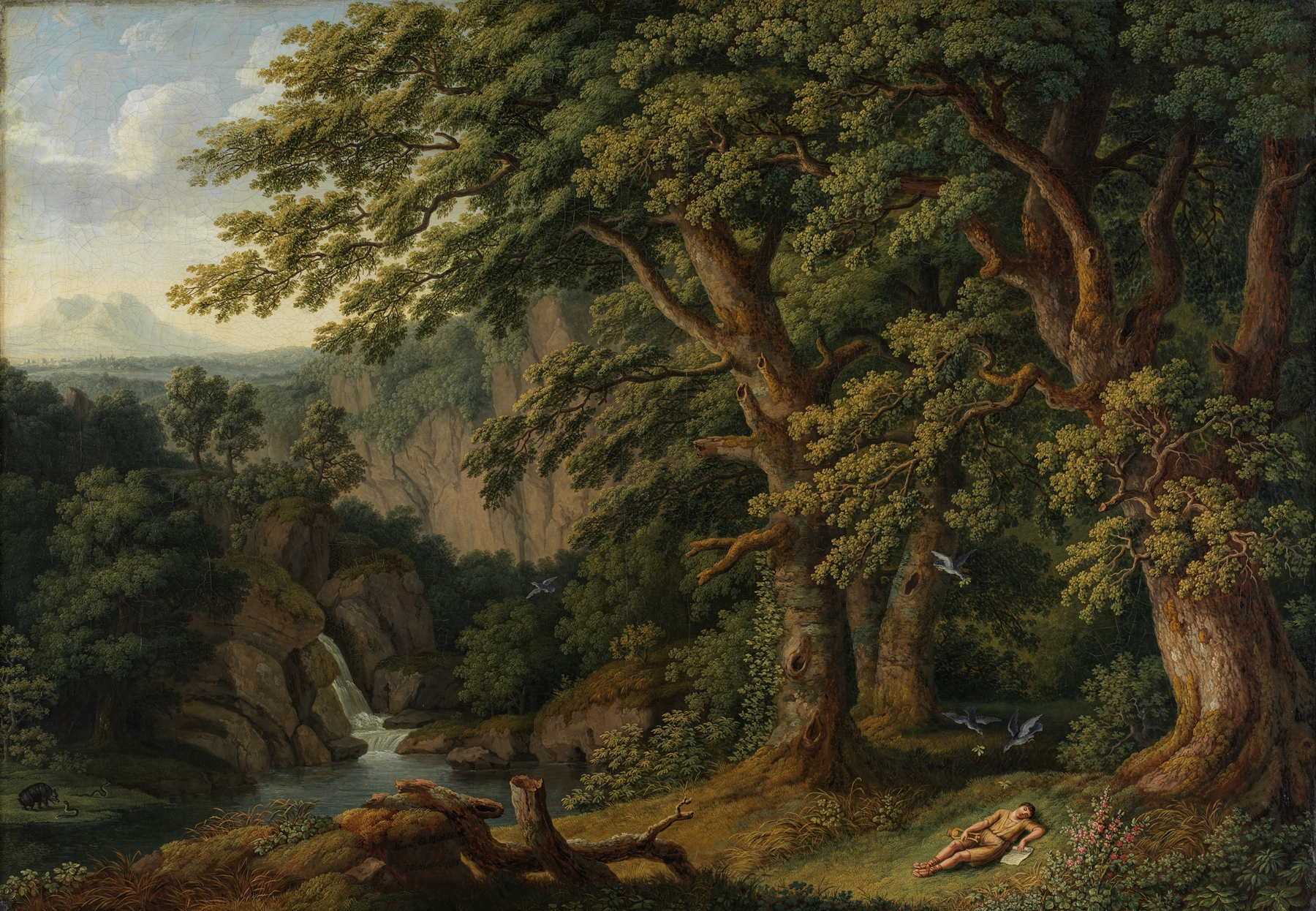
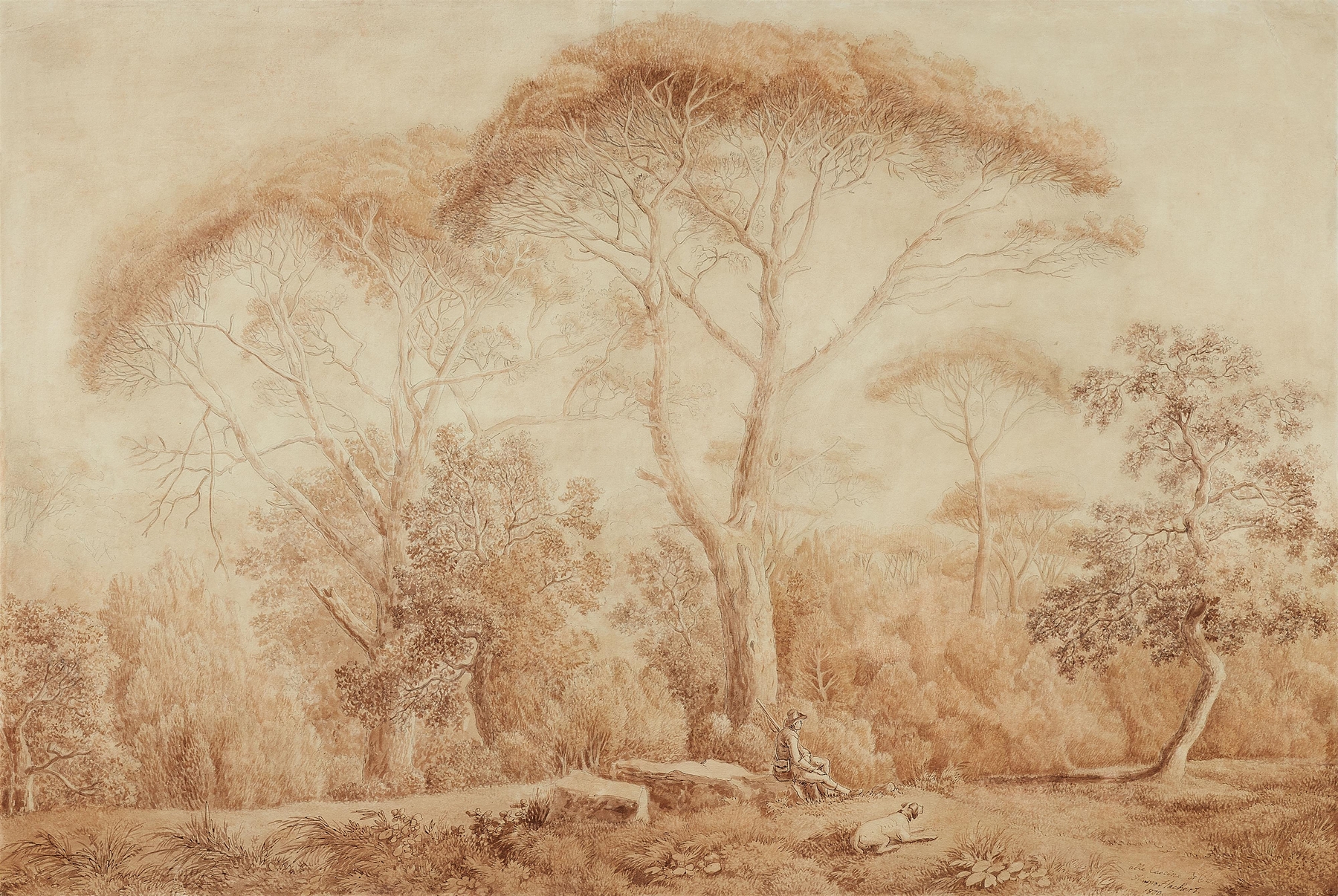
Could a single brushstroke hold eternity? In Berglandschaft mit Pinien, Jacob Philipp Hackert captures a moment where nature's promise and serenity beckon, inviting us to breathe deeply of its hope. The painting emerges as a testament to the connection between the human spirit and the wilderness, forever intertwining the fleeting and the eternal. Look to the left at the majestic pine trees, their dark green needles contrasting against the luminous sky. Notice how the artist meticulously layers vibrant strokes to create depth in the rolling hills that stretch into the horizon.
The soft light illuminating the landscape evokes a sense of dawn, symbolizing new beginnings, while a palette of earthy tones grounds the scene in a comforting embrace. Each detail, from the gentle slope of the hills to the delicate clouds overhead, encourages contemplation and introspection. As you explore further, consider the emotional contrasts embodied in the painting; the robust trees stand resilient against a backdrop of ethereal clouds, representing the struggle between permanence and transience. The tranquil waters reflect the skies, suggesting a harmonious relationship between land and air—each element holding its own story, yet unified.
This interplay of light and shadow invites reflection on life’s dualities, echoing a universal hope that exists amidst uncertainty. Created between 1770 and 1775, Hackert painted this work during a period of artistic exploration in Europe, where Romantic ideals began to flourish. Living primarily in Italy at the time, he engaged deeply with the landscape around him, seeking to convey the sublime beauty of nature. This painting is emblematic of his desire to capture not just the physical world, but the emotional resonance that it inspires, bridging the gap between reality and aspiration.