Blauwe Marine — History & Analysis
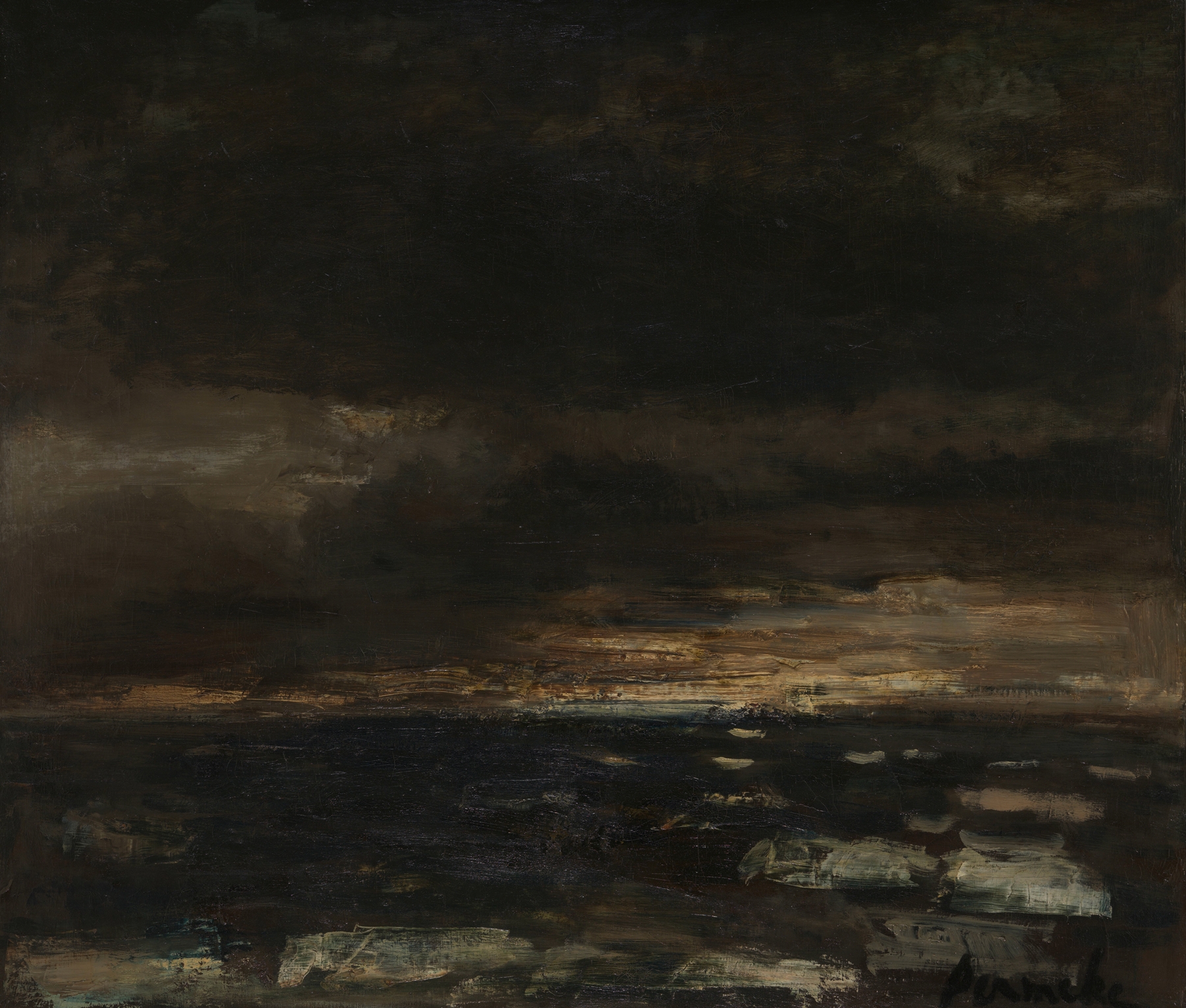
What if silence could speak through light? In Blauwe Marine, the stillness becomes a language of its own, whispering of awakening and the depths of the sea. Look to the horizon where deep, cerulean waves unfurl across the canvas, mesmerizing in their fluidity. The brushstrokes, bold yet tender, create a rhythmic pulse, drawing your gaze toward the gentle swell of water.
Notice how the interplay of light and shadow dances on the surface, each glimmer giving life to an otherwise tranquil scene. The layered blues convey a sense of depth, inviting viewers to immerse themselves in the ocean's embrace. In this composition, the stark contrast between the vibrant blues and subdued tones speaks to a tension between chaos and serenity. The gentle waves ripple softly, suggesting a subtle awakening, while the vastness of the sea evokes solitude.
Each stroke seems deliberate, echoing the artist's emotional landscape — a fusion of isolation and connectivity, perhaps even reflecting the complex state of humanity in a post-war context. Created in 1947, Blauwe Marine emerged during a pivotal time for Constant Permeke, who had returned to Belgium after the turmoil of World War II. The period was marked by a focus on rebuilding and introspection in the art world, with artists exploring themes of existentialism and the human condition. This work stands as a testament to Permeke's ability to transform personal and collective experiences into an evocative visual language, capturing the profound essence of our relationship with nature.