Bouquet d’arbres — History & Analysis
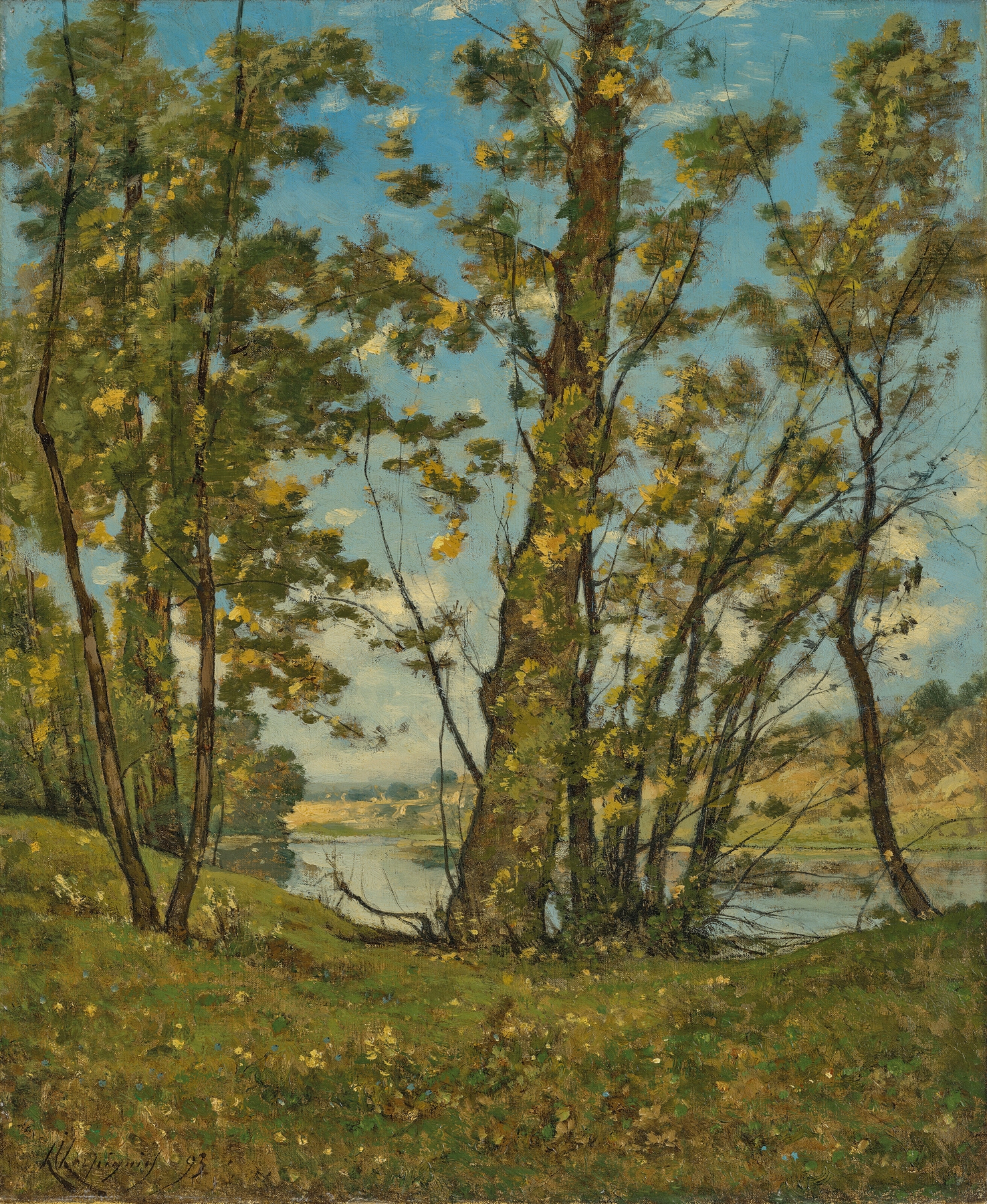
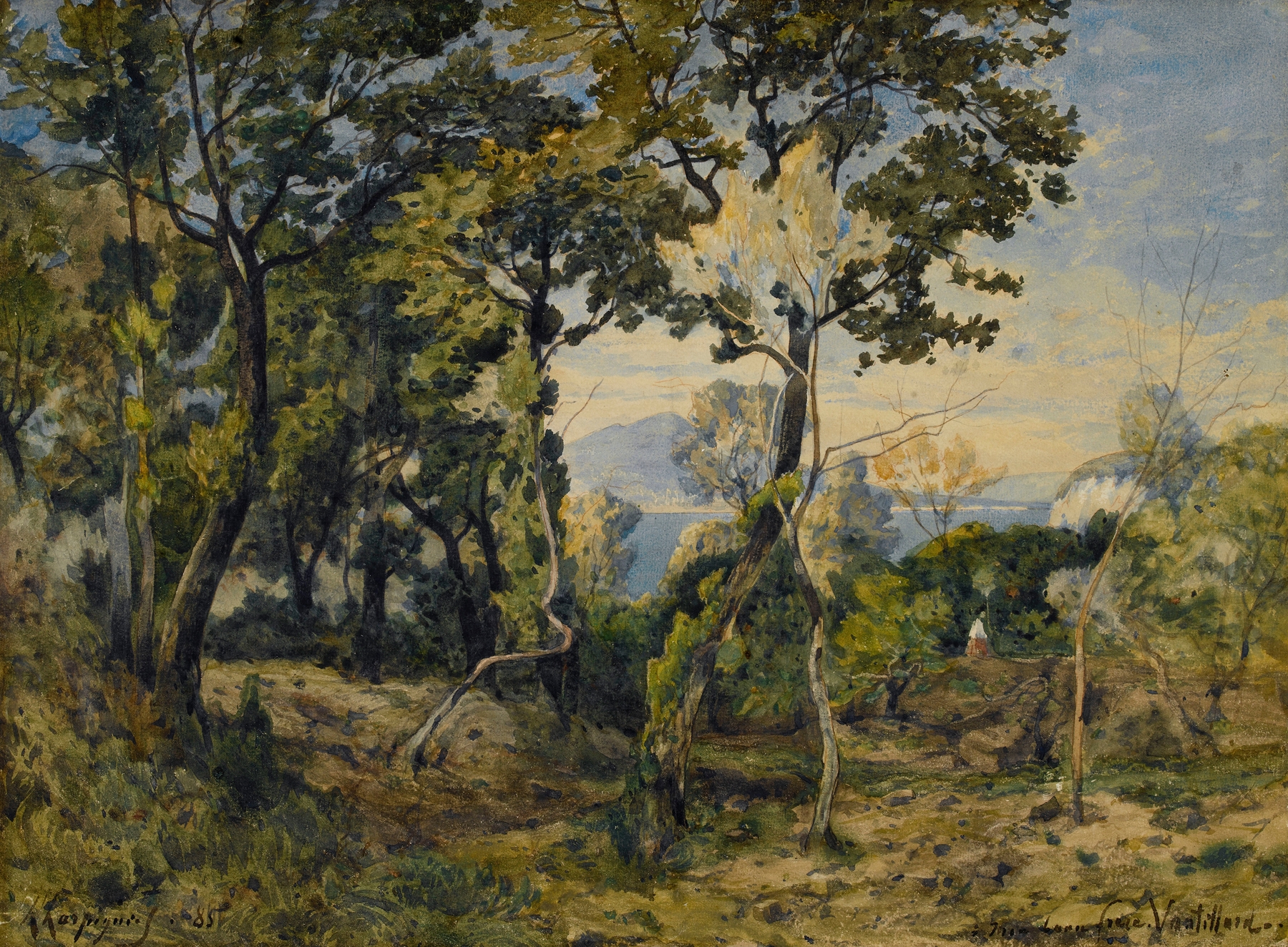
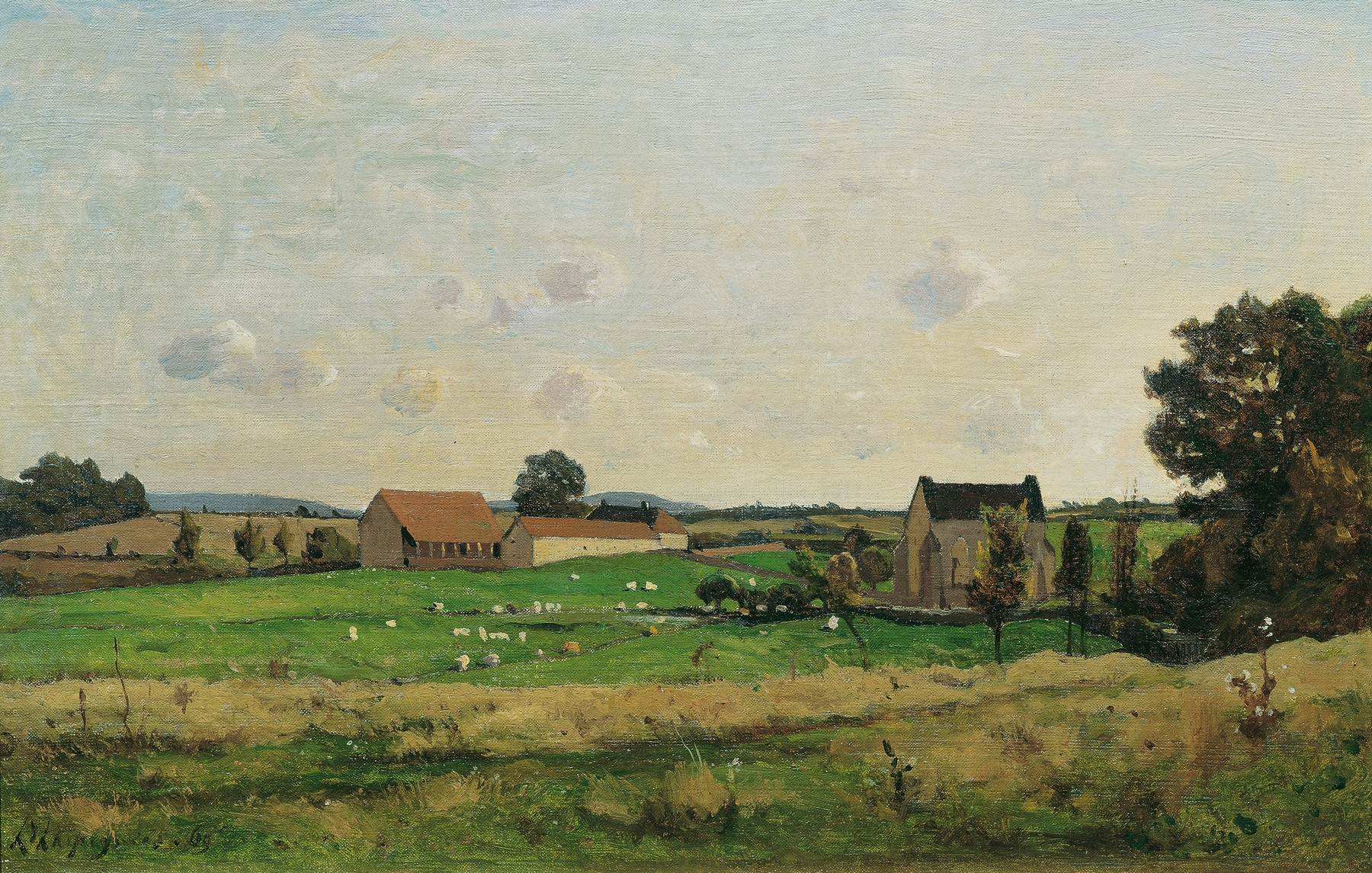
What if silence could speak through light? The shimmering dance of colors captures an ecstasy that transcends the mundane, inviting us to linger in this moment of natural splendor. Look to the foreground, where vibrant greens blossom into a kaleidoscope of foliage. The painter's brush intertwines delicate strokes that suggest a gentle breeze, breathing life into each leaf and branch. Notice how the sunlight filters through the canopy above, casting dappled shadows on the ground, creating a serene interplay between light and dark.
This careful attention to the subtleties of nature draws our gaze deeper into the canvas, revealing layers of texture and color that evoke a sense of tranquility. Yet, beneath this idyllic scene lies an undercurrent of longing. The lush trees stand tall, proud and unyielding, representing nature's eternal beauty, while the subtle absence of human presence evokes solitude. There’s a juxtaposition of vibrancy and quietness, as if the trees themselves hold centuries of untold stories within their trunks.
Each brushstroke whispers the secrets of a life lived among them, amplifying the emotions that the artwork elicits from the viewer. In 1876, Harpignies painted this work during a period of artistic exploration in France, where the Impressionist movement was gaining momentum. He was known for his landscapes that celebrated the harmony of nature, perfectly encapsulating the sentiments of a world yearning for connection amidst industrial change. This piece is a testament to the artist’s devotion to portraying the beauty of the natural world, reflecting his belief in the transformative power of art.