Bouwterrein aan de De Clercqstraat — History & Analysis
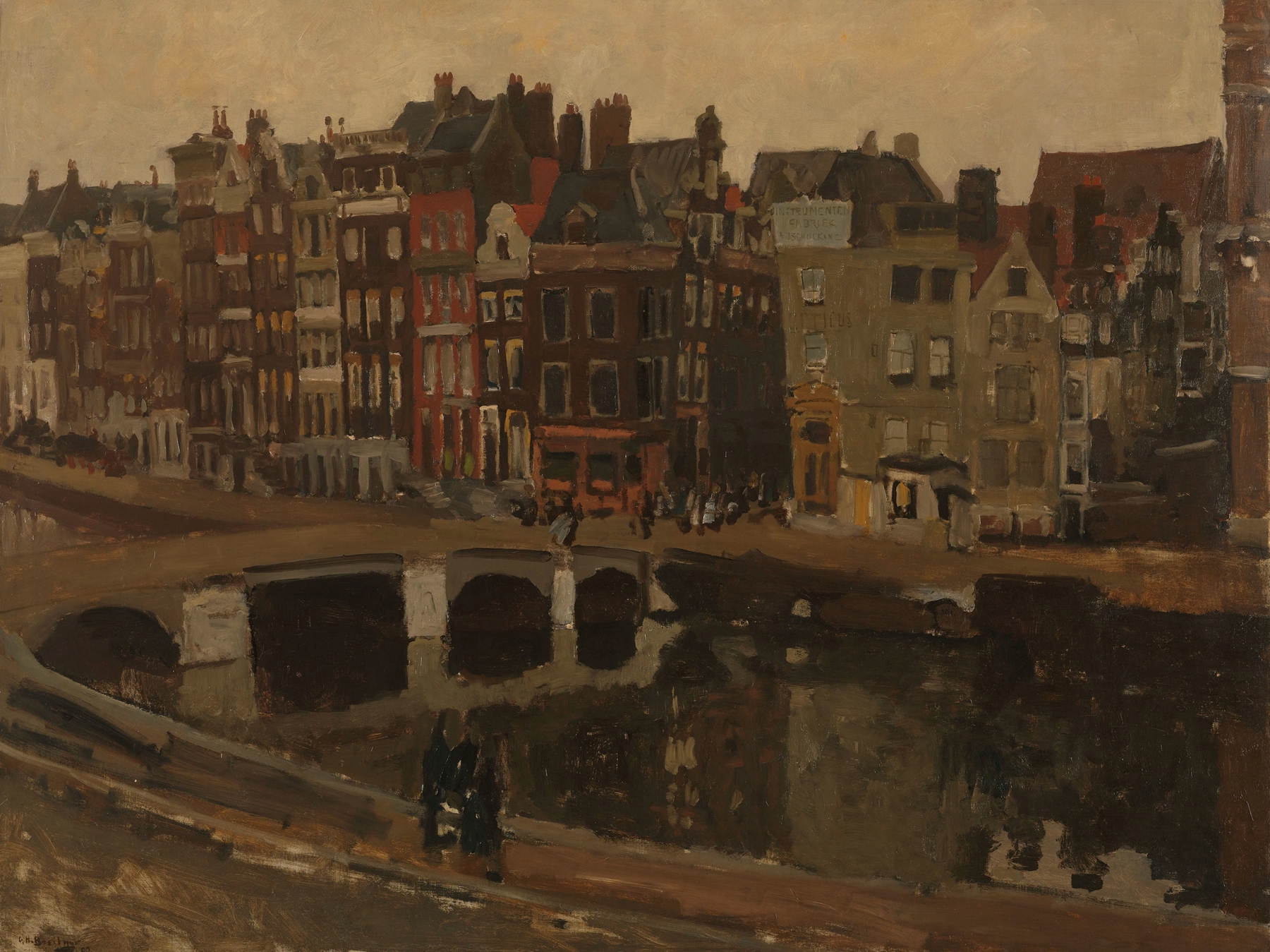
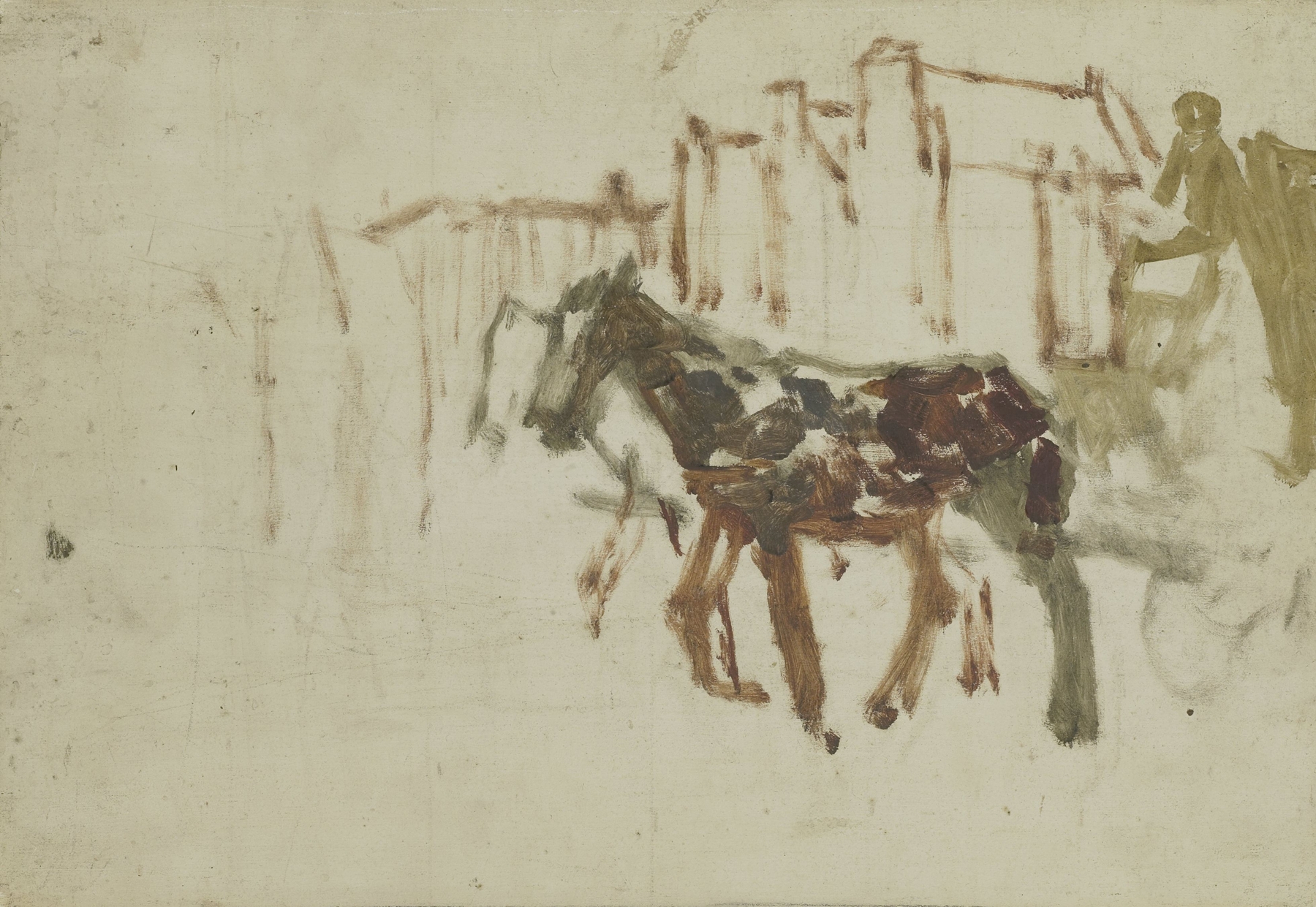
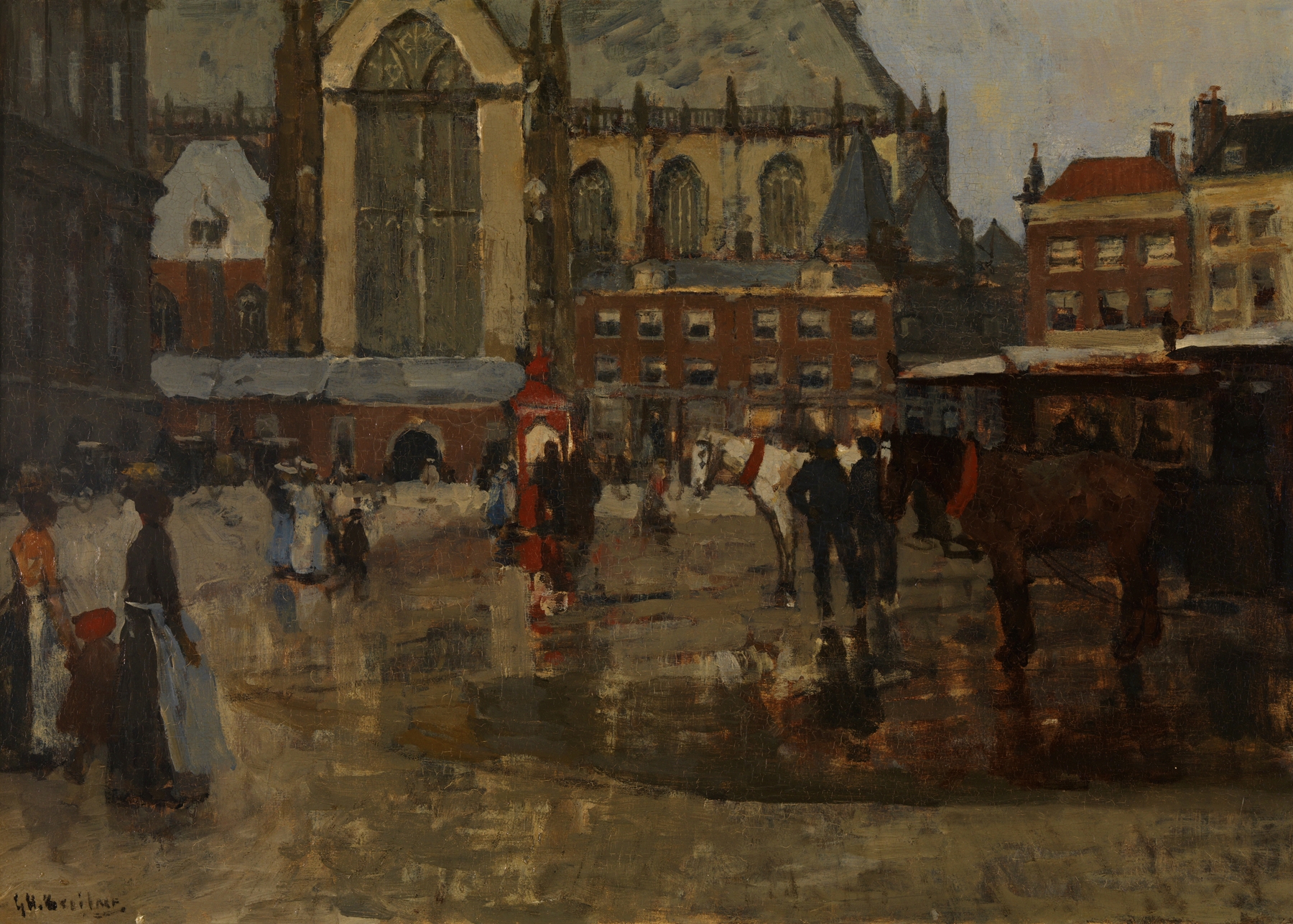
What secret hides in the quiet of the canvas? In the stillness of Bouwterrein aan de De Clercqstraat, an unsettling tension brews beneath the surface, inviting the viewer to ponder the anxieties of urban life. Look to the center, where muted earth tones dominate the scene. The brushstrokes are both broad and delicate, creating an impression of a construction site alive with potential yet shrouded in uncertainty.
A solitary figure stands amidst the noise of machinery, their posture heavy with contemplation. Notice how the light catches the edges of the bricks, casting shadows that seem to speak of both hope and fear, as new structures rise amid the ruins of the past. The juxtaposition of progress and decay is palpable here. The unfinished buildings loom ominously, remnants of labor and ambition, while the solitary worker epitomizes a human vulnerability, a stark contrast to the bustling energy of the city.
Each detail—the tangle of wires, the scattered tools—whispers of the fears that accompany change: fear of the unknown, of displacement, of what is lost when the old gives way to the new. Created during the early 20th century, Breitner’s work captures a moment of transition in Amsterdam, where industrialization was reshaping the urban landscape. As he painted this piece, he was navigating the complexities of his own career, moving from portraiture to scenes of everyday life. This period was marked by a growing fascination with modernity, even as it unearthed an underlying trepidation about the future.