Brandenburger Tor vom Pariser Platz aus gesehen, Berlin — History & Analysis
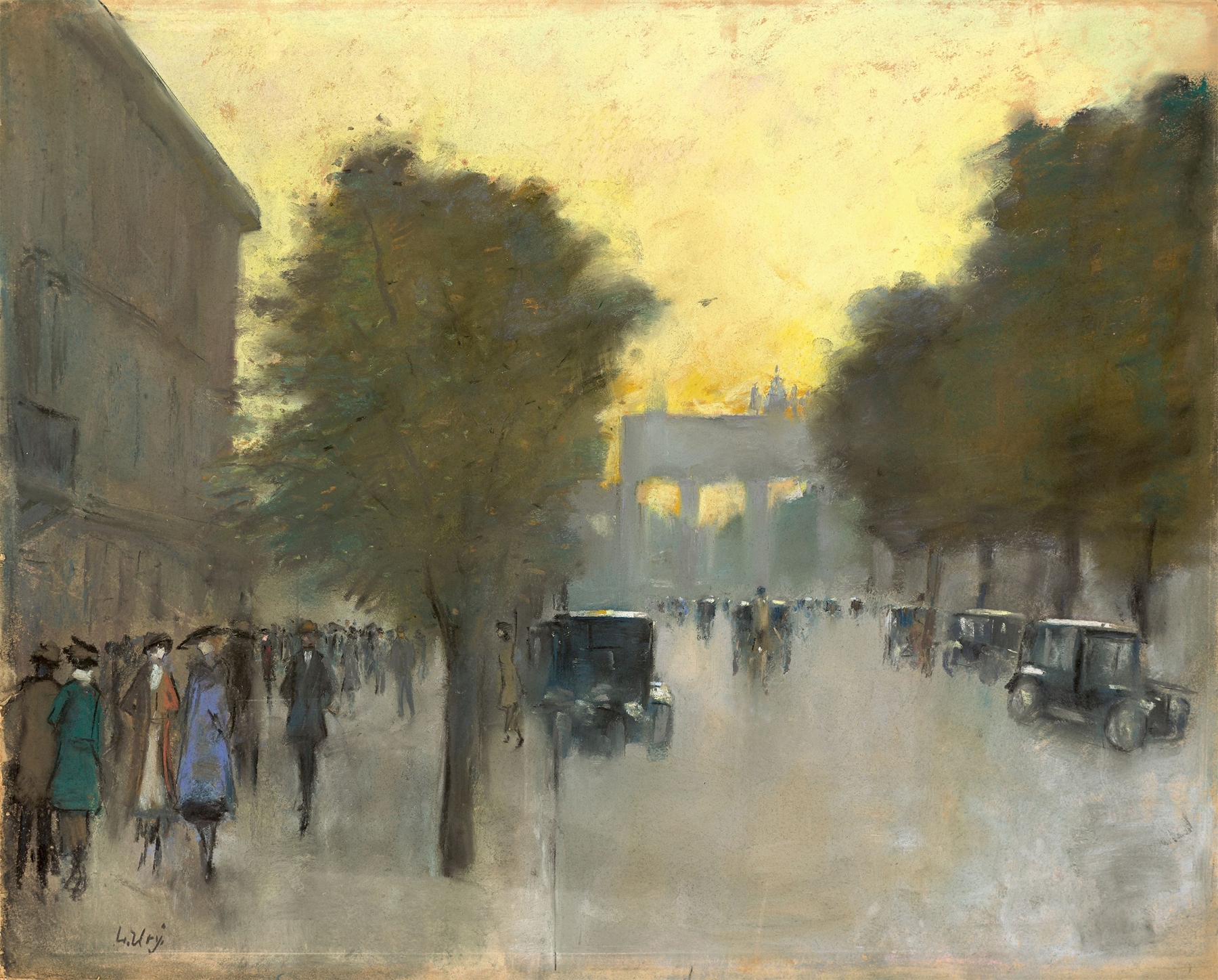
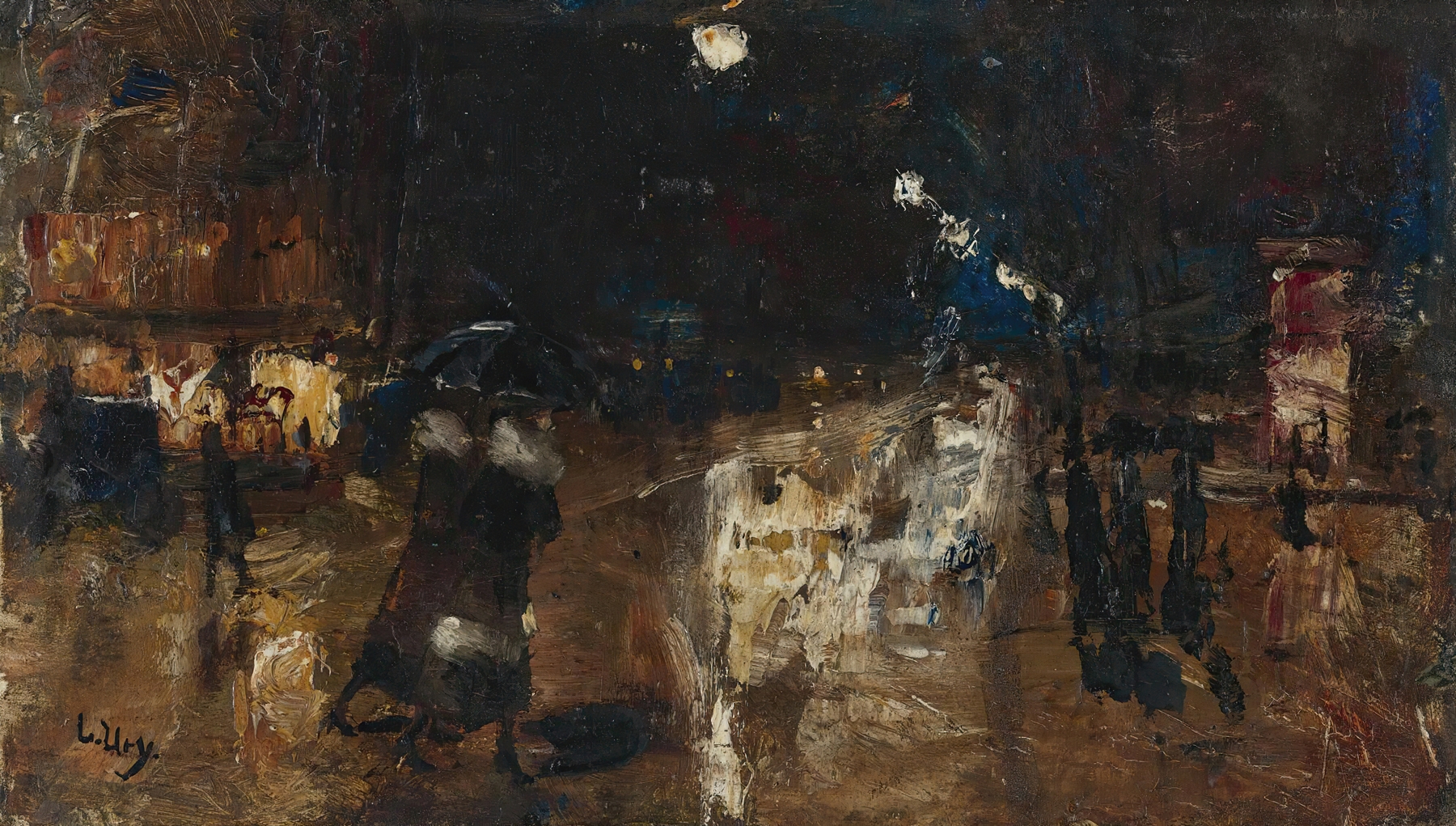
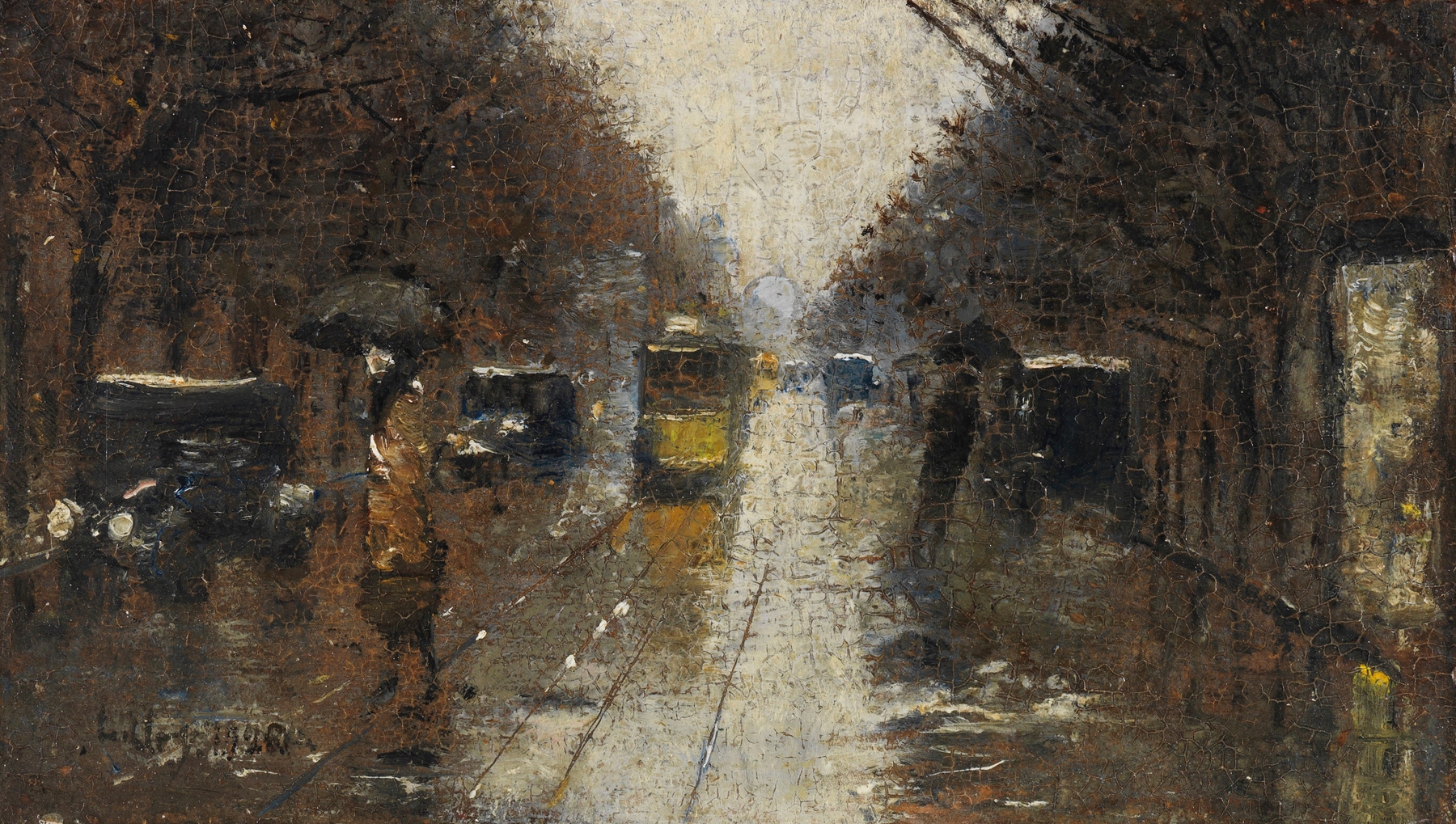
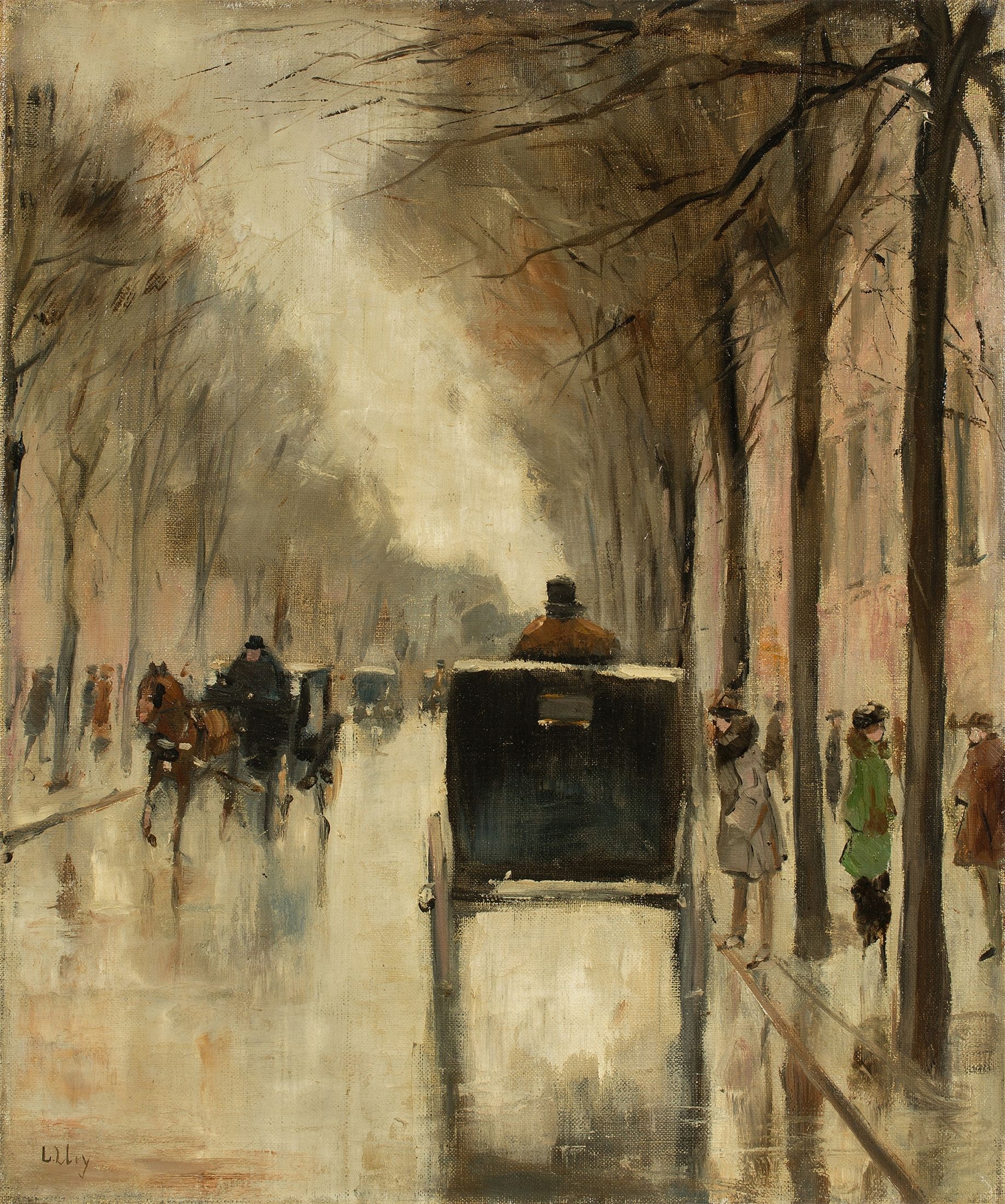
“Between color and silence, truth hides.” This poignant reflection captures the essence of a moment suspended in tension, where the beauty of a scene can be marred by an undercurrent of violence and conflict. Focus on the vibrant hues that emanate from the canvas. Notice how the warm reds and yellows swirl around the iconic Brandenburger Tor, creating a stark contrast against the cool blues of the evening sky. The gentle brushstrokes invite the viewer to linger, yet there’s an urgency in the way the light dances across the structures, suggesting a narrative that lies just beneath the surface.
As you delve deeper, consider the juxtaposition within the composition. The historical monument, a symbol of peace and unity, stands resilient amidst a backdrop that hints at unrest. The scattered figures appear almost ghostlike, their movements a blend of action and hesitation, reflecting a society caught between celebration and despair. The interplay of light and shadow amplifies this tension, urging one to confront the delicate balance of joy and turmoil that defines the human experience.
Lesser Ury painted this work before 1928, a period marked by significant social and political upheaval in Germany. Living in Berlin during the Weimar Republic, the artist was influenced by the rapid changes and growing tensions of the time. His ability to convey both beauty and latent violence in Brandenburger Tor vom Pariser Platz aus gesehen offers a profound commentary on the fragility of peace in a world on the brink of transformation.