Brentford Ferry — History & Analysis
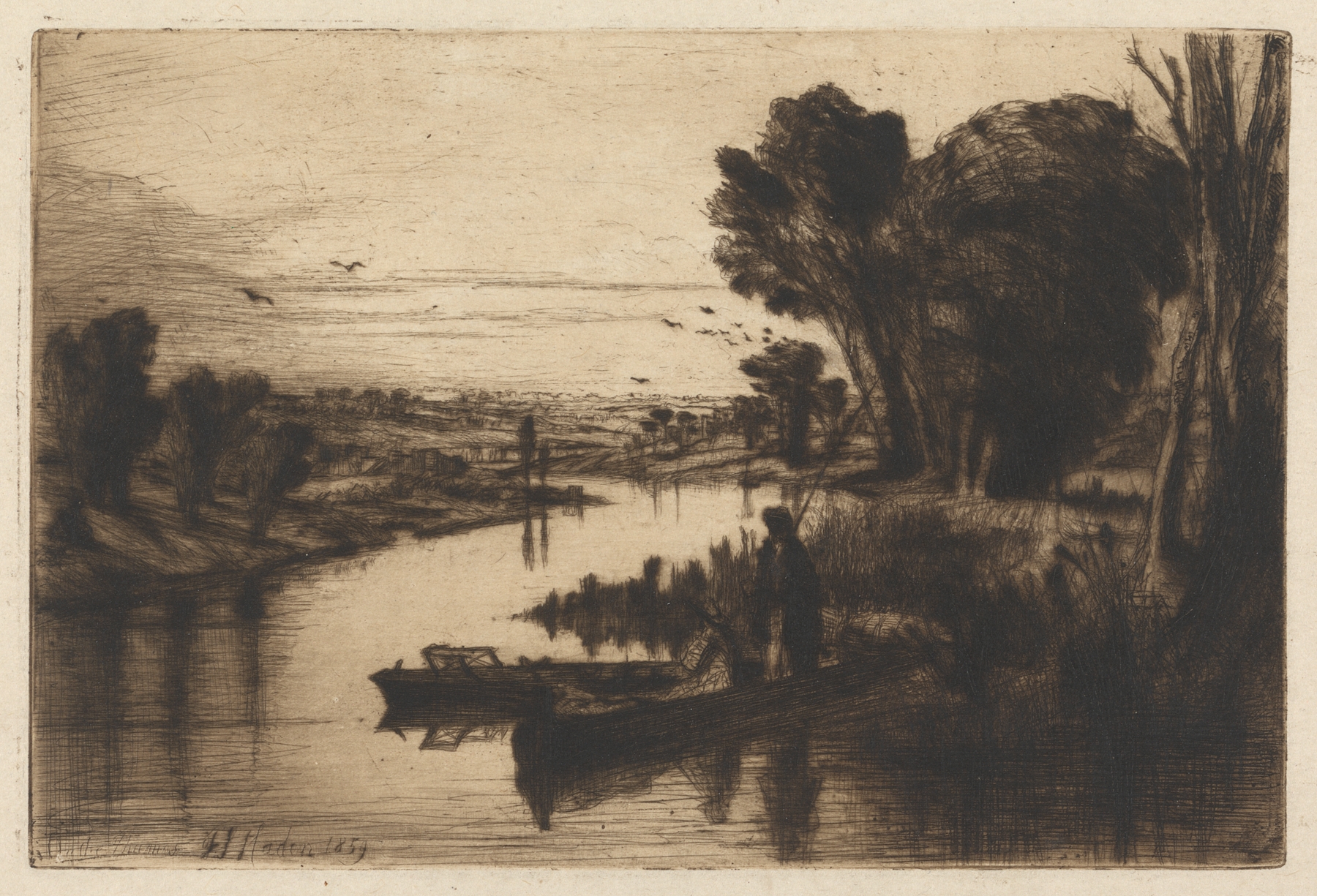
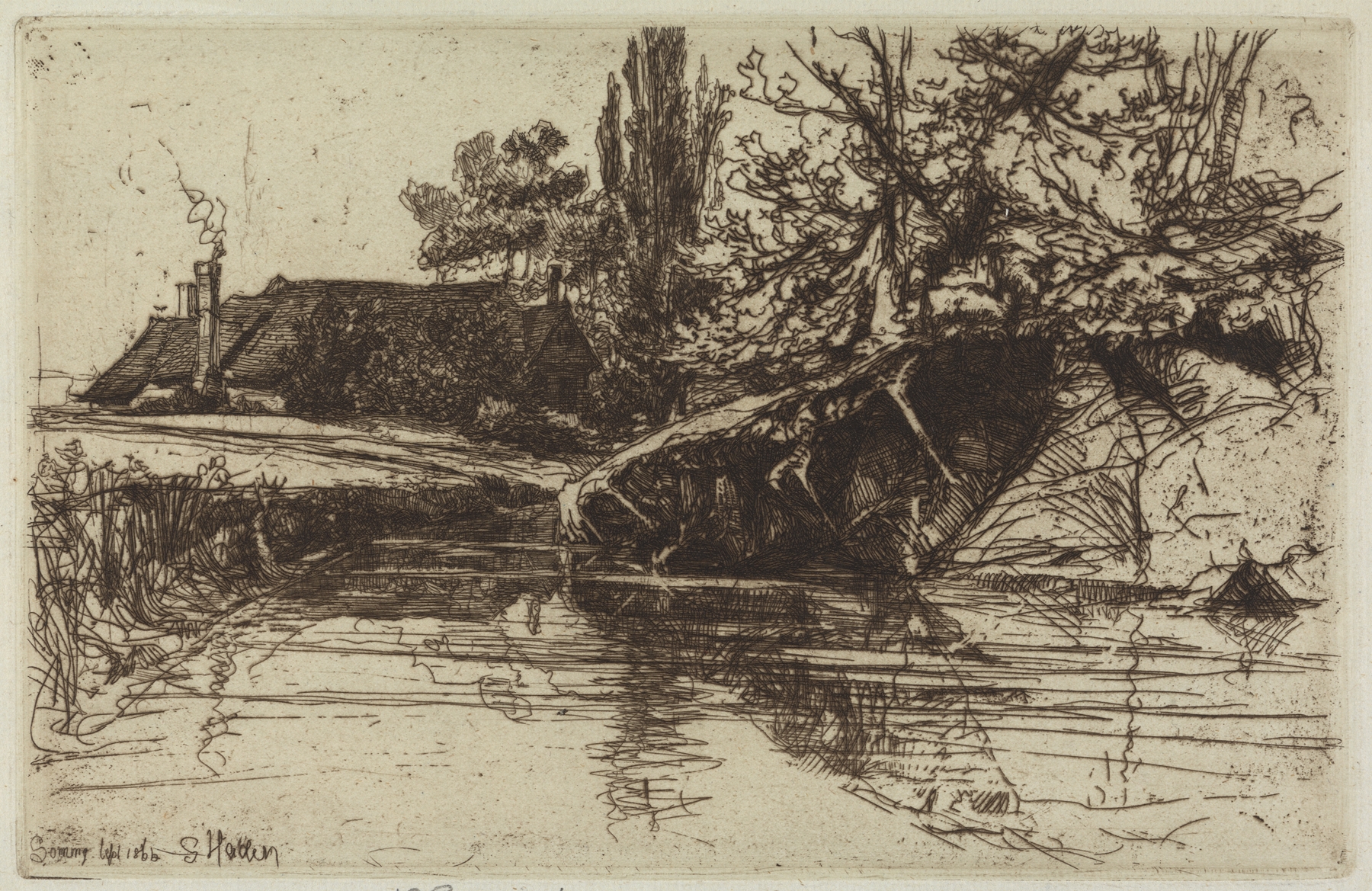
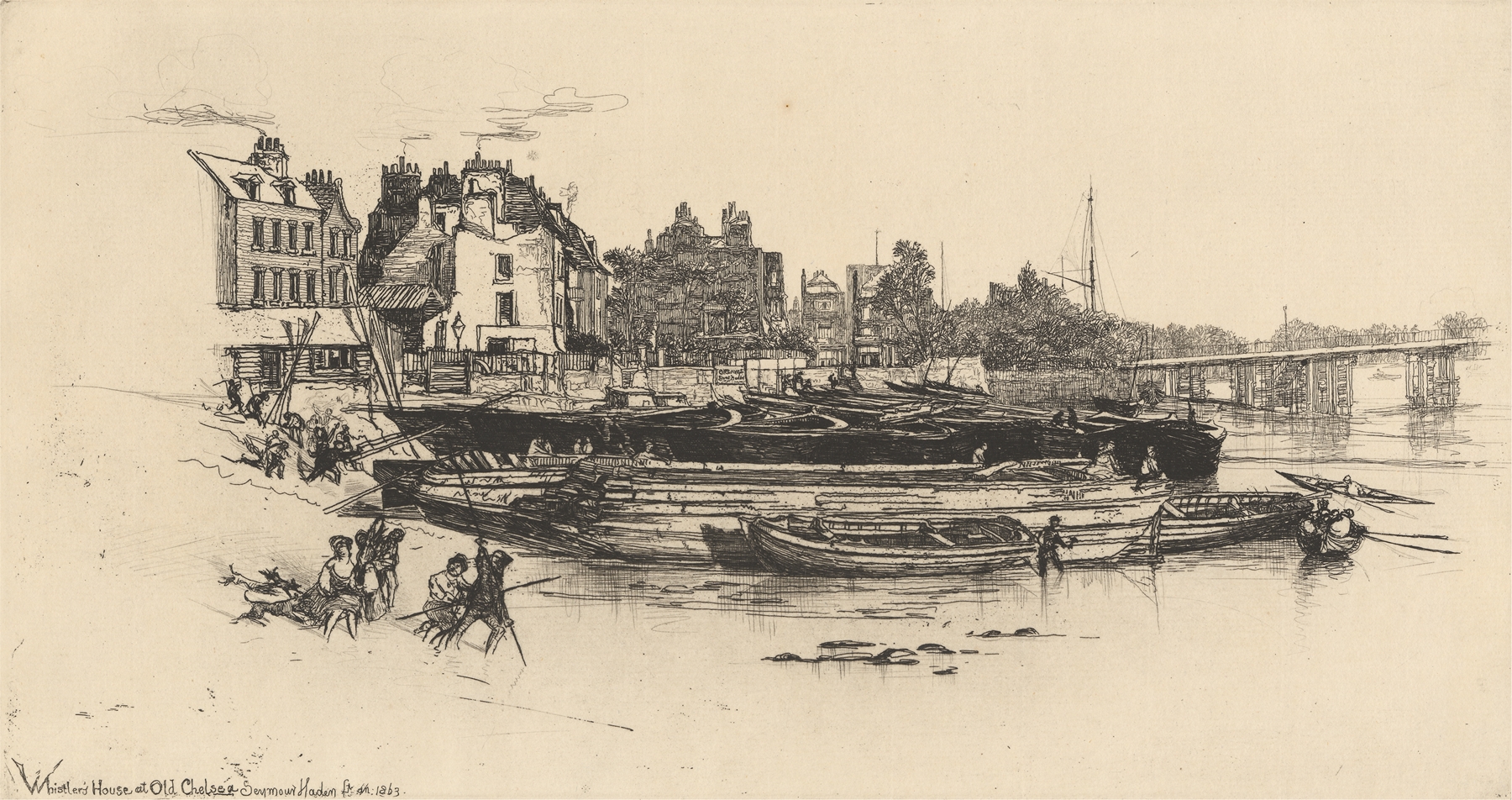
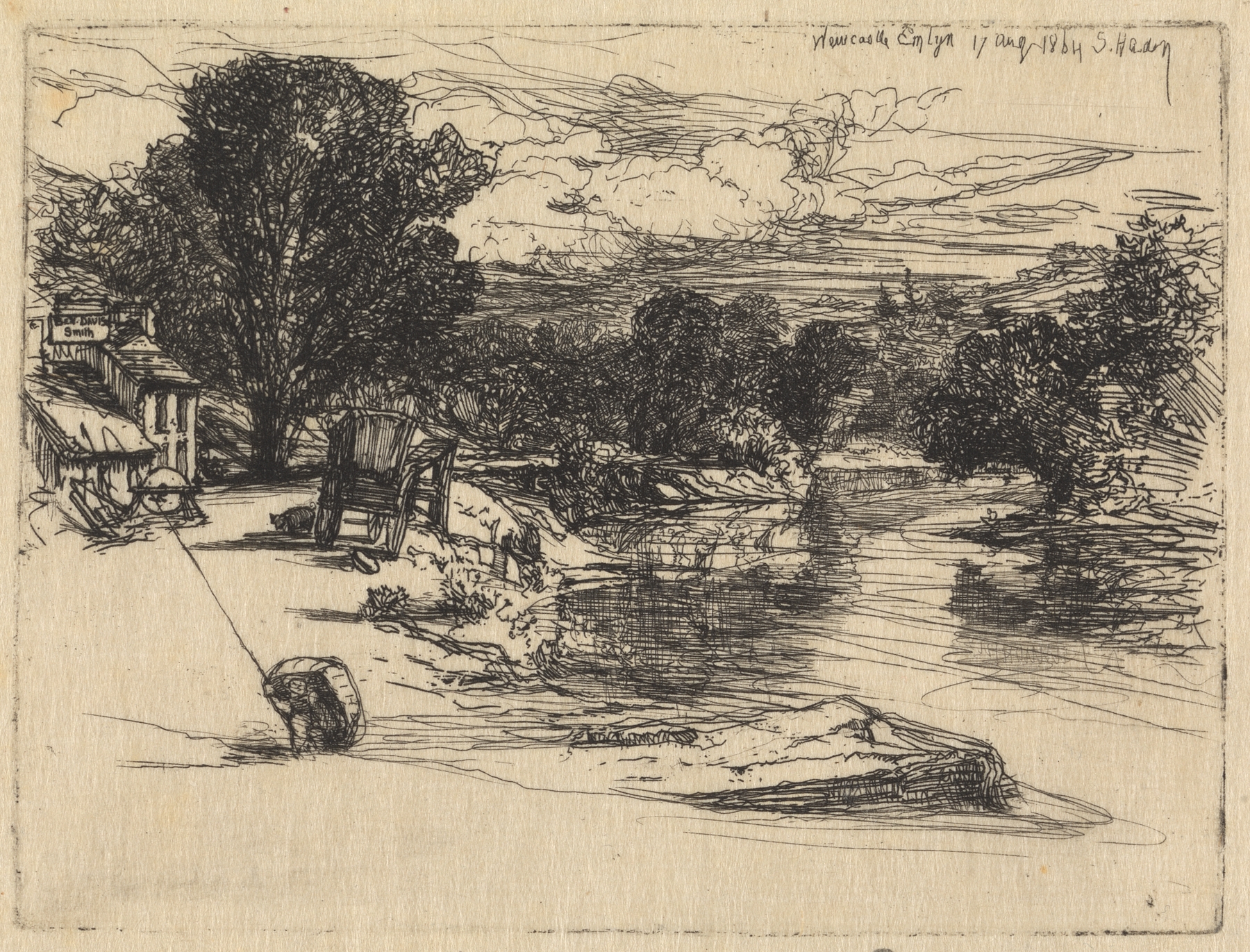
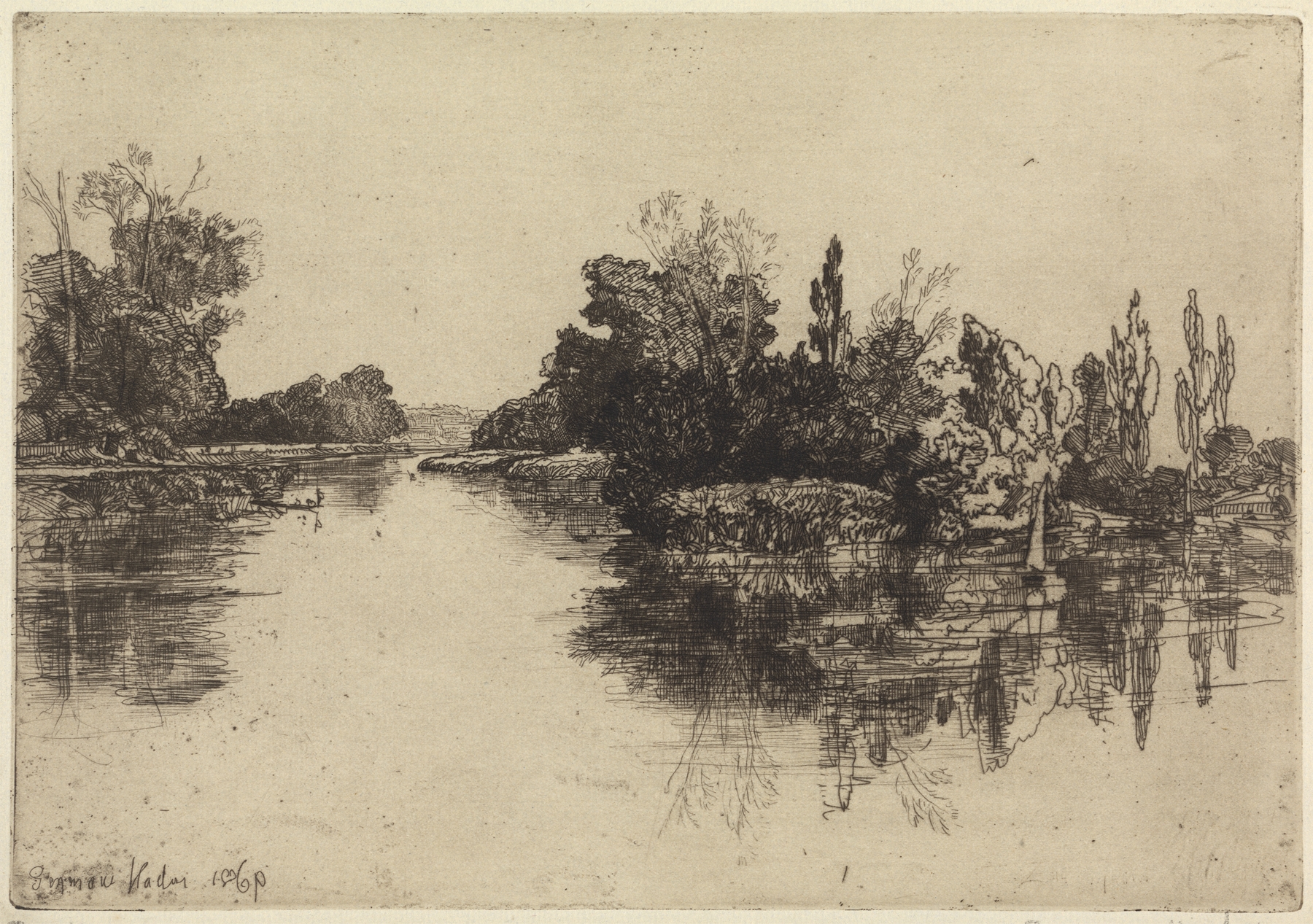
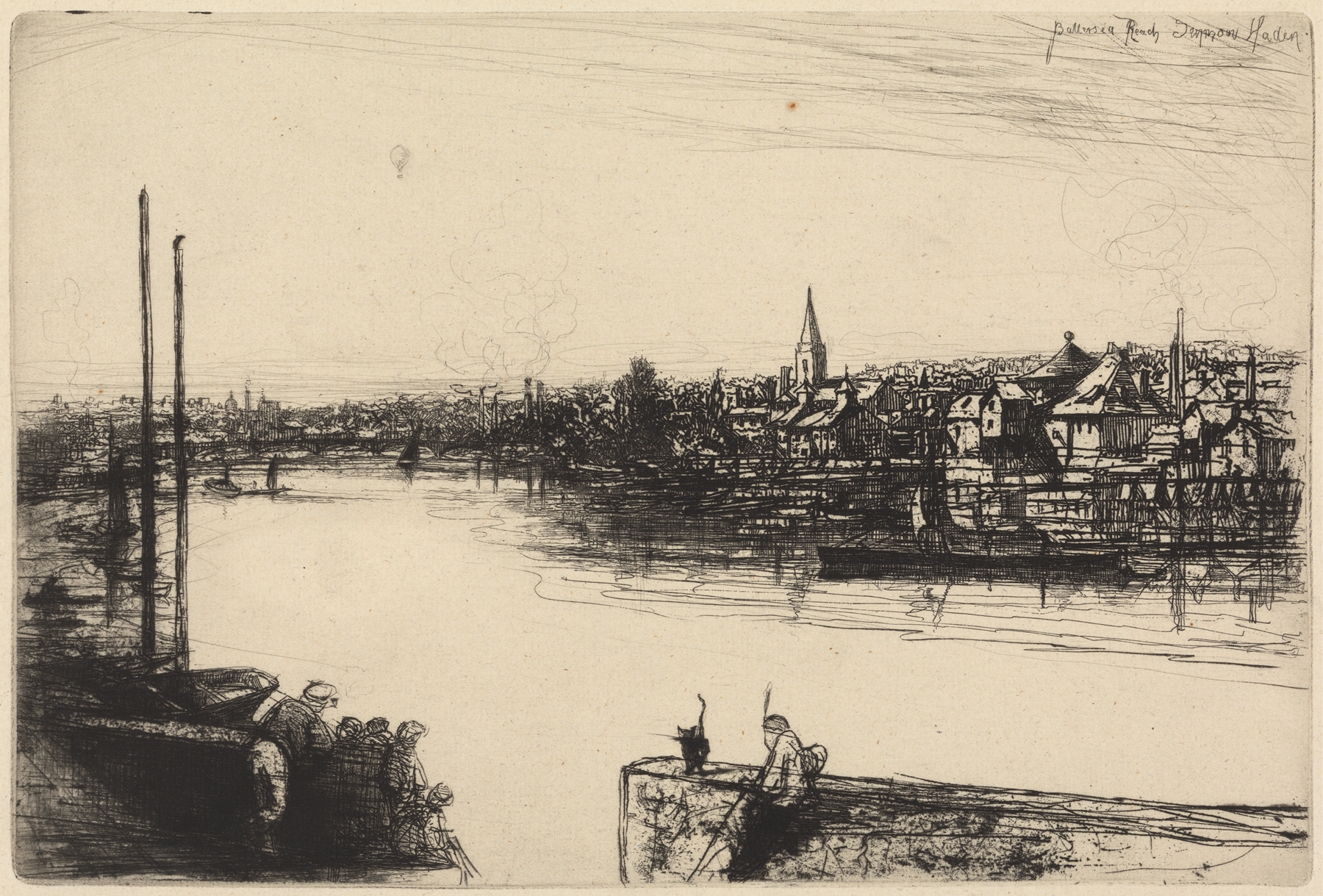
Can beauty exist without sorrow? The gentle ripples of water in Brentford Ferry suggest that each serene moment is woven with threads of loss, echoing the lives intertwined with its banks. Focus first on the serene river scene, where the ferry gently glides across the silvery expanse. Observe how the soft, muted colors of the water and sky blend in harmony, while the delicate strokes capture the fleeting nature of light reflecting off the surface.
Just to the left, the figures on the ferry stand as silhouettes against the luminous backdrop, their gestures hinting at connection and separation—intimate yet distant. In the interplay of light and shadow, hidden emotions arise. The ferry, a vessel of transition, represents the passage of time and the inevitability of change. Each brushstroke whispers stories of those who have crossed, evoking a sense of nostalgia.
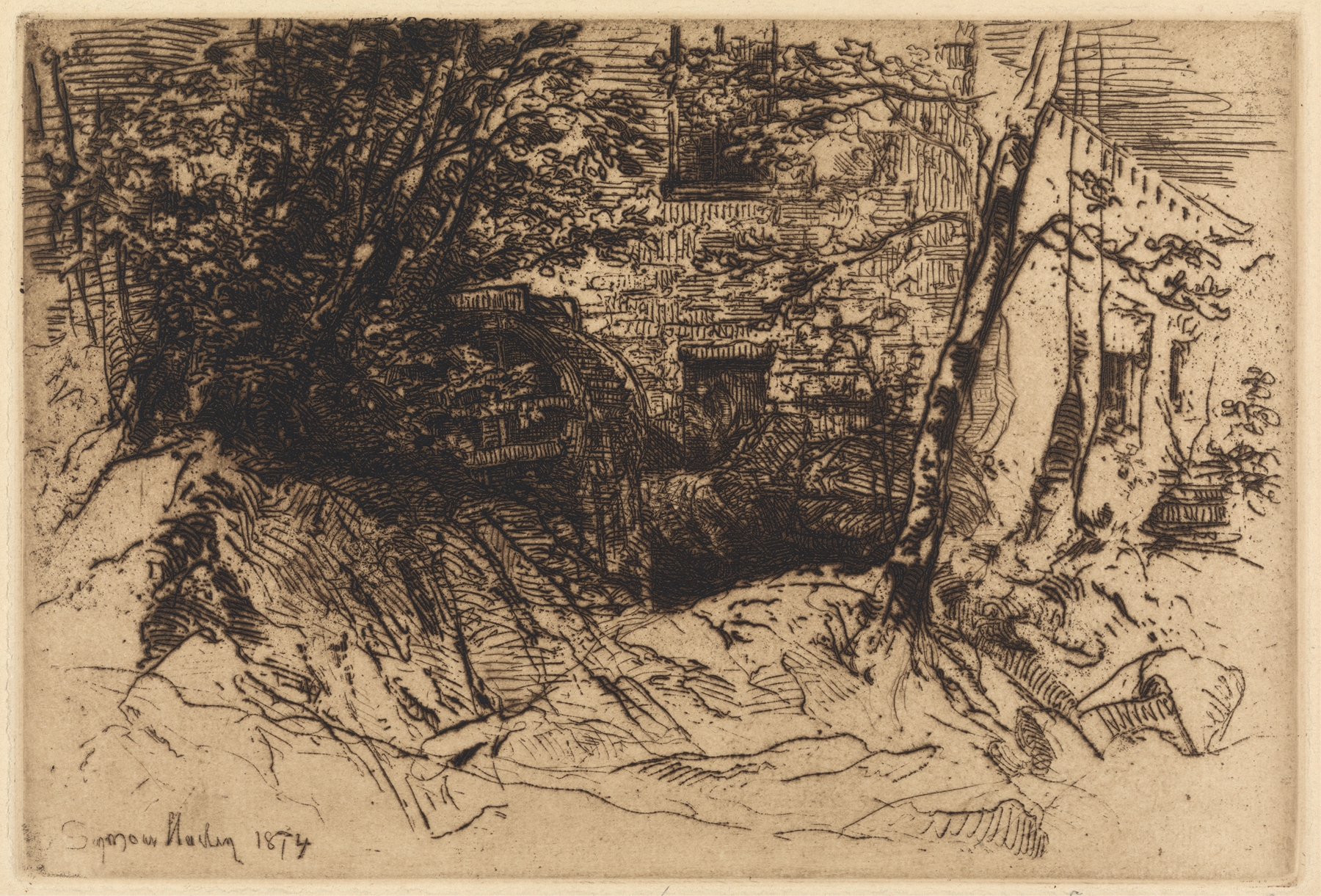
The lush greenery framing the river contrasts the fragile nature of human experiences, suggesting that even in beauty, there lingers a quiet ache of remembrance. In 1864, Francis Seymour Haden embraced etching as a means of capturing the ephemeral world around him. Living in London, he was part of the burgeoning artistic community that valued the interplay of light and nature. At that time, he was exploring themes of passage and transition, reflecting the societal shifts of an industrialized world, as well as personal reflections on his own life and losses.