Cap Ferrat — History & Analysis
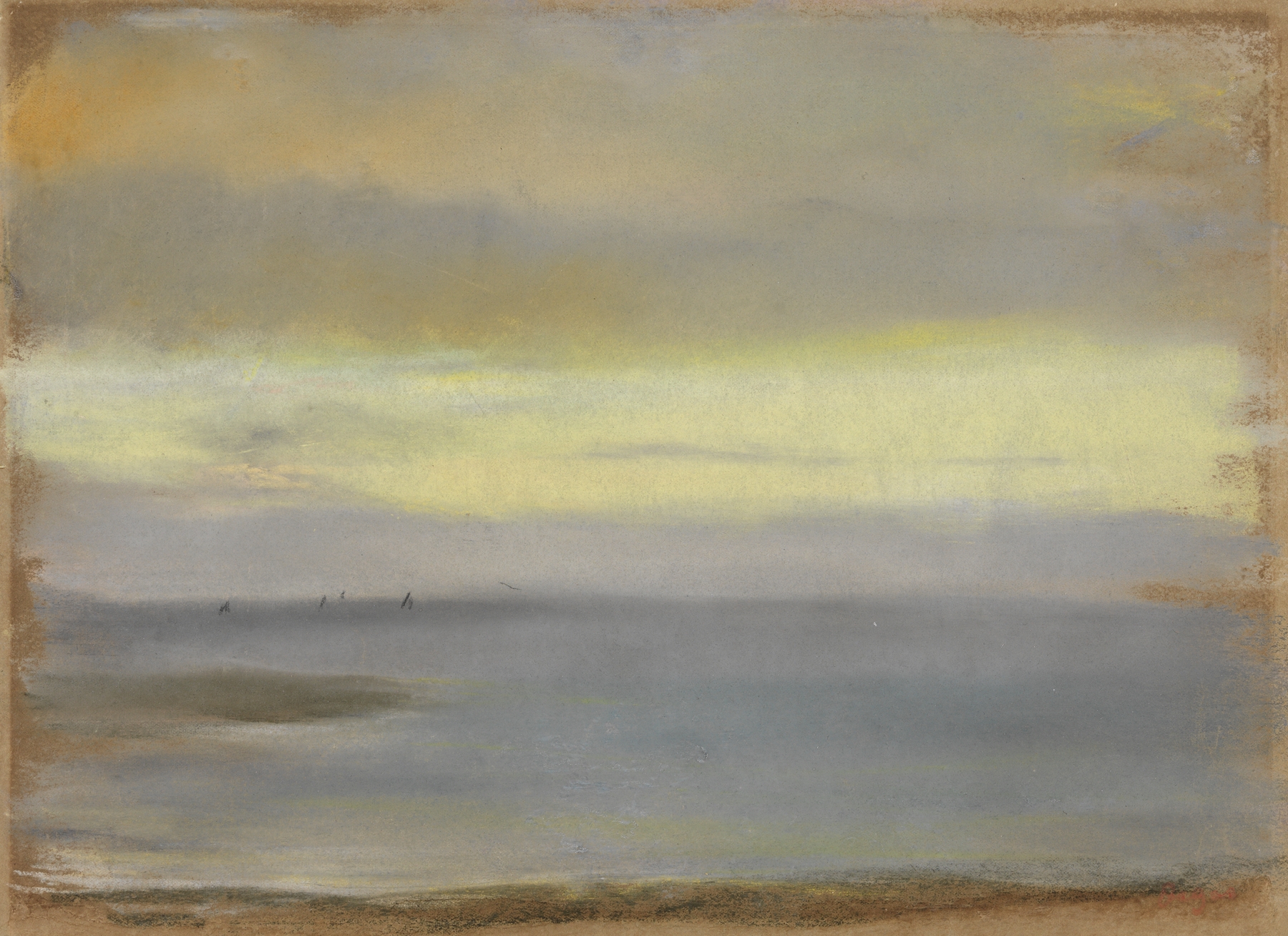
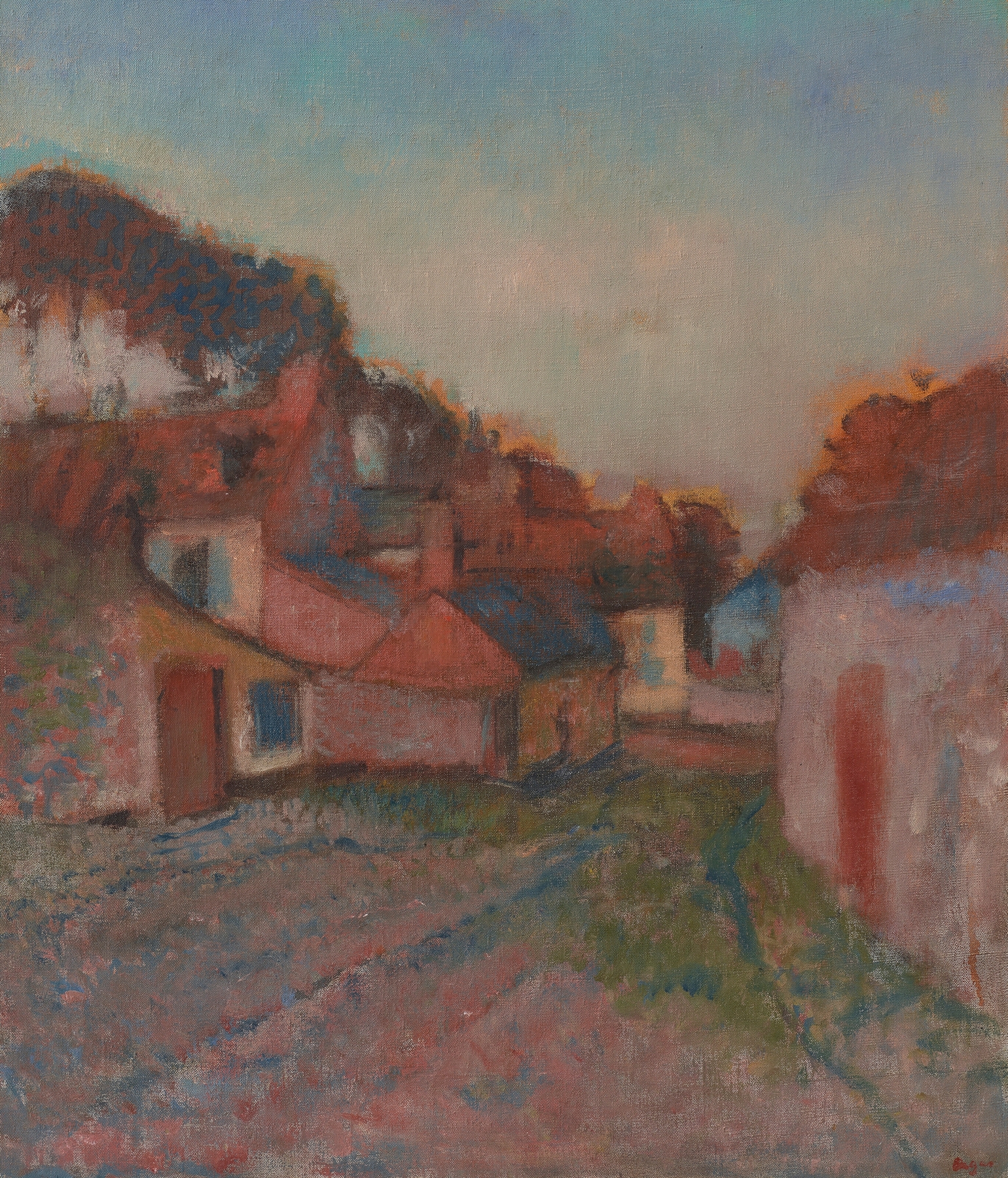
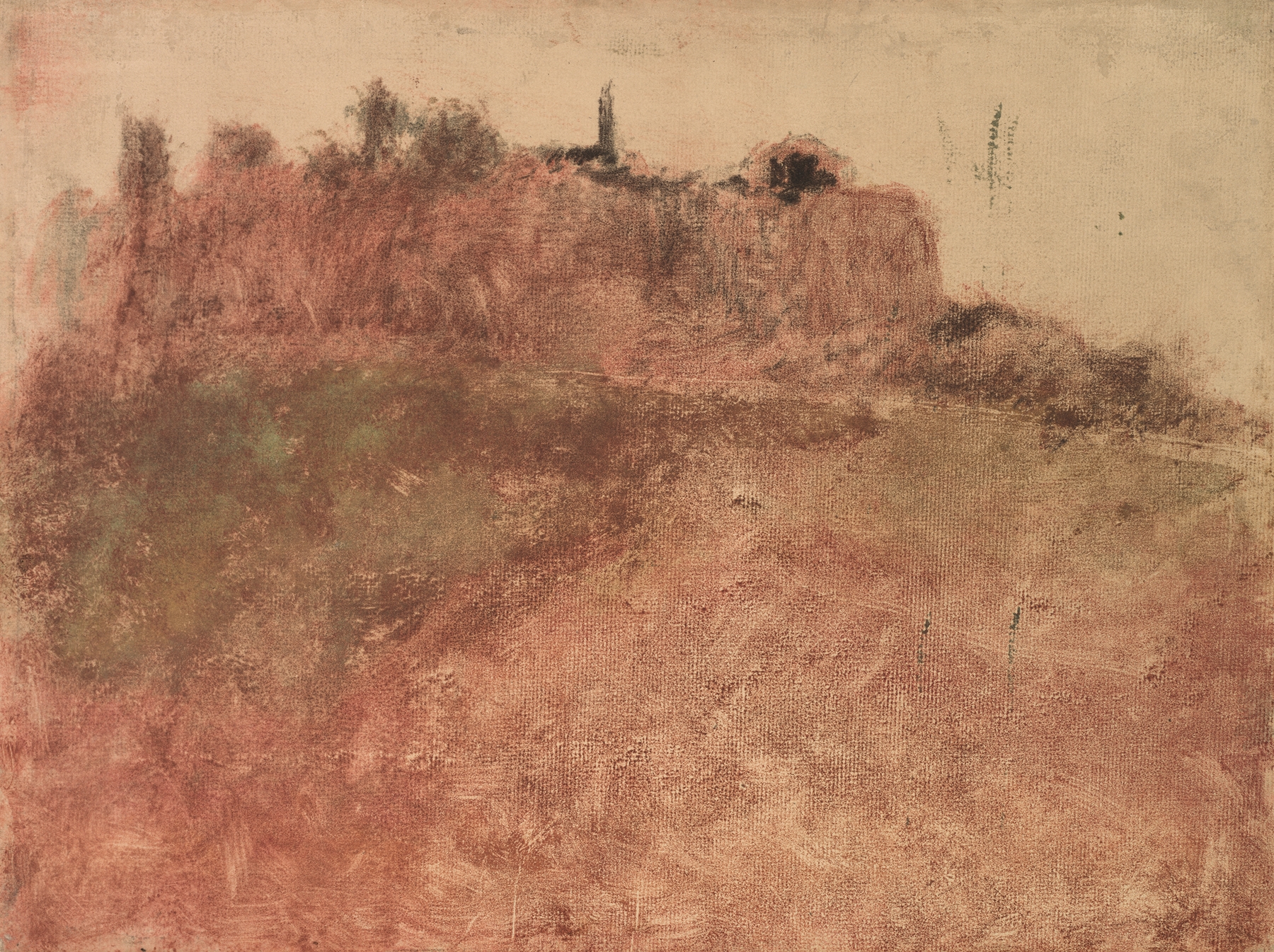
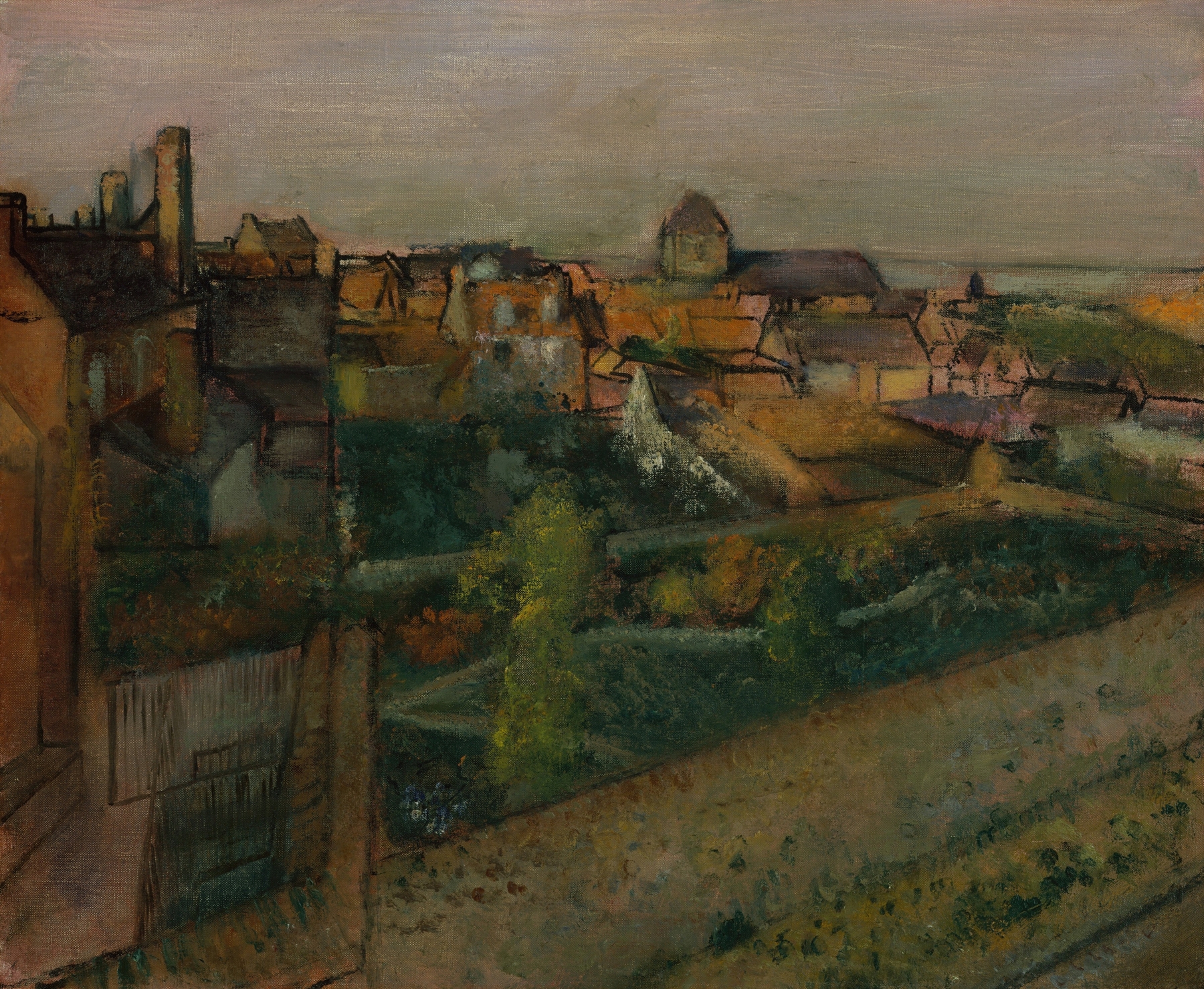
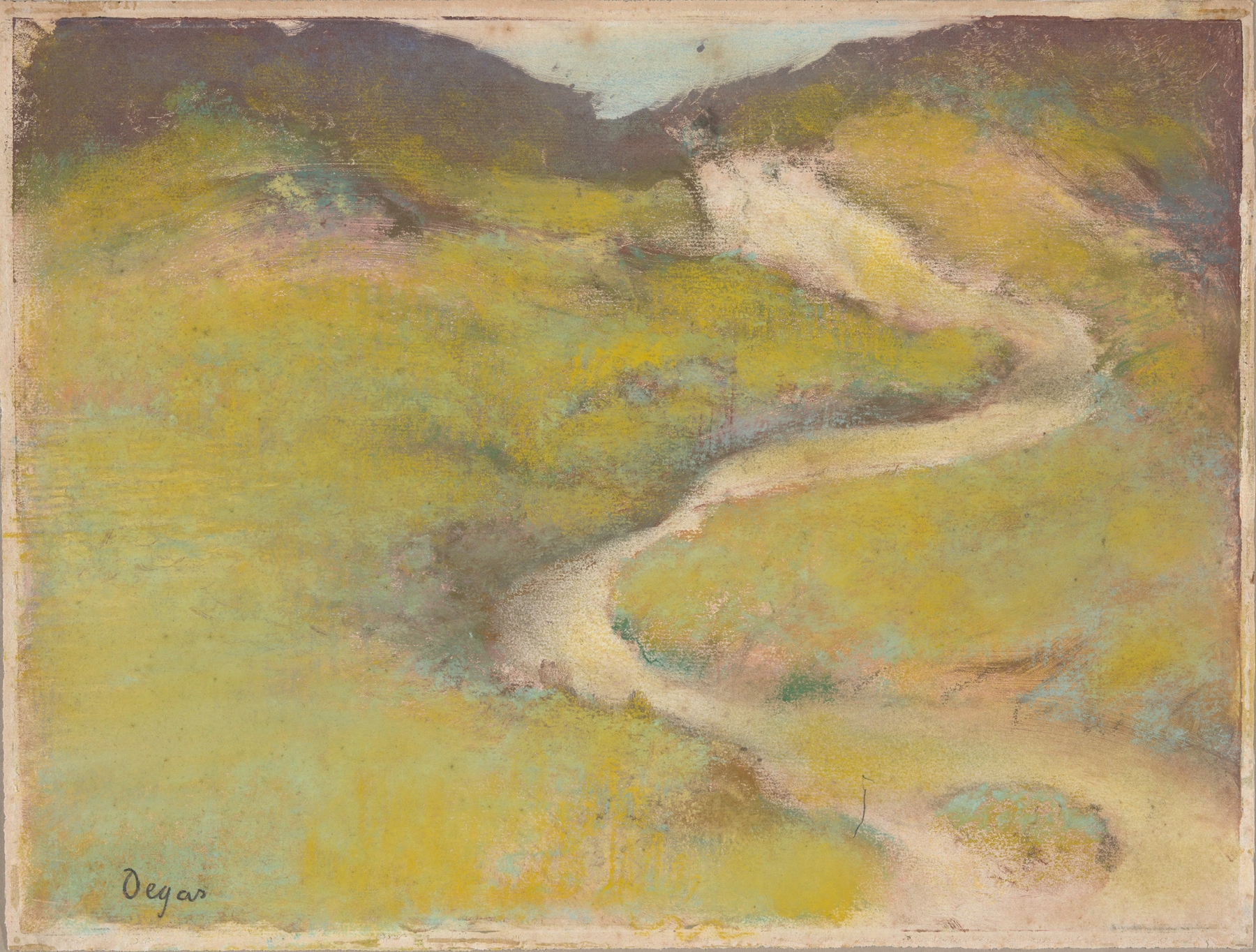
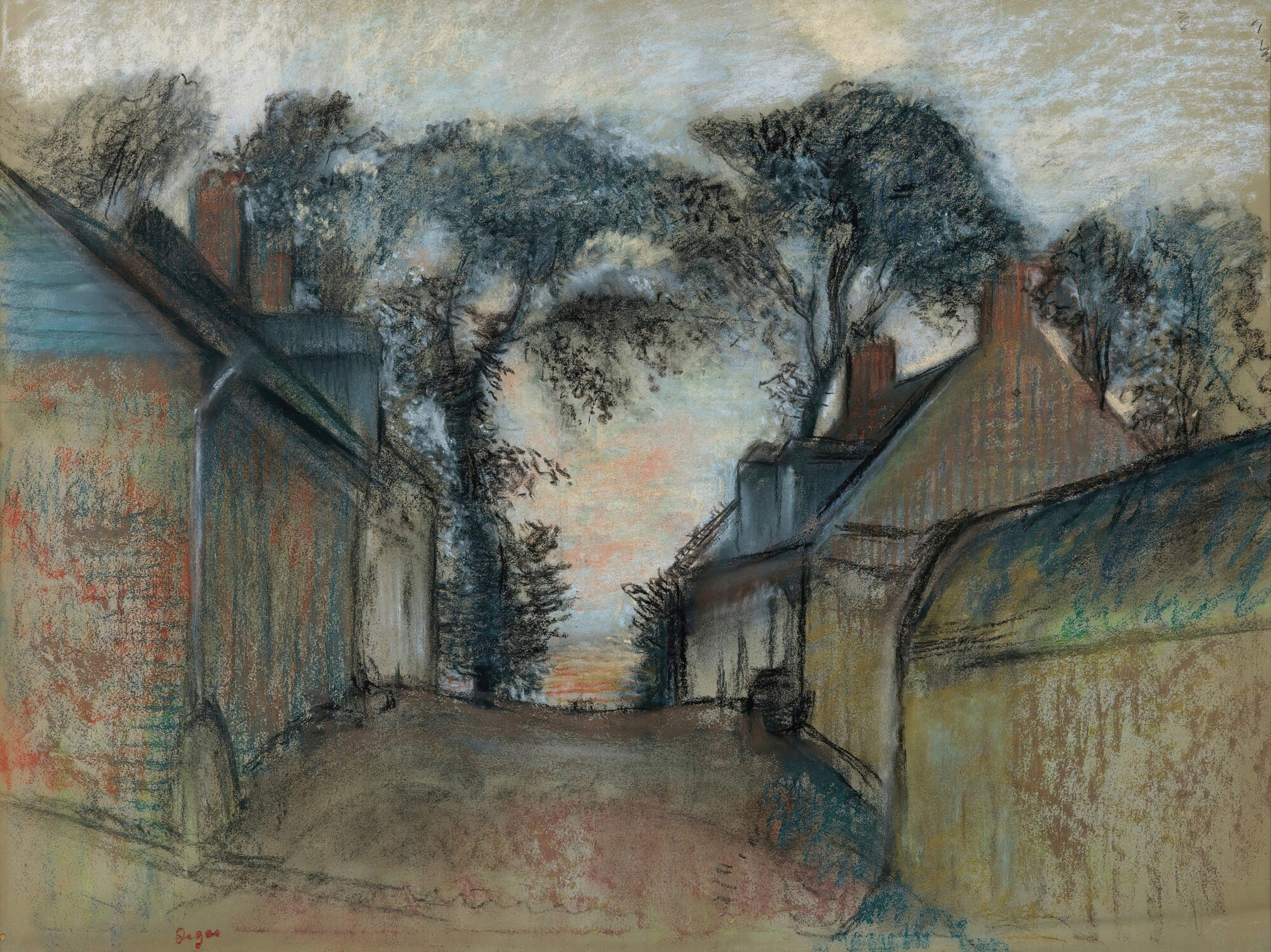
“Every silence here is a confession.” The stillness in Cap Ferrat speaks of longing, capturing the quiet ache of unspoken emotions and the beauty of moments that linger in the air, just out of reach. Look to the foreground, where a solitary figure sits gracefully, enveloped in the embrace of soft, muted hues. Her attire merges with the pastel shades of the landscape, creating a harmonious blend that invites the viewer to explore the relationship between her form and the tranquil surroundings. Notice how the light dances across the water, illuminating the gentle undulations of the sea, while the trees in the background cast long shadows, hinting at the passage of time.
In this serene composition, contrasting textures emerge: the smoothness of the water against the rougher strokes of foliage, suggesting a tension between nature and human emotion. The figure’s posture, slightly turned and introspective, might evoke a sense of yearning for connection, yet her solitude speaks volumes about the isolation often felt in moments of reflection. The interplay of light and shadow adds to the emotional depth, creating a sense of nostalgia that lingers long after the gaze moves away.
During the early 1890s, Edgar Degas was navigating a period of personal and artistic transformation in Paris. He focused increasingly on themes of solitude and introspection, influenced by the emerging Impressionist movement while maintaining his distinctive approach. This painting reflects his experimentation with color and light, showcasing his evolving style as he captured the subtleties of human experience within the broader context of a changing world.