Caravan — History & Analysis
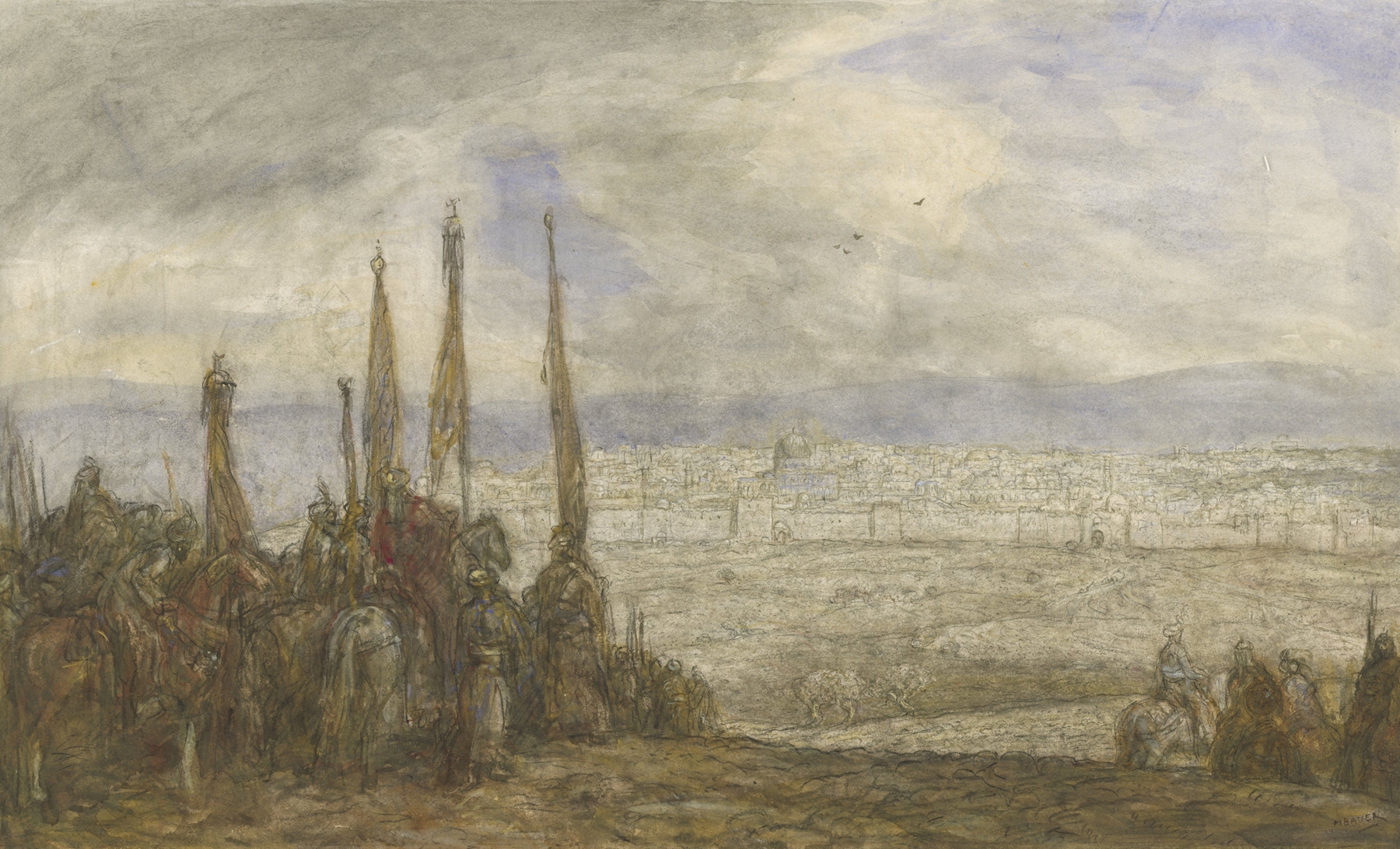
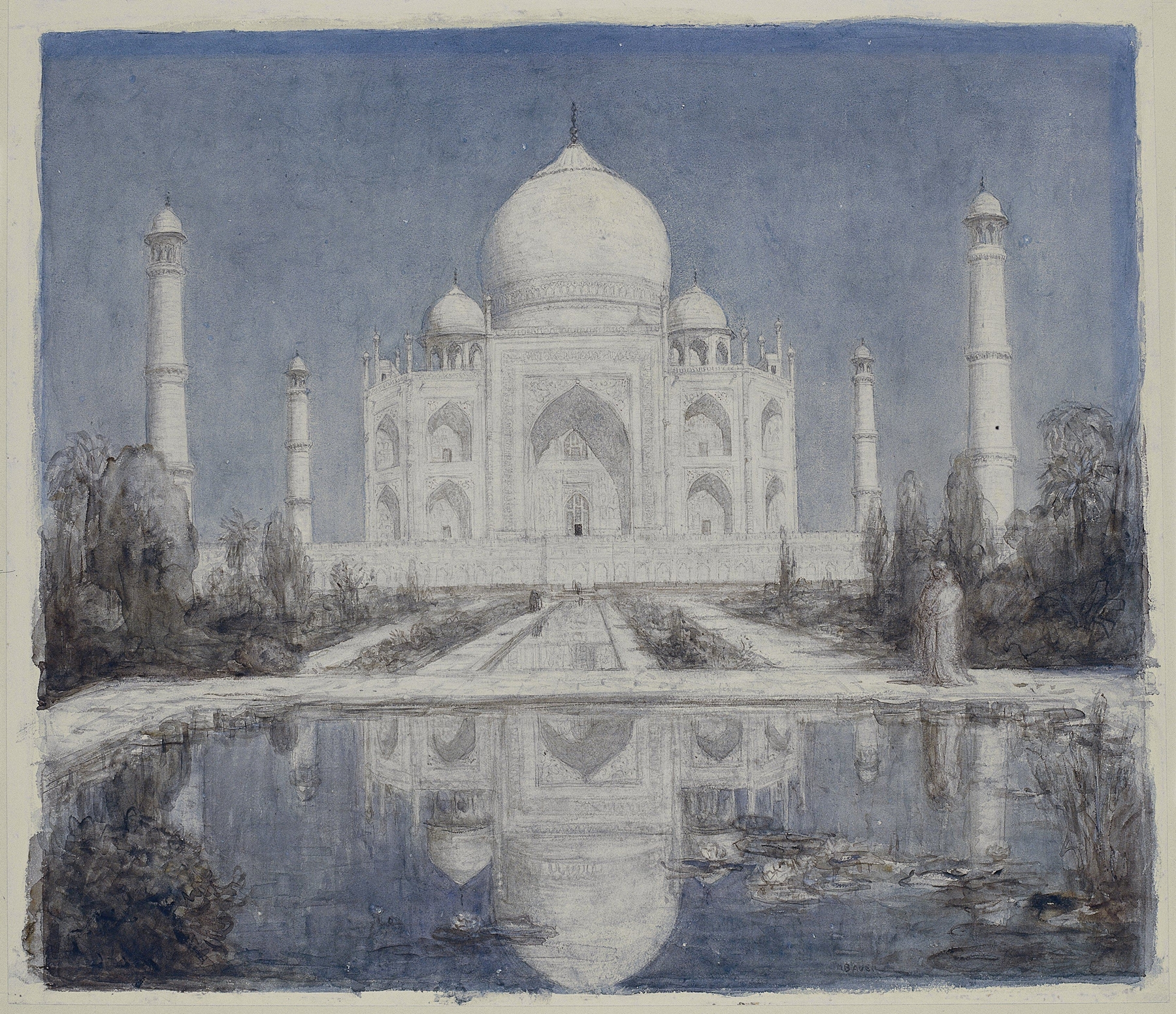
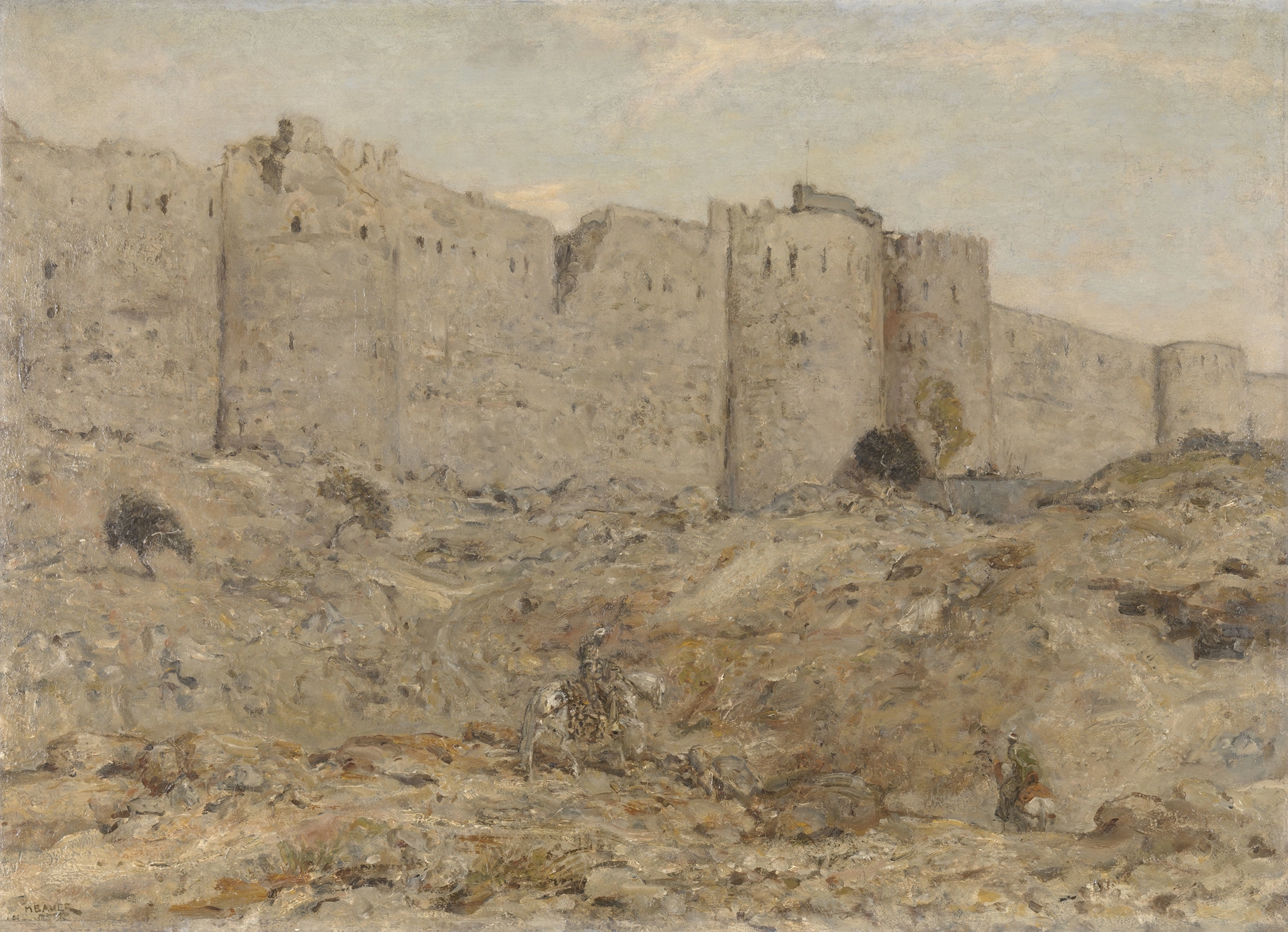
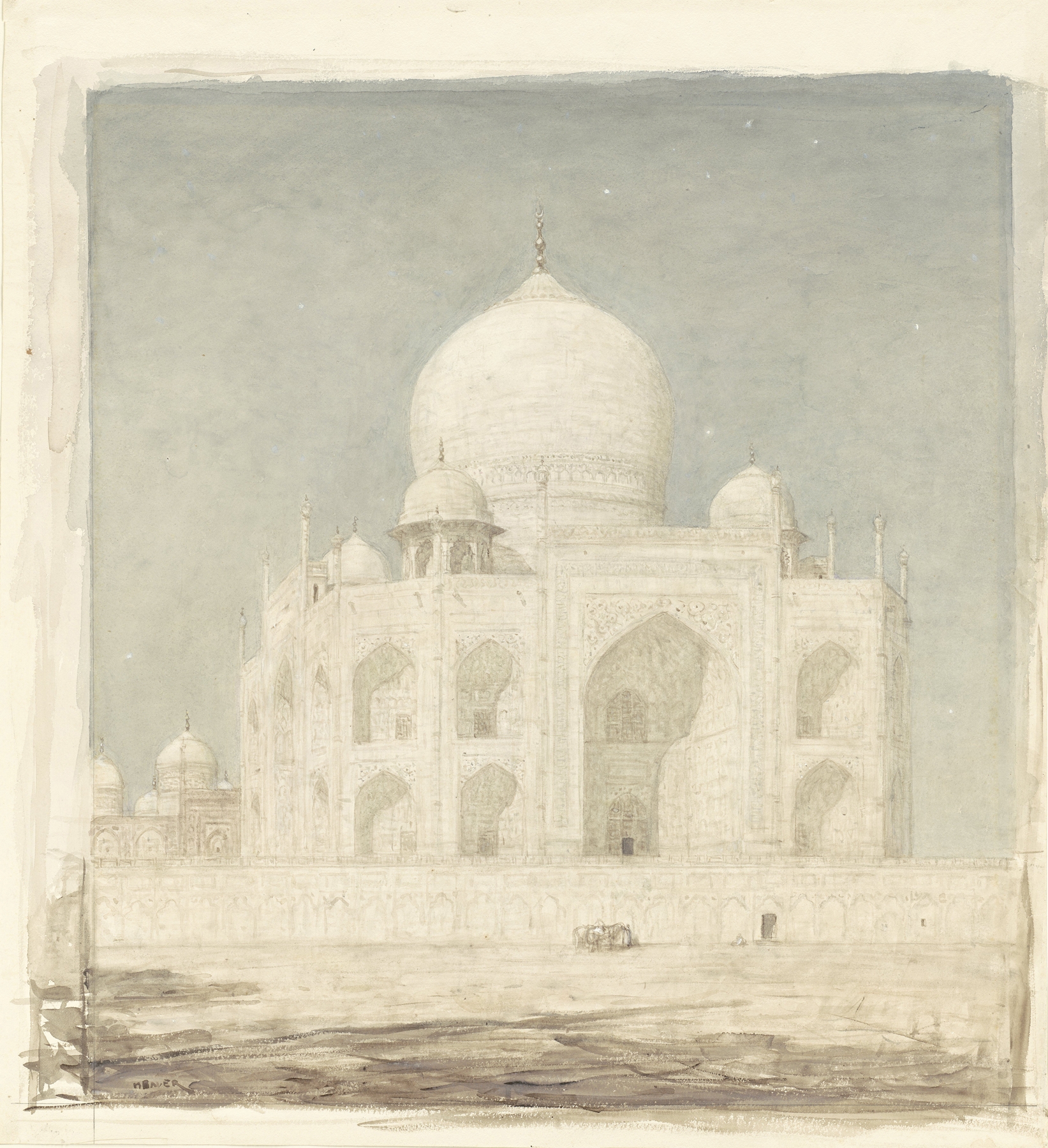
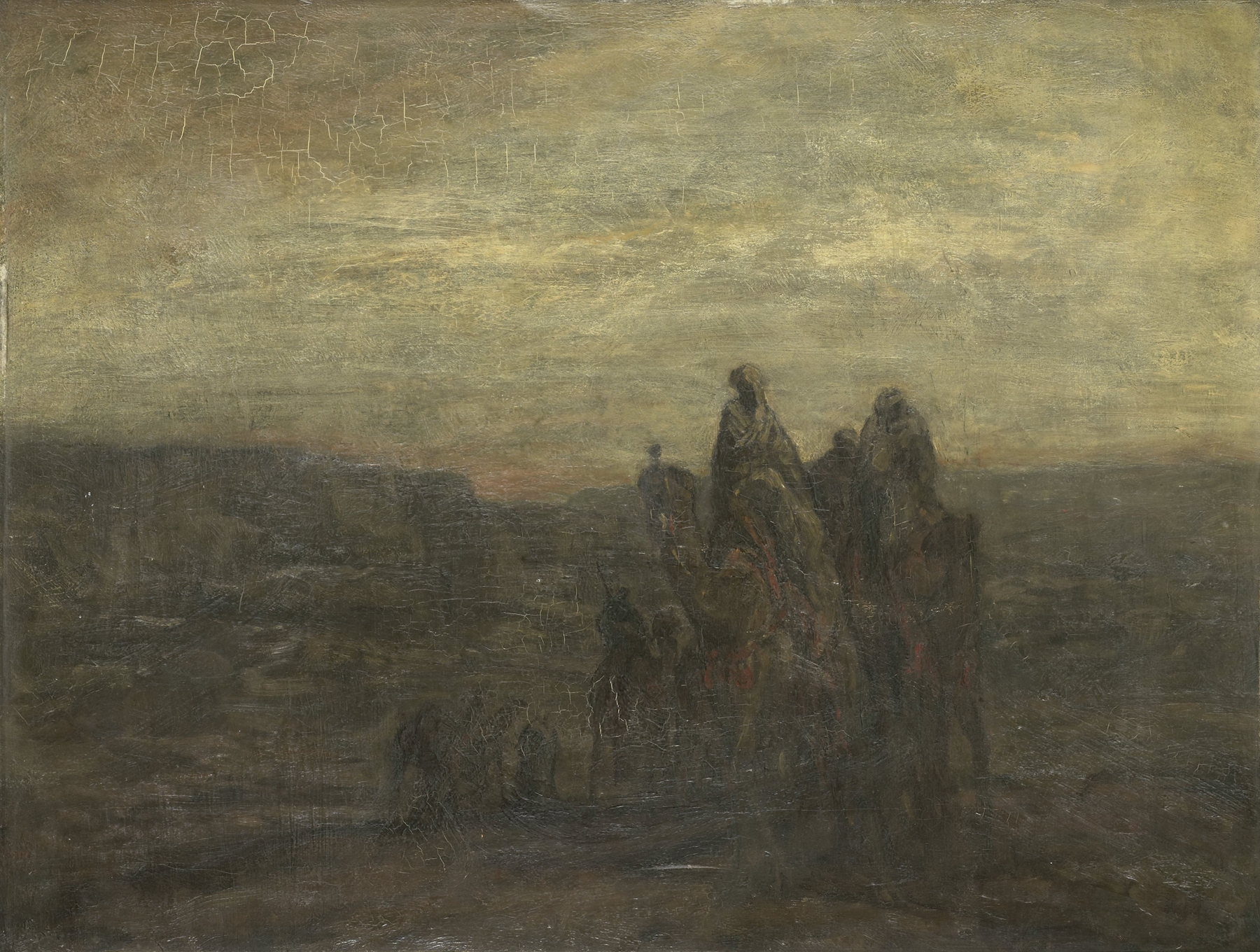
“The canvas doesn’t lie — it simply waits.” In the stillness of a moment captured on canvas, loss lingers subtly, echoing the quiet absence of what once was. Here, in a world of vibrant colors and exotic forms, emotion drifts like smoke, haunting the edges of a forgotten caravan journey. Look closely at the foreground, where a cluster of figures stands, their faces awash in the warmth of golden hues. Marius Bauer expertly uses rich tones to create depth and texture, pulling you into the fabric of their garments and the details of their expressions.
As your gaze wanders, the light dances across the scene, casting shadows that play with the tension between the vibrant life of the caravan and the somber undertones of their journey. Notice the juxtaposition of the bustling caravan against the sparse landscape, suggesting a deeper narrative of migration and longing. Each figure, with their unique posture and gaze, whispers stories of departure and yearning, a collective experience of loss woven into the fabric of their lives. The distant horizon beckons, an invitation tinged with melancholy, as if promising new beginnings while mourning what has been left behind.
Marius Bauer created this artwork between 1877 and 1903, a period marked by his deep interest in Oriental themes. Living in the Netherlands, he was influenced by the artistic movements of the time, which embraced exoticism and the allure of the East. During this era, Bauer’s works began to reflect a profound exploration of cultural identity, evoking a sense of longing and transition that resonates in Caravan.