Castel Sant’Angelo, Rome — History & Analysis
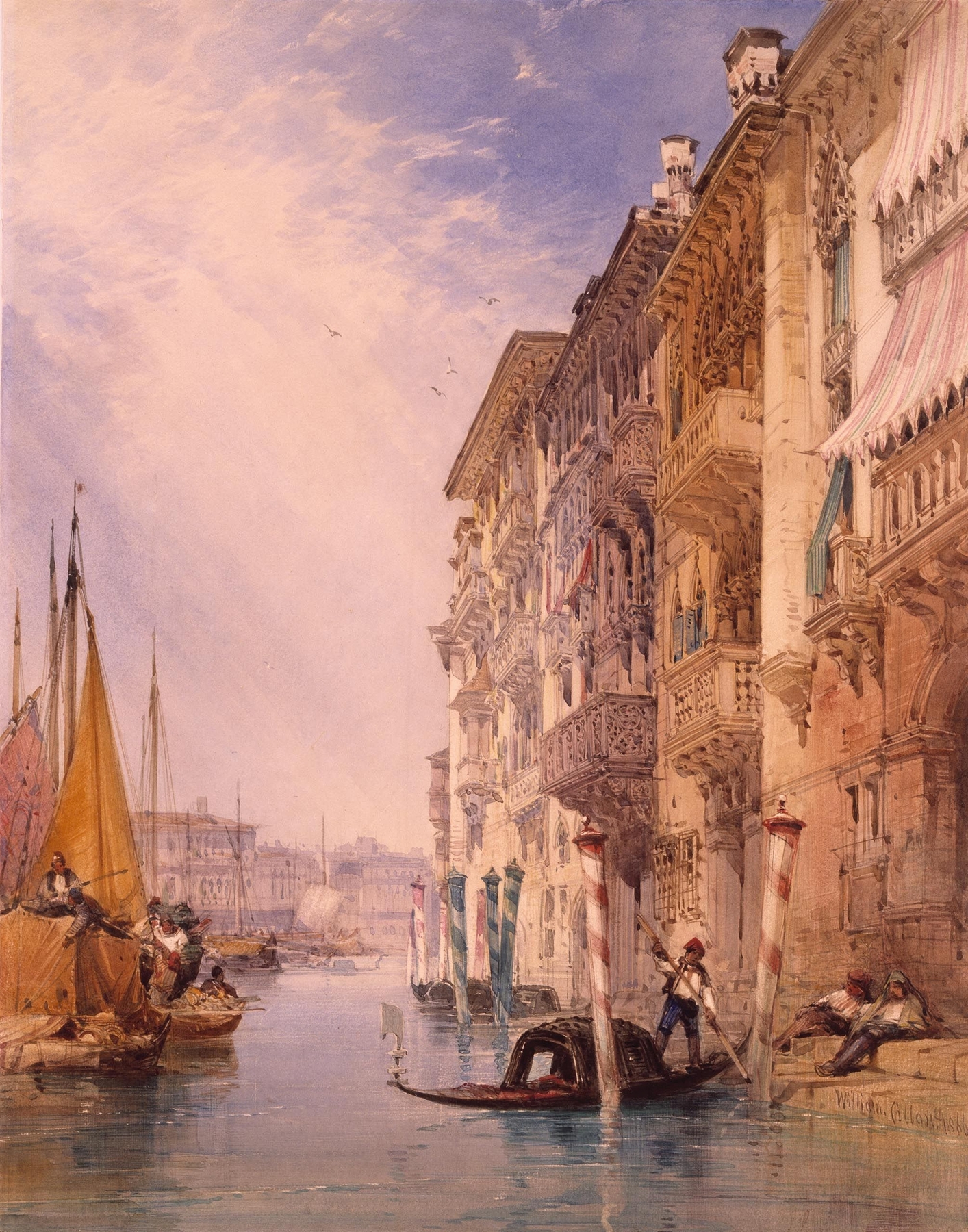
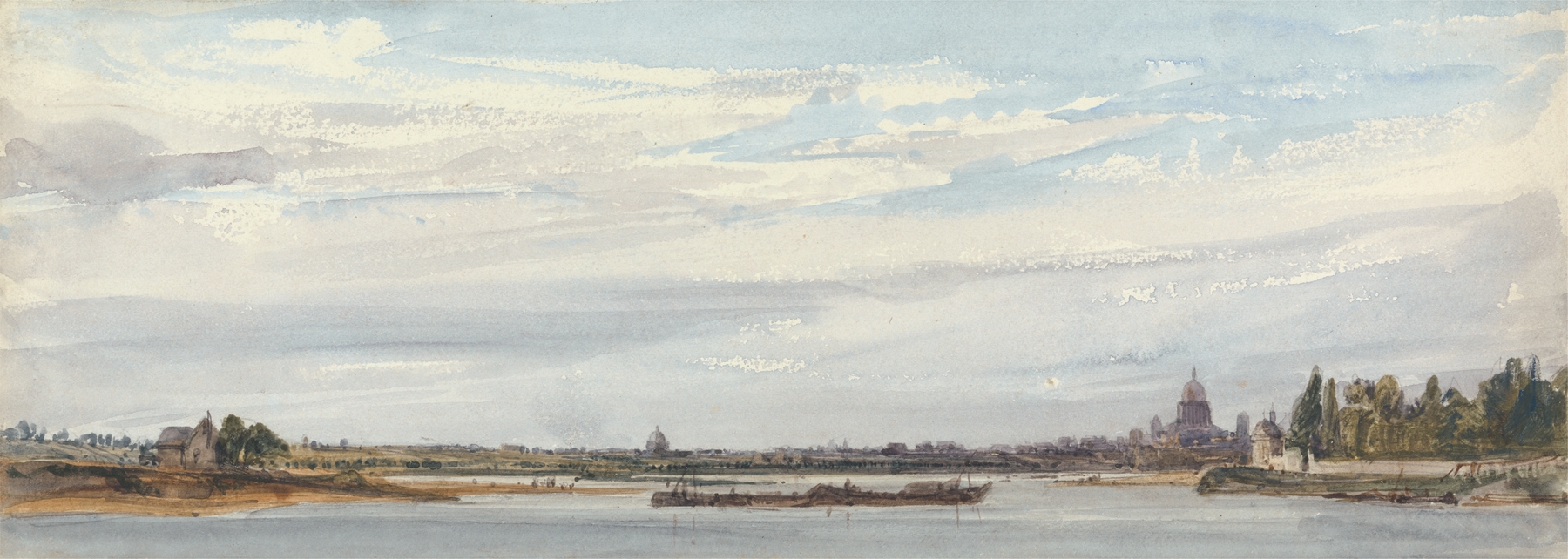
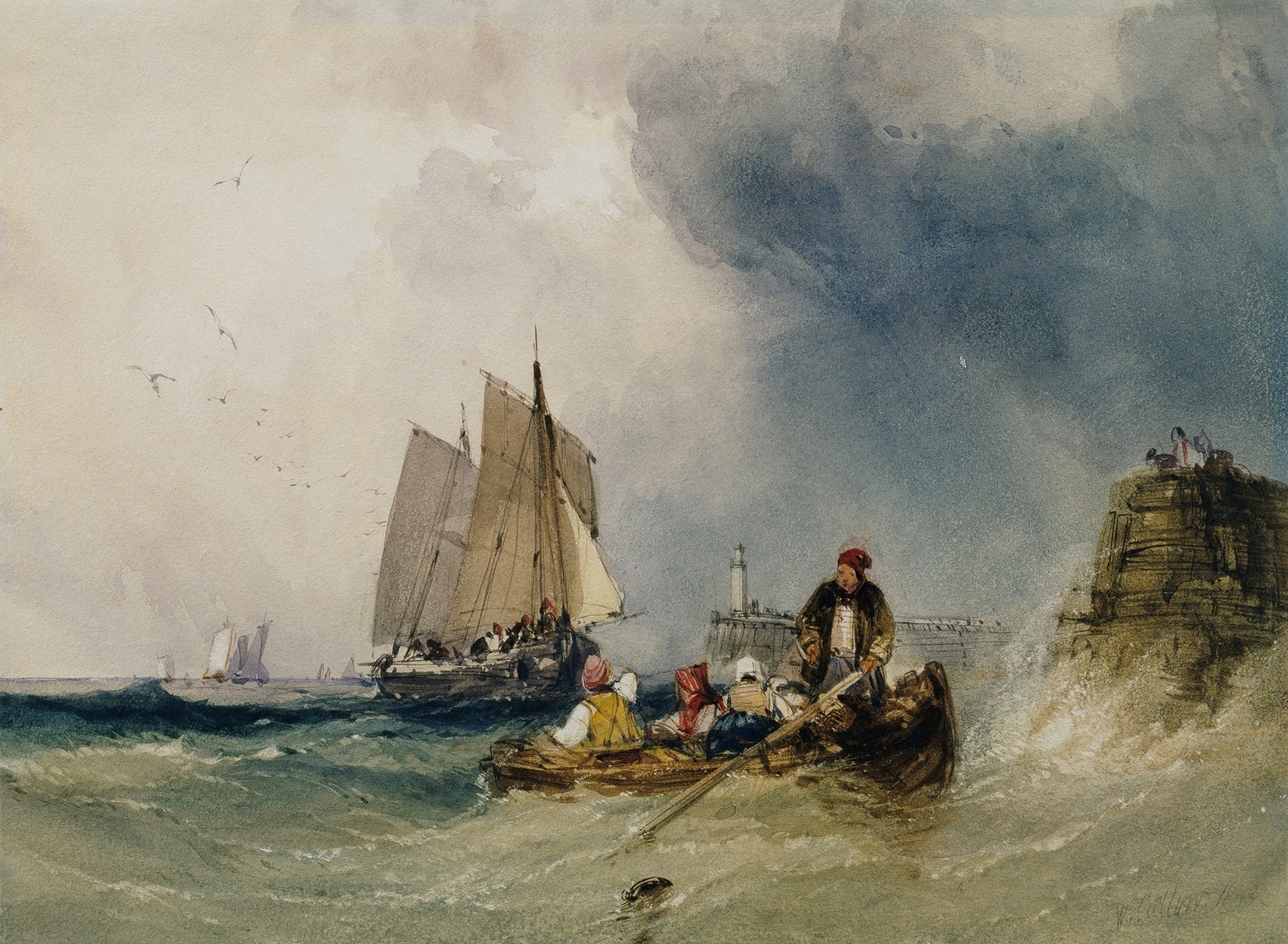
Can paint confess what words never could? The weight of melancholy hangs in the air, inviting the viewer to explore a world suspended in time and emotion. Look to the right at the sweeping, tranquil Tiber River, its surface mirroring the soft hues of twilight. Notice how the golden light gracefully bathes Castel Sant’Angelo, creating a striking contrast against the cool blues of the sky and water.
The brushwork evokes a gentle movement, guiding your gaze towards the castle’s imposing silhouette, a silent guardian over the city. The composition is meticulously balanced, with the architectural lines leading toward the horizon, drawing you deeper into the scene. As the eye wanders, subtle details emerge: the small boats drifting quietly on the river, their presence hinting at life’s ongoing passage, while the soft clouds above whisper of time’s relentless flow. This juxtaposition of the sturdy fortress and the ephemeral qualities of light and water evokes a profound sense of nostalgia.
The colors, a blend of warmth and coolness, echo the tension between permanence and transience, requiring viewers to grapple with their own emotions and memories. William Callow painted this evocative scene during a time when he was deeply influenced by the landscapes of Italy, reflecting his admiration for the romance and history of the region. Working primarily in the latter half of the 19th century, he sought to capture not just the physical beauty of his surroundings, but also the emotional resonance they held. This period in art history was marked by a shift towards Impressionism, yet Callow maintained a unique approach, blending clarity with a delicate sense of yearning that imbues his work with timeless appeal.