Caesar’s Tower, Warwick Castle — History & Analysis
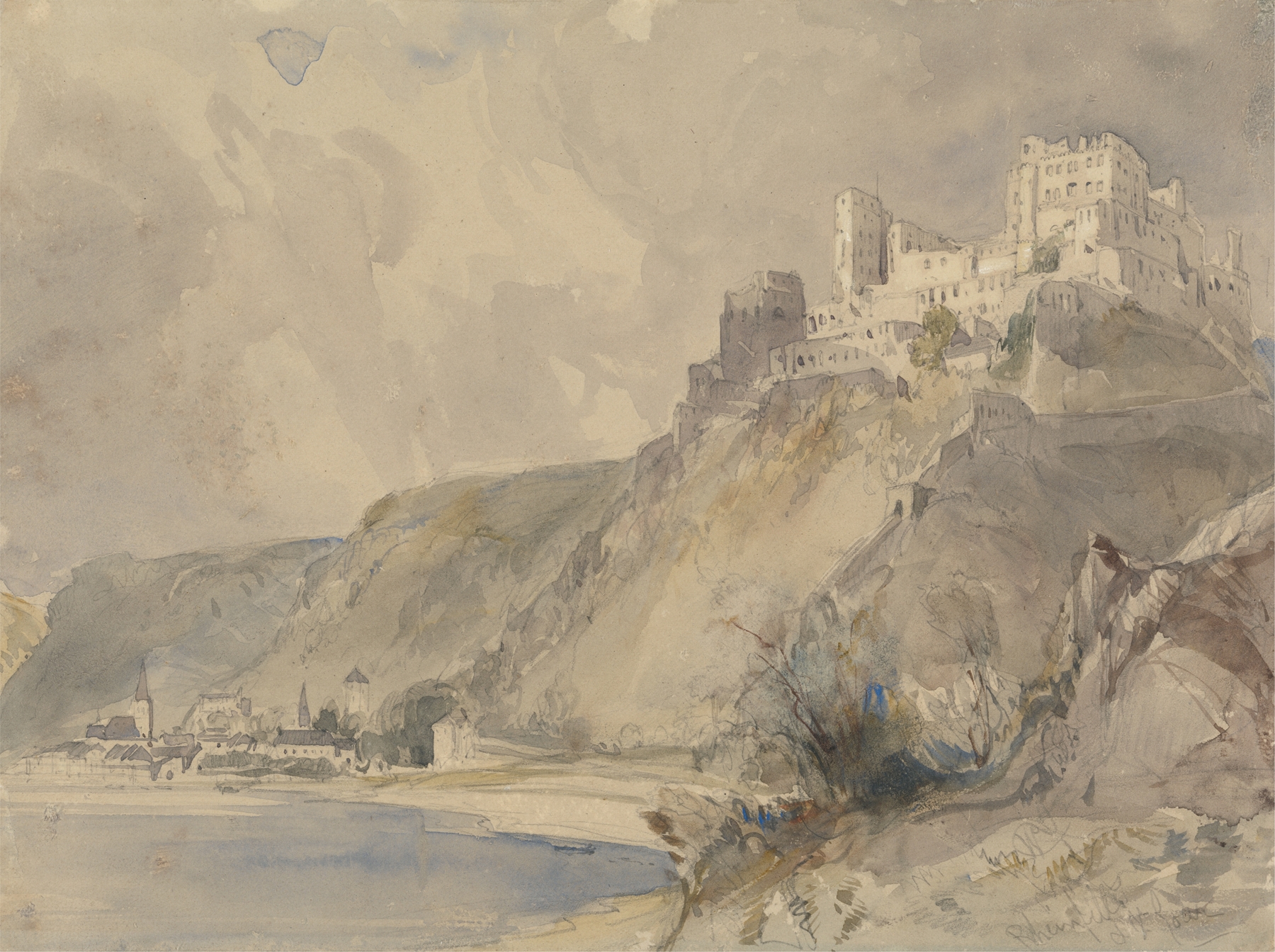
Could a single brushstroke hold eternity? In Caesar’s Tower, Warwick Castle, the artist captures a moment where time seems suspended, balancing beauty and the echoes of violence that history leaves behind. Look to the left at the formidable stone structure rising proudly against a tranquil sky, its texture both rough and timeless. The warm hues of the setting sun bathe the tower in golden light, drawing attention to the intricate detailing of the stonework.
Notice how the artist employs a soft gradient of color in the sky, transitioning from deep oranges to twilight blues, which creates a dynamic contrast with the stark, unyielding facade of the castle. The composition, with its still water reflecting the tower, invites contemplation, as if the image itself is a portal into the past. Yet beneath this serene exterior lies an undercurrent of violence; the castle is not merely a relic of beauty but a symbol of conflict and power struggles. The juxtaposition of the peaceful landscape against the castle’s imposing presence evokes a sense of unease, hinting at the bloodshed that once echoed within its walls.
Further, the stillness of the scene belies the turbulent history of the castle, suggesting that even in moments of calm, the specter of violence lingers. In 1850, William Callow painted this scene while living in England, influenced by the Romantic movement that sought to reconnect with nature and the past. At this time, the Victorian era was marked by industrial growth and a fascination with history, which informed his choice to depict such a storied landmark. This period also saw a growing interest in landscape painting, as artists sought to capture the essence of both the natural world and historical structures, blending beauty with deeper narratives.