On the Wharfe, Bolton Abbey — History & Analysis
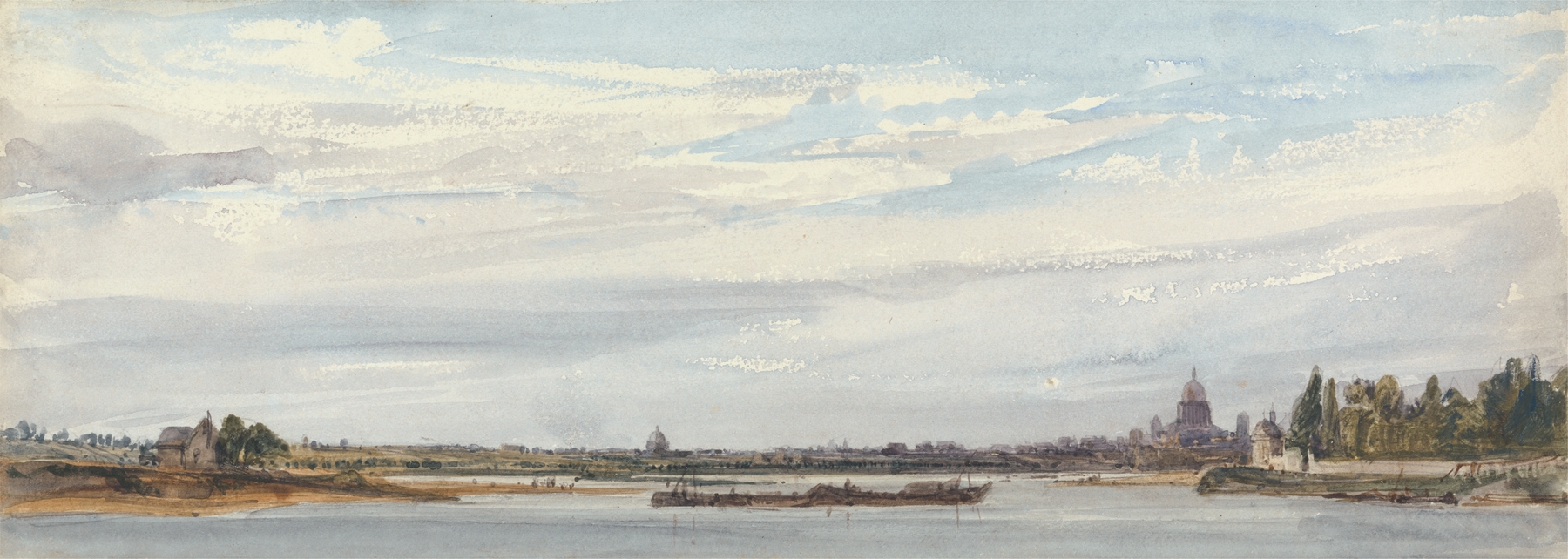
Is this a mirror — or a memory? The tranquil waters of the Wharfe hold whispers of a legacy, beckoning viewers to reflect on their place within nature’s eternal flow. Focus on the serene expanse of water that occupies the foreground, where gentle ripples break the surface, revealing glimpses of the lush, green banks above. Notice how the light dances upon the water, casting a sparkling symphony of reflections that intermingle with the soft hues of the landscape — the verdant greens and earthy browns are touched by hints of gold, suggesting the immediacy of a fleeting moment.
Each brushstroke embodies a harmony of color and texture, inviting you to linger in the scene's embrace. As you delve deeper, consider the contrasts present in the composition: the stillness of the water versus the subtle movement of the trees swaying in the background. This tension evokes emotions tied to the passage of time and the cyclical nature of existence. The towering abbey, silhouetted against the sky, stands as a poignant reminder of humanity's transient relationship with the natural world, a monument to both history and memory that enriches this tranquil tableau.
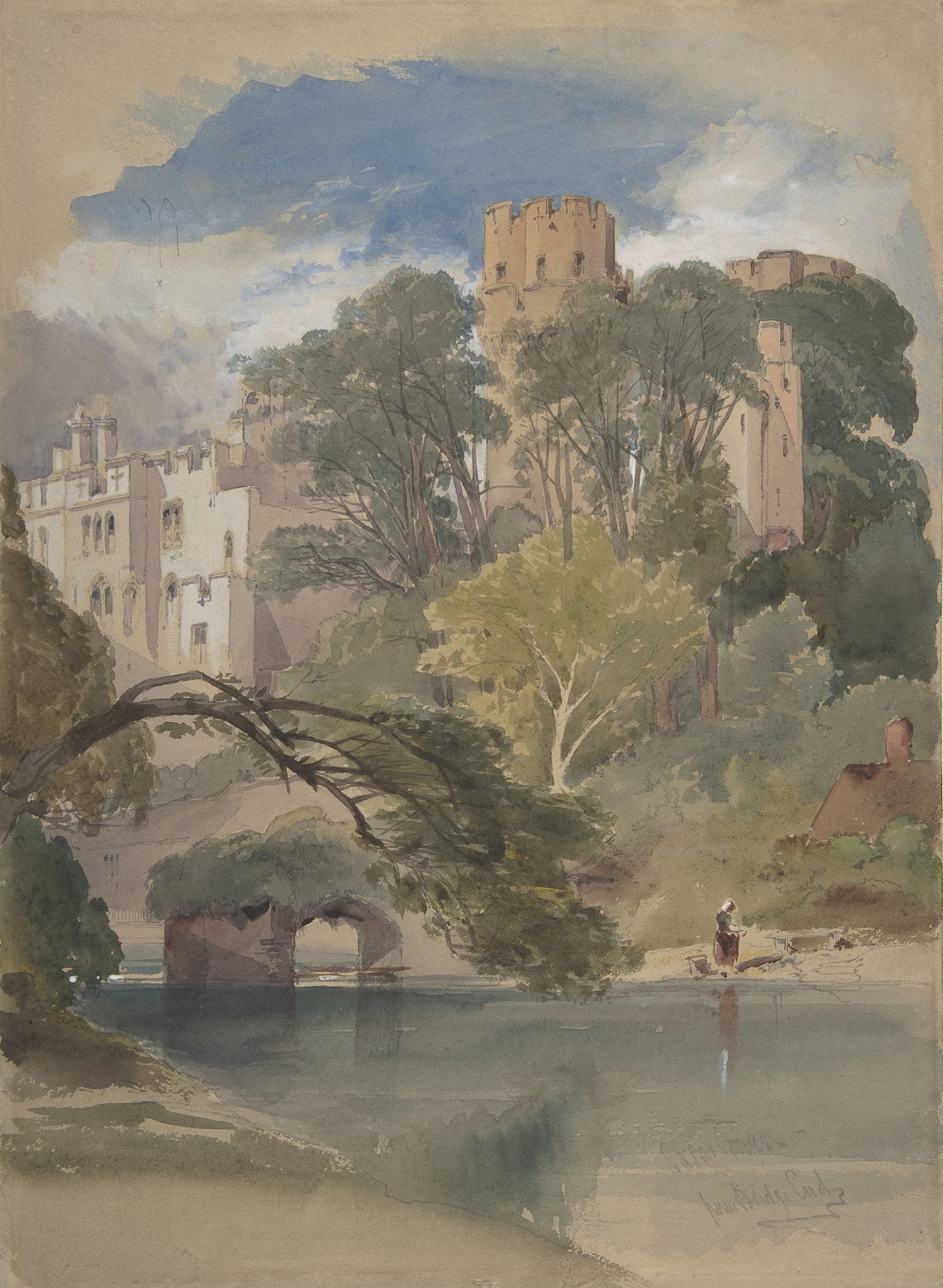
In 1858, the artist rendered this idyllic scene while living in England, a period marked by an appreciation for the picturesque as well as the emerging Romantic ideals in art. Callow’s work was influenced by the growing fascination with landscape painting, a reflection of the era's yearning for connection to nature amid the industrialization of society. This piece encapsulates both the beauty of the English countryside and the broader search for legacy within its serene confines.