The Luxor, Paris, December 1833 — History & Analysis
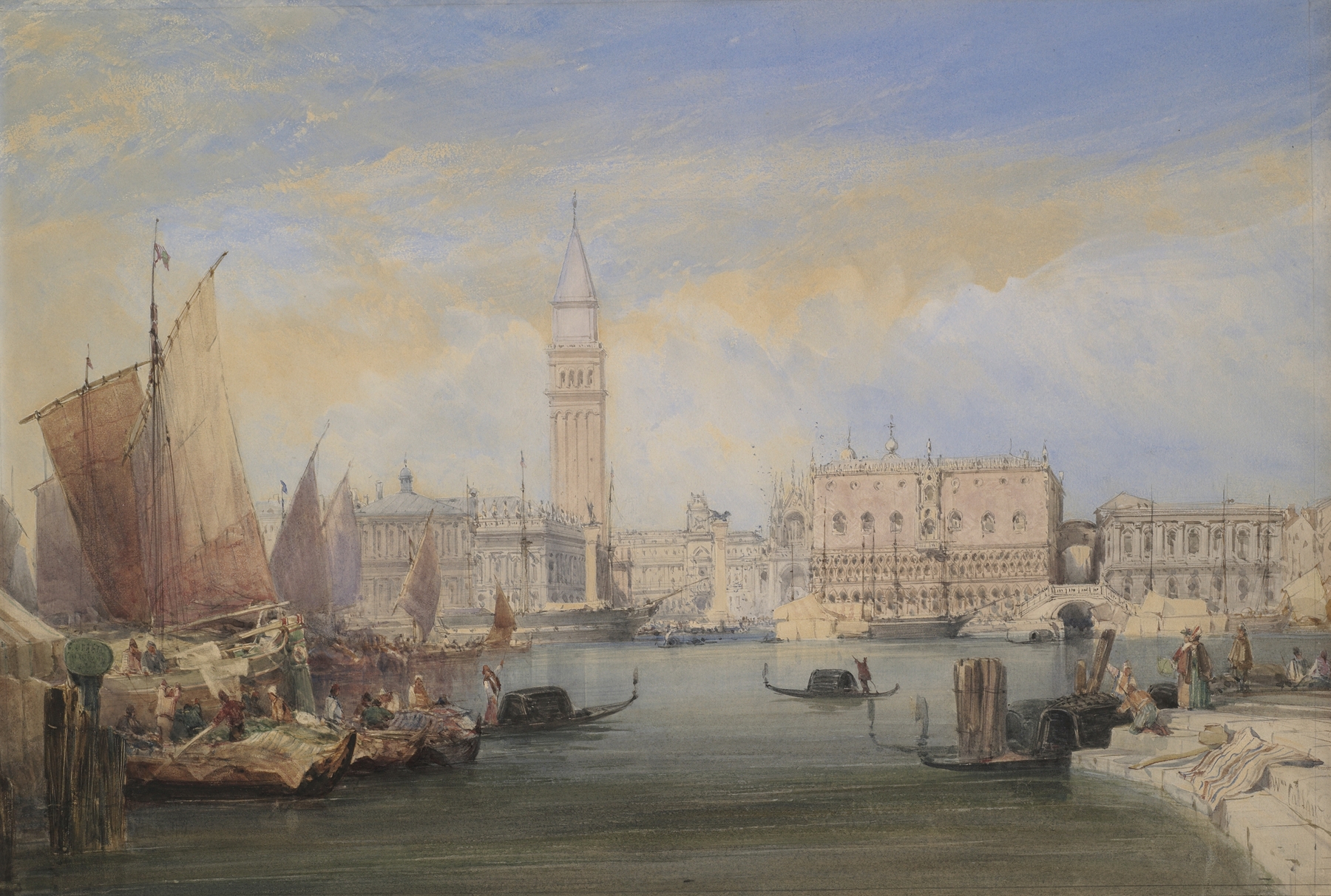
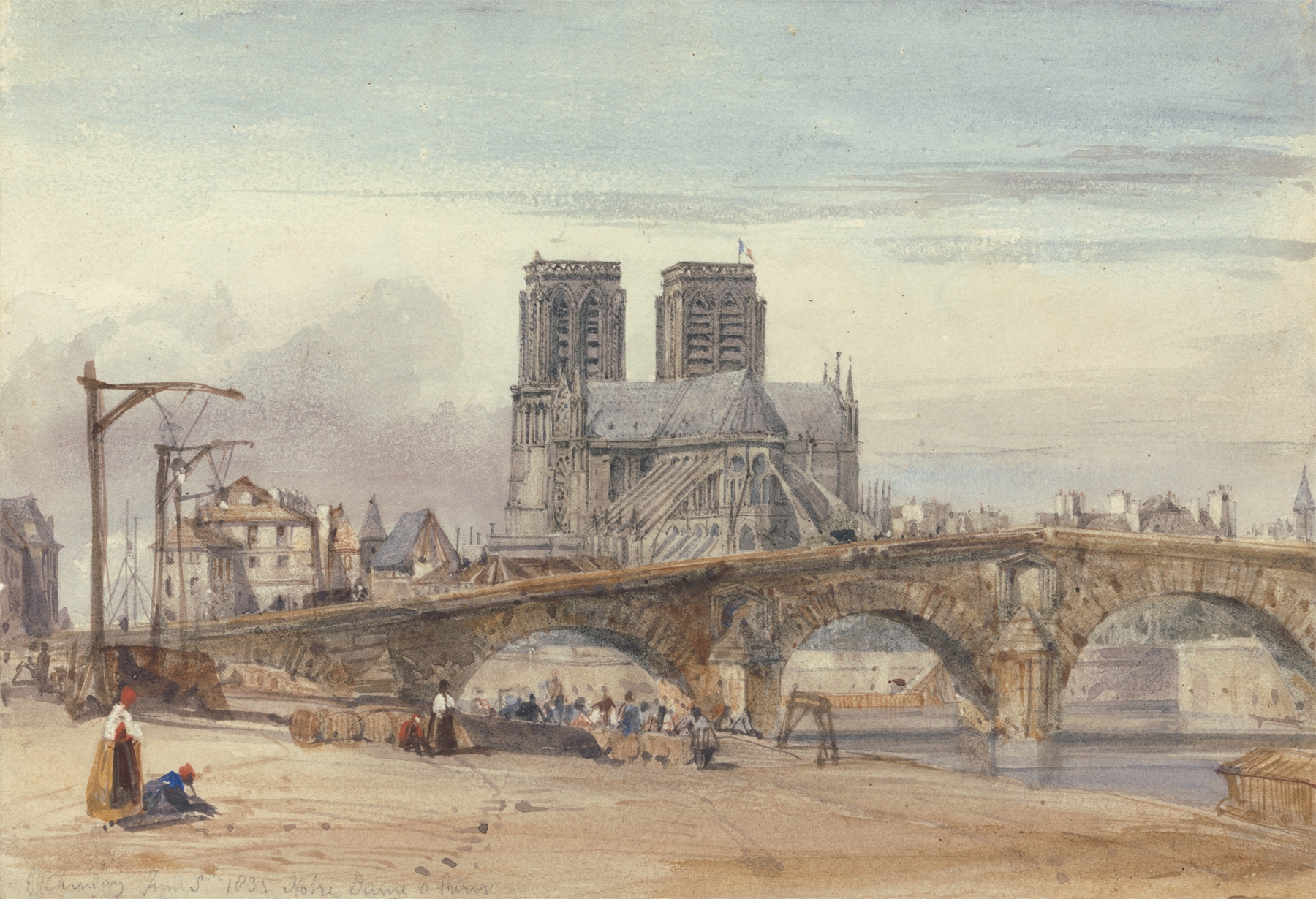
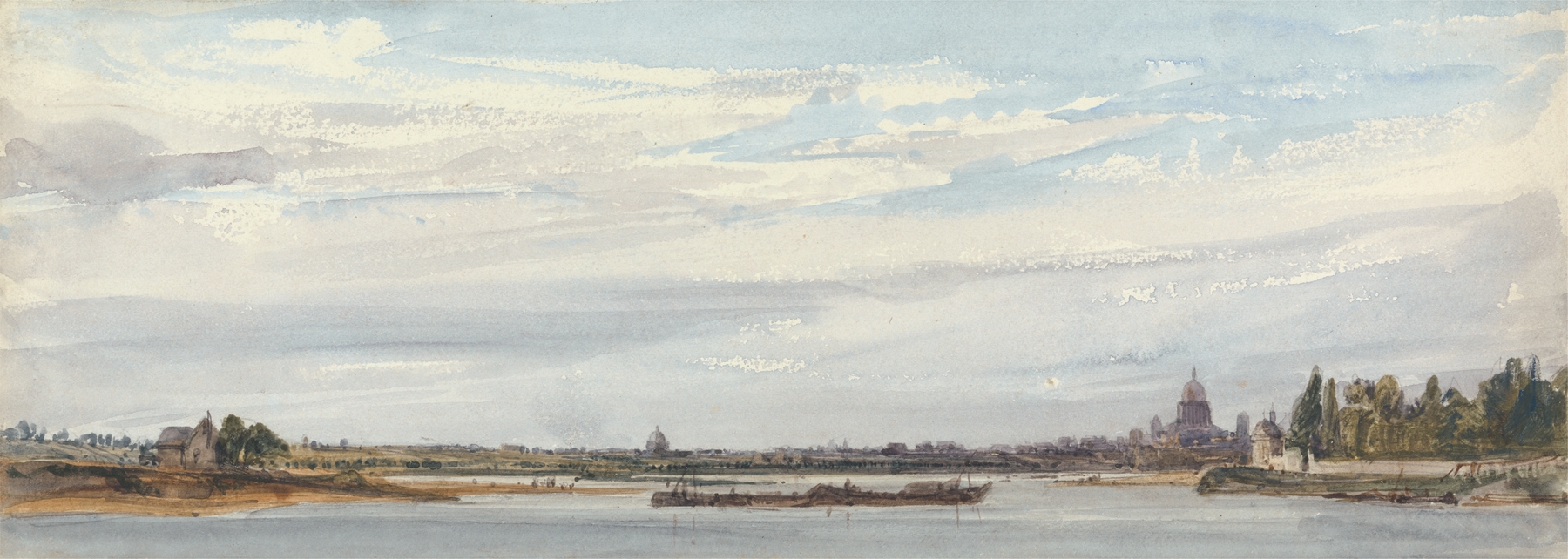
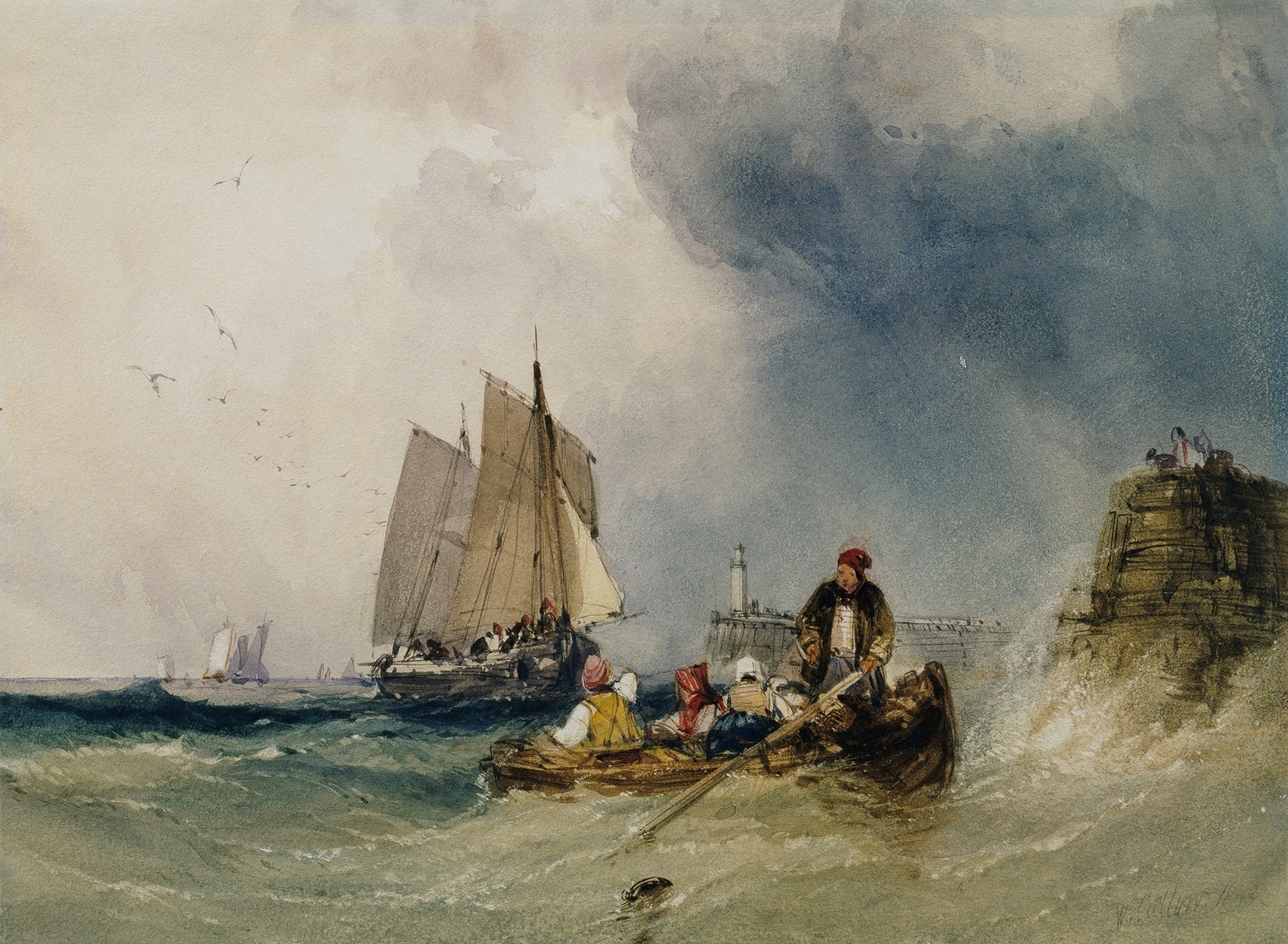
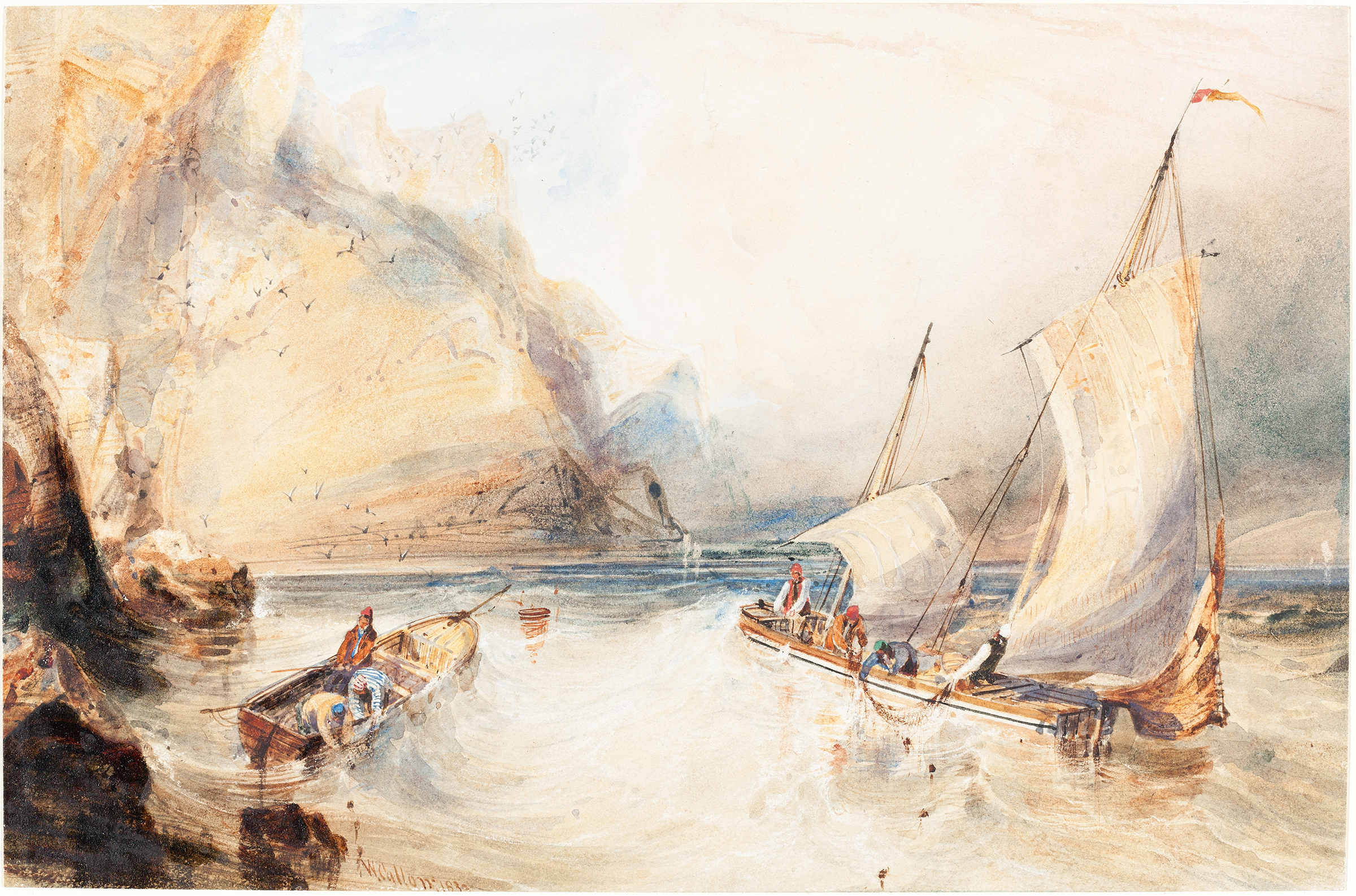
Where does light end, and longing begin? In this exquisite moment captured on canvas, the interplay of soft illumination and shadow invites us to ponder the delicate passage of time itself. Look to the horizon first, where the fading light of dusk gently kisses the rooftops of Paris. The warm glow casts an ethereal quality over the alabaster façades, while deepening shadows hint at the encroaching night.
Notice how Callow skillfully employs a palette of muted blues and soft golds, drawing us into the tranquil embrace of the scene, where the stillness of the moment speaks volumes. As you delve deeper, pay attention to the solitary figure in the foreground, a silhouette against the brightening sky. This lone presence, perhaps lost in thought, conjures a sense of nostalgia and yearning. The juxtaposition of the vibrant city coming alive and the stillness of the observer creates a poignant contrast, suggesting the complexities of human experience—between the bustle of life and the quiet contemplation of one's place within it.
In 1833, Callow was immersed in the romantic ideals of his time, painting in France where the burgeoning art scene was marked by a fascination with light and atmosphere. The artist, influenced by the changing landscape of Paris and the rise of Impressionism, sought to capture the fleeting moments that define our existence. The world was evolving, and so was his art—this piece is not just a visual delight but also a reflection of the tensions and transformations of an era.