View of Paris from Charenton — History & Analysis
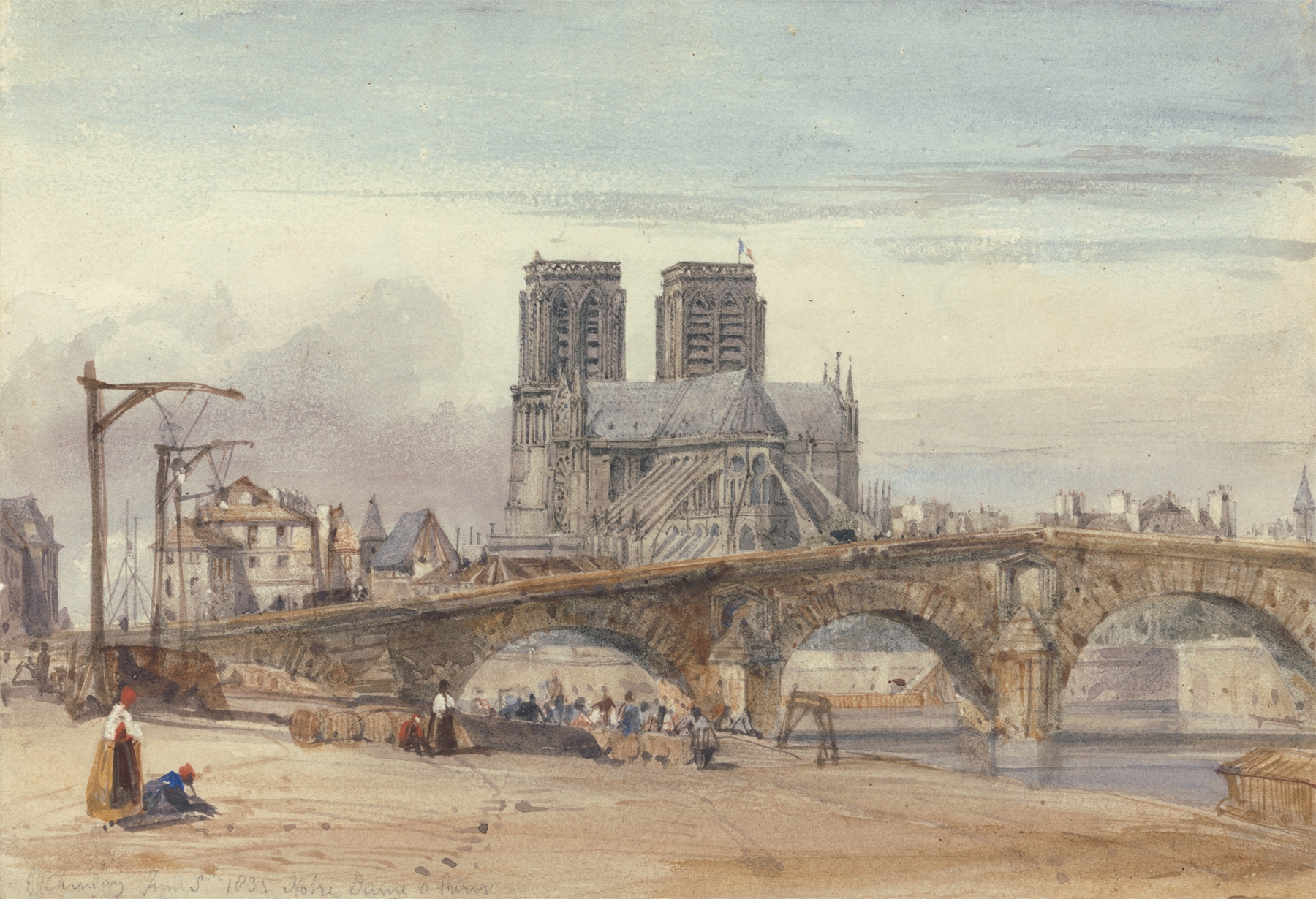
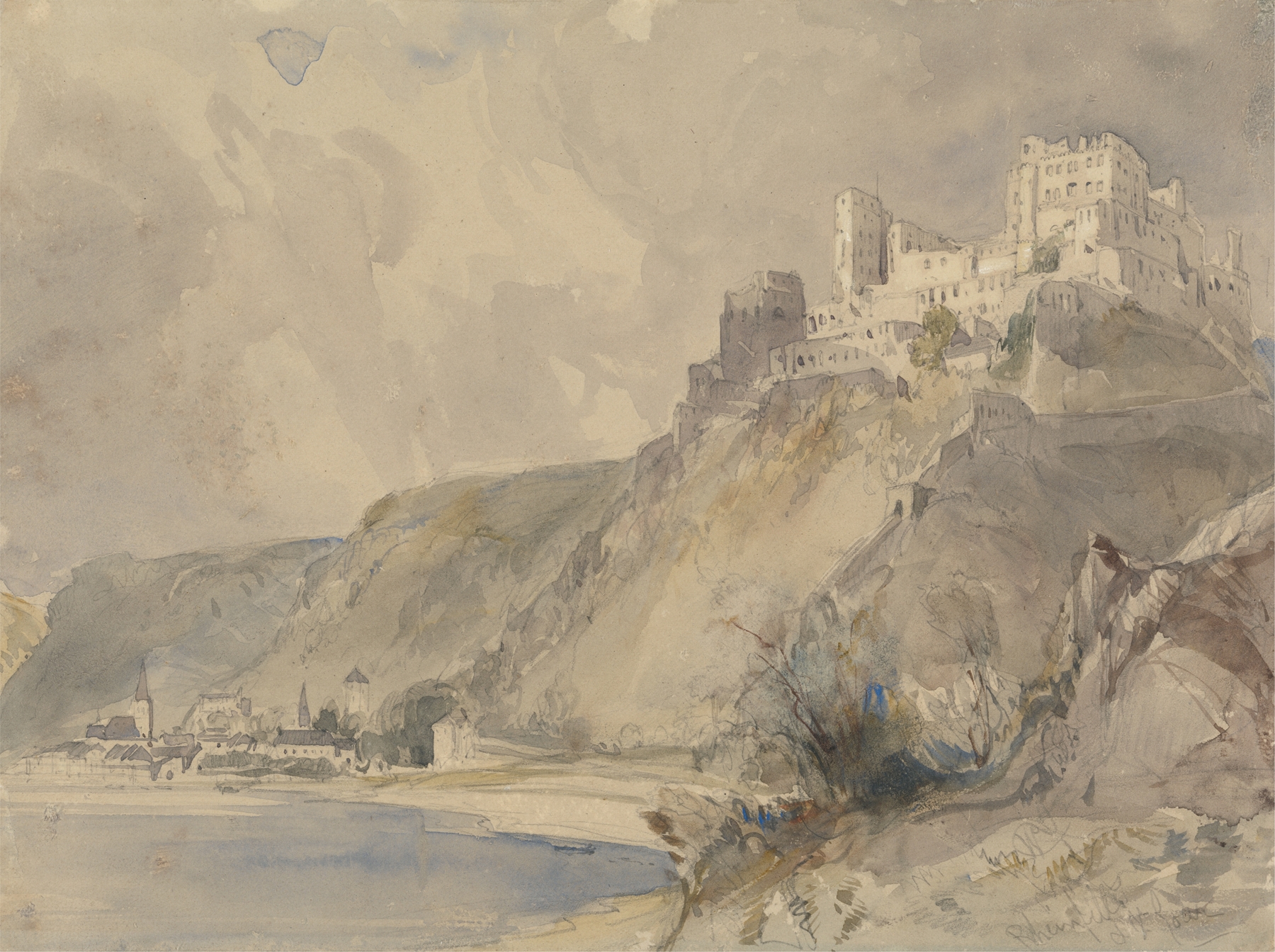
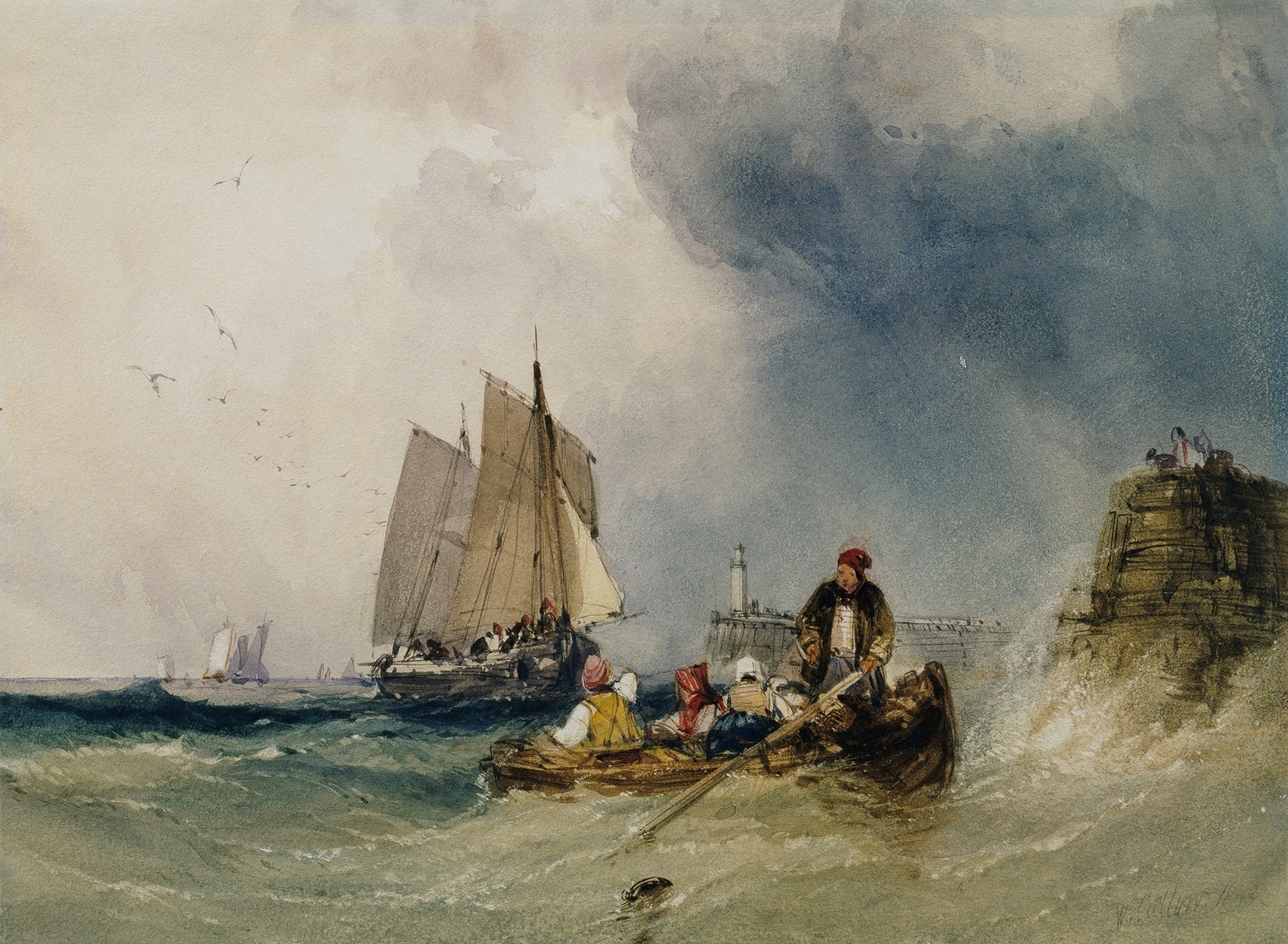
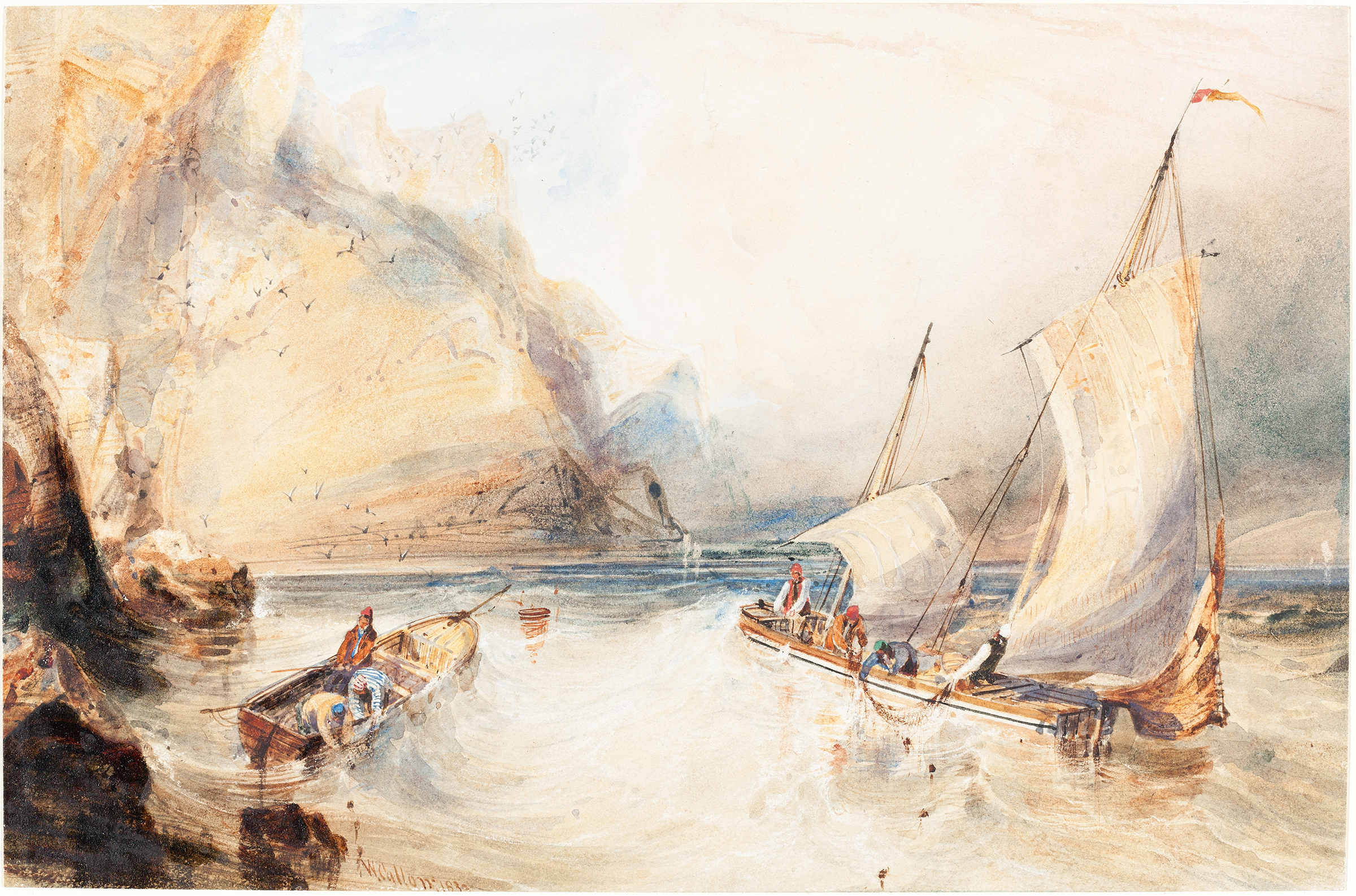
“Every silence here is a confession.” In the stillness of the moment, the viewer is invited to reflect on the silent conversations held between the city and its observers. Here, a landscape unfolds, teasing the edges of memory and reality, beckoning us to discover the depth hidden within each brushstroke. Look to the right at the delicate wisps of clouds dancing across the expansive sky, painted in soft hues of blue and gray. Notice how the light falls upon the rooftops of Paris, illuminating the scene with a warm glow that contrasts with the cool, muted tones of the river below.
The intricate details of the architecture draw the eye, each window holding a story, each shadow whispering secrets that speak to the timeless beauty of the city. As you explore further, the tension between nature and civilization emerges. The calm waters of the Seine mirror the cityscape, suggesting a dialogue between the man-made and the organic. The trees frame the scene, offering both a refuge from and a glimpse of the urban sprawl, while the gentle ripples in the water hint at the underlying currents of life, both still and ever-changing.
This delicate balance evokes a profound sense of nostalgia, as if Callow captures a fleeting moment destined to be remembered. Painted in 1834, this piece reflects a time of artistic transition for its creator, who was settled in London but had a profound affection for Paris. The mid-19th century was marked by exploration and discovery in both art and life, as Romantic ideals intertwined with burgeoning Realism. Callow’s thoughtful composition reveals not only his skill but also his deep engagement with the beauty and complexity of urban life, echoing the sentiments of a world rapidly evolving around him.