The Phalz Castle on the Rhine — History & Analysis
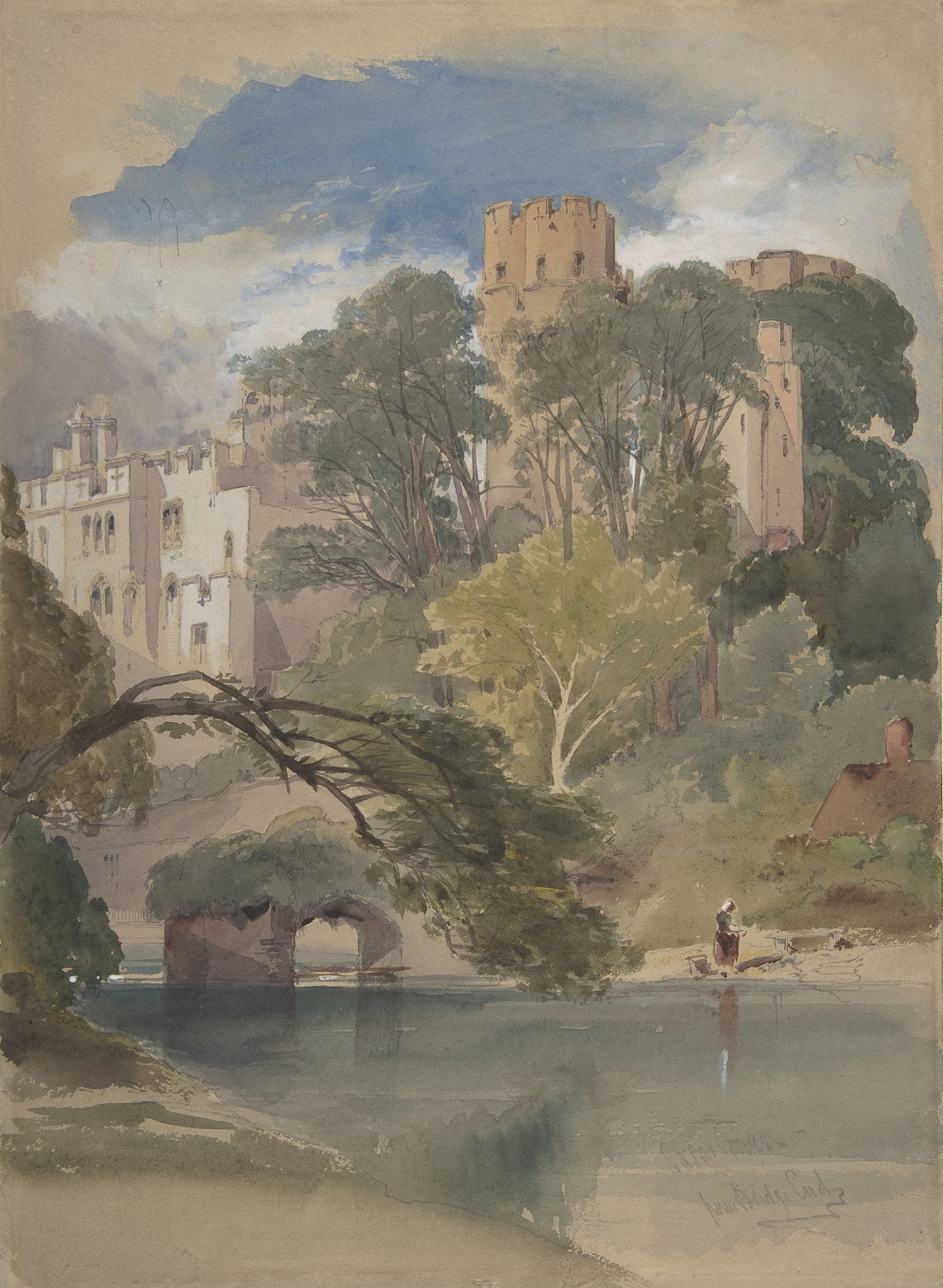
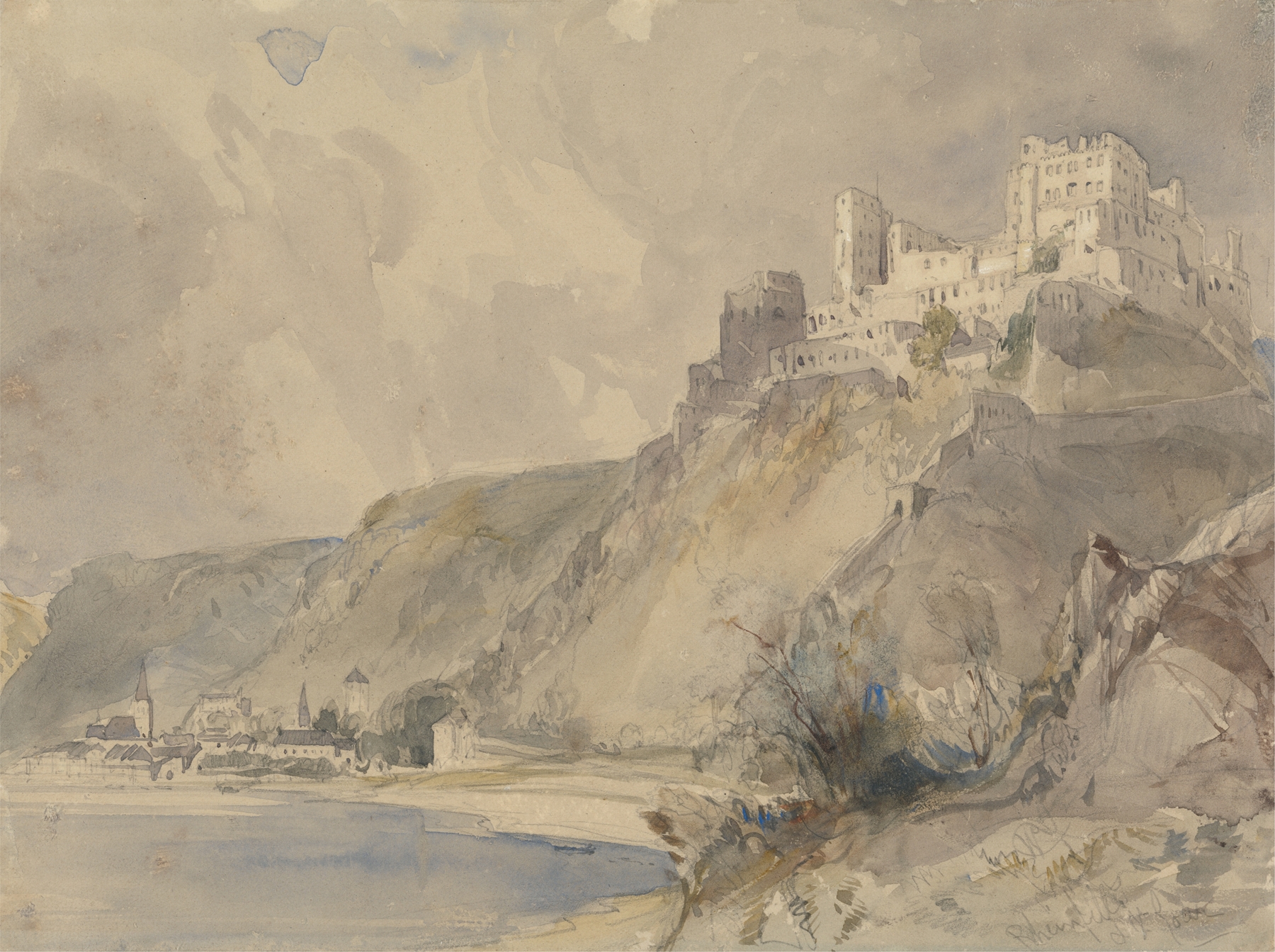
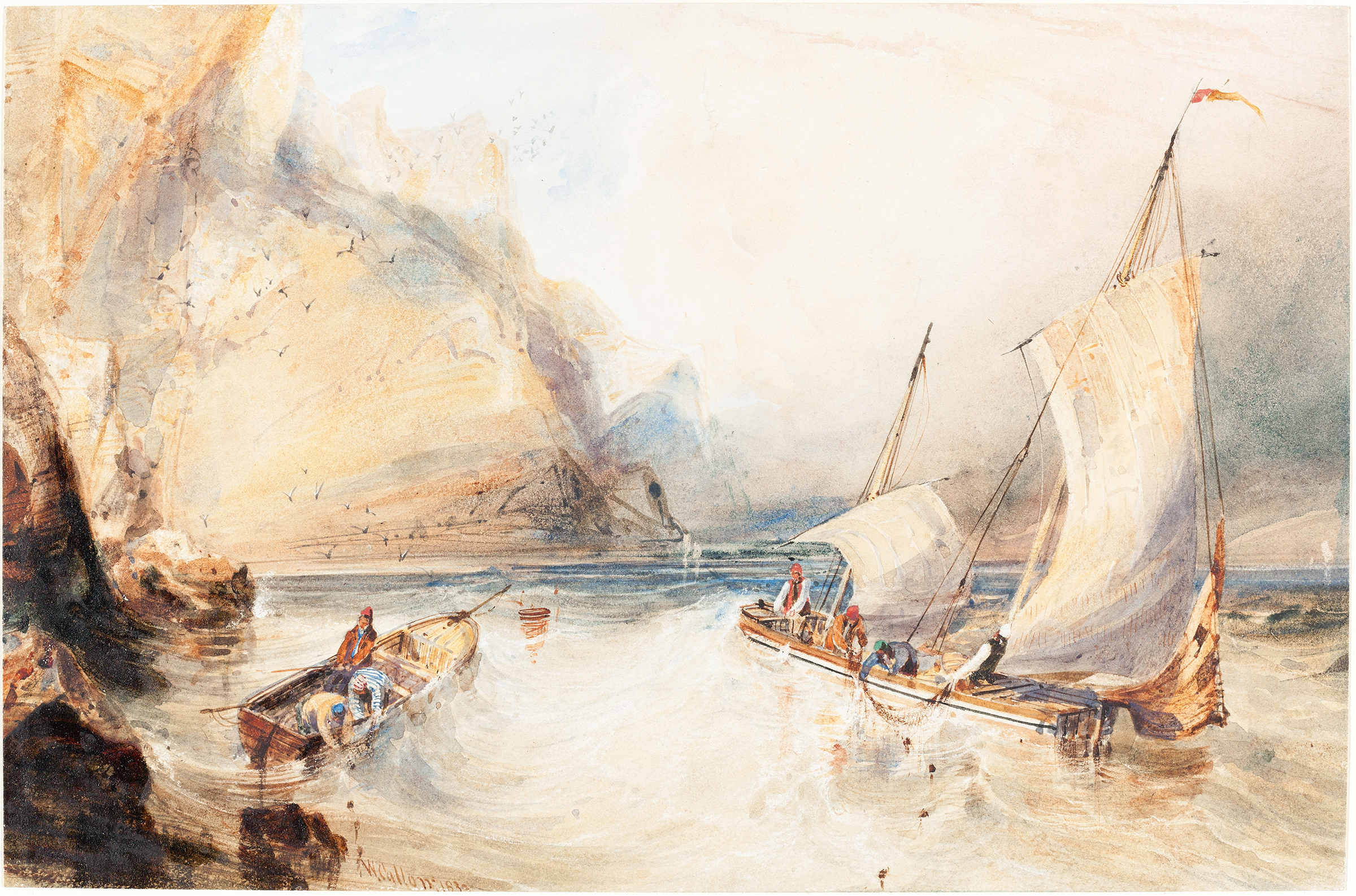
What if beauty was never meant to be finished? The notion lingers like the soft mist that envelops the castle in this painting, a reminder of both tranquility and the undercurrents of change. Focus on the foreground where the gentle ripples of the Rhine catch the light, shimmering like fragments of lost time. The castle, regal and imposing, rises behind a backdrop of lush, rolling hills, painted with a rich palette of greens and muted browns that speak to the lushness of the landscape.
Notice how the brilliant azure sky, punctuated with delicate clouds, contrasts with the solid structure of the castle, emphasizing its permanence against the ethereal beauty of nature. Callow's deft brushwork captures not just the scene, but the very essence of serenity. Yet this idyllic image masks deeper tensions; the castle's silhouette suggests stability, while the flowing water implies movement and change. The juxtaposition of the natural and the man-made evokes the revolutionary spirit of the mid-19th century, a time when tradition faced the tides of modernity.
The tranquil scene invites contemplation on the transient nature of beauty against the backdrop of inevitable progress, reflecting the artist’s awareness of the shifting societal landscape. In 1847, amidst a Europe on the brink of political upheaval, Callow painted this work while living in London. The art world was experiencing a shift toward realism and away from romanticized landscapes, yet he chose to portray a subject steeped in classic beauty. This choice reflects a yearning for stability and an appreciation of the past, even as the winds of revolution began to stir.