Entering Harbour — History & Analysis
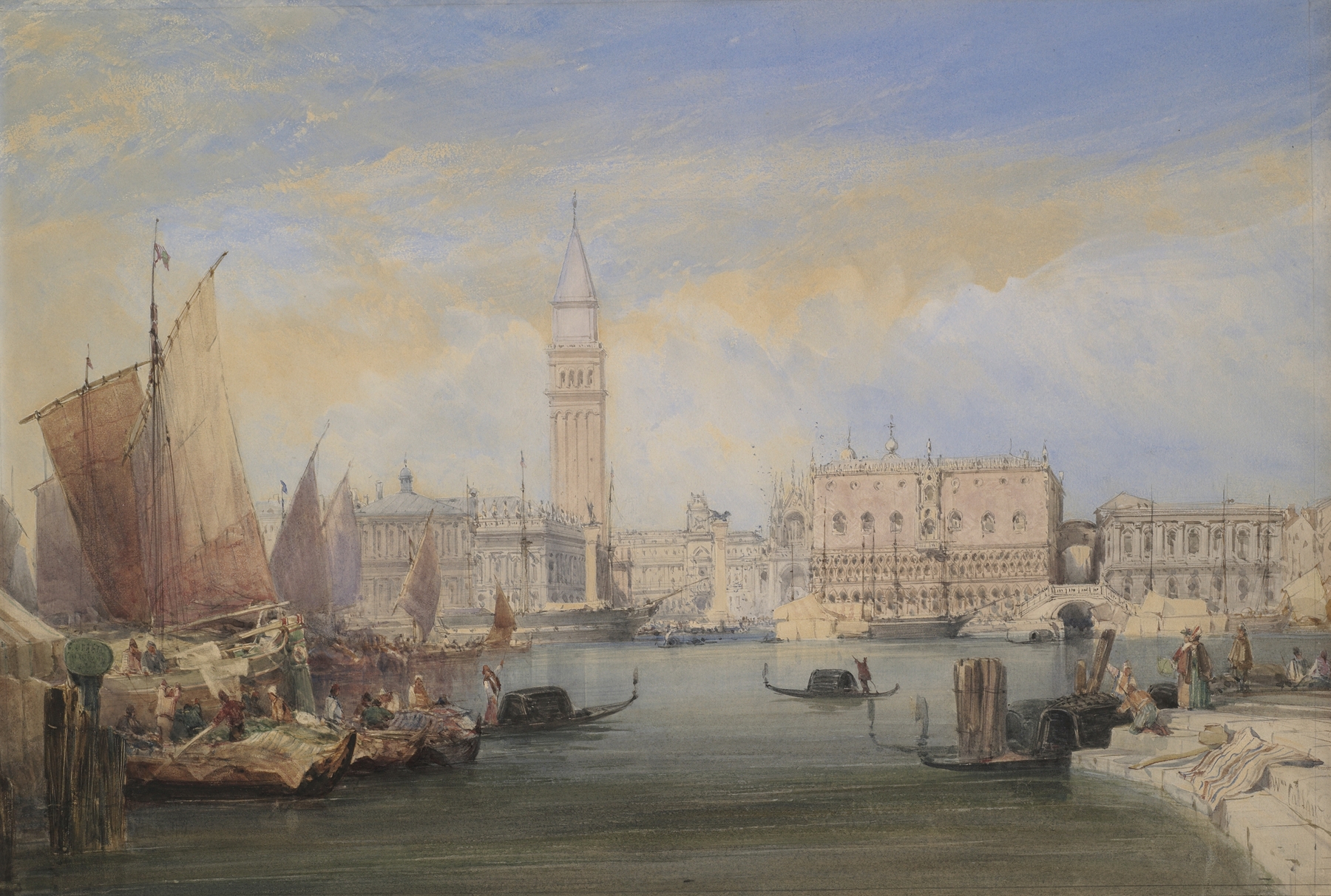
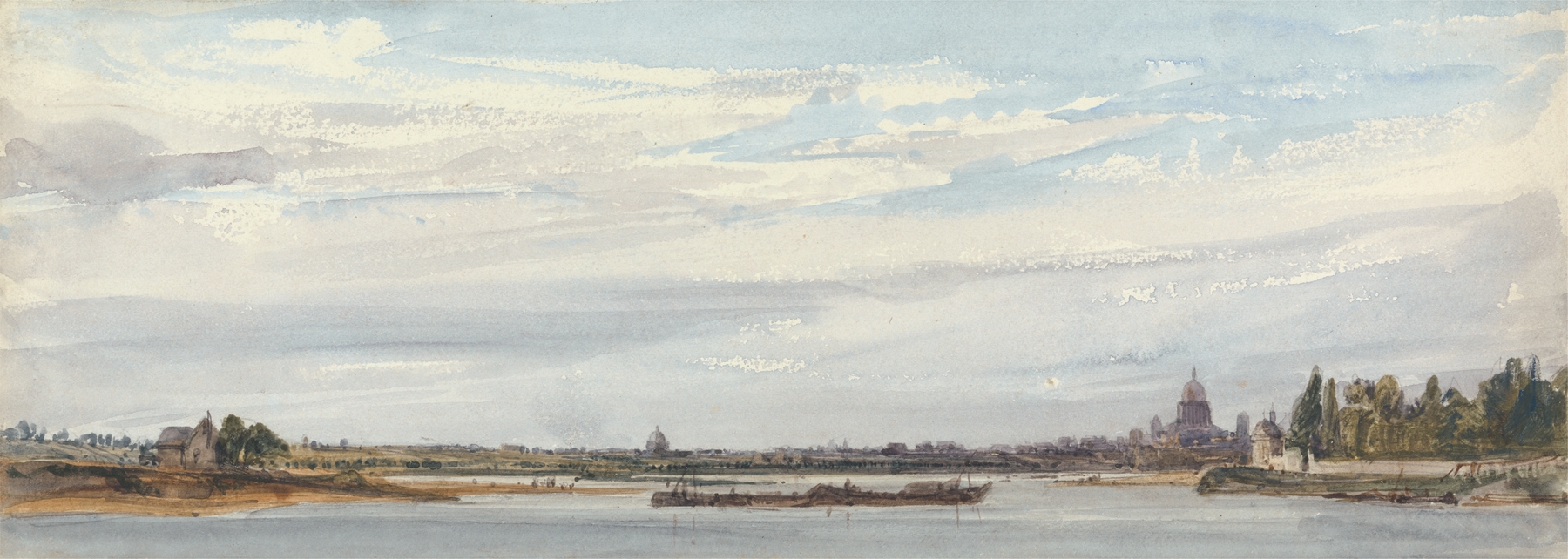
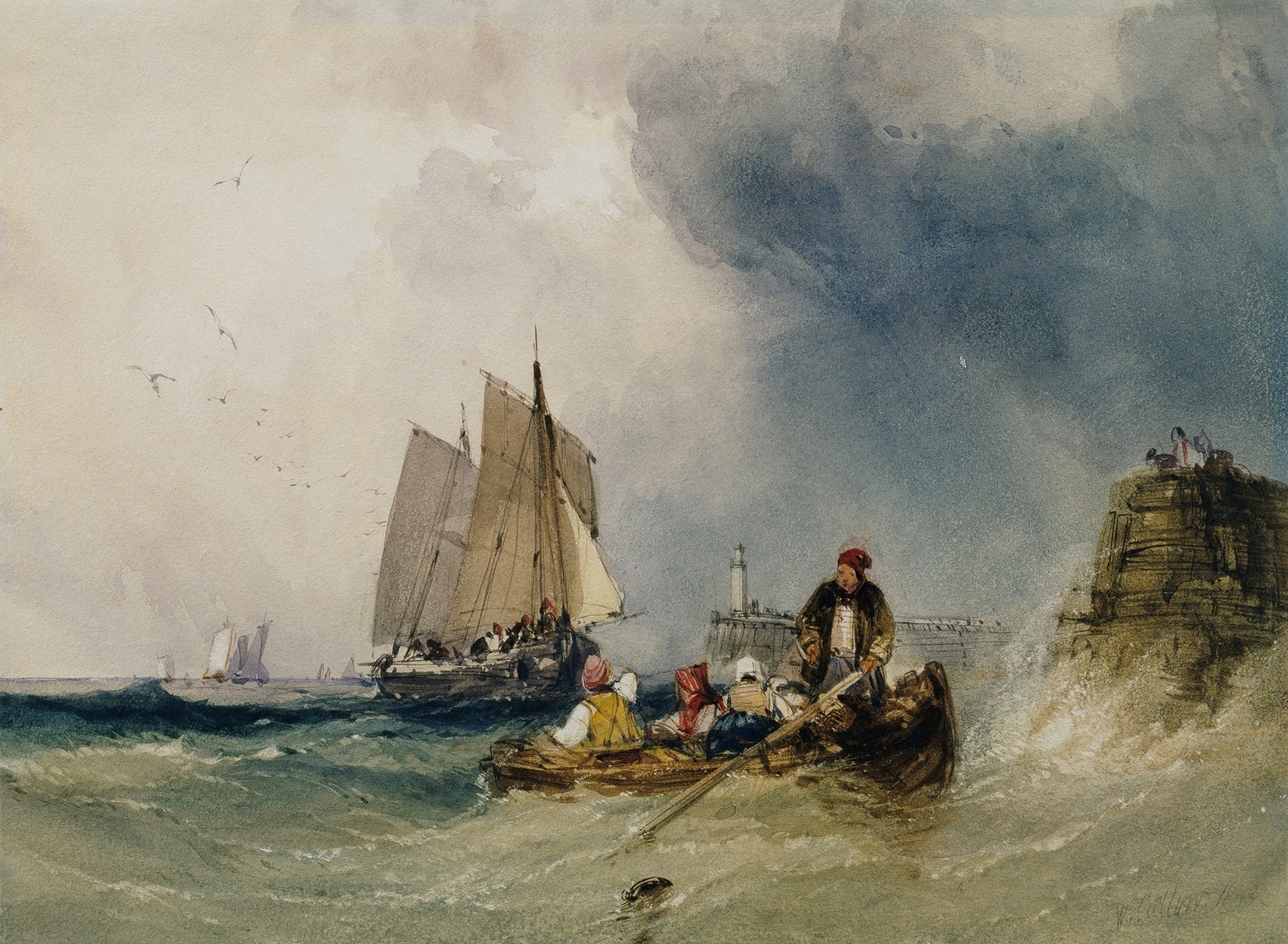
Where does light end, and longing begin? In the delicate interplay of water and sky, a moment unfolds that blurs the edges of both realms, evoking a profound sense of fear and anticipation. Look to the left at the subtle hues of twilight, where soft oranges and blues mingle, suggesting the day's end. Notice how the light dances on the water's surface, casting fleeting reflections that guide the eye toward the distant shore.
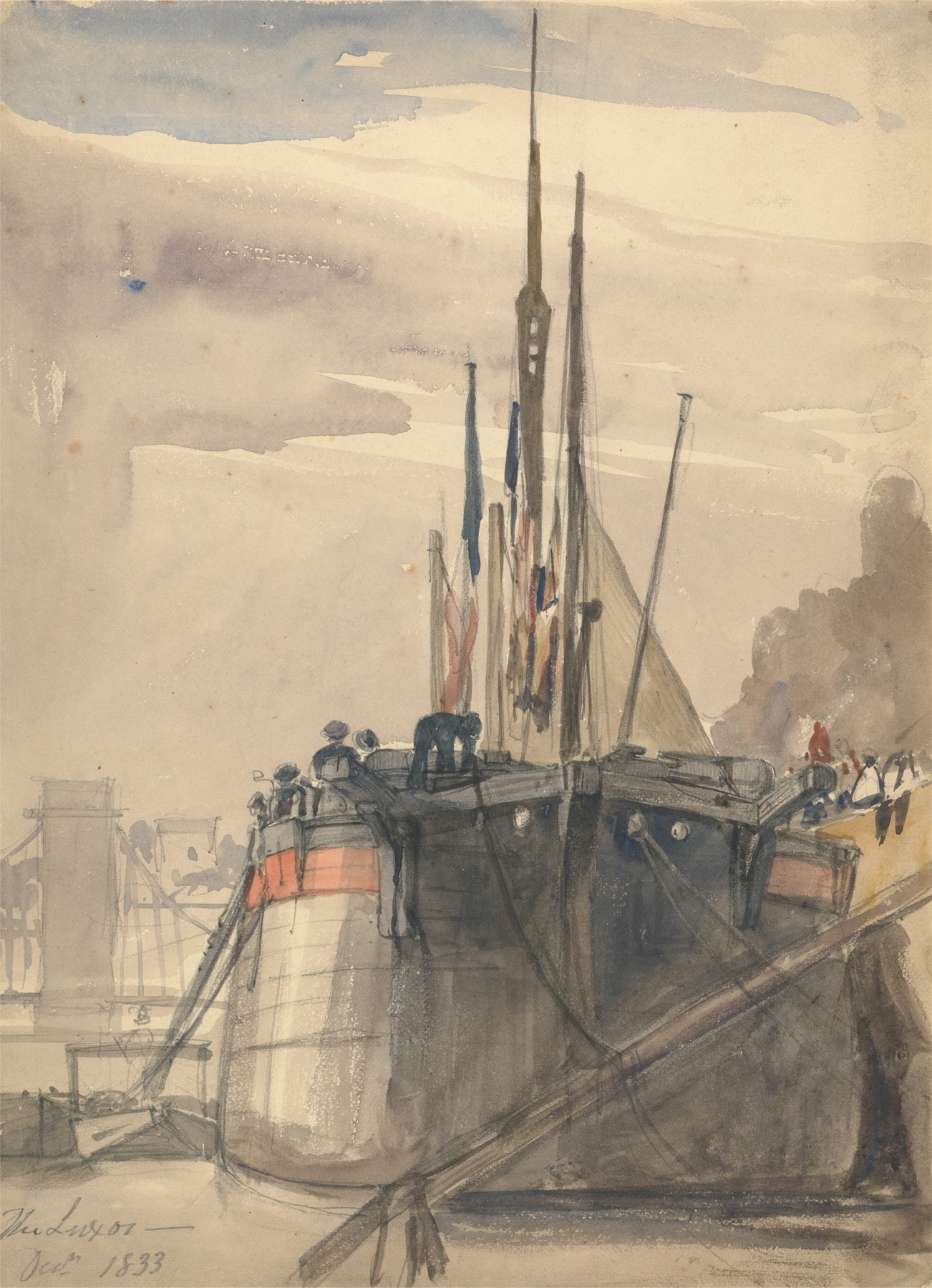
The silhouettes of boats, gently rocking in the harbor, anchor the composition, while the meticulous detail of the clouds above hints at an impending change, silently echoing the tension of the scene. The contrast between the serene water and the looming darkness invites contemplation of the unknown. Each vessel, though anchored, seems to carry the weight of its journey—both physical and emotional. The harbor, a sanctuary yet fraught with uncertainty, becomes a metaphor for life's thresholds, where hope and fear coexist.
The play of light becomes an emotional landscape, illuminating not just the scene but the deeper fears of what lies ahead. In 1842, in the midst of a burgeoning artistic movement, the artist created this piece while immersed in the natural beauty of England. At this time, Callow was exploring the nuances of light in landscape painting, drawing inspiration from the Romantic era's fascination with nature's sublime qualities. The world was shifting—industrialization was encroaching, and artists were seeking solace in the timelessness of untouched vistas, a theme that resonates deeply within this work.