Rheinfels and St. Goar — History & Analysis
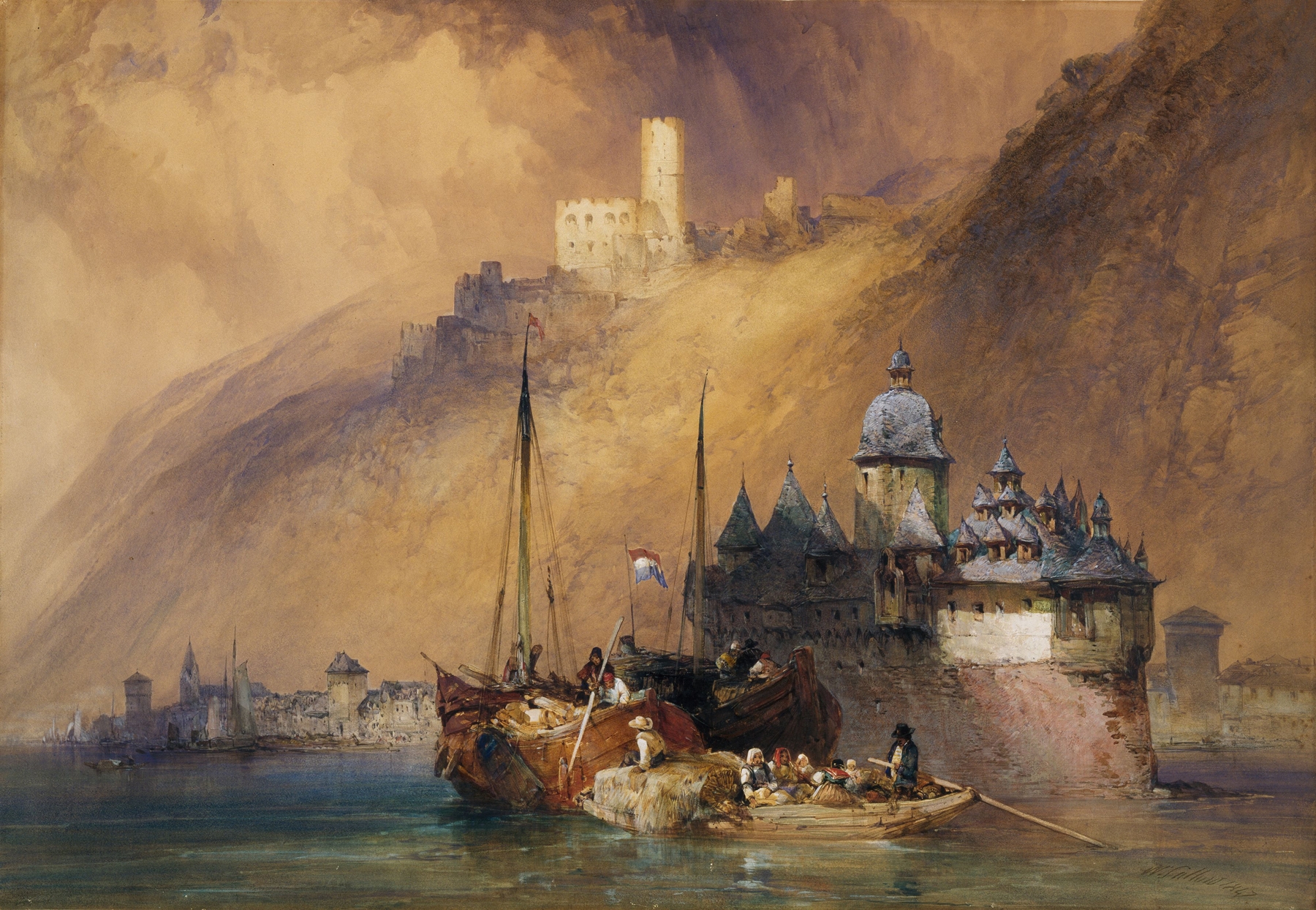
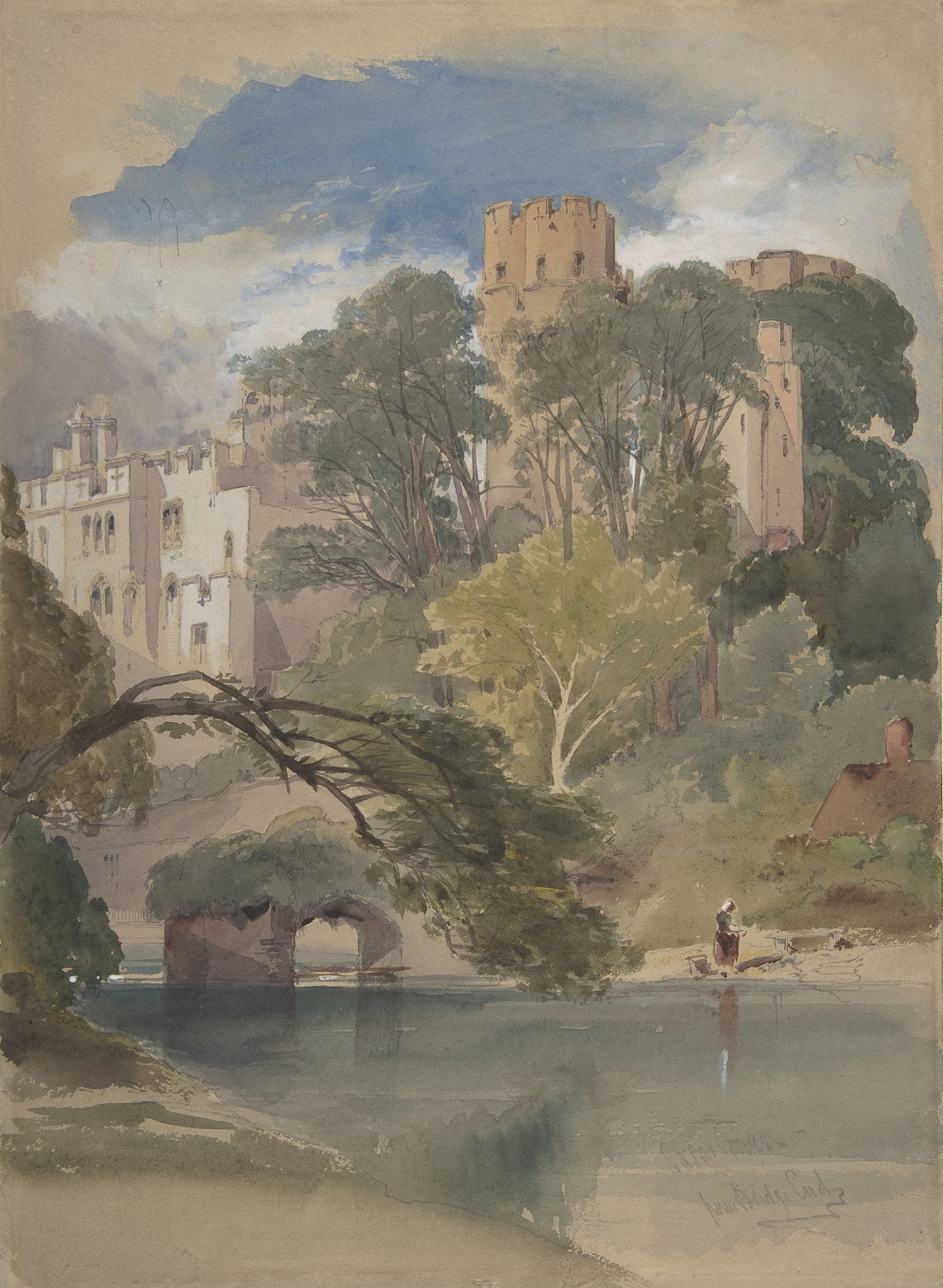
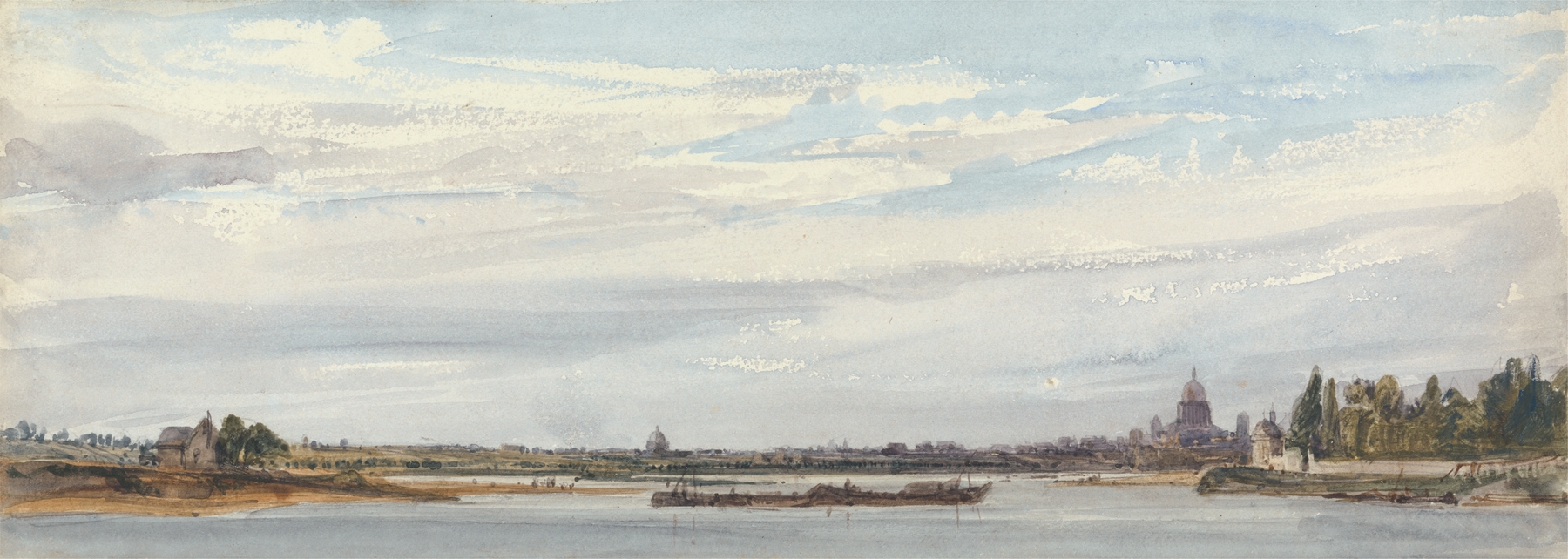
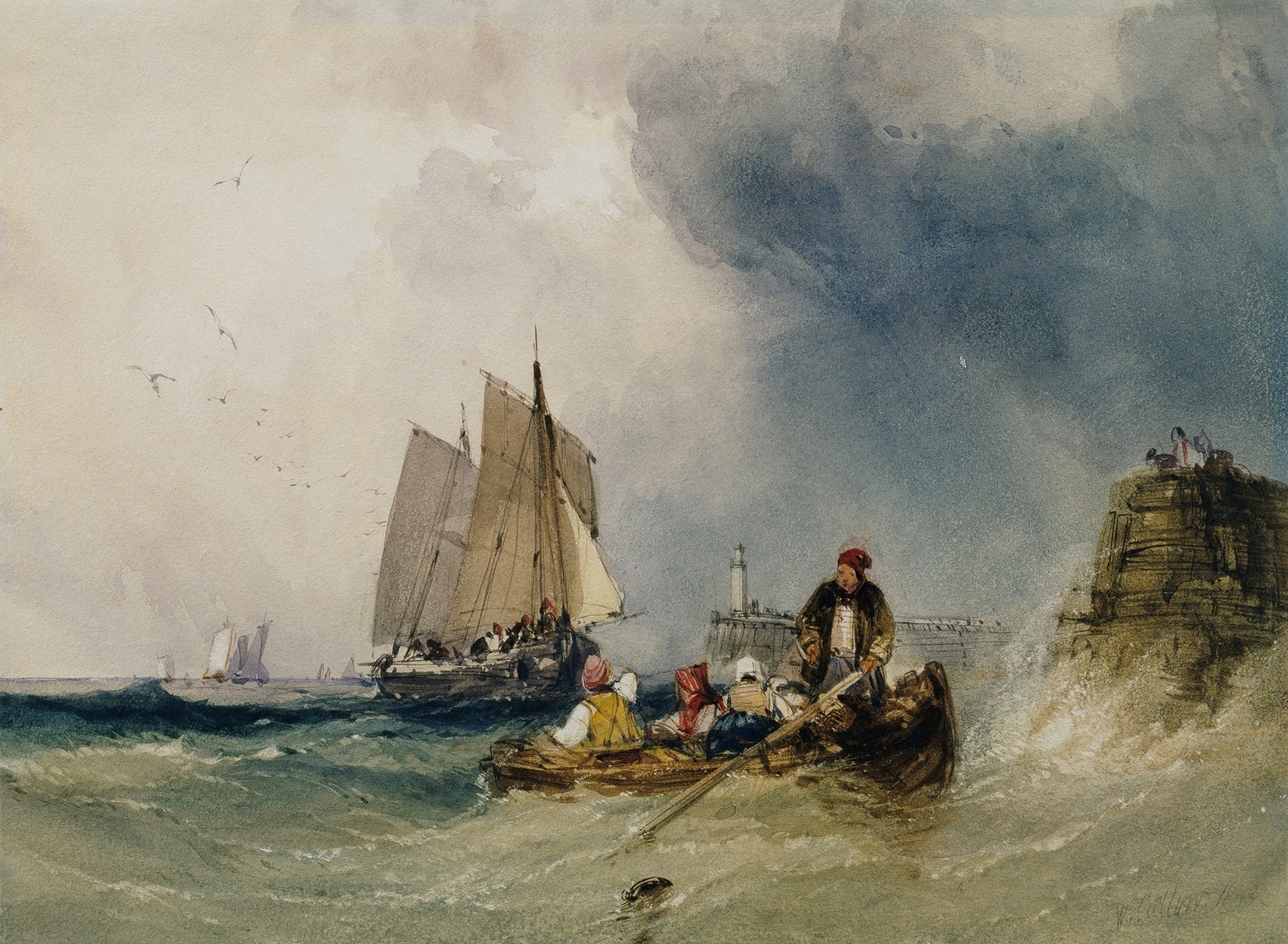
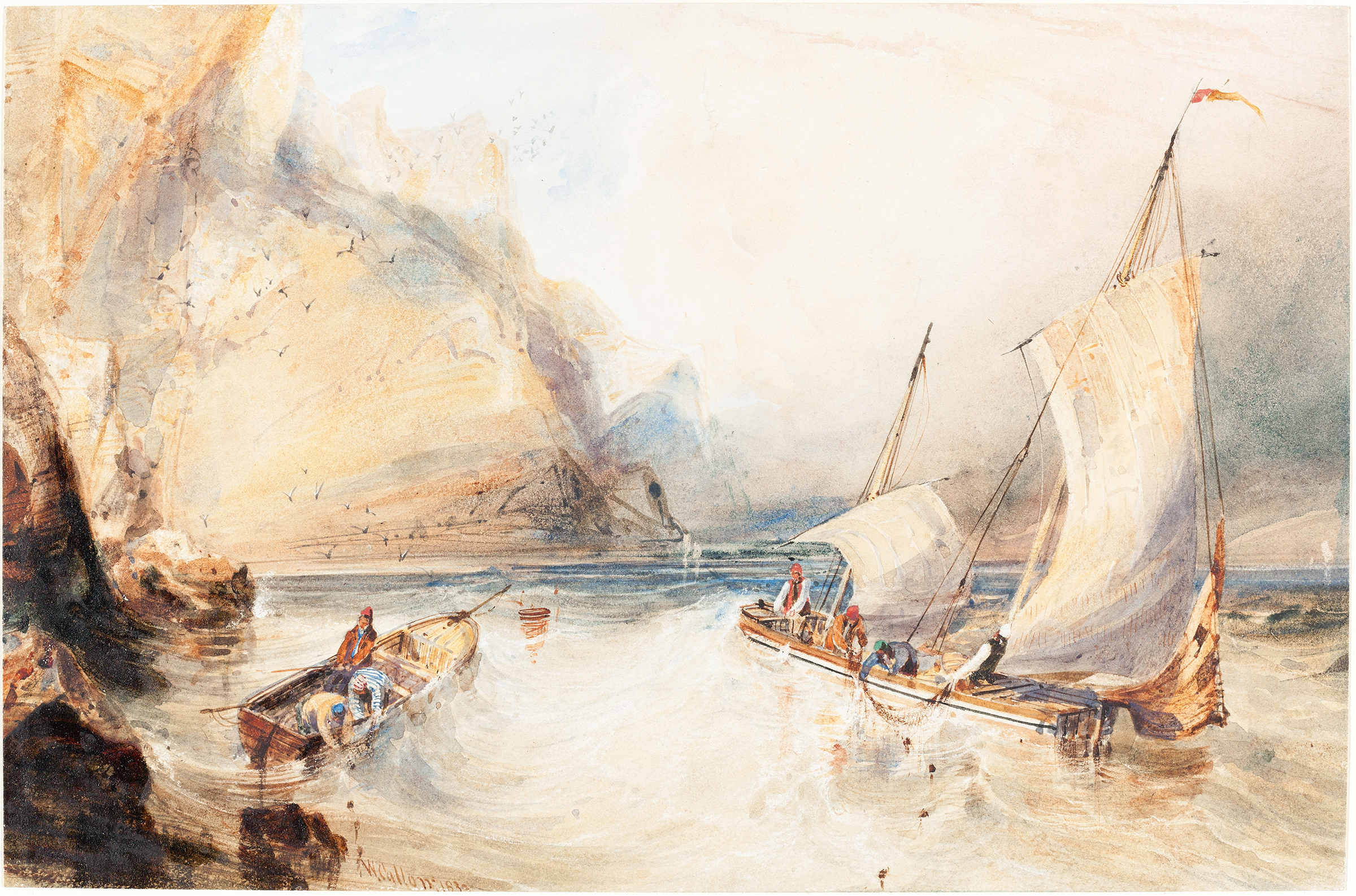
What if beauty was never meant to be finished? Shadows stretch and breathe amidst the timeless landscapes of the Rhine, whispering secrets of an eternal journey. Look to the right at the majestic outline of Rheinfels Castle, its weathered stones rising defiantly against the backdrop of rolling hills. The artist employs a palette of muted greens and earthy browns, highlighted by dashes of golden sunlight that dance across the surface of the river.
Notice how the light falls upon the water, creating a shimmering path that leads the eye into the distance, beckoning us to explore the depths of the scene. Within this serene portrayal lies an intricate tapestry of emotional tension. The contrast between the steadfast castle and the fleeting clouds above suggests a dichotomy between permanence and transience. Shadows play a crucial role, enveloping parts of the landscape in mystery while illuminating others with warmth, inviting contemplation on what is hidden versus what is revealed.
The gentle flow of the river serves as a reminder of time’s unyielding passage, urging us to reflect on our own place within the beauty of nature. William Callow painted this work in 1838, a time when he was embracing the full breadth of Romanticism. Having settled in England after his studies in Scotland, he was influenced by the sublime beauty of the landscapes around him. The 19th century marked a period of transformation in art, where nature was revered not just for its beauty but also for its emotional resonance, a theme that resonates deeply in this piece.