Castle at Alencon — History & Analysis
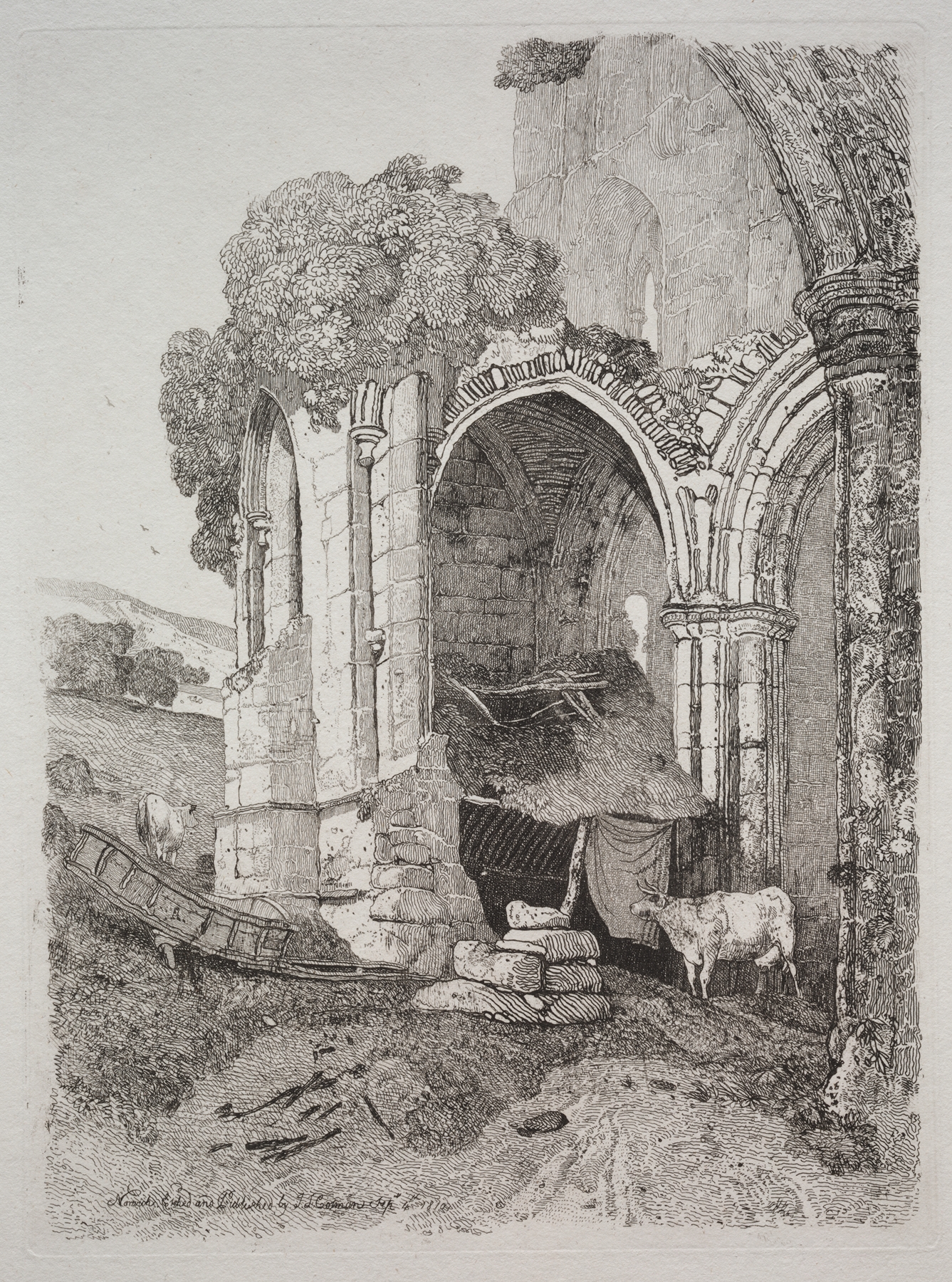
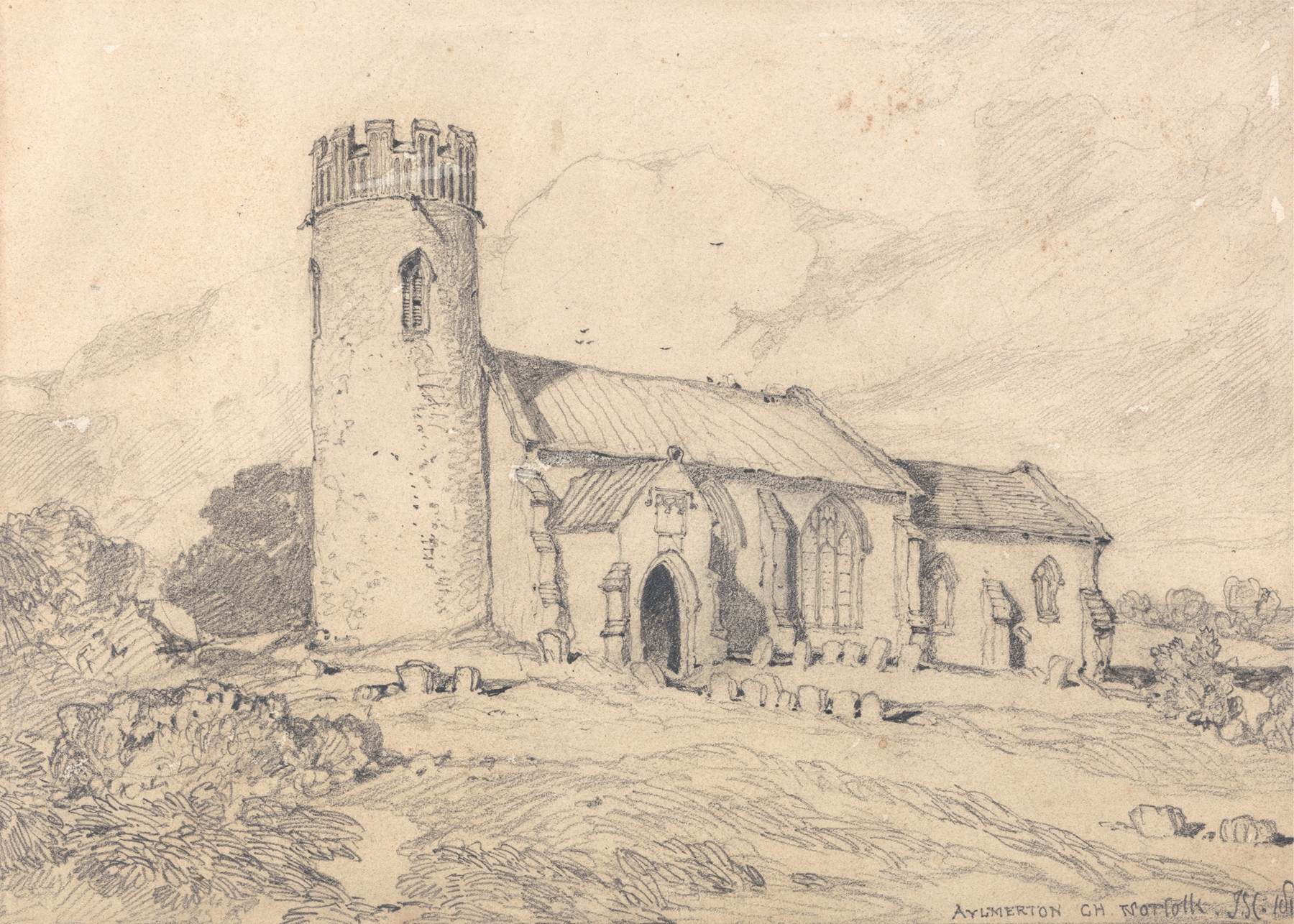
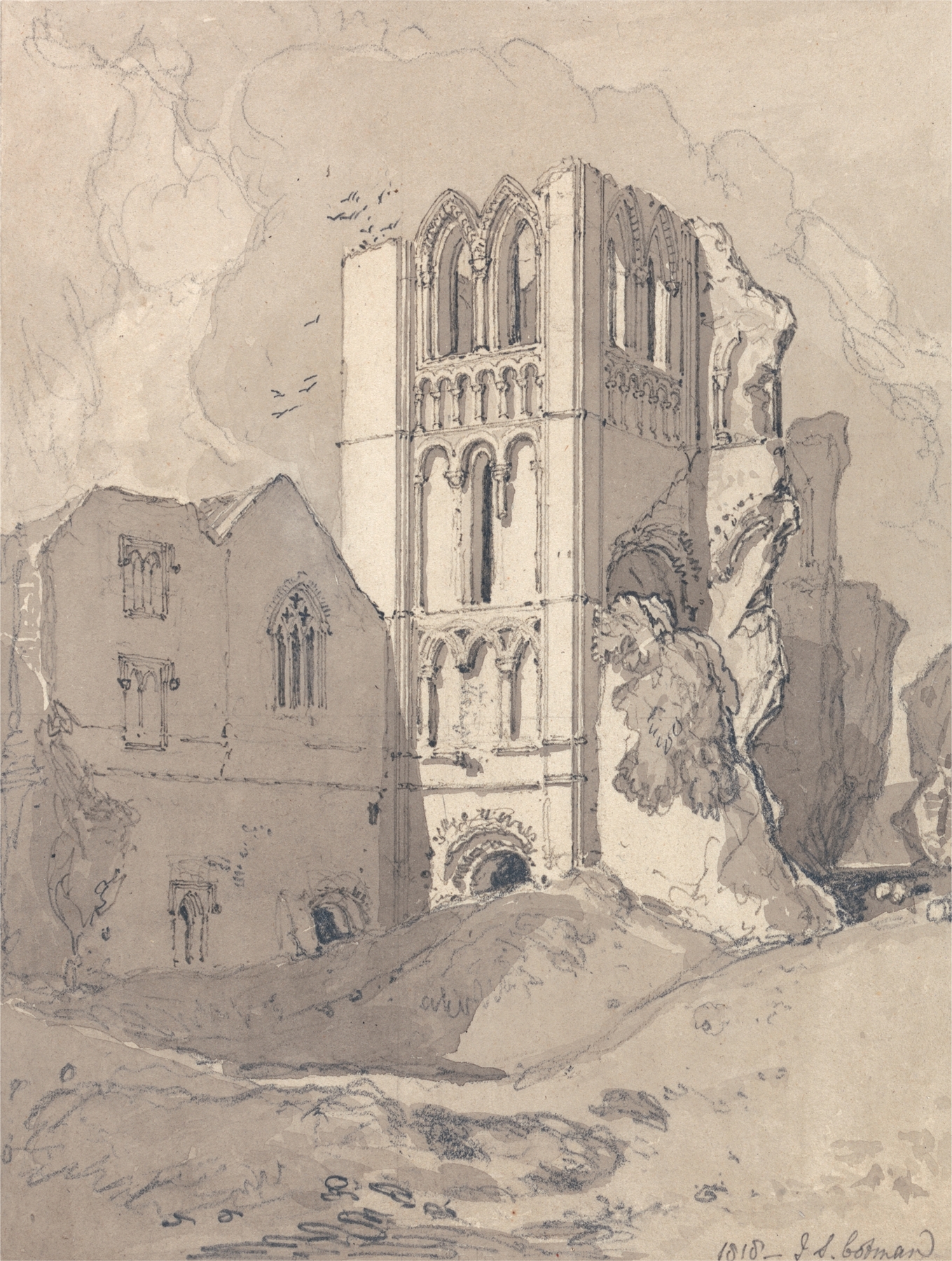
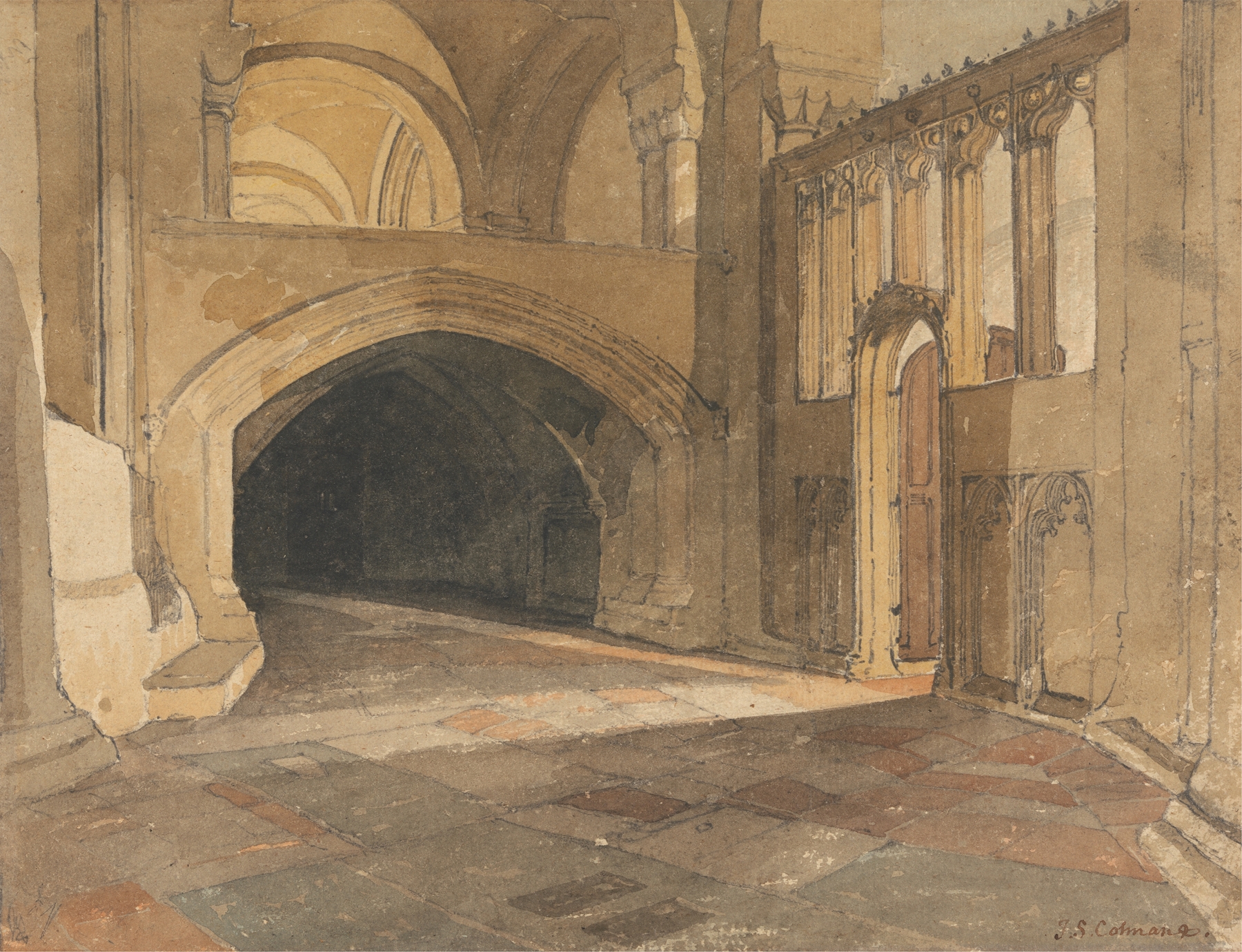
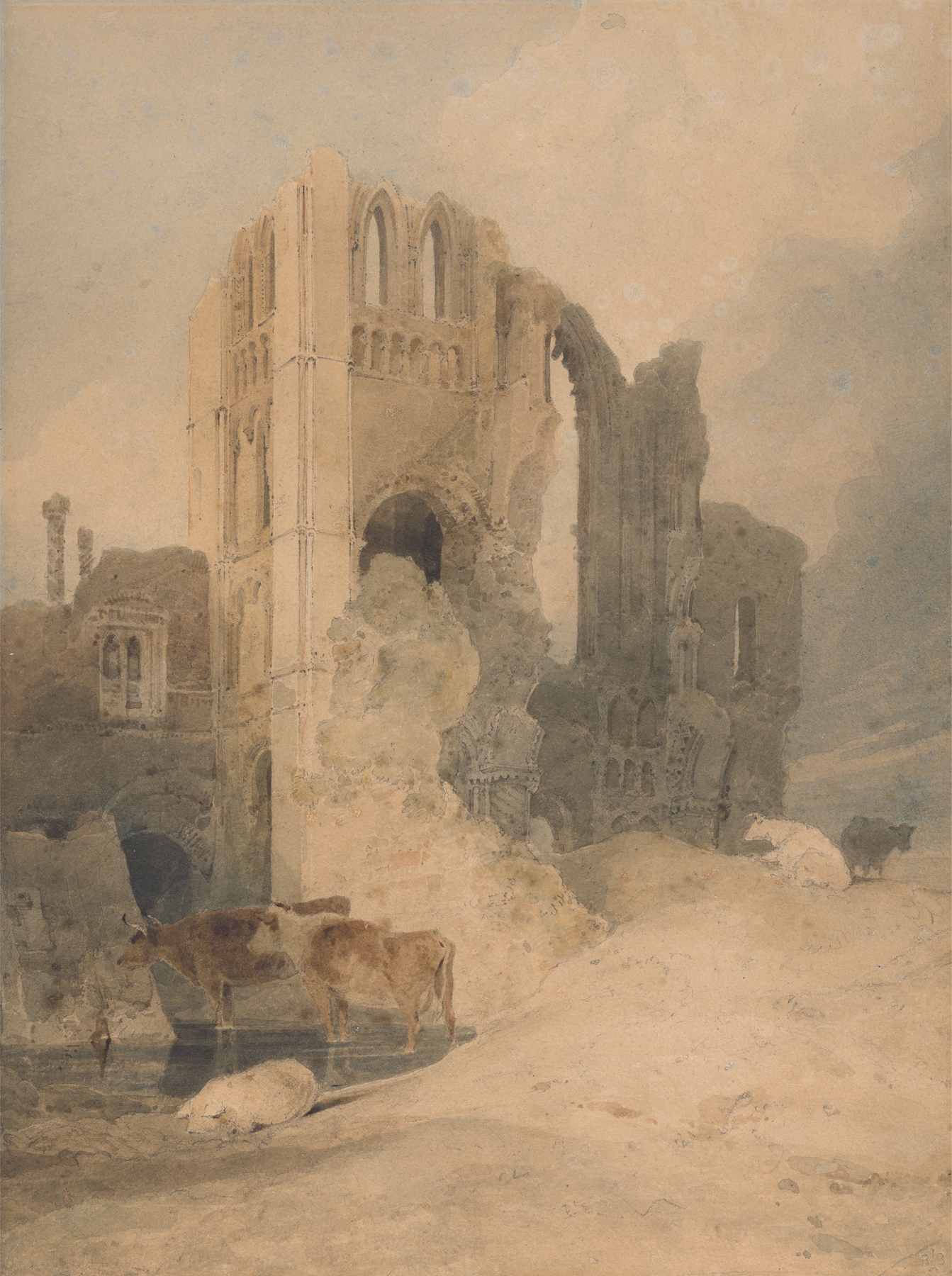
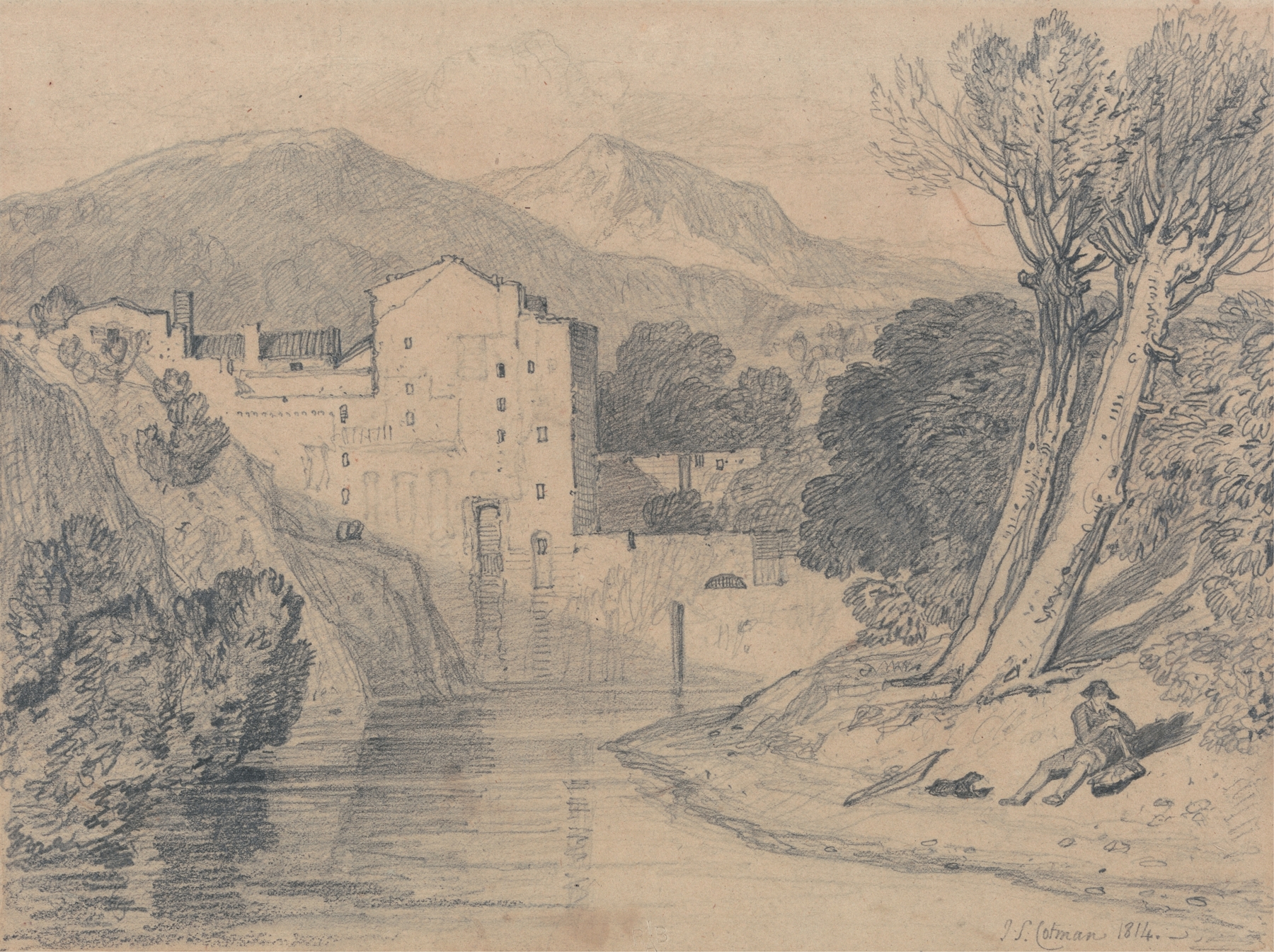
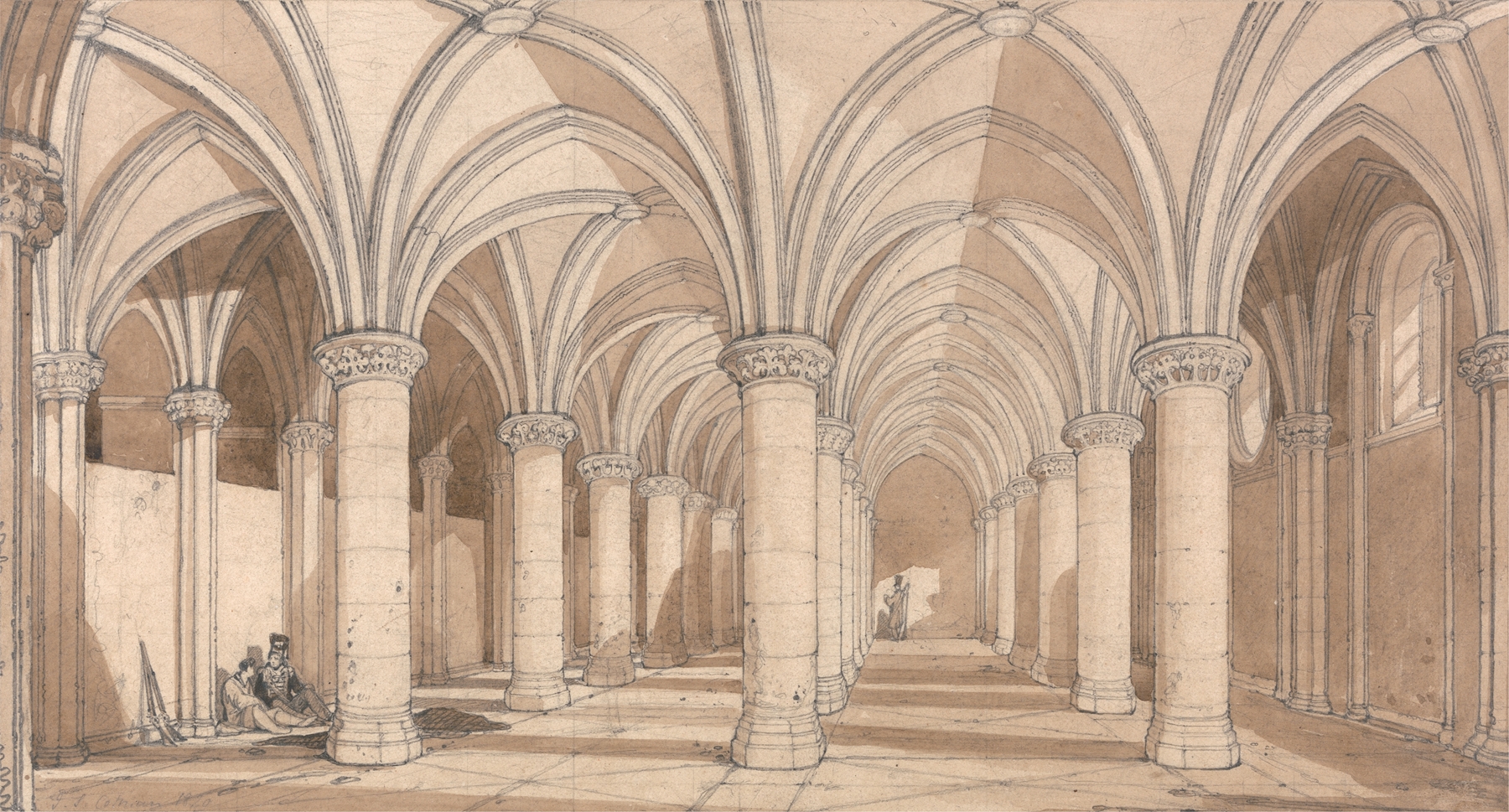
“To paint is to remember what time wants us to forget.” In Castle at Alencon, the artist captures not just a structure, but the very essence of obsession — the relentless desire to hold onto fleeting moments that time seeks to erase. Look to the left where the weathered stones of the castle rise proudly against a soft, overcast sky. Notice the delicate brushwork that conveys both texture and age, a visual testament to the passage of time.
The muted palette of grays and greens evokes an atmosphere of quiet reflection, inviting the viewer to linger in the shadows as they explore the intricate details of the architecture and the simplicity of the surrounding landscape. As you delve deeper, contrasts emerge: the starkness of the castle's formidable walls juxtaposed with the ethereal quality of the wispy clouds above. This tension speaks to the struggle between permanence and transience, as the castle stands resilient, yet is overshadowed by the fleeting beauty of nature.
Hidden within the layers of paint are echoes of longing, as if the artist is pleading with the viewer to witness what might soon fade into memory. Created in 1820, this piece reflects John Sell Cotman’s exploration of watercolor techniques during a period when Romanticism was gaining momentum in the art world. Living in England, he was influenced by the emerging fascination with the picturesque and the sublime, seeking to immortalize scenes that resonated with both nostalgia and reverence for the past — a pursuit that defined much of his work.