Cataracte près de vieux Brugs Hammer — History & Analysis
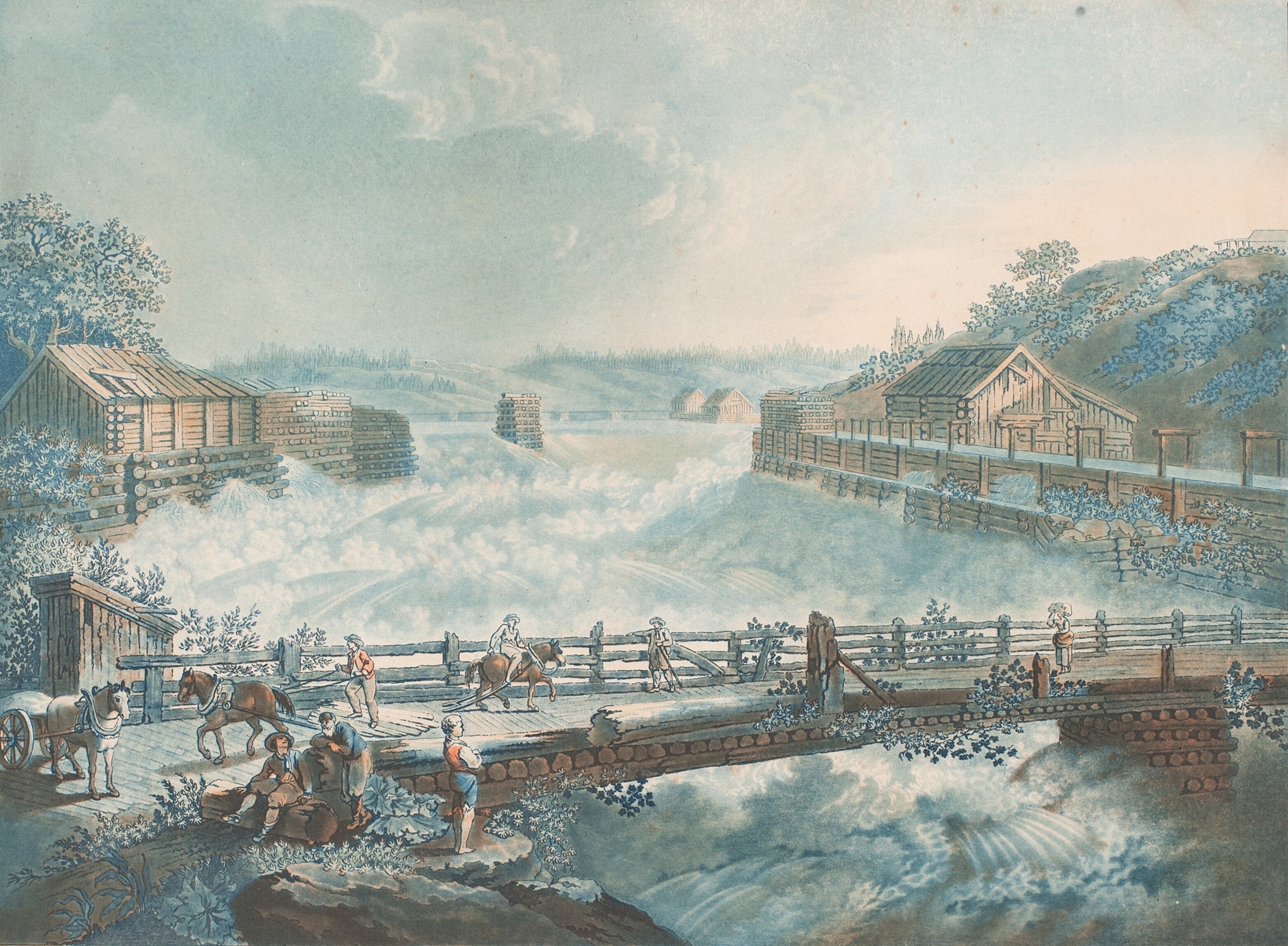
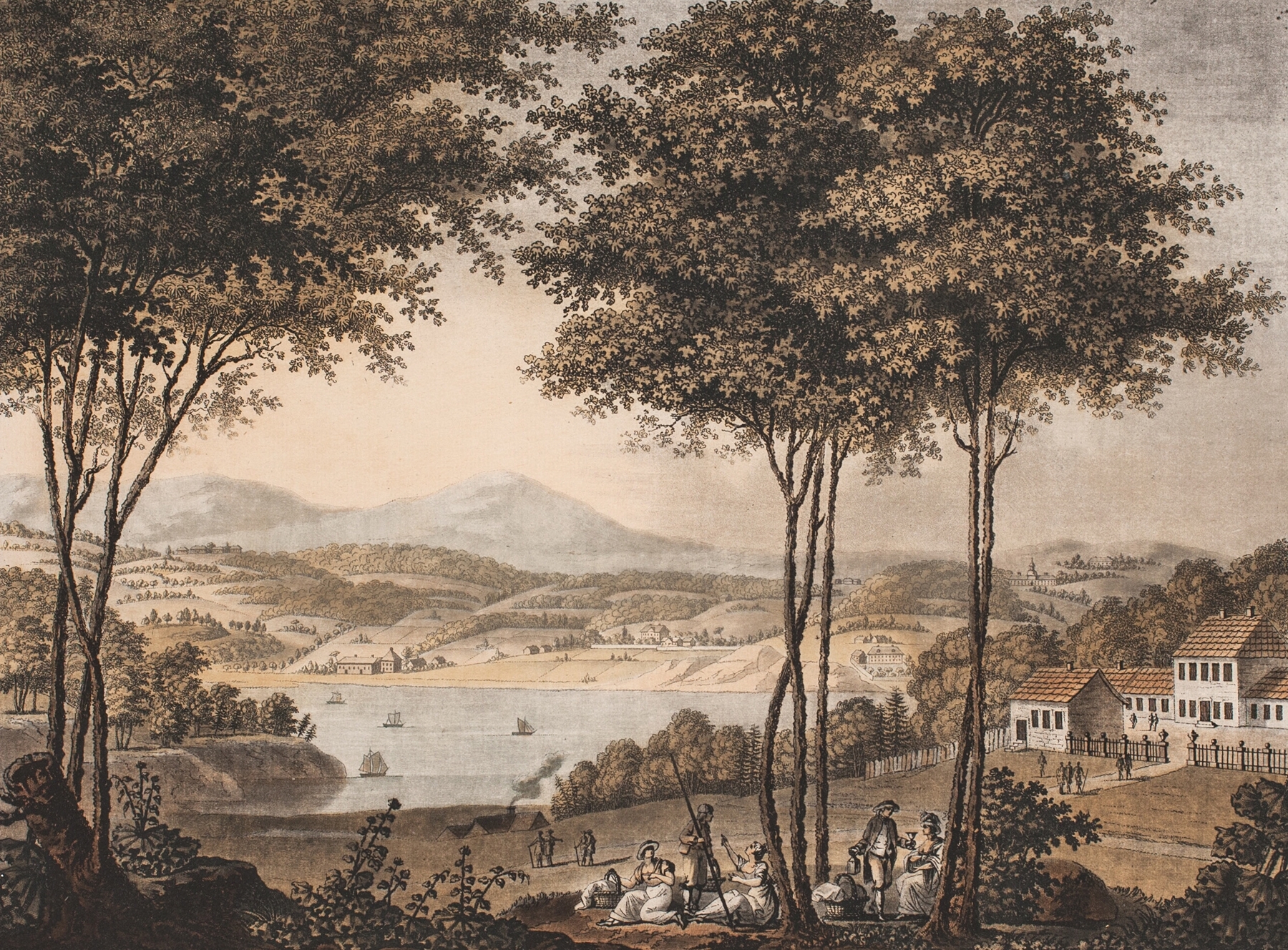
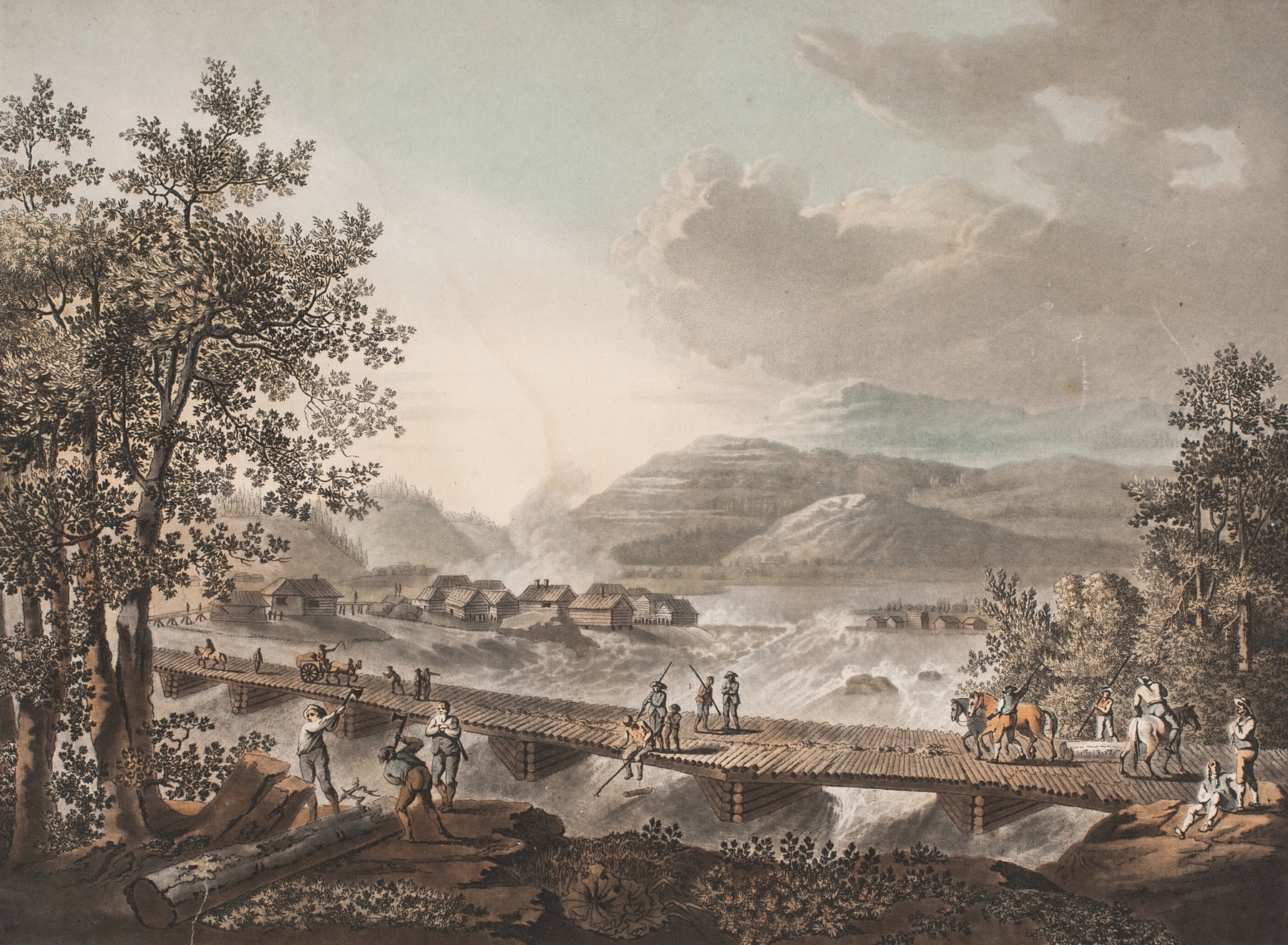
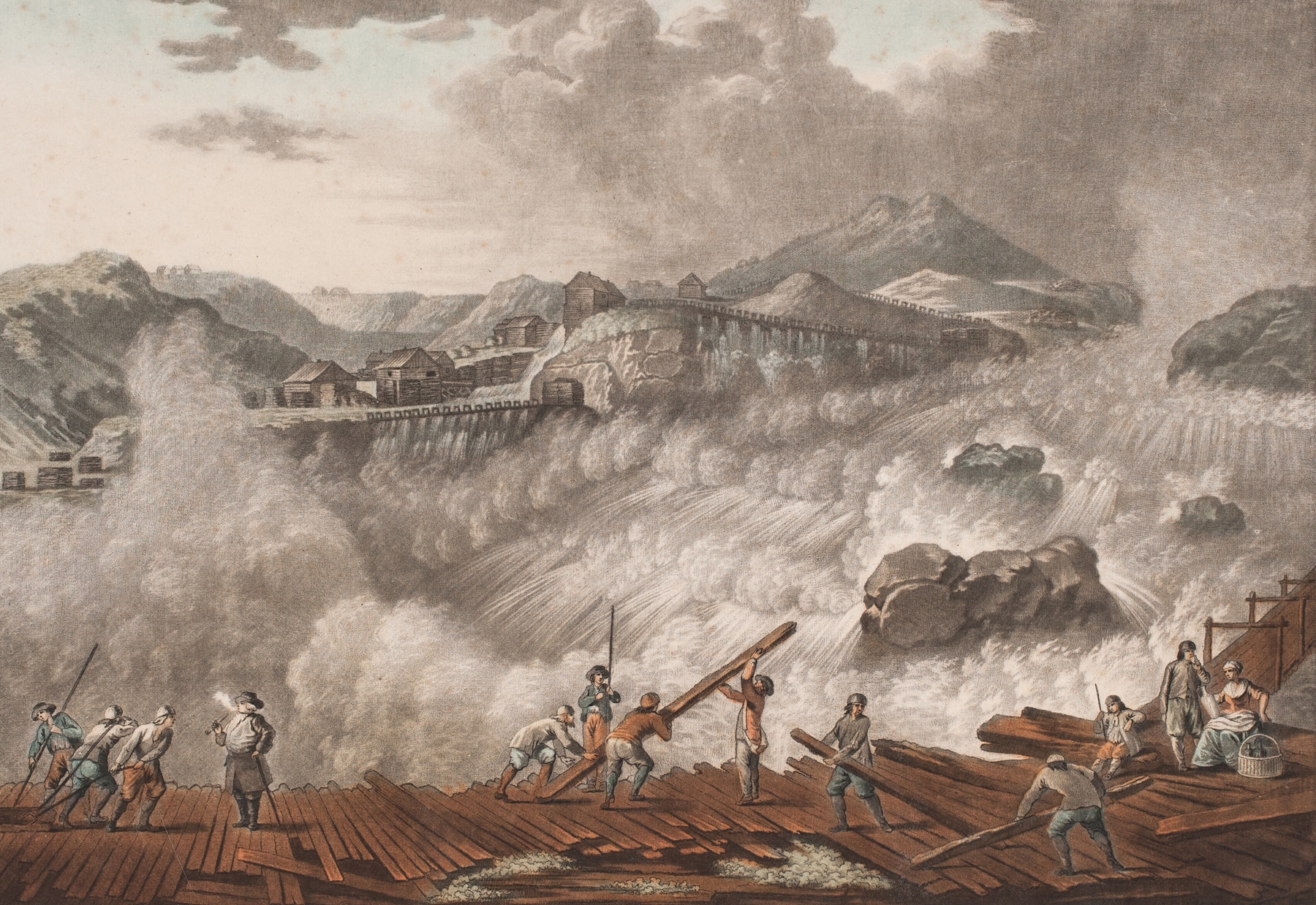
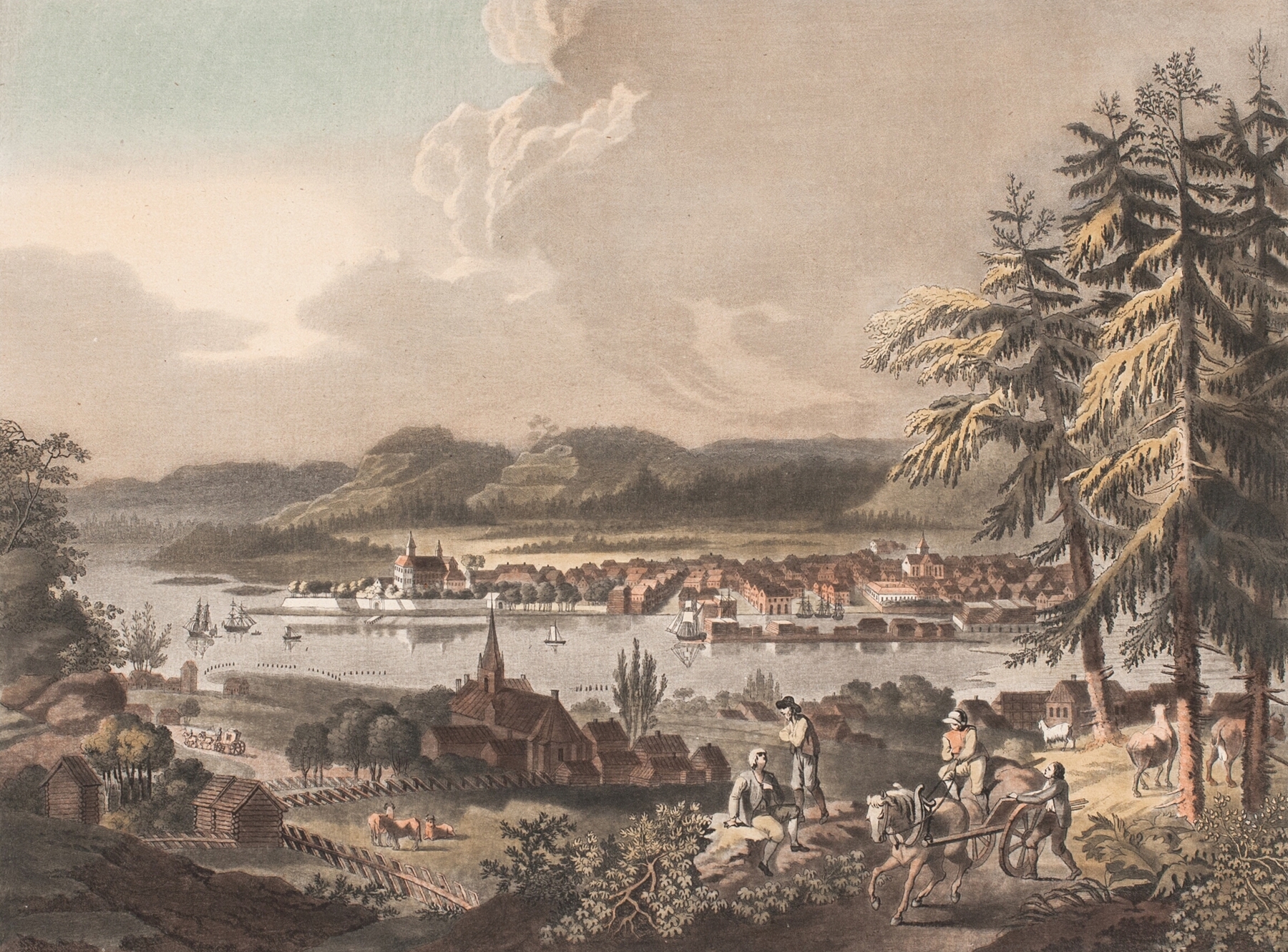
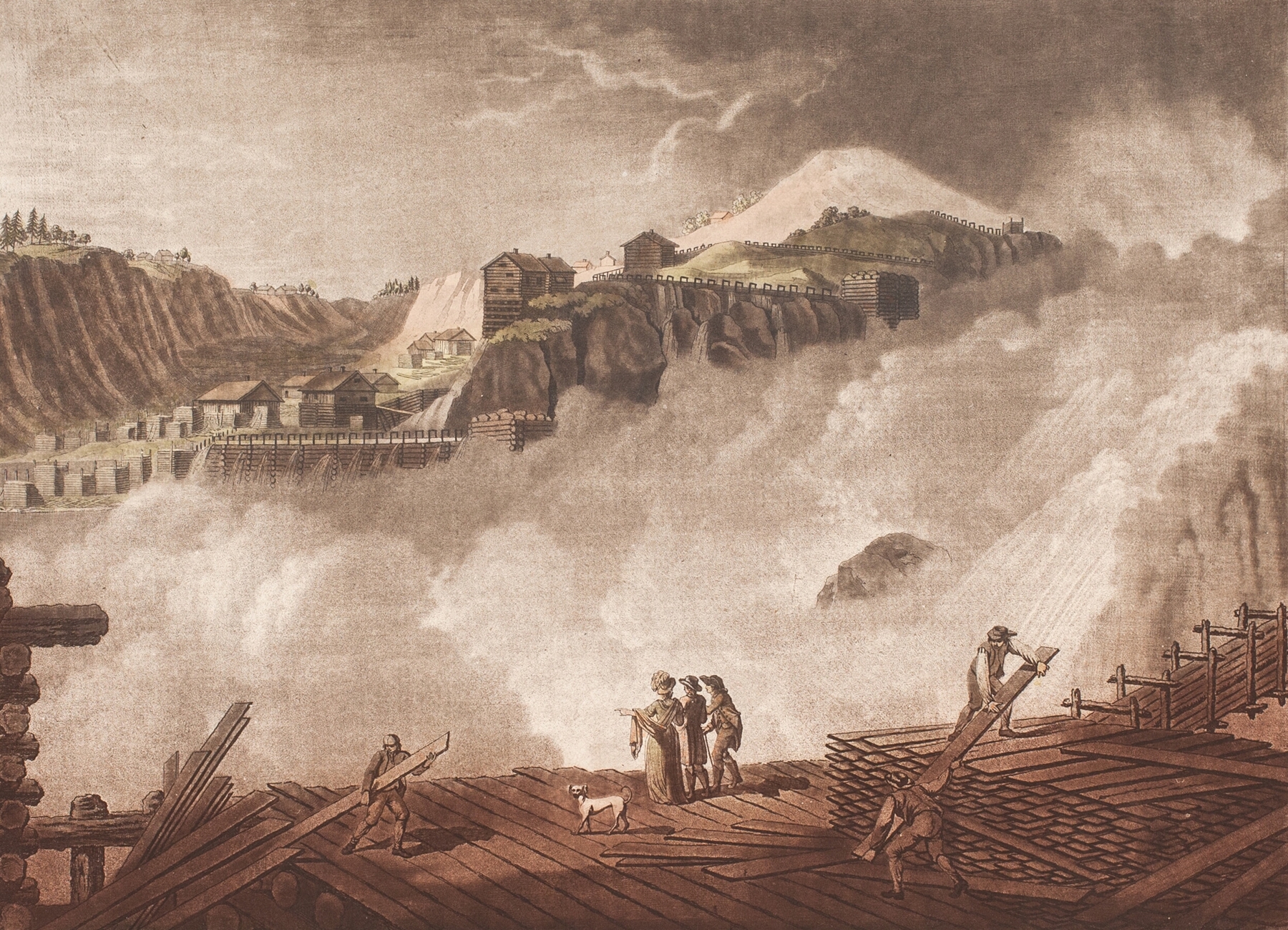
Is this a mirror — or a memory? In the interplay of water and reflection, the viewer is drawn into a world where obsession blurs the line between the seen and the felt. Look to the center of the canvas, where turbulent waters cascade over jagged rocks, their frothy edges illuminated by a soft, dappled light. The play of shadows and highlights creates a dynamic rhythm, leading the eye through the composition.
Notice how the cool blues and greens evoke a sense of tranquility, contrasted sharply by the vigorous movement of the water, suggesting both beauty and chaos within a singular moment. Delve deeper into the painting's layers, and you may find a profound tension between nature's serenity and its ferocity. The lush greens framing the cascade symbolize life, yet the tumultuous water speaks to relentless change and obsession with the fleeting nature of existence. Each wave captures a fleeting instant—a struggle between holding onto a moment and the inevitable passage of time, creating an emotional depth that resonates beyond the landscape.
Created between 1787 and 1791, the work reflects Haas's exploration of Romanticism while encapsulating the transition toward modernity in art. Living in Belgium during a period of cultural and political upheaval, the artist sought to bridge the gap between the sublime beauty of nature and human emotion. This painting is not merely a depiction of a waterfall, but a window into the artist’s psyche, revealing his fascination with the obsessional interplay of memory and reality.