Chute d’eau de Sarp-Foss en Norvège — History & Analysis
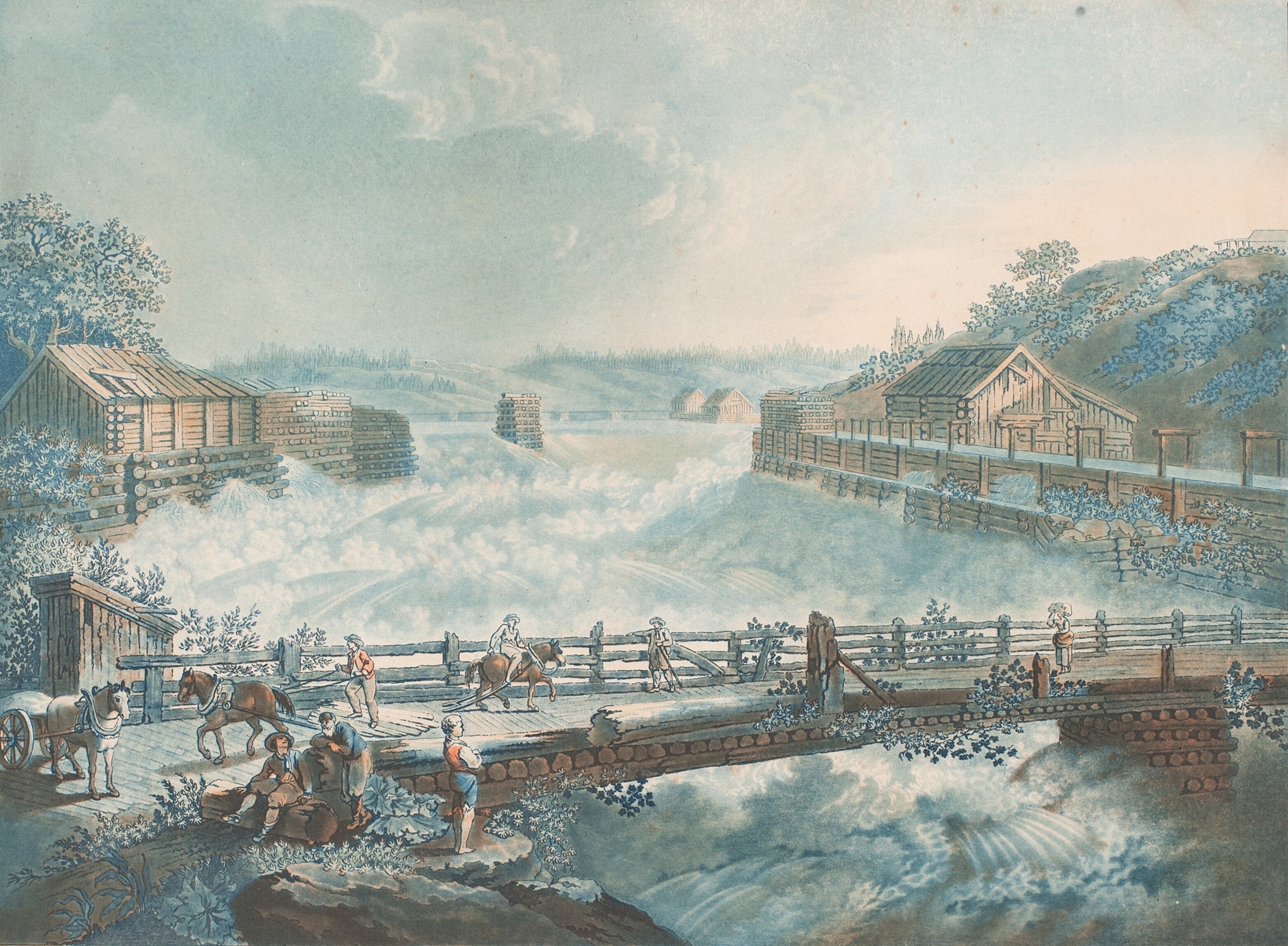
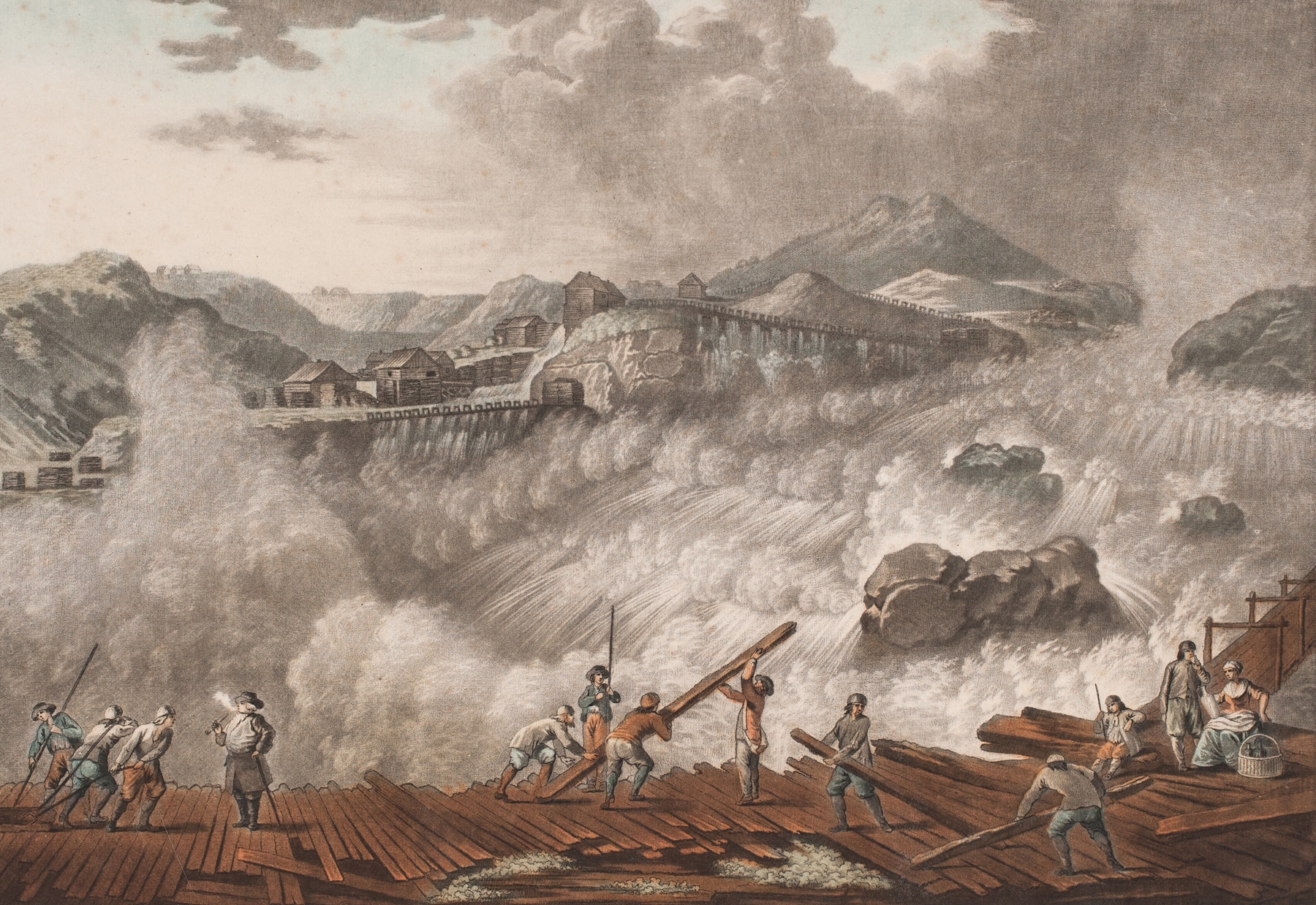
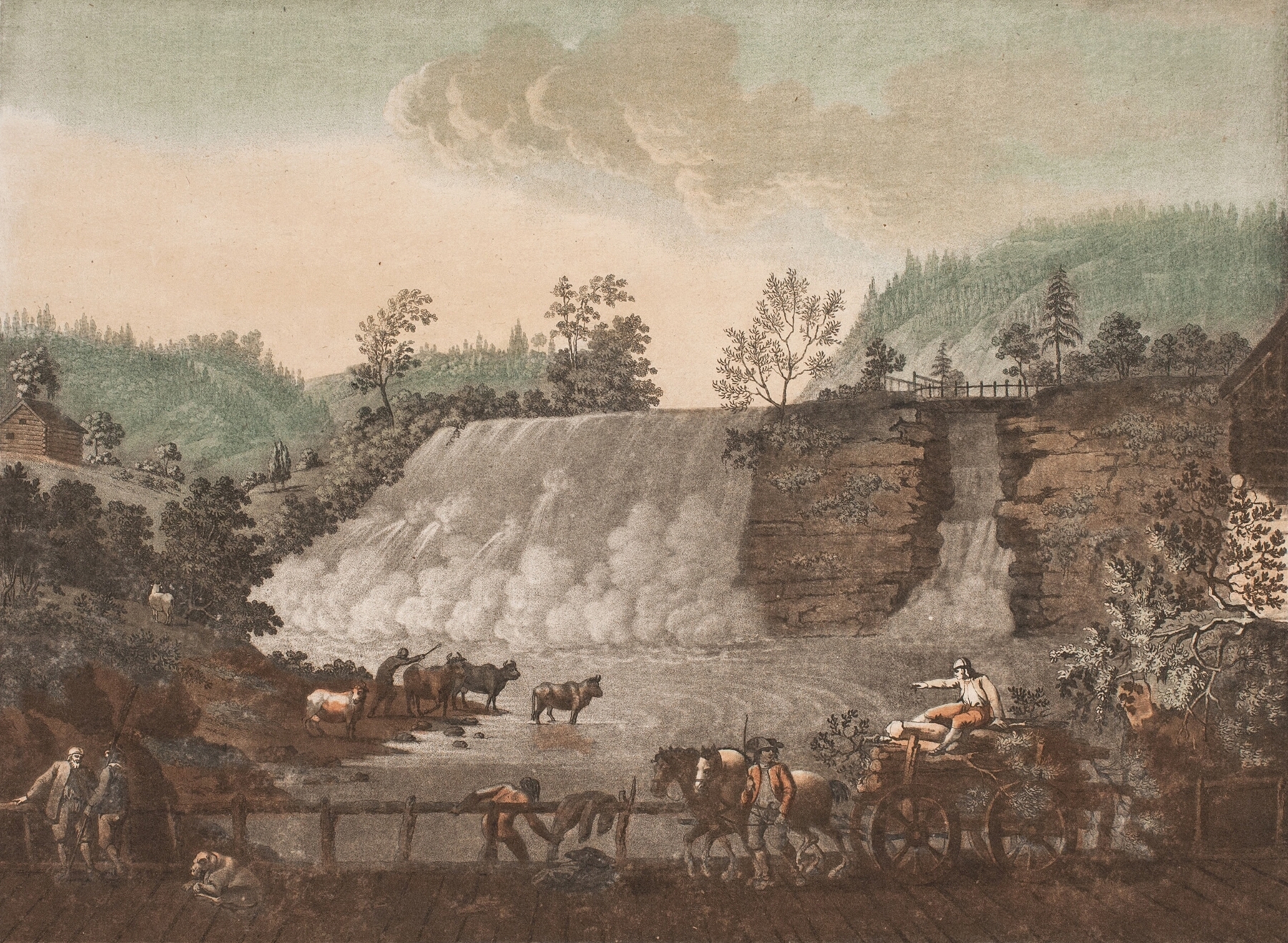
“Every brushstroke is a heartbeat remembered.” In Chute d’eau de Sarp-Foss en Norvège, the essence of movement echoes through the cascading waters, capturing the relentless flow of nature's power. Each droplet seems to dance upon the canvas, inviting viewers to feel the pulse of the waterfall's rush. Look to the left where the turbulent waters plunge into the rocky abyss, each stroke meticulously layered to convey the texture of both spray and stone. Notice how the artist skillfully employs varying shades of blue and green, harmonizing with the earth tones of the cliffside.
The interplay of light and shadow enhances the sense of depth, while the dynamic composition draws the eye downward, mimicking the viewer's own descent into this breathtaking scene. Delve deeper into the painting, and you will find a contrast between chaos and serenity. The powerful waterfall symbolizes nature's unstoppable force, yet the surrounding landscape suggests a tranquil coexistence. Small details, such as the delicate foliage clinging to the cliff's edge, reflect resilience amidst the tumult.
These elements together evoke a sense of awe and reverence for the natural world, inviting contemplation of its beauty and ferocity. In 1794, Haas painted this remarkable scene during a period of romantic exploration in art, when nature was celebrated for its sublime qualities. Living in Germany at the time, he was influenced by the burgeoning Romantic movement, which sought to capture emotion and the grandeur of the landscape. This piece encapsulates his dedication to portraying nature's magnificence while challenging viewers to appreciate both its beauty and power.