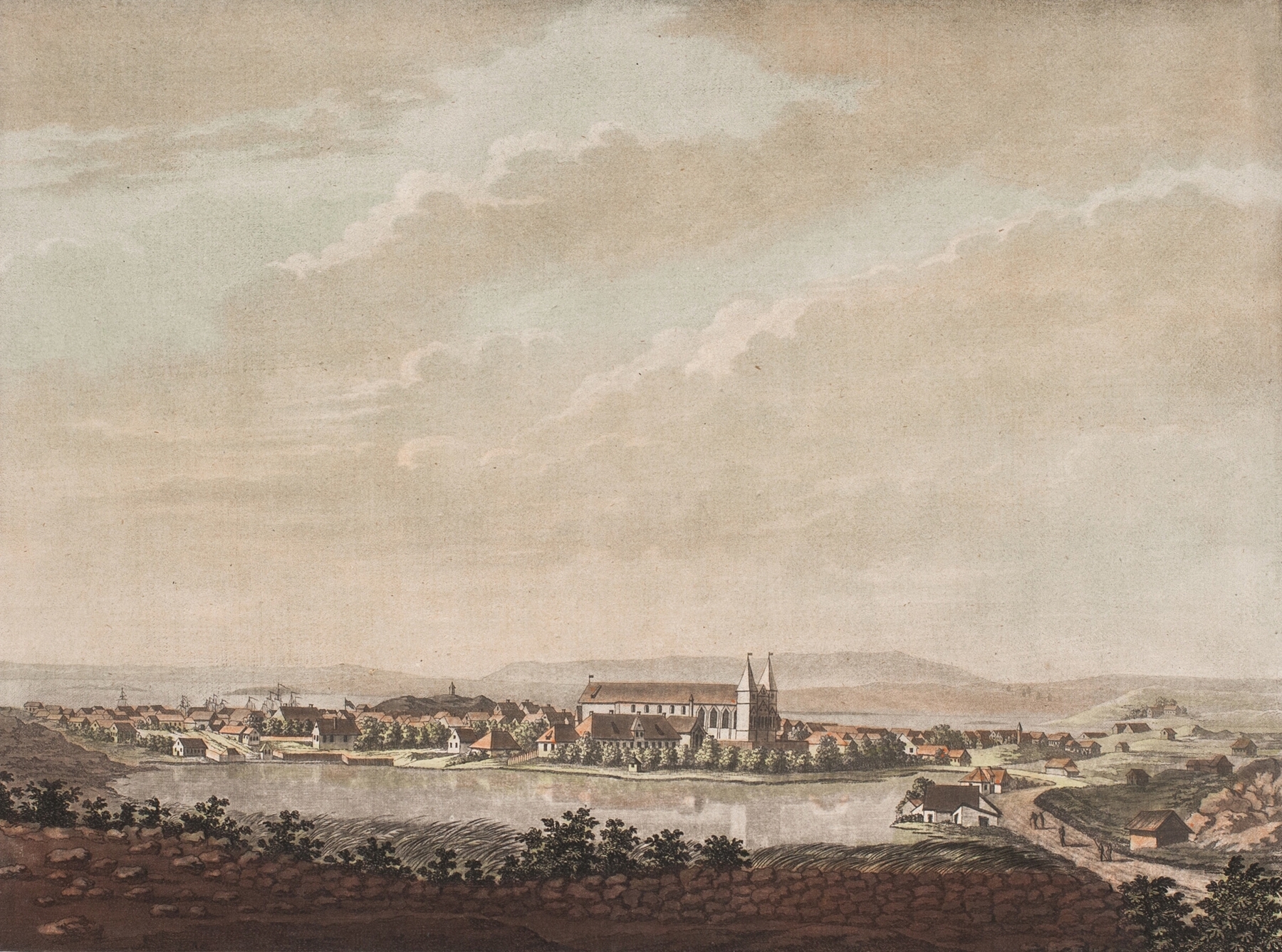
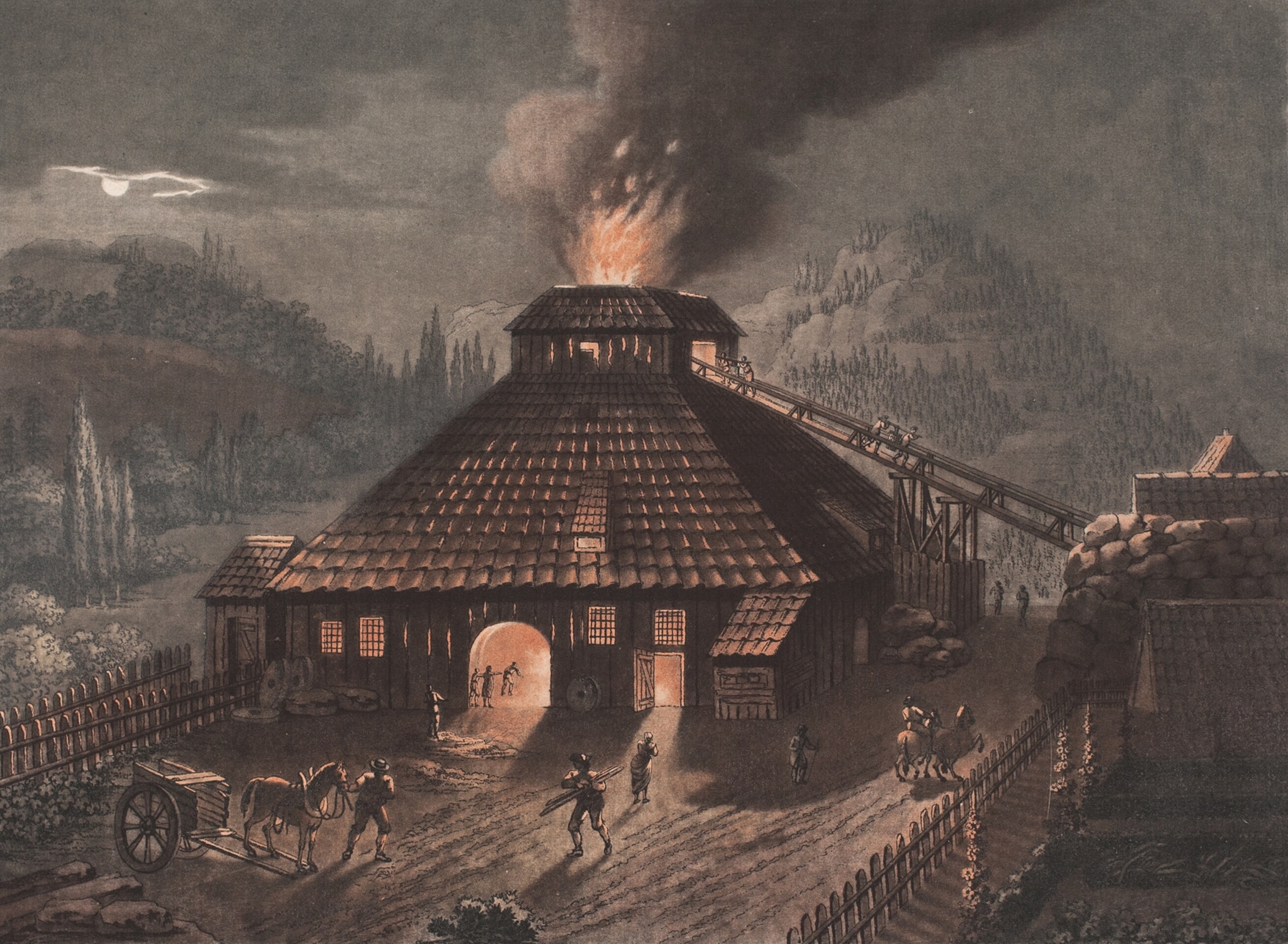
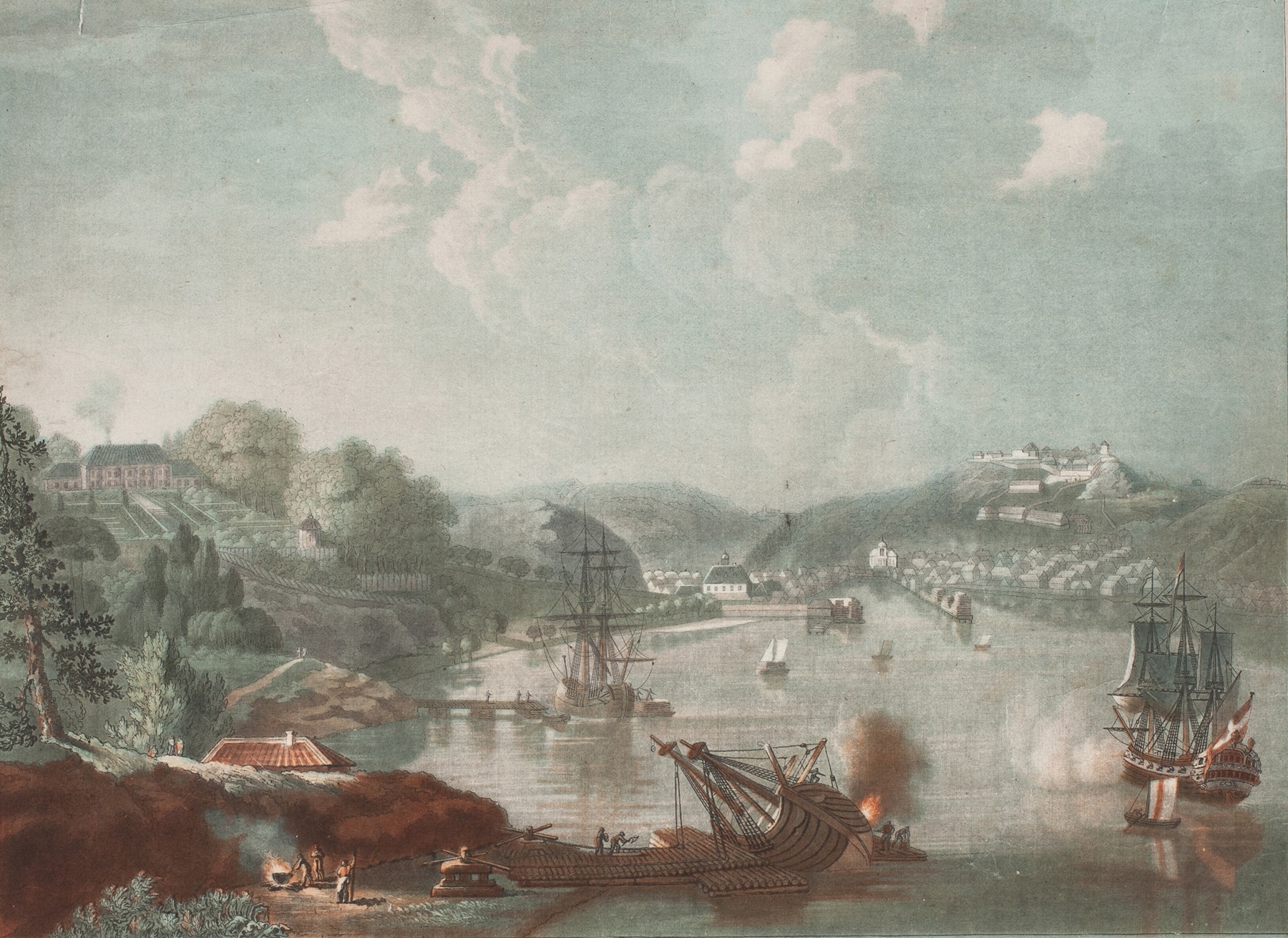
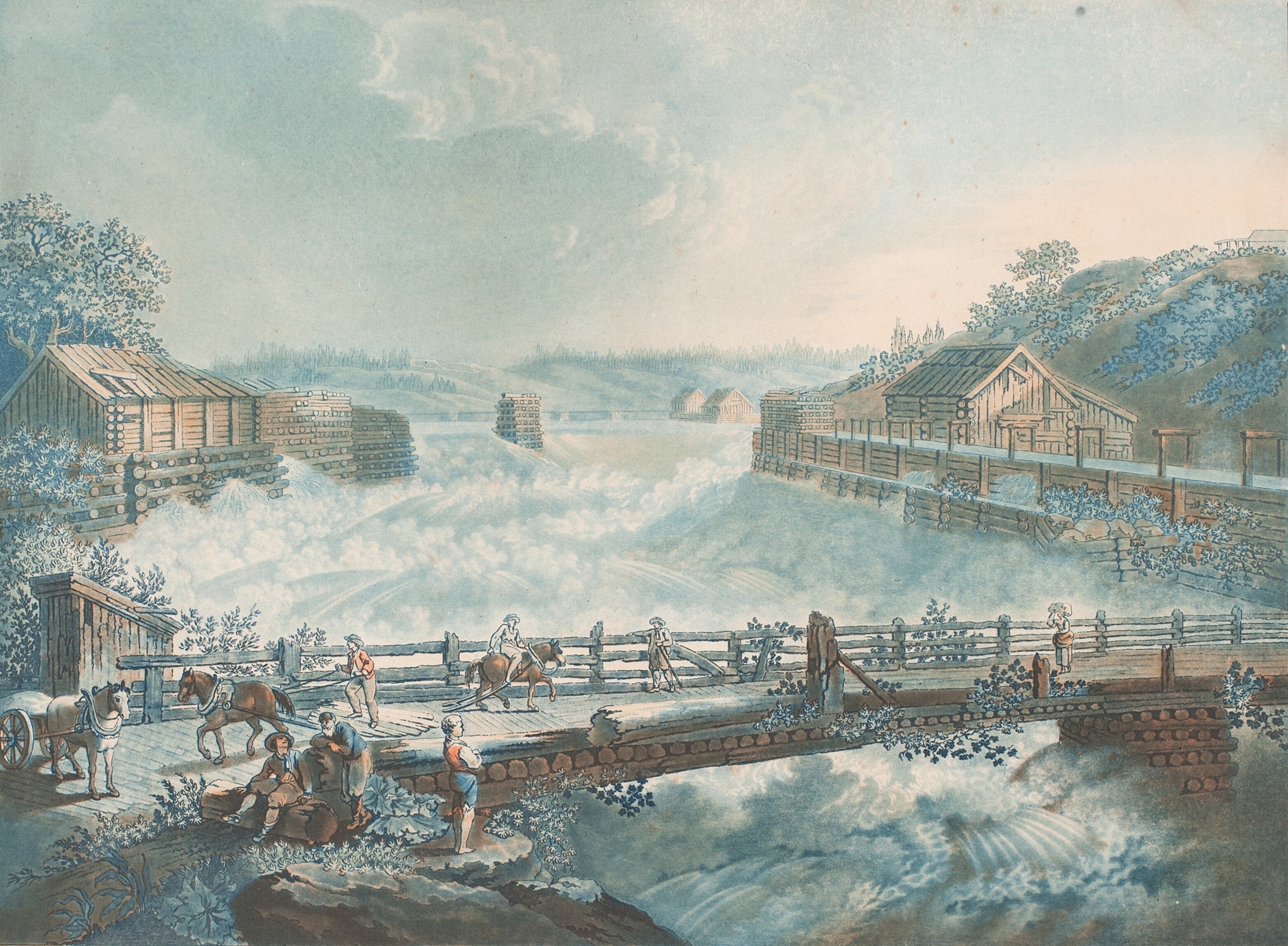
Vue d’une partie de Hönefoss — History & Analysis
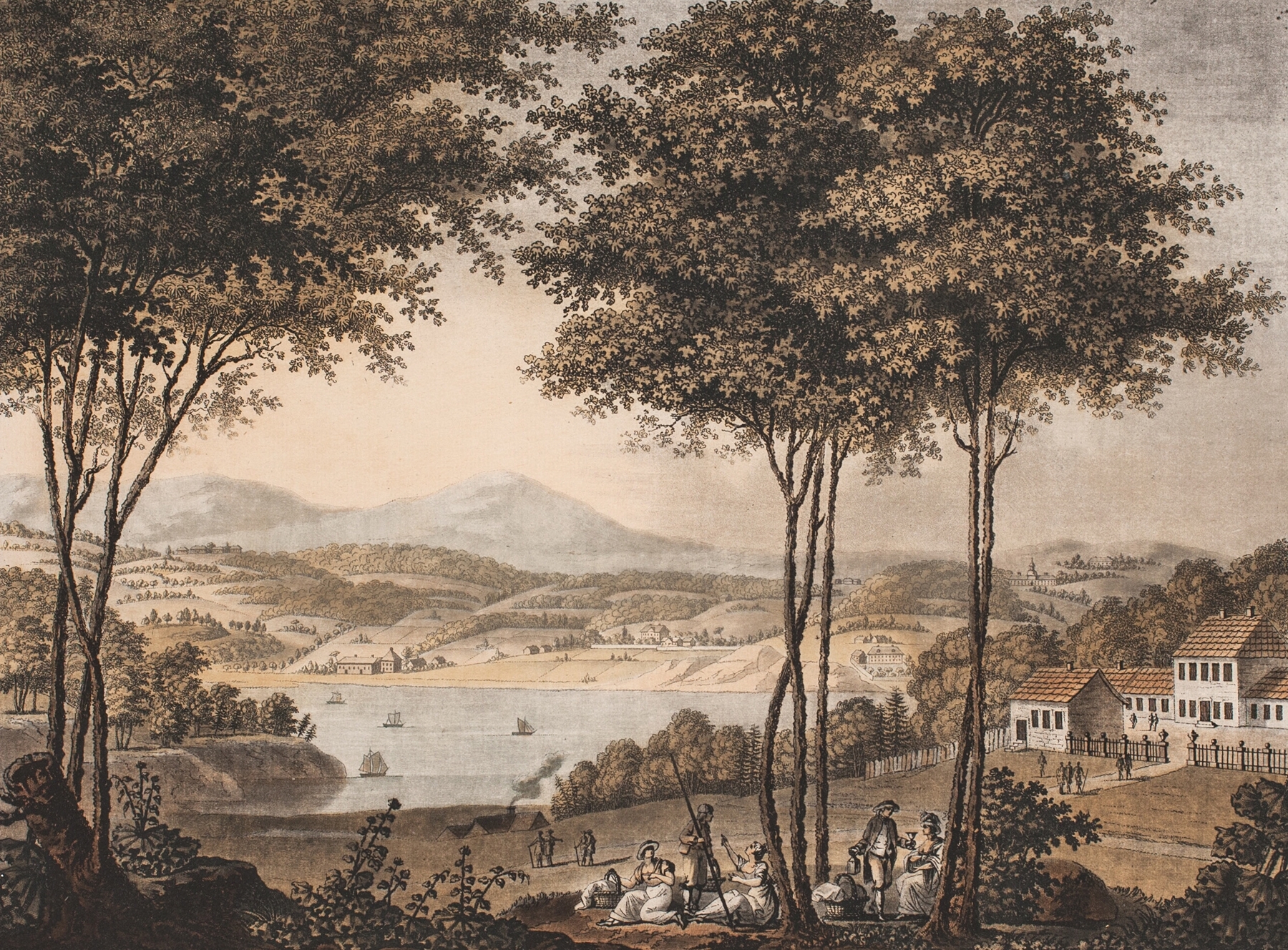
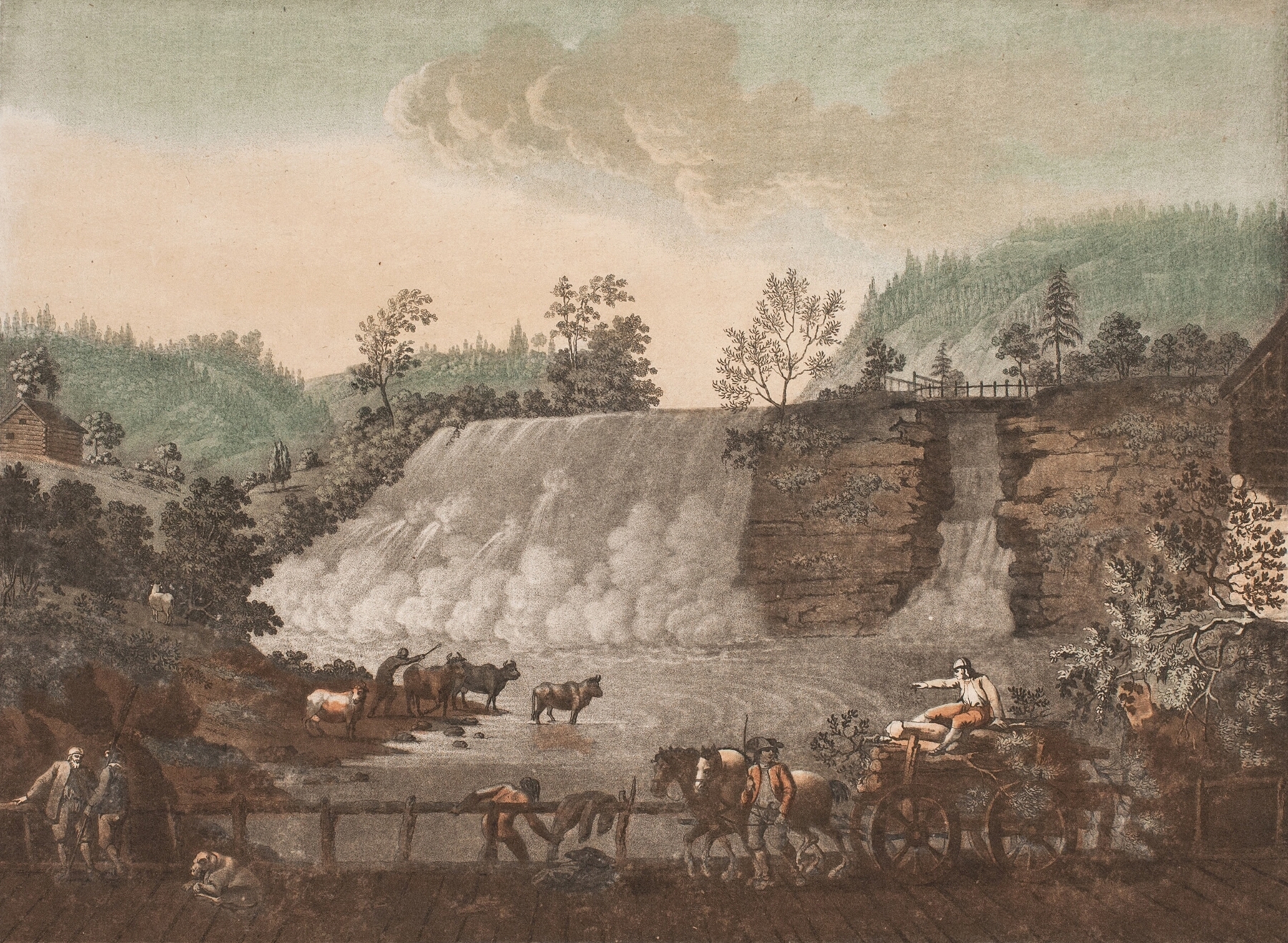
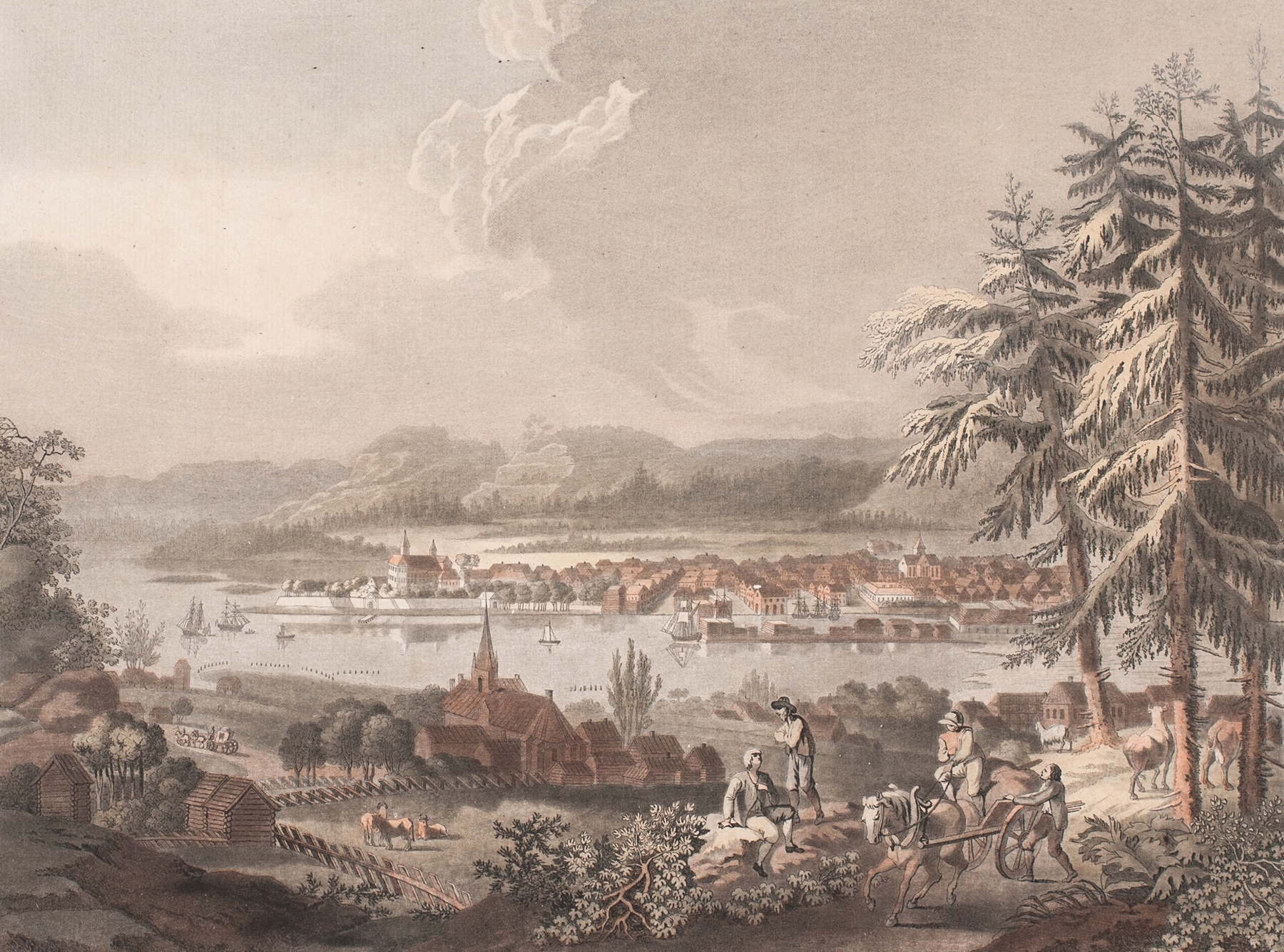
What secret hides in the quiet of the canvas? This painting beckons viewers to wander its serene landscape, inviting contemplation where whispers of betrayal linger beneath the surface. Look to the left at the meandering river, reflecting the soft hues of twilight. The gentle gradient of blues and greens draws the eye, leading us into the heart of the composition, where the trees stand sentinel, their shadows sheltering untold stories.
Notice how the light dances on the water’s surface, creating a shimmering pathway that feels both inviting and elusive, hinting at the complexities of trust and treachery entwined in nature's stillness. This artwork captures a moment seemingly untouched by time, yet there's an undercurrent of tension woven into its tranquil beauty. The contrast between the calm water and the looming, darkened trees suggests secrets hidden in the shadows, mirroring the duality of humanity—an outward calm that masks inner turmoil. The muted color palette reinforces a sense of nostalgia, hinting at histories formed and relationships fractured, evoking a bittersweet awareness of life's fragility.
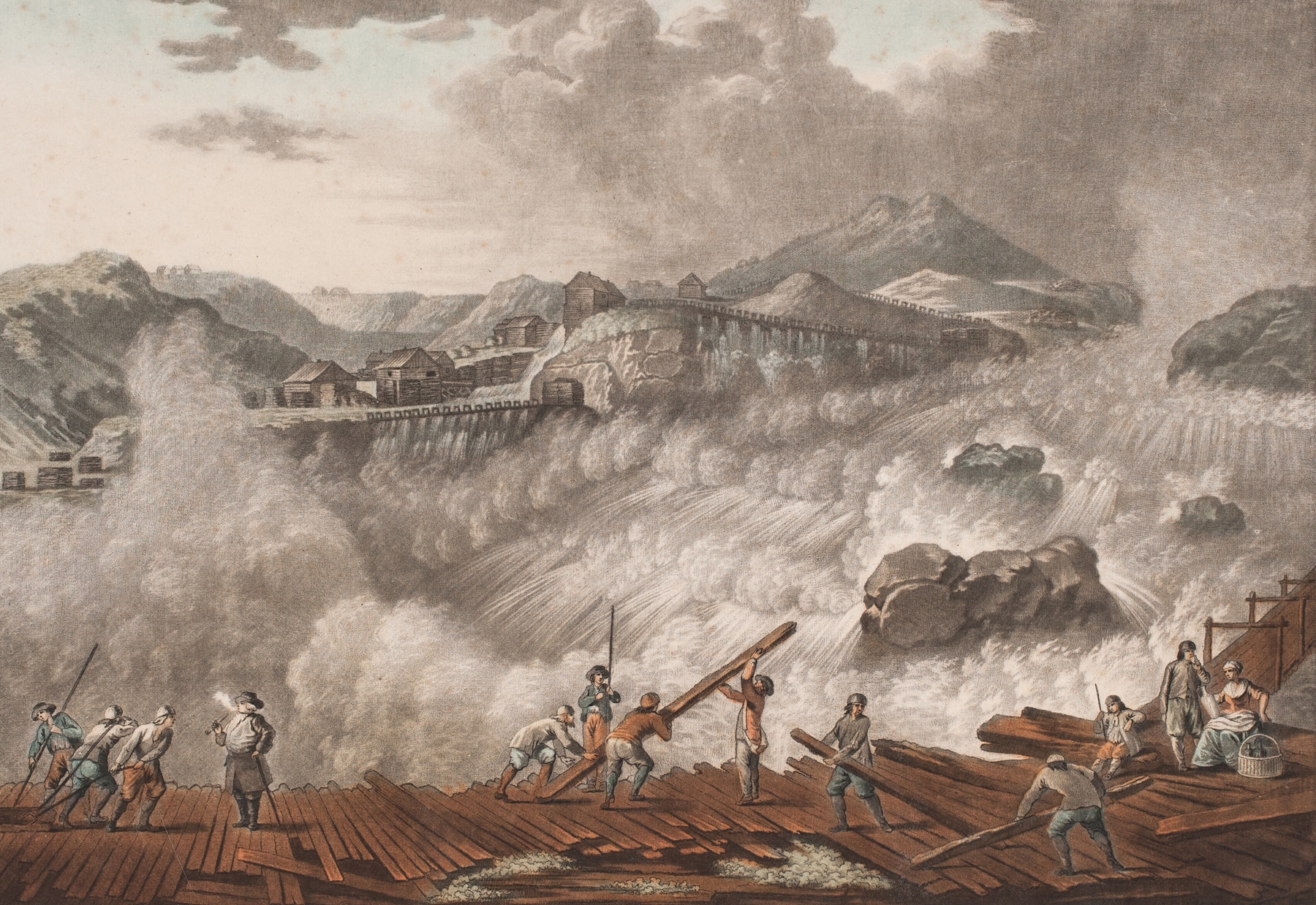
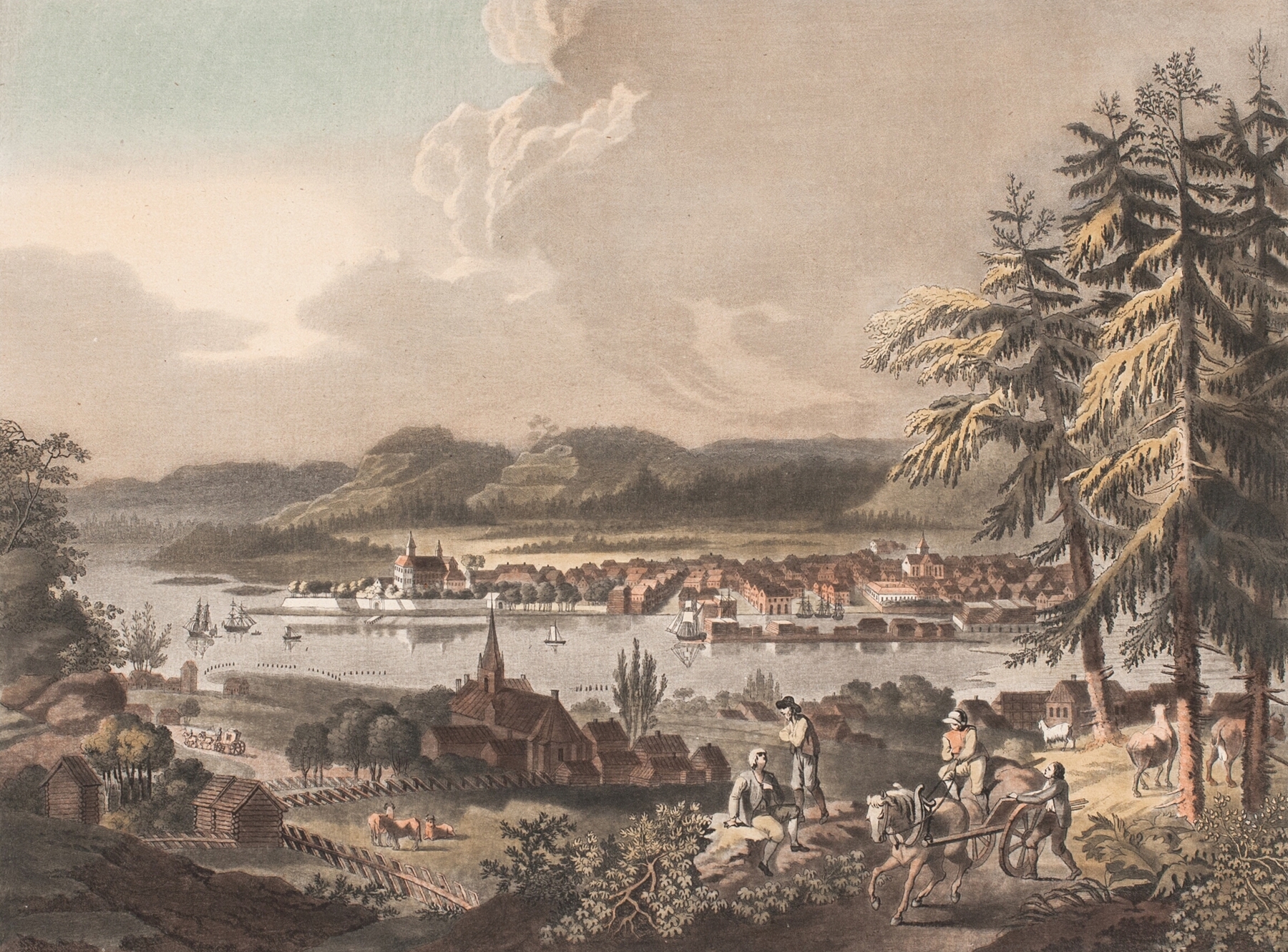
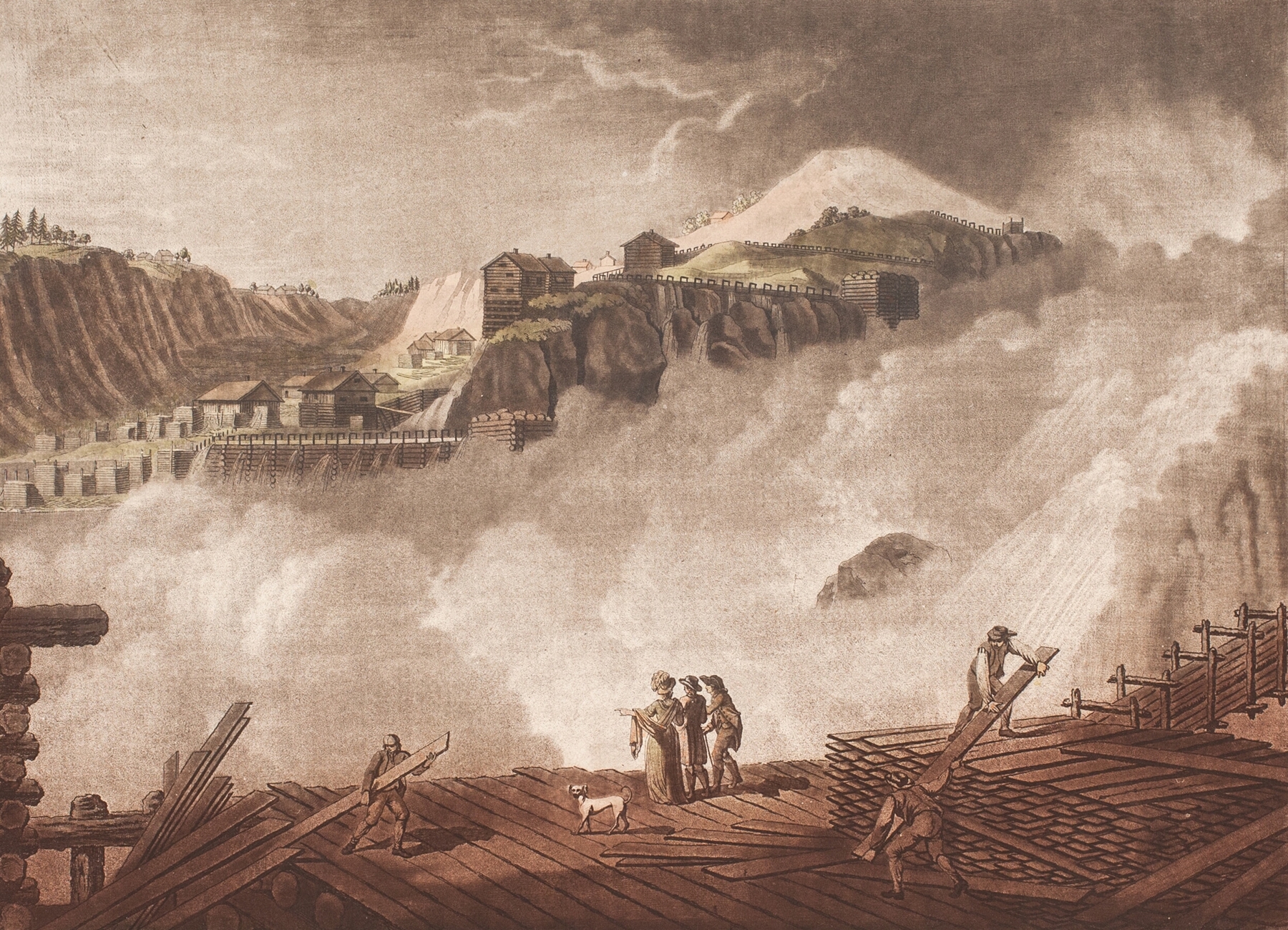
Georg Haas painted Vue d’une partie de Hönefoss between 1787 and 1791 during a period of personal upheaval and transformation across Europe. Living in Norway, he was immersed in a world awakening to neoclassical ideals while grappling with the political tumult of the time. This artwork, rooted in the natural beauty around him, reflects both the serenity of his surroundings and the emotional conflicts that define the human experience.