Vue de la ville de Christiania — History & Analysis
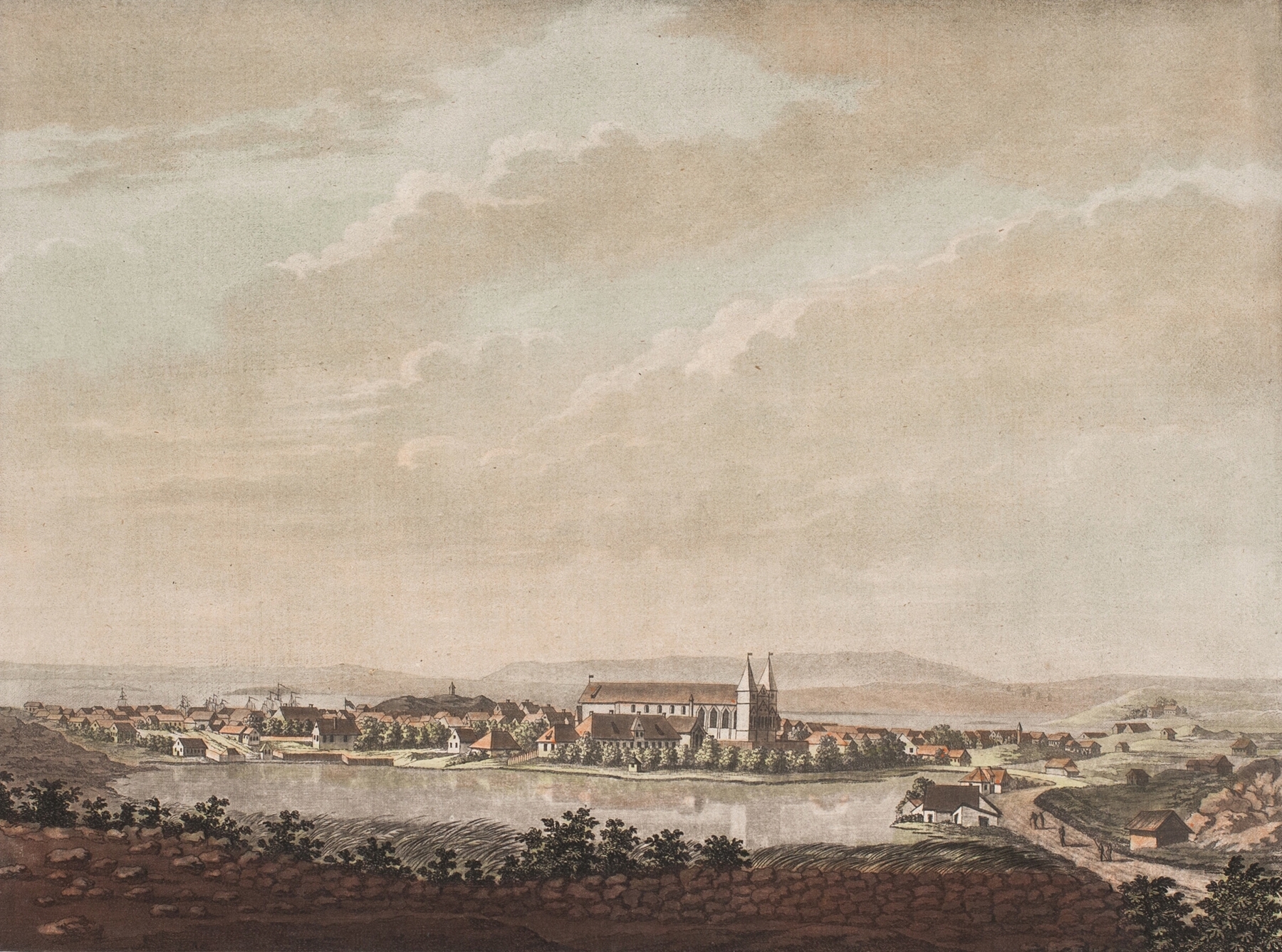
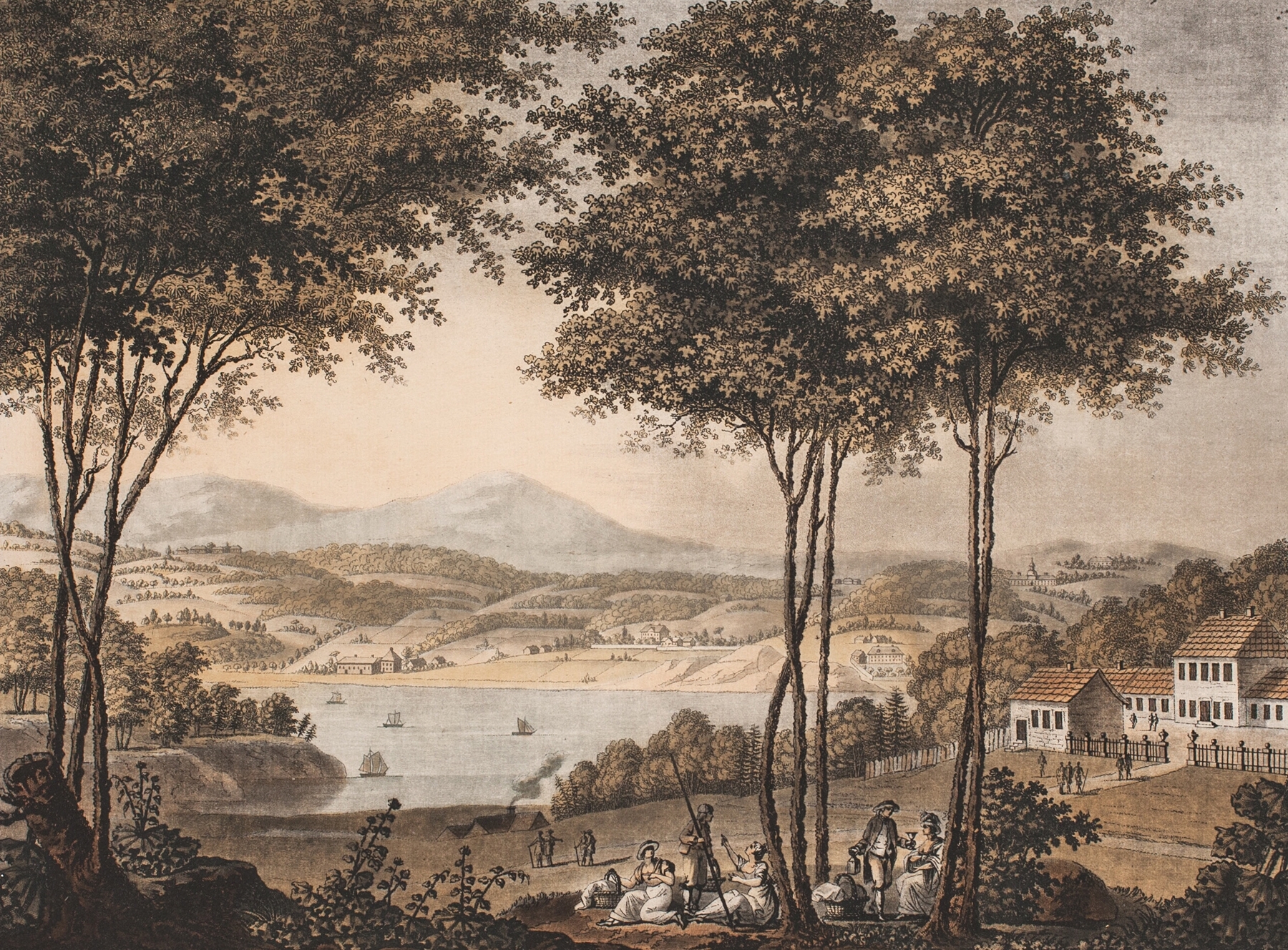
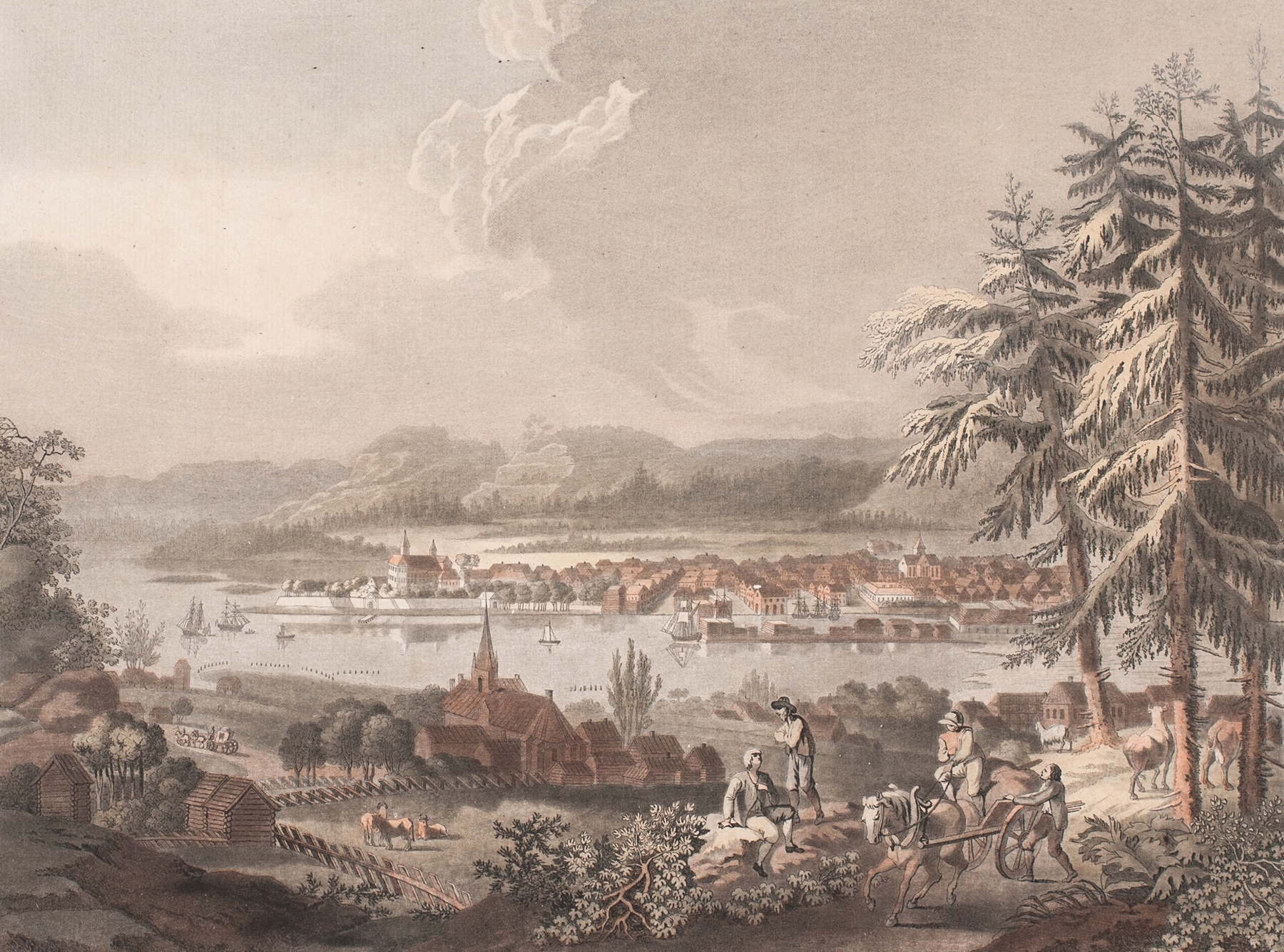
Can paint confess what words never could? In Vue de la ville de Christiania, time whispers through the crumbling architecture and overgrown vegetation, revealing the quiet decay of a once-vibrant city. Each brushstroke carries the weight of history, telling tales of transformation and the passage of life that mere words fail to capture. Look to the left, where the distant spire of a church crowns the horizon, its silhouette a reminder of faith amidst a landscape softened by neglect. Notice how the muted greens and browns of the foliage contrast with the solemn grays of the buildings, creating a somber yet contemplative atmosphere.
The delicate interplay of light and shadow adds depth, inviting the viewer to explore the layers of history captured within the canvas. Beneath the surface, the painting evokes a profound sense of loss and nostalgia. The juxtaposition of thriving nature against the deteriorating manmade structures speaks to the inevitable cycle of life and decay. Hidden details, such as the cracked facades and absent windows, suggest stories left untold, while the encroaching flora represents the resilience of nature reclaiming its space.
This duality serves as a poignant commentary on human transience. Georg Haas painted this work between 1787 and 1791, during a period of personal transition and artistic exploration. Living in Christiania, now Oslo, he was deeply influenced by the Romantic ideals of the time, which emphasized the beauty of nature and the decay of civilization. This painting captures not just a moment in time but also the spirit of a city on the brink of change, reflecting the tensions in both his life and the broader world of art.