Vue de Sarpen ou Sarps-Foss — History & Analysis
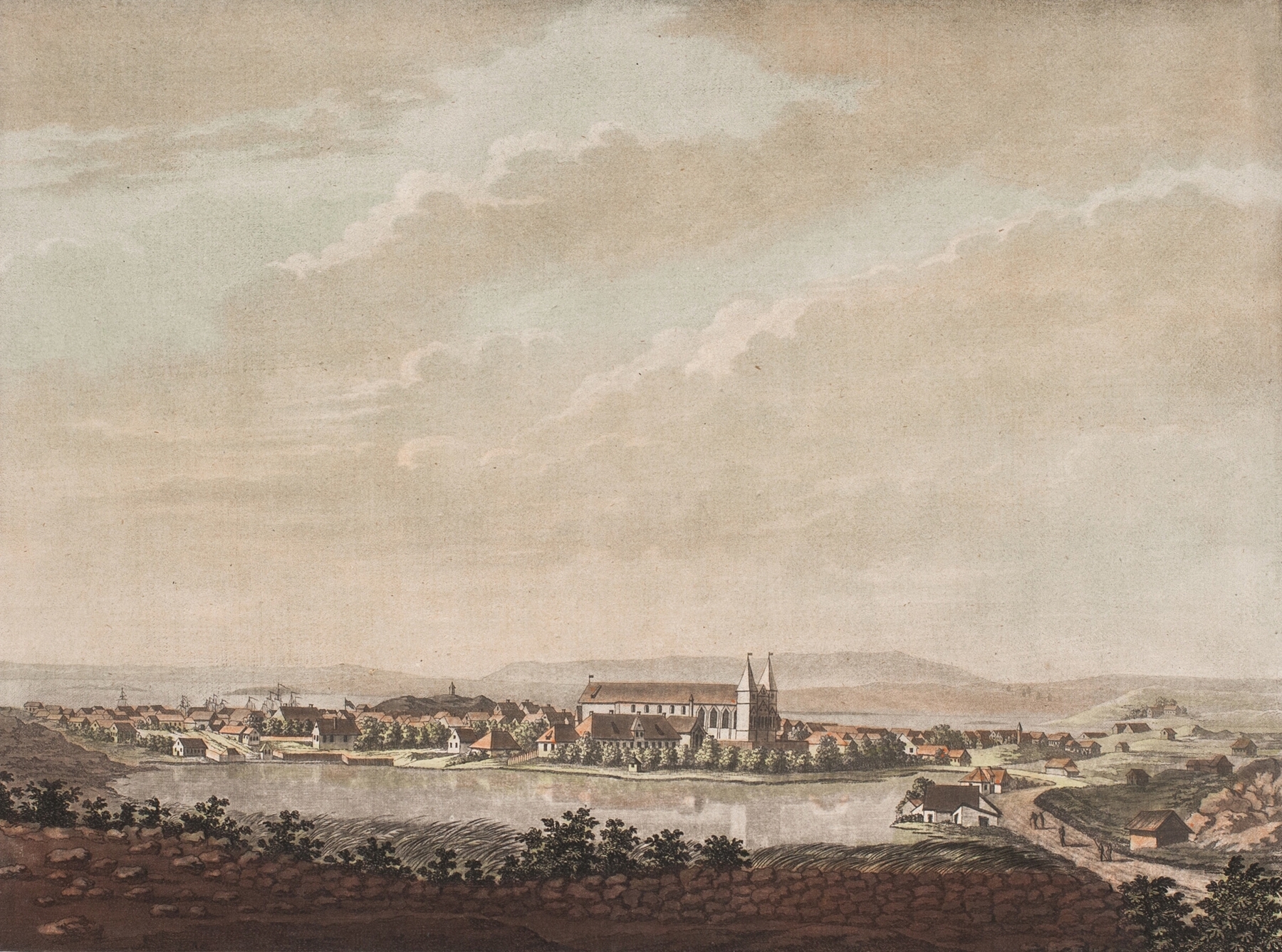
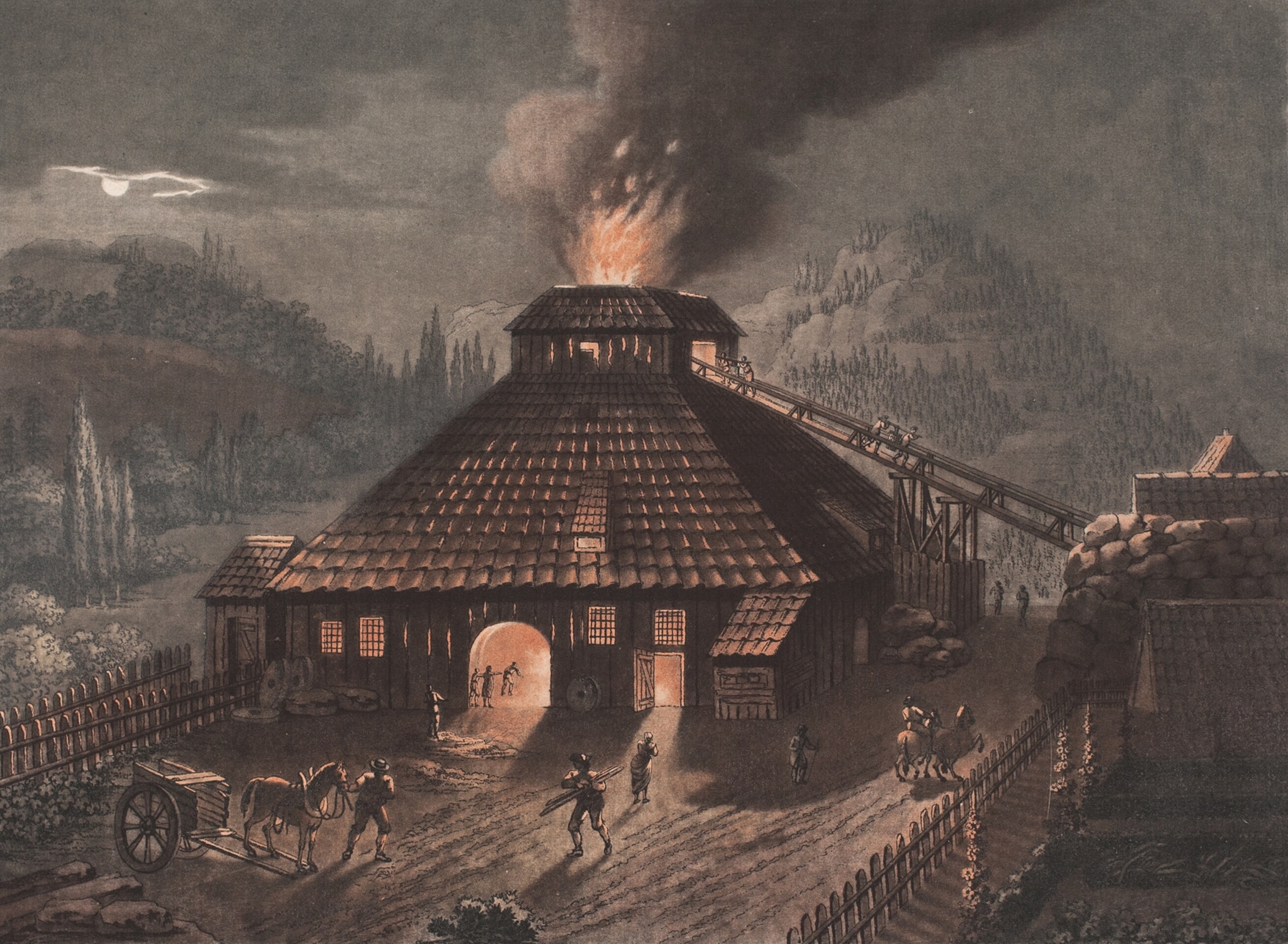
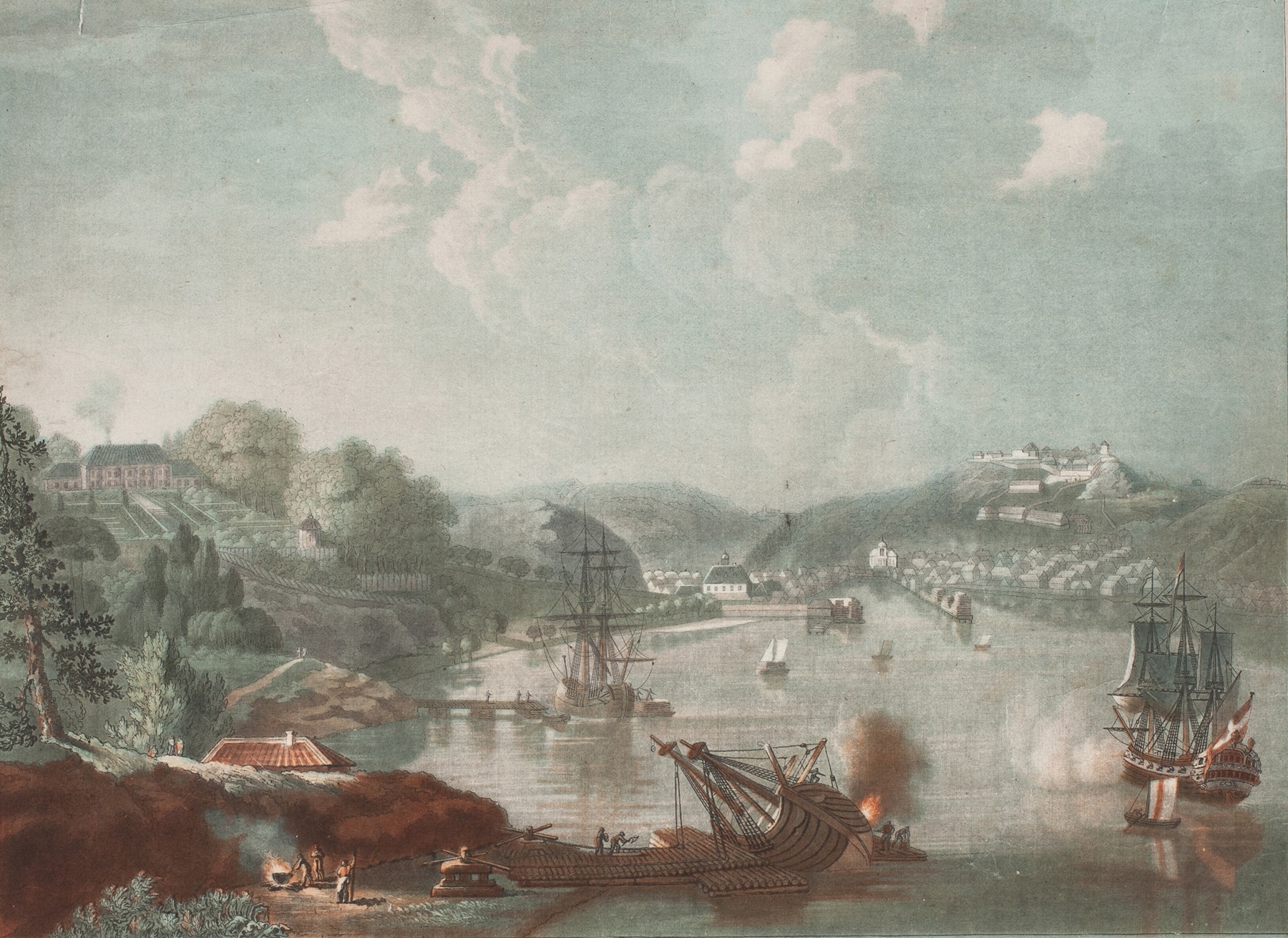
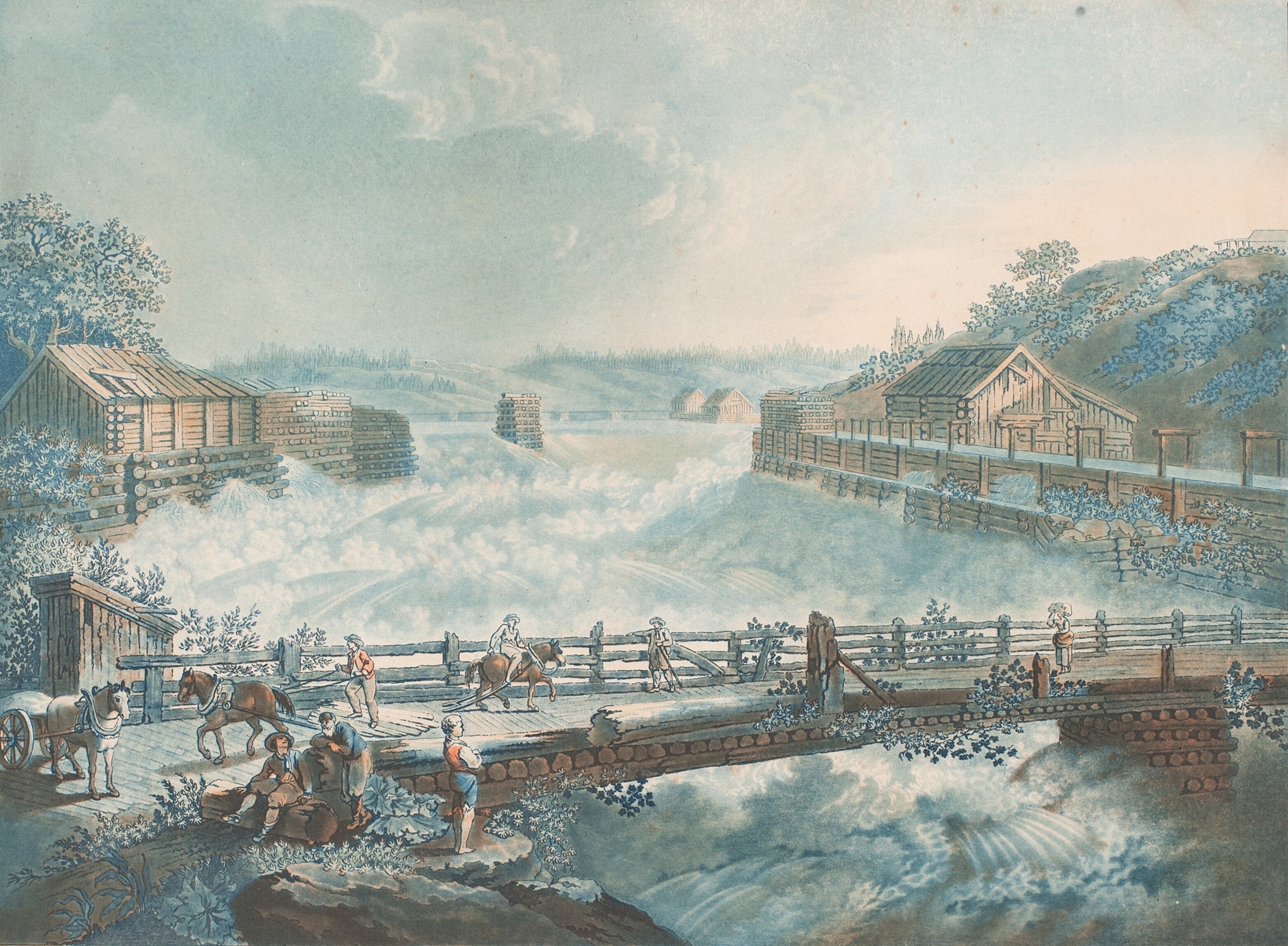
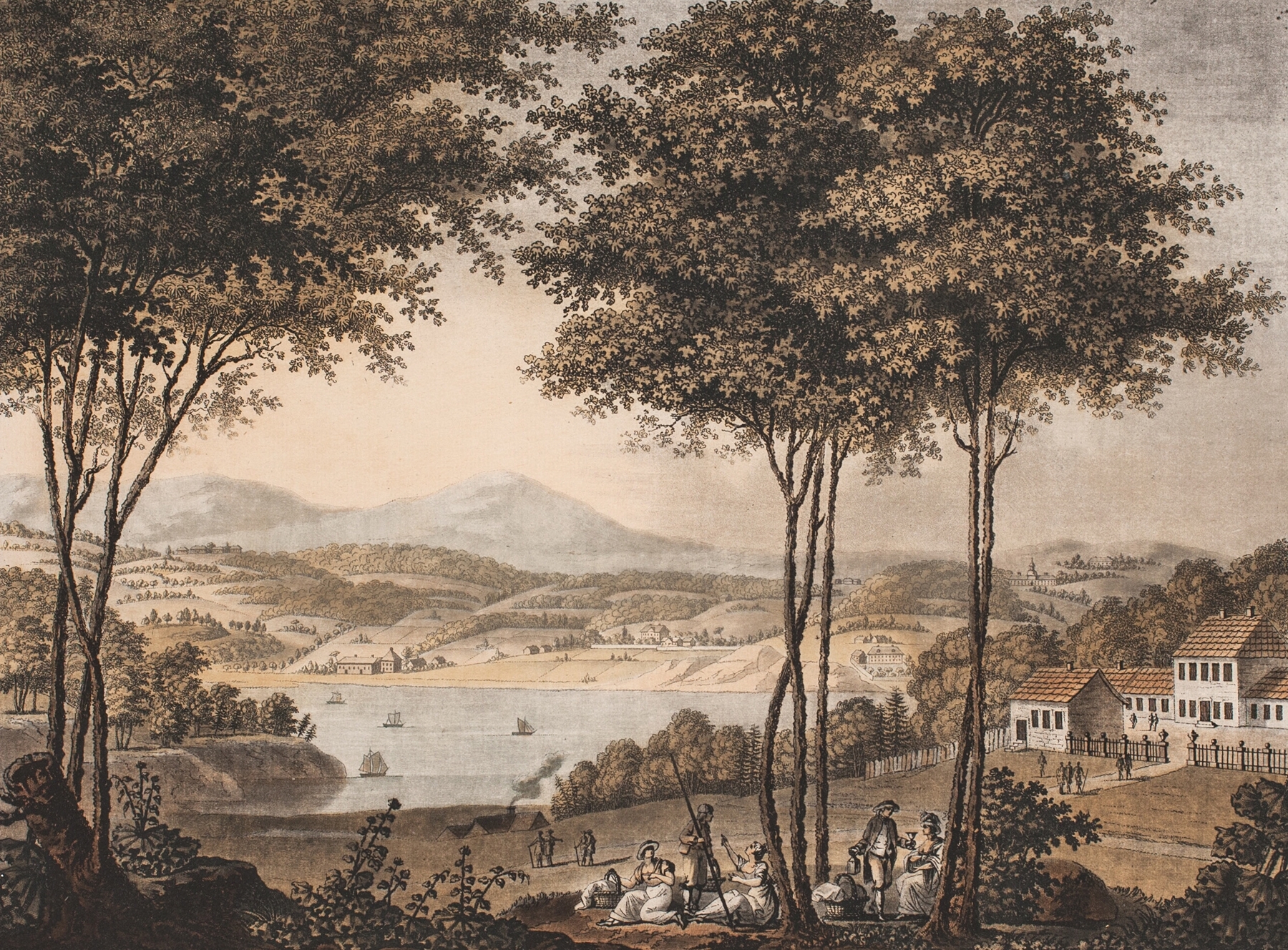
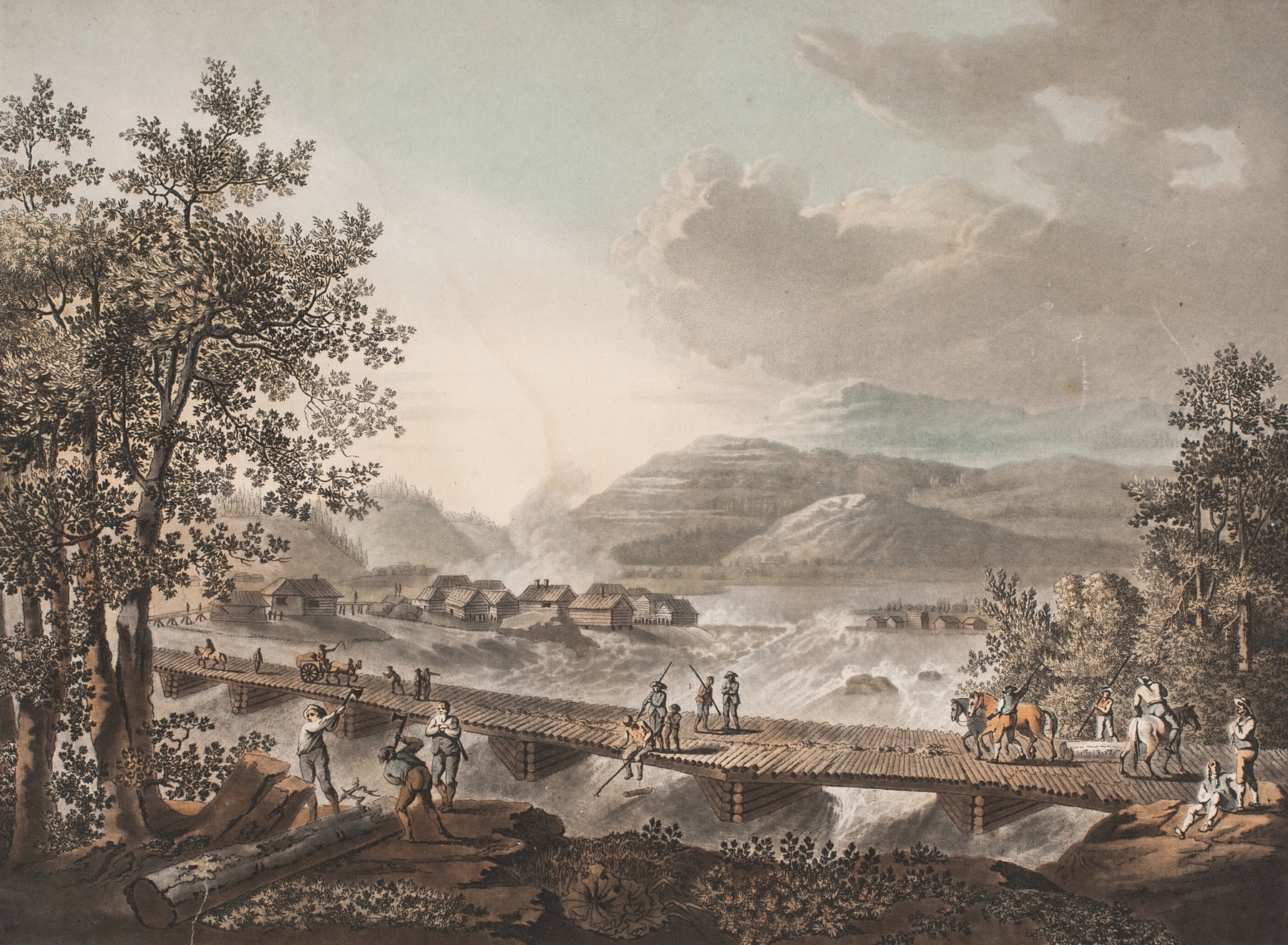
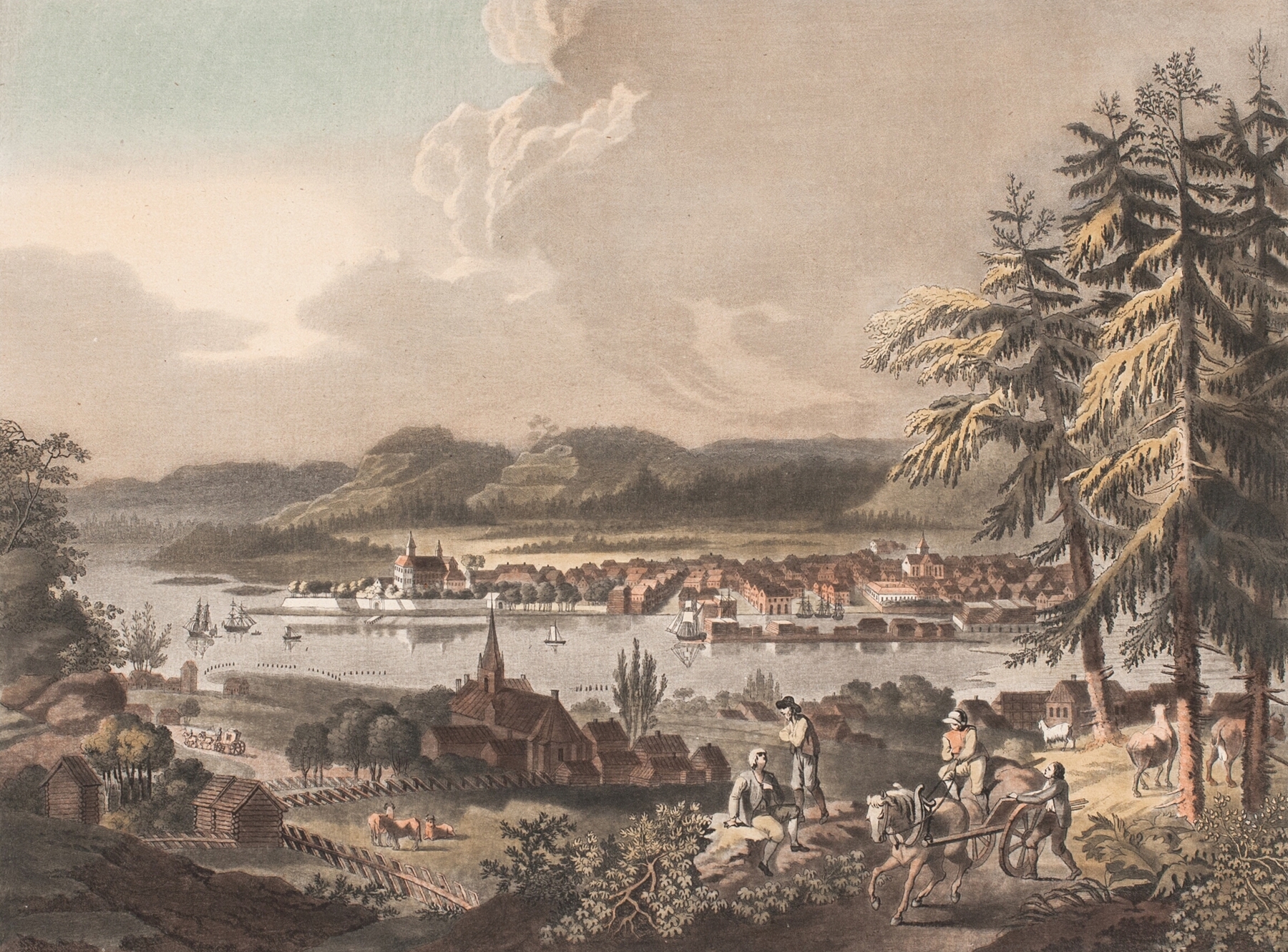
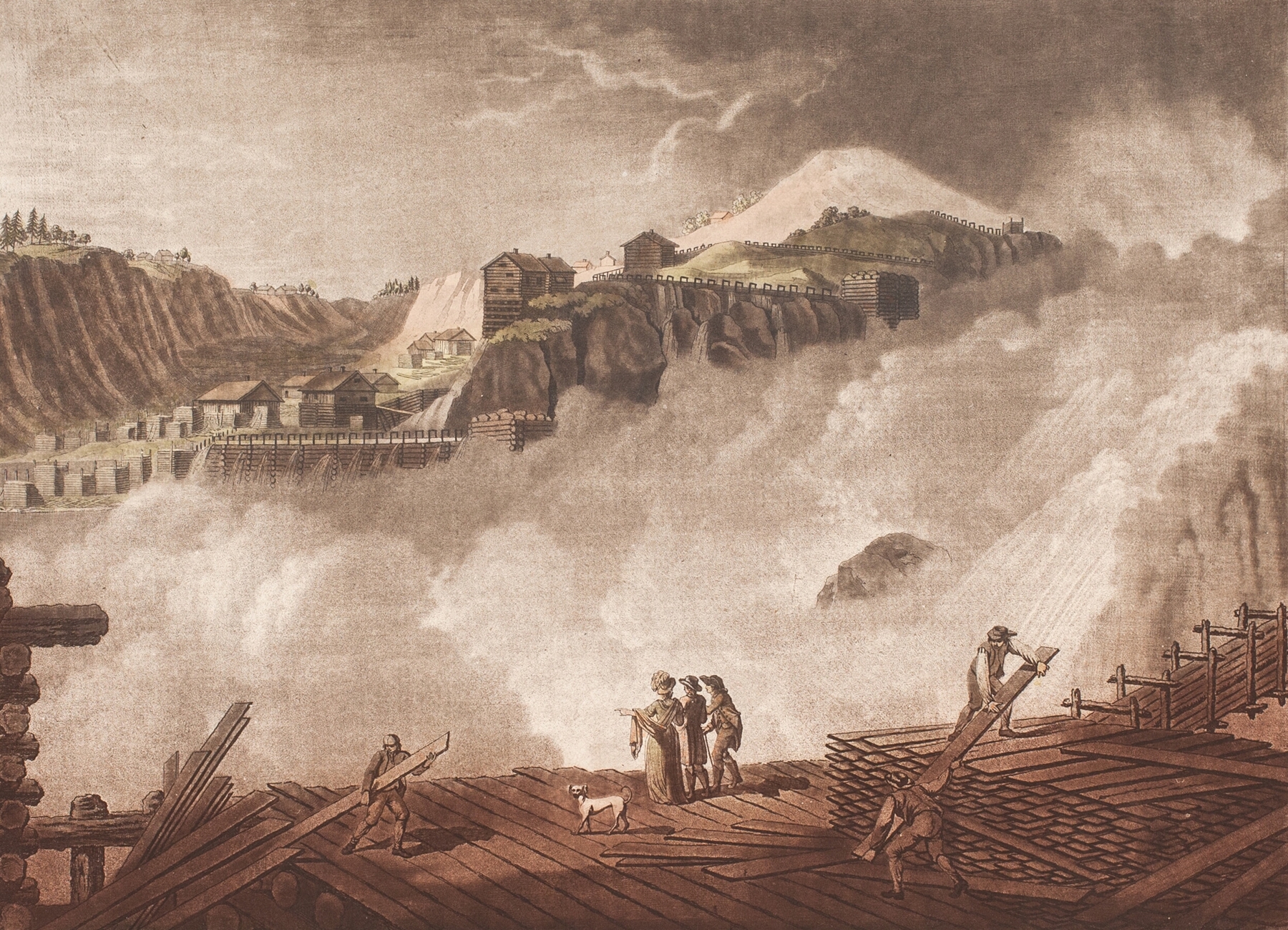
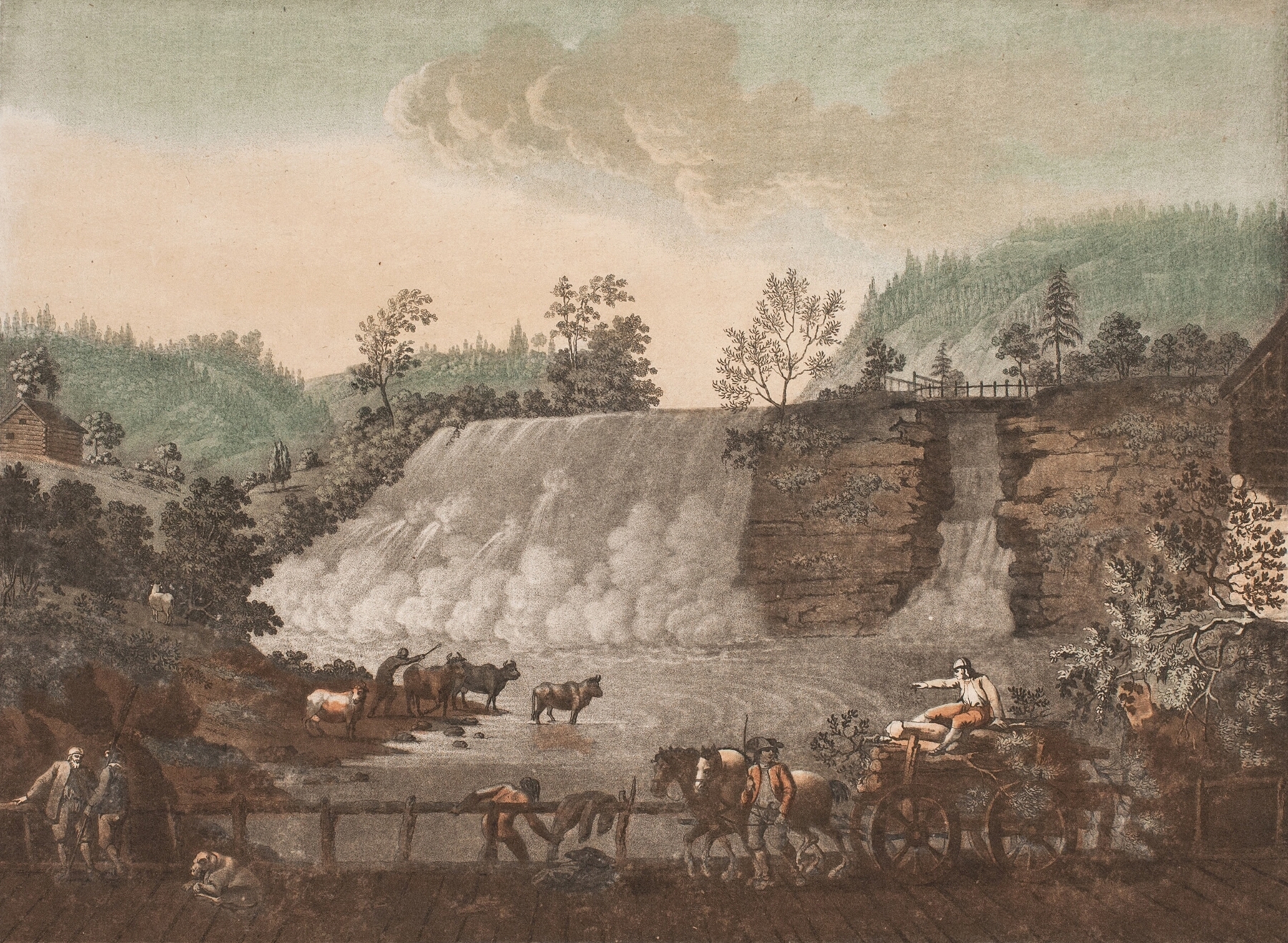
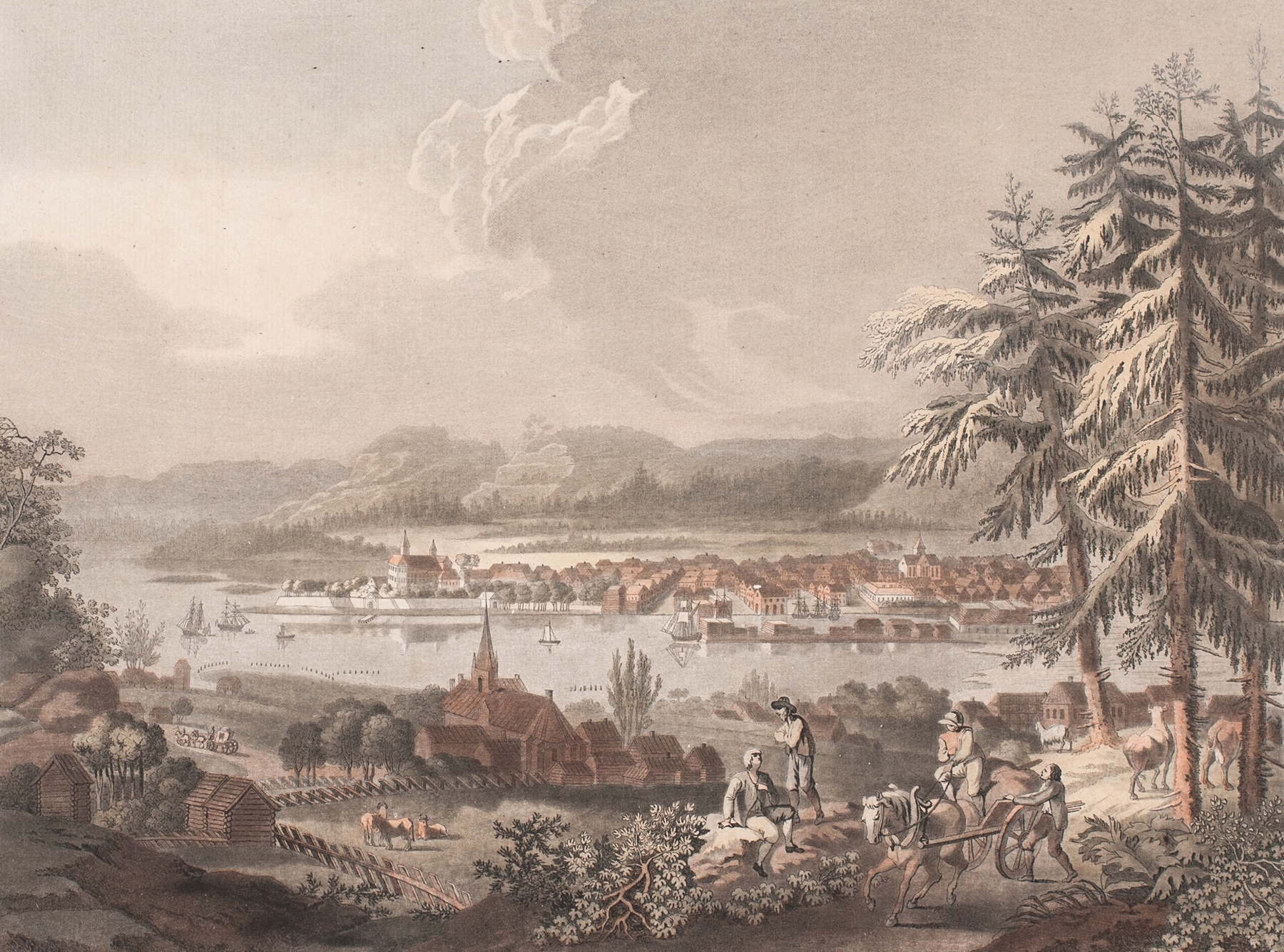
Who listens when art speaks of silence? In Vue de Sarpen ou Sarps-Foss, a haunting emptiness pervades the landscape, inviting a contemplative stillness. Look to the left, where the gentle curves of the river weave through the composition. Notice how the soft, muted colors of the sky blend seamlessly with the tranquil waters below, creating a mirror-like effect that enhances the illusion of depth.
The painter deftly employs light and shadow, highlighting the rugged cliffs that frame the scene, contrasting solidity with the ethereal quality of the water. This harmony of elements draws the eye and suggests a quiet dialogue between nature and the viewer. However, beneath the serene surface lies a tension that speaks of isolation and fragility. The sparse trees and desolate banks evoke a sense of abandonment, whispering stories of what once thrived.
The interplay of light hints at the passing of time, suggesting that the beauty of the landscape is both ephemeral and eternal, a reminder of nature's relentless cycle and the quiet solitude that accompanies it. Georg Haas painted this piece between 1787 and 1791, during a period marked by his exploration of the sublime in nature. Living in Europe amidst the rise of Romanticism, he focused on capturing landscapes that evoked emotional responses. This work reflects his unique vision, as well as the broader artistic movement that sought to engage with nature's majesty and mystery, inviting viewers to experience the profound interplay of beauty and emptiness.