En jernstøberibygning — History & Analysis
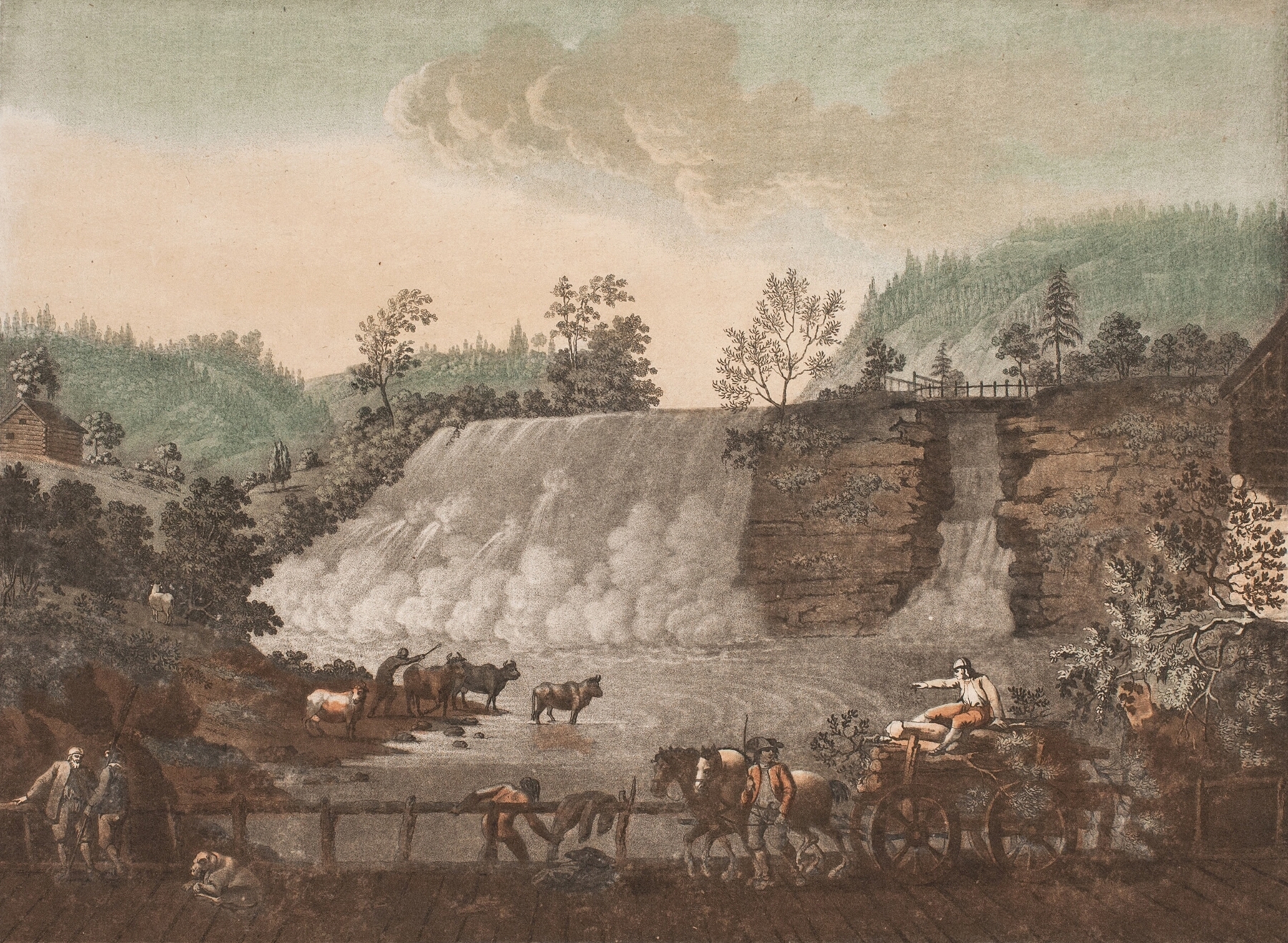
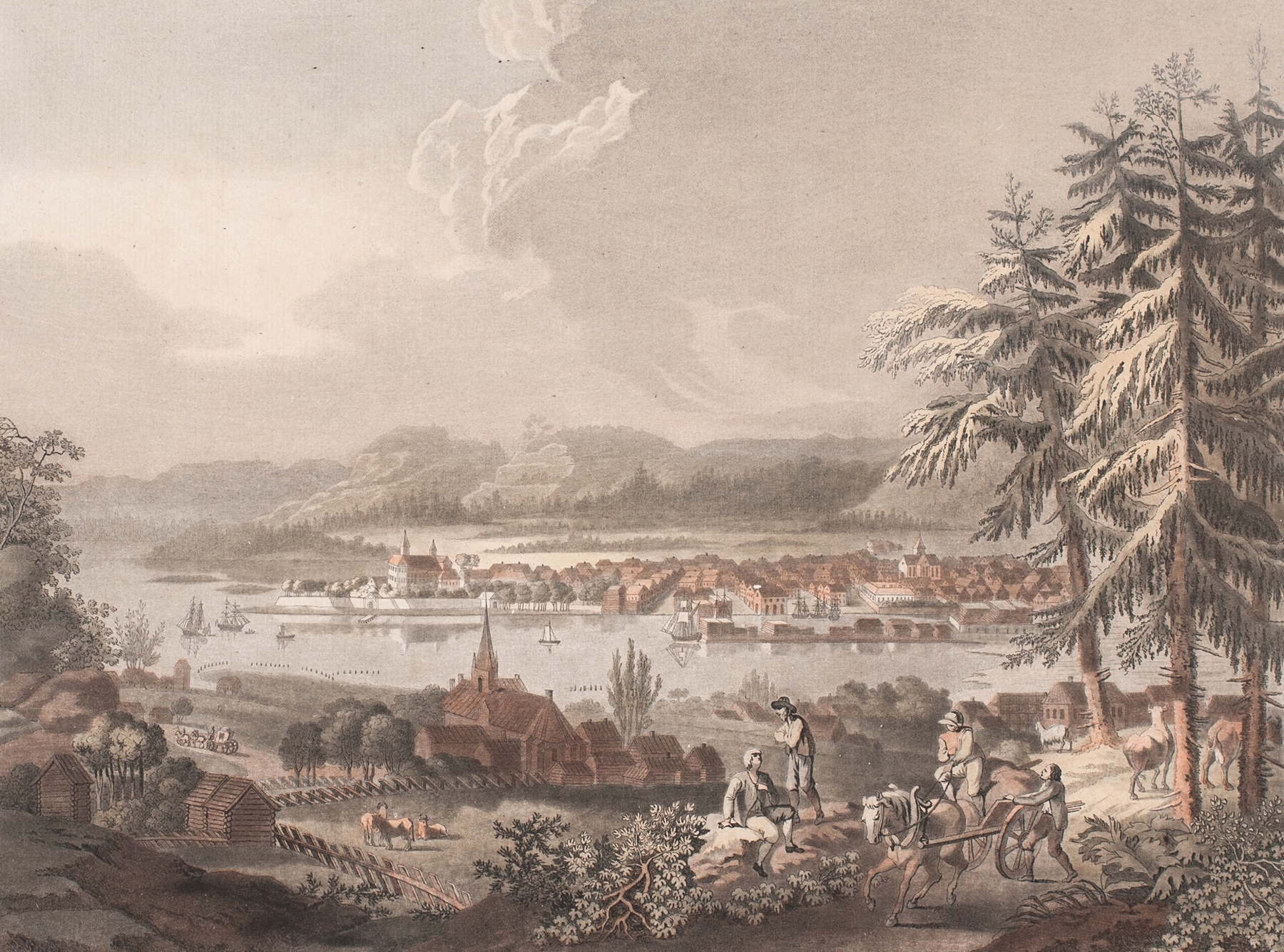
Who listens when art speaks of silence? In the swirling depths of En jernstøberibygning, a profound stillness reverberates, inviting viewers into a world where the unspoken holds weight. Look to the center of the canvas, where the figures of workers are poised amidst their labor. The meticulous detailing of their muscular forms and the rugged texture of the iron casting equipment draws the eye immediately. Notice how the interplay of light and shadow creates a dramatic contrast, illuminating some faces in soft gold, while others remain cloaked in deeper tones.
The palette is rich yet muted, evoking a sense of both industriousness and weariness—a balance that speaks volumes about their toil. Delve deeper, and you will find a poignant commentary on the relationship between man and industry. The figures, though physically present, appear almost ghostlike, suggesting an alienation from their work. Each laborer embodies a silent struggle, as their gazes seem to drift off into the distance, lost to thoughts that echo the larger societal changes of the time.
The juxtaposition of the raw, heavy materials against the delicate brushwork invites contemplation on both the physical and emotional burdens borne by these workers. Georg Haas painted this piece between 1790 and 1890, a period marked by profound industrial transformation in Europe. Living in a time when the Industrial Revolution was reshaping society, Haas was keenly aware of the social dynamics at play. His work reflects a transition in artistic focus—acknowledging the human subjects within the industrial landscape, he contributed to a dialogue about labor, identity, and the shifting nature of existence during this pivotal era.