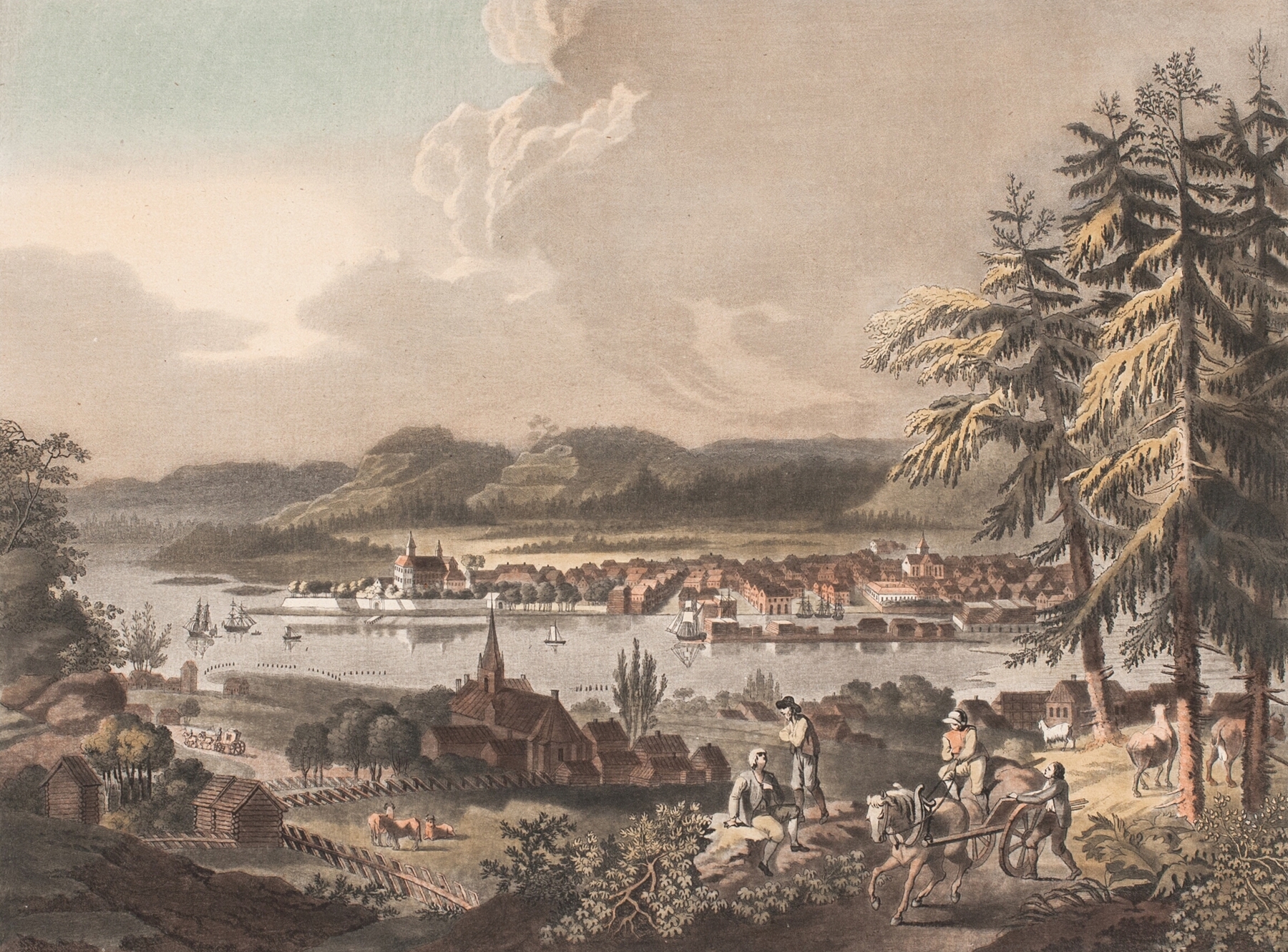
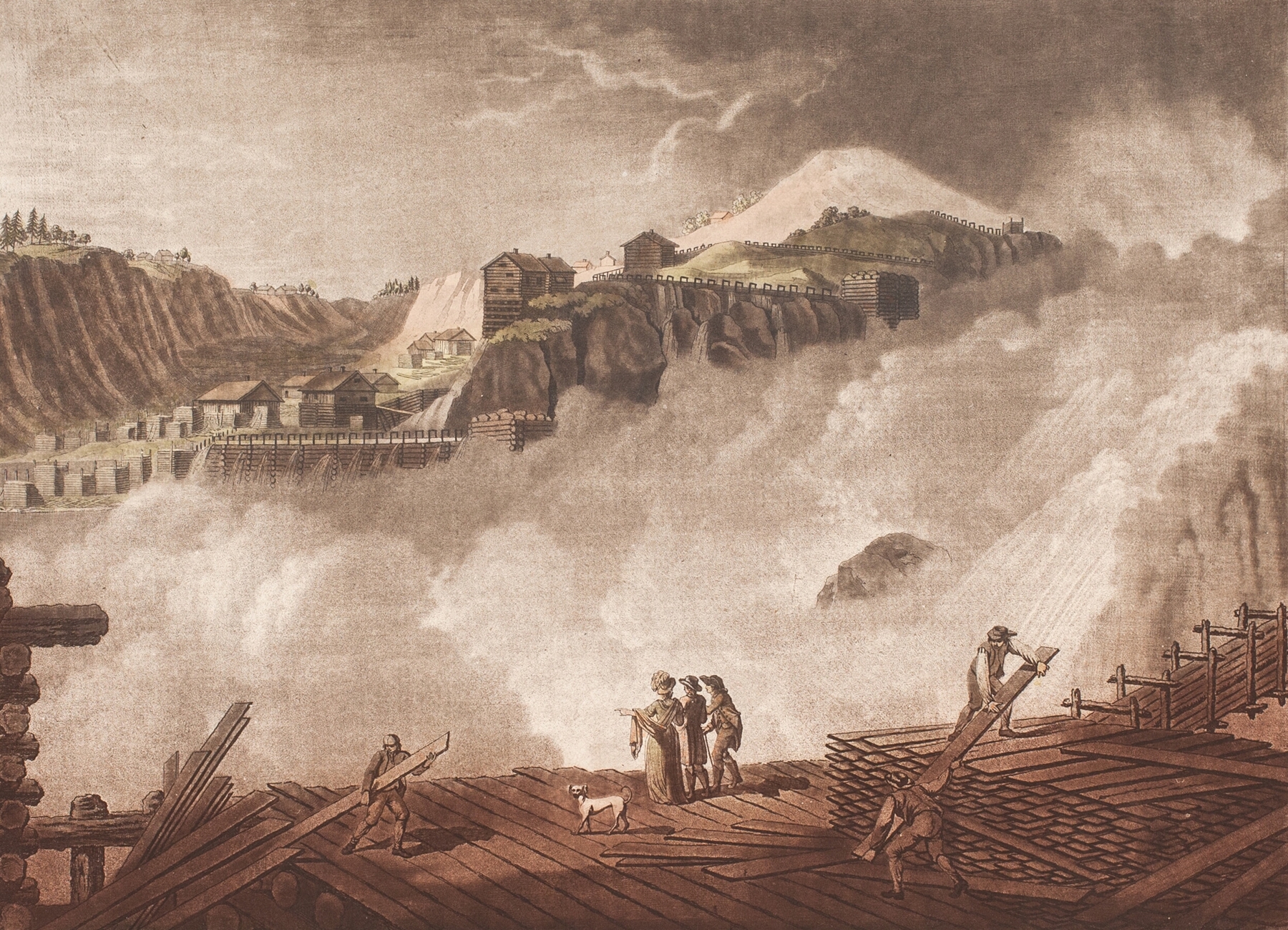
Udsigt over byen Kristiania — History & Analysis
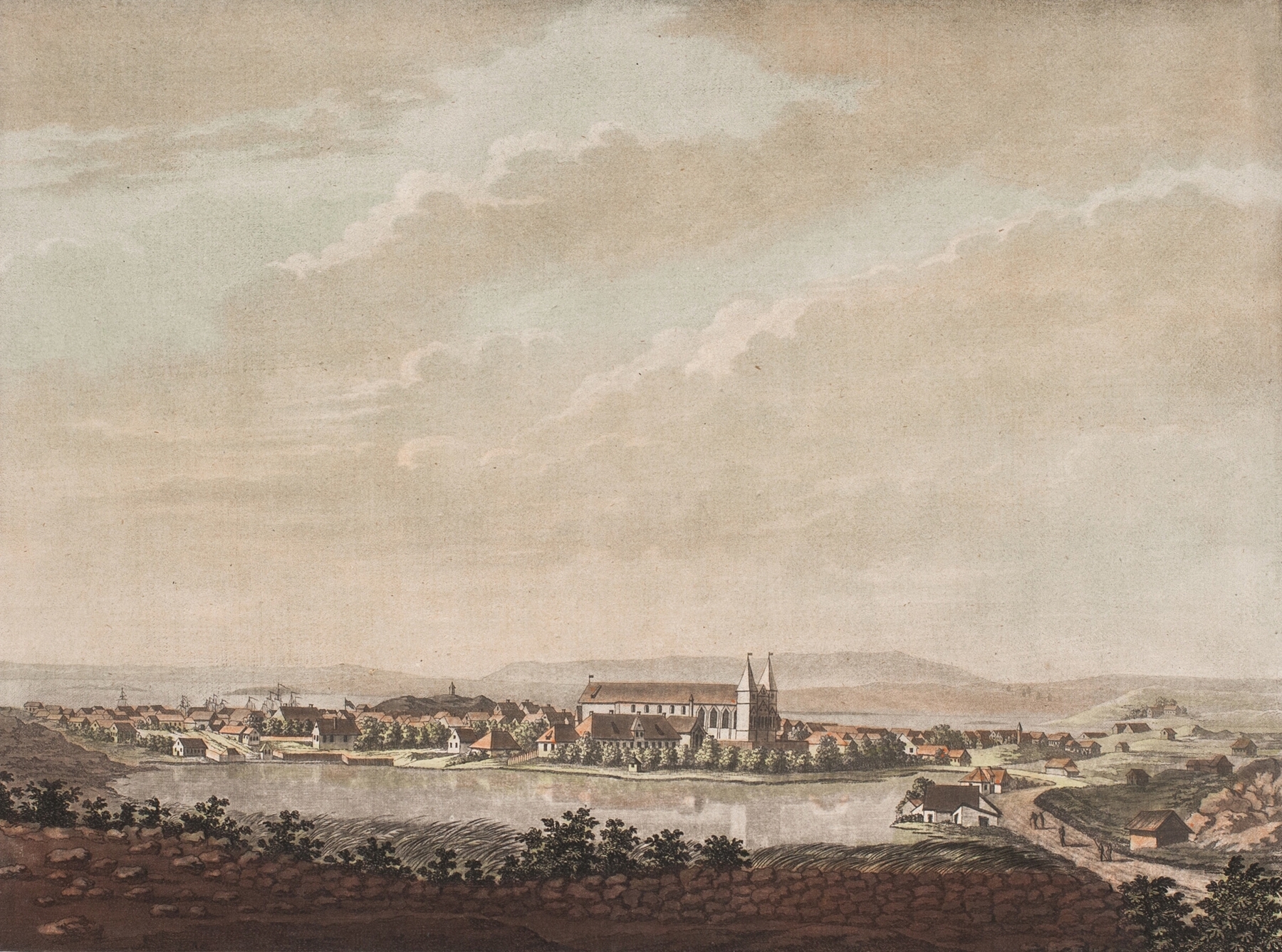
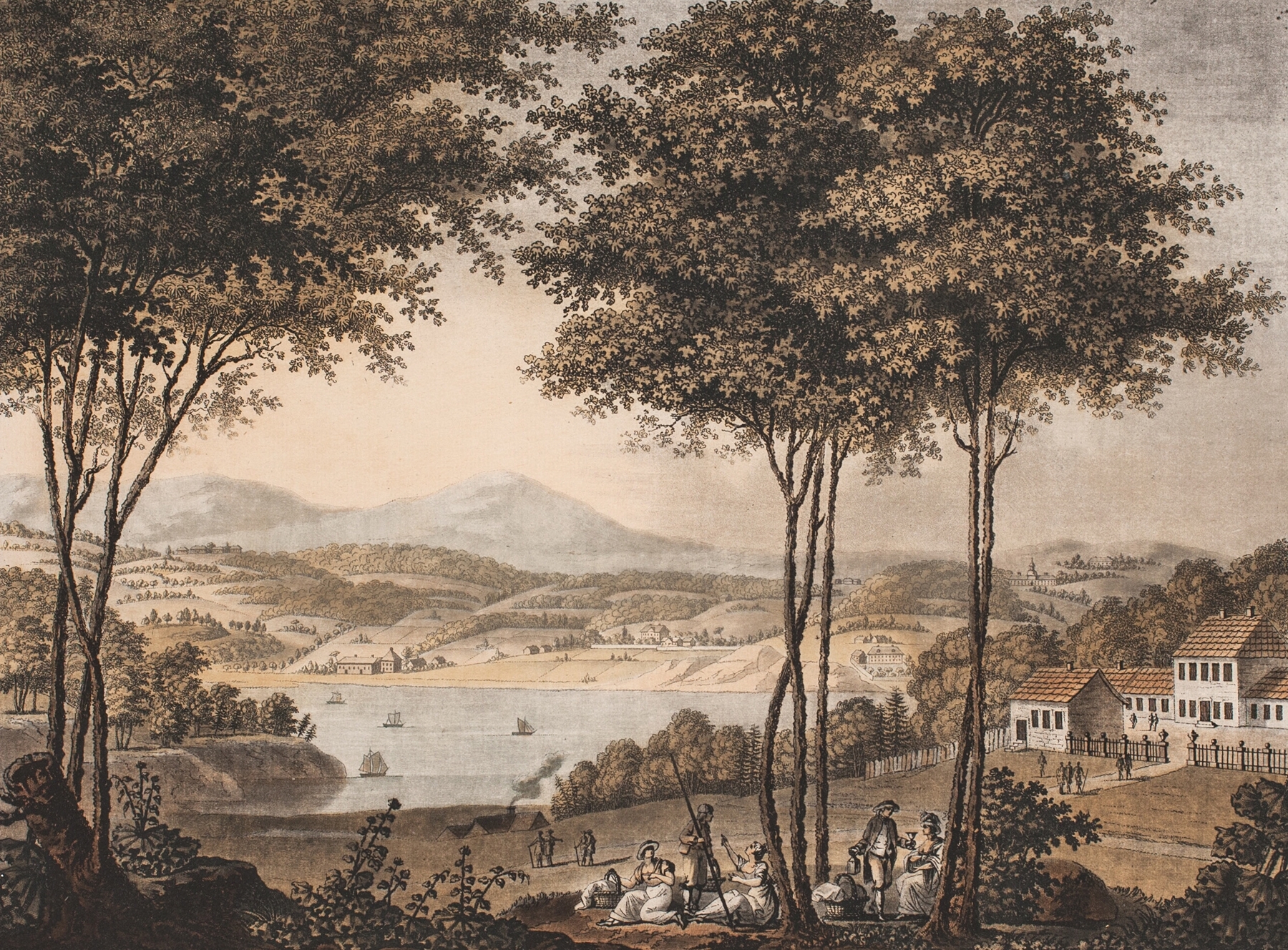
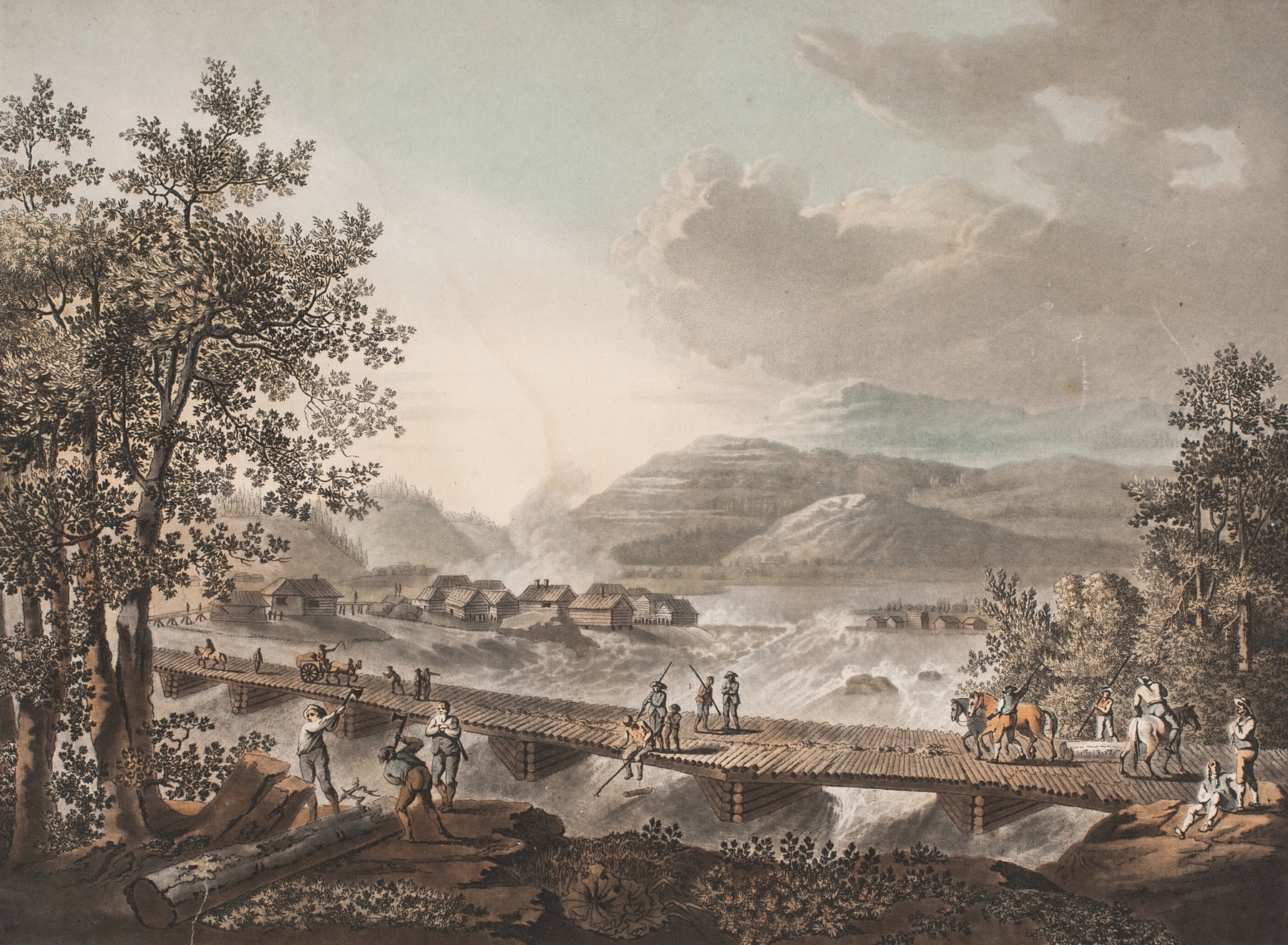
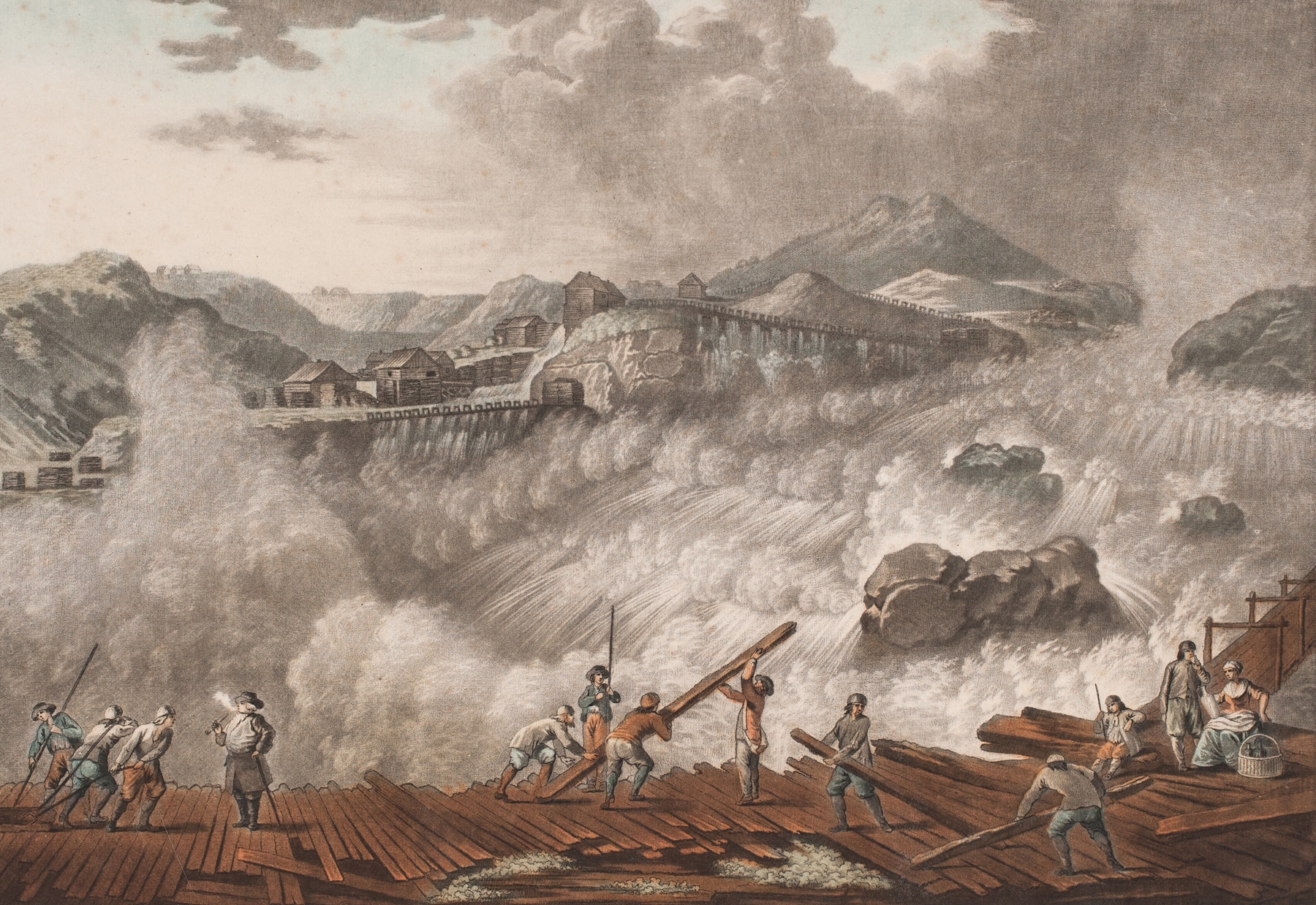
“Between color and silence, truth hides.” In the delicate balance of decay, the essence of a city emerges, revealing the nostalgia woven into every crumbling façade. Focus on the horizon where the soft blues of the sky meet the muted earth tones of the buildings. Notice how the artist employs a gentle gradient to illustrate the transition from day to dusk, as if time itself is fading. The chiaroscuro technique breathes life into the architecture, contrasting the once-vibrant structures with the subtle telltale signs of erosion.
Each brushstroke evokes a sense of melancholy, as the cityscape, once bustling with life, whispers stories of its past glories. Hidden within the layers of color, the tension between vibrancy and decay speaks to the transient nature of human endeavor. The juxtaposition of the flourishing landscape against the backdrop of wear reflects both beauty and sorrow, hinting at the inevitable passage of time. A solitary figure in the foreground—small yet significant—embodies the human connection to this evolving narrative, suggesting introspection amid the remnants of history.
Georg Haas painted Udsigt over byen Kristiania between 1790 and 1817, a period marked by both personal struggle and significant artistic development in Denmark. During these years, he navigated a world grappling with the shifts of the Enlightenment and Romanticism, reflecting a society in transition. His works echo the complexities of a changing landscape, capturing not only the physical but also the emotional terrain of a city on the brink of transformation.