Vue prise près de Hèningslöst — History & Analysis
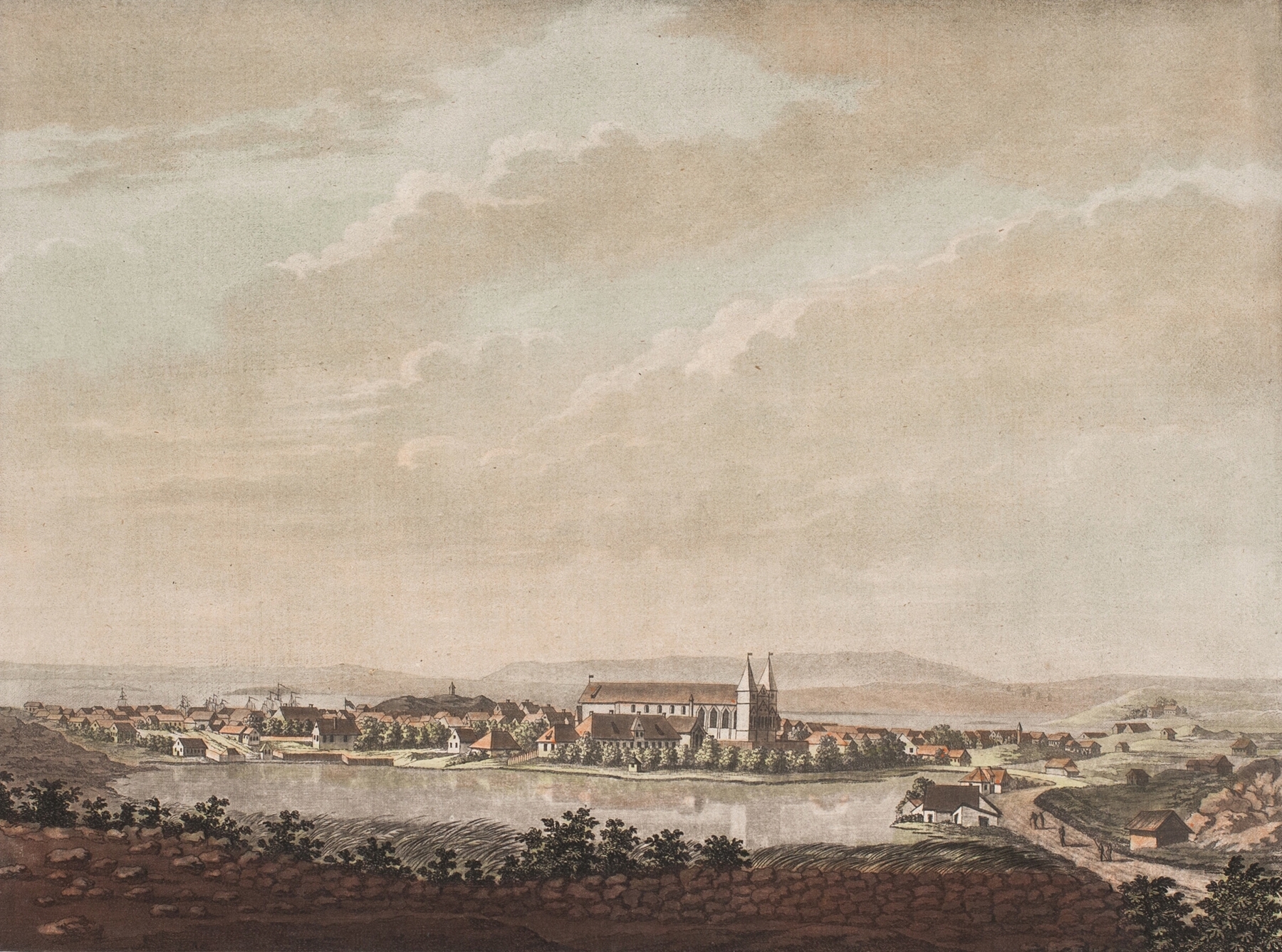
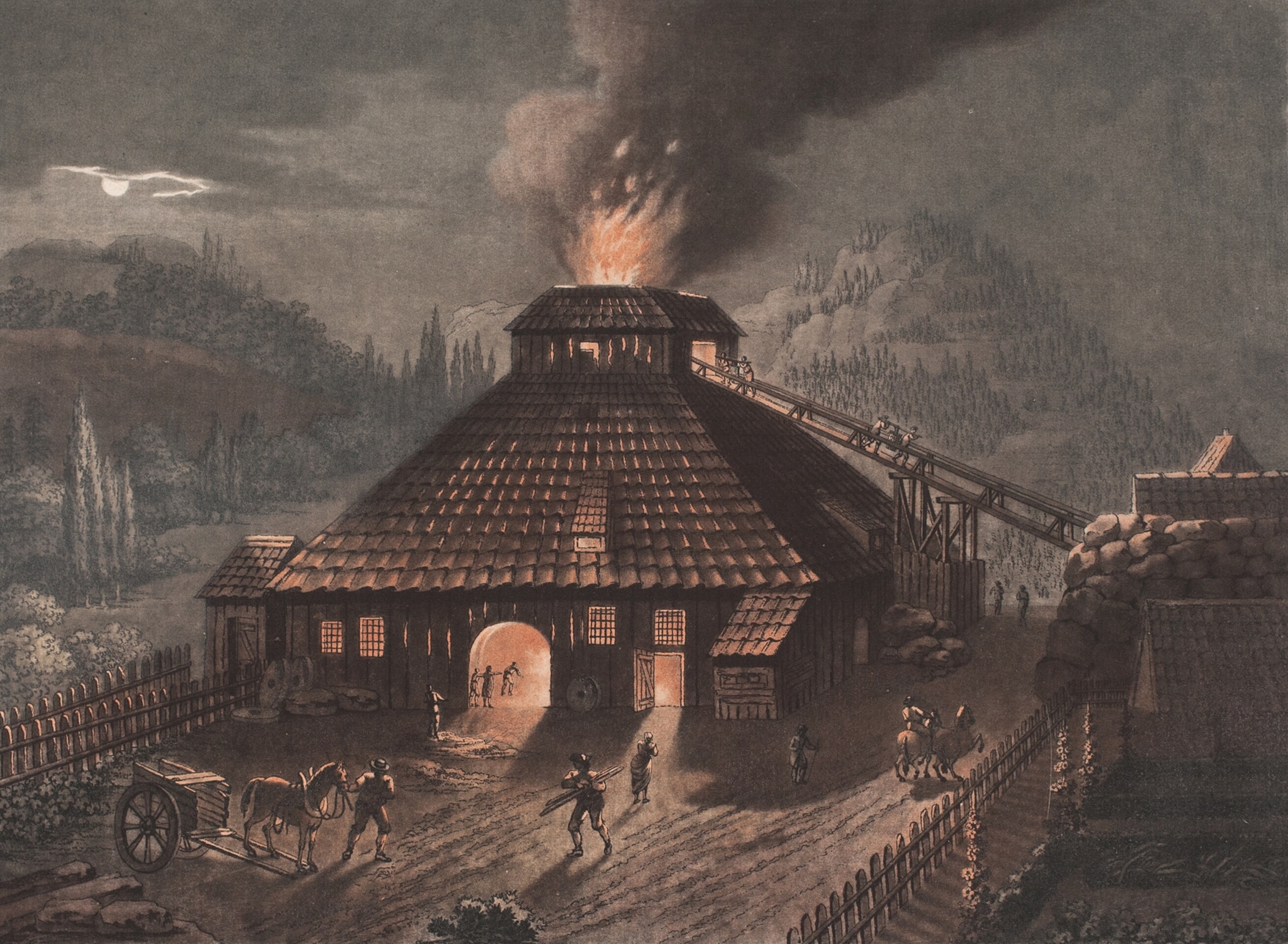
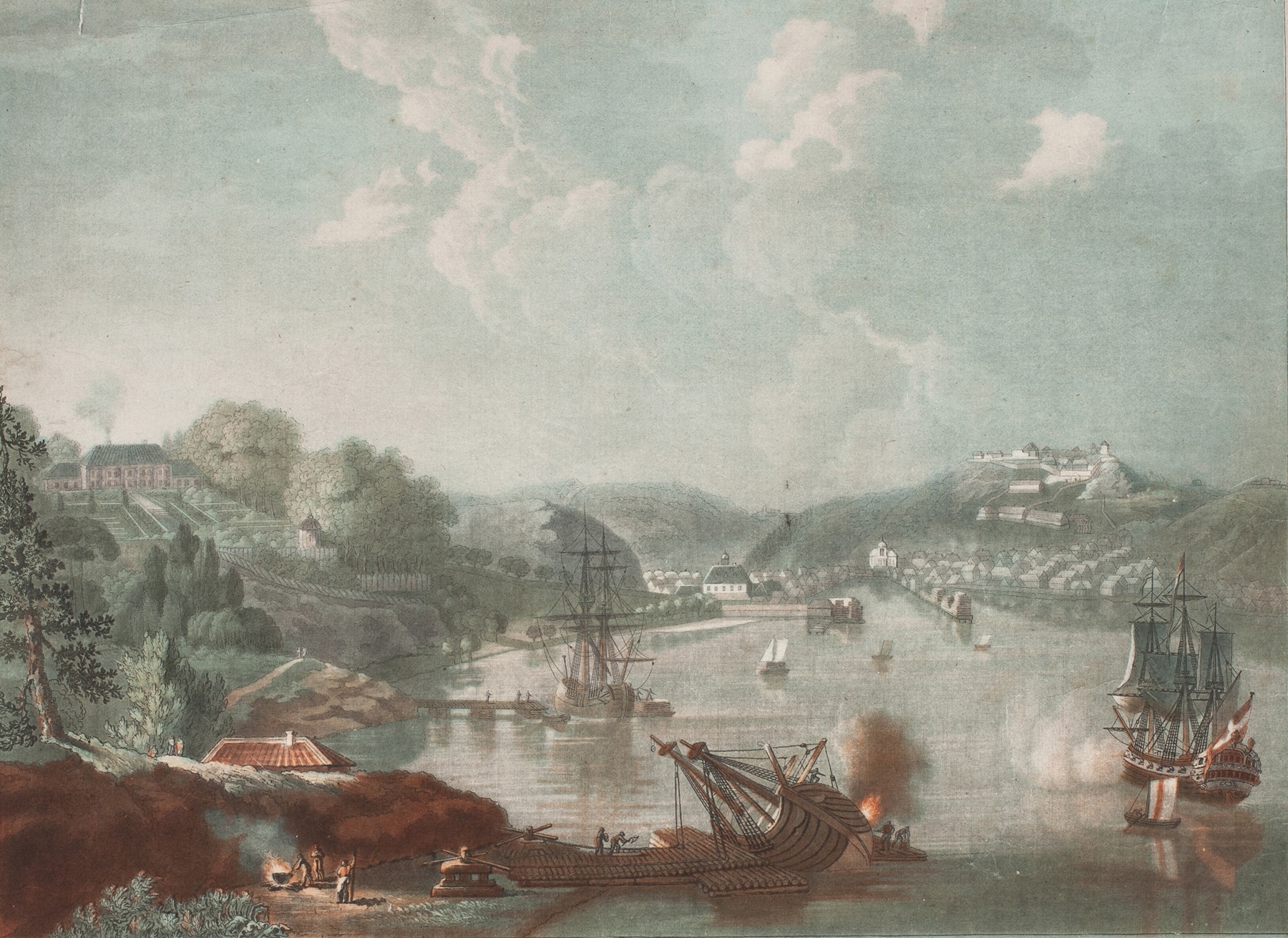
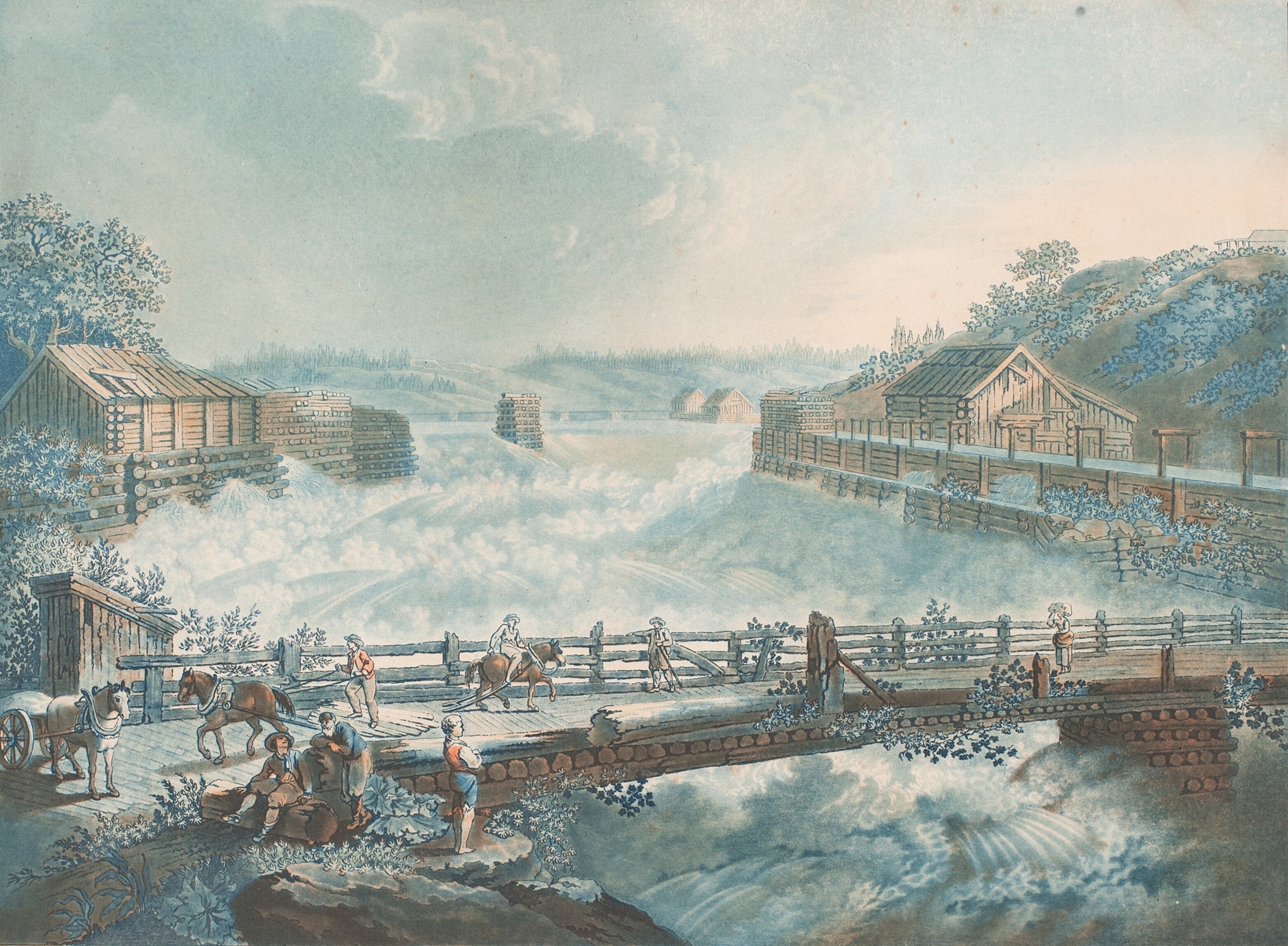
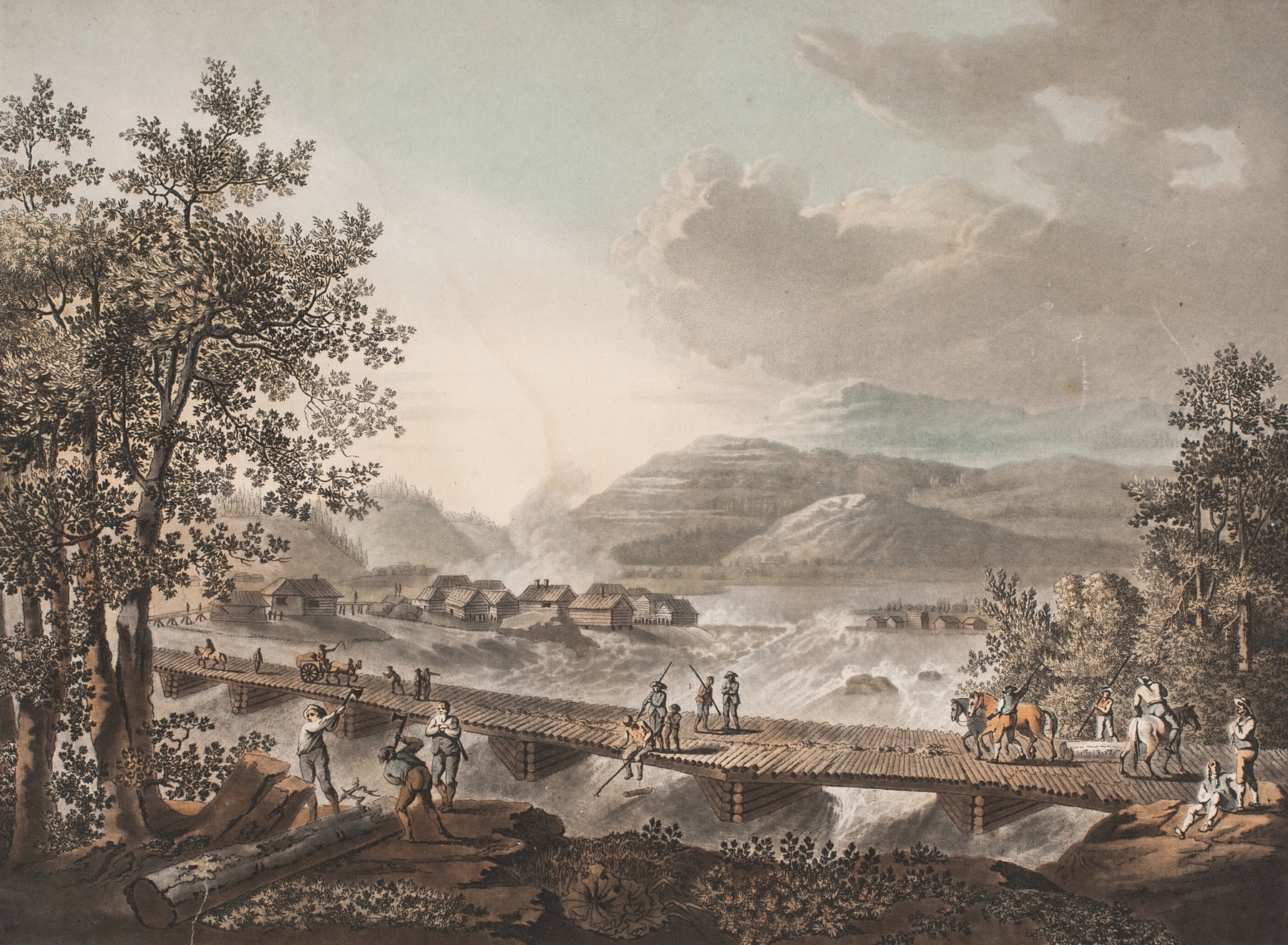
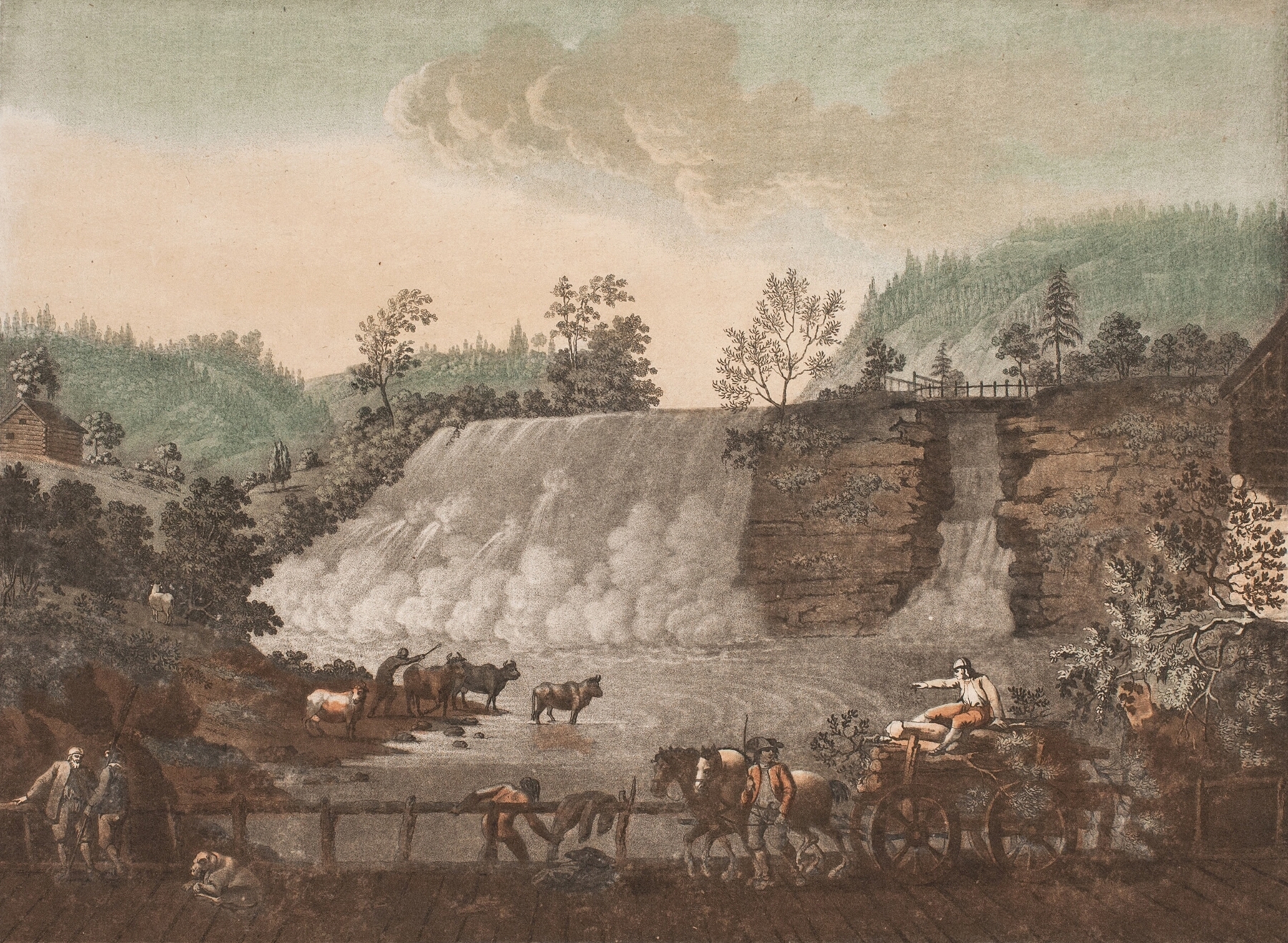
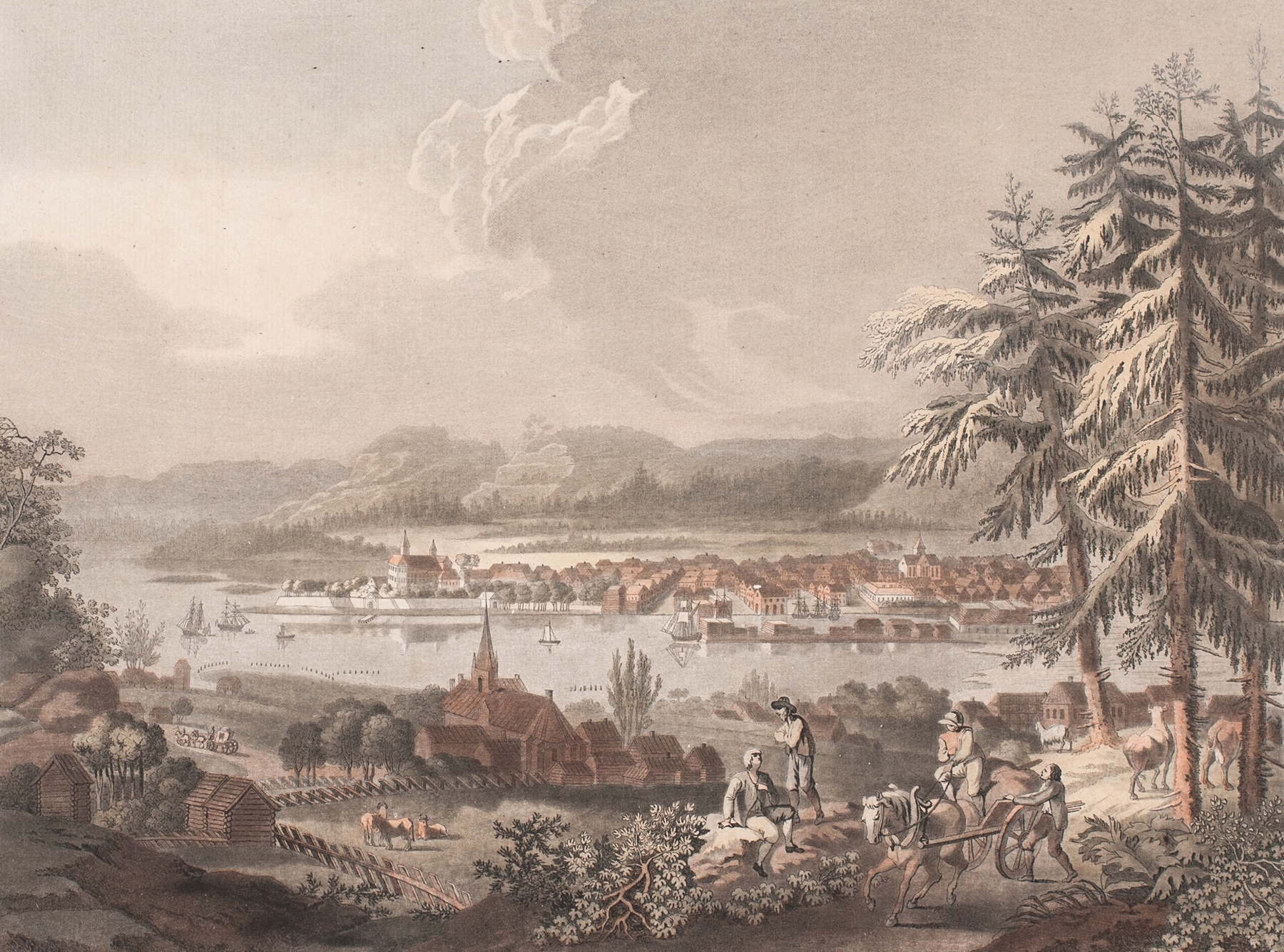
Did the painter know this moment would outlive them? The fleeting essence of the landscape captures a yearning that transcends time, inviting us to linger in its stillness. Look to the left at the gentle curve of the river, where soft brush strokes blend shades of blue and green. Notice how the warm light permeates the scene, illuminating the trees swaying in a soft breeze, their reflections dancing upon the water’s surface.
The composition draws your gaze toward the horizon, where the sky melts into an ethereal palette of pastel hues, suggesting the dawning of a new day or the promise of dusk. Within this serene vista, the contrast between the fluid, natural elements and the rigid, rocky formations hints at a deeper tension. The river, symbolizing life and continuity, flows past rugged cliffs, embodying the dichotomy of tranquility and the struggles of existence. Each detail, from the delicate flowers at the water’s edge to the distant mountains, speaks of longing — a wistful desire for connection with nature and nostalgia for moments that pass too quickly.
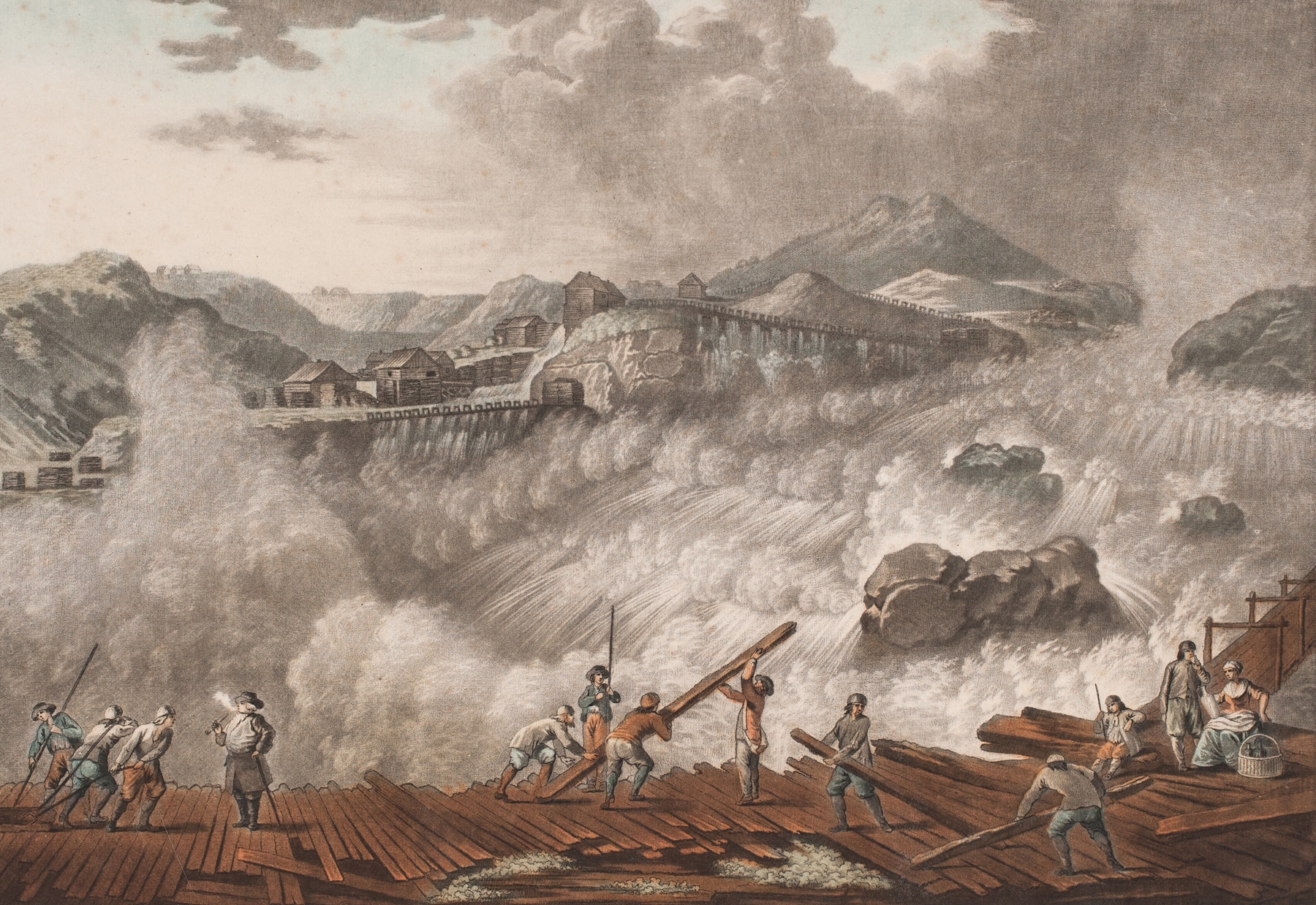
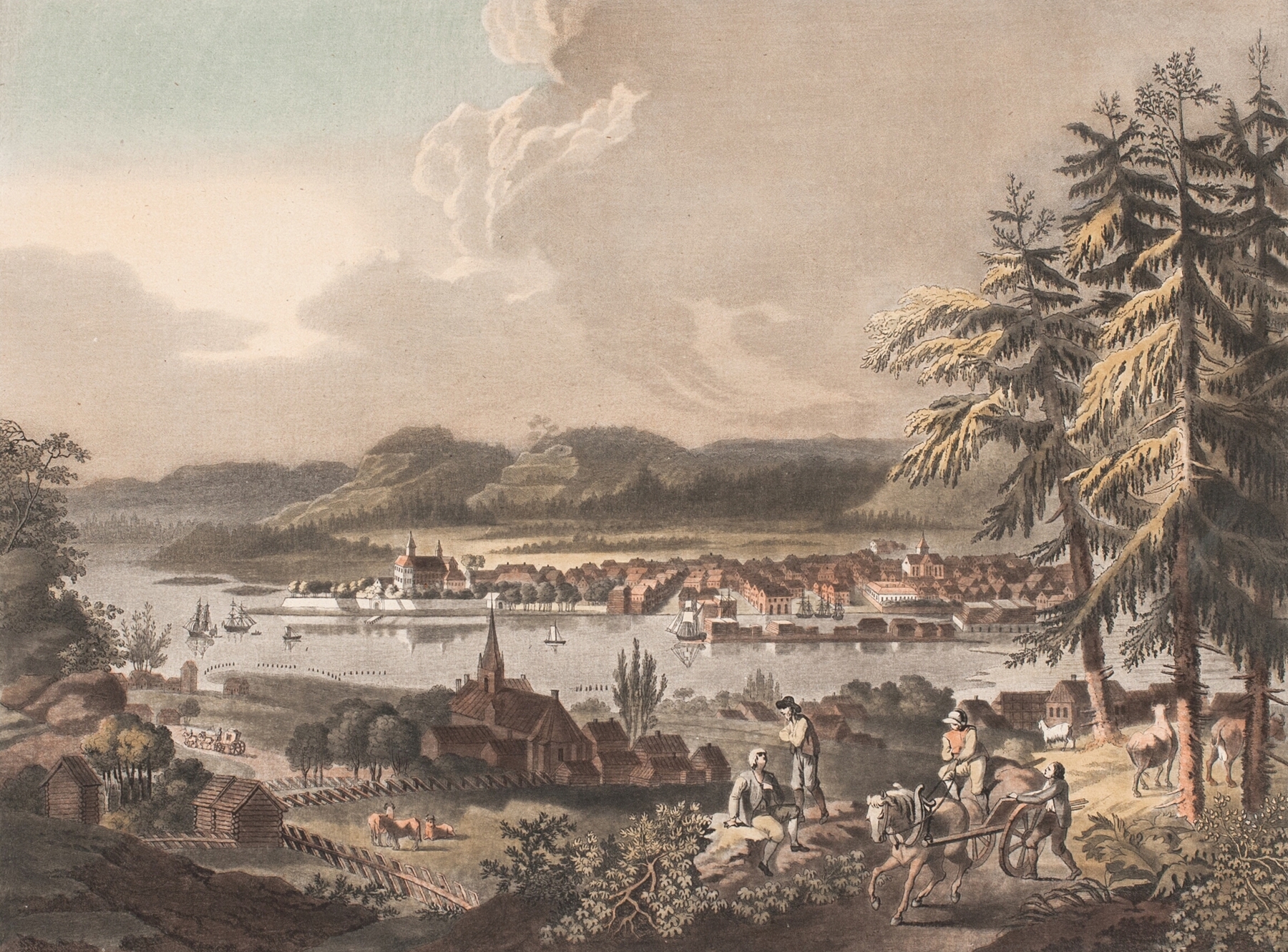
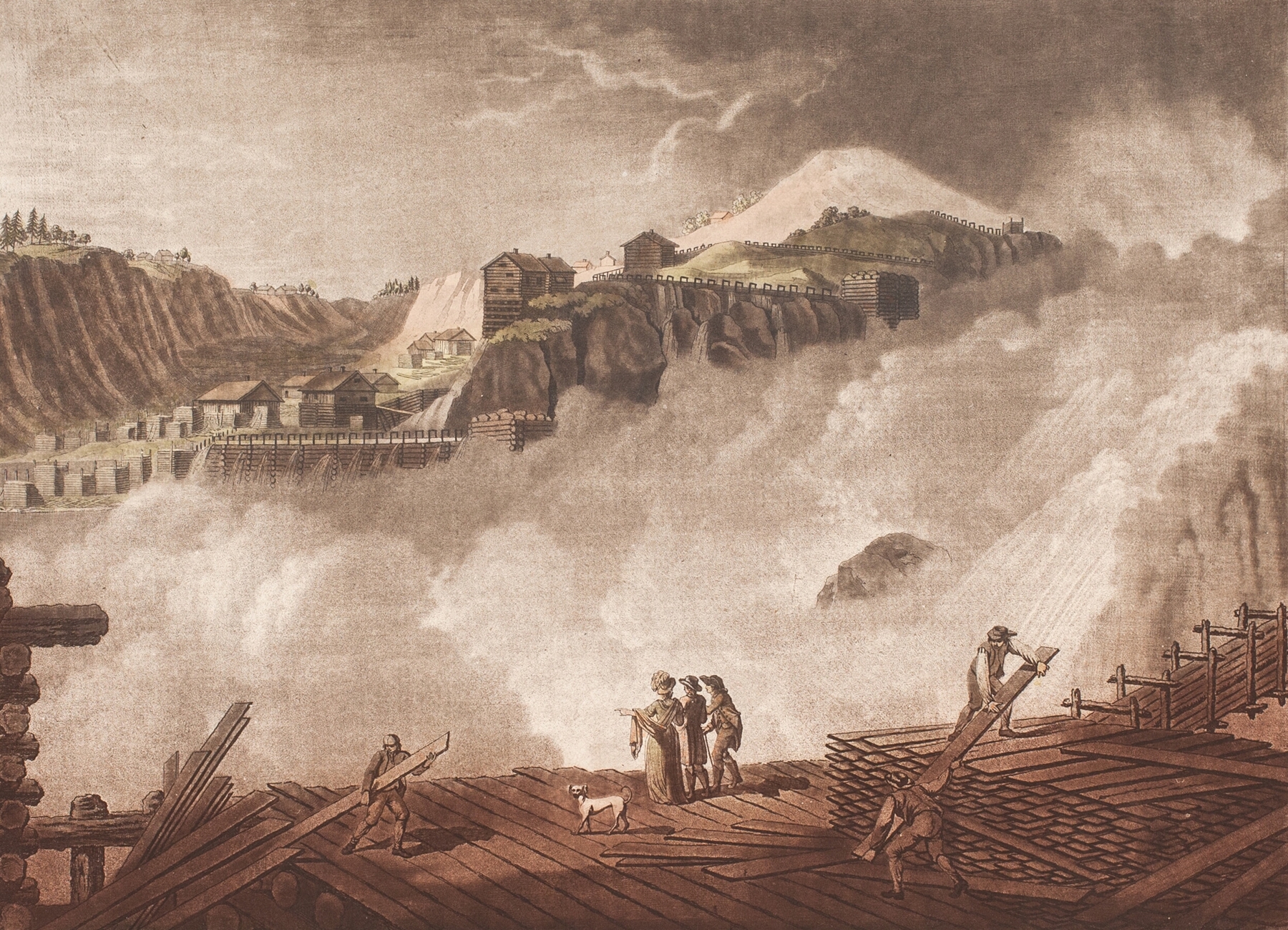
Georg Haas painted Vue prise près de Hèningslöst between 1787 and 1791 during a time when the landscape genre was evolving, reflecting humanity's growing fascination with nature. At this point in his career, he was immersed in the Romantic movement, which emphasized emotion and the sublime beauty of untamed environments. This period marked a significant shift in art, moving away from rigid classical forms towards the more expressive and emotive depictions that characterize his work.