Chailli; effet d’orage — History & Analysis
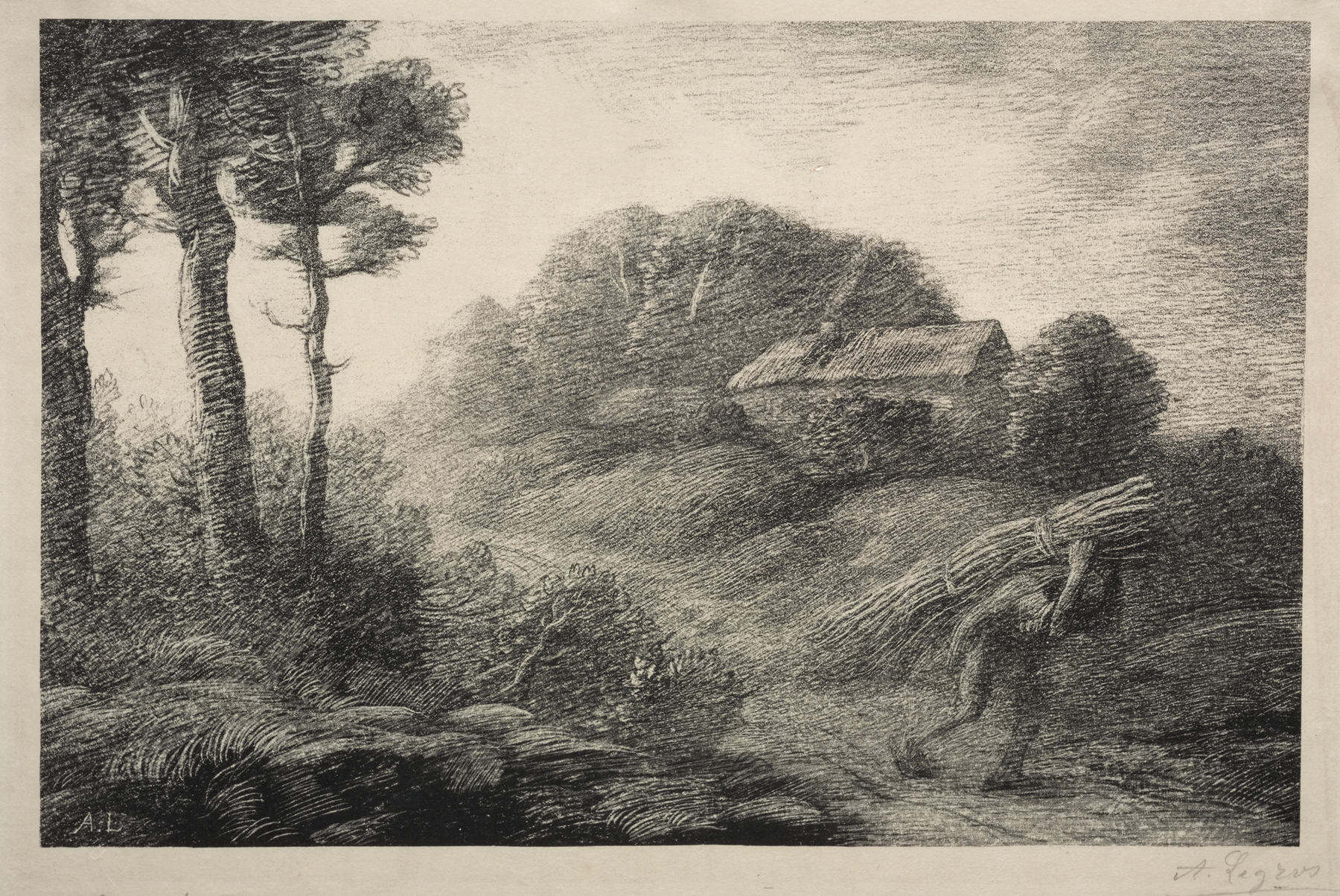
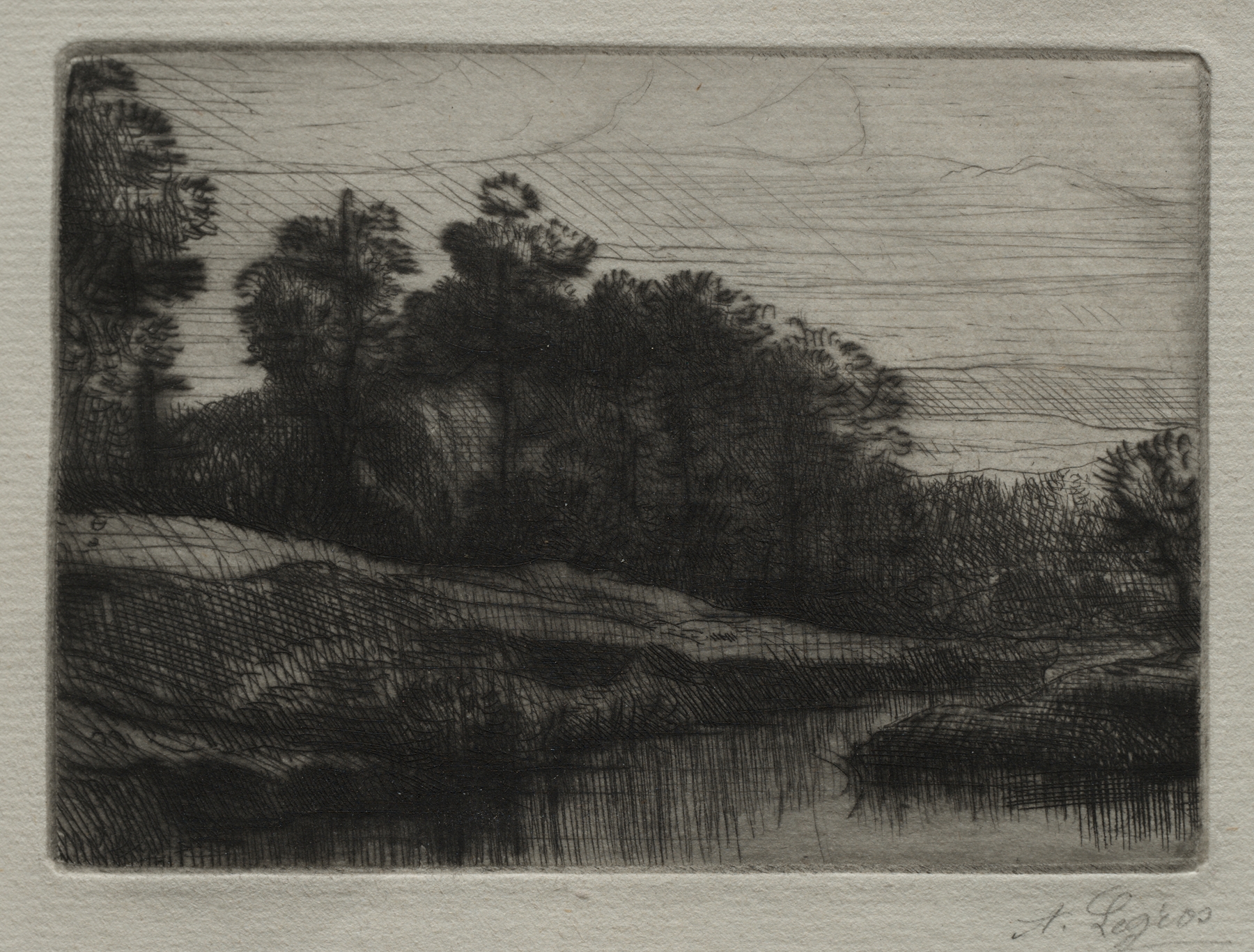
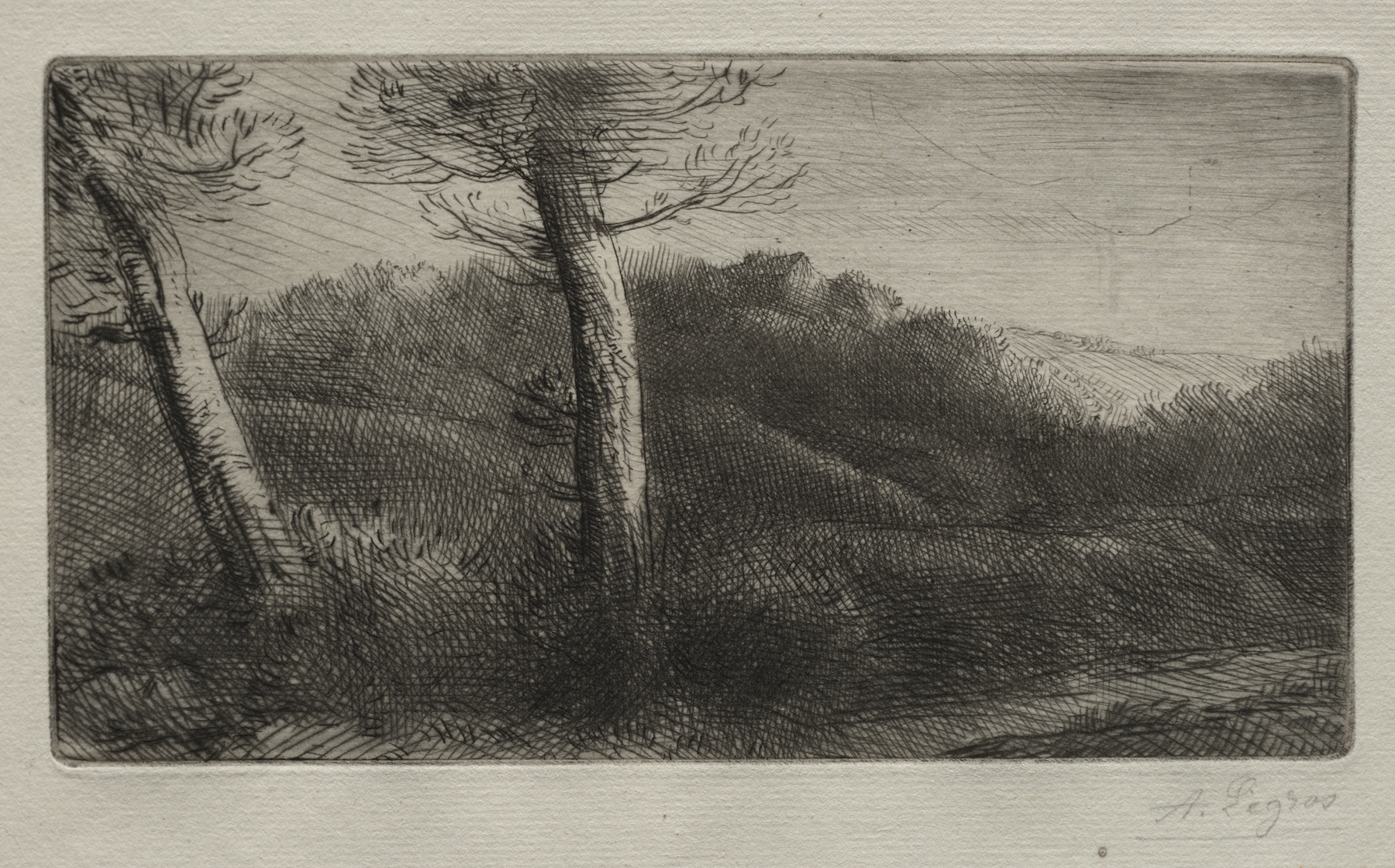
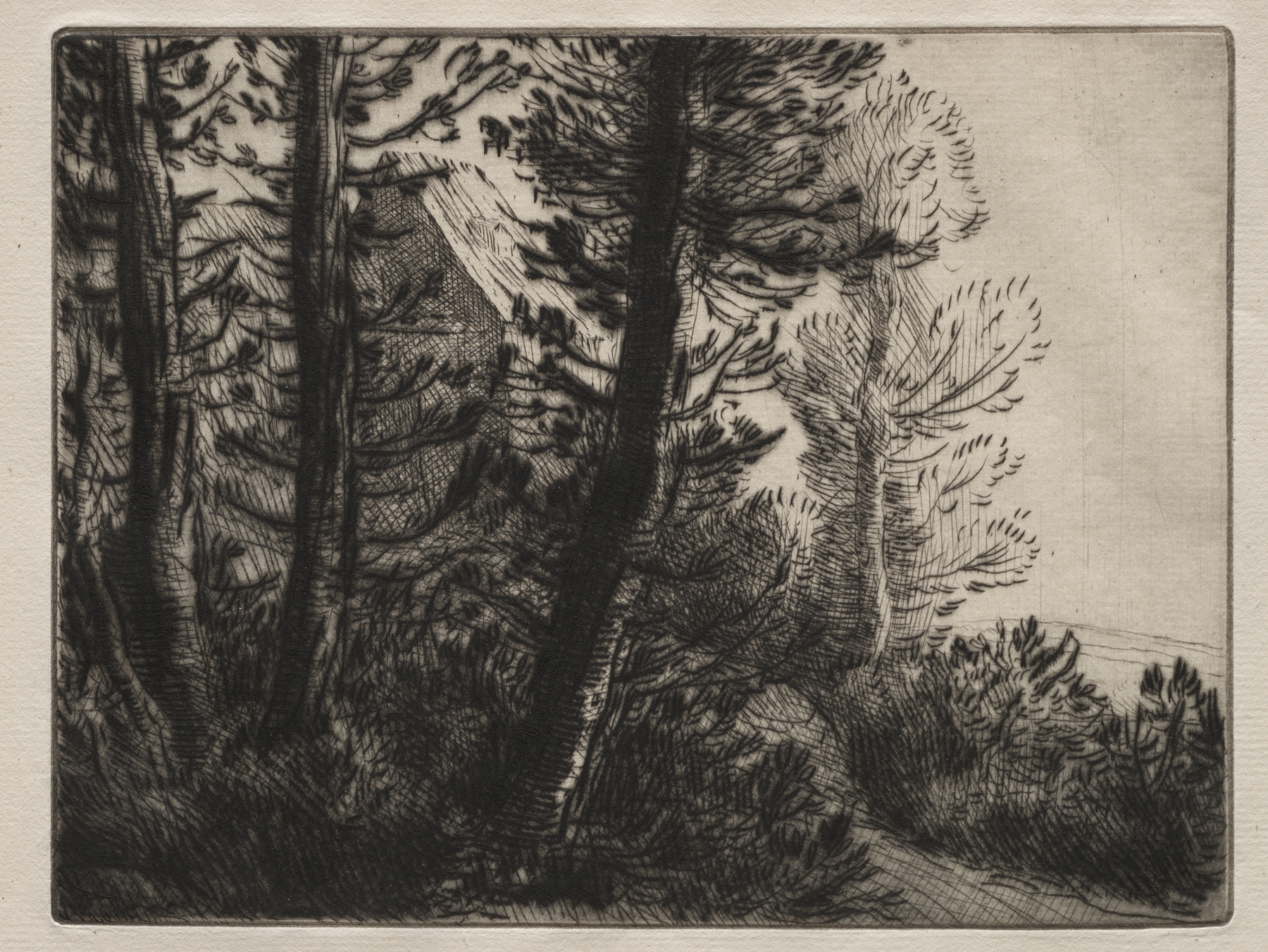
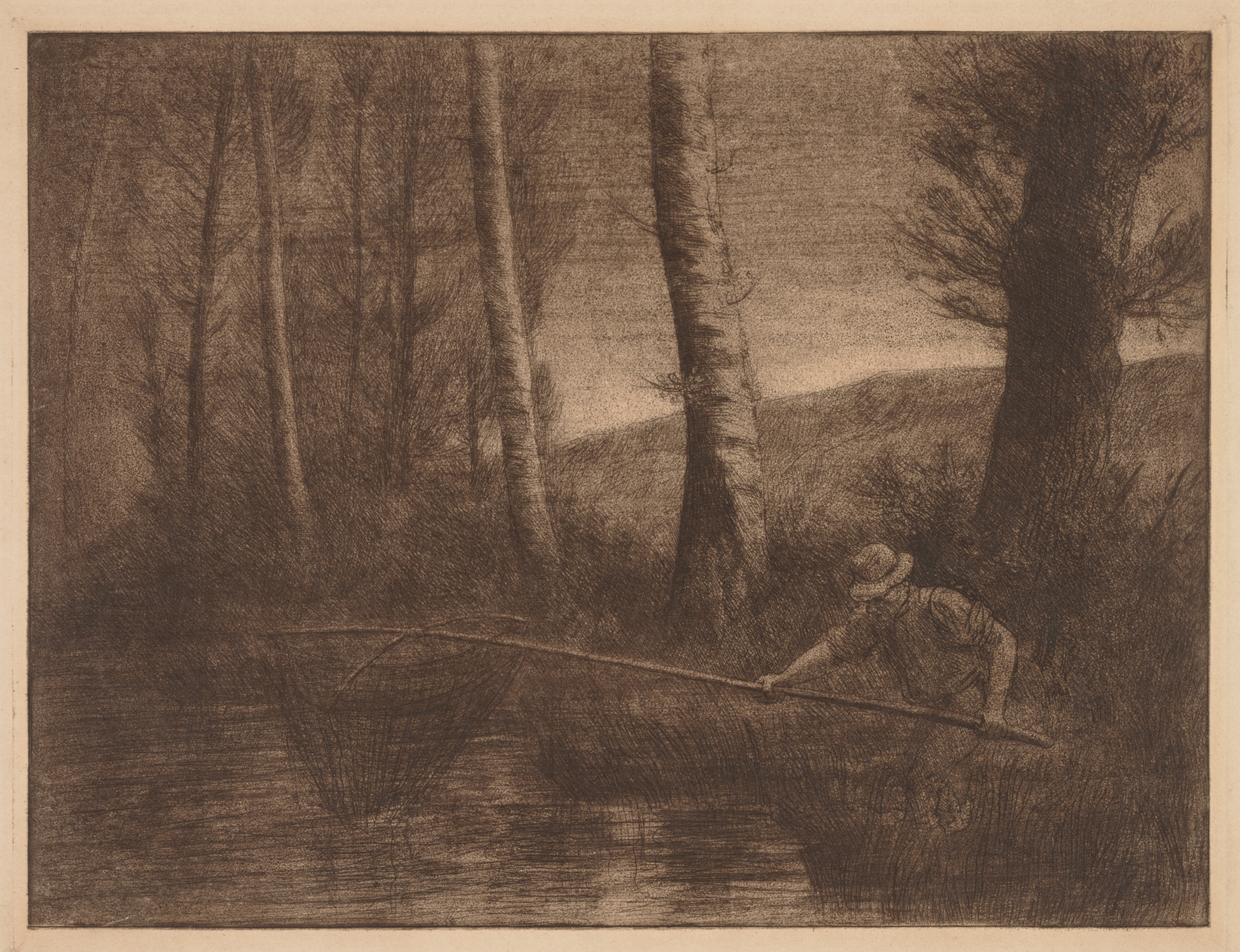
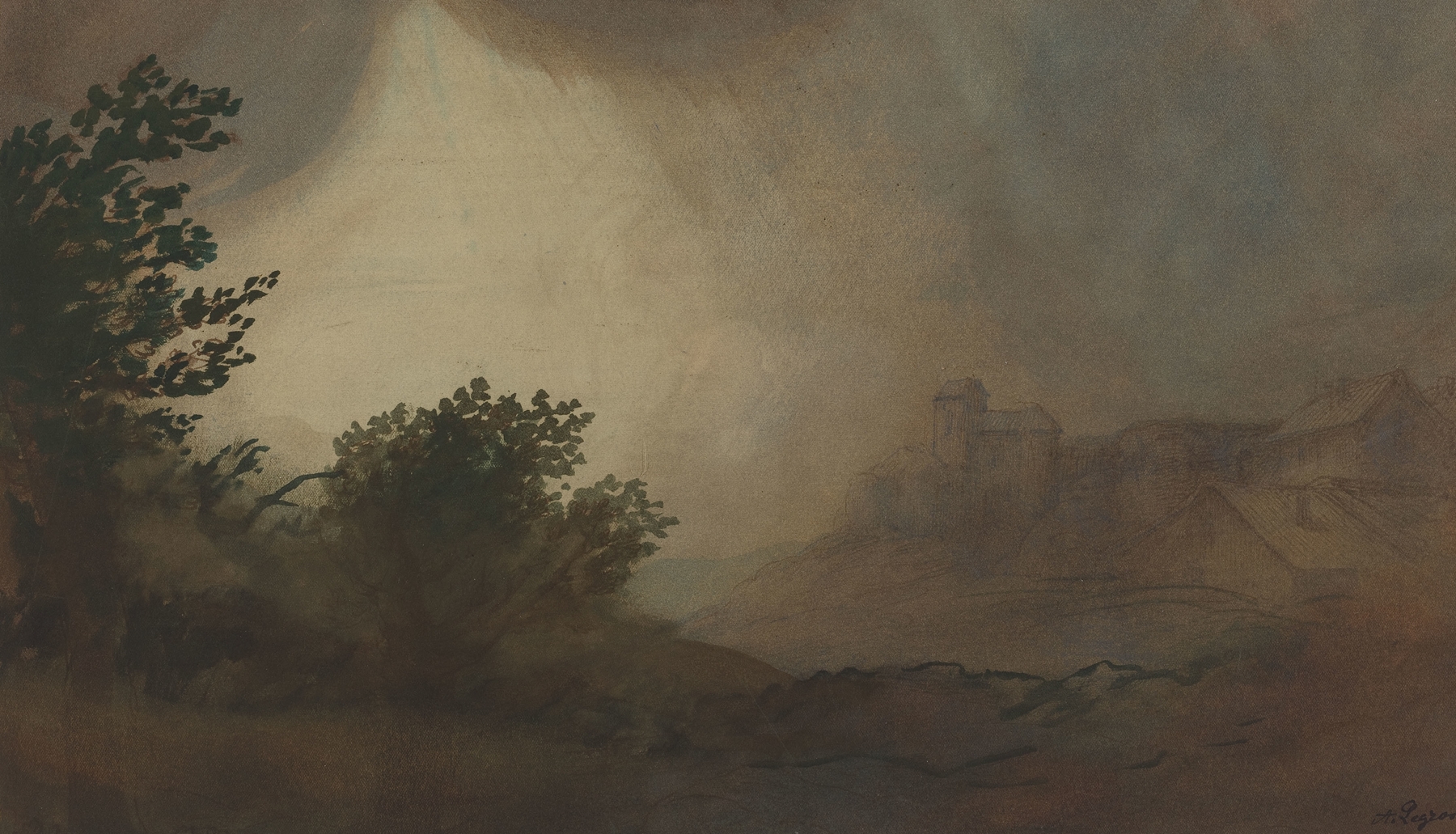
“The canvas doesn’t lie — it simply waits.” In the stillness of an impending storm, beauty emerges not as a fleeting moment but as a captured essence, echoing both tension and tranquility. Look first to the sweeping horizon, where dark clouds billow and merge in dramatic contrast to the soft earth below. The muted palette of grays and browns offers a striking realism, drawing the eye toward the subtle interplay of light and shadow. Notice how the brushwork captures the chaotic energy of the sky, while the stillness of the land invites contemplation, anchoring the viewer in a moment between calm and tumult.
Delve deeper into the painting’s emotional layers; the storm hints at both turmoil and renewal. The juxtaposition of vibrant, swirling clouds against the muted foreground suggests an impending change, a reminder that beauty often resides alongside chaos. Each stroke conveys a sense of anticipation, urging us to reflect on the transient nature of the world around us, where allure and danger coexist.
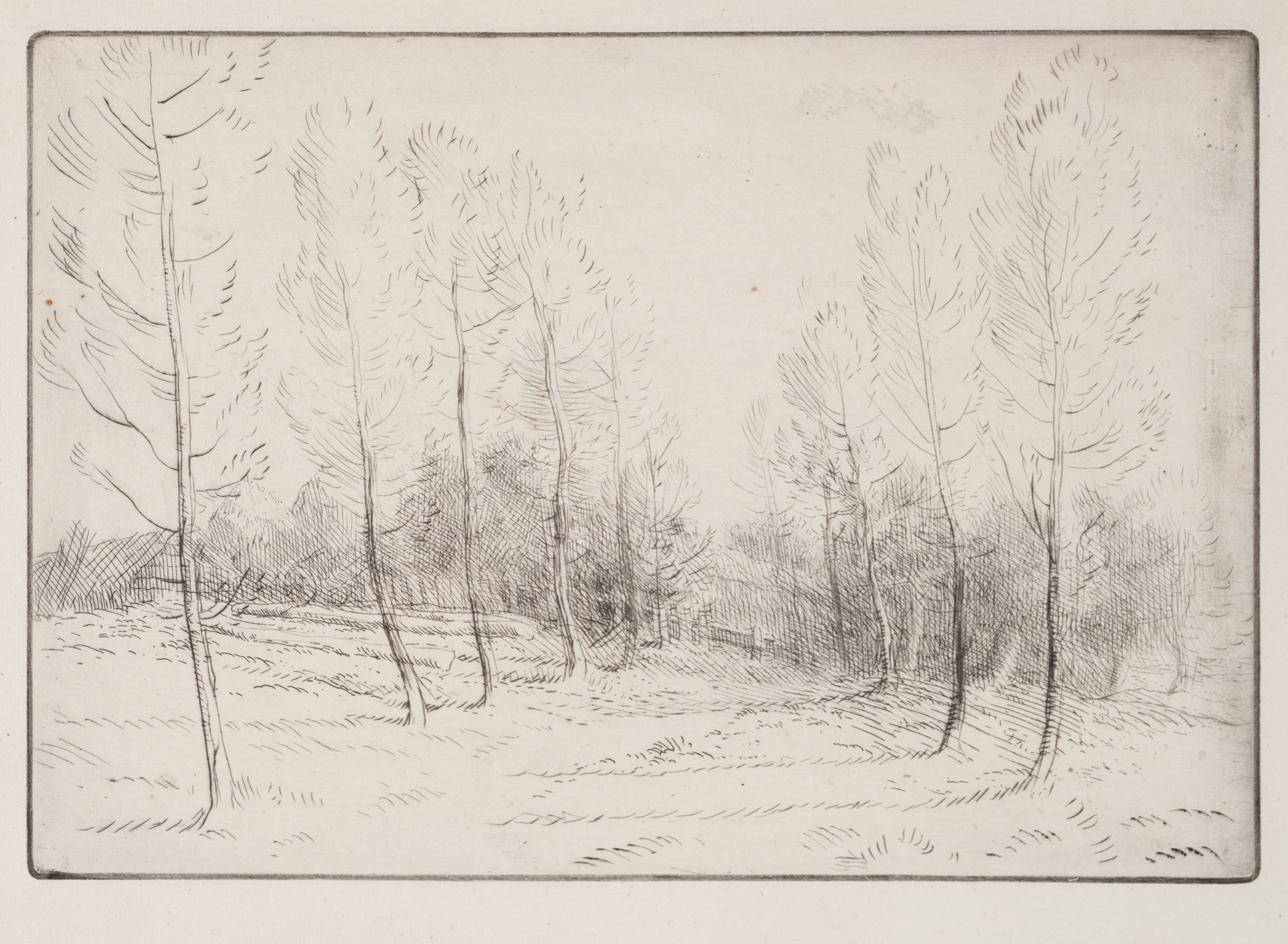
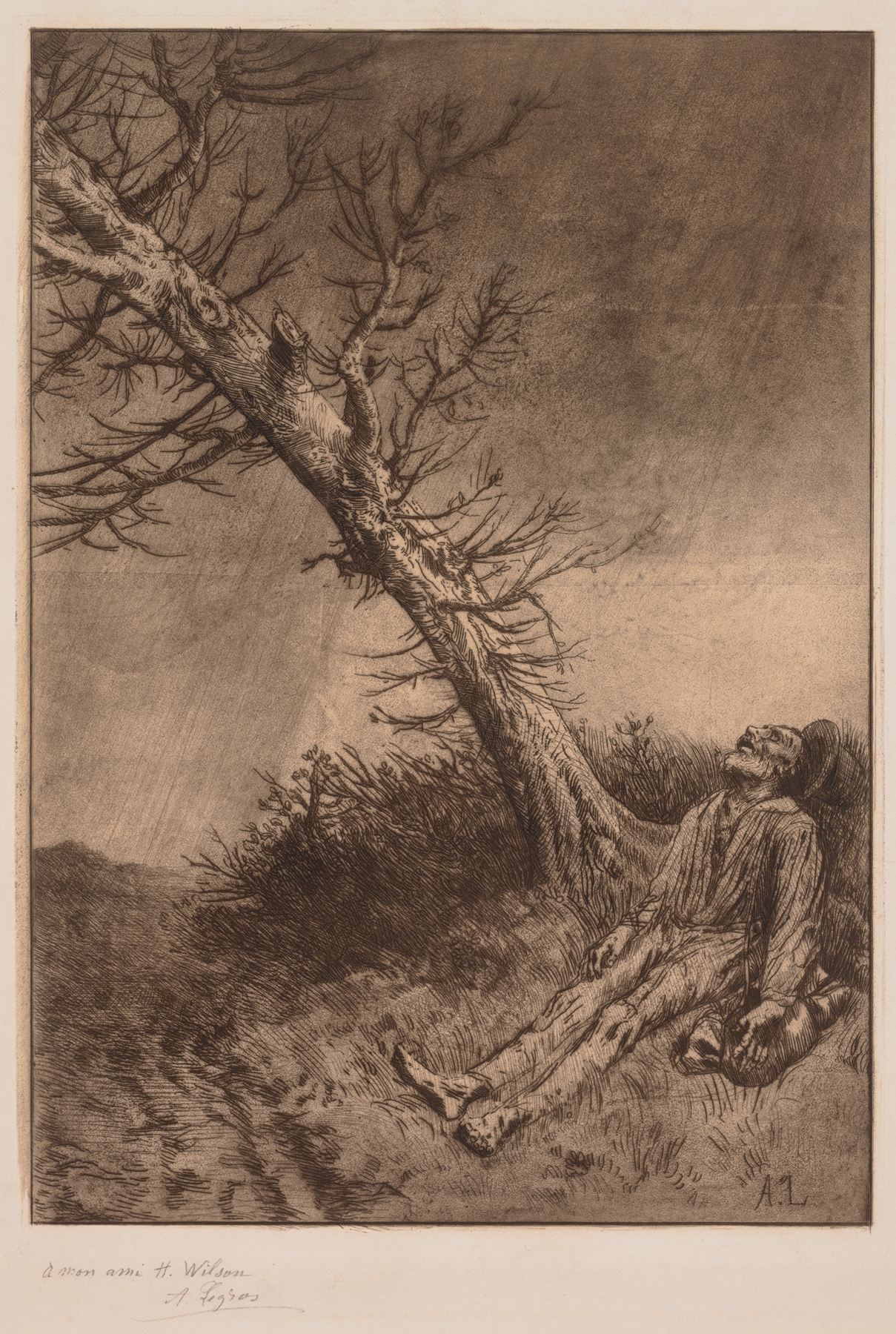
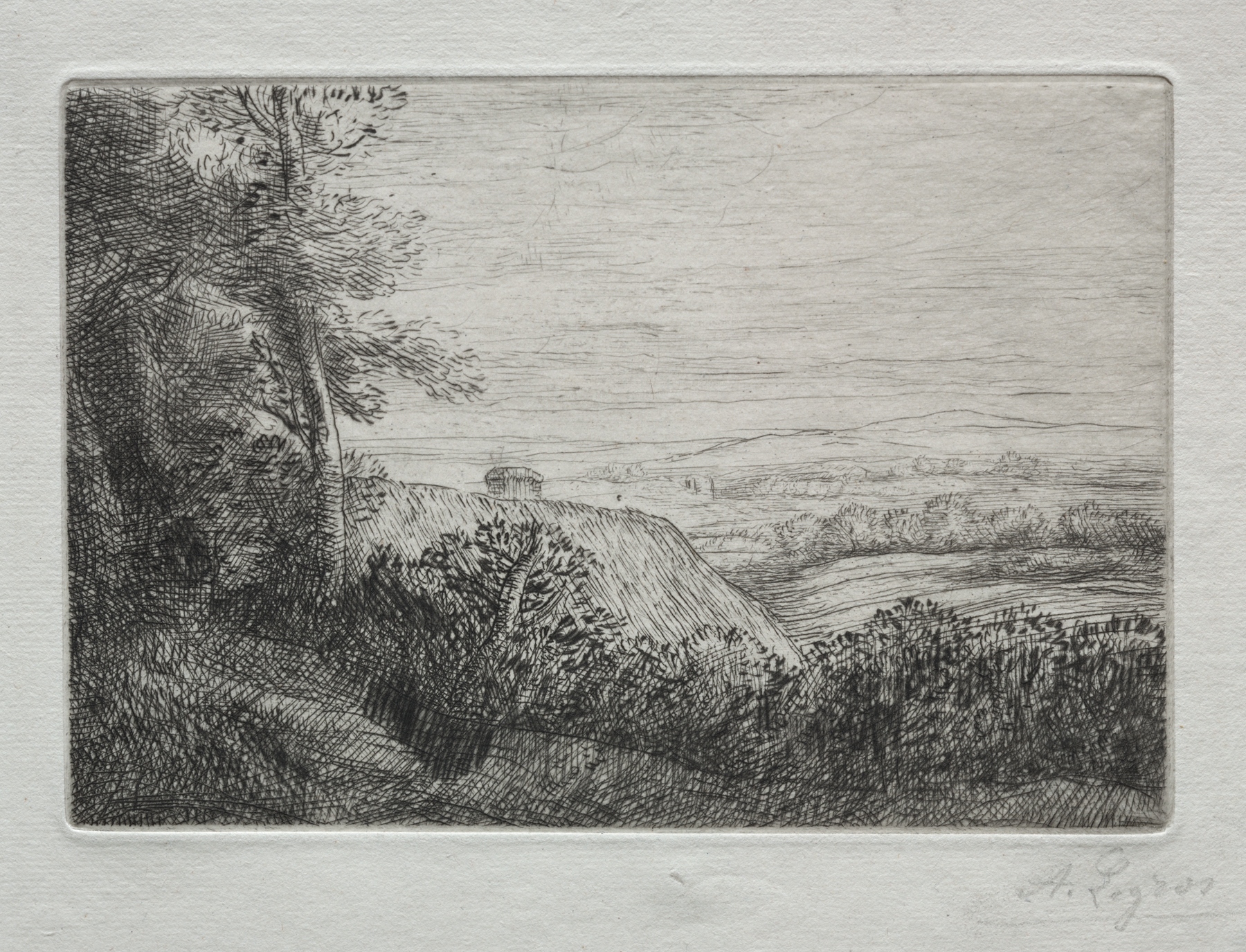
Created by Alphonse Legros between 1857 and 1911, Chailli; effet d’orage reflects a period of transition in the art world, marked by influences of realism and the emerging avant-garde. Working in England after fleeing France, Legros engaged with themes of nature and light, channeling personal experiences into his landscapes. This painting, like many of his works, embodies a search for beauty in the midst of life’s inevitable storms.