Storm — History & Analysis
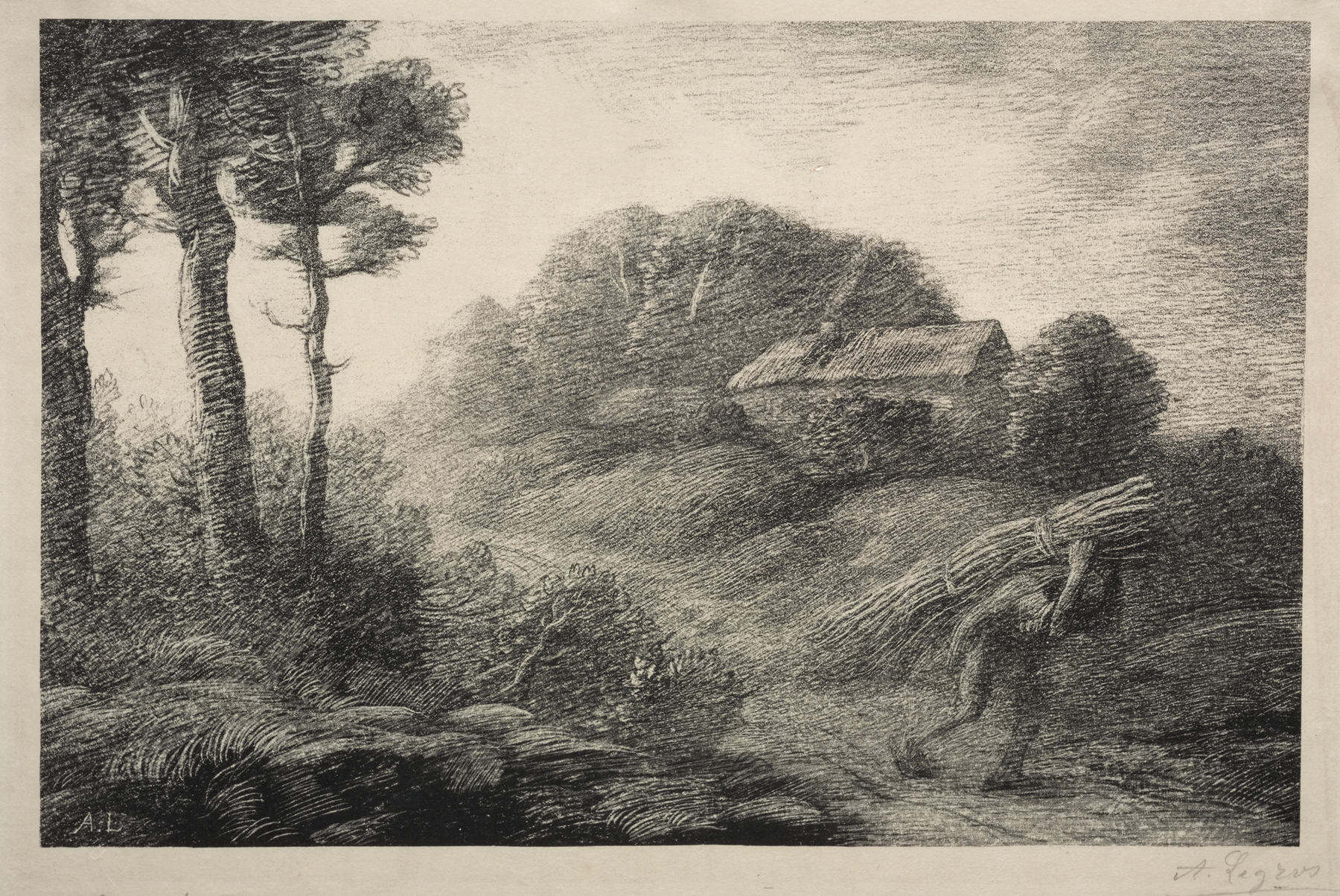
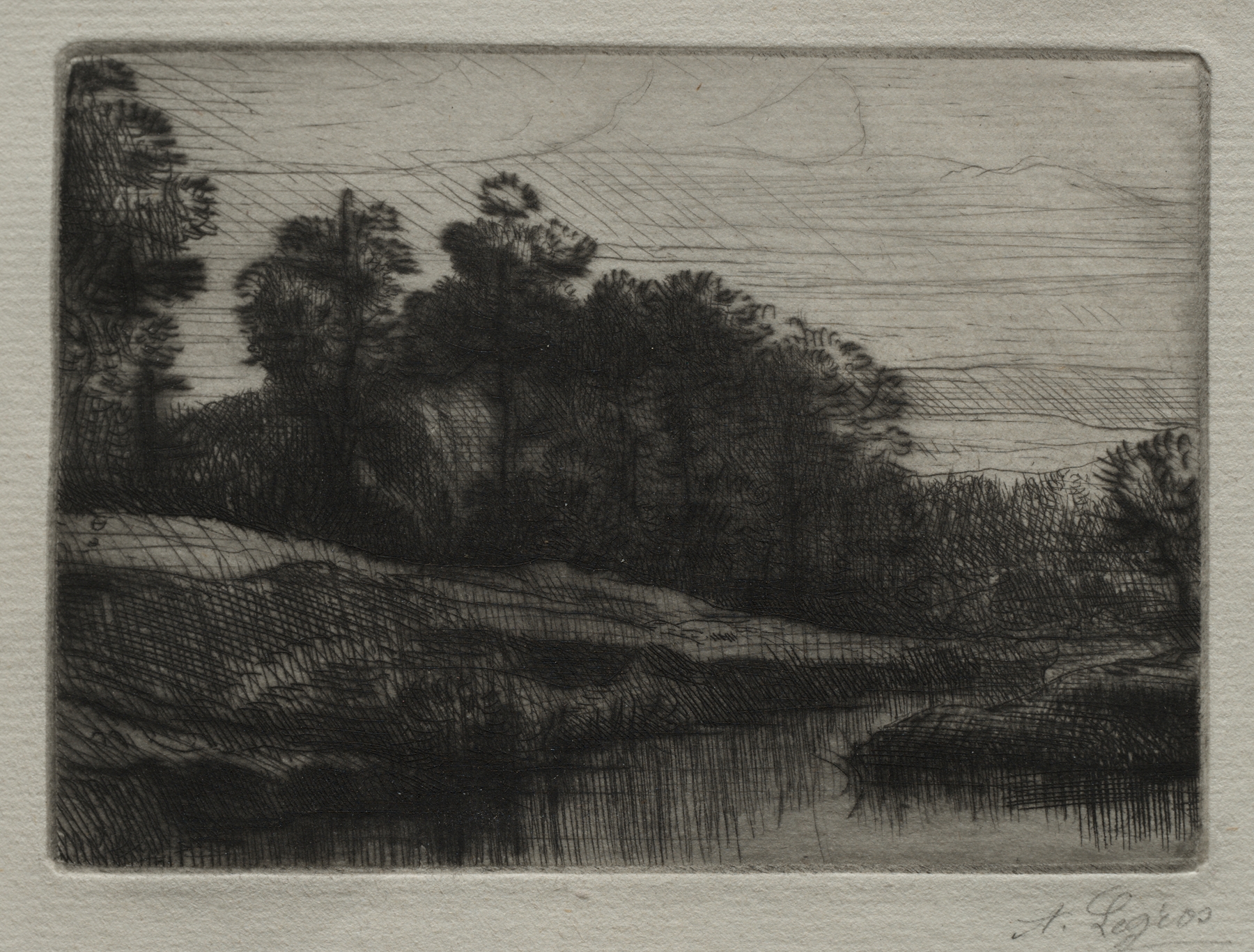
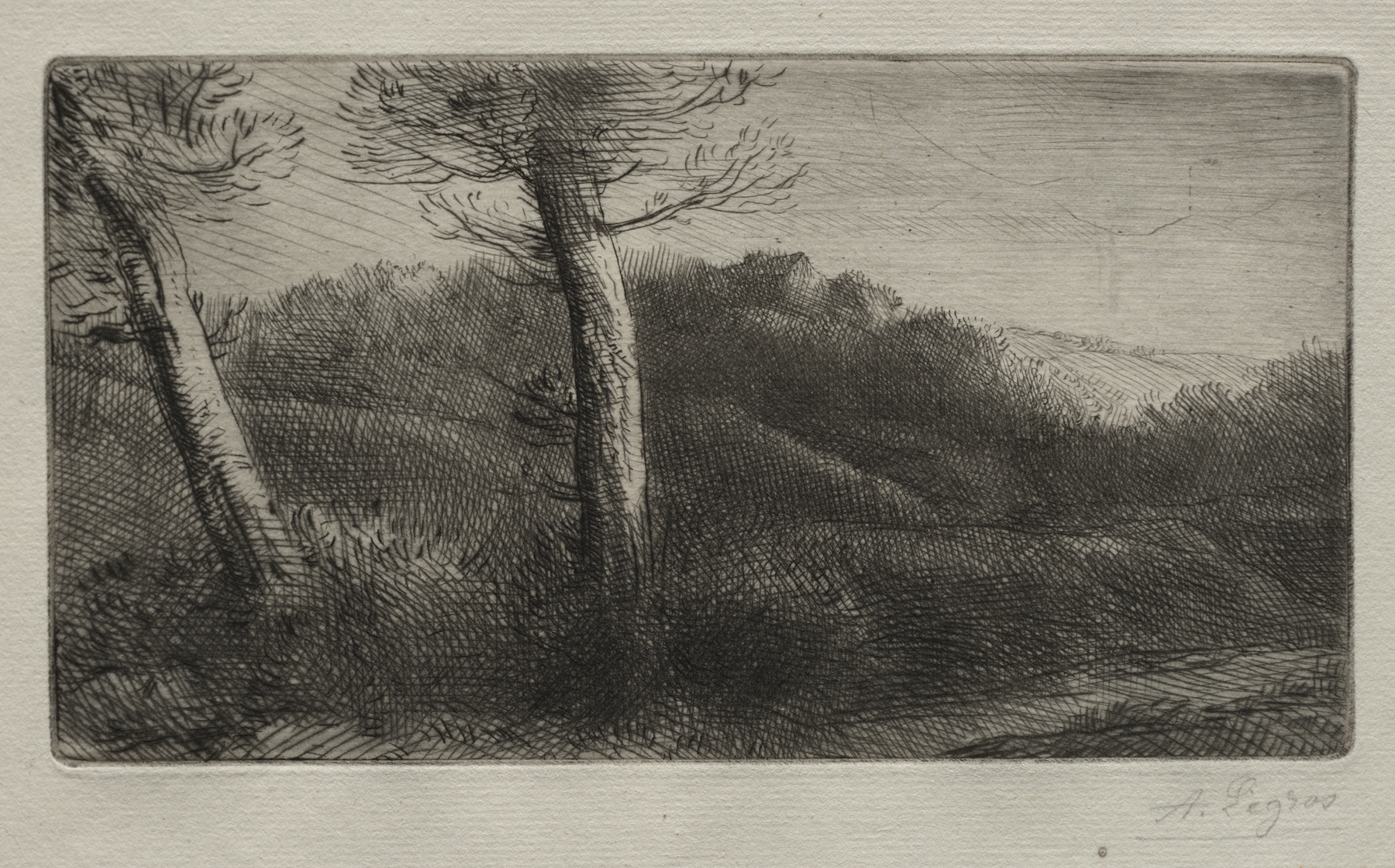
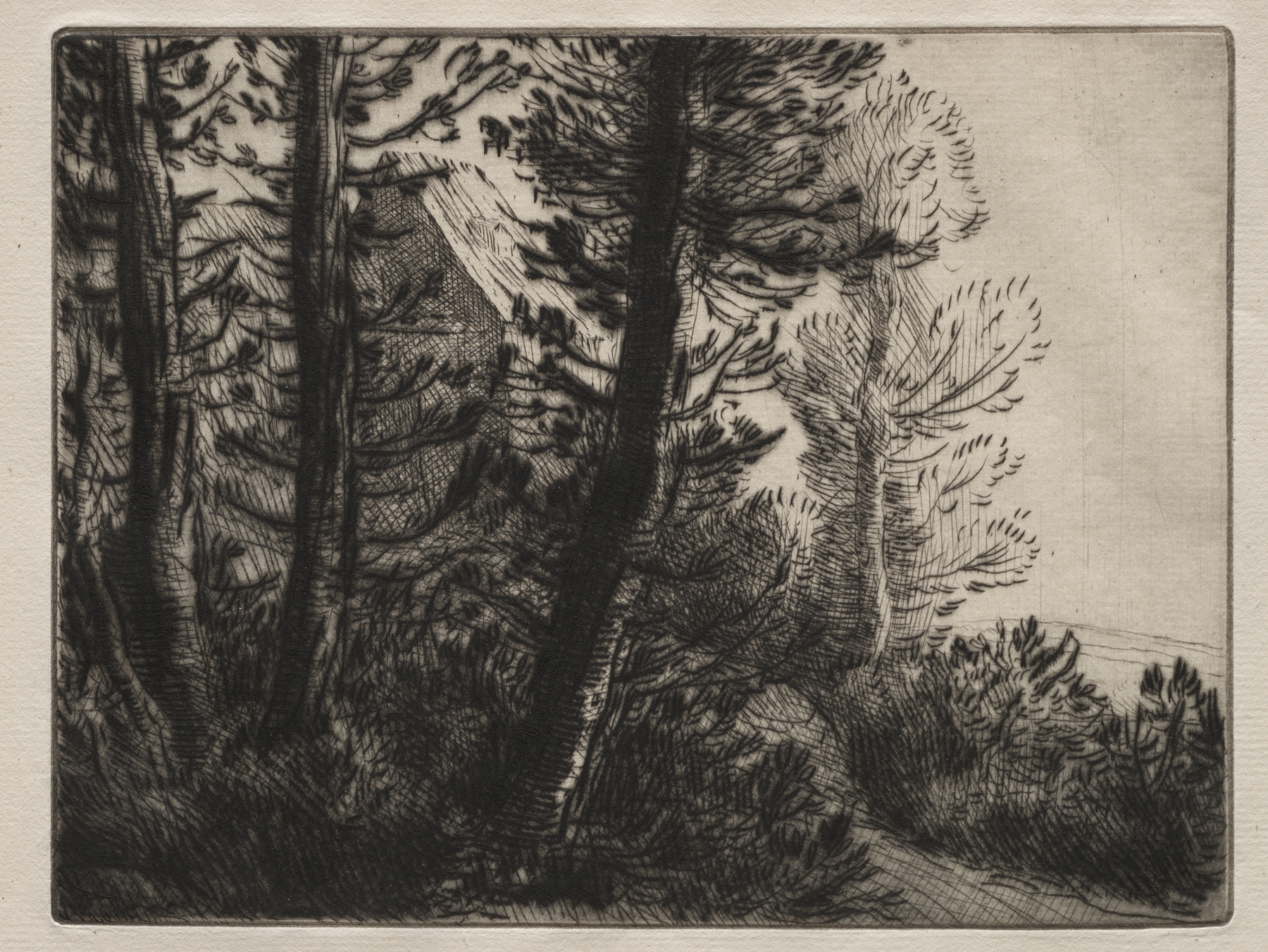
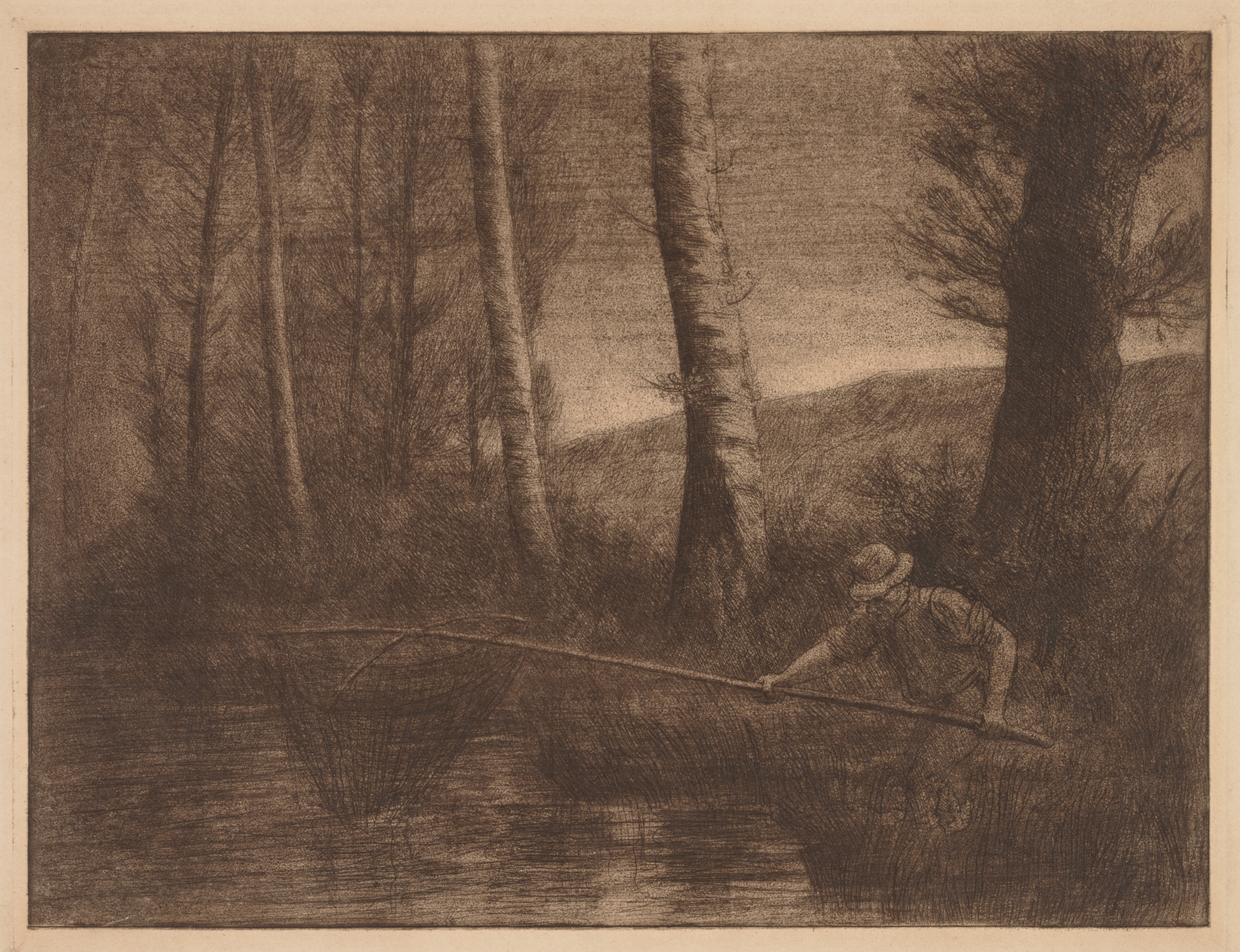
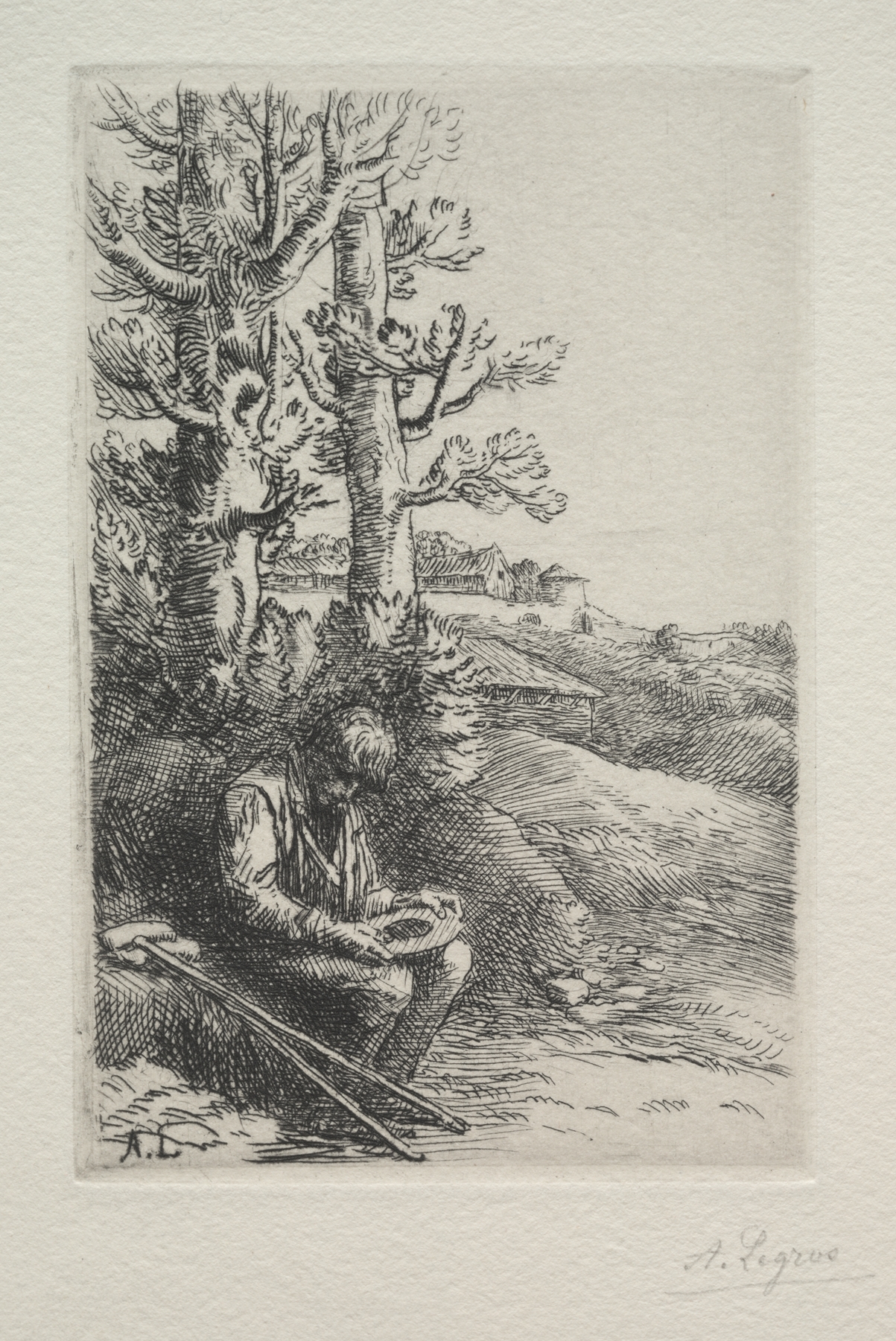
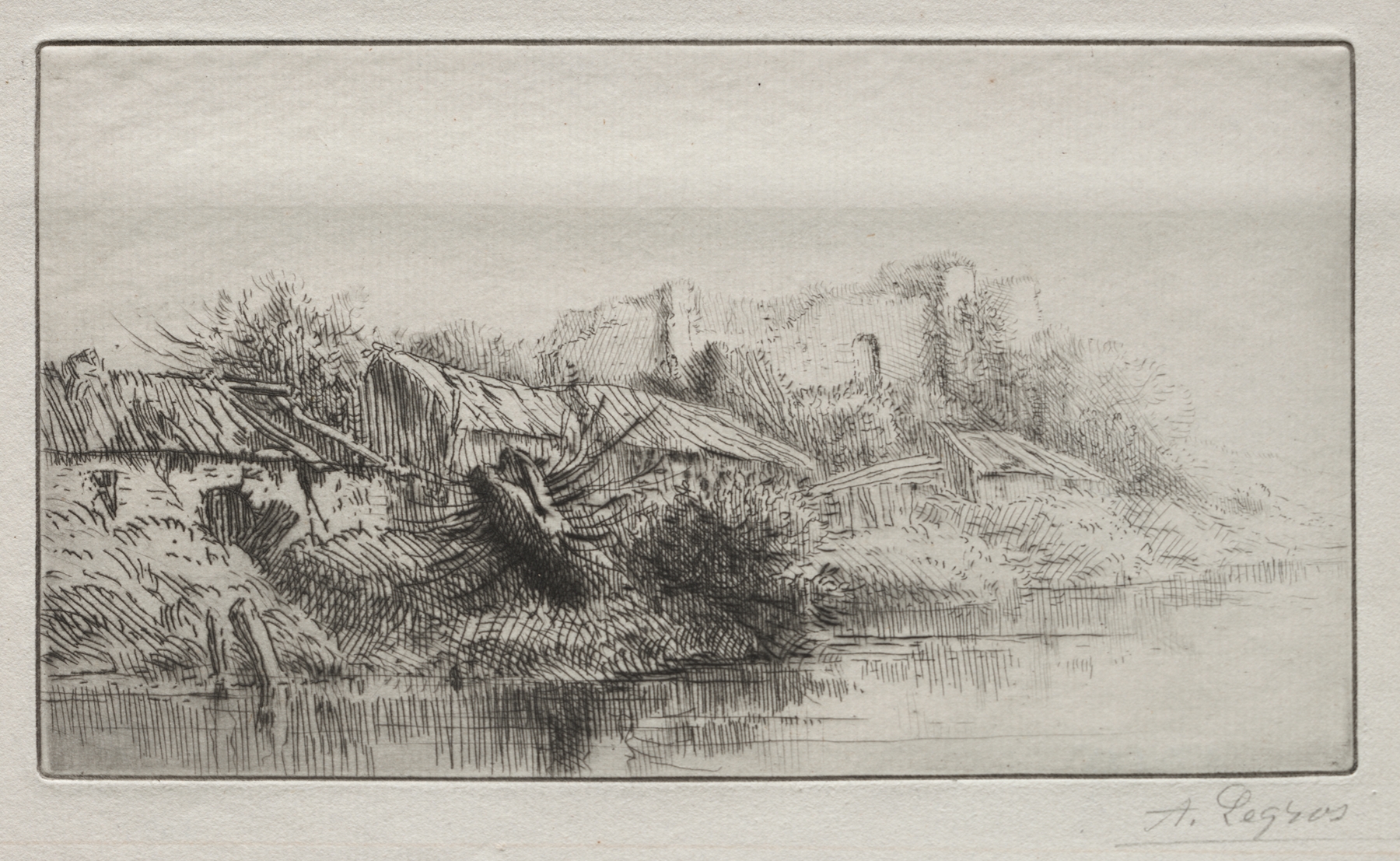
Who listens when art speaks of silence? In Storm, a profound stillness hangs in the air, whispering of transcendence amid chaos. Look to the center of the canvas, where brooding clouds loom ominously, their dark hues swirling in a tempestuous dance. The contrasting flashes of brilliant light break through, illuminating glimmers of hope within the storm's embrace. The brushwork is both energetic and deliberate, creating a rhythm that mirrors the turbulence above, while the earth-bound figures below appear dwarfed, caught in the overwhelming force of nature.
The muted palette, dominated by greys and blues, evokes a sense of impending doom and yet, a subtle invitation to witness the beauty in turmoil. In this composition, the tension between chaos and calm emerges. Notice how the jagged lines of the storm mirror the anxiety of the figures, their postures revealing a blend of fear and resilience. The horizon hints at an unseen distance, suggesting both an escape and a confrontation with nature's fury.
This duality invites reflection on our place within the vastness of existence, where moments of despair can lead to profound introspection and understanding. Alphonse Legros created Storm during a period marked by personal and artistic exploration, likely in the late 19th century while he was living in England. The artist was deeply influenced by the symbiotic relationship between nature and human emotion, often channeling the tumultuous energy of the world around him. Amid the shifting tides of the art scene, where realism and symbolism coexisted, Legros found his voice in the tension between stark reality and emotional depth, encapsulated vividly in this artwork.